India Survive Japan Scare by Two Runs in Historic Five-Over T20I Ahead of Asian Games 2026
India survived a major scare against Japan, defending 32/4 to win their historic one-off T20I by two runs after rain reduced the match to five overs a side in Sano. The victory was India's 200th men's T20I win.
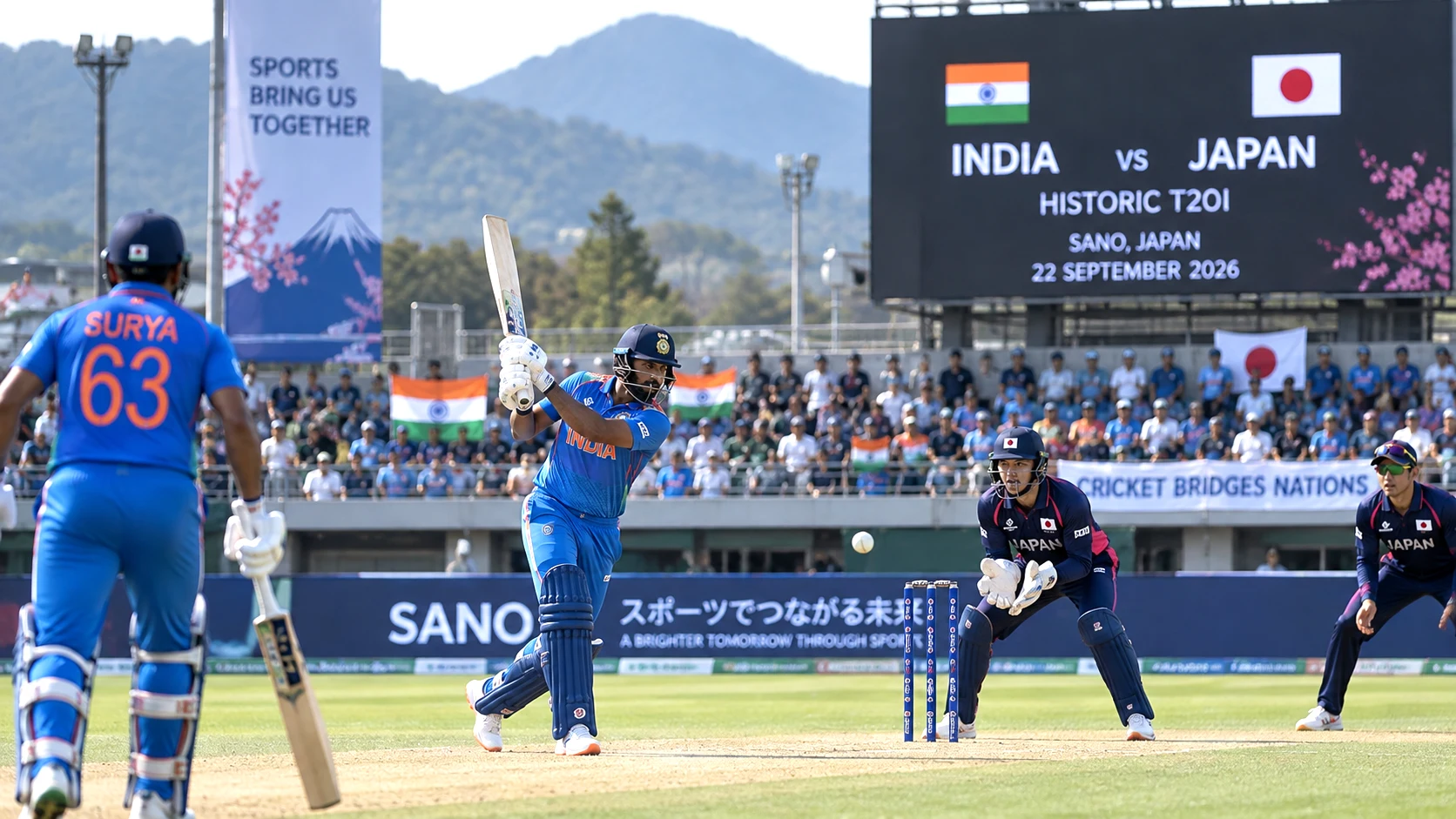
India and Japan men's cricket teams during their historic one-off T20I in Sano, Japan, on September 22, 2026
Table of Contents (21 sections)
SANO / NEW DELHI, September 22, 2026: India narrowly avoided a major upset against Japan on Tuesday, September 22, winning their historic first men's international meeting by just two runs after rain and a difficult turning surface reduced the one-off T20I in Sano to five overs per side.
India managed only 32 for four from five overs after captain Shreyas Iyer chose to bat first at the Sano International Cricket Ground. Japan then pushed the world champions all the way to the final delivery before finishing on 30 for three, two runs short of the target.
Iyer top-scored for India with 16, while Japan's spinners produced an impressive performance that removed Abhishek Sharma, Sanju Samson and Ishan Kishan cheaply.
With Japan requiring eight runs from the final over, Axar Patel held his nerve and conceded only five, sealing India's narrow victory. Washington Sundar finished with 2/13, while Axar completed his two overs for only seven runs.
The result also carried a statistical milestone: India became the first men's international team to reach 200 T20I victories, according to Business Standard's match report.
Recommended Reading
Related Stories & In-Depth Guides
Curated editorial perspectives matching this topic.
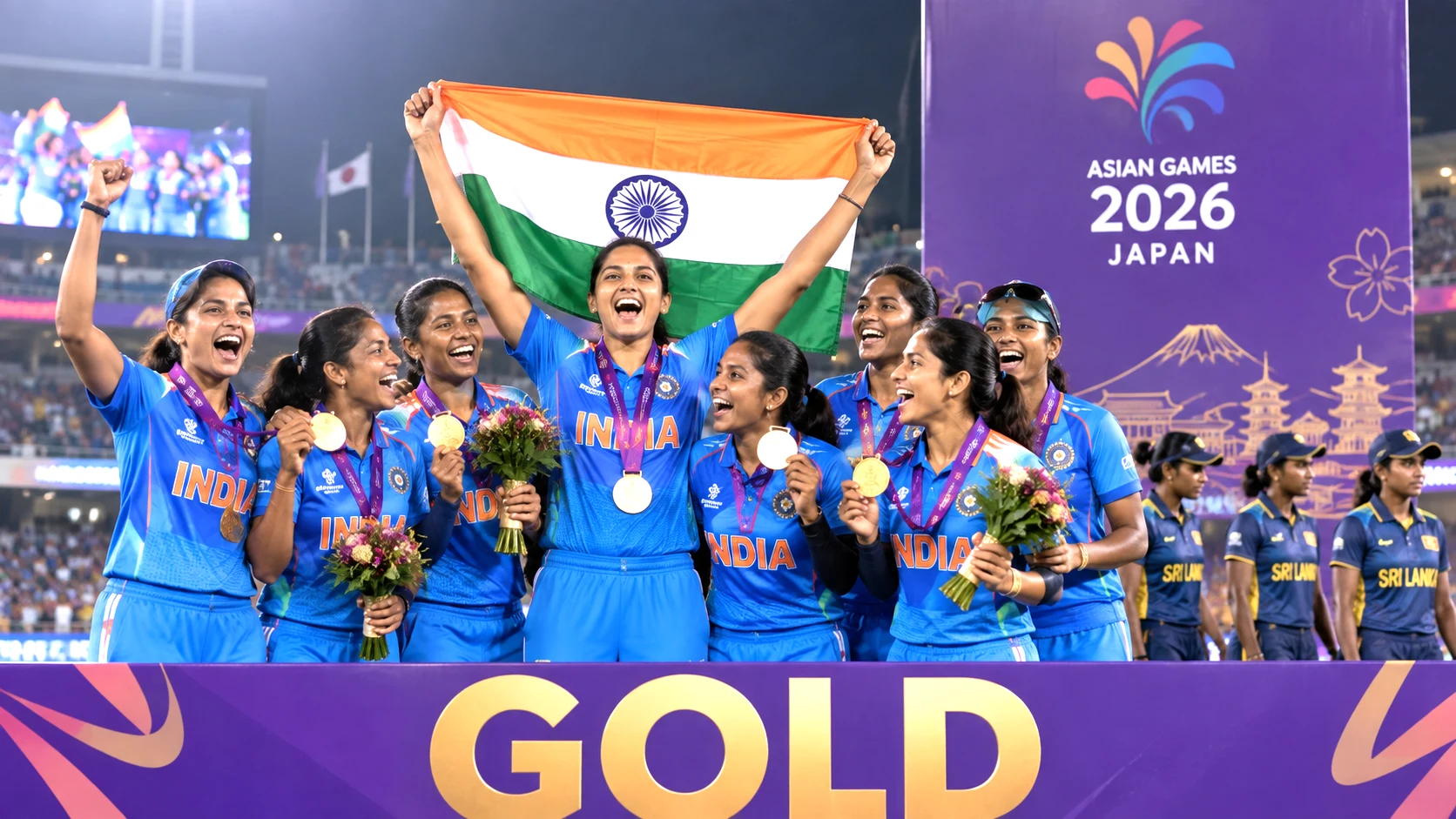
India Women retained their Asian Games cricket title with a 147-run win over Sri Lanka in Nisshin. Smriti Mandhana hit 79 as India made 216/3 before Sri Lanka were bowled out for 69.
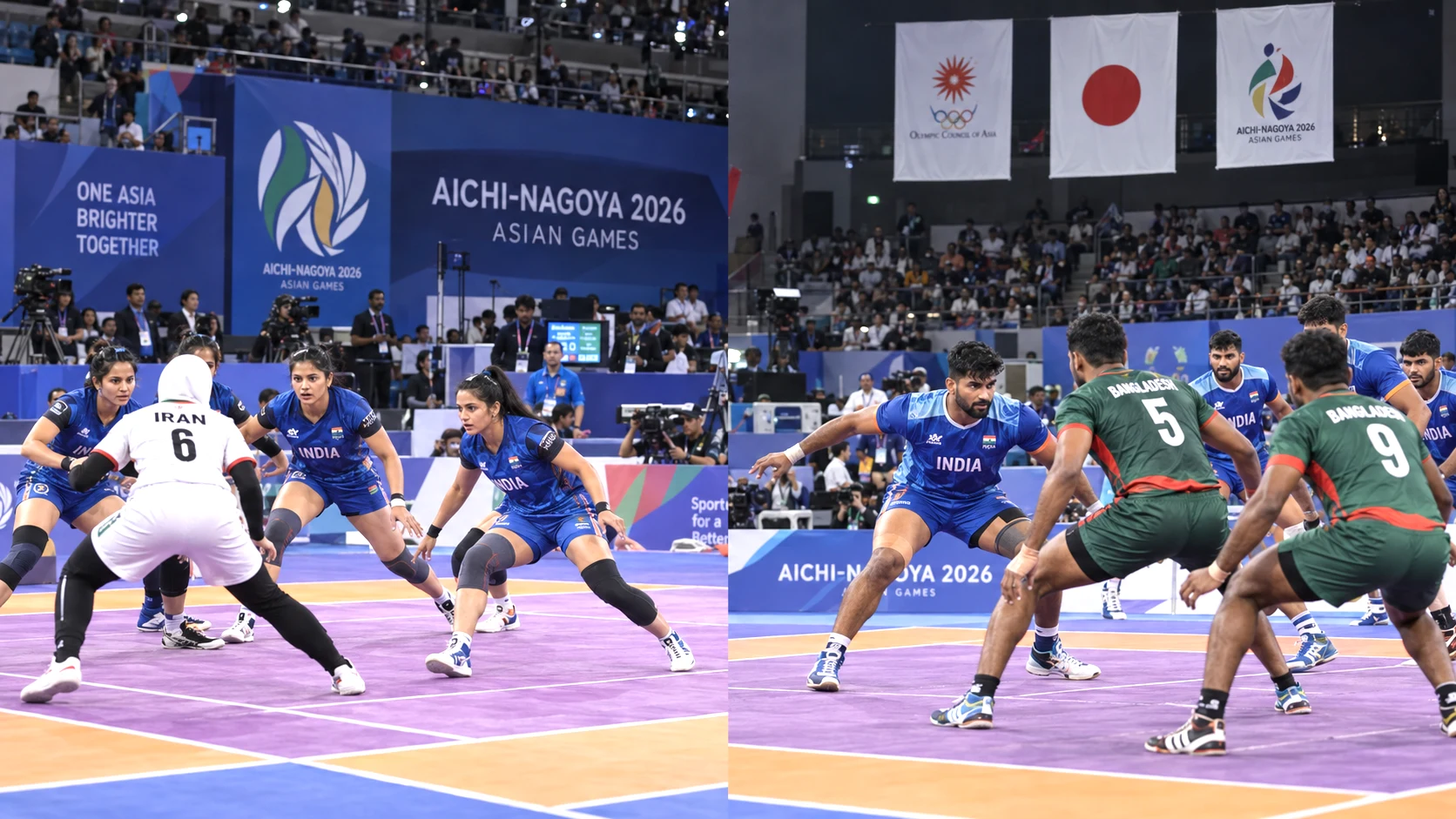
India stayed unbeaten in Asian Games 2026 kabaddi as the women defeated Iran 37-23 and the men beat Bangladesh 48-25 to seal a semifinal berth. Check scores, qualification status and India’s next matches.
Key Takeaways
India beat Japan by two runs in a rain-shortened five-over T20I.
India scored 32/4; Japan finished 30/3.
First men’s international between India and Japan.
India’s 200th men’s T20I victory.
Axar Patel defended eight runs in the final over.
Useful warm-up ahead of Asian Games men’s cricket campaign.
India vs Japan T20I Result at a Glance
Match detail
Result
Match
Japan vs India, one-off T20I
Date
September 22, 2026
Venue
Sano International Cricket Ground, Japan
Match length
5 overs per side
India
32/4 in 5 overs
Japan
30/3 in 5 overs
Result
India won by 2 runs
India top scorer
Shreyas Iyer — 16
Japan top scorer
Kendel Kadowaki-Fleming — 12
Best India bowler
Washington Sundar — 2/13
Key final over
Axar Patel defended 8
Significance
First men's international between India and Japan
India milestone
200th men's T20I victory
Why Was India vs Japan Reduced to Five Overs?
The match was originally scheduled as a full T20 International, but wet weather and moisture at the ground forced a long delay.
Heavy rain in the days leading up to the fixture had left the playing surface and outfield difficult to prepare. Although conditions improved on Tuesday, there was not enough time available to stage a full 20-over match.
Officials therefore reduced the contest to the minimum five overs per side required for the game to produce a result.
The shortened format significantly increased the possibility of an upset.
In a normal 20-over match, a stronger team has more time to recover from early wickets or a difficult start. Over only 30 deliveries, every dot ball, wicket and mis-hit becomes far more significant.
Iyer acknowledged after the match that a five-over game could go in either direction and praised Japan's attitude.
Japan’s Spinners Stun India’s Top Order
India's decision to bat first quickly came under pressure.
Japan's bowlers made excellent use of a damp surface that was gripping and offering considerable turn.
Left-arm spinner Charlie Hara-Hinze delivered the first major breakthrough when Abhishek Sharma was dismissed for a golden duck.
Abhishek attempted an aggressive slog sweep but failed to control the shot, leaving India with an early wicket down.
Off-spinner Ibrahim Takahashi then removed Sanju Samson for nine.
Samson attempted to attack across the line but was caught by Benjamin Ito-Davis near the mid-wicket boundary.
Ishan Kishan was next to fall.
He struggled to generate momentum against the turning ball and scored only three from six deliveries before Ito-Davis dismissed him.
India had slipped to 14/3 after three overs.
For a side containing some of international cricket's most experienced short-format batters, the score demonstrated how effectively Japan had adapted to its home conditions.
Shreyas Iyer Holds India’s Innings Together
Captain Shreyas Iyer was the only Indian batter to move into double figures.
He scored 16 from 12 balls, including one boundary, and increasingly relied on singles and doubles as he realised how difficult it was to attack through the slow, turning surface.
Iyer later explained that the ball was turning sharply and holding in the pitch, making conventional attacking strokes difficult.
He was eventually dismissed by Hara-Hinze near the end of the fifth over.
India completed their innings at 32/4.
Hara-Hinze finished with 2/17, while Takahashi took 1/13 and Ito-Davis returned an economical 1/2 from his single over.
Considering India's international experience and batting strength, Japan's bowling effort was one of the most notable features of the match.
Japan Need Only 33 for a Historic Upset
A target of 33 in five overs meant Japan needed to score at 6.6 runs per over.
On paper, it appeared highly achievable.
But the same conditions that had troubled India were now available to India's experienced spin attack.
India opened with Axar Patel rather than using fast bowling.
The decision immediately brought control.
Japan's Lachlan Yamamoto-Lake was run out during the opening over after Ishan Kishan produced a direct hit from the field, leaving the hosts at 2/1.
Washington Sundar then struck in the second over.
Ibrahim Takahashi hit Sundar for four but attempted another aggressive stroke on the following delivery and was caught by Ravi Bishnoi.
Japan had lost two early wickets, but the hosts remained within reach of the target.
Kendel Kadowaki-Fleming Keeps Japan Alive
Japan captain Kendel Kadowaki-Fleming ensured India could not relax.
He attacked Bishnoi during the third over, helping Japan collect 10 runs.
After three overs, Japan had moved to 18/2, leaving the hosts requiring 15 runs from the final 12 deliveries.
In such a short contest, that was an entirely realistic target.
Kadowaki-Fleming and Benjamin Ito-Davis continued pushing in the fourth over.
Seven runs came from Sundar's second over before the Indian spinner produced a crucial breakthrough on the final delivery, dismissing the Japanese captain for 12.
Japan finished the fourth over at 25/3.
Eight runs were needed from Axar's final six balls.
Axar Patel Defends Eight in Dramatic Final Over
The match came down to the final over.
Axar had only eight runs to defend against Shirai-Patmore and Ito-Davis.
He began with a dot ball and prevented Japan from finding the boundary that could have changed the contest.
The over also included confusion over wide-ball decisions.
One delivery was initially called wide before Indian captain Iyer and wicketkeeper Samson questioned the decision. After discussion between the on-field umpires, the call was reversed.
The incident became a talking point after the match, but the final official result remained a two-run Indian victory.
Japan needed four runs from the final ball.
Shirai-Patmore could manage only a leg bye, leaving Japan at 30/3.
India had survived.
India Use Only Spin to Defend 32
One of the unusual aspects of the match was India's bowling approach.
On a surface offering substantial turn, India relied entirely on spin during Japan's five-over chase.
Axar Patel, Washington Sundar and Ravi Bishnoi handled all 30 deliveries.
Axar conceded only seven runs from his two overs.
Sundar took two wickets for 13 runs, while Bishnoi's single over went for 10 as Japan briefly threatened to take control.
The conditions demonstrated why India's Asian Games preparations cannot be based only on batting power.
Slow, low or turning pitches can transform very short T20 contests, particularly if weather reduces the number of overs.
India Record 200th T20I Victory
The narrow win also took India to a significant men's T20I milestone.
Business Standard reported that India became the first country to register 200 men's T20I victories, with the tally including matches decided through Super Overs.
India's first T20I win came against South Africa in Johannesburg in 2006.
The team's 50th came against Sri Lanka in Colombo in 2017, its 100th against the West Indies in Kolkata in 2022, and the 150th came against Australia in 2024.
Win number 200 arrived in very different circumstances: a five-over match against Japan decided by only two runs.
Why Was India Playing Japan Before the Asian Games?
The one-off match was organised for more than sporting preparation.
The BCCI and Japan Cricket Association announced the fixture as the Suzuki Cup, intended to launch celebrations marking the 75th anniversary of diplomatic relations between India and Japan.
It was also the first men's international cricket match between the two countries.
The fixture forms part of the wider “Sport 75” initiative promoting sporting exchanges between India and Japan.
Both teams are also competing in men's cricket at the 2026 Asian Games in Aichi-Nagoya, making the match useful preparation immediately before the tournament.
First India-Japan Men’s International
India and Japan had never previously met in a men's international cricket match.
That alone made the Sano fixture unusual.
India entered as the reigning men's T20 world champions and the No. 1-ranked side, while Japan entered as a developing Associate nation.
ICC's pre-match coverage noted the enormous difference between the teams in the international rankings.
The final score, however, showed how much match conditions and an extremely short format can narrow that gap.
Japan did not simply remain competitive because India had a poor day.
Its spinners used the surface intelligently, its fielders supported them and the batting side took the chase to the final delivery.
Japan captain Kadowaki-Fleming said afterwards that his side was proud to push the world's leading team to the final ball.
A Useful Warning for India Before Asian Games 2026
For India, the victory produced both a milestone and a reminder.
The team avoided an upset and recorded its 200th T20I win, but the batting struggled badly once the surface began gripping.
India's top three — Abhishek, Samson and Kishan — combined for only 12 runs.
The team struck very few boundaries and never established the type of momentum expected in a five-over innings.
That will give India's team management useful information ahead of the Asian Games.
Short-format knockout cricket can leave almost no opportunity to recover from an early collapse.
Conditions can also vary significantly between venues.
India will therefore want greater adaptability when its medal campaign begins.
When Does India Play at the Asian Games?
India have direct entry into the men's cricket quarter-finals at the 2026 Asian Games.
Their first Asian Games match is scheduled for September 28.
The men's cricket tournament runs from September 24 to October 3 in Aichi-Nagoya.
India enter as defending champions after winning gold when men's cricket last appeared at the Asian Games in Hangzhou.
Japan, meanwhile, begin from the group stage.
The Sano match therefore gave both sides competitive preparation immediately before their respective Asian Games campaigns.
What India Can Take from the Match
A two-run victory against a significantly lower-ranked opponent will not be remembered as one of India's most dominant performances.
But the conditions provided a test that may ultimately prove useful.
India had to:
defend a very small total;
bowl under extreme scoreboard pressure;
adapt almost entirely through spin;
manage a final over with virtually no margin for error;
and play on a surface where aggressive batting was unusually difficult.
Those are valuable situations before a knockout tournament.
Iyer described the match as useful practice and praised Japan for the competitive standard they produced.
What the Result Means for Japan
For Japan, defeat by two runs against India can reasonably be viewed as an encouraging performance even though it does not count as a victory.
The hosts restricted one of the world's strongest batting line-ups to only 32 and took the chase to the final delivery.
Japan had already been preparing for the Asian Games with other international cricket in Sano, and the India match provided exposure against the highest-ranked opposition the side has faced.
The bigger challenge will be transferring that performance into the Asian Games group stage.
Unlike Tuesday's rain-shortened shootout, Japan cannot assume future matches will provide such unusual conditions or such a short contest.
India vs Japan Timeline
Stage
Development
Pre-match
Rain and wet conditions delay play
Toss
India win toss and elect to bat
First innings
India struggle against Japan's spinners
3 overs
India 14/3
5 overs
India finish 32/4
Target
Japan need 33
3 overs
Japan reach 18/2
4 overs
Japan 25/3, needing 8 from final over
Final over
Axar Patel concedes five
Final score
Japan 30/3
Result
India win by two runs
Milestone
India's 200th men's T20I victory
What Happens Next?
India now move fully into Asian Games mode.
The team's quarter-final on September 28 will carry far greater consequences because a defeat in the knockout round would end India's gold-medal defence.
Selection will also become an area to watch.
Jasprit Bumrah, Vaibhav Sooryavanshi and Vipraj Nigam were among the players left out of the match-day XI in Sano.
Tuesday's result is unlikely to determine India's Asian Games combination by itself because a five-over match on an unusually damp, turning surface is not representative of normal T20 conditions.
It did, however, give India something few expected from a warm-up-style international against Japan: a genuine final-ball examination.
The official result will show a two-run India win.
The story of the match is that Japan came extraordinarily close to producing one of international cricket's biggest surprises.
Frequently Asked Questions
Who won the India vs Japan T20I?
India defeated Japan by two runs in the one-off T20 International in Sano on September 22, 2026.
What was the India vs Japan score?
India made 32/4 in five overs. Japan replied with 30/3 in five overs.
Why was the India vs Japan match only five overs?
Rain and wet ground conditions delayed play, forcing officials to reduce the match to five overs per side.
Who scored the most runs for India?
Captain Shreyas Iyer top-scored with 16 runs from 12 balls.
Who bowled the final over for India?
Axar Patel bowled the final over with Japan needing eight runs. He conceded five to secure India's two-run win.
Was this India and Japan's first international cricket match?
Yes. The Sano T20I was the first men's international cricket meeting between India and Japan.
When does India start its Asian Games 2026 men's cricket campaign?
India enter directly at the quarter-final stage and are scheduled to play their first Asian Games match on September 28.
Bottom Line
India survived a major scare against Japan, defending 32/4 to win their historic one-off T20I by two runs after rain reduced the match to five overs a side in Sano.
The victory was India’s 200th men’s T20I win and provided a tense warm-up ahead of the Asian Games men’s cricket campaign.
The Rajatheertha Team publishes news, explainers, guides and updates across India and the world. Our coverage follows Rajatheertha's editorial, verification and corrections standards.
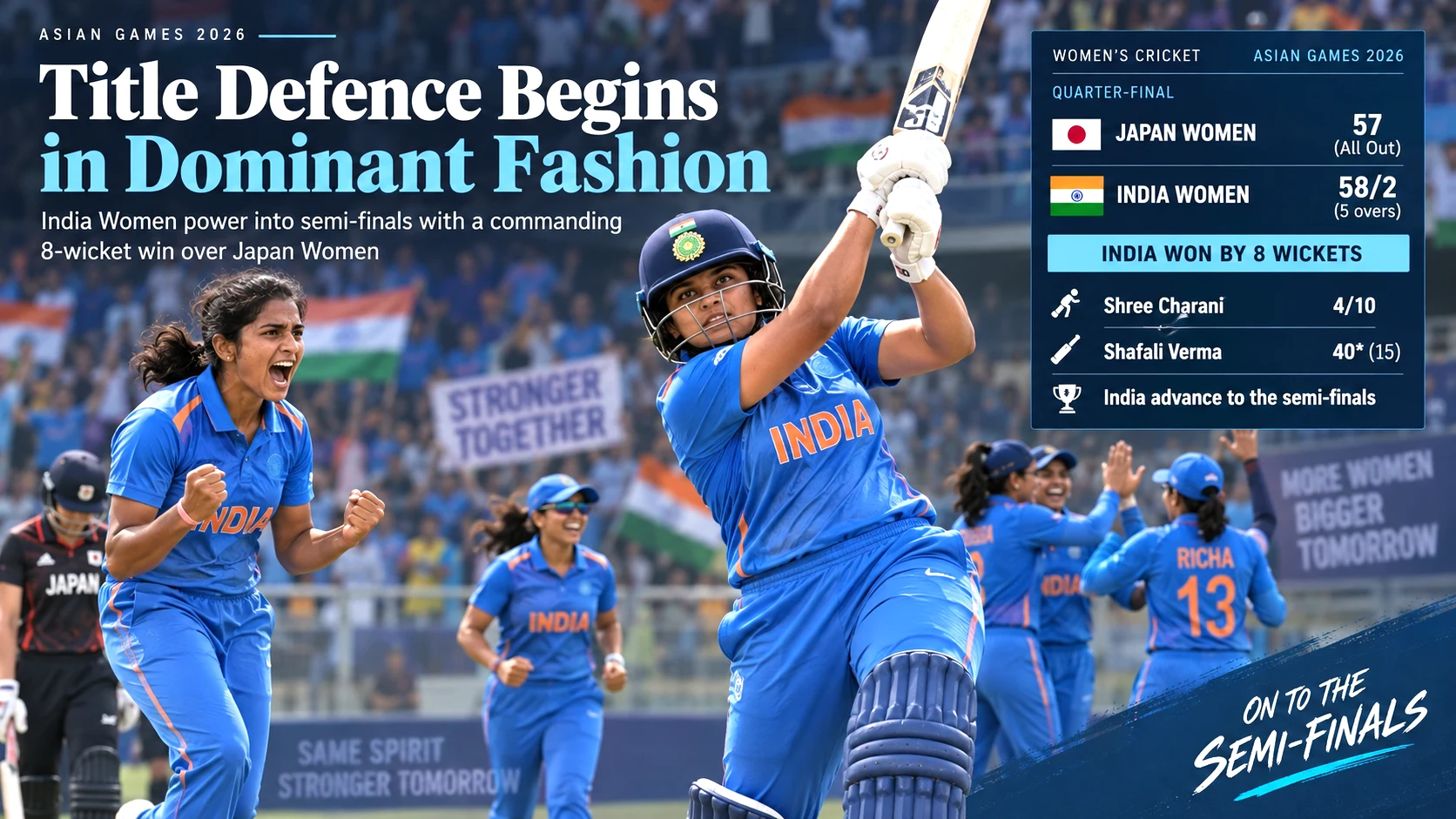
Shree Charani took 4/10 and Shafali Verma smashed an unbeaten 40 off 15 balls as defending champions India dismissed hosts Japan for 57 before completing the chase in five overs. India are part of a 503-athlete national contingent at the Aichi-Nagoya Games.
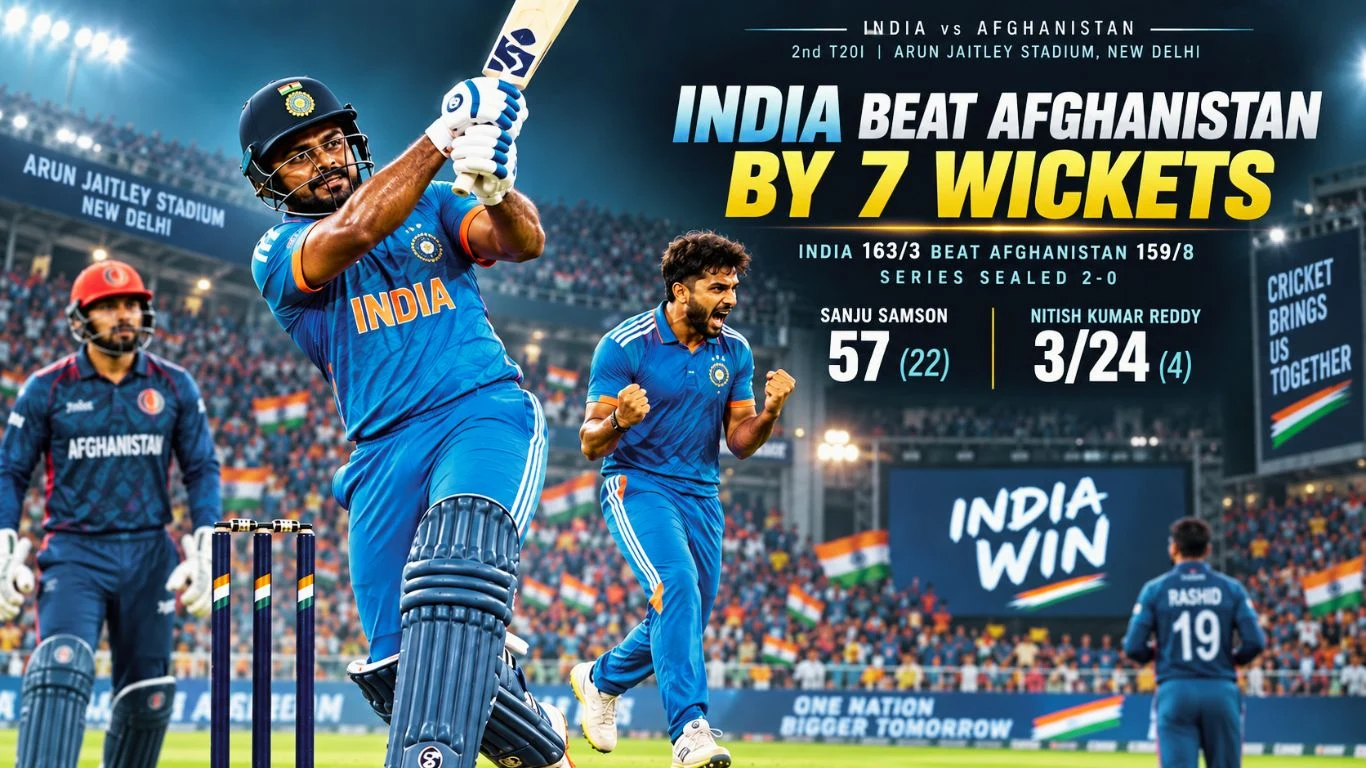
Nitish Kumar Reddy took a career-best 3/24 as Afghanistan were restricted to 159/8 before Sanju Samson and Abhishek Sharma powered India to 163/3 in just 14.5 overs at Delhi’s Arun Jaitley Stadium.
India opened its medal account at the Aichi-Nagoya Asian Games 2026 with two silver medals in shooting as Elavenil Valarivan emerged as the standout performer on the first full day after the opening ceremony. India’s men’s and women’s hockey teams also produced emphatic opening victories, while the
India finished fourth at the 2026 Asian Games with 85 medals, including 21 golds, while NFL Week 4 Sunday produced major results led by the Rams' 24-20 comeback win over the Eagles.
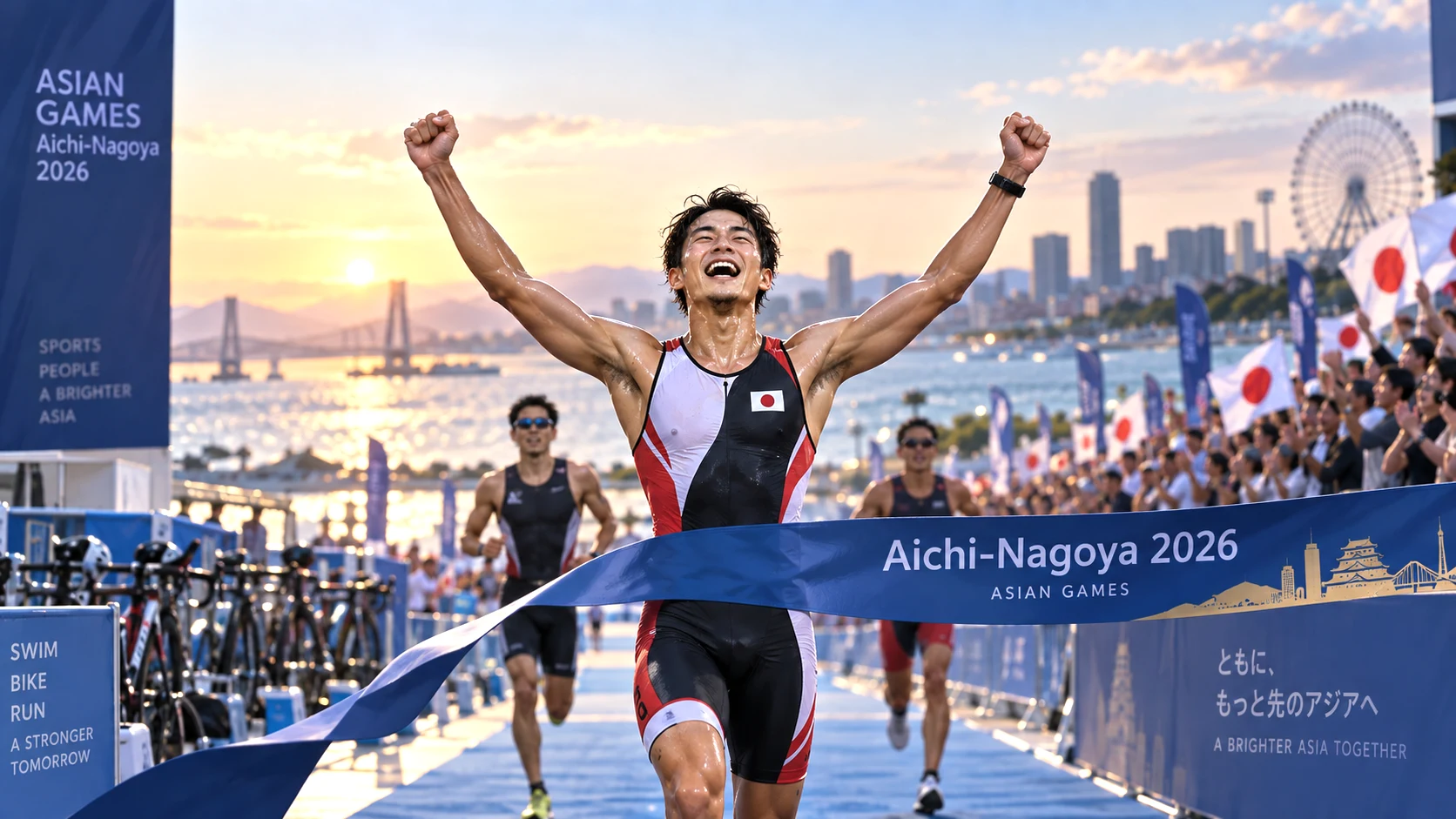
Japanese triathlete Takumi Hojo delivered the first gold medal of the Aichi-Nagoya 2026 Asian Games, winning the men’s individual triathlon in Gamagori in 52 minutes 56 seconds. The home favourite broke away during the run to defeat China’s Zhang Xirui by nine seconds, while the victory also earned
Japanese triathlete Takumi Hojo delivered the first gold medal of the 2026 Asian Games, winning the men’s individual triathlon in Gamagori a day after Emperor Naruhito formally opened the Aichi-Nagoya Games.





0 Comments