Katie Zacharia Out as White House Press Secretary After Five Days: What Happened
Katie Zacharia has left the White House press secretary role after only five days on the job, ending an unusually brief tenure marked by scrutiny of her first briefing and questions about her legal credentials.
Katie Zacharia has left her position as White House press secretary after an extraordinarily short stint in one of the most visible jobs in the United States government, ending a turbulent week that brought scrutiny of both her performance at the briefing-room podium and her professional credentials.
Zacharia's departure came on October 16, only days after she began serving as President Donald Trump's chief White House spokesperson.
The timeline can appear confusing because two different measurements have been used in coverage of her tenure. Trump announced her selection on October 9, roughly a week before her departure, but Zacharia began serving in the role the following week. By the time she exited on Friday, she had spent about five days on the job.
Reports describing her departure have also used different language.
Some reports said she was ousted or let go, while others reported that she was "transitioning out" of the position. Zacharia herself subsequently confirmed that her time as press secretary had ended.
Whatever terminology is used, the central fact is clear: her tenure at the White House podium ended less than a week after it effectively began.
Key Takeaways
Katie Zacharia left the White House press secretary role after about five days on the job.
Recommended Reading
Related Stories & In-Depth Guides
Curated editorial perspectives matching this topic.
Former U.S. Army Maj. Nidal Hasan is scheduled to be executed by firing squad at Fort Hood on December 3, 2026, nearly 17 years after the 2009 shooting that killed 13 people. Here is what happened, how the military appeals process unfolded and why the execution could still be delayed.
Donald Trump’s remarks naming Los Angeles and San Diego while discussing the Iran war and higher prices have drawn criticism from California officials. The White House says Trump was describing the threat a nuclear-armed Iran could pose, not encouraging an attack.
Her first briefing on October 13 drew heavy scrutiny.
She confirmed she took but did not pass the California bar exam.
Trump publicly advised her to reconsider remaining in the role.
No permanent replacement has been announced.
What happened to Katie Zacharia?
Zacharia had been selected to succeed Karoline Leavitt as White House press secretary.
The position placed her at the center of the administration's daily communications operation, with responsibility for explaining White House policy, answering questions from journalists and representing the president's public position on domestic and international issues.
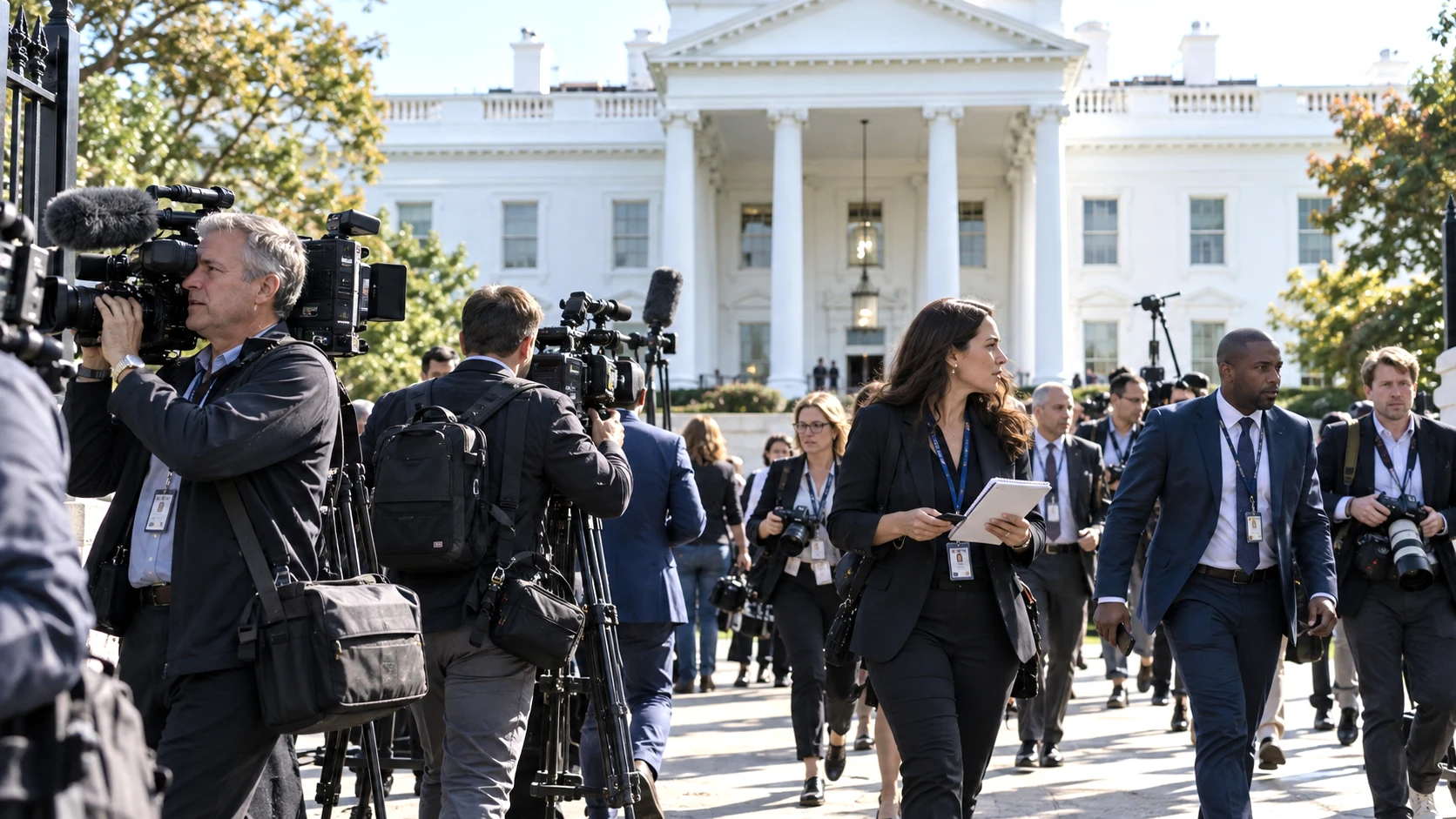
Her first formal White House briefing took place on October 13 in the James S. Brady Press Briefing Room.
The White House publicly presented the appearance as a strong opening to her tenure, highlighting her statements about the Trump administration's policies and her plans to continue engaging newer forms of media alongside traditional news organisations.
Outside the administration, however, the briefing generated a markedly different reaction.
Zacharia appeared under significant pressure during the short session and took only a small number of questions. Her performance quickly became the subject of widespread media discussion.
A first briefing alone would not ordinarily determine a press secretary's future. The position routinely involves intense questioning, rapidly changing policy developments and constant public scrutiny.
But in Zacharia's case, questions about the briefing soon became intertwined with another issue: her description of her legal background.
Questions over Zacharia's legal credentials
During the same week, Zacharia faced increasing questions over earlier descriptions of herself as a lawyer.
Zacharia graduated from Pepperdine University's law school and had professional experience that included work connected to legal and communications roles.
However, she confirmed in interviews on October 15 that she had taken the California bar examination but had not passed it.
That distinction became important because graduating from law school and being admitted to practise law are not the same thing.
In the United States, earning a law degree does not by itself make someone a licensed attorney. Bar admission requirements vary by jurisdiction, but passing the relevant examination and completing other licensing requirements are generally necessary before a person can practise as an attorney in that jurisdiction.
Reports examining Zacharia's background found no evidence that she had subsequently been admitted to practise law in another US jurisdiction.
The controversy therefore centred not on whether she attended law school — she did — but on how her professional qualifications had previously been described.
Zacharia publicly acknowledged that she had not passed the California bar.
The issue attracted additional attention because Trump had described her as an attorney when announcing her selection.
Questions about those credentials followed Zacharia through several media appearances and increasingly became part of the broader discussion about her first days as press secretary.
Trump publicly suggested she reconsider the job
By Friday, the uncertainty about Zacharia's future was no longer confined to media speculation.
Trump told reporters that he had advised her to reconsider whether she wanted to continue in the role.
His public comments were notable because presidents rarely raise doubts so openly about a newly appointed senior communications official only days after that person takes the position.
Trump framed his remarks partly around the level of negative media attention Zacharia had received and the personal pressure associated with the job.
He indicated that he wanted her to consider whether remaining in the position was worth that pressure.
Later the same day, reports emerged that Zacharia was leaving.
The sequence turned what had already been an unusually difficult first week into one of the shortest tenures at the White House press secretary's podium in modern US political history.
Was Katie Zacharia fired or did she resign?
The answer requires some care because different accounts used different descriptions.
Senior administration sources cited in reporting said Zacharia had been ousted or let go.
Other accounts, including reporting based on a person familiar with the personnel decision, described her as "transitioning out" of the press secretary role.
Zacharia then publicly confirmed that she was leaving and expressed appreciation for the opportunity to work for Trump.
For readers, the safest description is therefore that Zacharia has left the position after the president publicly urged her to reconsider remaining in it.
Unless the White House publishes a more detailed personnel statement establishing a different sequence, it would be unnecessarily categorical to reconstruct private discussions that have not been fully disclosed.
What is not disputed is that she is no longer continuing as White House press secretary.
Why the five-day figure is being used
Some readers may encounter reports describing Zacharia's tenure as five days and others referring to approximately one week.
Both descriptions arise from different starting points.
Trump announced her selection on October 9.
Her active tenure began the following week, and her first briefing was held on October 13.
Her departure became public on October 16.
That means approximately a week elapsed between the announcement of her appointment and her exit, while her period actually serving in the position amounted to about five days.
The distinction is useful because otherwise the apparently conflicting numbers can make reports seem inconsistent when they are largely measuring different periods.
An unusually short White House tenure
The White House press secretary is among the most publicly visible unelected positions in Washington.
The press secretary normally serves as a principal interface between the president's administration and journalists covering the White House.
The job requires rapid familiarity with policy across multiple departments, coordination with senior administration officials and the ability to answer questions on events that may develop with little warning.
Because the briefings are televised and extensively scrutinised, mistakes can receive immediate national and international attention.
Even by the standards of a demanding position, Zacharia's time in the role was remarkably brief.
Her departure has prompted comparisons with other short-lived senior White House appointments, particularly Anthony Scaramucci's brief period as White House communications director during Trump's first administration.
The positions are different — Scaramucci was communications director rather than press secretary — but his short stay has long been used as a reference point when discussing rapid White House personnel changes.
Zacharia's period at the press secretary's podium was shorter still.
Who is Katie Zacharia?
Before becoming press secretary, Zacharia had worked in political communications and conservative media circles.
Her recent professional background included communications work associated with Trump Media & Technology Group and a period working at the Department of Homeland Security.
She had also appeared as a political commentator.
Her selection therefore brought someone with communications and media experience into a role requiring both political messaging and frequent direct interaction with the White House press corps.
Her academic background includes a law degree from Pepperdine.
The subsequent bar-exam controversy should be stated precisely: she holds a law degree, but she confirmed that she did not pass the California bar examination.
Those are separate facts, and reporting should not confuse educational qualifications with professional licensing.
Why the White House press secretary matters
A change in press secretary does not itself alter presidential policy.
The president, Cabinet departments and senior officials remain responsible for policy decisions regardless of who conducts White House briefings.
But the position can significantly affect how those decisions are explained to the public.
The press secretary coordinates messaging, responds to questions on behalf of the administration and often becomes the most recognisable daily spokesperson for the presidency outside the president himself.
Changes in the role can therefore matter for the administration's communications strategy even when they do not represent a change in policy.
Zacharia's exit now creates another communications decision for the Trump administration: whether to quickly appoint a permanent successor or temporarily distribute briefing duties among other White House officials.
Has Trump named Katie Zacharia's replacement?
As of the latest verified reporting following Zacharia's departure, Trump had not announced a permanent replacement.
He indicated that there was interest in the position but suggested he was not under immediate pressure to fill it.
That means readers should treat social-media speculation about possible successors cautiously unless a candidate is confirmed by Trump, the White House or another authoritative source.
Senior White House appointments can change quickly, particularly when discussions are taking place internally.
Rajatheertha will treat any potential successor as unconfirmed until there is reliable attribution or an official announcement.
What happened to Karoline Leavitt?
Zacharia succeeded Karoline Leavitt, who had served as Trump's press secretary before the October change.
The succession is relevant because Zacharia was not entering an empty communications operation. She was inheriting a briefing structure and media strategy already established under her predecessor.
Among the practices Zacharia said she intended to continue was the administration's engagement with newer media organisations in addition to established White House outlets.
Because her tenure lasted only several days, she had little opportunity to develop a distinct long-term briefing strategy of her own.
Her only formal briefing therefore became the defining public event of her time in the job.
What the episode does — and does not — establish
The rapid departure demonstrates that Zacharia's appointment did not develop into the sustained press-secretary tenure initially anticipated when the White House introduced her.
It also shows how quickly scrutiny of a senior official's background and public performance can dominate the political news cycle.
However, several interpretations circulating online go beyond the verified facts.
The departure alone does not establish the motives of every White House official involved in the decision.
Nor does criticism of Zacharia's briefing establish why every private personnel decision was made.
Reports citing administration officials provide evidence that she was being removed or transitioned out, while Trump's own comments show that he had advised her to reconsider the position.
Those facts can be reported.
Claims about undisclosed personal motives or internal disputes require independent evidence before being presented as fact.
What happens next?
The immediate question is who will become the next White House press secretary.
Until a replacement is formally selected, other communications officials can continue handling media responses and presidential messaging.
A second question is whether the administration changes how future press briefings are conducted after Zacharia's unusually short tenure.
Her appointment had lasted too briefly for a stable new briefing pattern to emerge.
The White House may choose an experienced communications official, another media figure or someone already working inside the administration.
For now, however, no candidate should be described as the confirmed successor without an announcement.
Zacharia's departure closes an exceptionally compressed chapter in White House communications: appointment, first briefing, intense scrutiny over her professional background and exit — all within approximately one week.
For readers following US politics, the most important distinction is also the simplest one.
Katie Zacharia was announced for the role on October 9, began serving the following week, conducted her first White House briefing on October 13 and was out of the press secretary position by October 16.
The next significant development will be the White House's decision on who takes over the podium.
Key Takeaway
Katie Zacharia out as White House press secretary after five days.
Scrutiny of first briefing and legal credentials ended a brief tenure.
The Rajatheertha Team publishes news, explainers, guides and updates across India and the world. Our coverage follows Rajatheertha's editorial, verification and corrections standards.
New White House Press Secretary Katie Zacharia is facing scrutiny over how she has described her legal background. Pepperdine confirms her law degree, while the California State Bar says it has no record of her being licensed. New reporting says she took but did not pass the California bar exam.
A federal judge has temporarily blocked Donald Trump's White House ban on CNN, MS NOW and Politico, ordering their press credentials restored for 14 days. The ruling focuses on due process while the wider press-freedom case continues.
Donald Trump says the United States will not resume military strikes on Iran before the November 3 midterm elections, but the blockade, sanctions and Hormuz dispute remain unresolved. Here is what the pause means for oil markets, diplomacy and India.
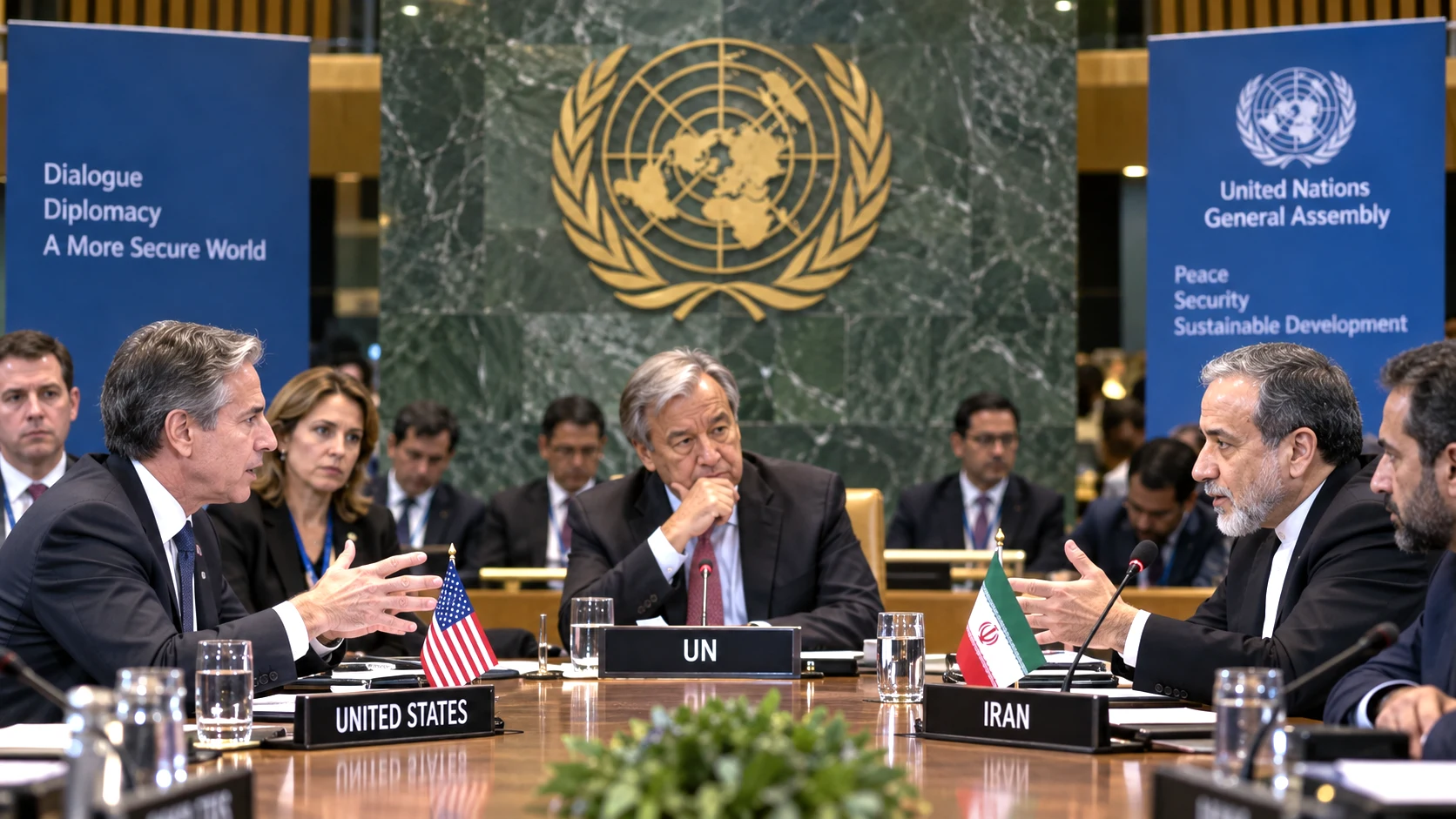
US and Iranian representatives held roughly three hours of mediated talks on the sidelines of the UN General Assembly after Donald Trump threatened Iran with further destruction if no deal is reached. Here is what was discussed and what remains unresolved.
US and Iranian representatives held roughly three hours of mediated talks on the sidelines of the UN General Assembly after Donald Trump threatened Iran with further destruction if no deal is reached. Here is what was discussed and what remains unresolved.
US and Iranian representatives held roughly three hours of mediated talks on the sidelines of the UN General Assembly after Donald Trump threatened Iran with further destruction if no deal is reached. Here is what was discussed and what remains unresolved.








0 Comments