US-Iran Hold 3-Hour Mediated UNGA Talks After Trump’s ‘Annihilate’ Warning: What Happened
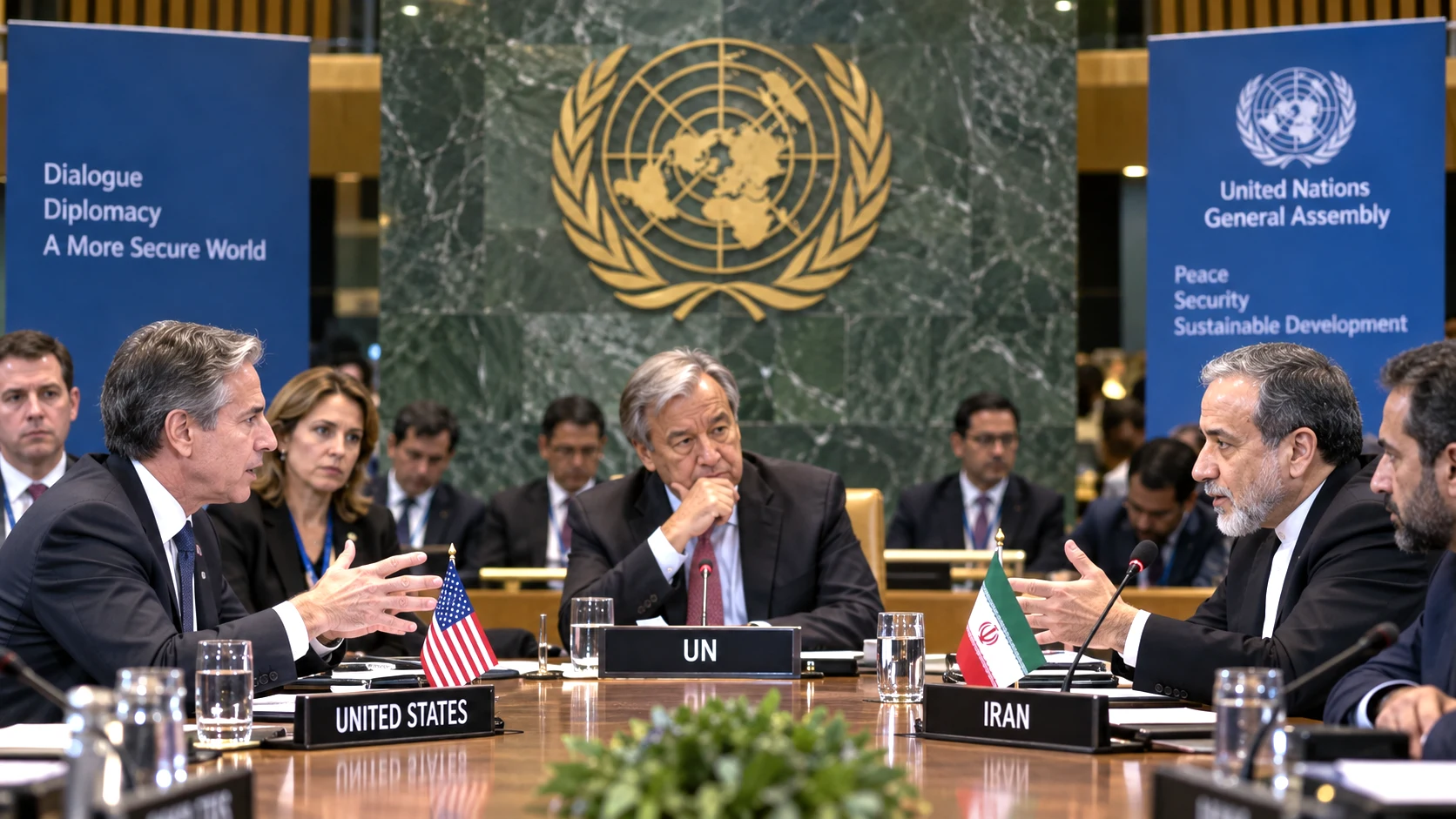
US and Iranian representatives held roughly three hours of mediated talks on the sidelines of the UN General Assembly after Donald Trump threatened Iran with further destruction if no deal is reached. Here is what was discussed and what remains unresolved.
The United States and Iran reopened a high-level diplomatic channel on the sidelines of the United Nations General Assembly after months without known in-person negotiations, holding roughly three hours of mediated discussions in New York on September 22 only hours after US President Donald Trump threatened Iran with possible further military escalation.
The talks involved Trump's special envoy Steve Witkoff and adviser Jared Kushner on the American side, while Iranian Foreign Minister Abbas Araqchi was involved on Iran's side. But the available evidence indicates that the exchanges were primarily indirect shuttle diplomacy rather than a conventional face-to-face US-Iran negotiating session.
Trump initially told reporters that American officials had held a “very good” three-hour meeting with the Iranian delegation. He later clarified that Witkoff and Kushner had met with mediators for Iran, while Reuters reported that mediators shuttled between the two sides.
Recommended Reading
Related Stories & In-Depth Guides
Curated editorial perspectives matching this topic.
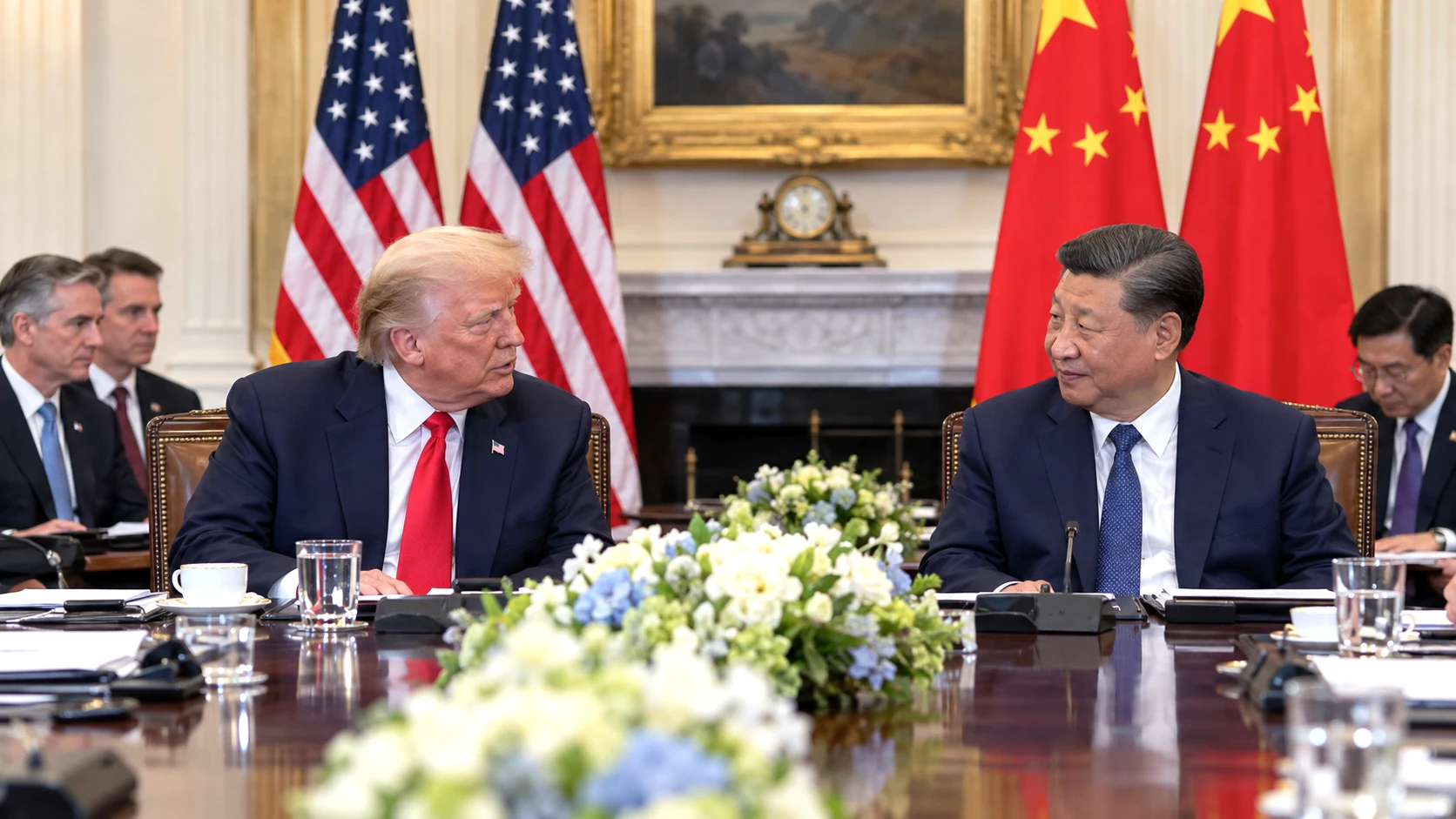
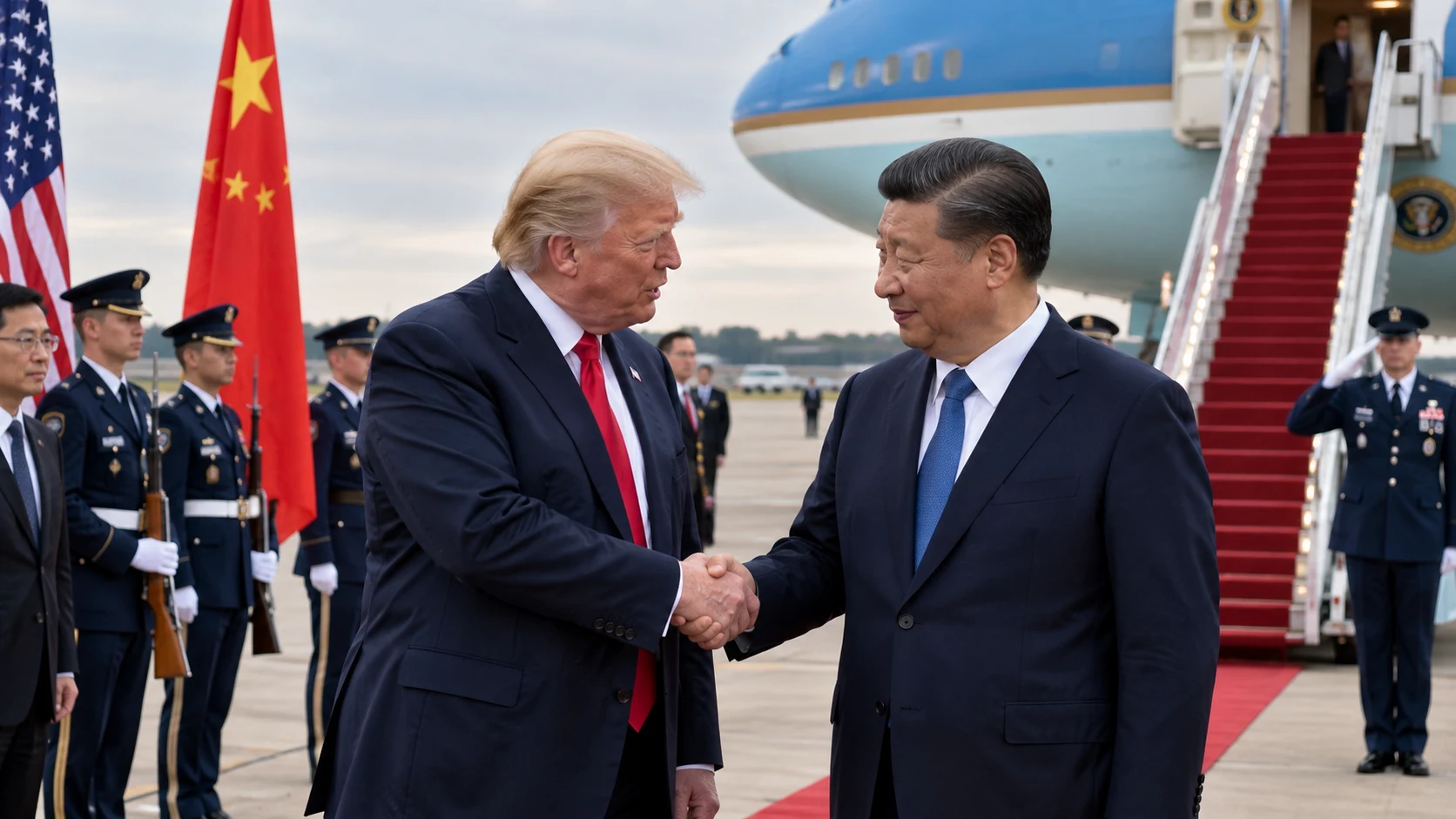
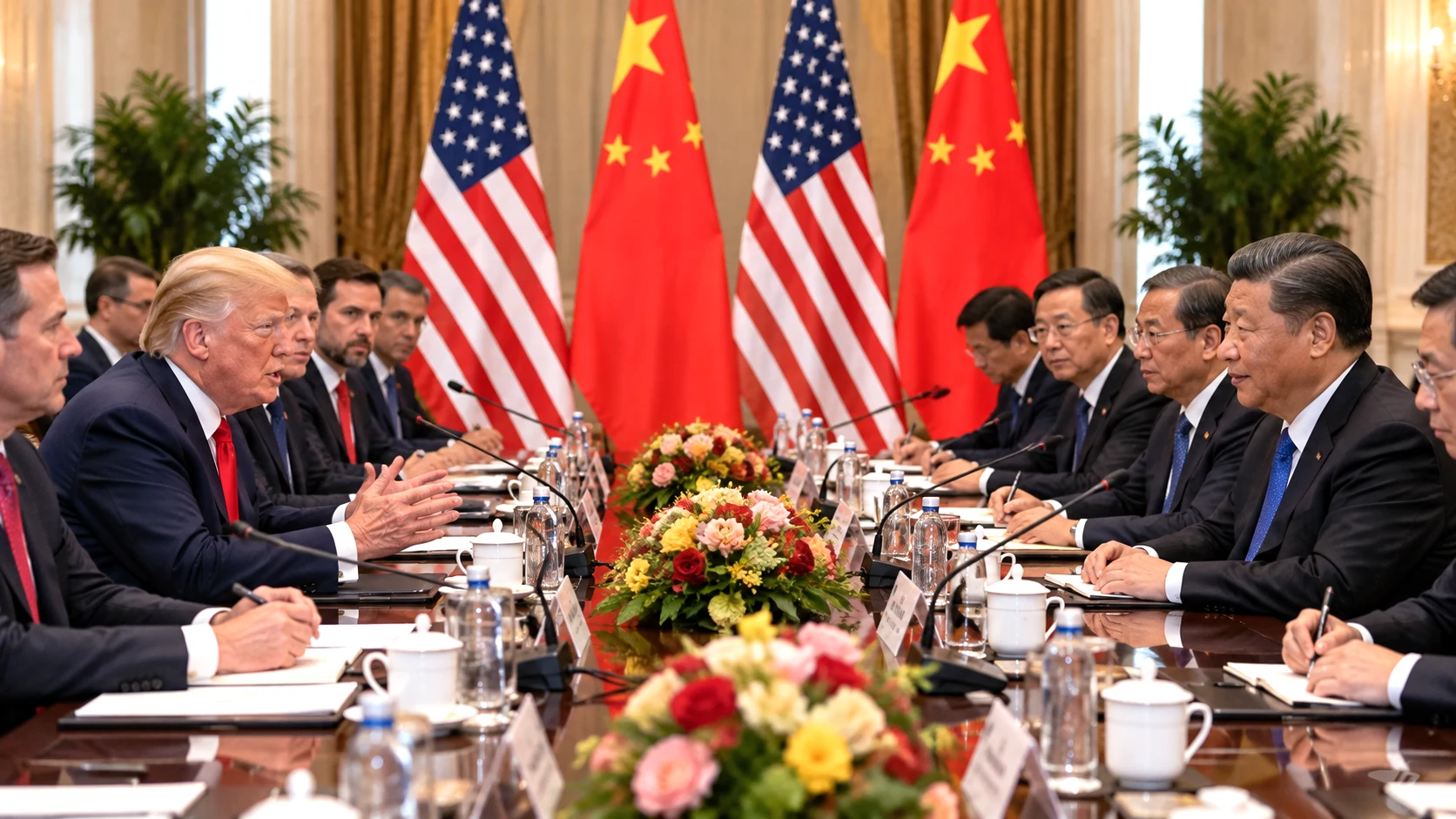
Donald Trump and Xi Jinping held White House talks on trade, AI, Taiwan and the Middle East during Xi's state visit. A two-month trade-truce extension preserves stability for now, but no major breakthrough emerged on tariffs, technology controls or Iran.
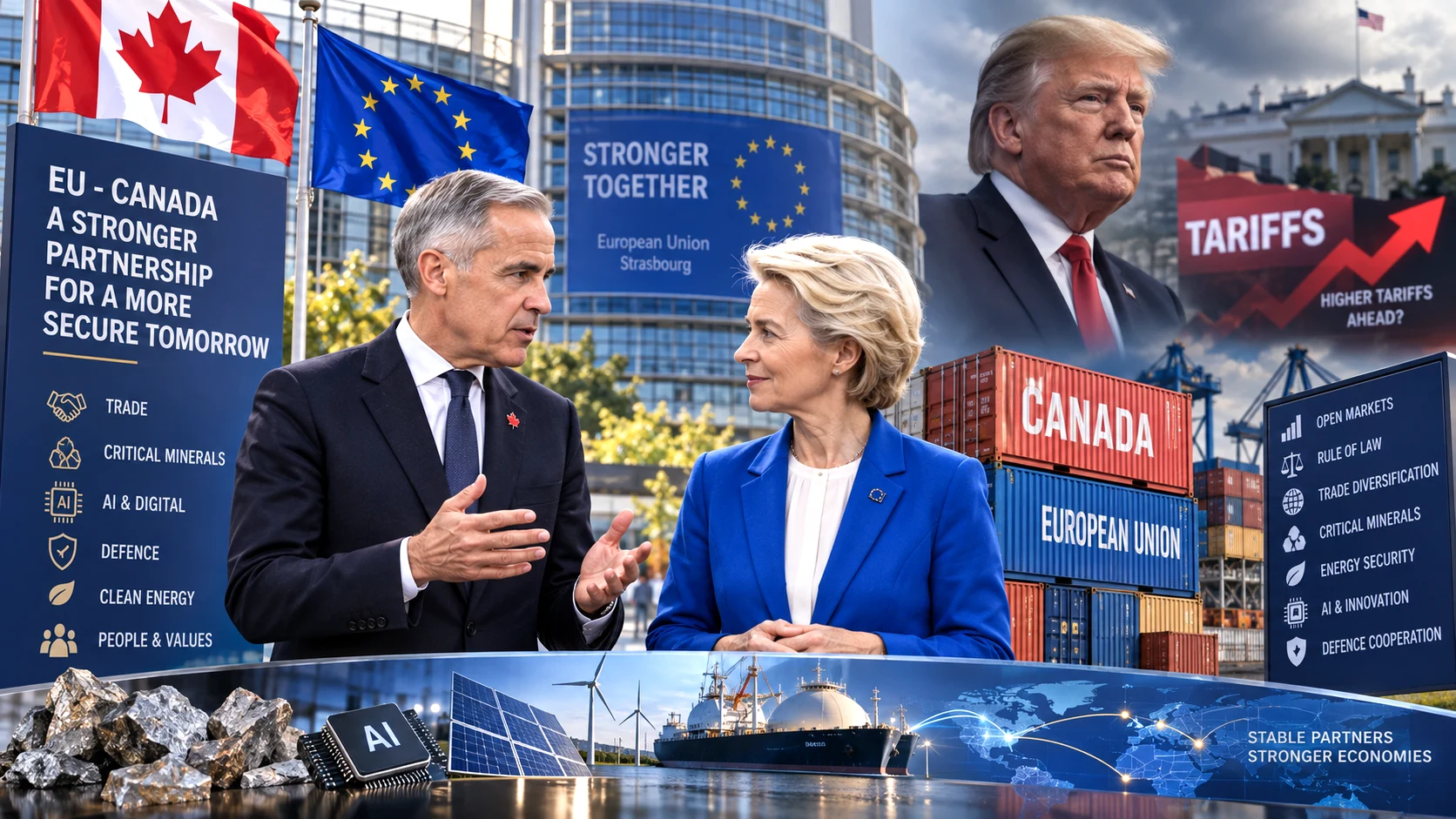
European Commission President Ursula von der Leyen has proposed opening the door for Canada to become the EU’s first “associate member,” but the status does not yet legally exist and has not been approved by the bloc’s 27 governments. Mark Carney welcomed the ambition in Strasbourg as Donald Trump w
The diplomatic opening came against an unusually confrontational backdrop.
In his September 22 address to the 81st United Nations General Assembly, Trump said he faced a choice between reaching an agreement that would allow Iran to rebuild or potentially “annihilate the Islamic Republic” if an agreement to end the conflict could not be reached.
Iran rejected the threat and publicly maintained that it would not surrender, while also keeping the door open to diplomacy. Iranian President Masoud Pezeshkian told the General Assembly on September 23 that Tehran still believed in diplomacy even as he said Iran would not submit to US pressure.
The result is an unusual combination of escalatory rhetoric and renewed negotiations occurring at virtually the same time.
Key Takeaways
The United States and Iran held approximately three hours of talks around the UN General Assembly on September 22.
The discussions were mediated or indirect, not clearly a direct formal negotiating session between the two delegations.
Trump initially described the meeting as involving the Iranian delegation but later said his envoys had met “mediators of Iran”.
US representatives included Steve Witkoff and Jared Kushner.
Iranian Foreign Minister Abbas Araqchi participated on Iran's side through the mediated process.
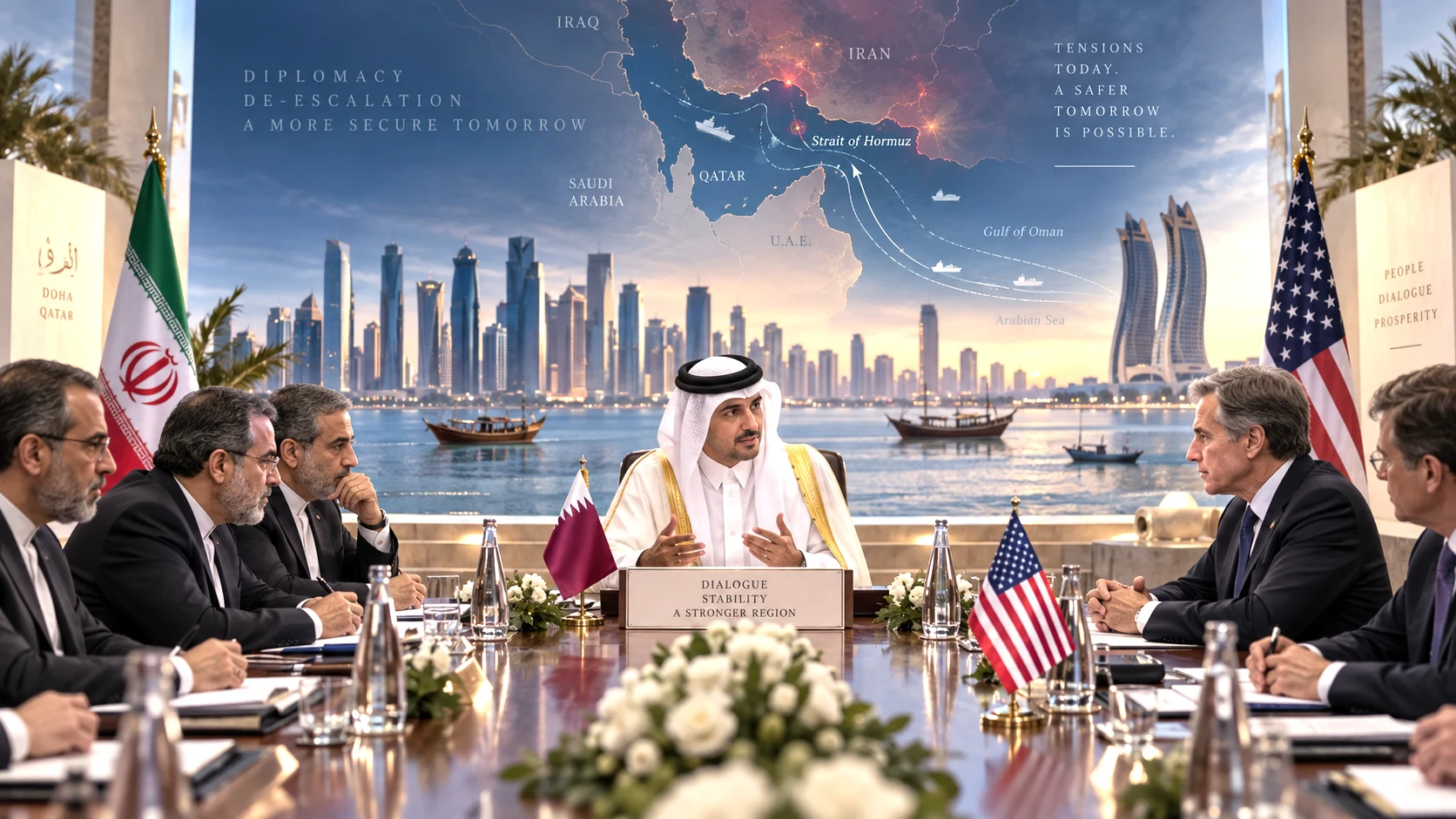
Qatar was involved as a mediator.
Trump described the talks as productive and said further engagement was expected.
Iran says progress requires an end to US military pressure and other measures.
Tehran has linked negotiations to reopening the Strait of Hormuz and easing restrictions affecting Iranian shipping.
No final peace agreement or publicly confirmed breakthrough emerged from the three-hour talks.
Both governments continue to use highly confrontational rhetoric despite reopening diplomatic contacts.
Was It a Direct US-Iran Meeting?
The most precise answer is: apparently not in the conventional sense.
Trump initially told reporters that US officials had held a “very good” meeting with the Iranian delegation lasting approximately three hours.
He later described the participants more narrowly, saying Witkoff and Kushner had held a productive meeting with “mediators of Iran”.
Reuters subsequently reported that Iranian Foreign Minister Abbas Araqchi and the American envoys were communicating through mediators who moved between the two sides.
Iranian Foreign Ministry spokesperson Esmail Baghaei said Tehran had communicated with Washington through a Qatari mediator.
The safest description is therefore:
US and Iranian representatives held approximately three hours of mediated or shuttle talks during the UN General Assembly.
Calling it a confirmed three-hour direct bilateral meeting could mislead readers.
Who Was Involved?
On the US side, Trump identified:
Steve Witkoff, his special envoy; and
Jared Kushner, his son-in-law and adviser.
On Iran's side, Foreign Minister Abbas Araqchi was involved in the diplomatic exchanges.
Qatari mediators facilitated communication between the two sides.
Trump himself did not meet Iranian President Masoud Pezeshkian during the reported talks.
Before the UN gathering, a senior Iranian official told Reuters that Pezeshkian was not expected to meet Trump directly, although Iran's delegation had authority to pursue diplomacy.
What Did Trump Say After the Talks?
Trump characterised the discussions positively.
He said Witkoff and Kushner had held what he described as a productive meeting and suggested there was “a lot of momentum” towards a possible agreement.
Witkoff separately said the discussions had been lengthy and that mediators had moved between the parties throughout the day.
He expressed hope that the exchanges would prove constructive and promising.
Those statements indicate cautious optimism from the US side, but they do not amount to confirmation that the two governments agreed on substantive terms.
What Did Trump Say at the UN?
Trump's UN speech presented Iran with a stark choice between an agreement and further conflict.
He said the United States would not accept Iran obtaining a nuclear weapon and asked whether Iran would reach a deal allowing it to rebuild or whether he would instead “annihilate the Islamic Republic”.
The wording was unusually severe for a UN address and immediately drew attention because diplomatic contacts were taking place around the same time.
The White House framed Trump's broader speech as an assertion that Washington would confront threats directly rather than allow them to grow.
Trump also suggested that he believed an agreement could ultimately be reached, potentially around or after the November 3 US midterm elections.
That prediction represents Trump's assessment, not a confirmed diplomatic timetable.
How Did Iran Respond to the Threat?
Iran's military rejected Trump's remarks.
Iran's Armed Forces General Staff described the US president's comments as propaganda and said Iran was prepared to respond with what it called more severe and unpredictable attacks if further aggression occurred.
The following day, President Pezeshkian used a more diplomatic formulation in his own UN address.
He said Iran would not surrender to the United States but continued to believe diplomacy could resolve the confrontation.
These statements illustrate the same dual track seen on the American side: military warnings combined with diplomatic signalling.
What Does Iran Want From the Talks?
Iran has linked progress towards a settlement to several demands.
A senior Iranian official told Reuters before the talks that Tehran could reopen the Strait of Hormuz within seven days if the United States reduced military pressure and lifted its blockade on Iranian ports.
Iran also wants Washington to demonstrate that it intends to resolve the conflict diplomatically and agree on a process for negotiations.
Iranian officials said their proposal had been communicated to the United States through mediators before the UN gathering.
Following the September 22 contacts, Iranian Foreign Ministry spokesperson Baghaei said Tehran had conveyed demands including:
an end to the conflict on all fronts; and
a halt to what Iran describes as US “acts of aggression”.
Iran's terminology reflects Tehran's position in the conflict and should not be treated as a neutral legal determination.
Why Is the Strait of Hormuz So Important?
The Strait of Hormuz is one of the world's most important maritime energy routes.
Before the current conflict disrupted traffic, roughly one-fifth of global oil and liquefied natural-gas shipments moved through the waterway, according to Reuters.
Restrictions on shipping through the strait have therefore affected much more than Iran and the United States.
They have consequences for:
global oil prices;
LNG markets;
Gulf economies;
Asian energy importers;
shipping insurance;
tanker traffic; and
inflation in energy-consuming economies.
That is one reason Gulf governments have a strong interest in encouraging negotiations.
Why Qatar Matters
Qatar has been playing a mediating role in attempts to reduce tensions between Washington and Tehran.
Reuters reported that Araqchi met Qatari Prime Minister Sheikh Mohammed bin Abdulrahman Al Thani during the UN diplomatic push.
Qatar's involvement allows both governments to communicate without requiring an immediate highly visible direct bilateral meeting.
This type of shuttle diplomacy can be useful when political or security conditions make direct contact difficult.
However, mediated exchanges can also make it harder to determine exactly what each side has formally accepted.
Did the Three-Hour Talks Produce a Deal?
No final agreement has been announced.
Reuters reported on September 23 that the talks appeared to have produced no visible change in the public positions of either government.
Washington continues to insist that Iran must not obtain nuclear weapons and is seeking wider concessions connected to the conflict.
Tehran continues to demand reduced US military and economic pressure and says it will not surrender.
The significance of the meeting is therefore the reopening of a diplomatic channel, rather than a completed settlement.
Are More Talks Planned?
Trump said another meeting was expected in the near future.
Witkoff also indicated that mediators would continue their work.
That suggests diplomacy is likely to continue, although no definitive date, venue or negotiating format had been publicly confirmed at the time of publication.
A future round could again use intermediaries rather than a direct US-Iran meeting.
Why Is This Meeting Significant?
The talks represent the first known indirect US-Iran negotiations in months.
Reuters described them as the first known indirect contacts of this type since a ceasefire collapsed in July.
That makes the UN encounter notable even without a breakthrough.
Diplomatic channels can reduce the risk of accidental escalation by allowing governments to clarify demands, red lines and possible compromises.
However, talks alone do not guarantee de-escalation.
Both sides continue to make military threats, and unresolved disputes remain substantial.
What Are the Main Issues Blocking a Settlement?
The negotiations involve several interconnected disputes.
1. Ending the War
Iran wants an end to US military action and wider hostilities.
Washington is seeking terms it believes would reduce future security threats.
2. Iran's Nuclear Programme
Trump continues to say the United States will not allow Iran to obtain a nuclear weapon.
Pezeshkian, meanwhile, told the UN that Iran is not seeking nuclear weapons.
These remain rival political positions requiring verification and negotiated arrangements if a settlement is pursued.
3. Strait of Hormuz
Iran has indicated it could reopen the strait under certain conditions.
Washington and Gulf states have a major interest in restoring reliable commercial shipping.
4. US Military Pressure
Tehran wants US military pressure reduced.
5. Sanctions and Economic Restrictions
Iran wants economic restrictions eased as part of a diplomatic settlement.
6. Regional Security
Any agreement would also need to account for the wider conflict involving Gulf countries and other regional actors.
Why Are Gulf States Involved?
Trump met leaders from Middle Eastern countries during the UN gathering, including governments that have a direct interest in reopening the Strait of Hormuz and reducing military escalation.
Reuters reported that Gulf governments want shipping restored but also remain concerned about the regional balance of power and Iranian influence.
Several Gulf countries also host US military facilities, making them particularly exposed if hostilities expand.
Their interest is therefore both economic and security-related.
Pezeshkian Says Iran Will Not Surrender
Iranian President Pezeshkian addressed the General Assembly on September 23, one day after Trump's speech and the mediated talks.
He said Iran would not surrender to the United States but maintained that Tehran believed diplomacy remained possible.
He also criticised restrictions affecting Iranian shipping and argued that continued military pressure would not produce peace.
His speech suggests Tehran wants to project resistance domestically and internationally while avoiding closing the door to negotiations.
Why the Rhetoric and Diplomacy Can Happen Together
Threats and negotiations often occur simultaneously during major international crises.
Governments may use public rhetoric to:
strengthen their negotiating position;
reassure domestic audiences;
deter further military action;
signal red lines; or
create leverage before talks.
That does not necessarily mean one side has abandoned diplomacy.
In this case, Washington and Tehran are simultaneously signalling that they are prepared for further confrontation and exploring whether a negotiated settlement is possible.
The danger is that aggressive public language can also narrow political room for compromise or contribute to miscalculation.
What Does This Mean for Oil Prices?
Prospects for renewed diplomacy can influence energy markets because of the Strait of Hormuz and the broader regional conflict.
Reuters reported on September 23 that oil prices fell towards two-week lows as markets assessed the renewed diplomatic contacts.
That market reaction should not be interpreted as proof that an agreement is imminent.
Energy prices can move rapidly in response to:
military developments;
shipping conditions;
sanctions;
statements by political leaders;
supply expectations; and
broader financial-market factors.
A breakdown in diplomacy could therefore reverse sentiment quickly.
Did Trump and Pezeshkian Meet?
No direct Trump-Pezeshkian meeting has been confirmed.
A senior Iranian official told Reuters before the UN discussions that Pezeshkian would not meet Trump directly in New York.
The diplomatic channel instead involved envoys, Iran's foreign minister and mediators.
That distinction is important because a presidential-level meeting would represent a substantially larger diplomatic step.
Did Iran Agree to Reopen the Strait of Hormuz?
Not unconditionally.
Iran has said it could reopen the Strait of Hormuz within approximately seven days if specified US conditions were met, including reduced military pressure and relief relating to restrictions on Iranian ports.
No announcement has established that Washington has accepted those conditions.
Therefore, headlines saying Iran has agreed to reopen the strait without qualification would be misleading.
Did the US and Iran Reach a Nuclear Agreement?
No.
No new nuclear agreement was announced after the September 22 talks.
Trump continues to identify Iran's nuclear programme as a central US concern, while Iranian officials continue to say their programme is not intended to produce nuclear weapons.
Any durable settlement would likely require detailed negotiations over verification, restrictions and sanctions.
Why the UN General Assembly Created an Opening
The annual UN General Assembly brings senior officials and national leaders to New York at the same time.
That can create opportunities for negotiations that would be politically or logistically difficult to arrange separately.
The 81st General Assembly's high-level general debate began on September 22 and runs through September 28.
The presence of US officials, Iran's president and foreign minister, Gulf leaders and mediating governments in the same city created conditions for rapid indirect exchanges.
What Happens Next?
Several developments will determine whether the September 22 talks become the beginning of a genuine diplomatic process or only a temporary contact.
The most important points to watch are:
whether another round of US-Iran talks is scheduled;
whether discussions remain mediated or become direct;
whether Iran changes shipping restrictions in the Strait of Hormuz;
whether the US modifies military pressure or sanctions;
whether Washington and Tehran agree on a ceasefire framework;
whether nuclear negotiations formally restart;
whether regional military attacks decrease;
and whether both sides moderate their public rhetoric.
Until concrete agreements emerge, claims that peace is imminent would be premature.
Latest Verified Status
As of September 23, 2026:
Trump threatened Iran with possible “annihilation” during his September 22 UN General Assembly address if no settlement is reached.
Later that day, US and Iranian representatives engaged in approximately three hours of mediated talks in New York.
Steve Witkoff and Jared Kushner represented the Trump administration in the exchanges.
Iranian Foreign Minister Abbas Araqchi participated on Tehran's side through mediators.
Qatar acted as an intermediary.
Trump described the contacts positively and said he saw momentum towards a possible agreement.
Iran says any progress requires an end to US military pressure and other concessions.
Iran has offered to reopen the Strait of Hormuz within seven days if its conditions are met.
Pezeshkian says Iran will not surrender but still supports diplomacy.
No peace agreement, new nuclear deal or unconditional agreement to reopen Hormuz had been announced at the time of publication.
Frequently Asked Questions
Did the US and Iran meet for three hours?
US and Iranian representatives engaged in approximately three hours of negotiations on September 22, but the latest evidence indicates they were mediated or shuttle talks, rather than a conventional direct bilateral meeting.
Who represented the United States?
Trump identified special envoy Steve Witkoff and Jared Kushner as the principal US participants.
Who represented Iran?
Iranian Foreign Minister Abbas Araqchi was involved on Iran's side through the mediated discussions.
Did Donald Trump meet Iran's president?
No direct meeting between Donald Trump and Iranian President Masoud Pezeshkian has been confirmed.
What did Trump say about “annihilating” Iran?
Trump told the UN General Assembly that one possibility if no deal is reached would be to “annihilate the Islamic Republic”, while also saying an agreement could allow Iran to rebuild.
Did the talks produce a peace deal?
No. The talks reopened a diplomatic channel, but no final settlement or publicly confirmed major concession was announced.
Will Iran reopen the Strait of Hormuz?
Iran says it could reopen the strait within seven days if the United States eases military pressure and lifts restrictions affecting Iranian ports. Washington had not publicly accepted those conditions at the time of publication.
Are more US-Iran talks expected?
Trump and Witkoff indicated that further diplomatic contacts were expected, although a precise schedule had not been publicly confirmed.
Has Iran agreed to give up its nuclear programme?
No such agreement has been announced.
Is the US-Iran conflict ending?
It is too early to conclude that. The September 22 talks represent a renewed diplomatic opening, but major disagreements remain and both governments continue to issue strong military warnings.
Bottom Line
The United States and Iran held approximately three hours of mediated talks on the sidelines of the UN General Assembly after Trump's stark warning at the UN. The exchanges involved US envoys Steve Witkoff and Jared Kushner and Iranian Foreign Minister Abbas Araqchi through Qatari intermediaries.
No final agreement emerged. Iran continues to demand reduced US military pressure and links progress to reopening the Strait of Hormuz, while Washington maintains its red lines on Iran's nuclear programme and security concerns.
Key Takeaway
US and Iran held three-hour mediated talks at UNGA.
Talks were indirect, not a direct bilateral meeting.
Trump threatened “annihilation” if no deal is reached.
The Rajatheertha Team publishes news, explainers, guides and updates across India and the world. Our coverage follows Rajatheertha's editorial, verification and corrections standards.
Chinese President Xi Jinping has arrived in Washington for a three-day state visit and high-stakes talks with Donald Trump. The US says the bilateral trade truce has been extended by two months to January 10, 2027.
The United States and China have extended their trade truce from November 10 to January 10, 2027, giving negotiators two more months to pursue a broader deal. Existing tariffs remain, while rare earths, agriculture and tariff cuts remain under negotiation.
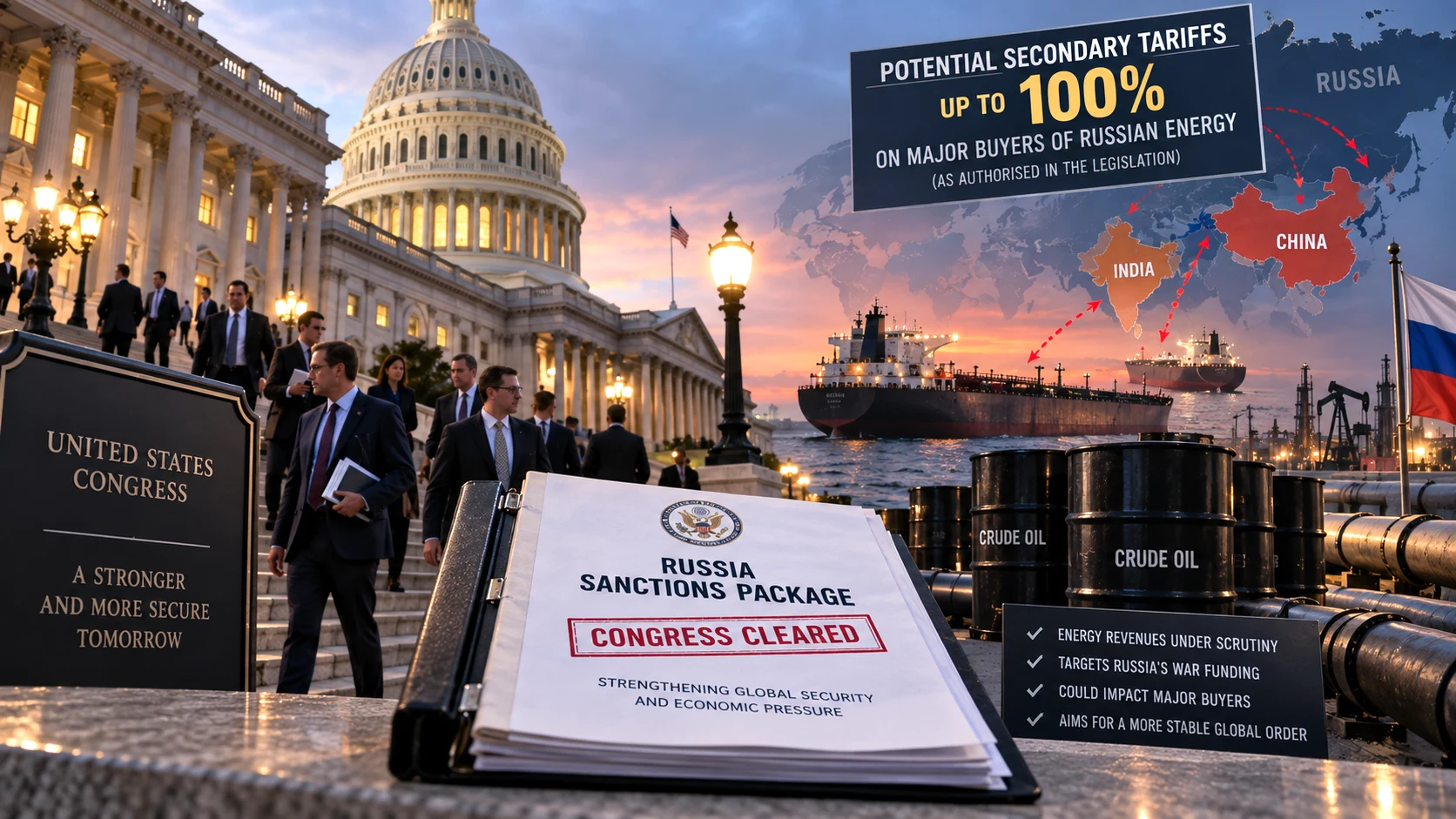
The House approved the Lindsey O. Graham Sanctioning Russia and Iran Act of 2026 by 262-159 after the Senate passed it 86-11. The measure now awaits President Donald Trump’s signature and could subject major buyers of Russian oil or gas to additional US tariffs of up to 100%, although India and Chin
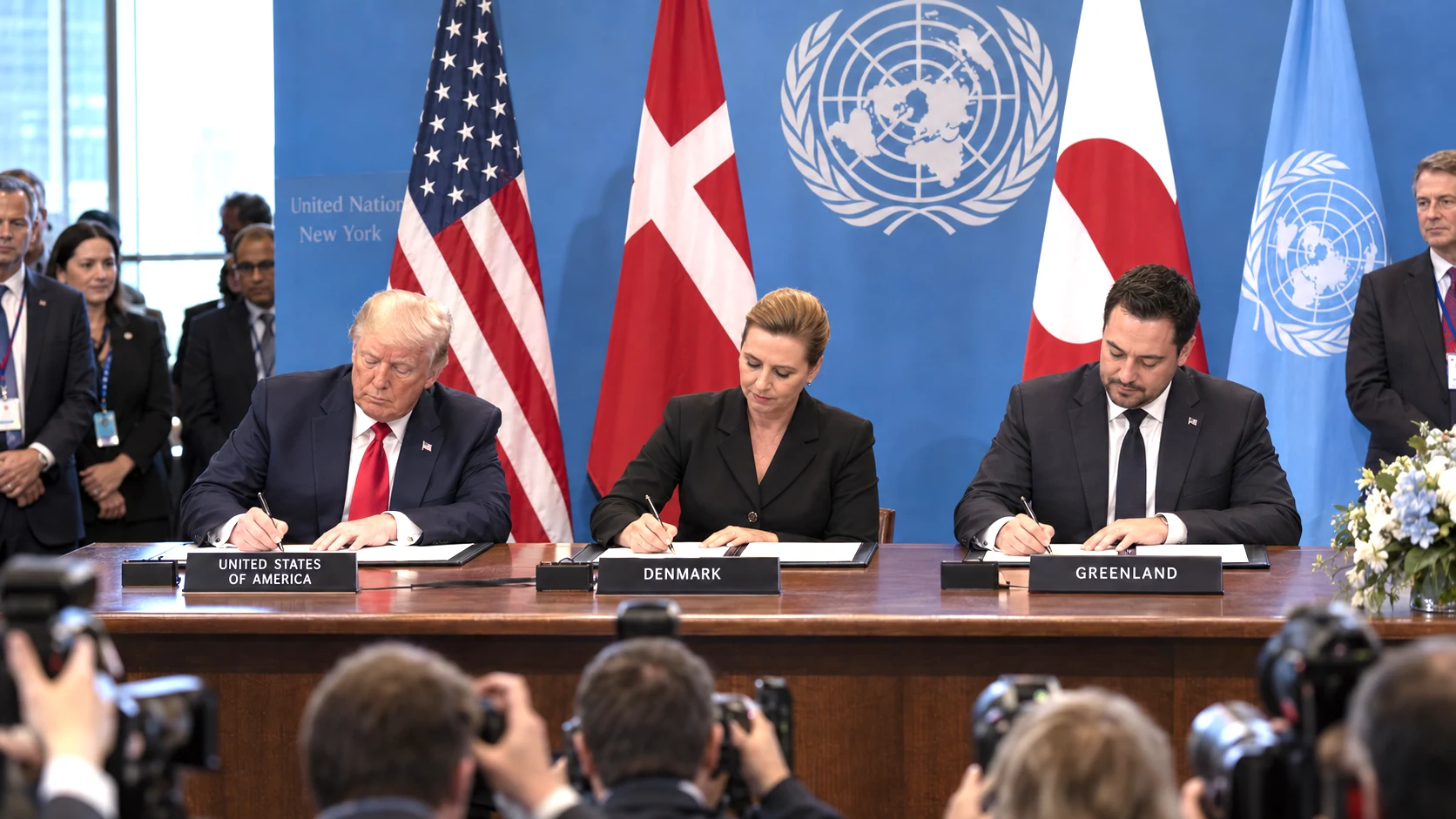
Donald Trump, Denmark and Greenland have signed a new Arctic security agreement expanding US military access, allowing new defence areas and strengthening Pituffik Space Base while preserving Danish sovereignty and Greenland's right to self-determination.
Brazil’s presidential election is headed to an October 25 runoff after Flávio Bolsonaro won 47.03% of valid first-round votes against President Lula’s 45.16%. Crime, corruption, living costs and Brazil’s relationship with Donald Trump’s United States are set to shape the final contest.
Qatar has launched an intensified diplomatic push to revive negotiations between Iran and the United States, shuttling proposals between Tehran and Washington as both sides combine threats of further military action with signals that a negotiated settlement remains possible. Iran has conveyed condit


0 Comments