Ukraine Hits Moscow Oil Refinery in Record Drone Barrage as Russia Threatens Stronger Kyiv Strikes
Ukraine has confirmed striking the Moscow Oil Refinery during an extraordinary long-range drone and missile operation against Russia, while Russian authorities say hundreds of drones targeted the capital and more than 1,000 were intercepted across the country. At least three people were reported kil
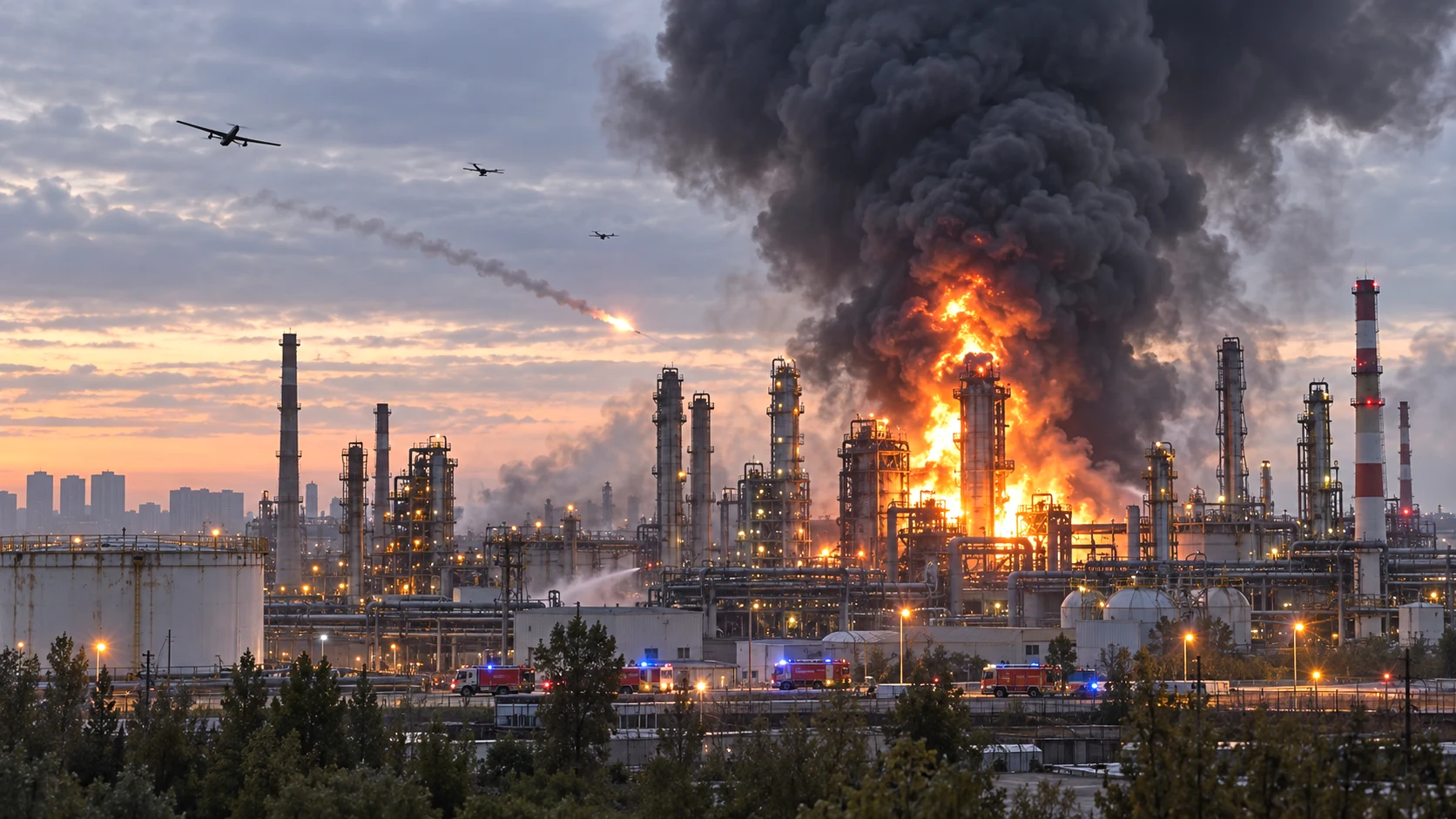
Ukraine’s long-range drone and missile operation that struck the Moscow Oil Refinery
Table of Contents (19 sections)
MOSCOW/KYIV, September 21, 2026: A massive Ukrainian long-range attack that struck Moscow’s main oil refinery has become one of the most significant drone operations against the Russian capital since the war began.
The overnight assault from September 19 into September 20 targeted Moscow and other areas of Russia with large numbers of long-range drones alongside Ukrainian-made missile systems.
The scale has generated headlines describing a “1,600-drone attack,” but that number requires careful context.
Moscow Mayor Sergei Sobyanin said Russian forces had downed more than 1,600 drones since Saturday, including around 450 heading toward Moscow.
Russia’s Defence Ministry separately reported that 1,110 Ukrainian drones were destroyed on Sunday across Russia, occupied Crimea and surrounding waters.
Neither figure has been independently verified, and the different numbers appear to cover different geographic areas and reporting periods. Ukraine has not publicly said that it launched exactly 1,600 drones.
Recommended Reading
Related Stories & In-Depth Guides
Curated editorial perspectives matching this topic.
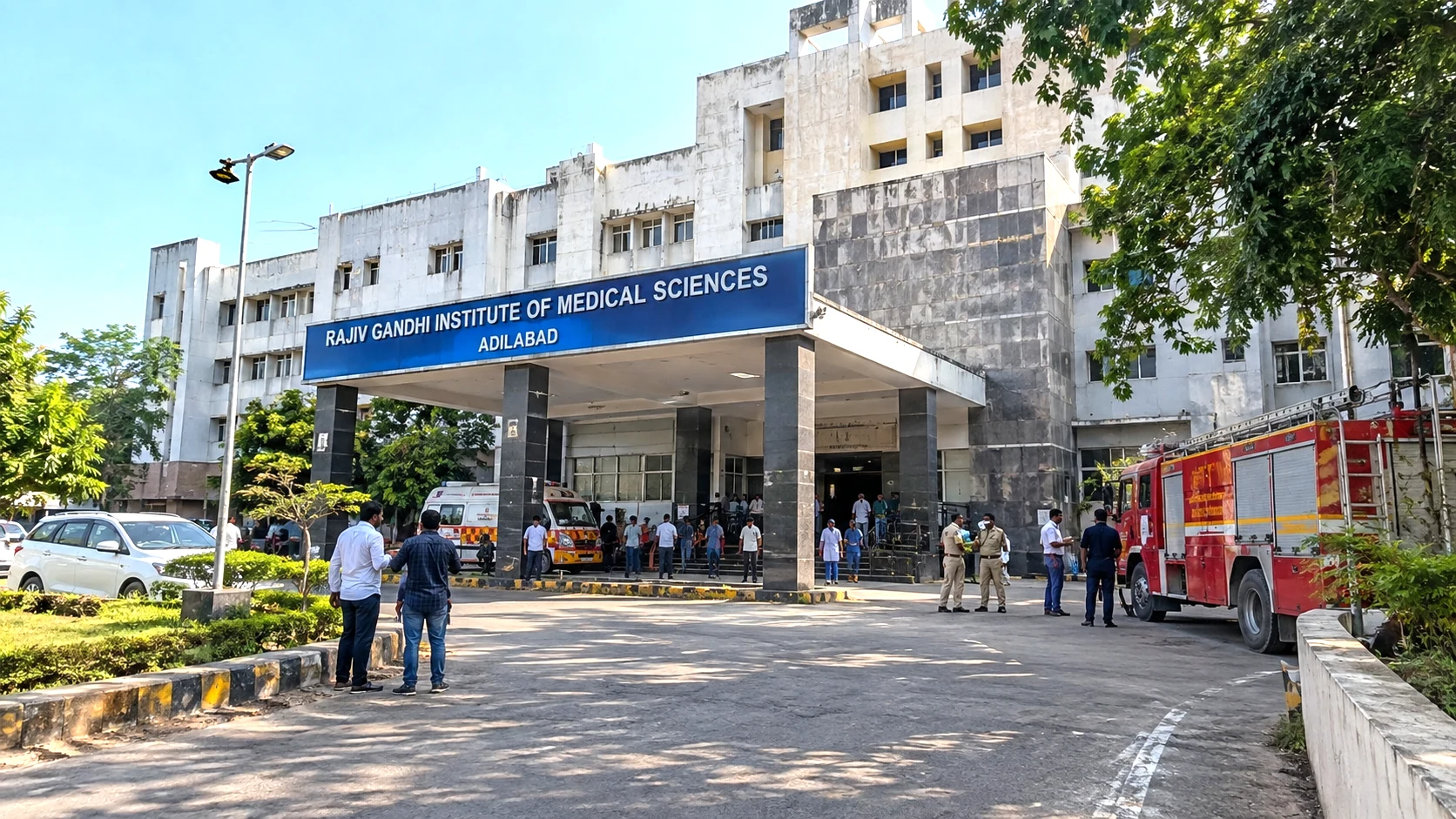
Three infants have died following a fire in the Special Newborn Care Unit at RIMS Adilabad. Officials are investigating a suspected AC-related electrical malfunction, while the Telangana government has ordered an inquiry and stronger hospital safety measures.
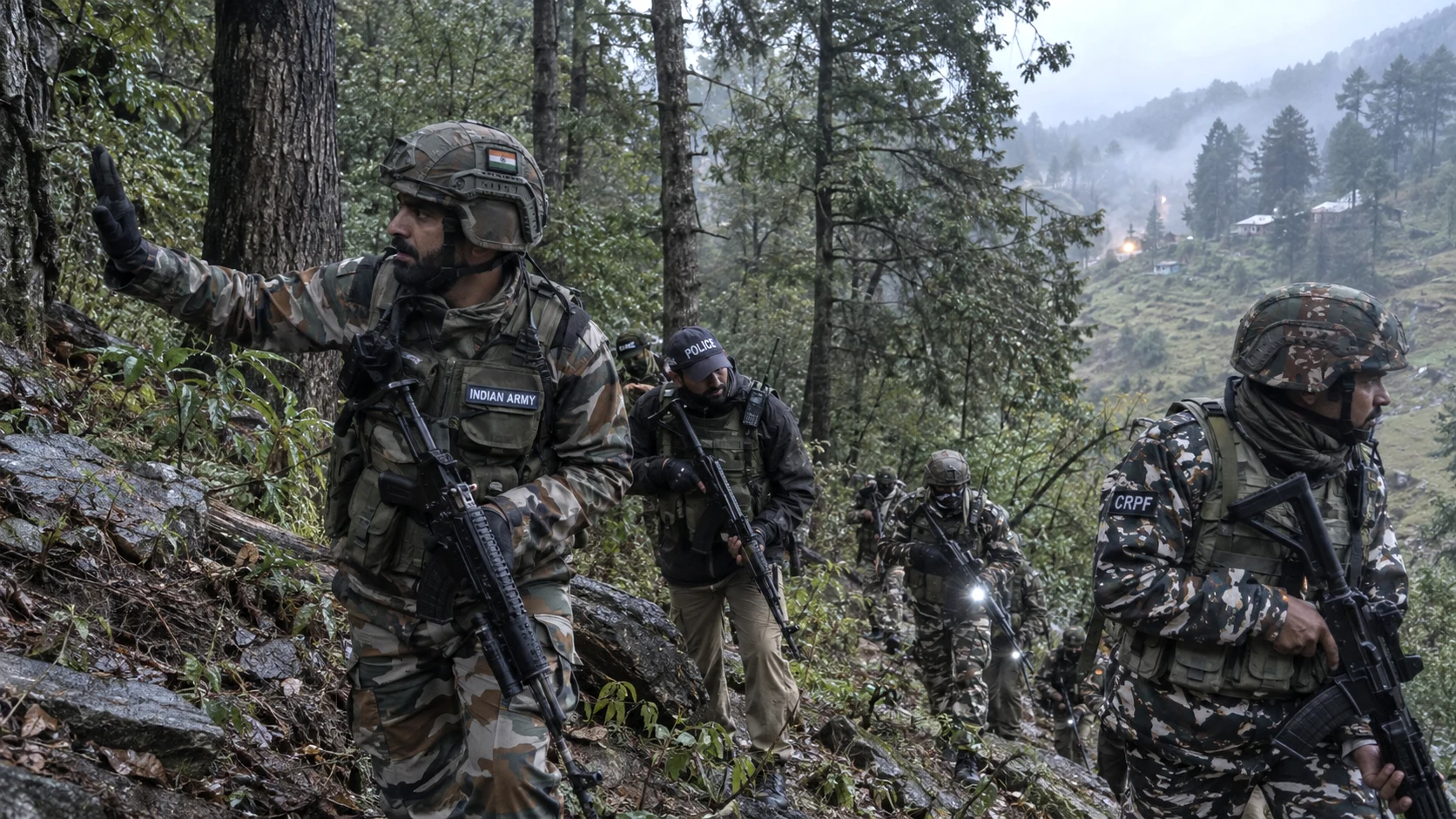
Security forces identified the slain militants as Saddam and Mustafa, both Pakistani nationals associated with Jaish-e-Mohammad. An AK-series rifle, M4 carbine, Glock pistol, grenades and ammunition were recovered after the overnight operation in the Brattal-Sohan forests of Majalta.
What is clear is that some Ukrainian weapons penetrated Russian air defences and reached strategic targets in and around the capital.
One of the most important was the Gazprom Neft-operated Moscow Oil Refinery in the Kapotnya district.
Key Takeaways
Ukraine has confirmed a strike on the Moscow Oil Refinery in Kapotnya.
Russian authorities report more than 1,600 drones intercepted since Saturday, including about 450 directed at Moscow.
At least three people were killed in the wider Moscow region according to the latest Russian updates.
Hundreds of residents were evacuated from damaged buildings.
Ukraine says oil and logistics infrastructure supporting Russia’s war effort was targeted.
Russia has threatened to intensify precision strikes on Kyiv in response.
Ukraine Confirms Moscow Oil Refinery Strike
Ukraine’s General Staff subsequently confirmed that its forces had targeted the refinery.
According to the Ukrainian military, the attack caused a major fire and damaged three significant refinery components:
the AVT-6 primary crude-oil processing unit
an integrated oil-processing complex
an isomerisation unit
The Ukrainian General Staff said the refinery supports Russia’s military and described the attack as part of Ukraine’s campaign against infrastructure that contributes to Moscow’s war effort.
Video footage circulating from Moscow showed large plumes of smoke rising from the refinery area after the attack.
Reuters journalists in Moscow also reported hearing explosions and seeing smoke coming from the refinery site, independently confirming that an incident occurred there. Russian officials acknowledged that the plant had been damaged but initially provided few details about the extent of the destruction.
How Many Drones Actually Attacked Moscow?
This is the most important fact-check surrounding the story.
The figure of 1,600 drones should not be written as though all 1,600 were fired directly at the Moscow refinery or even solely at Moscow.
Sobyanin said more than 1,600 drones had been intercepted since Saturday, with approximately 450 directed toward the Russian capital.
The Associated Press reported that Russia’s Defence Ministry said 1,110 drones were shot down across Russia, Crimea and the Black Sea during Sunday’s wave.
AP also reported that Russian officials counted 186 drones downed over Moscow itself and 249 over the surrounding Moscow region during one reporting period.
The differing Russian numbers may reflect separate reporting windows and geographic definitions.
Because independent verification of such large wartime interception totals is difficult, the safest formulation is:
Russia says more than 1,600 drones were intercepted during the broader attack period, including roughly 450 headed toward Moscow.
It is not accurate to state as an established fact that Ukraine launched exactly 1,600 drones specifically at Moscow.
Ukraine Says Attack Used Drones and Missiles
Ukrainian President Volodymyr Zelenskyy acknowledged that Ukraine carried out long-range attacks on Russian infrastructure.
He said Ukrainian forces had achieved significant results in the Moscow region and identified Russian oil and logistics infrastructure among the targets.
Ukraine indicated that several domestically produced long-range systems were involved, including the Flamingo cruise missile and unmanned aerial systems.
Early reporting created some confusion around a Ukrainian weapon referred to as Pelican. Some reports initially described it as a ballistic missile, but later Ukrainian reporting clarified that Pelican is a drone system.
Ukraine did not release a precise breakdown showing how many drones and missiles of each type participated.
That makes claims circulating online about the exact composition of the strike impossible to verify at present.
Why Moscow Oil Refinery Matters
The Moscow refinery is an important target because of both its size and its location.
The facility processed approximately 11.6 million metric tonnes of crude oil in 2024, according to data cited by Reuters.
It produced about:
2.9 million tonnes of gasoline
and
3.2 million tonnes of diesel
during that year.
Ukrainian reporting puts the plant’s annual capacity at approximately 12 million tonnes and says it supplies a significant portion of the Moscow region’s fuel requirements.
The refinery has been attacked before.
Ukraine has increasingly targeted Russian oil refineries, depots, pipelines and other energy infrastructure as part of its effort to reduce fuel production and place economic pressure on Moscow.
Those attacks have already had measurable consequences.
Russian Refinery Sector Already Under Pressure
Even before the latest Moscow strike, repeated Ukrainian drone attacks had forced several major Russian refineries to reduce or stop production.
Reuters reported on September 15 that half of Russia’s six largest diesel-producing refineries had significantly cut output or shut units because of drone damage.
The affected plants included Kirishi, Volgograd, NORSI and other major facilities.
Russia subsequently restricted exports of gasoline, diesel and aviation fuel as it attempted to protect domestic supplies.
The International Energy Agency estimated that during the first eight months of 2026, a Russian refinery had been successfully struck by drones on average roughly once every three days.
That broader situation makes the Moscow refinery attack more significant than an isolated strike.
Each additional disruption places pressure on Russia’s ability to keep domestic fuel markets supplied while also maintaining military logistics and export revenues.
Three People Reported Killed in Moscow Region
The attack also caused civilian casualties.
The latest Reuters reporting says three people died in the wider Moscow region.
Regional Governor Andrei Vorobyov initially reported two deaths before saying a third person later died in hospital.
Residential buildings were damaged during the attacks.
In the Ramenskoye district, approximately 400 residents — including around 70 children — were evacuated from a 21-storey apartment building after fire and damage were reported.
AP earlier reported two deaths and 20 injuries based on the regional governor’s initial statement. The later Reuters update raised the reported death toll to three.
Because casualty figures changed during the day, the current safest figure is at least three dead in the Moscow region, according to Russian authorities.
Ukraine has said its long-range campaign focuses on military, energy and logistics infrastructure.
Russian officials accused Kyiv of attacks that affected civilian areas.
As with other incidents during the conflict, both governments reject accusations that they deliberately target civilians.
Moscow Accuses Ukraine of Targeting Election Day
The attack took place on the final day of Russia’s parliamentary elections.
Sobyanin claimed the operation had been designed to disrupt voting.
Russia’s Defence Ministry made similar accusations, saying the attacks were intended to interfere with the election.
Ukraine has not said disrupting voting was the primary objective.
Instead, Zelenskyy presented the strikes as part of Ukraine’s strategy of attacking infrastructure that financially and materially supports Russia’s war effort.
This distinction is important.
The claim that Ukraine’s main objective was election disruption is Russia’s allegation, not an independently established fact.
Flights Disrupted Around Moscow
The scale of the drone activity also disrupted aviation.
Russian aviation authorities temporarily restricted operations at airports serving the Moscow region as drones approached the capital.
Domodedovo and Zhukovsky were among the airports affected, while other Russian airports also introduced temporary restrictions during the broader attack.
Airspace closures have become increasingly common during large Ukrainian drone operations because authorities seek to prevent civilian aircraft from entering areas where air-defence systems are active.
Russia Threatens Stronger Strikes on Kyiv
The most significant new development heading into September 21 is Russia’s response.
Russia’s Defence Ministry said it would intensify precision strikes against what it described as military targets in Kyiv following the Moscow attacks.
Moscow accused Ukraine of striking civilian targets and interfering with the parliamentary election.
The statement raises the possibility of another escalation in the long-range air war between the two countries.
Ukraine, meanwhile, has signalled that its own long-range campaign will continue.
Zelenskyy said before the Moscow operation that he had approved new long-range missions in response to continuing Russian attacks and that Ukraine was working to expand its strike capabilities.
That leaves both sides openly preparing for additional operations.
Russian Strikes Also Kill Civilians in Ukraine
The Moscow attack took place during another intense period of Russian strikes on Ukraine.
Ukrainian officials said Russian drones struck the Kyiv region, killing civilians including children.
AP reported that a mother and two children were killed when a Russian drone struck a home, while another injured child later died in hospital.
Russian strikes were also reported elsewhere in Ukraine during the same period.
The simultaneous attacks illustrate how the war has increasingly evolved into a long-range exchange involving drones and missiles far behind the conventional front line.
Energy-Strike Truce Already Under Strain
The latest operation is particularly notable because it came shortly after U.S. President Donald Trump said Russia and Ukraine had agreed to halt attacks on energy infrastructure.
Yet attacks on energy facilities continued.
Reuters reported that both sides kept striking energy-related targets despite the announced understanding.
The apparent breakdown underscores the difficulty of enforcing limited ceasefire arrangements while broader fighting continues.
Ukraine argues that Russian refineries are legitimate military targets because fuel and energy revenues support Moscow’s military campaign.
Russia rejects Ukraine’s attacks on its infrastructure and has repeatedly responded with large missile and drone strikes against Ukrainian targets.
Why the Attack Could Matter Beyond Russia
Repeated attacks on Russian refineries are no longer simply a bilateral military issue.
They have begun affecting international fuel markets.
Russian diesel production has declined as refinery outages accumulate.
Reuters reported that Russia has restricted fuel exports and that global diesel supplies were already tight because of separate disruptions linked to conflict in the Middle East.
That combination has contributed to exceptionally high international diesel prices.
A prolonged shutdown or major reduction in output at the Moscow refinery could therefore have consequences beyond the immediate capital region.
However, as of September 21, there is still no reliable independently verified assessment showing precisely how much of the refinery’s total capacity will remain offline or how long repairs will take.
Reports making specific claims about months-long shutdowns should therefore be treated cautiously until supported by confirmed operational data.
Biggest-Ever Attack on Moscow?
Russian officials have described the attack as the largest drone assault on Moscow since the beginning of the full-scale war.
AP likewise characterised it as the largest-ever attack on the Russian capital based on Russian official figures.
That description is reasonable when properly attributed.
But it remains difficult to independently establish exactly how many Ukrainian drones were launched, how many were decoys, how many were intercepted and how many successfully reached targets.
Russia and Ukraine routinely release wartime figures that cannot immediately be independently verified.
What Is Confirmed as of September 21
The clearest verified picture is:
Ukraine struck the Moscow Oil Refinery in the Kapotnya district.
Ukraine’s General Staff says three refinery units were damaged.
Russian authorities acknowledge damage at the refinery.
Reuters witnesses saw smoke rising from the refinery site.
Russia says more than 1,600 drones were intercepted during the broader period beginning Saturday.
Moscow’s mayor says about 450 drones were headed toward the capital.
Ukraine has not confirmed that it launched exactly 1,600 drones.
At least three people were reported killed in the Moscow region according to the latest Russian-authority casualty update carried by Reuters.
Hundreds of residents were evacuated from damaged buildings.
Ukraine says oil and logistics infrastructure supporting Russia’s war effort was targeted.
Russia alleges the attack was also aimed at disrupting its parliamentary election.
Russia has threatened to intensify strikes on Kyiv in response.
What Remains Unclear
Several important questions have not yet been answered.
The exact number of Ukrainian weapons launched remains uncertain.
The full extent of damage to the Moscow Oil Refinery has not been independently assessed.
There is no definitive public estimate yet for how long damaged refinery units will remain unavailable.
And the military impact of the operation will depend heavily on whether Russia can rapidly repair the facility or reroute fuel supplies from other refineries.
Further satellite imagery, industry data and official statements are likely to provide a clearer assessment.
A New Stage in the Long-Range War
The September 20 attack demonstrates how dramatically Ukraine’s deep-strike capability has expanded.
Targets hundreds of kilometres inside Russia that were once largely beyond Ukraine’s reach are now regularly vulnerable to drones and other domestically developed long-range weapons.
Russia continues to possess a far larger missile and drone arsenal and is simultaneously conducting sustained attacks against Ukrainian cities and infrastructure.
The result is an increasingly intense long-range war in which energy facilities, logistics networks, defence production and air-defence systems have become central targets.
The Moscow refinery strike is significant not because of a sensational “1,600 drones hit one refinery” narrative — that interpretation is unsupported — but because a large Ukrainian operation penetrated layered Russian defences around the capital, damaged a strategically important refinery and triggered an explicit threat of further Russian retaliation.
As of September 21, the immediate attack has ended.
Its consequences may not have.
Bottom Line
Ukraine has confirmed striking the Moscow Oil Refinery during a large long-range drone and missile operation. Russian authorities report more than 1,600 drones intercepted since Saturday, including about 450 directed at Moscow, while at least three people were killed in the wider region.
Ukraine says the attack targeted oil and logistics infrastructure supporting Russia’s war effort. Russia has threatened to intensify strikes on Kyiv in response. The full extent of refinery damage and the exact number of weapons launched remain unconfirmed.
Key Takeaway
Ukraine confirms strike on Moscow Oil Refinery.
Russia reports 1,600+ drones intercepted; ~450 headed to Moscow.
At least three killed in Moscow region; hundreds evacuated.
The Rajatheertha Team publishes news, explainers, guides and updates across India and the world. Our coverage follows Rajatheertha's editorial, verification and corrections standards.
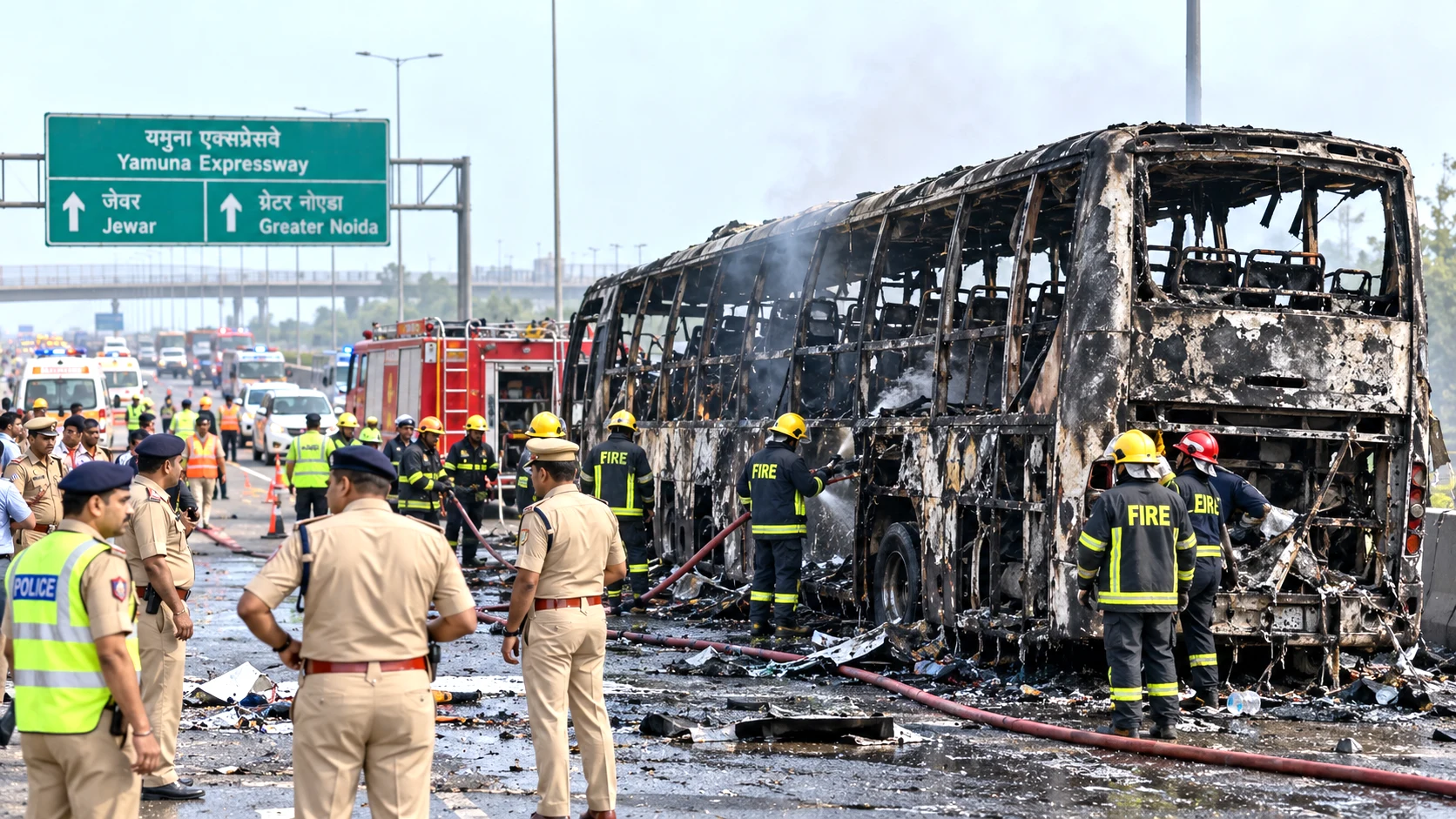
At least nine passengers died after an AC sleeper bus caught fire on the Yamuna Expressway near Jewar in Greater Noida. Police are investigating the cause, while a survivor’s complaint alleges warnings about a burning smell were ignored.
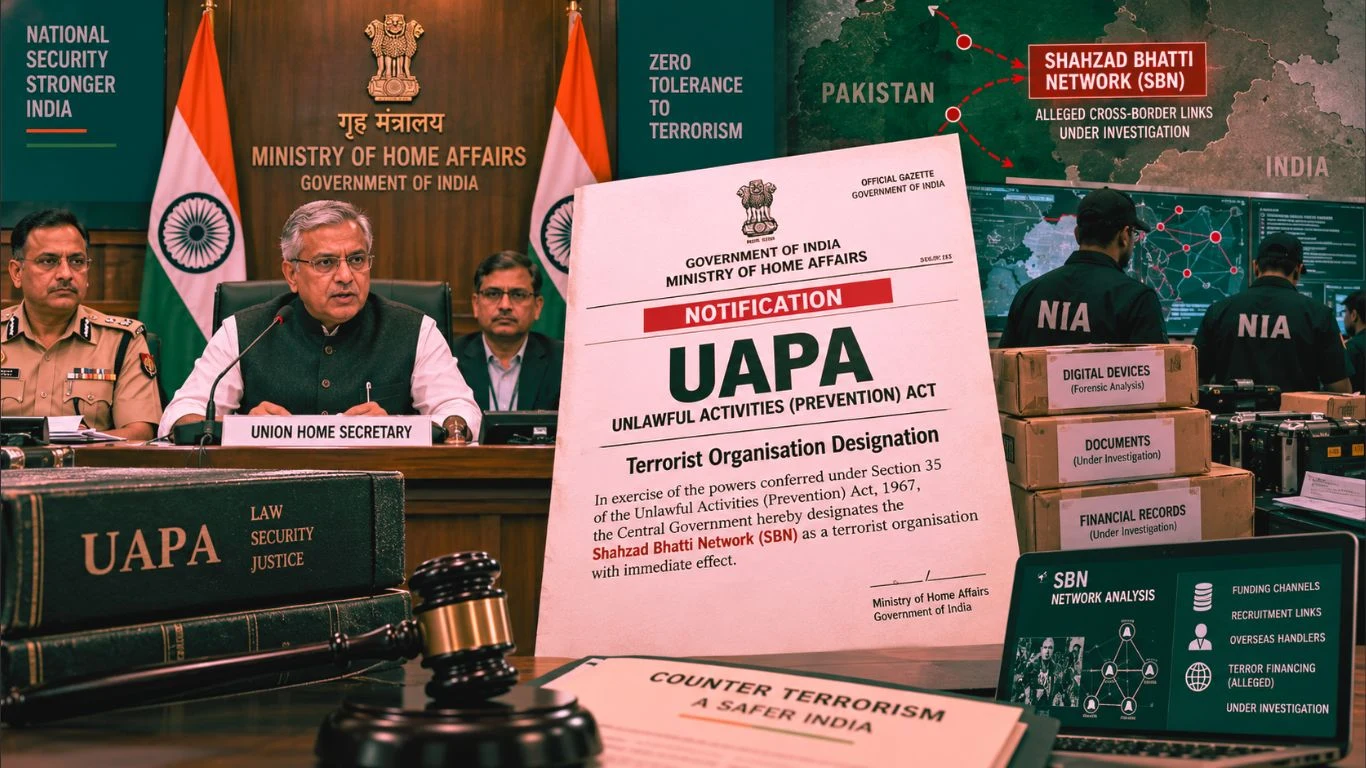
The Home Ministry has formally added the Shahzad Bhatti Network to the First Schedule of the UAPA, citing alleged cross-border arms, explosives and narcotics smuggling, recruitment of local criminals and the use of digital platforms for terror-related activity. The designation follows a multi-state
The Supreme Court has reaffirmed that arrested persons must receive the grounds of arrest in writing and in a language they understand, holding that Article 22(1) applies across criminal laws, including special statutes such as PMLA and UAPA.
The Jagdalpur court imposed capital punishment on all 10 people convicted in the 2013 Maoist ambush on a Congress convoy in Chhattisgarh. Two women are among those sentenced. The death sentences must still go through the High Court confirmation process, and the defence can appeal.
Revenue authorities are examining survey records and government-land classifications around former Chief Minister K. Chandrashekar Rao’s Erravalli property after Chief Minister A. Revanth Reddy raised allegations in the Assembly. The BRS rejects the allegations and has demanded an independent judge-
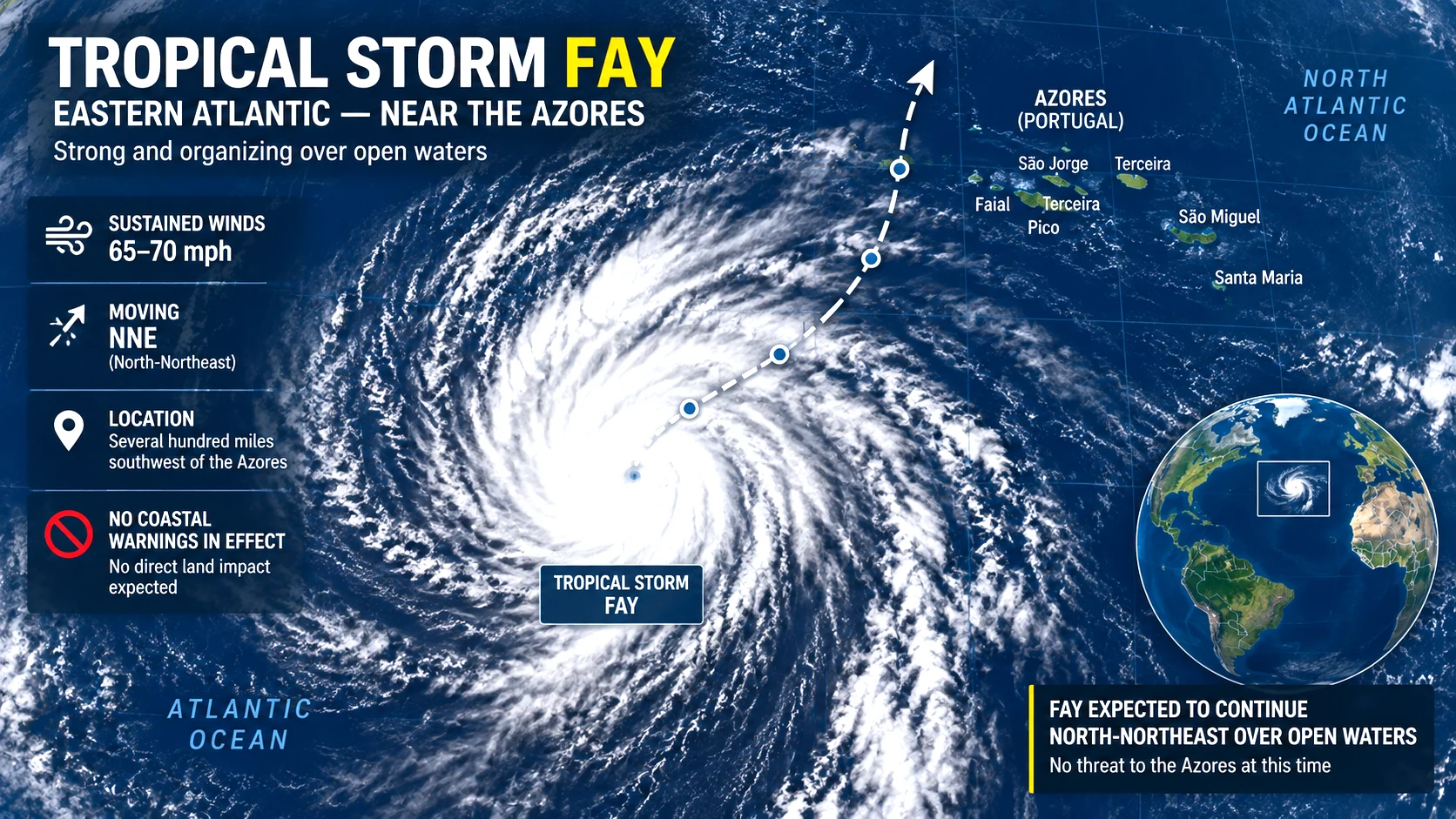
Tropical Storm Fay has strengthened to 70 mph over the eastern Atlantic, putting it just below hurricane intensity southwest of the Azores. Despite its strengthening overnight, forecasters now expect increasing wind shear to weaken Fay beginning Monday, while the rest of the Atlantic basin is foreca





0 Comments