Pope Leo XIV Seen for First Time After Lung Cancer Surgery as Recovery Improves
The Vatican has released the first photographs of Pope Leo XIV since his lung cancer surgery, showing him celebrating Mass at Rome’s Gemelli Hospital as doctors report continued improvement. Here is what the images show, what doctors have confirmed and what remains unknown.
Editorial illustration of Pope Leo XIV’s first post-surgery appearance after lung cancer operation
Table of Contents (14 sections)
Pope Leo XIV has been pictured for the first time since undergoing surgery for lung cancer, with newly released Vatican images showing the 71-year-old pontiff celebrating Mass at Rome’s Agostino Gemelli University Hospital as his doctors report continuing improvement in his postoperative condition.
The photographs provide the first visual update on the Pope since surgeons removed the lower lobe of his right lung on October 13 after medical examinations identified a small lung nodule.
During the operation, an immediate examination of the removed tissue confirmed lung adenocarcinoma.
The images released on October 16 show Pope Leo standing at the altar in green liturgical vestments during Mass at the hospital. Vatican reporting said members of the hospital’s medical and nursing staff and Vatican personnel were present.
The photographs have attracted worldwide attention because they are the first images of the Pope since his operation.
But the visual appearance is only one part of the health update.
More important medically, his doctors have said that blood tests, chest imaging and his ability to carry out daily activities continue to indicate steady postoperative improvement.
At the same time, important questions about the cancer itself remain unanswered publicly, including its final pathological stage and whether any additional treatment will be required.
Recommended Reading
Related Stories & In-Depth Guides
Curated editorial perspectives matching this topic.
Pope Leo XIV is recovering after surgery to remove the lower lobe of his right lung following a diagnosis of lung adenocarcinoma. Here is what the Vatican has confirmed, what remains unknown and why the case has renewed attention on how this common form of lung cancer is treated.
Navratri fasting can change normal meal timing and food choices. Here is a practical guide to balanced fasting meals, hydration and precautions for people with diabetes, high blood pressure or pregnancy.
The latest developments therefore provide grounds for cautious optimism about his recovery from surgery, but not enough information to make broader conclusions about his long-term cancer prognosis.
Key Takeaways
First post-surgery photographs released on October 16 show Pope Leo celebrating Mass.
Doctors report steady improvement; he is performing normal daily activities independently.
Lower lobe of right lung removed on October 13; adenocarcinoma confirmed.
Expected to appear at Sunday Angelus on October 18.
Final cancer stage and need for further treatment remain publicly unknown.
First images released after the operation
The Vatican released photographs of Pope Leo celebrating Mass at Gemelli Hospital on Friday, October 16.
In the images, he can be seen standing at the altar without obvious external respiratory support and wearing normal liturgical vestments.
The Mass was held inside the hospital where he has been recovering following the thoracic operation earlier in the week.
For many observers, the pictures offered the first visible indication of how the Pope was progressing after surgery.
They followed several days of written medical bulletins from the Vatican describing a stable and improving postoperative course.
The images themselves, however, should not be interpreted as a medical test.
A patient being able to stand, speak or participate in normal activities after surgery can be encouraging, but a photograph cannot reveal whether cancer has been completely removed, whether lymph nodes are involved or whether additional treatment will eventually be recommended.
Those questions depend on pathology, imaging and clinical assessment rather than outward appearance.
Doctors report steady improvement
The latest medical update from the Pope’s doctors said he had undergone further blood tests and a chest X-ray.
Those checks reportedly confirmed steady improvement in his general condition.
Respiratory physiotherapy has also continued.
According to the medical update, Pope Leo’s postoperative condition now allows him to perform normal daily activities independently.
That follows earlier updates in which doctors said he had resumed eating normally, begun walking around his hospital room and started respiratory physiotherapy.
Chest imaging after lung surgery is important because doctors need to assess how the remaining lung is expanding and monitor for complications that can follow thoracic procedures.
Blood tests also help medical teams monitor the body’s response to surgery and identify signs that might require further attention.
The Vatican has repeatedly described Pope Leo’s recovery as proceeding normally or as expected.
That does not necessarily mean his recovery is complete.
Major chest surgery can require a much longer period of rehabilitation even when the initial hospital course is uncomplicated.
What surgery Pope Leo underwent
Pope Leo entered Gemelli Hospital on October 13 for a planned operation after doctors detected a small, localised nodule in his lung during medical examinations.
He had announced the finding himself two days earlier, telling the faithful that the abnormality had been detected at an early point and that doctors had recommended surgery.
During the operation, surgeons removed the lower lobe of his right lung using a video-assisted surgical technique.
Removing an entire lobe of the lung is known as a lobectomy.
The Vatican said the operation itself lasted approximately 90 minutes, while the Pope spent around three hours in the operating theatre overall.
Doctors said the surgery was successful and no complications were reported.
An intraoperative histological examination — an examination of tissue while surgery was still under way — confirmed that the lesion was lung adenocarcinoma.
Pope Leo woke normally following the operation and returned to his hospital room after a period of observation.
What lung adenocarcinoma means
Lung adenocarcinoma is a form of non-small-cell lung cancer.
Treatment varies substantially depending on the size and location of the tumour, whether lymph nodes are involved, whether the cancer has spread elsewhere and the biological characteristics of the tumour.
For cancers that can be surgically removed, operations such as lobectomy may form a central part of treatment.
Some patients require additional treatment after surgery, while others may not.
That is why Pope Leo’s successful operation should not automatically be interpreted as the end of his cancer treatment.
The Vatican has not publicly announced enough information to determine that.
Rajatheertha previously examined the medical issues surrounding the Pope’s diagnosis, including why part of the lung was removed and why final pathology matters.
The newest development is different: the Pope is now visibly returning to activity as his immediate surgical recovery progresses.
Cancer stage remains an important unanswered question
One of the most significant pieces of information that remains unavailable publicly is the Pope’s formal cancer stage.
The Vatican has described the original lung nodule as small and localised, and Pope Leo said before the operation that it had been detected early.
Those are encouraging descriptions.
However, they do not substitute for formal pathological staging.
After lung-cancer surgery, doctors can examine the removed tumour and other tissue in much greater detail.
Among the issues that may influence future treatment are the exact tumour size, surgical margins, lymph-node findings and molecular characteristics of the cancer.
The Vatican has not publicly announced complete results covering all of those areas.
Responsible reporting therefore needs to distinguish two separate questions.
The first is whether Pope Leo is recovering well from his operation.
The available medical updates indicate that he is.
The second is what his long-term cancer outlook will be.
There is not yet enough public information to answer that with confidence.
Planned Sunday appearance marks another recovery milestone
Another closely watched development is the Pope’s expected public appearance on Sunday, October 18.
The Vatican has indicated that Pope Leo is expected to take part in the traditional Sunday Angelus, which would mark his first public appearance since the cancer operation.
At the time of the latest reporting, the precise setting of the appearance had not been definitively established publicly.
A Sunday appearance would be an important symbolic milestone after several days in hospital.
It would also provide a clearer indication of how quickly the Pope is able to resume parts of his public ministry.
However, appearing briefly for the Angelus would not necessarily mean that he is ready to return immediately to a full papal schedule.
His normal duties involve lengthy audiences, ceremonies, travel, public speaking and substantial periods of standing and walking.
Doctors are therefore likely to assess his workload progressively rather than treat one successful appearance as evidence of complete recovery.
Public engagements were cleared during recovery
The Pope’s scheduled public engagements were cancelled through October 20 when his hospital admission was announced.
That allowed time for surgery and the immediate recovery period.
Even during his hospital stay, however, Pope Leo has continued some activities.
He has celebrated Mass and remained engaged with aspects of Vatican work.
Reports have also indicated that he has continued some diplomatic communication while recovering.
The distinction is important.
A pope can remain formally in office while recovering in hospital even if public ceremonies are delegated or postponed.
There has been no announcement that Pope Leo is unable to govern or that any constitutional transfer of papal authority has occurred.
Instead, the Vatican has adapted his programme while doctors monitor his condition.
South America trip still under watch
Attention is also turning to Pope Leo’s planned November trip to Uruguay, Argentina and Peru.
The trip is currently scheduled for November 6 to 17.
The Vatican has continued preparations, but the final practical demands of the journey will inevitably depend on his recovery and medical advice.
International papal travel is physically demanding.
It can involve long flights, repeated public ceremonies, road journeys, meetings with political and religious leaders, large outdoor events and significant changes in climate and altitude.
The fact that preparations continue should therefore not be interpreted as a medical guarantee that every part of the itinerary will proceed unchanged.
His doctors will be in a stronger position to assess that once his immediate postoperative recovery progresses further.
What the new photographs do tell us
The first post-surgery images are meaningful because they show Pope Leo resuming an activity central to his daily religious life.
He was not photographed undergoing medical procedures or appearing in a highly clinical setting.
Instead, the Vatican chose images of him celebrating Mass.
That presentation communicates continuity as well as recovery.
He is visibly able to stand and participate in the liturgy only a few days after major lung surgery.
Combined with the doctors’ reports that he is independently carrying out normal daily activities, the images reinforce the assessment that his immediate postoperative recovery is moving in a positive direction.
What the photographs do not tell us
The photographs cannot establish whether all cancerous tissue has been eliminated.
They cannot show whether microscopic disease is present elsewhere.
They cannot determine whether further treatment will be recommended.
And they cannot predict how quickly the Pope will regain the stamina required for a full international schedule.
Those distinctions are particularly important in cancer reporting.
A person can look well during recovery while doctors are still awaiting pathology findings or deciding whether further treatment is necessary.
Likewise, additional treatment does not automatically mean that surgery failed.
Cancer treatment plans are based on several clinical and biological factors.
What happens next
The next stage of the Pope’s recovery is likely to focus on several separate issues.
First, doctors will continue monitoring his recovery from the lobectomy, including breathing, mobility, wound healing and lung function.
Second, more complete pathology information may help clarify the characteristics and stage of the adenocarcinoma.
Third, his medical team will determine whether surgery alone is considered sufficient or whether additional cancer treatment should be discussed.
Fourth, attention will turn to the timing of his discharge from Gemelli Hospital and the gradual restoration of his normal workload.
Finally, his ability to undertake the November South America trip will become clearer as doctors assess his strength and respiratory recovery.
Why this update is significant
The October 16 photographs mark a clear change from the uncertainty surrounding the beginning of the week.
On October 11, Pope Leo disclosed that doctors had discovered a lung nodule.
On October 13, surgery confirmed that the lesion was adenocarcinoma and required removal of the lower lobe of his right lung.
In the following days, the public received medical updates describing walking, normal eating, respiratory physiotherapy and satisfactory postoperative tests.
Now the first images show him celebrating Mass while his doctors report continuing improvement.
That is genuine new information.
It does not resolve every question about his cancer, but it provides the clearest public picture yet of his recovery from surgery.
For now, the most accurate assessment is also the simplest: Pope Leo XIV appears to be recovering steadily from his lung operation, has resumed a number of normal activities and is expected to make a public appearance on Sunday.
His final cancer stage, the possibility of additional treatment and the timing of a complete return to his normal schedule remain matters for his doctors and future Vatican updates.
The coming days — particularly his expected Angelus appearance, any discharge announcement and any further medical bulletin — will provide the next meaningful evidence about how quickly he is able to resume his public role.
Key Takeaway
Pope Leo XIV pictured for first time after lung cancer surgery; doctors report steady recovery.
Sunday Angelus appearance expected; full cancer stage still undisclosed.
The Rajatheertha Team publishes news, explainers, guides and updates across India and the world. Our coverage follows Rajatheertha's editorial, verification and corrections standards.
Better digestion often starts with ordinary habits: more fiber-rich whole foods, enough fluids, selected fermented foods, regular meals, slower eating and movement. Here is what current evidence supports—and what gut-health trends often exaggerate.
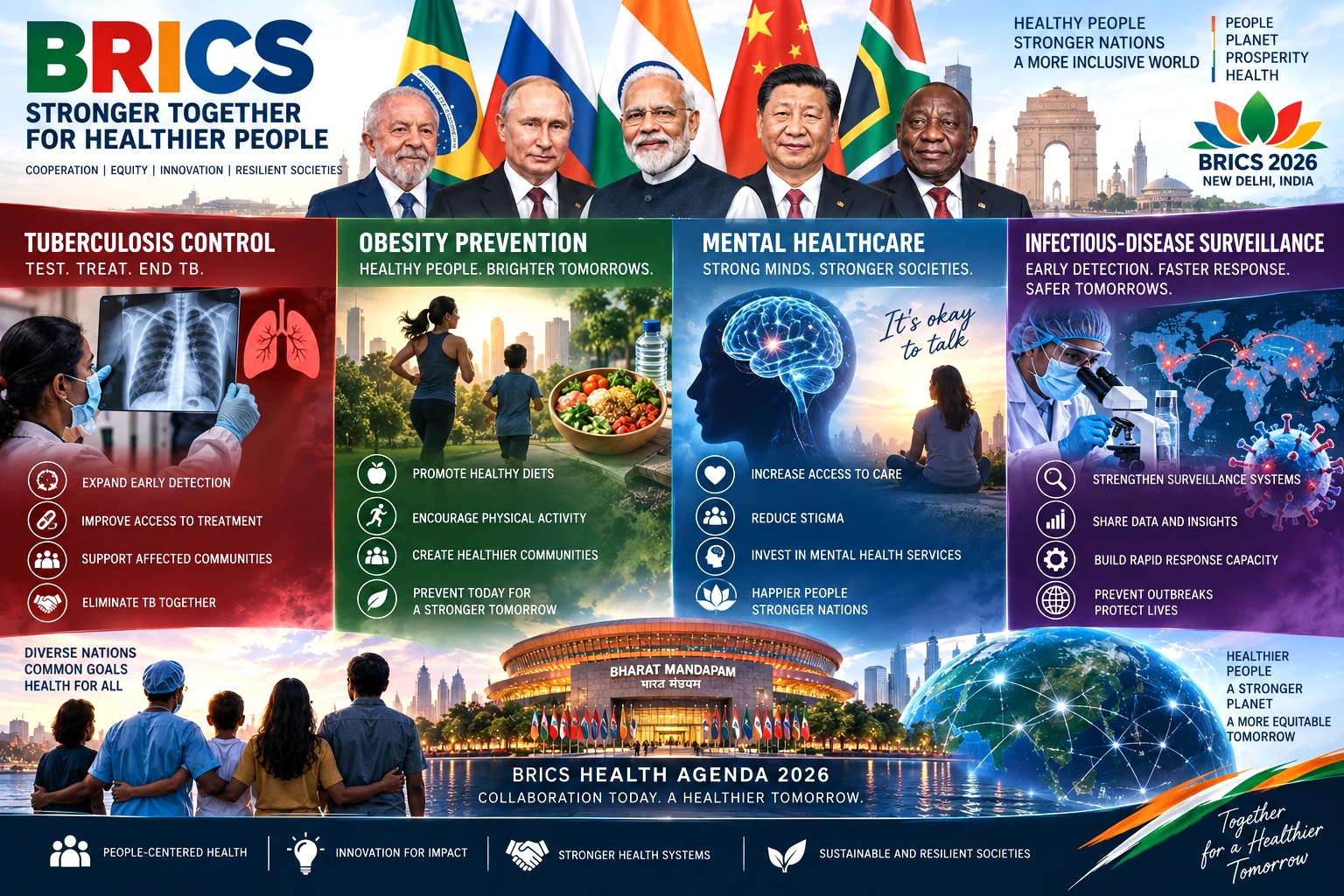
BRICS leaders have backed stronger cooperation on tuberculosis, obesity, mental health and other non-communicable diseases, while also supporting resilient health systems, disease surveillance and wider access to medicines and vaccines.
Medicare Open Enrollment for 2027 coverage runs from October 15 through December 7, 2026. Here is what beneficiaries should know about Part D costs, projected Medicare Advantage premiums, the still-unconfirmed Part B premium and the five checks to make before choosing a plan.
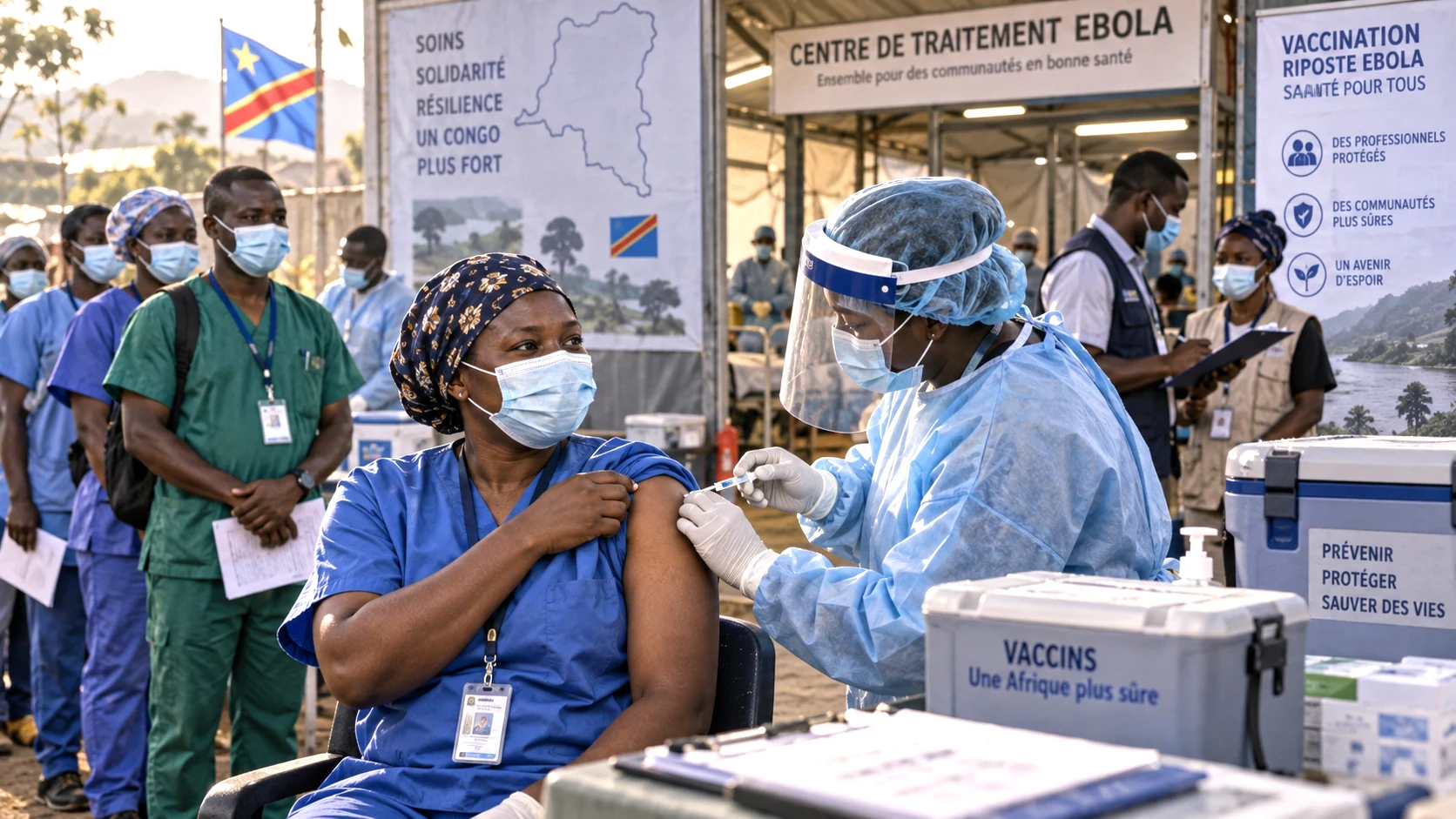
The Democratic Republic of the Congo has expanded Ebola vaccination among frontline health workers as a major study begins in Bunia to test whether the Ervebo vaccine can provide protection against the Bundibugyo virus driving the country’s largest recorded Ebola outbreak. The programme will follow
Almonds, walnuts, pistachios, cashews and raisins all provide different nutrients. Here’s what each one contains, how much to eat, whether soaking is necessary, the best ways to include them in your diet, and what to watch out for.
A worker at Russia's Irkutsk Anti-Plague Research Institute has died after developing pneumonia of unknown origin, prompting isolation and monitoring of nearly 200 contacts. Plague remains unconfirmed, while WHO currently assesses the wider public-health risk as low.








0 Comments