Russian Anti-Plague Lab Worker Dies of Unexplained Pneumonia; WHO Says Public Risk Appears Low
A worker at Russia's Irkutsk Anti-Plague Research Institute has died after developing pneumonia of unknown origin, prompting isolation and monitoring of nearly 200 contacts. Plague remains unconfirmed, while WHO currently assesses the wider public-health risk as low.
Russian and international health authorities are monitoring an unusual public-health investigation in Siberia following the death of an employee of the Irkutsk Anti-Plague Research Institute of Siberia and the Far East, amid unconfirmed reports that she may have contracted pneumonic plague.
Russian authorities have not confirmed plague as the cause of death.
Russia's public-health watchdog, Rospotrebnadzor, says the employee was diagnosed with “pneumonia of unknown etiology” and that expanded laboratory testing did not detect microorganisms associated with her professional work. The agency has also said there was no recorded accident involving dangerous pathogens at the institute.
The case nevertheless triggered extensive precautionary measures.
A hospital in Shelekhov where the woman was treated was placed under quarantine, people who had contact with her were placed under medical observation, and reports indicate that some employees of the research institute were isolated while authorities investigated the incident.
Recommended Reading
Related Stories & In-Depth Guides
Curated editorial perspectives matching this topic.
BRICS leaders have backed stronger cooperation on tuberculosis, obesity, mental health and other non-communicable diseases, while also supporting resilient health systems, disease surveillance and wider access to medicines and vaccines.
Britain's record-breaking 2026 summer has exposed a growing weakness in its health system: hospitals designed to retain warmth during cold winters are increasingly struggling with extreme summer heat. Patients and medical workers have faced sweltering wards, record emergency-department demand and di
Nearly 200 people have reportedly been monitored as potential contacts.
The World Health Organization says that, based on the information available to it, the risk to the general population appears to be low. WHO is continuing to communicate with Russian authorities and says further assessments could be made as additional laboratory and epidemiological information becomes available.
That distinction is crucial: this is currently a suspected infectious-disease incident under investigation, not a confirmed plague outbreak.
Key Points
An employee of the Irkutsk Anti-Plague Research Institute died after developing severe pneumonia.
Russian authorities describe the illness as pneumonia of unknown origin.
Plague has not been officially confirmed.
Rospotrebnadzor says testing found no microorganism associated with the woman's professional activities.
Authorities also say they found no evidence of an accident involving dangerous pathogens at the institute.
A hospital in Shelekhov was quarantined and close contacts were placed under observation.
Reports indicate that nearly 200 potential contacts were identified or monitored.
Some institute employees were also reportedly isolated.
No secondary plague infections have been confirmed.
WHO says the current public-health risk to the general population appears low.
WHO remains in contact with Russian health authorities and is seeking further information.
The United States and European authorities are also monitoring developments.
What Happened in Irkutsk?
The case involves an employee of the Irkutsk Anti-Plague Research Institute of Siberia and the Far East, a specialised research institution in eastern Russia that works on dangerous infectious diseases.
The woman became seriously ill with pneumonia and was treated at a hospital in Shelekhov, a town near Irkutsk.
Local media have identified her as Darya Shipilova, reportedly 28 years old.
Reuters reported that Russian authorities had not disclosed a definitive cause of her illness and death, while local reports circulated several competing theories about how she might have become infected.
Those theories included an alleged laboratory incident involving plague bacteria.
However, the alleged laboratory exposure has not been established as fact.
Did She Die From Plague?
At present, there is no official confirmation that she did.
Rospotrebnadzor has said the worker was diagnosed with pneumonia of unknown etiology, meaning doctors had not established the cause of the pneumonia.
The agency said expanded testing did not detect microorganisms linked to her work with infectious pathogens.
Russian officials also said no emergency or safety incident involving pathogenic microorganisms had been recorded at the institute.
That directly conflicts with widely circulated claims that the employee broke a test tube containing live plague bacteria.
Those reports remain unverified.
Why Did Reports Say It Was Plague?
Confusion increased after regional officials issued differing statements.
Alexey Tsydenov, head of neighbouring Buryatia, initially wrote that a woman had died “from the plague”, but later modified his statement to say she had possibly died of plague.
Meanwhile, local and international media reported allegations of a laboratory exposure.
Russia's federal public-health agency subsequently pushed back against those reports, saying the available testing had not established plague and that the woman's illness remained classified as pneumonia of unknown origin.
The conflicting statements contributed to public anxiety and international scrutiny.
Was There a Laboratory Accident?
Russian authorities say they found no evidence of one.
Rospotrebnadzor said a review of the institute found no recorded incident involving work with dangerous microorganisms.
The agency also said biological material collected from the patient did not reveal microorganisms associated with her professional activity.
Claims that a test tube containing plague bacteria broke therefore remain allegations rather than confirmed findings.
Until investigators publish evidence establishing such an incident, it would be inaccurate to describe the death as a confirmed laboratory leak.
How Many People Were Quarantined?
Reports have used several different figures because different groups were subject to different precautionary measures.
Nearly 200 people who may have had contact with the woman were reportedly placed under medical observation.
Separately, more than 60 employees of the anti-plague institute were reported by independent media to have been isolated.
The Shelekhov hospital where the worker was treated was also placed under quarantine restrictions, temporarily preventing routine admissions and discharges in the affected area.
For accuracy, “nearly 200 contacts under medical observation” is preferable to saying that hundreds of people were all formally quarantined.
Have Any Other Plague Cases Been Found?
No secondary plague cases had been confirmed as of October 6.
Russian authorities reported that testing among contacts identified:
two COVID-19 infections; and
two rhinovirus infections.
No other infectious-disease pathogens were detected in those tested contacts, according to Rospotrebnadzor.
WHO said all identified contacts had reportedly been traced and monitored and that none had developed relevant symptoms at the time of its latest assessment.
That is one of the reasons WHO currently considers the broader public-health risk low.
What Has WHO Said?
The World Health Organization is in contact with Russian health authorities over the incident.
WHO spokesperson Christian Lindmeier said the organisation was seeking information about:
the circumstances surrounding the illness;
laboratory testing underway;
test results;
the reasoning behind contact tracing;
the health status of exposed contacts; and
any potential international public-health implications.
WHO subsequently said that, based on the unofficial information available to it, “the public health risk to the general population appears to be low.”
The organisation indicated that its assessment could change if new information emerges.
Therefore, the WHO position should not be described as declaring the investigation closed or proving that plague is impossible.
Rather, WHO's current assessment is that the available evidence does not indicate a major threat to the general population.
What Are Russian Authorities Saying?
Rospotrebnadzor says the sanitary and epidemiological situation in Irkutsk Oblast remains stable.
The agency has reported that preventive measures and monitoring of contacts are continuing or nearing completion.
Russian authorities also reported that the region's acute respiratory infection rate was below the epidemic threshold and had shown no significant upward trend over the preceding two weeks.
Kremlin spokesperson Dmitry Peskov urged the public to rely on information from Rospotrebnadzor instead of rumours circulating online.
Why Are Authorities Taking Such Strong Precautions If Plague Is Unconfirmed?
Public-health agencies often take precautionary containment measures before a diagnosis has been confirmed when a potentially dangerous infectious disease is being investigated.
These measures do not by themselves prove that a particular disease is present.
In this case, the worker was employed at an institute dealing with dangerous pathogens and developed an unexplained severe pneumonia, giving authorities reason to investigate aggressively while laboratory testing continued.
What Is Pneumonic Plague?
Plague is an infectious disease caused by the bacterium Yersinia pestis.
The World Health Organization describes three principal forms:
bubonic plague;
septicemic plague; and
pneumonic plague.
Pneumonic plague affects the lungs and is the form capable of spreading between humans through infectious respiratory droplets during close contact.
It is a serious illness, but modern antibiotics can effectively treat plague when diagnosis and treatment occur promptly.
WHO emphasises that early diagnosis and treatment are important because untreated plague can progress rapidly and may be fatal.
Does Plague Still Exist Today?
Yes.
Plague has not disappeared globally.
The bacteria persist naturally in some wild rodent populations and their fleas, creating what epidemiologists call natural plague reservoirs.
Parts of Siberia and the Russian Far East are among areas where plague can occur naturally in wildlife. Reuters noted that human infections in Russia are nevertheless rare.
Cases also continue to occur periodically in other parts of the world.
The existence of natural plague reservoirs does not mean an outbreak is occurring in the general population.
Can Pneumonic Plague Spread Between People?
Yes, but transmission generally requires close exposure to respiratory droplets from a person with pneumonic plague.
WHO says a person with pneumonic plague can transmit the bacterium through infectious respiratory droplets.
That is why rapid isolation and contact tracing are important when pneumonic plague is genuinely suspected.
However, there is currently no confirmed diagnosis of pneumonic plague in the Irkutsk worker, and no confirmed chain of person-to-person plague transmission has been reported in connection with this incident.
Is There a Risk to Other Countries?
WHO's current assessment is reassuring.
The organisation says the public-health risk to the general population appears low based on the information presently available.
There is currently no publicly confirmed evidence of international transmission related to the case.
The situation remains under review because the exact cause of the woman's pneumonia has not yet been publicly established.
What Is the United States Saying?
US officials say they are monitoring the situation.
Secretary of State Marco Rubio said the incident was not currently a cause for alarm but warranted attention and continued monitoring.
President Donald Trump also said the United States was prepared to provide assistance to Russia if needed.
US officials have sought further information about the incident while noting that many details remain unconfirmed.
Is Europe Monitoring the Situation?
Yes.
The European Commission, the United States and WHO have all said they are following developments surrounding the Siberian case.
International attention is primarily precautionary because the cause of death remains uncertain and because pneumonic plague, if confirmed, requires rapid public-health action.
There is no indication at present that international health authorities consider a broad multinational outbreak underway.
Why the Phrase “Plague Outbreak” Should Be Avoided for Now
A confirmed outbreak requires evidence that the disease in question is actually present.
At the time of publication:
plague has not been officially confirmed in the deceased worker;
Russian testing has not identified plague bacteria;
no secondary plague cases have been confirmed;
contacts remain under observation;
and WHO currently assesses wider public risk as low.
The most accurate description is therefore a suspected infectious-disease incident involving a worker at an anti-plague institute, with unconfirmed speculation about pneumonic plague.
Calling it a confirmed “plague outbreak” would go beyond the evidence currently available.
What Is Still Unknown?
Several major questions remain unanswered.
The exact cause of death
Russian officials continue to describe the case as pneumonia of unknown etiology.
Whether plague was involved
There has been no publicly confirmed positive test for Yersinia pestis.
Whether a laboratory exposure occurred
Authorities deny finding evidence of an accident, while media reports alleging a broken test tube remain unverified.
Why extensive precautions were required
Authorities have taken significant containment measures despite saying the situation is stable.
Whether further testing will identify another pathogen
Additional laboratory investigation may eventually establish the cause of the pneumonia.
What Happens Next?
The most important developments to watch are:
final laboratory findings on the deceased worker;
any independent confirmation or rejection of plague;
when quarantine and observation measures are lifted;
any updated WHO risk assessment;
further disclosures from Rospotrebnadzor;
and whether evidence emerges supporting or disproving claims of a laboratory incident.
WHO has indicated it could revise its assessment as more information becomes available.
Latest Verified Status — October 6, 2026
As of the latest available information:
A female employee of the Irkutsk Anti-Plague Research Institute has died after developing severe pneumonia.
Russian officials classify the illness as pneumonia of unknown etiology.
Plague has not been confirmed.
Russian authorities say testing did not detect organisms associated with her laboratory work.
Authorities deny that an accident involving pathogenic microorganisms occurred at the institute.
Nearly 200 contacts have reportedly been identified or medically monitored.
Some institute workers and hospital areas were placed under isolation or quarantine measures.
Two contacts tested positive for COVID-19 and two for rhinovirus; no other infectious pathogen was reported among those contacts.
No confirmed secondary plague infections have been reported.
WHO is in contact with Russian authorities.
WHO says the risk to the general population currently appears low.
Further laboratory and epidemiological investigation is continuing.
Frequently Asked Questions
Did a Russian laboratory worker die from plague?
It has not been confirmed that she died from plague. Russian authorities say she had pneumonia of unknown origin and that laboratory testing did not identify microorganisms connected to her professional work.
Where did the worker work?
She worked at the Irkutsk Anti-Plague Research Institute of Siberia and the Far East in Russia.
Was there a plague laboratory leak?
There is currently no verified evidence establishing a laboratory leak. Reports claiming a test tube containing plague bacteria broke remain unconfirmed, while Russian authorities say no such laboratory accident was identified.
How many people are being monitored?
Reports indicate that nearly 200 people who may have had contact with the woman were identified or placed under medical observation.
Has anyone else developed plague?
No confirmed secondary plague cases have been reported.
What does WHO say?
WHO says it is communicating with Russian authorities and currently considers the public-health risk to the general population to appear low, based on information available so far.
Is pneumonic plague contagious?
Confirmed pneumonic plague can spread between people through infectious respiratory droplets during close contact.
Can plague be treated?
Yes. Antibiotics and supportive therapy can be effective, particularly when treatment begins early.
Is there currently a plague outbreak in Russia?
No confirmed plague outbreak has been established in connection with this incident.
Is there an international health emergency?
No. WHO's current assessment indicates the risk to the general population appears low.
Bottom Line
A worker at Russia’s Irkutsk Anti-Plague Research Institute has died of unexplained pneumonia. Plague remains unconfirmed, nearly 200 contacts are under observation, and WHO currently assesses the wider public-health risk as low.
The Rajatheertha Team publishes news, explainers, guides and updates across India and the world. Our coverage follows Rajatheertha's editorial, verification and corrections standards.
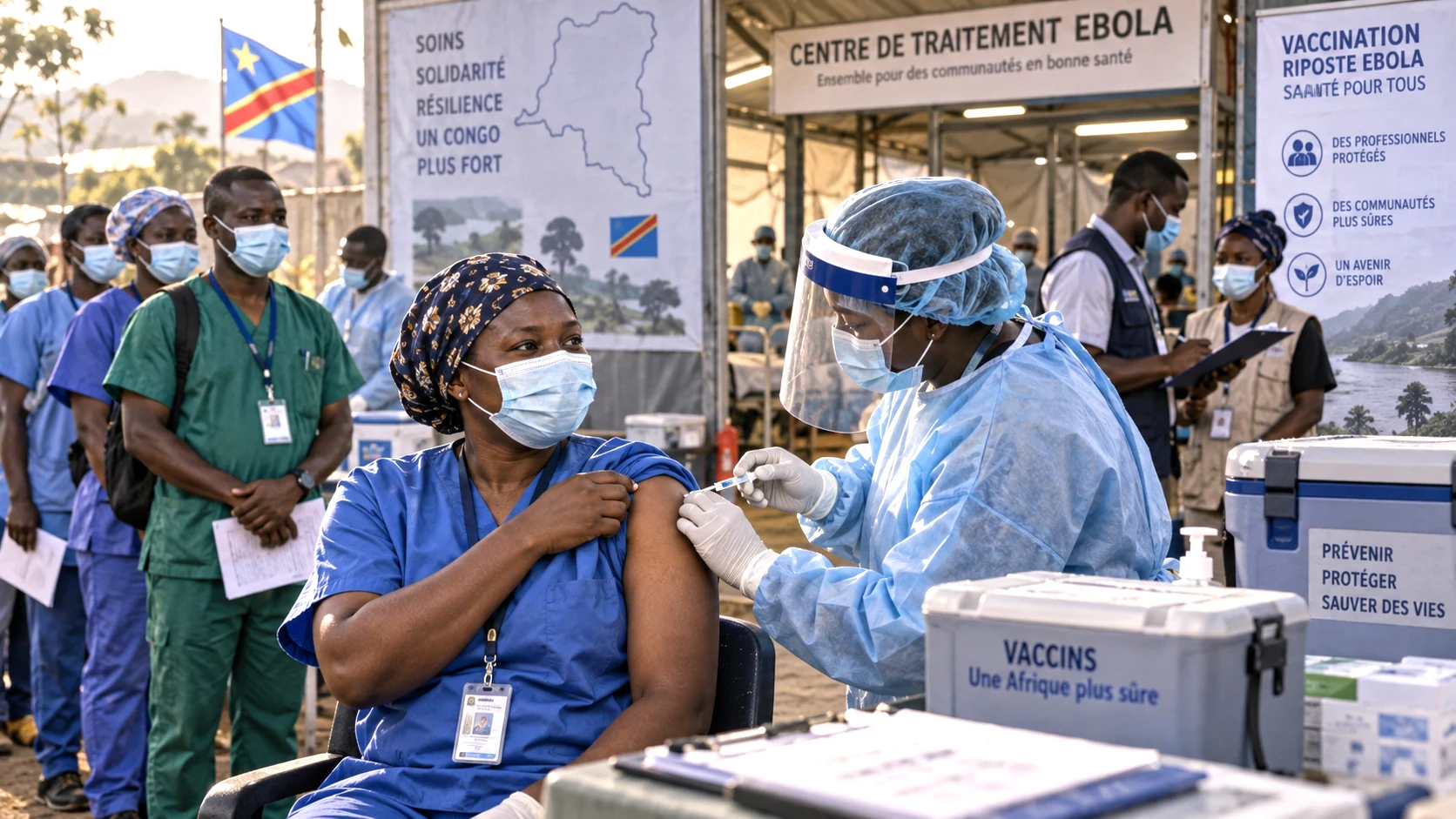
The Democratic Republic of the Congo has expanded Ebola vaccination among frontline health workers as a major study begins in Bunia to test whether the Ervebo vaccine can provide protection against the Bundibugyo virus driving the country’s largest recorded Ebola outbreak. The programme will follow
Better digestion often starts with ordinary habits: more fiber-rich whole foods, enough fluids, selected fermented foods, regular meals, slower eating and movement. Here is what current evidence supports—and what gut-health trends often exaggerate.
Short on time and trying to eat better without overspending? This practical meal-prep guide explains weekly planning, batch cooking, budget shopping, balanced plates and easy breakfast, lunch and dinner ideas.
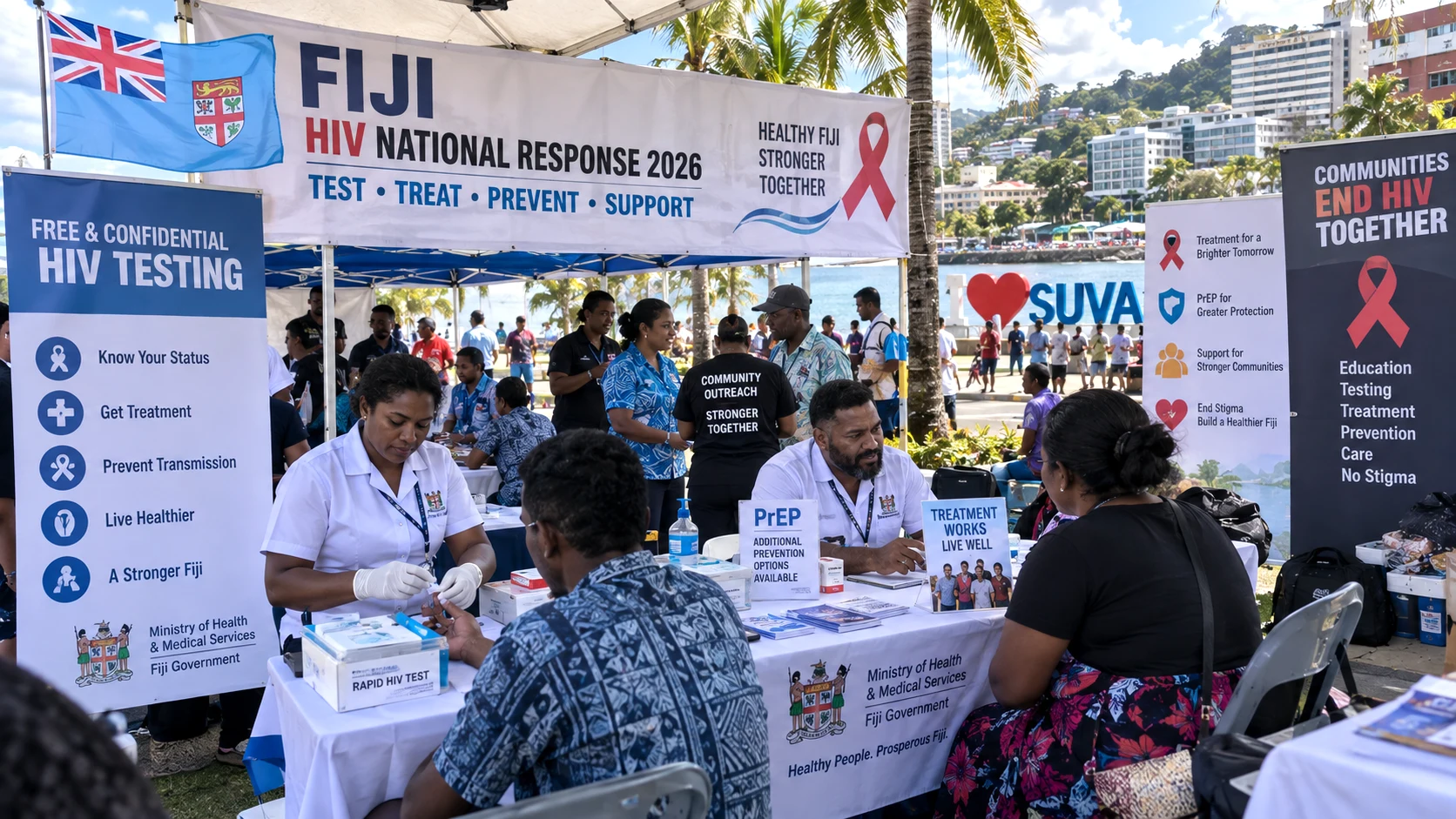
Fiji recorded 2,016 new HIV diagnoses in 2025, up 27% from the previous year, while UNAIDS estimates around 9,100 people were living with HIV. The government is expanding testing, treatment, PrEP and harm-reduction services as health authorities call for a coordinated national response.
Feeling stressed or anxious? Simple habits such as slow breathing, short walks, journaling, better sleep and regular breaks from social media may help. Here are practical ways to manage everyday stress—and signs that it may be time to seek professional support.
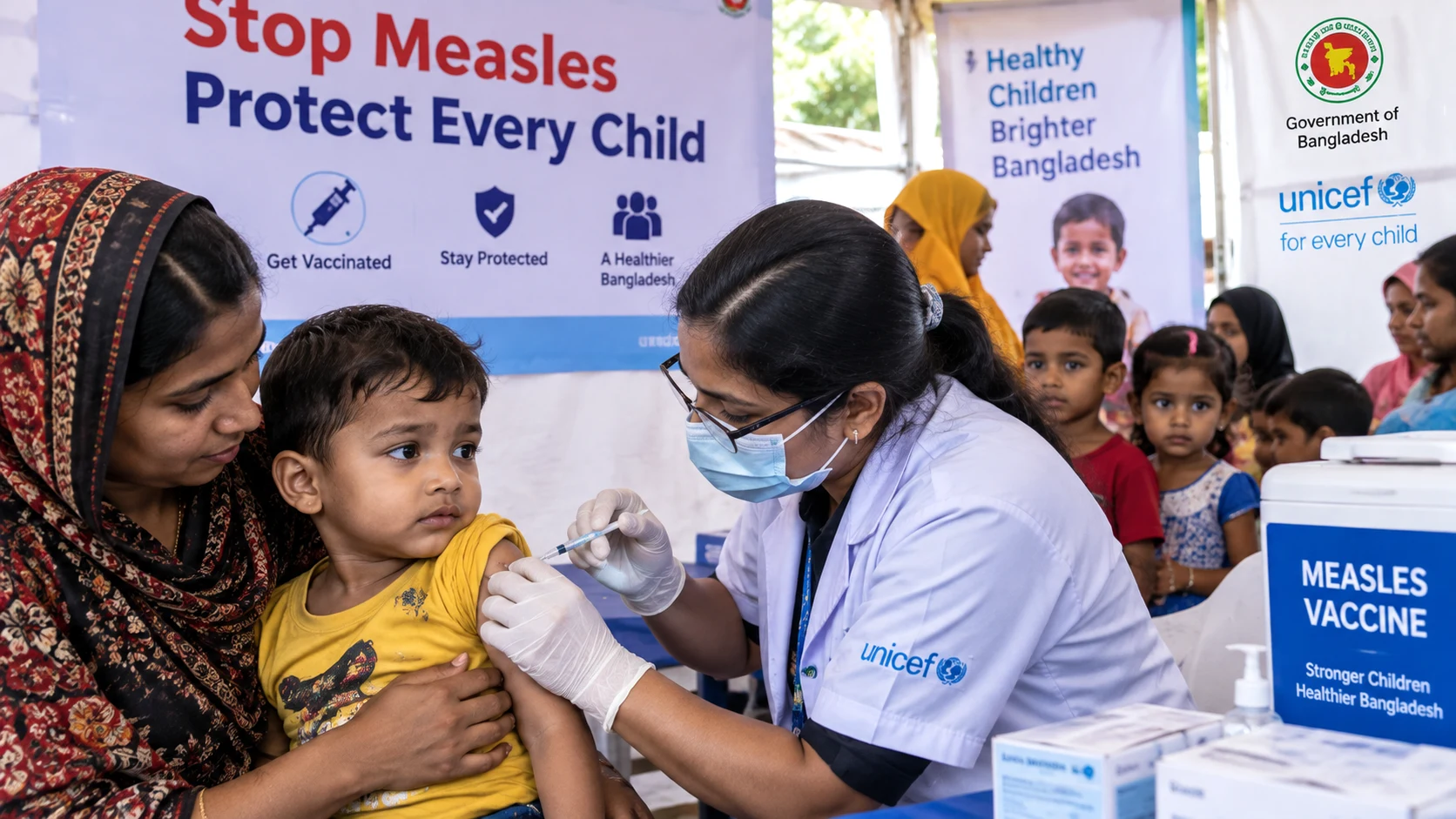
Bangladesh’s measles outbreak has been linked to more than 1,000 confirmed and suspected deaths as vaccination gaps leave young children particularly vulnerable.











0 Comments