DR Congo Expands Ebola Vaccination as 20,000 Frontline Workers Join Major Ervebo Study
The Democratic Republic of the Congo has expanded Ebola vaccination among frontline health workers as a major study begins in Bunia to test whether the Ervebo vaccine can provide protection against the Bundibugyo virus driving the country’s largest recorded Ebola outbreak. The programme will follow
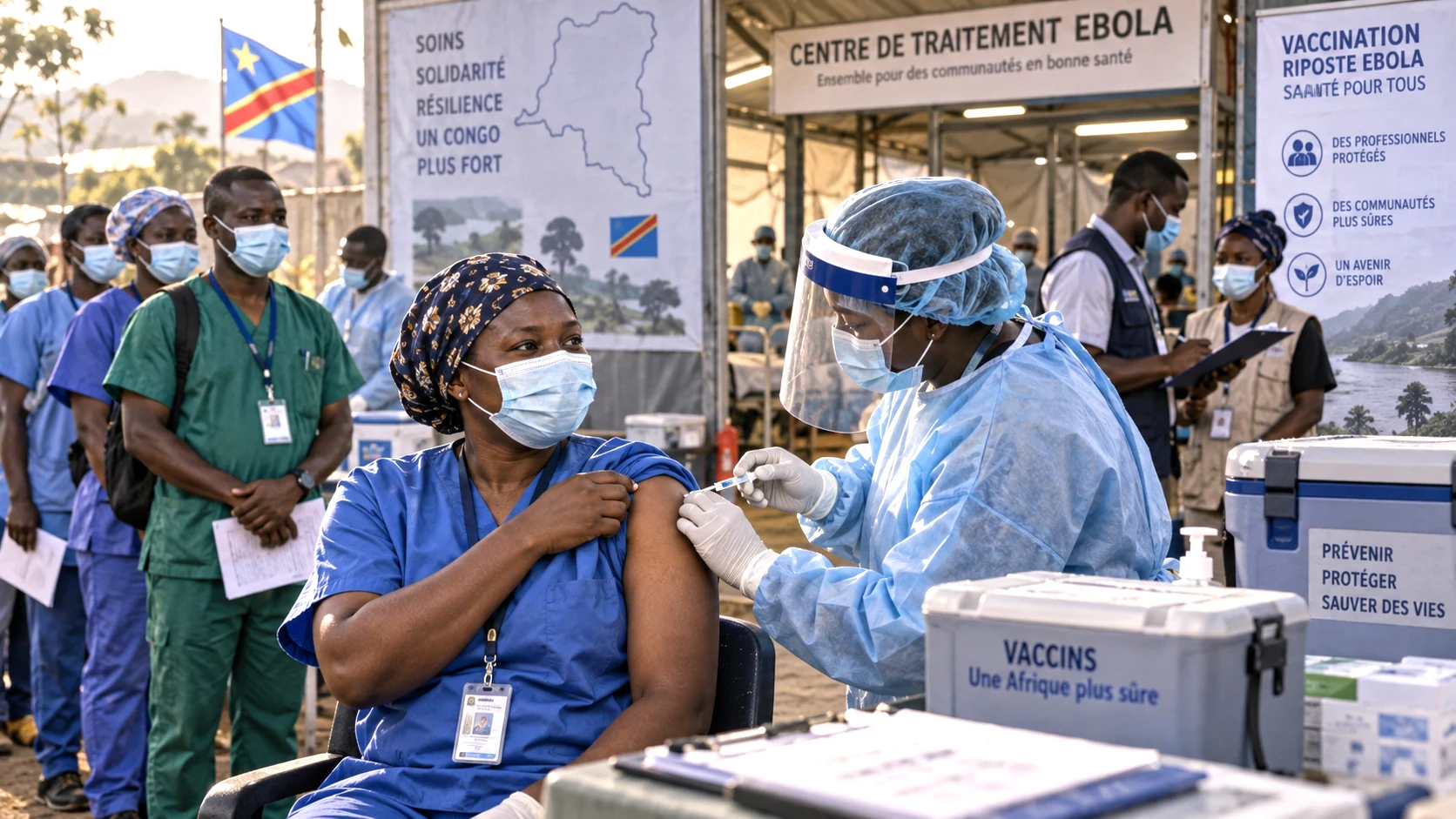
Ebola vaccination of frontline health workers in the Democratic Republic of the Congo
Table of Contents (23 sections)
Health workers on the front lines of DR Congo’s Ebola response are being vaccinated as authorities and international partners launch one of the most important vaccine studies of the current outbreak.
Médecins Sans Frontières, or MSF, and its epidemiological research arm Epicentre formally launched the BRAVO vaccination study on September 19 at a World Health Organization-run health-worker training centre in Bunia.
The programme is being conducted with Congo’s Ministry of Health, Africa CDC, the National Institute for Biomedical Research and other scientific partners.
Its central question is urgent:
Can the existing Ervebo Ebola vaccine provide meaningful protection against Bundibugyo virus disease?
Recommended Reading
Related Stories & In-Depth Guides
Curated editorial perspectives matching this topic.
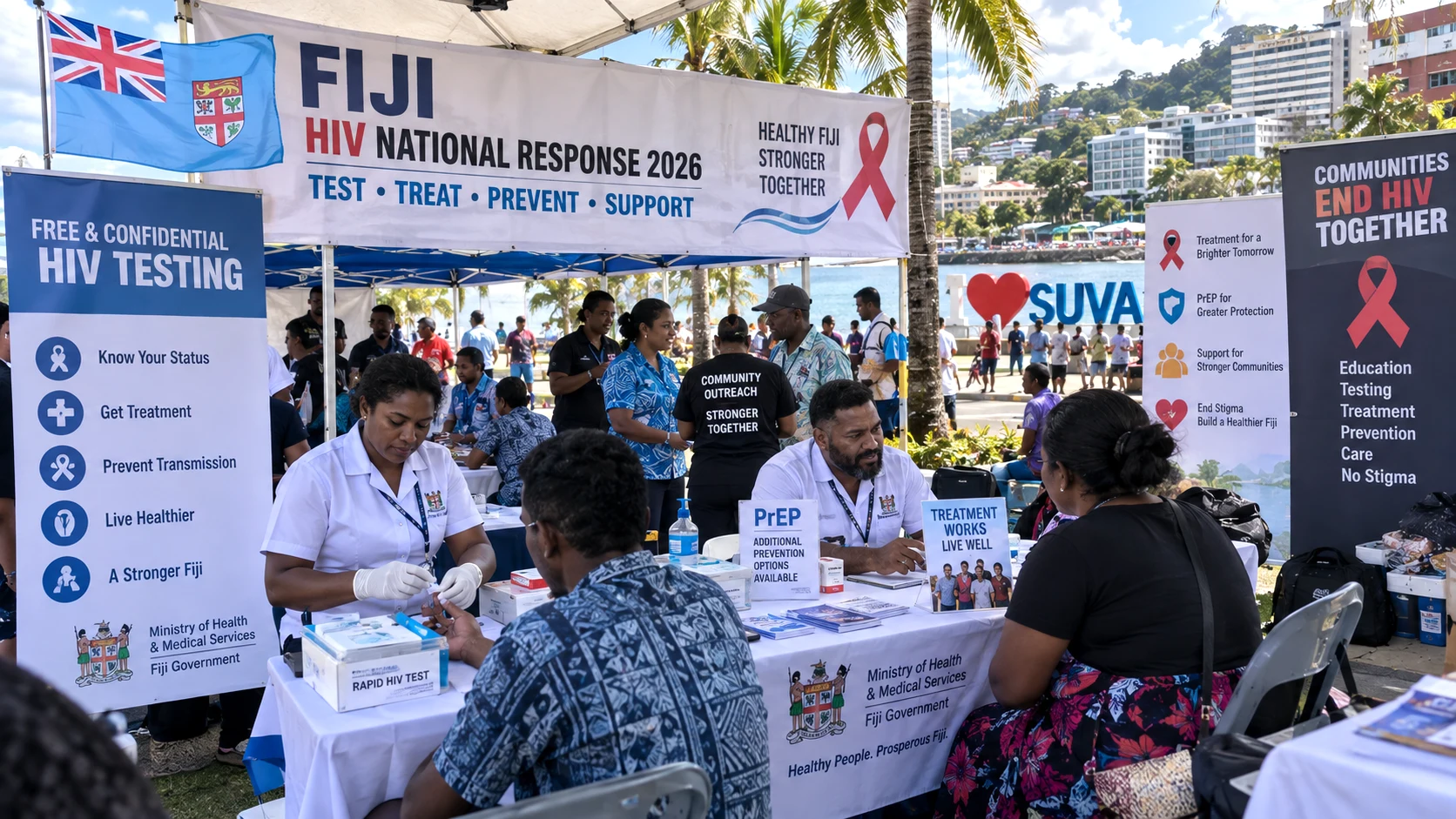
Fiji recorded 2,016 new HIV diagnoses in 2025, up 27% from the previous year, while UNAIDS estimates around 9,100 people were living with HIV. The government is expanding testing, treatment, PrEP and harm-reduction services as health authorities call for a coordinated national response.
Always feeling tired even after sleeping? Learn common causes of constant fatigue, including poor sleep, anaemia, thyroid problems, diabetes, vitamin deficiencies and sleep apnoea, plus when to get tested or see a doctor.
At present, no licensed vaccine specifically targets the Bundibugyo virus responsible for the outbreak.
Key Takeaways
BRAVO study launched in Bunia on September 19 for 20,000 frontline workers.
Ervebo vaccine is being evaluated against Bundibugyo virus.
No licensed vaccine specifically targets Bundibugyo Ebola.
Approximately 7,541 confirmed cases and 3,639 deaths reported around the launch.
70,000 Ervebo doses allocated to Congo.
Outbreak remains Congo’s largest recorded Ebola epidemic.
What Exactly Has Been Launched?
The September 19 programme is not the first use of Ebola vaccine during this outbreak.
Vaccination of Congolese health and frontline workers with Ervebo began on August 27, initially in areas including Kisangani in Tshopo province.
By September 6, WHO reported that 2,007 people had been vaccinated across six health zones in Tshopo, Bas-Uélé and Ituri.
By mid-September, Reuters reported that more than 3,000 frontline workers had received Ervebo.
What changed on September 19 was the formal launch of the BRAVO observational study in Bunia, one of the major centres of the outbreak response.
The study is designed to systematically follow vaccine recipients and determine whether Ervebo reduces infection, severe disease or deaths caused by the Bundibugyo virus.
20,000 Frontline Workers to Participate
MSF says BRAVO will enroll approximately 20,000 frontline workers in:
Ituri province
North Kivu province
These include health workers and other people directly involved in treating patients, transporting cases, laboratory work, surveillance and outbreak response.
The study is expected to last nine to 12 months.
About three months will be dedicated to vaccination, followed by at least six months of participant monitoring.
Frontline workers are being prioritised because they face repeated exposure to patients and infectious material during an Ebola outbreak.
Which Vaccine Is Being Used?
The vaccine is Ervebo, manufactured for protection against the Ebola virus historically known as Zaire ebolavirus.
Ervebo has an established safety record and has been widely used during previous Ebola outbreaks in Congo and elsewhere.
However, the current outbreak is caused by a different Ebola virus species:
Bundibugyo virus.
That distinction is critical.
The World Health Organization states that there is currently no licensed vaccine specifically approved for Bundibugyo virus disease.
Ervebo's effectiveness against Bundibugyo infection in humans has not yet been established.
Why Use Ervebo If It Targets a Different Ebola Virus?
Researchers have seen preliminary scientific evidence suggesting that Ervebo might provide some degree of cross-protection.
But WHO says the available evidence is not strong enough to conclude that the vaccine protects humans from Bundibugyo virus.
That is why the vaccine is being used under carefully monitored research protocols rather than being presented as a proven Bundibugyo vaccine.
MSF epidemiologist Dr Guyguy Manangama said even partial protection could potentially reduce severe disease and deaths, but stressed that such benefits need to be demonstrated scientifically.
WHO guidance similarly says Ervebo should be evaluated through structured research so that its effectiveness can be measured properly.
WHO Says Effectiveness Remains Unknown
WHO's Strategic Advisory Group of Experts on Immunization reviewed the available evidence in August.
It concluded that there was still insufficient evidence to support routine programmatic use of Ervebo specifically to prevent Bundibugyo virus disease.
WHO therefore recommended that Ervebo be used in the current outbreak primarily within research protocols designed to generate reliable evidence.
That means health authorities are not telling people that Ervebo is already proven against Bundibugyo.
Instead, they are attempting to protect high-risk workers while simultaneously learning whether the vaccine actually works against this virus.
70,000 Ervebo Doses Allocated to Congo
DR Congo requested vaccines from the global Ebola vaccine stockpile as the outbreak accelerated.
In August, the International Coordinating Group on Vaccine Provision approved an initial allocation of 70,000 Ervebo doses.
According to WHO and Africa CDC:
50,000 doses were allocated for health and frontline workers.
20,000 doses were allocated for a Phase 3 clinical trial investigating the vaccine's effect against Bundibugyo virus.
The allocation reflects the unusual nature of the emergency: a large Ebola outbreak is underway, but the only vaccine immediately available at scale was developed for another species of the virus.
Latest Ebola Case and Death Count
At the launch of the Bunia vaccination programme, Congo had recorded approximately:
7,541 confirmed cases
and
3,639 deaths
according to the latest figures reported by the Associated Press.
The numbers have risen rapidly since the outbreak was declared in May.
Earlier WHO data showed 6,757 confirmed cases and 3,267 deaths in DR Congo as of September 7, demonstrating how quickly the epidemic continued expanding during the first half of September.
Because surveillance data are updated frequently and some cases are reported with delays, daily totals may differ slightly between WHO, national authorities and international agencies.
Congo’s Largest Recorded Ebola Outbreak
The current epidemic has become the largest Ebola outbreak recorded in DR Congo.
It has also become one of the deadliest Ebola epidemics ever documented globally.
Reuters reported in mid-September that the outbreak had become the second-deadliest Ebola outbreak on record, behind the 2014–2016 West Africa epidemic.
The West African outbreak killed more than 11,000 people.
Health officials have repeatedly warned that Congo's epidemic remains dangerous despite signs of progress in some locations.
Ituri Remains a Major Centre of the Outbreak
Ituri province has borne the largest share of the epidemic.
European disease-surveillance data showed that, as of September 16, Ituri had recorded 5,792 cases and 2,642 deaths.
North Kivu had recorded another 1,350 cases and 828 deaths.
Transmission has slowed in some parts of Ituri, giving health officials cautious optimism.
But the situation in North Kivu has become more concerning.
WHO has warned that cases there have been rising even while transmission declines in some other affected areas.
Why Frontline Workers Are Particularly Vulnerable
Doctors, nurses, laboratory personnel, ambulance teams, burial teams and community health workers are among those at greatest risk during Ebola epidemics.
Ebola spreads through direct contact with infected bodily fluids.
Health workers may repeatedly come into contact with patients before Ebola is diagnosed, particularly in facilities with limited protective equipment or weak infection-control systems.
Earlier in the outbreak, more than 100 healthcare workers were confirmed infected.
WHO has therefore made infection prevention and control one of the central pillars of the response.
Vaccinating frontline workers adds another potential layer of protection, although researchers emphasize that vaccination cannot replace protective equipment and infection-control procedures.
Violence and Insecurity Complicate the Response
The outbreak is unfolding in eastern Congo, where armed conflict and population displacement have complicated public-health operations for years.
Large numbers of people move between communities and across provincial and national borders.
Response teams also face difficult road conditions, insecurity and occasional attacks.
Reuters reported in August that more than 260 attacks on health workers had occurred during the response period, with several responders killed.
Such conditions make contact tracing, patient isolation and vaccination considerably harder.
Health-Worker Shortages Add Another Challenge
The outbreak has also placed enormous pressure on Congo's healthcare workforce.
Health workers have dealt with delayed payments, dangerous working conditions and shortages of supplies.
At different points during the epidemic, some personnel have threatened or undertaken strike action.
That is particularly serious during an Ebola outbreak because successful control depends on large numbers of trained workers carrying out:
contact tracing,
laboratory testing,
community surveillance,
safe patient transport,
treatment,
infection prevention,
and safe burials.
The vaccination programme is therefore intended not only to study Ervebo but also to help protect the personnel needed to keep the broader response functioning.
Children Facing Particularly High Mortality
WHO highlighted another troubling feature of the outbreak on September 21.
Nearly one in four confirmed cases are children, but children account for almost one in three Ebola deaths.
The greatest risk is among children under five.
WHO says more than 60% of confirmed infections in children younger than five have been fatal, compared with fewer than 30% among adults.
Health teams are adapting Ebola treatment centres to make it easier for young children to remain in contact with caregivers where possible.
Children can also participate, with parental consent, in ongoing research into possible treatments for Bundibugyo virus disease.
No Approved Bundibugyo-Specific Treatment
The vaccine is not the only scientific challenge.
There is also no approved treatment specifically proven against Bundibugyo virus disease.
Supportive care remains essential.
This includes:
rapid diagnosis,
fluid replacement,
management of dehydration,
treatment of complications,
and careful monitoring.
Earlier treatment can substantially improve a patient's chance of survival.
WHO is also sponsoring the PARTNERS clinical trial, which is testing possible treatments for the disease.
Experimental Treatment Studies Are Underway
The PARTNERS trial began enrolling patients in July.
By early September, more than 300 confirmed Ebola patients had joined the trial across several treatment facilities in Ituri.
Scientists hope those studies will identify therapies capable of improving survival during Bundibugyo outbreaks.
Separate vaccine candidates designed more specifically for Bundibugyo disease are also being developed.
Reuters reported that researchers associated with Moderna and the University of Oxford are among those working on possible Bundibugyo-targeted vaccines.
Is the Outbreak Beginning to Slow?
There are mixed signals.
WHO said in mid-September that it was seeing encouraging progress in parts of Ituri.
Daily case numbers had declined from earlier peaks in some locations, and several health zones had gone weeks without recording new infections.
But WHO Director-General Tedros Adhanom Ghebreyesus cautioned that the epidemic was “far from over.”
North Kivu, in particular, has continued to report significant transmission.
The large geographic footprint also makes the outbreak difficult to control as a single epidemic.
Public-health officials are effectively dealing with numerous interconnected local outbreaks across several provinces.
Cross-Border Risk Remains
The Bundibugyo outbreak has not been limited entirely to Congo.
Cases have also been identified outside the country, including in neighbouring Uganda.
WHO has emphasized the importance of strengthened surveillance at:
airports,
official border crossings,
ports,
and communities close to informal crossing routes.
The movement of traders, displaced people and families across porous borders creates a continuing risk that infected people could travel before developing symptoms.
Why the BRAVO Study Matters
The significance of BRAVO extends beyond the current emergency.
Ebola outbreaks caused by different virus species require different medical countermeasures.
If researchers can establish that Ervebo provides meaningful cross-protection against Bundibugyo virus, the finding could affect responses to future outbreaks.
If the vaccine provides little or no protection, the study will also provide valuable evidence showing that Bundibugyo-specific vaccines need to be developed and stockpiled.
Either outcome would address an important gap in global Ebola preparedness.
The study is therefore both an immediate emergency intervention and a long-term scientific investigation.
What the Latest Vaccination Announcement Does Not Mean
Several points are important for accurate reporting.
It does not mean Congo has discovered a new proven vaccine for Bundibugyo Ebola.
Ervebo is already licensed for Zaire Ebola.
Its effectiveness against Bundibugyo remains uncertain.
It does not mean vaccination began for the first time on September 19.
Vaccinations had already begun in late August.
September 19 marked the launch of the major BRAVO study and an expanded effort centred on frontline workers in Bunia and eastern Congo.
It does not mean vaccination alone can stop the outbreak.
Testing, isolation, contact tracing, infection prevention, safe burials and community cooperation remain essential.
Latest Confirmed Situation as of September 21
The clearest picture is:
DR Congo is battling an Ebola outbreak caused by Bundibugyo virus.
It is the country's largest recorded Ebola outbreak.
Approximately 7,541 confirmed cases and 3,639 deaths had been reported around the September 19 vaccination launch.
The BRAVO vaccination study launched in Bunia on September 19.
About 20,000 frontline workers in Ituri and North Kivu are expected to participate.
The vaccine being used is Ervebo.
Ervebo is licensed against Zaire Ebola, not Bundibugyo.
Its effectiveness against Bundibugyo in humans has not yet been established.
WHO recommends using it against Bundibugyo within structured research protocols.
An initial 70,000 doses were allocated to Congo: 50,000 for health and frontline workers and 20,000 for a Phase 3 trial.
More than 3,000 frontline workers had already been vaccinated by mid-September.
WHO says there are signs of improvement in some areas, but the outbreak remains far from over.
Bottom Line
DR Congo's latest vaccination push represents an important escalation in the response to one of the most serious Ebola outbreaks ever recorded.
But it should not be described simply as the launch of a proven Ebola vaccine campaign.
The outbreak is caused by Bundibugyo virus, while the available Ervebo vaccine was developed and licensed for a different Ebola virus.
The new programme therefore has two objectives:
protect highly exposed frontline workers as much as possible,
and generate the scientific evidence needed to determine whether Ervebo actually protects people from Bundibugyo disease.
With thousands already dead and transmission continuing across eastern Congo, researchers and public-health teams are working under extraordinary pressure to answer that question.
Key Takeaway
BRAVO study launches for 20,000 frontline workers.
Ervebo tested against Bundibugyo virus in Congo’s largest Ebola outbreak.
Effectiveness against Bundibugyo remains unproven.
Cases and deaths continue to rise amid insecurity.
The Rajatheertha Team publishes news, explainers, guides and updates across India and the world. Our coverage follows Rajatheertha's editorial, verification and corrections standards.
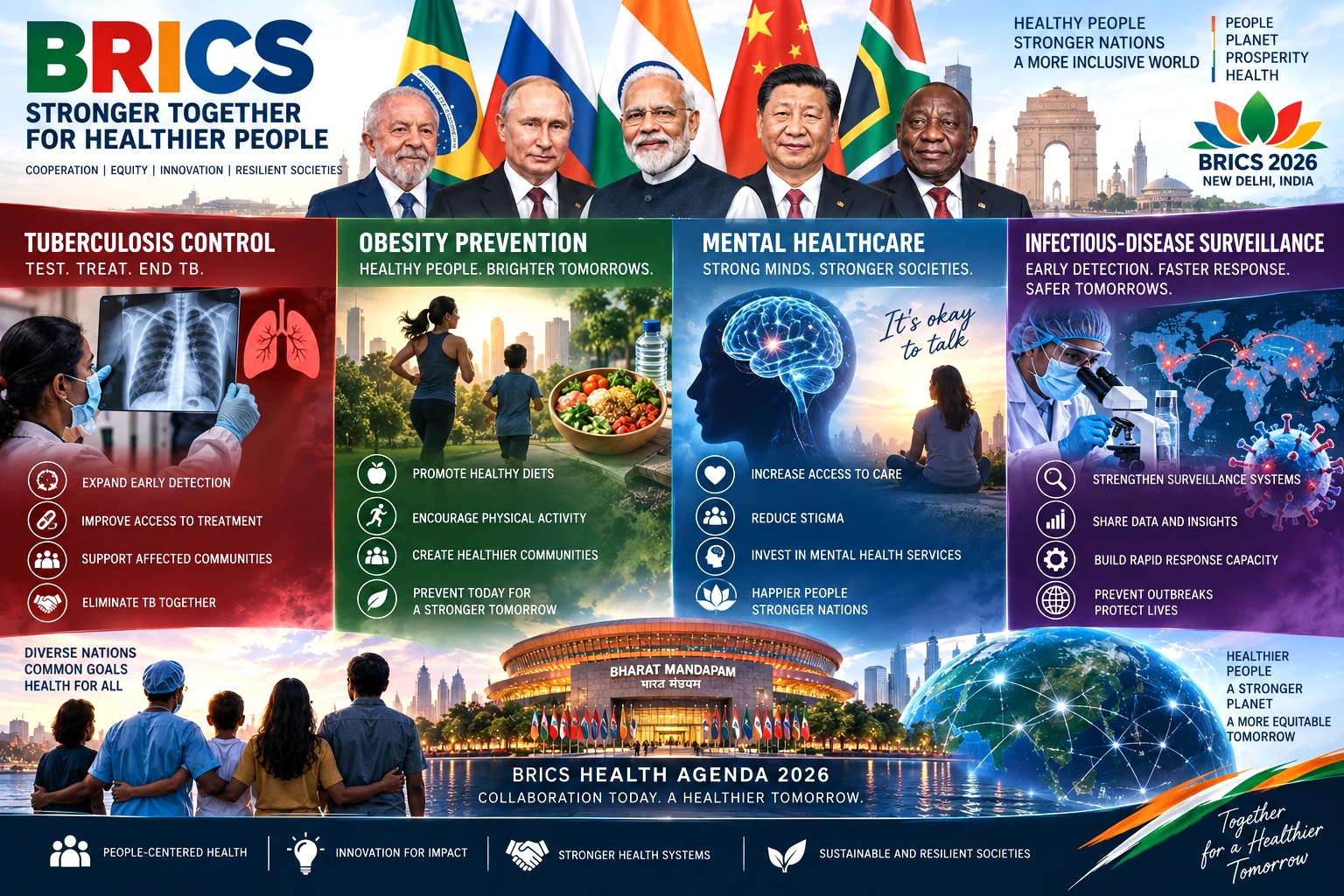
BRICS leaders have backed stronger cooperation on tuberculosis, obesity, mental health and other non-communicable diseases, while also supporting resilient health systems, disease surveillance and wider access to medicines and vaccines.
Learn the common signs and causes of vitamin D deficiency, how the 25(OH)D blood test is interpreted, vitamin D-rich foods available in India, sunlight basics and when supplements or medical advice may be needed.
Britain's record-breaking 2026 summer has exposed a growing weakness in its health system: hospitals designed to retain warmth during cold winters are increasingly struggling with extreme summer heat. Patients and medical workers have faced sweltering wards, record emergency-department demand and di
Learn normal cholesterol, LDL, HDL and triglyceride levels, which foods can help lower LDL, practical Indian diet swaps, exercise tips and when cholesterol medicine may be needed.
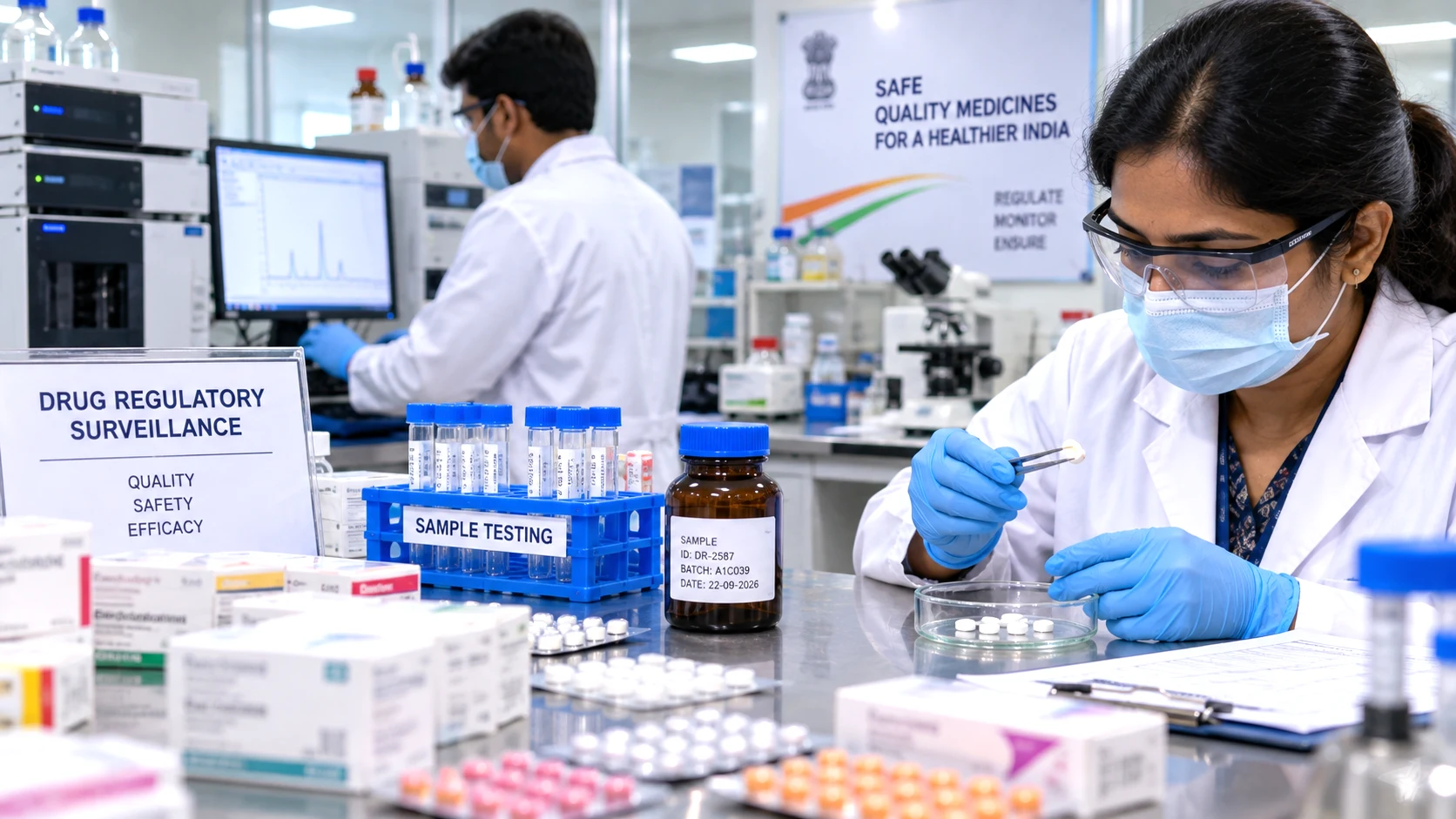
CDSCO's August 2026 surveillance identified 220 drug samples as Not of Standard Quality—29 through central laboratories and 191 through state laboratories. One spurious sample was also detected in Delhi.
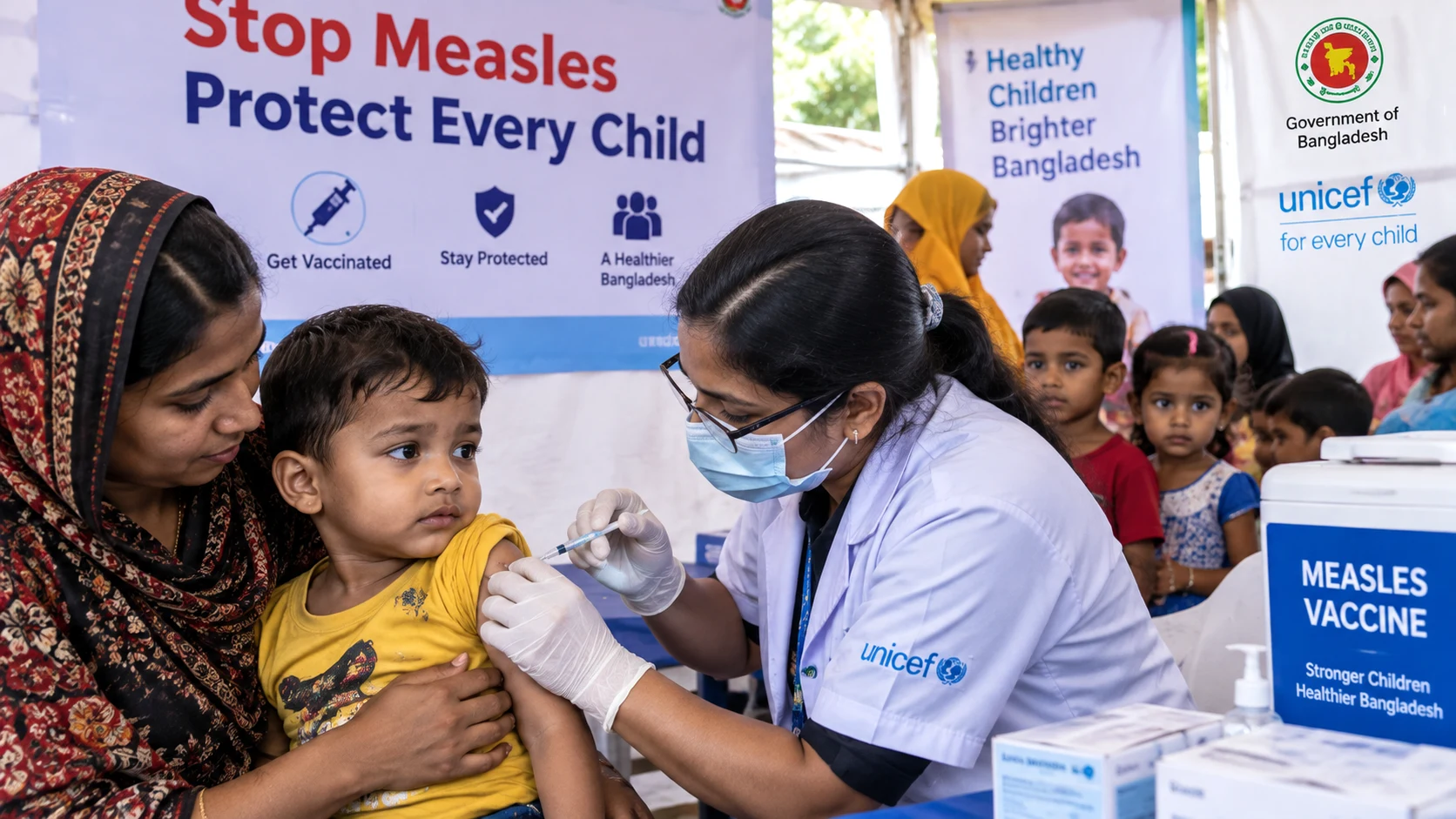
Bangladesh’s measles outbreak has been linked to more than 1,000 confirmed and suspected deaths as vaccination gaps leave young children particularly vulnerable.







0 Comments