How to Stay Hydrated Throughout the Day: Practical Tips, Signs of Dehydration & Myths Explained
Staying hydrated does not require obsessively counting every glass. Learn practical ways to drink more water, early dehydration signs, what drinks count, when you may need extra fluids, and common hydration myths.
Drinking enough fluids sounds simple, but hydration is surprisingly easy to neglect.
A busy morning begins. Coffee replaces water. Meetings run into lunch. You leave home without a bottle. By late afternoon, you realise you have barely had anything to drink.
For most healthy people, staying hydrated does not require following an elaborate schedule or forcing down huge quantities of water. The more useful approach is to make fluids easy to access, pleasant to drink and naturally connected to habits you already repeat every day.
There is also no single amount of water that is perfect for everyone.
Your needs can change with your body size, physical activity, climate, diet, pregnancy or breastfeeding, fever, vomiting, diarrhoea and other health factors. The US Centers for Disease Control and Prevention notes that people generally need more water when they are physically active, in hot climates, running a fever or experiencing vomiting or diarrhoea.
So instead of treating hydration as a competition to hit an arbitrary number, it helps to understand your body's signals and build a routine that makes drinking fluids almost automatic.
Recommended Reading
Related Stories & In-Depth Guides
Curated editorial perspectives matching this topic.
Better digestion often starts with ordinary habits: more fiber-rich whole foods, enough fluids, selected fermented foods, regular meals, slower eating and movement. Here is what current evidence supports—and what gut-health trends often exaggerate.
Feeling dependent on coffee to get through the morning? A routine built around daylight, water, movement, adequate sleep and a balanced protein-rich breakfast may support alertness without repeatedly reaching for caffeine.
Why Does Hydration Matter?
Water is involved in many normal body processes.
Among other functions, adequate water helps the body maintain temperature, lubricate and cushion joints, protect sensitive tissues and remove waste through urination, perspiration and bowel movements.
The body continually loses water through:
urine;
sweat;
breathing;
bowel movements; and
greater fluid losses during illness or exercise.
Those losses have to be replaced through beverages and food.
Importantly, hydration does not come only from glasses of plain water.
Water from tea, coffee, milk, other beverages, fruits, vegetables and other foods contributes to overall fluid intake.
That makes staying hydrated much more flexible than many people assume.
How Much Water Should You Drink Each Day?
This is one of the most searched hydration questions, but there is no universally correct answer such as “everyone must drink exactly eight glasses.”
The National Academies established an Adequate Intake for total water from beverages and food of about:
3.7 litres per day for adult men
2.7 litres per day for adult women
These figures represent total water, not just plain drinking water. In the underlying US data, roughly one-fifth of total water came from food.
These numbers also should not be interpreted as exact prescriptions for every person.
The National Academies explicitly notes that normal hydration can be maintained across a wide range of water intakes and that higher amounts may be required with greater physical activity or heat exposure.
Mayo Clinic similarly notes that fluid needs differ according to factors including health, age, activity and environment.
In other words:
A person working outdoors in hot weather may need considerably more fluid than someone spending a quiet day indoors in an air-conditioned room.
Pregnancy and breastfeeding can also change fluid needs.
Signs of Mild Dehydration You Should Notice
Dehydration occurs when the body loses more fluid than it replaces.
Early symptoms can be easy to dismiss because they may overlap with tiredness, heat exposure, hunger or other everyday conditions.
One symptom by itself does not necessarily prove that you are dehydrated.
For example, fatigue can have many causes, and urine colour can also change because of foods, supplements or medicines.
Instead, look for the overall pattern.
Feeling thirsty, having a dry mouth and noticing that you are urinating less frequently with darker urine after spending hours in hot weather would be more suggestive that you may need fluids than tiredness alone.
Is Urine Colour a Good Hydration Test?
Urine colour can be a useful everyday clue, although it is not a medical diagnostic test.
CDC guidance for hot weather says that light-yellow or clear urine usually indicates that a person is drinking enough water.
Australian government-backed Healthdirect similarly notes that pale, plentiful urine generally corresponds with better hydration, while progressively darker urine can be associated with dehydration.
But you do not need to chase completely colourless urine throughout the entire day.
Very pale yellow urine is commonly compatible with adequate hydration.
How to Stay Hydrated Throughout the Day: 17 Practical Tips
Knowing that water is important is easy.
Remembering to drink it consistently is the harder part.
These strategies are designed to make hydration part of your normal routine instead of another task you have to constantly remember.
1. Drink Something After You Wake Up
You do not need a special “detox water” ritual.
Simply making a glass of water part of your morning routine can help establish an early hydration cue.
For example:
Wake up → wash your face → drink some water → have breakfast.
The exact order matters less than repeating the habit.
2. Keep Water Where You Can See It
If your bottle is inside a cupboard or another room, you are less likely to think about drinking.
Keep water:
on your desk;
next to your laptop;
beside your sofa;
in your car;
in your gym bag; or
somewhere else you regularly see it.
CDC guidance specifically recommends carrying a reusable water bottle and refilling it throughout the day.
Visibility can work better than relying on memory.
3. Use a Bottle You Actually Enjoy Using
This sounds trivial, but convenience matters.
Some people prefer:
lightweight bottles;
insulated cold-water bottles;
bottles with straws;
wide-mouth bottles;
smaller bottles that fit easily into bags;
or large bottles that require fewer refills.
There is no medical advantage to owning an expensive bottle.
The best bottle is simply the one you are likely to carry and use consistently.
4. Pair Water With Existing Habits
Instead of constantly thinking, “I need to drink more water,” attach hydration to activities you already do.
For example, have some water:
with breakfast;
when arriving at work;
during lunch;
after returning from the restroom;
after a walk;
with your evening meal;
before leaving the gym.
This technique turns hydration into a routine rather than a memory test.
5. Serve Water With Meals
A simple glass of water with meals creates several regular opportunities to drink throughout the day.
CDC includes serving water during meals among its practical hydration tips.
It also avoids the need to consume an unusually large amount at one time.
6. Add Natural Flavour if Plain Water Feels Boring
If plain water feels unappealing, flavour can make it easier to drink.
Try adding:
lemon;
lime;
cucumber;
mint;
orange;
berries;
or combinations such as cucumber and mint.
CDC specifically suggests adding fruit such as berries or slices of lemon, lime or cucumber when people want more flavour.
Avoid assuming that flavoured water needs sugar.
Cold water with fresh fruit can provide flavour without turning hydration into a sugary drink habit.
7. Try Sparkling Water
Unsweetened sparkling water can be another option for people who enjoy carbonation.
CDC includes sparkling water and seltzer among low- or no-calorie beverage choices.
Check labels if you are buying flavoured versions because products can differ substantially in added sugar, sweeteners and sodium.
8. Keep Cold Water Ready in the Refrigerator
Some people drink considerably more when water is cold.
Instead of waiting for a bottle to chill, keep:
a filled jug;
reusable bottles;
or chilled water containers
ready in advance.
Reducing even small inconveniences can make a habit easier to maintain.
9. Use Your Phone as a Reminder—But Don't Overdo It
A reminder can help if you regularly forget to drink while working.
You could set a few sensible reminders around:
mid-morning;
lunch;
mid-afternoon; and
evening.
You do not need alarms every few minutes.
The goal is to develop a habit, not to force water regardless of whether your body needs it.
10. Make Water the Default Drink Within Reach
One of the easiest ways to drink less water is to surround yourself with everything except water.
Keep water available before you reach for:
regular soft drinks;
sweetened teas;
sugary juices;
or energy drinks.
Replacing sugary beverages with plain water can reduce added sugar and calorie intake.
11. Eat Foods That Contain Water
Your diet contributes to hydration too.
Many fruits and vegetables naturally contain substantial amounts of water.
Examples include:
watermelon;
oranges;
grapes;
cucumber;
tomatoes;
strawberries;
lettuce;
melon;
soups; and
yoghurt.
That does not mean food should replace drinking when you are thirsty.
It simply means your total water intake comes from more than your water bottle.
The National Academies estimates that food contributed about 19% of total water intake in the US survey data used for its adult reference values.
12. Take Water When Leaving Home
A common hydration problem is not lack of knowledge—it is lack of access.
Before leaving home, add one item to the usual mental checklist:
Phone, keys, wallet, water.
This becomes especially important during:
long commutes;
outdoor work;
shopping trips;
travel;
sports;
hiking; or
hot weather.
13. Drink More Around Exercise
Physical activity increases water losses, particularly when you sweat.
CDC advises greater fluid intake when people are more physically active and during hot conditions.
The exact amount needed varies substantially according to:
exercise intensity;
duration;
temperature;
humidity;
clothing;
body size;
acclimatisation; and
individual sweat rate.
That is why one fixed “drink X millilitres every hour” rule is not appropriate for everyone.
14. Pay Extra Attention During Hot Weather
Hot and humid conditions can substantially increase sweat losses.
Carry water, take appropriate cooling breaks and pay attention to symptoms such as dizziness, weakness, headache, nausea or unusually heavy sweating.
CDC specifically advises carrying and refilling a water bottle during hot weather.
Hydration is important, but water alone does not make prolonged exposure to extreme heat safe.
Cooling, shade, rest and reducing exposure also matter.
15. Increase Fluids When You Are Ill
Fever, vomiting and diarrhoea can increase fluid loss.
CDC identifies all three as situations where more fluids may be needed.
If nausea makes drinking difficult, small, frequent sips may be easier to tolerate than a large glass all at once.
MedlinePlus also suggests small sips or ice chips when illness makes it difficult to keep liquids down.
Significant vomiting or diarrhoea may require more than plain water because electrolytes can also be lost.
Seek medical advice if fluid losses are substantial, symptoms are worsening or you cannot keep fluids down.
16. Make a Hydration Station at Work
Instead of repeatedly walking to find water, keep what you need in one place.
For example:
reusable bottle;
glass;
chilled water;
herbal tea;
sliced lemon or cucumber.
Convenience often determines whether a good intention becomes a consistent behaviour.
17. Build Hydration Into Travel Plans
Long journeys can disrupt normal drinking habits.
Before travelling:
fill a reusable bottle where permitted;
identify opportunities to refill it;
drink regularly during long road trips;
and do not intentionally avoid all fluids simply to reduce restroom stops.
When travelling somewhere with uncertain water safety, use a trusted safe-water source. CDC advises travellers to pay attention to water quality and use appropriately treated or reliably sealed drinking water where necessary.
Do Coffee and Tea Count Toward Hydration?
Yes, beverages such as tea and coffee can contribute to your total fluid intake.
The idea that every cup of coffee automatically “dehydrates” you is too simplistic.
The National Academies concluded that available evidence did not show caffeine causing cumulative total-body water deficits under typical conditions.
CDC also lists plain coffee and tea among low-calorie beverage options.
That does not mean unlimited caffeine is advisable.
Some people are more sensitive to caffeine, and high intakes can cause other problems.
But having a normal cup of tea or coffee does not mean you need to subtract it from your daily fluid intake.
Do You Need Electrolyte Drinks Every Day?
For most ordinary day-to-day activities, plain water and a normal balanced diet are usually sufficient.
You generally do not need a sports drink just because you walked to work or completed a short routine workout.
Sports or electrolyte beverages may become more relevant when a person experiences substantial fluid and electrolyte losses—for example during prolonged strenuous exercise, heavy sweating or some illnesses.
MedlinePlus notes that sports drinks may help when substantial minerals are lost through sweating, while also cautioning that some contain considerable sugar.
Individual needs vary substantially during prolonged exercise.
If you are an endurance athlete, work for long periods in extreme heat or have a medical condition affecting fluid or electrolyte balance, personalised professional advice may be more appropriate than following generic internet formulas.
Hydration Myths vs Facts
Myth 1: Everyone Must Drink Exactly Eight Glasses of Water a Day
Fact: Eight glasses can be an easy memory aid, but it is not a universal biological requirement.
Fluid needs vary between people.
The National Academies reference values include water from both foods and beverages, and they should be understood as adequate-intake benchmarks rather than rigid individual prescriptions.
Myth 2: Only Plain Water Counts
Fact: Plain water is an excellent choice, but it is not your only source of hydration.
Other beverages and the moisture contained in foods contribute to total water intake.
Myth 3: Coffee Always Dehydrates You
Fact: Moderate coffee consumption still contributes fluid.
Caffeine can influence urine production, but available evidence does not support the idea that normal caffeinated beverage consumption inevitably creates a cumulative water deficit.
Myth 4: More Water Is Always Better
Fact: Drinking excessive amounts of water can be harmful.
Very high fluid intake can dilute the sodium concentration in the blood and contribute to hyponatraemia, particularly in some endurance-exercise situations.
Hydration should not become a contest to consume the maximum possible amount.
Myth 5: You Need a Sports Drink Every Time You Exercise
Fact: Most short, ordinary workouts do not automatically require a specialised electrolyte beverage.
The need for electrolyte replacement depends on factors such as exercise duration, intensity, heat and individual sweat losses.
Sports drinks may be useful in certain prolonged or high-sweat situations, but they are not an everyday requirement for everyone.
Myth 6: Crystal-Clear Urine Means Perfect Hydration
Fact: Pale urine can be compatible with good hydration, but completely colourless urine all day is not a goal everyone needs to pursue.
Urine colour is only a rough clue and can be influenced by other factors.
CDC describes light-yellow or clear urine as generally indicating adequate water intake during hot weather.
Myth 7: If You Feel Thirsty, You Are Already Dangerously Dehydrated
Fact: Thirst is a normal physiological signal encouraging fluid intake.
The National Academies notes that, for the vast majority of healthy people, thirst and normal beverage consumption around meals generally help maintain hydration under ordinary conditions.
However, thirst may be a less reliable guide for some people, particularly older adults, who may have a reduced sense of thirst.
Who May Need to Pay Extra Attention to Hydration?
Some people have a greater risk of dehydration or may need more individualised fluid guidance.
MedlinePlus identifies higher-risk groups including:
older adults;
infants and young children;
people experiencing vomiting or diarrhoea;
people with certain chronic illnesses;
people taking medicines that increase urination or sweating;
and people exercising or working outdoors in hot weather.
Pregnancy and breastfeeding also change water requirements.
When Drinking More Water Is Not Automatically the Right Advice
People with certain medical conditions may be told to limit fluid rather than increase it.
Fluid management can be important in some cases involving:
kidney disease;
heart failure;
liver disease;
low blood sodium;
or medications that affect fluid and electrolyte balance.
If your doctor has given you a fluid restriction, that personalised advice takes precedence over general hydration recommendations.
Do not suddenly increase water intake simply because an online calculator gives you a higher number.
Can You Drink Too Much Water?
Yes.
Although dehydration is more familiar to most people, excessive fluid consumption can also become dangerous.
Drinking large quantities of water faster than the body can appropriately handle may dilute blood sodium, resulting in hyponatraemia.
Mayo Clinic notes that excessive water consumption can overwhelm the kidneys' ability to excrete water and contribute to low blood sodium.
This risk is particularly relevant to endurance events where participants may drink excessively because they fear becoming dehydrated.
The goal is appropriate hydration, not maximum hydration.
When Dehydration May Need Medical Attention
Mild thirst after a warm afternoon and severe dehydration are very different situations.
MedlinePlus advises urgent medical attention when dehydration is accompanied by symptoms such as:
confusion;
fainting;
no urination;
rapid heartbeat;
rapid breathing;
or signs of shock.
You should also consider medical advice when:
vomiting prevents you from keeping fluids down;
diarrhoea is persistent or severe;
dehydration symptoms continue despite drinking;
excessive thirst is persistent without a clear explanation;
or you have a condition affecting fluid balance.
Persistent excessive thirst can sometimes have causes other than simply not drinking enough.
A Simple Hydration Routine for a Normal Day
You do not have to follow an exact schedule, but a routine might look like this:
Morning
Have some water after waking or with breakfast.
Fill a reusable bottle before leaving home.
Mid-Morning
Keep the bottle visible while working.
Drink when thirsty rather than waiting until the end of the day.
Lunch
Have water or another suitable unsweetened beverage with your meal.
Include fruits or vegetables that naturally contain water.
Afternoon
Refill your bottle instead of waiting until it is completely empty for hours.
Pay attention to thirst, dry mouth, urine colour and how frequently you are urinating.
Exercise
Have fluids available.
Adjust intake for how long and intensely you exercise, how much you sweat and environmental conditions.
Dinner
Have a beverage with your meal.
You do not need to consume several glasses at once simply because you drank less earlier.
Evening
Drink according to thirst and personal needs.
If drinking large amounts immediately before bed repeatedly disrupts your sleep for restroom trips, shifting more of your fluid intake earlier in the day may be more comfortable.
The Easiest Hydration Rule to Remember
Instead of obsessing over one universal number, remember four ideas:
Make water accessible.
Drink regularly according to your needs.
Increase attention during heat, exercise and illness.
Watch for signs that your body may need more fluid.
For most healthy adults, staying hydrated is less about hitting a perfect mathematical target and more about maintaining a consistent routine.
Your drinking pattern should also adapt to the day.
A cool day at a desk is not the same as a summer afternoon working outdoors.
A short walk is not the same as a marathon.
A healthy day is not the same as a day with fever and diarrhoea.
Hydration works best when it responds to your circumstances rather than following one rigid rule.
Frequently Asked Questions
How can I stay hydrated if I forget to drink water?
Keep a reusable bottle somewhere visible, drink with meals, connect drinking water with existing routines and use occasional reminders if necessary. Making water convenient is usually more sustainable than trying to remember it constantly.
How much water should I drink every day?
There is no single amount appropriate for everyone. The National Academies lists adequate total-water intakes of about 3.7 litres for adult men and 2.7 litres for adult women, but these totals include water from beverages and food and are not rigid individual requirements.
What are the first signs of dehydration?
Possible early signs include thirst, dry mouth, darker urine, urinating less frequently, tiredness and dizziness.
What colour should urine be if I am hydrated?
Pale or light-yellow urine commonly suggests adequate hydration. Urine colour is only a rough indicator and should not be used by itself to diagnose dehydration.
Does coffee count as water intake?
Coffee contributes fluid to your daily intake. Normal caffeine consumption does not automatically produce a cumulative water deficit in healthy adults.
Does tea hydrate you?
Yes. Tea contributes to overall fluid intake. Unsweetened tea can be a low-calorie beverage choice.
Is sparkling water hydrating?
Yes. Plain or unsweetened sparkling water can contribute to fluid intake just like still water.
Do fruits and vegetables help with hydration?
Yes. Foods contribute part of total water intake, and many fruits and vegetables have naturally high water content.
Do I need electrolyte drinks every day?
Usually not. They may be useful in situations involving prolonged strenuous activity or substantial sweat and electrolyte losses, but ordinary daily hydration does not require sports drinks for most healthy people.
Can drinking too much water be dangerous?
Yes. Excessive water intake can lower blood sodium and contribute to hyponatraemia. Drinking more is not always better.
Should I drink water even when I am not thirsty?
Healthy people can often use thirst as one useful guide, while also drinking routinely with meals and activities. Older adults and some people with medical conditions may need more deliberate attention because thirst can be less reliable.
How can I drink more water without forcing myself?
Experiment with chilled water, sparkling water, reusable bottles, fruit-infused water and pairing water with meals or everyday habits. The aim is to make hydration convenient and enjoyable.
Should I drink more water during hot weather?
Usually yes, because sweating can increase fluid losses. Your needs can rise further if you are physically active.
Bottom Line
Staying hydrated is less about hitting a perfect number and more about making water accessible, drinking regularly according to your needs, and increasing attention during heat, exercise or illness. Watch your body’s signals and keep it simple.
The Rajatheertha Team publishes news, explainers, guides and updates across India and the world. Our coverage follows Rajatheertha's editorial, verification and corrections standards.
Feeling stressed or anxious? Simple habits such as slow breathing, short walks, journaling, better sleep and regular breaks from social media may help. Here are practical ways to manage everyday stress—and signs that it may be time to seek professional support.
Learn the common signs and causes of vitamin D deficiency, how the 25(OH)D blood test is interpreted, vitamin D-rich foods available in India, sunlight basics and when supplements or medical advice may be needed.
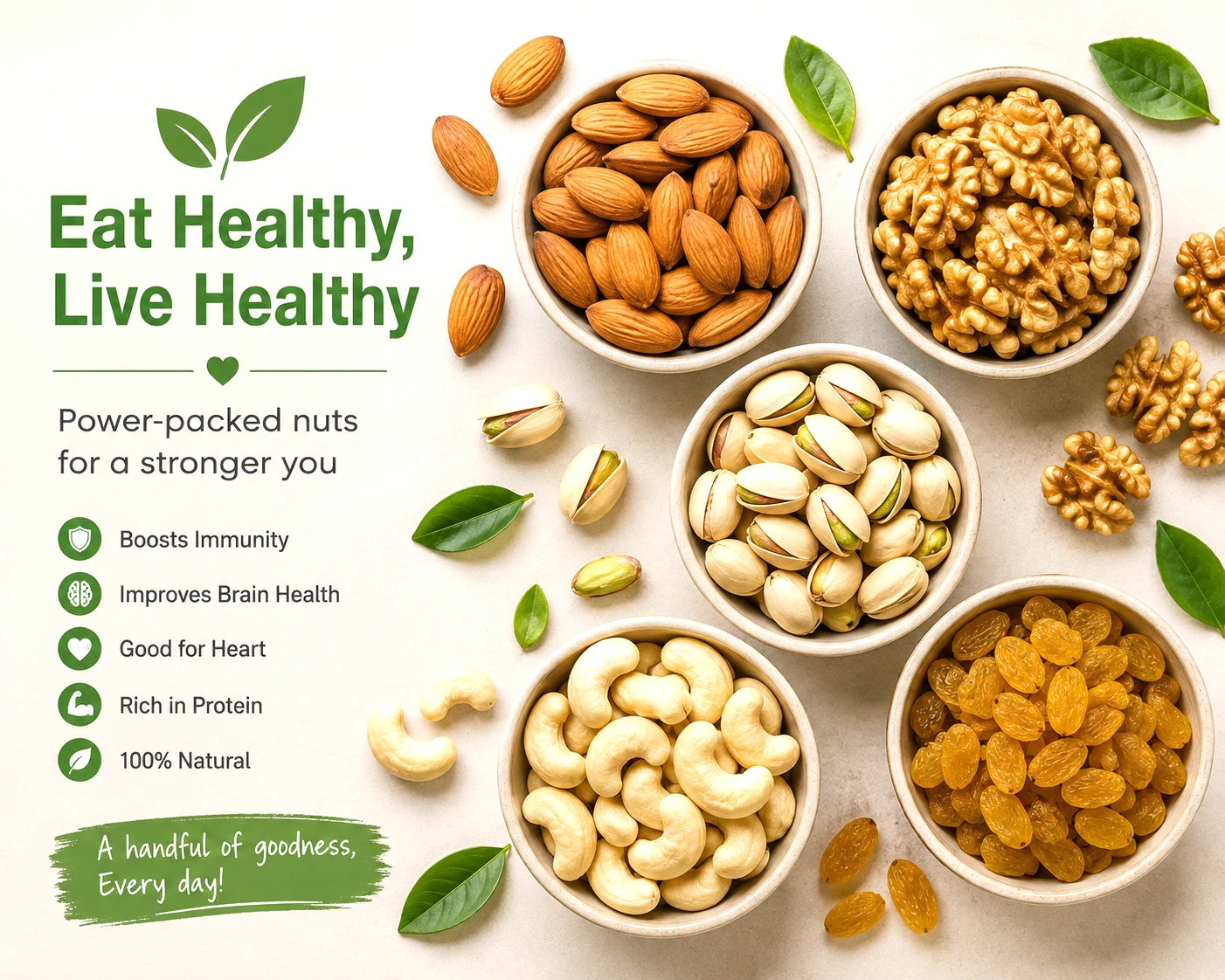
Almonds, walnuts, pistachios, cashews and raisins all provide different nutrients. Here’s what each one contains, how much to eat, whether soaking is necessary, the best ways to include them in your diet, and what to watch out for.
Learn normal cholesterol, LDL, HDL and triglyceride levels, which foods can help lower LDL, practical Indian diet swaps, exercise tips and when cholesterol medicine may be needed.
Always feeling tired even after sleeping? Learn common causes of constant fatigue, including poor sleep, anaemia, thyroid problems, diabetes, vitamin deficiencies and sleep apnoea, plus when to get tested or see a doctor.
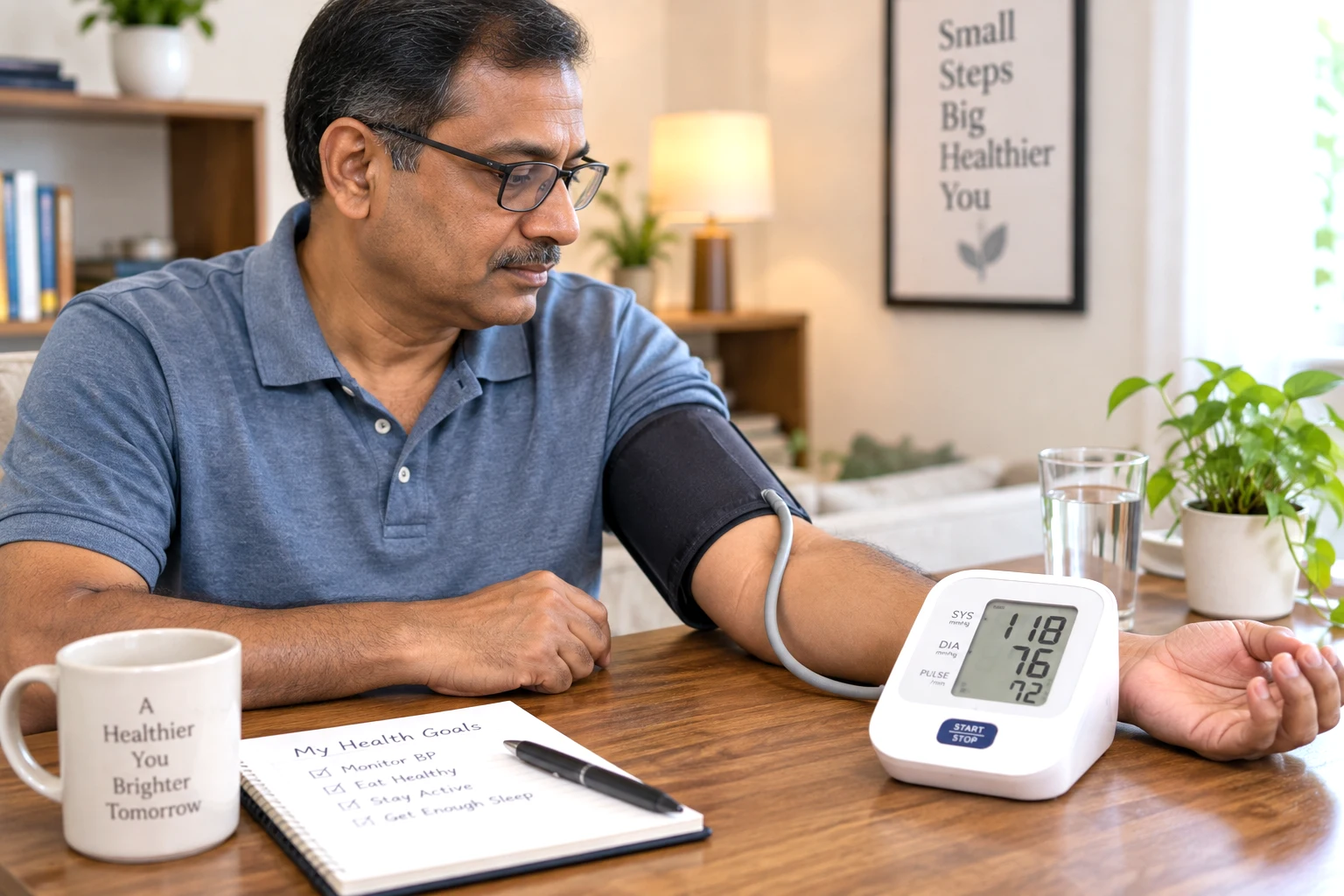
What is a normal blood pressure? See an easy BP chart, understand 120/80, 130/80 and 140/90 readings, learn hypertension symptoms, Indian diet tips, correct home measurement and when high BP needs urgent medical care.








0 Comments