Healthy Meal Prep Ideas for Busy People: Easy & Budget-Friendly Weekly Plan
Short on time and trying to eat better without overspending? This practical meal-prep guide explains weekly planning, batch cooking, budget shopping, balanced plates and easy breakfast, lunch and dinner ideas.
Healthy budget-friendly weekly meal prep with dal, rice, vegetables, chickpeas, oats, fruit and protein options
Table of Contents (29 sections)
Eating well during a busy week often has less to do with complicated recipes and more to do with what is already waiting in the refrigerator when hunger arrives.
After a long workday, college schedule, commute or family routine, even someone who wants a balanced meal may choose takeaway, packaged snacks or whatever can be prepared fastest.
Meal prep can make that decision easier.
Recommended Reading
Related Stories & In-Depth Guides
Curated editorial perspectives matching this topic.
Better digestion often starts with ordinary habits: more fiber-rich whole foods, enough fluids, selected fermented foods, regular meals, slower eating and movement. Here is what current evidence supports—and what gut-health trends often exaggerate.
Struggling to sleep well? Learn practical, evidence-based habits for better sleep, including a consistent schedule, less screen time, a relaxing bedtime routine, a cool bedroom, smarter caffeine timing and better daytime habits.
But healthy meal prep does not have to mean spending an entire Sunday cooking seven identical boxes of chicken and rice.
A more practical approach is to prepare a few flexible ingredients—perhaps cooked dal, rice or millet, roasted vegetables, boiled eggs, a protein dish, chopped vegetables and one breakfast base—and combine them differently through the week.
That can save cooking time, reduce food waste and make home-prepared meals easier to reach for.
USDA's MyPlate meal-planning guidance similarly recommends checking what you already have, planning meals around your available time, intentionally using leftovers and combining fresh, frozen and shelf-stable foods when shopping.
This guide shows how to build a realistic weekly meal-prep system for busy professionals, students, couples and families, including Indian-friendly options that do not require expensive “health foods.”
What Is Meal Prep?
Meal prep simply means preparing some part of your meals before you need them.
It can involve:
planning the week's meals;
washing and cutting vegetables;
cooking grains in advance;
preparing dal, beans or protein;
boiling eggs;
portioning snacks;
making breakfast jars;
preparing sauces or chutneys;
cooking complete meals;
or freezing portions for later.
You do not have to prepare every meal in advance.
For many people, component prep is more practical than complete meal prep.
Instead of making five identical lunches, for example, you might prepare:
one grain;
two vegetables;
two protein options;
one salad base;
one sauce or chutney.
Those ingredients can then become bowls, wraps, rice meals, salads or quick dinners.
Why Meal Prep Works Well for Busy People
The biggest benefit is not culinary perfection.
It is reducing the number of decisions you have to make when you are already hungry and short on time.
A simple weekly system can help you:
Save cooking time
Cooking four servings of dal usually takes far less effort than cooking one serving on four separate evenings.
Reduce takeaway spending
Having usable food ready at home can make ordering food less tempting.
Use groceries before they spoil
A plan gives ingredients a purpose.
Spinach bought without a plan may sit in the refrigerator. Spinach bought for Monday dal, Wednesday omelette and Friday wrap is much more likely to be used.
Make balanced meals easier
When vegetables, grains and protein are already prepared, assembling a more varied plate takes only a few minutes.
Reduce weekday stress
Knowing what you will eat for tomorrow's lunch removes one more task from a busy morning.
What Should a Healthy Meal-Prep Plate Look Like?
There is no single perfect plate for every person.
Energy and nutrient needs vary according to age, body size, activity level, pregnancy, health conditions and other factors.
However, a useful general principle is to build meals around a mix of:
vegetables and fruit;
grains or other starchy foods;
pulses or another protein source;
nuts or seeds in suitable amounts;
and dairy or an appropriate alternative where desired.
The ICMR-National Institute of Nutrition's Dietary Guidelines for Indians describe a balanced pattern in which vegetables, fruits, green leafy vegetables, roots and tubers together make up roughly half of the recommended foods for the day. The guidance also encourages whole grains and millets as part of cereal intake.
WHO's current healthy-diet guidance similarly emphasizes dietary adequacy, balance, moderation and diversity, with foods such as vegetables, fruits, whole grains, pulses, nuts, seeds and suitable protein sources forming the foundation of a healthy diet.
For everyday meal prep, you can translate that into a simple visual formula:
The Easy Meal-Prep Plate
About half the meal:
Vegetables and/or fruit
Another portion:
Rice, roti, millet, oats, potatoes or another grain/starchy food
Another portion:
Dal, chickpeas, rajma, beans, tofu, paneer, curd, eggs, chicken, fish or another protein-rich food
Add a small amount of nuts, seeds or suitable cooking fat where appropriate.
You do not need to measure every plate precisely.
The aim is simply to avoid building the entire meal around one food group.
The Most Important Meal-Prep Rule: Plan Before You Shop
Buying groceries first and deciding what to cook later often leads to waste.
Instead, spend 10–15 minutes planning the week.
Ask:
How many breakfasts will I eat at home?
How many lunches do I need to carry?
How many dinners will I realistically cook?
Which days will be especially busy?
Which foods are already in my pantry or freezer?
What needs to be used before it expires?
USDA specifically recommends checking your refrigerator, freezer and cupboards before planning new meals, then building a shopping list around the plan.
A Simple 5-Step Weekly Meal-Prep Formula
Instead of choosing 21 completely different meals, start with five building blocks.
1. Pick Two Main Carbohydrate Bases
Examples:
brown or regular rice;
millet;
quinoa;
whole-wheat roti;
oats;
potatoes or sweet potatoes;
poha;
whole-grain bread.
There is nothing inherently unhealthy about rice or roti.
What matters is the overall diet, portion size, preparation method and what accompanies them.
2. Pick Two or Three Protein Options
Vegetarian options:
moong dal;
masoor dal;
toor dal;
chickpeas;
rajma;
black chana;
sprouts;
tofu;
paneer;
curd;
soy chunks.
Non-vegetarian options:
eggs;
chicken;
fish;
lean meat where appropriate.
Pulses are particularly useful for budget meal prep because dried lentils and beans can be stored for long periods and incorporated into many dishes.
WHO includes legumes such as lentils, beans and chickpeas among foods that can form part of a varied healthy diet.
3. Choose Three or Four Vegetables
Do not feel that every vegetable must be premium or exotic.
Affordable seasonal vegetables often make excellent meal-prep ingredients.
Examples include:
carrots;
cabbage;
cauliflower;
beans;
spinach;
bottle gourd;
ridge gourd;
beetroot;
pumpkin;
cucumber;
tomato;
peas;
capsicum;
okra;
onions.
Frozen vegetables can also be useful when fresh produce is expensive or likely to spoil before you use it.
WHO notes that frozen and canned vegetables can form part of a healthy diet when they are not loaded with excess added sugar or sodium.
4. Choose One Easy Breakfast Base
For example:
overnight oats;
vegetable poha;
idli batter;
boiled eggs;
yoghurt and fruit;
dosa batter;
vegetable upma base;
oats-chilla batter ingredients;
whole-grain toast with eggs;
homemade muesli.
Having just one or two dependable breakfast options can dramatically simplify mornings.
5. Choose Two Emergency Foods
These are meals that can be assembled when the week's plan falls apart.
Useful emergency foods include:
eggs;
frozen vegetables;
curd;
roasted chana;
canned or cooked beans;
whole-grain bread;
peanut butter;
bananas;
oats;
frozen homemade dal;
frozen roti;
unsalted nuts.
Emergency foods help prevent one missed prep session from ruining the entire week.
Budget-Friendly Grocery List for One Week
Prices vary widely by city, season, store and household size, so it is more useful to think in categories than fixed rupee amounts.
Grains and staples
Choose two or three:
rice;
atta;
oats;
poha;
rava;
millets;
potatoes.
Protein foods
Choose according to diet and budget:
moong dal;
masoor dal;
chickpeas;
rajma;
eggs;
curd;
tofu;
paneer;
chicken;
fish.
Vegetables
Choose seasonal and locally affordable produce:
onions;
tomatoes;
carrots;
cucumber;
spinach;
cabbage;
beans;
cauliflower;
peas.
Fruit
Buy two or three affordable options rather than many varieties at once.
Examples:
banana;
guava;
papaya;
orange;
apple when affordable;
seasonal fruit.
Pantry extras
peanuts;
roasted chana;
seeds if affordable;
spices;
lemon;
ginger;
garlic;
cooking oil.
A nutritious meal does not require imported berries, expensive protein bars or specialty health products.
A Practical 90-Minute Weekend Meal-Prep Routine
You do not necessarily need to spend half a day cooking.
A streamlined session might look like this.
Minutes 0–10: Get everything started
wash rice or millet;
start dal or beans;
preheat the oven or prepare a large pan;
boil eggs if using them.
Minutes 10–30: Prepare vegetables
Wash and chop vegetables for several dishes.
Keep raw salad vegetables separate from vegetables intended for cooking.
Minutes 30–50: Cook one protein dish
Examples:
dal;
chickpea masala;
grilled chicken;
tofu stir-fry;
egg curry.
Minutes 50–70: Cook vegetables
Roast, steam, sauté or pressure-cook vegetables with minimal extra work.
Minutes 70–80: Prepare breakfast
For example:
portion oats into jars;
boil eggs;
prepare dosa/idli batter;
portion fruit.
Minutes 80–90: Cool, portion and label
Divide food according to the days you expect to use it.
Refrigerate what will be eaten soon and freeze suitable portions for later in the week.
15 Easy Healthy Meal Prep Ideas
1. Dal + Rice + Mixed Vegetables
One of the simplest Indian meal-prep combinations.
Prepare one pot of dal, rice and two vegetables.
Change the flavour during the week with lemon, coriander, curd or different vegetable sides.
2. Rajma Rice Bowl
Combine rajma, rice, cucumber, tomato, onion and curd.
For variety, use the same rajma later in a wrap.
3. Chana Salad Bowl
Mix cooked chickpeas with cucumber, tomato, carrot, coriander, lemon, herbs or spices.
Add rice, millet or roti when you want a larger meal.
4. Vegetable Khichdi
Rice or millet, dal and vegetables can be cooked together for an easy one-pot meal.
Prepare portions and serve with curd, cucumber, vegetables or a simple salad.
5. Paneer or Tofu Vegetable Bowl
Cook paneer or tofu with capsicum, onion and other vegetables.
Pair with rice, millet, roti or salad.
6. Egg and Vegetable Rice Bowl
Prepare boiled eggs, cooked rice and sautéed vegetables.
Assemble in a few minutes when needed.
7. Chicken and Vegetable Meal Box
Use a straightforward grilled, baked or pan-cooked chicken preparation.
Combine with rice or roti, cooked vegetables and salad.
Avoid relying on heavily sugary or salty bottled sauces for every batch.
8. Fish + Rice + Vegetable Meal
Fish can work well for meal prep, although storage needs particular attention.
Because cooked fish is perishable, make only the amount you can safely refrigerate or freeze.
9. Vegetable Poha Box
Poha with peas, carrots, peanuts and vegetables can serve as breakfast or a light lunch.
Add fruit or curd if suitable for your needs.
10. Overnight Oats
Combine oats with milk or curd and refrigerate overnight.
Before eating, add options such as banana, apple, nuts, seeds or cinnamon.
Avoid turning it into dessert with large quantities of syrup or added sugar.
11. Besan or Moong Chilla
Prepare the dry ingredients or batter components beforehand.
Add vegetables and cook fresh when needed.
Pair with curd or another protein-containing side.
Use the filling in roti only when ready to eat so the wrap does not become soggy.
13. Yoghurt, Fruit and Oats Bowl
For a no-cook breakfast or snack: plain curd or yoghurt, fruit, oats and a small amount of nuts or seeds.
Choose unsweetened yoghurt where practical.
14. Homemade Burrito-Style Bowl
Combine beans, rice, vegetables, tomato, yoghurt and herbs.
This is particularly useful for turning inexpensive ingredients into a different flavour profile.
15. Soup + Protein + Grain
Prepare a large vegetable soup.
Pair it with lentils or beans, egg, chicken, whole-grain bread or another grain.
Soup alone may not always provide enough energy or protein for a full meal, so consider what accompanies it.
7-Day Easy Meal-Prep Example
This is an example—not a medical diet or personalised calorie plan.
Day
Breakfast
Lunch
Dinner
Monday
Overnight oats + banana
Dal, rice + vegetables
Roti + paneer/tofu + salad
Tuesday
Eggs + toast + fruit
Rajma rice bowl
Vegetable khichdi + curd
Wednesday
Vegetable poha
Chickpea bowl + roti
Chicken/tofu stir-fry + rice
Thursday
Curd + oats + fruit
Dal + rice + spinach
Egg/paneer wrap + vegetables
Friday
Moong chilla + curd
Chicken/tofu bowl
Rajma + roti + salad
Saturday
Vegetable omelette/tofu scramble
Leftover grain bowl
Fish/chickpeas + vegetables
Sunday
Idli or dosa + sambar
Home-cooked family meal
Light dal/vegetable dinner
The purpose is not to follow this exact menu.
Use it as a framework and substitute foods according to preference, culture, allergies, budget and availability.
Vegetarian Meal-Prep Swaps
If a recipe contains chicken, fish or eggs, possible alternatives may include:
tofu;
paneer;
dal;
chickpeas;
rajma;
beans;
soy chunks;
lentil patties.
The nutritional content is not identical between foods, so do not assume every substitute provides exactly the same amount of protein, iron, vitamin B12 or other nutrients.
People following fully plant-based diets may need particular attention to nutrients such as vitamin B12 and should seek individual professional advice if unsure.
Easy Office Lunch Meal Prep
A good work lunch should survive transport and still be pleasant several hours later.
Useful combinations include:
Lunch Box 1
Dal + rice + beans + cucumber
Lunch Box 2
Roti + chickpea filling + mixed vegetables
Lunch Box 3
Rice + paneer/tofu + vegetable stir-fry
Lunch Box 4
Chicken + rice + vegetables
Lunch Box 5
Khichdi + curd packed separately
If refrigeration is unavailable, food safety becomes especially important. Use suitable insulated storage and ice packs for foods that need to stay cold rather than allowing perishable food to remain warm for hours.
Budget Meal Prep: How to Spend Less Without Eating Poorly
1. Build meals around affordable staples
Rice, oats, atta, potatoes, lentils and beans can form the base of many inexpensive meals.
2. Buy seasonal produce
A vegetable does not become healthier because it is expensive.
Choose what is fresh, locally available and reasonably priced.
3. Use pulses regularly
Dal, chickpeas and beans can help stretch meals without requiring expensive packaged protein foods.
4. Compare unit prices
A larger package is not automatically cheaper.
Compare the price per kilogram or 100 grams when possible.
5. Use the freezer strategically
If you cook too much dal, soup, curry or another freezer-friendly dish, freeze portions instead of forcing yourself to eat the same thing for several consecutive days.
6. Reduce food waste
The cheapest food is not the food with the lowest sticker price if half of it ends up in the bin.
7. Use one ingredient in several meals
For example, cooked chickpeas can become chana masala, salad, wrap filling or a grain bowl.
8. Do not pay a “health food premium” unnecessarily
Ordinary foods such as lentils, eggs, peanuts, seasonal vegetables, bananas, curd, oats, rice and millets can fit into a nutritious eating pattern.
You do not need a cupboard full of products marketed as “superfoods.”
Smart Meal Prep for People Who Hate Eating Leftovers
Meal prep does not require eating the same finished dish repeatedly.
Try the cook once, transform twice approach.
Example: Chickpeas
Monday: chana masala + rice
Wednesday: chickpea salad
Friday: chickpea roti wrap
Example: Chicken or tofu
Monday: rice bowl
Wednesday: vegetable stir-fry
Friday: wrap
Example: Dal
Monday: dal-rice
Wednesday: dal + roti
Friday: use a fresh batch or frozen portion with a vegetable side
The ingredients remain familiar while the final meal changes.
How Long Can Meal-Prep Food Stay in the Fridge?
This is one of the most important parts of meal preparation.
USDA advises using most cooked leftovers within three to four days when properly refrigerated. Perishable foods should generally not sit at room temperature for more than two hours, or one hour when the surrounding temperature is above 90°F/32°C.
FDA recommends keeping a refrigerator at 40°F/4°C or below.
That means preparing seven days of refrigerated cooked food on Sunday and simply leaving all of it in the refrigerator until Saturday is not a good default strategy.
A better approach is:
Refrigerate
Meals intended for the next few days.
Freeze
Suitable meals intended for later in the week.
Prepare fresh
Foods that lose quality quickly, such as delicate salads.
Exact storage life can vary by food, preparation and handling.
When in doubt about food that may have been stored unsafely, it is safer to discard it rather than taste it to test whether it is safe.
How to Cool Batch-Cooked Food Safely
Do not leave a large pot of cooked food sitting on the counter for hours.
USDA recommends dividing leftovers into shallow containers so they cool more rapidly, then refrigerating or freezing them promptly.
This is especially important for large quantities of rice, meat, soups, curries and other cooked foods.
How to Reheat Meal Prep Safely
For leftovers that require reheating, USDA recommends reheating to 165°F/74°C.
Reheat only what you intend to eat where practical.
A food thermometer provides more reliable information than judging temperature only by appearance.
Foods That Are Especially Useful for Freezer Meal Prep
Freezer-friendly options may include:
dal;
rajma;
chana;
soups;
cooked chicken;
some cooked vegetables;
roti or paratha;
rice;
khichdi;
cooked beans.
Texture can change after freezing, so experiment with small quantities before preparing large batches.
USDA notes that freezing can extend storage, though food quality may decline over time even when the food remains frozen.
Common Meal-Prep Mistakes
Mistake 1: Preparing too many recipes
Five complicated dishes may look impressive online but can turn meal prep into another stressful job.
Better approach: Make a few flexible components.
Mistake 2: Cooking seven refrigerated days at once
Food safety matters.
Better approach: Refrigerate the near-term meals and freeze appropriate later-week portions.
Mistake 3: Ignoring vegetables
A container filled almost entirely with rice or pasta is easy to prepare but may lack dietary variety.
Better approach: Intentionally prep vegetables.
Mistake 4: Making every meal identical
Food fatigue often causes prepared meals to be abandoned.
Better approach: Change sauces, vegetables or presentation.
Mistake 5: Buying too many “healthy” packaged products
Protein cookies, energy bars, flavoured yoghurts and specialty drinks can quickly raise the grocery bill.
Better approach: Begin with ordinary minimally processed staples.
Mistake 6: Forgetting snacks
If your meals are planned but afternoon hunger is not, vending-machine or delivery purchases may still become the default.
Easy snack options can include fruit, curd, roasted chana, unsalted nuts, boiled egg, cut vegetables or simple homemade snacks.
Mistake 7: Following someone else's portions blindly
A 50-kg sedentary adult, a 90-kg athlete, a pregnant woman and a growing teenager do not necessarily need identical portions.
Meal-prep examples should therefore be treated as templates rather than universal prescriptions.
Can Healthy Meal Prep Help With Weight Management?
Meal prep may make planned portions and home cooking easier, but it does not automatically cause weight loss.
Body weight is influenced by total energy intake, physical activity, sleep, health conditions, medications and other factors.
Someone can prepare all meals at home and still consume more energy than they require.
Likewise, there is no need to label individual foods as automatically “fat-burning” or “weight-loss foods.”
If weight management is a medical priority, an individual plan from a qualified healthcare professional or registered dietitian may be more appropriate.
Does Meal Prep Need to Be High Protein?
No.
Protein is essential, but “healthy” and “extremely high protein” are not the same thing.
A balanced diet also needs appropriate sources of:
carbohydrates;
fats;
fibre;
vitamins;
minerals;
and fluids.
WHO's current guidance emphasizes overall dietary adequacy, balance, moderation and diversity rather than promoting a single macronutrient for everyone.
What About Carbohydrates?
Carbohydrates are not automatically unhealthy.
WHO states that, for most people, carbohydrates can provide a substantial share of dietary energy, preferably coming largely from foods such as whole grains, vegetables, fruits and pulses rather than predominantly refined and highly processed sources.
So rice, roti, oats and millets can all fit into meal prep.
The overall meal matters.
Should You Completely Avoid Fat?
No.
Fat is an essential nutrient.
WHO recommends favouring unsaturated fats over excessive saturated and trans fats and keeping the overall diet balanced.
Meal prep does not need to be oil-free.
Instead, avoid assuming that adding large quantities of oil is harmless simply because the food was cooked at home.
Five-Minute Meals for Days When Meal Prep Runs Out
Even the best weekly plan occasionally fails.
Keep a few ultra-fast combinations available.
Option 1
Oats + curd/milk + banana + nuts
Option 2
Eggs/tofu + toast + tomato + fruit
Option 3
Frozen homemade dal + rice
Option 4
Roti + curd + vegetables + chickpeas
Option 5
Vegetable omelette + bread
Option 6
Chickpea salad + leftover grain
Option 7
Curd rice + cucumber + vegetable side
Having a fallback is more useful than expecting perfect meal prep every week.
A Realistic Weekly Meal-Prep System
If you are starting for the first time, do not prep 21 meals.
Try this instead:
Sunday
Cook one grain, one dal or bean dish, one protein dish and two vegetables.
Monday–Wednesday
Use refrigerated portions.
Wednesday evening
Prepare a small fresh vegetable batch or breakfast component.
Thursday–Friday
Use frozen portions prepared earlier, plus fresh ingredients.
Weekend
Cook more spontaneously and use remaining ingredients before shopping again.
This hybrid method reduces both repetitive meals and food-storage problems.
The 10-Minute Meal-Prep Checklist
Before starting a new week, ask:
What food do I already have?
What will spoil first?
Which three days are busiest?
What can I batch cook?
What can I freeze?
Which vegetables will I eat?
What protein sources will I use?
What will I eat for breakfast?
What is my emergency meal?
Do I actually need everything on my shopping list?
That small planning exercise can be more valuable than collecting dozens of recipes.
Final Takeaway
Healthy meal prep does not need to be expensive, complicated or repetitive.
For busy people, one of the easiest systems is:
Plan a few meals → buy only what you need → batch-cook flexible ingredients → assemble balanced plates → refrigerate near-term portions → freeze suitable later meals.
Affordable staples such as rice, roti, oats, dal, chickpeas, eggs, seasonal vegetables, fruit and curd can form the basis of dozens of different meals.
More importantly, there is no single “perfect” meal plan everyone must follow.
The healthiest long-term system is generally one that provides dietary variety, fits your budget, works with your schedule and can be maintained without turning every weekend into a full-day cooking project.
Frequently Asked Questions
What are the best healthy meal prep ideas for busy people?
Simple combinations usually work best: dal and rice with vegetables, rajma bowls, chickpea salads, overnight oats, egg or tofu bowls, vegetable khichdi, roti wraps and chicken or paneer meal boxes.
How do I meal prep for a whole week?
Plan the week's meals, batch-cook versatile ingredients and refrigerate only the portions intended for the next few days. Freeze suitable food for later in the week rather than keeping all seven days of cooked meals refrigerated. USDA generally recommends using cooked refrigerated leftovers within three to four days.
What is the cheapest healthy food for meal prep?
Costs vary locally, but foods such as rice, atta, oats, lentils, chickpeas, beans, eggs, peanuts, seasonal vegetables and bananas are often practical budget staples.
Is rice good for meal prep?
Rice can be part of a balanced meal. Pair it with vegetables and a protein source such as dal, beans, eggs, tofu, paneer, fish or chicken. Handle and refrigerate cooked rice safely like other perishable leftovers.
How can I meal prep without eating the same food every day?
Prepare ingredients rather than complete identical meals. For example, cooked chickpeas can become chana masala one day, salad another day and roti filling later.
How long does meal-prepped food last?
Storage time depends on the food. USDA advises that most properly refrigerated cooked leftovers should be eaten within three to four days.
Can I freeze meal-prep food?
Many cooked foods can be frozen, including soups, dals, beans, cooked meat and some grain dishes. Texture and quality may change depending on the food.
Is meal prep good for weight loss?
Meal prep can make planned eating easier, but it does not guarantee weight loss. Total dietary intake, activity, health conditions and individual needs still matter.
What should a balanced meal include?
A practical meal can combine vegetables or fruit, a grain or other starchy food and a source of protein such as pulses, eggs, dairy, tofu, fish or meat. Indian dietary guidance encourages substantial dietary variety and a large contribution from vegetables and fruits.
What can I meal prep for breakfast?
Easy options include overnight oats, vegetable poha, boiled eggs, yoghurt with fruit and oats, idli or dosa batter, moong chilla ingredients and vegetable upma.
Is healthy meal prep expensive?
It does not have to be. Planning around seasonal vegetables, grains, pulses and foods already at home can keep costs manageable. USDA's budget meal-planning guidance also recommends planning before shopping and intentionally using leftovers.
Bottom Line
Healthy meal prep for busy people works best when you plan flexible components, batch-cook affordable staples and assemble balanced plates. Focus on variety, food safety and a system you can actually maintain.
The Rajatheertha Team publishes news, explainers, guides and updates across India and the world. Our coverage follows Rajatheertha's editorial, verification and corrections standards.
Feeling dependent on coffee to get through the morning? A routine built around daylight, water, movement, adequate sleep and a balanced protein-rich breakfast may support alertness without repeatedly reaching for caffeine.
Starting fitness at home does not require expensive equipment or hour-long workouts. This beginner-friendly guide explains a simple bodyweight routine, a four-week progression plan and practical ways to make exercise a habit you can maintain.
Feeling stressed or anxious? Simple habits such as slow breathing, short walks, journaling, better sleep and regular breaks from social media may help. Here are practical ways to manage everyday stress—and signs that it may be time to seek professional support.
BRICS leaders have backed stronger cooperation on tuberculosis, obesity, mental health and other non-communicable diseases, while also supporting resilient health systems, disease surveillance and wider access to medicines and vaccines.
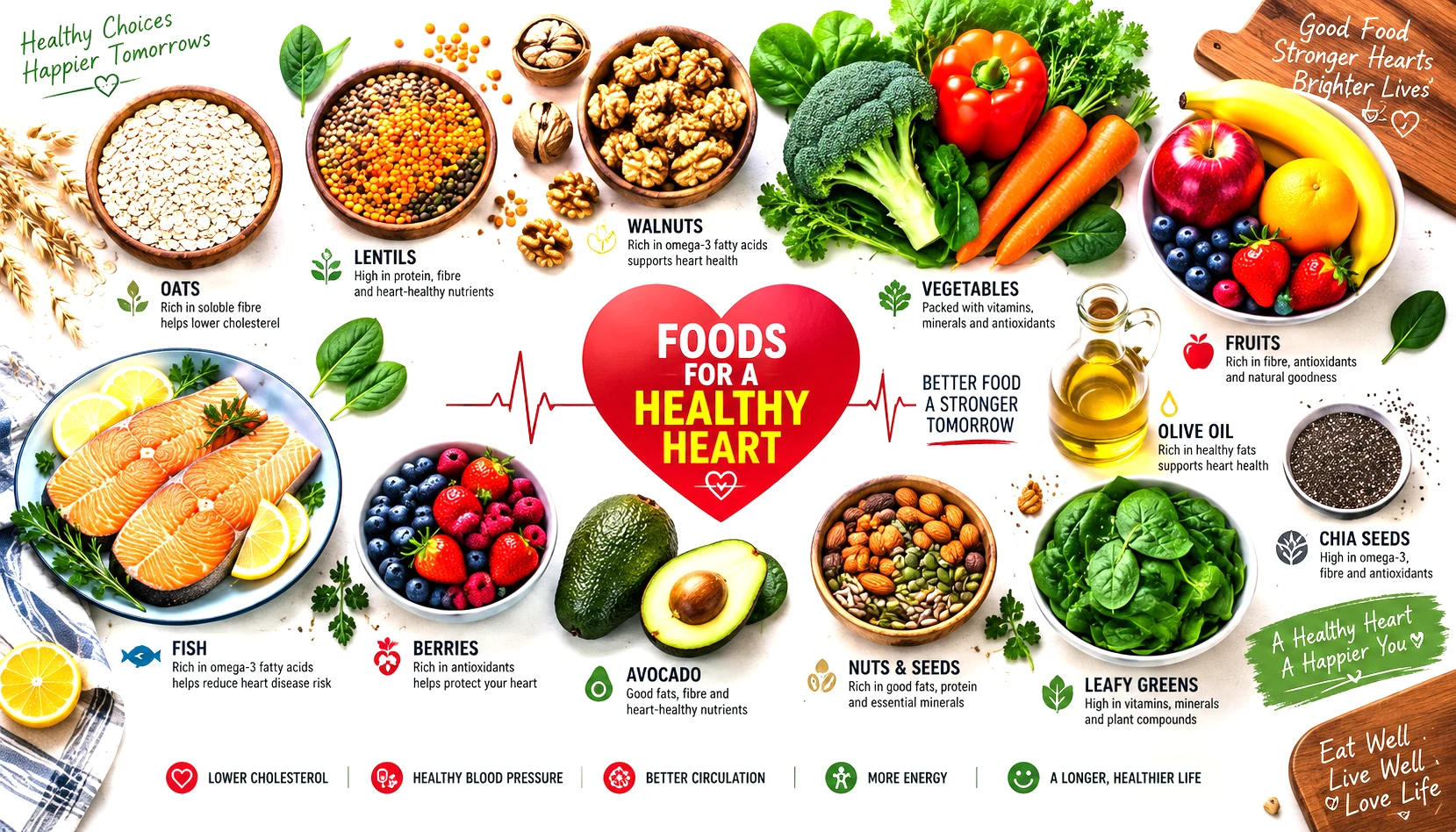
A heart-friendly diet does not depend on one superfood. Discover 12 everyday foods—from oats and dal to nuts, vegetables and fish—that can form part of a balanced, heart-healthy eating pattern.
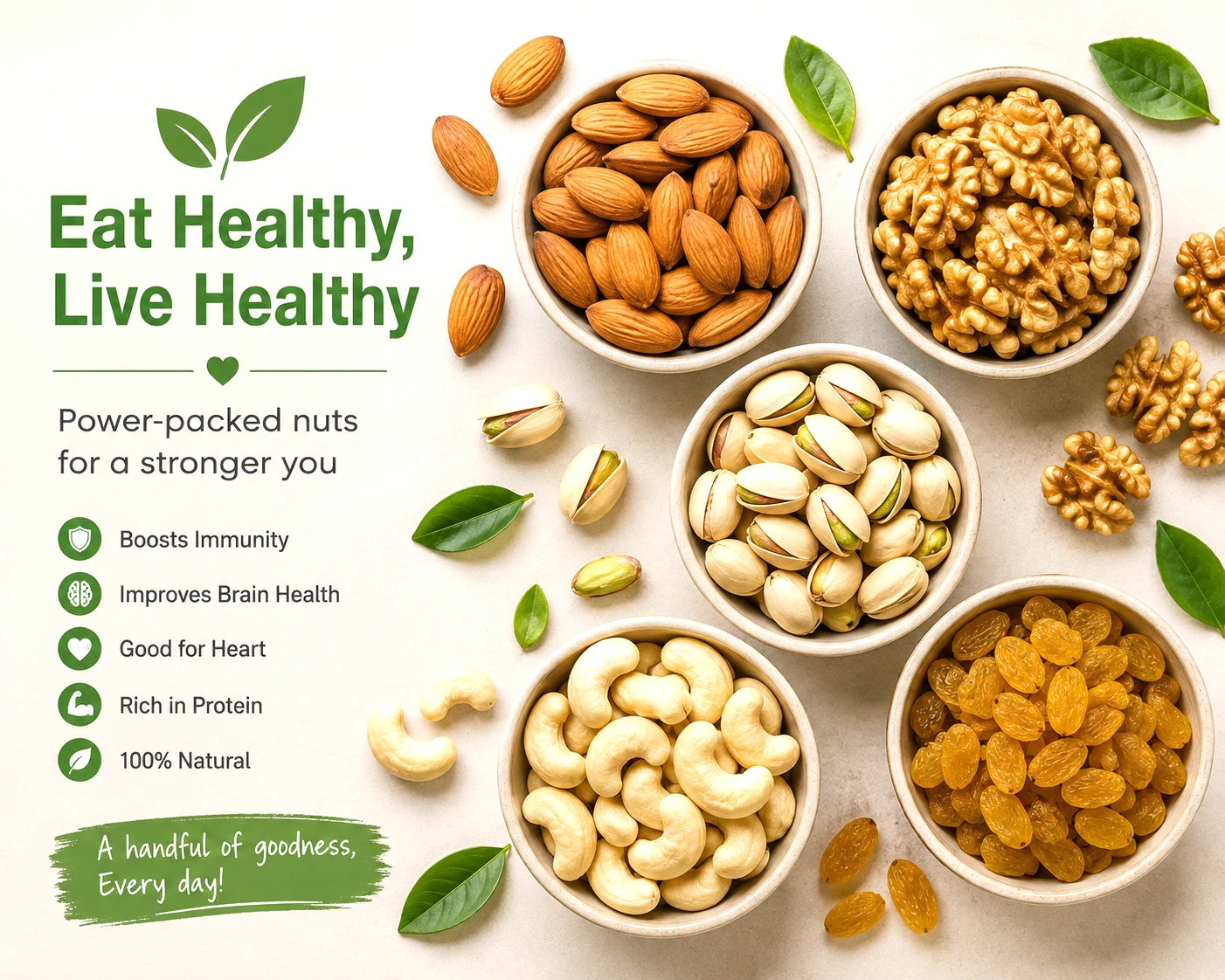
Almonds, walnuts, pistachios, cashews and raisins all provide different nutrients. Here’s what each one contains, how much to eat, whether soaking is necessary, the best ways to include them in your diet, and what to watch out for.






0 Comments