Top 5 Dry Fruits for Everyday Nutrition: Almonds, Walnuts, Pistachios, Cashews & Raisins Explained
Almonds, walnuts, pistachios, cashews and raisins all provide different nutrients. Here’s what each one contains, how much to eat, whether soaking is necessary, the best ways to include them in your diet, and what to watch out for.
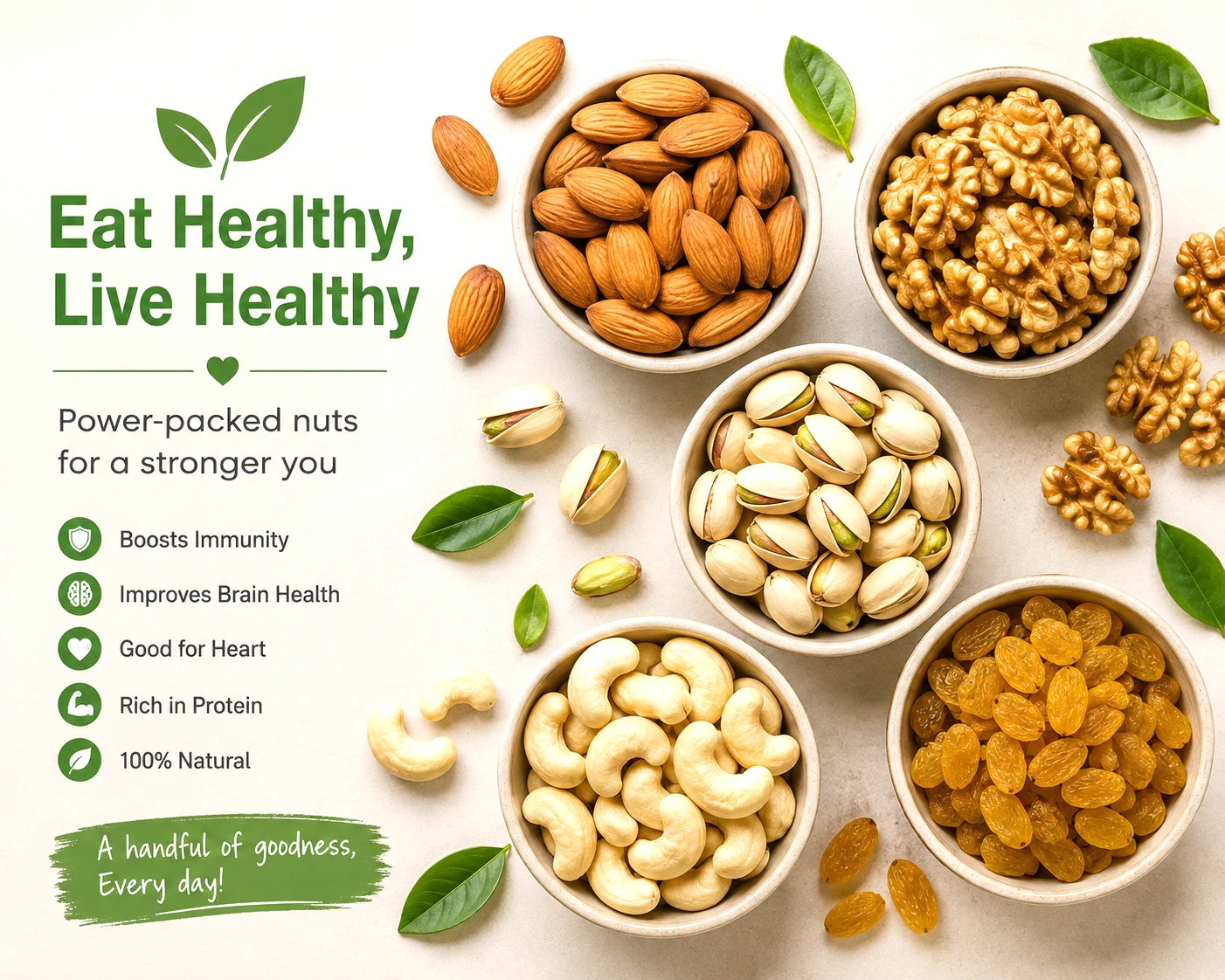
Top 5 dry fruits for everyday nutrition — almonds, walnuts, pistachios, cashews and raisins
Table of Contents (18 sections)
A Handful of Dry Fruits Can Pack a Lot of Nutrition — But More Is Not Always Better
Open almost any Indian kitchen, and you will likely find at least one box containing:
Badam (Almonds)
Akhrot (Walnuts)
Kaju (Cashews)
Pista (Pistachios)
Kishmish (Raisins)
For generations, these foods have been associated with strength and good health. Modern nutrition science gives us a more useful way to understand them.
Nuts such as almonds, walnuts, pistachios and cashews contain combinations of unsaturated fats, plant protein, fiber, magnesium, vitamin E, copper, potassium and numerous plant compounds.
Raisins are different. They are dried grapes rather than nuts and therefore contain considerably more natural sugar, while also supplying fiber and minerals.
Recommended Reading
Related Stories & In-Depth Guides
Curated editorial perspectives matching this topic.
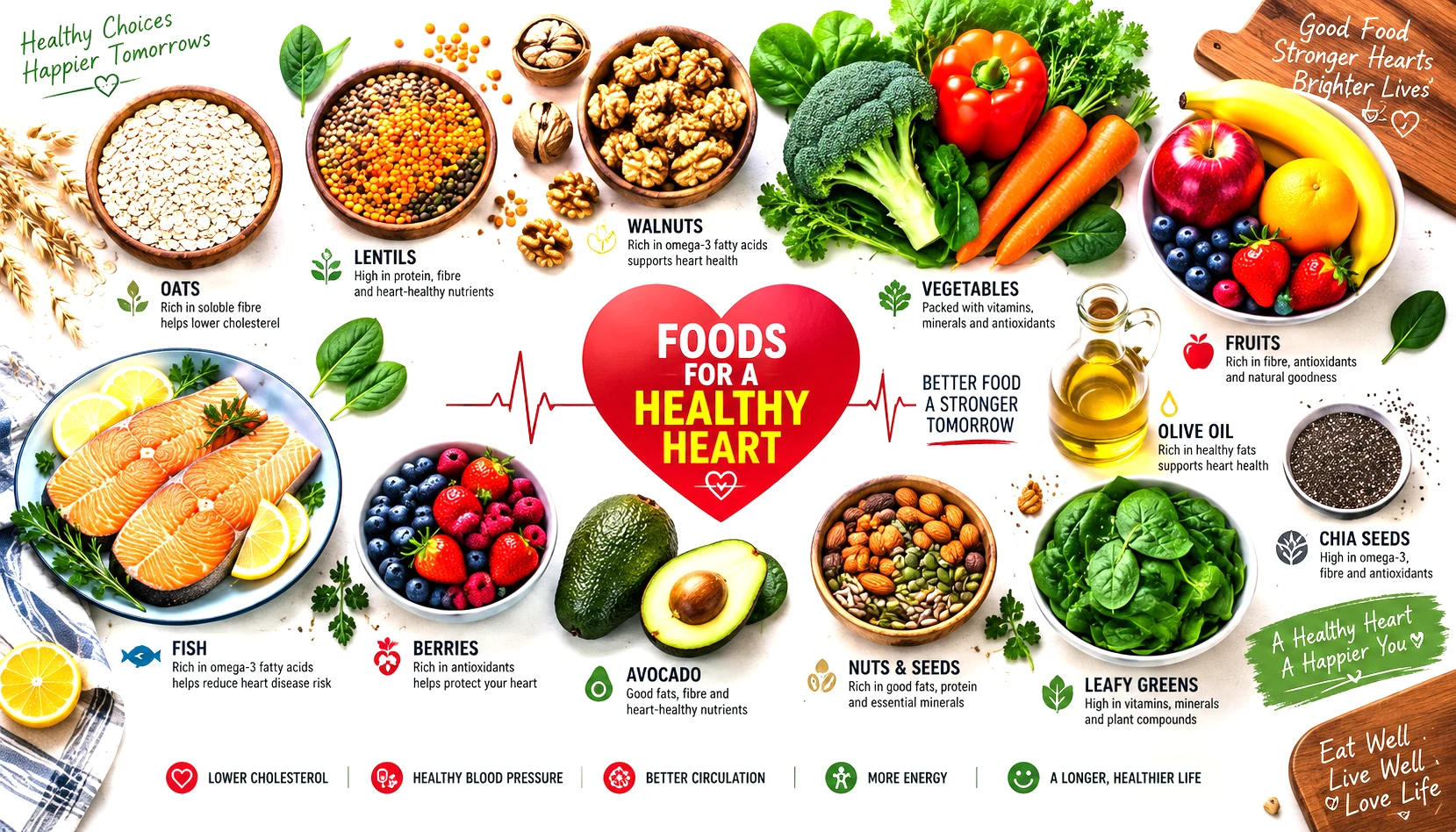
A heart-friendly diet does not depend on one superfood. Discover 12 everyday foods—from oats and dal to nuts, vegetables and fish—that can form part of a balanced, heart-healthy eating pattern.
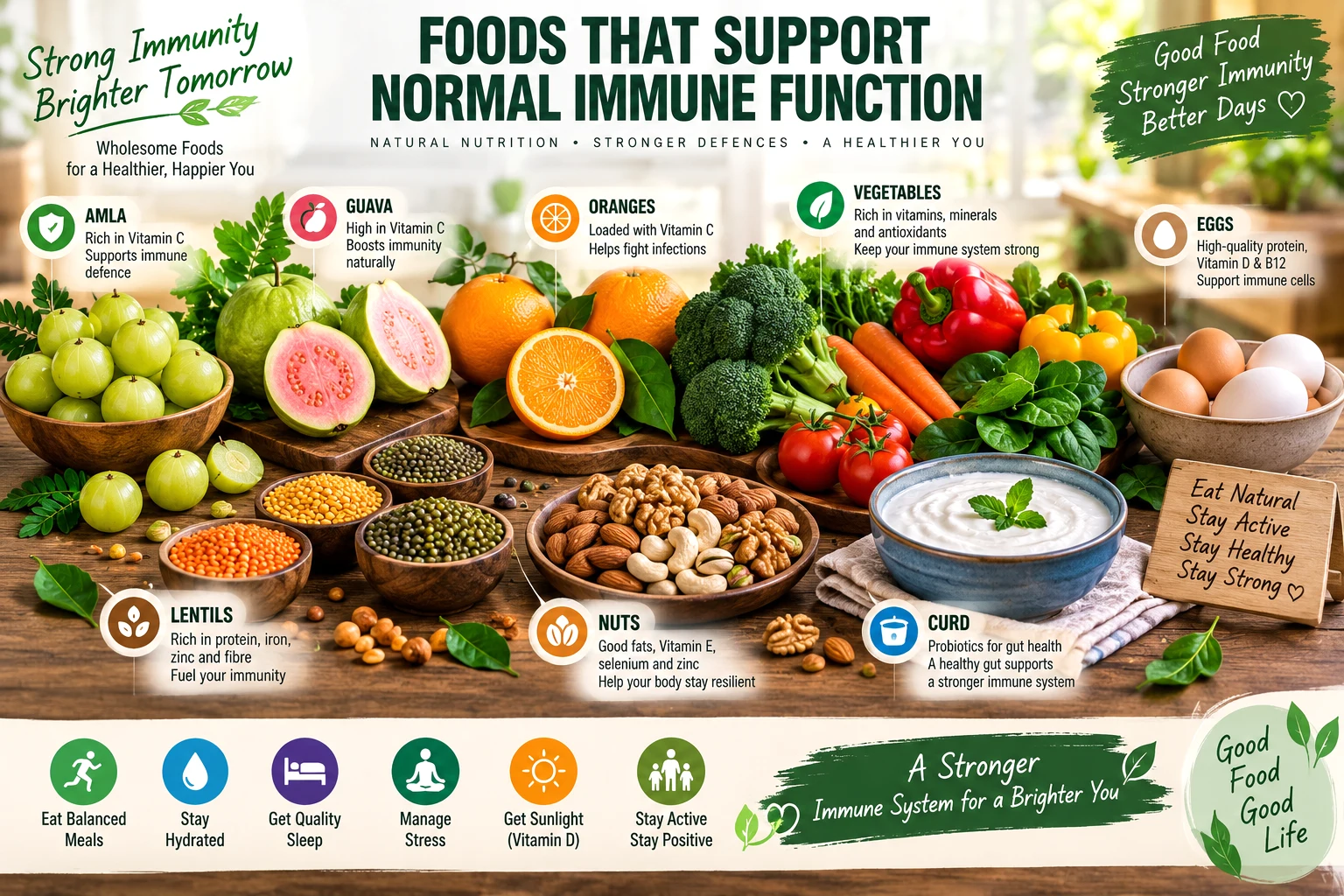
No food can instantly “boost” immunity, but adequate protein, vitamins A, C, D and E, zinc, selenium and other nutrients help normal immune function. Here are practical foods to include.
The important point: There is no single “best” dry fruit. Each has a different nutritional strength. Let’s examine what each one actually gives your body.
1. Almonds — A Strong All-Rounder
A roughly 28-gram serving (about a small handful) of almonds provides a useful combination of protein, fiber, monounsaturated fat, vitamin E, magnesium, calcium and other micronutrients.
Almonds are particularly well known for vitamin E, which acts as an antioxidant and helps protect cells against oxidative damage. Magnesium contributes to normal muscle and nerve function, while protein and fiber make almonds relatively filling.
Why Are Almonds Considered Heart-Friendly?
Almonds contain predominantly unsaturated fats. Replacing foods high in saturated fats or refined carbohydrates with foods containing unsaturated fats can improve overall diet quality. Research on almonds and nuts more generally has also found improvements in LDL cholesterol in some controlled studies.
That doesn’t mean: “Eat almonds, and you won’t get heart disease.”
A better conclusion is that almonds can form part of a heart-supportive dietary pattern, working best when they replace something less nutritious rather than simply being added on top of an already calorie-dense diet.
Should You Soak Almonds Overnight?
You absolutely do not have to soak almonds to obtain their nutrition. Raw or dry-roasted almonds are nutritious too.
Some people simply prefer soaked almonds because they become softer and easier to chew. If you enjoy 5 to 10 soaked almonds in the morning, that is perfectly reasonable — but soaking does not magically transform almonds into a medicine, and peeling the skin isn’t necessary for most people.
2. Walnuts — Particularly Interesting for Plant Omega-3
If almonds are the all-rounder, walnuts have a particularly distinctive nutritional feature: Alpha-linolenic acid (ALA).
ALA is a plant-based omega-3 fatty acid, and walnuts are one of the standout commonly eaten nuts for this nutrient.
What Do Walnuts Give You?
Walnuts provide polyunsaturated fats, ALA omega-3, protein, fiber, copper, magnesium and plant compounds including polyphenols. This unusual fat profile is why walnuts receive so much attention in cardiovascular nutrition research.
Research has found that incorporating walnuts into a healthy eating pattern can produce modest improvements in LDL cholesterol and other cardiovascular risk markers.
Are Walnuts “Brain Food”?
You will often hear that walnuts look like the brain, so they are good for the brain. Their shape is irrelevant; what actually makes walnuts nutritionally interesting are their fats, antioxidants and other nutrients.
Researchers are investigating possible relationships between walnut consumption and cognitive health, but eating four walnuts every day cannot guarantee better memory or prevent dementia.
3. Pistachios — Protein, Fiber and a Useful Nutrient Mix
Pistachios are particularly useful because they provide plant protein, fiber, unsaturated fat, potassium, vitamin B6 and antioxidant plant compounds including lutein and zeaxanthin. This makes pistachios much more than a decoration on Indian sweets.
Pistachios Can Be a Smart Snack
The protein, fiber and fat matrix makes pistachios relatively satisfying. Replacing an afternoon snack of chips, biscuits or sugary sweets with a controlled portion of unsalted pistachios can substantially improve snack quality.
Choose Unsalted Pistachios
Pistachios themselves are highly nutritious, but heavily salted varieties bring substantial sodium. For everyday use, choose unsalted or lightly salted varieties. Avoid assuming a product is automatically healthy just because it contains nuts.
4. Cashews — More Than Just a High-Calorie Nut
Cashews often get an unfair reputation, with people dismissing them as merely fattening. While cashews are calorie-dense, they also provide useful nutrients including unsaturated fats, plant protein, copper, magnesium and zinc.
Copper is involved in normal energy metabolism and iron metabolism, while magnesium supports numerous functions involving muscles, nerves and enzymes.
Raw or Roasted Cashews?
Plain roasted cashews are fine, but you should watch out for excess salt, sugar coatings, honey coatings and excessive added oils. The healthiest nut can become a very different snack once it is covered in sugar and salt.
5. Raisins — Useful, But Different From Nuts
Kishmish is not a nut — it is a dried grape. When grapes are dried, much of their water disappears, concentrating the sugars and nutrients into a much smaller package.
That is why raisins taste intensely sweet and provide natural carbohydrates, fiber, potassium and small amounts of iron.
Because they are carbohydrate-rich, raisins can provide quick dietary energy, making them convenient before physical activity or as part of breakfast. However, their concentrated natural sugar means portion size deserves careful attention (roughly 1 to 2 tablespoons is a practical amount).
Summary Table: Which Dry Fruit Gives You What?
Food
Particularly Notable For
Useful Nutrients
Almonds
All-round nutrition
Vitamin E, magnesium, fiber, protein, unsaturated fats
Walnuts
Plant omega-3
ALA omega-3, polyunsaturated fats, copper
Pistachios
Protein + fiber snack
Protein, fiber, potassium, B6, lutein/zeaxanthin
Cashews
Mineral-rich nut
Copper, magnesium, zinc, unsaturated fats
Raisins
Concentrated dried fruit
Carbohydrates, fiber, potassium, some iron
Morning or Evening: When Is the Best Time?
There is no compelling evidence that almonds suddenly become dramatically healthier at 7 AM or walnuts become medicinal at 10 PM. The more important questions are what you are eating, how much, and what it is replacing in your diet.
Breakfast: Add almonds, walnuts or raisins to oats or yogurt
Mid-morning: A small handful of nuts can replace biscuits
Afternoon: Pistachios or mixed nuts can replace chips or namkeen
Why Portion Size Matters
Nuts are nutrient-dense, but they are also calorie-dense. Eating multiple handfuls of various nuts plus raisins can quickly accumulate a high amount of calories.
The American Heart Association describes a serving of whole nuts as approximately one small handful (about 1 ounce) total.
The best way to use nuts is often as a replacement:
Instead of biscuits + almonds, try almonds instead of biscuits
Instead of chips + pistachios, try pistachios instead of chips
Instead of sugary cereal + raisins, try plain oats + a small amount of raisins for sweetness
Who Should Be Careful With Dry Fruits and Nuts?
People with nut allergies: Nut allergies can cause severe, potentially life-threatening reactions. Diagnosed individuals should strictly follow clinician advice.
Young children: Whole nuts present a choking hazard. Age-appropriate textures like finely ground nuts or smooth nut butter are safer alternatives.
Kidney disease: Some individuals with kidney disease need individualized limits on potassium or phosphorus.
Diabetes: Pay particular attention to dried-fruit portions due to concentrated carbohydrates and natural sugar.
Quick Guide
Category
Recommendation
Best all-rounder
Almonds
Notable plant omega-3 source
Walnuts
Protein/fiber-rich snack option
Pistachios
Notable mineral profile
Cashews
Dried-fruit option for sweetness/carbohydrate
Raisins
Typical nut serving
Around one small handful / 1 ounce total
Best everyday form
Plain, raw or dry-roasted, preferably unsalted
Soaking required?
No
Health Disclaimer: This article provides general nutrition information and is not medical advice. No individual food can prevent, treat or cure disease. Nutritional needs vary according to age, health conditions, allergies, medications, activity and overall diet. People with medical conditions or specific dietary restrictions should seek individualized advice from a qualified healthcare professional.
The Rajatheertha Team publishes news, explainers, guides and updates across India and the world. Our coverage follows Rajatheertha's editorial, verification and corrections standards.
Feeling stressed or anxious? Simple habits such as slow breathing, short walks, journaling, better sleep and regular breaks from social media may help. Here are practical ways to manage everyday stress—and signs that it may be time to seek professional support.
The Democratic Republic of the Congo has expanded Ebola vaccination among frontline health workers as a major study begins in Bunia to test whether the Ervebo vaccine can provide protection against the Bundibugyo virus driving the country’s largest recorded Ebola outbreak. The programme will follow
BRICS leaders have backed stronger cooperation on tuberculosis, obesity, mental health and other non-communicable diseases, while also supporting resilient health systems, disease surveillance and wider access to medicines and vaccines.
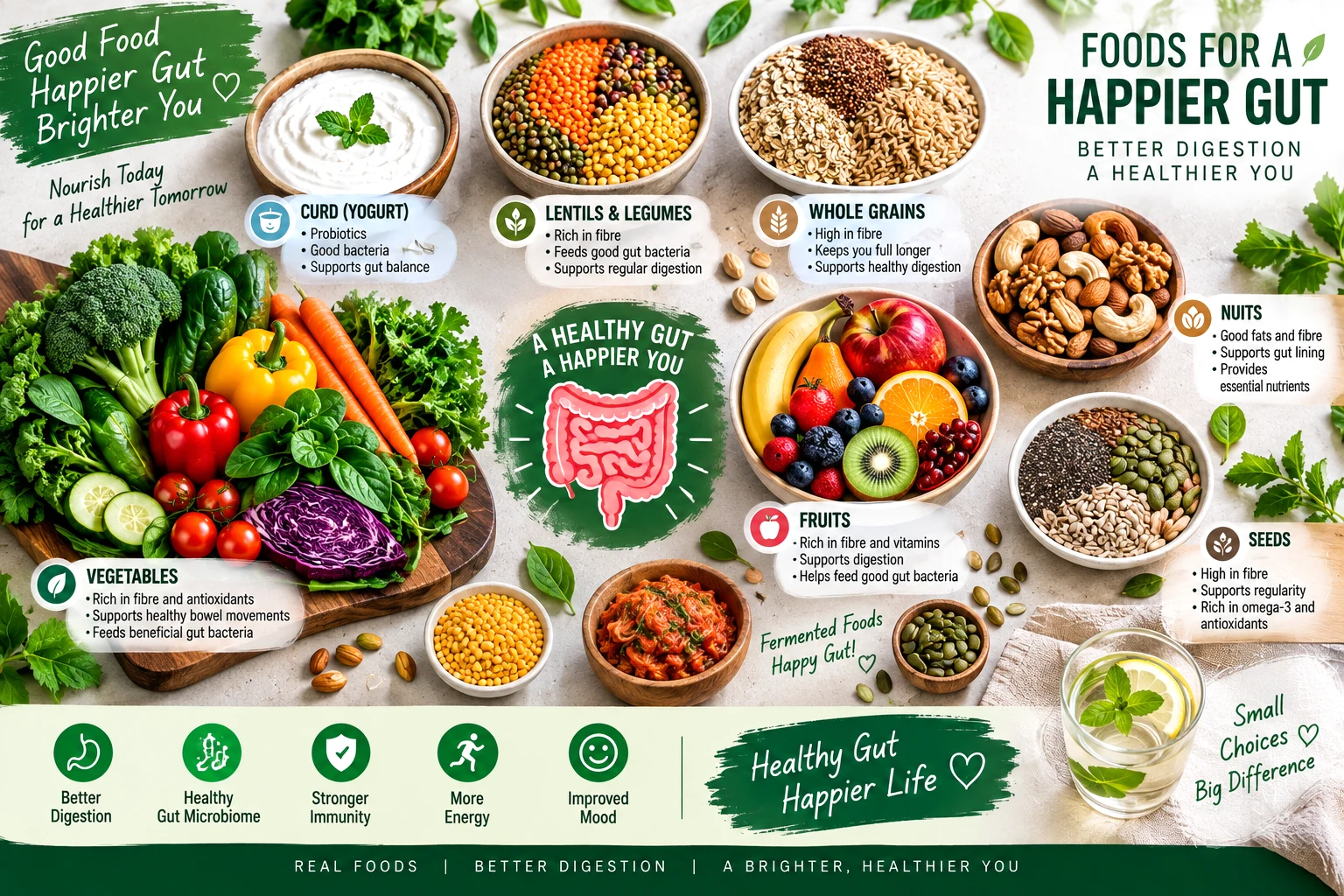
Good digestion is about more than probiotics. Learn how fibre-rich foods, curd, whole grains, fruits, vegetables and adequate fluids can support a healthy digestive system.
Starting fitness at home does not require expensive equipment or hour-long workouts. This beginner-friendly guide explains a simple bodyweight routine, a four-week progression plan and practical ways to make exercise a habit you can maintain.
Struggling to sleep well? Learn practical, evidence-based habits for better sleep, including a consistent schedule, less screen time, a relaxing bedtime routine, a cool bedroom, smarter caffeine timing and better daytime habits.









0 Comments