How to Reduce Everyday Stress and Anxiety: 12 Simple Habits That May Help
Feeling stressed or anxious? Simple habits such as slow breathing, short walks, journaling, better sleep and regular breaks from social media may help. Here are practical ways to manage everyday stress—and signs that it may be time to seek professional support.
Person taking a quiet break from everyday stress with breathing, journaling and reduced phone use
Table of Contents (22 sections)
Stress can appear in ordinary moments: an overflowing inbox, traffic, money worries, family responsibilities, deadlines, health concerns, constant phone notifications or simply having too many things competing for attention.
Feeling stressed occasionally is a normal human experience.
The World Health Organization defines stress as a state of worry or mental tension caused by a difficult situation. WHO says everyone experiences stress to some degree, but excessive or prolonged stress can affect both physical and mental well-being.
Anxiety is related but not exactly the same.
According to the US National Institute of Mental Health, stress generally has an identifiable external cause, while anxiety can continue even when there is no immediate threat. Persistent anxiety that interferes with everyday life may require assessment by a health professional.
Recommended Reading
Related Stories & In-Depth Guides
Curated editorial perspectives matching this topic.
Struggling to sleep well? Learn practical, evidence-based habits for better sleep, including a consistent schedule, less screen time, a relaxing bedtime routine, a cool bedroom, smarter caffeine timing and better daytime habits.
Learn normal cholesterol, LDL, HDL and triglyceride levels, which foods can help lower LDL, practical Indian diet swaps, exercise tips and when cholesterol medicine may be needed.
The useful part is that managing everyday stress does not necessarily require complicated routines.
Breathing slowly for a few minutes, getting outside for a walk, writing down your thoughts, sleeping more consistently, reducing information overload and talking with someone you trust are among the practical strategies recommended by major public-health organisations.
These habits are not substitutes for treatment when someone has an anxiety disorder or another mental-health condition. But they may make ordinary stressful periods easier to manage.
Here are practical places to begin.
1. Try a Slow Breathing Exercise for Five Minutes
When stress rises suddenly, breathing is one of the simplest things you can work with immediately.
WHO provides a relaxation exercise that involves slowing the breath and paying attention to movement around the stomach. Its example uses approximately three seconds breathing in and three seconds breathing out.
Simple breathing exercise
Try this:
Sit somewhere comfortable.
Relax your shoulders.
Place one hand lightly over your stomach if comfortable.
Breathe in gently for about three seconds.
Breathe out slowly for about three seconds.
Continue without forcing the breath.
Repeat for several minutes.
Your breathing does not need to be extremely deep.
The goal is gentle, controlled breathing rather than trying to take the largest breath possible.
NIMH includes breathing exercises among activities that may help people experiencing relatively mild stress or worry, while NHS guidance also recommends breathing, mindfulness and relaxation techniques for managing worry.
If deliberate breathing makes you dizzy or uncomfortable, return to normal breathing rather than forcing the exercise.
Search question: Can breathing exercises reduce anxiety?
Breathing exercises may help some people feel calmer and reduce immediate tension. They are best viewed as a stress-management technique rather than a cure for an anxiety disorder.
2. Take a Short Walk
When your mind feels overloaded, changing your physical environment may help interrupt the cycle of sitting and worrying.
You do not necessarily need a long workout.
Try:
walking around your building;
walking outside during lunch;
walking to a nearby shop;
taking a few laps around your office;
using stairs when practical;
or taking a short evening walk.
CDC guidance specifically recommends walking or other physical activity as a way to respond to worry. CDC also notes that even a single session of moderate-to-vigorous physical activity can reduce feelings of anxiety, while regular activity provides wider physical and mental-health benefits.
WHO similarly recommends regular exercise—including walking—as part of stress management.
How long should you walk?
Do not let an ideal number stop you from moving at all.
If your day is busy, begin with whatever feels realistic—perhaps a brief walk between tasks—and gradually make regular physical activity part of your routine.
CDC notes that every little bit of physical activity can contribute to health.
3. Write Down What Is Bothering You
Sometimes stress feels larger because several worries are circulating in your mind at the same time.
Writing them down can create some structure.
Both NIMH and CDC include journaling among strategies people can try for managing stress and emotional well-being.
You do not need an expensive journal or a complicated system.
A notebook or private digital document can work.
Try answering:
What am I worried about?
What part of this situation can I control?
What cannot be solved today?
What is one useful action I can take next?
You could also write down things that went reasonably well during the day.
NIMH recommends practicing gratitude and either writing down specific things you appreciate or consciously recalling them.
A simple five-minute journaling routine
You might try:
Minute 1: Write what is worrying you.
Minute 2: Identify what triggered the feeling.
Minute 3: Separate controllable from uncontrollable problems.
Minute 4: Write one practical next step.
Minute 5: Write one thing you handled well or appreciated today.
The five-minute format is simply a practical routine—you do not need to journal for a particular scientifically prescribed length of time.
4. Take a Digital Break Instead of Waiting for a Full “Digital Detox”
You do not necessarily need to delete every social-media app or stay offline for a week.
Smaller breaks may be easier to maintain.
WHO says spending too much time following television news and social media can increase stress for some people and recommends limiting exposure if it is making you feel more stressed.
CDC similarly recommends taking breaks from news and social media, particularly when constant exposure to upsetting information is contributing to distress.
Practical digital-detox ideas
Try one or two rather than changing everything at once:
Disable non-essential notifications.
Keep your phone away during meals.
Avoid automatically checking social media whenever you have a spare minute.
Create a 20- or 30-minute screen-free period.
Avoid doomscrolling in bed.
Check news at planned times rather than continuously.
Keep stressful work chats muted outside working hours where possible.
Place your phone away from your pillow at night.
Remove apps you repeatedly open without intending to.
Take a walk without scrolling.
WHO also recommends limiting electronic-device use before sleep as part of healthy sleep habits.
The aim is not to prove that technology is harmful.
It is to notice whether your own pattern of use is increasing tension, interrupting sleep or making it difficult to switch off.
5. Use a “Worry Time” Instead of Worrying All Day
When the same problem keeps returning to your mind, trying to command yourself to “stop thinking” may not work very well.
An alternative is to give worries a defined place.
NHS Every Mind Matters recommends identifying worries, distinguishing problems you can act on from hypothetical worries and bringing attention back to the present rather than dwelling indefinitely.
Try keeping a short list during the day.
When a worry appears, write a few words about it and return to the task in front of you.
Later, review the list.
Ask:
Is this problem happening now?
Can I do something about it?
What specific action is available?
Am I repeatedly imagining an outcome that I cannot control?
If there is an action, schedule it.
If there is no practical action available right now, acknowledge that rather than spending hours trying to mentally solve an uncontrollable situation.
6. Build a Predictable Daily Routine
Stress often increases when everything feels uncertain.
A basic routine can provide useful structure.
WHO recommends maintaining a daily schedule that includes regular meals, exercise, responsibilities, recreation and time with family or other important people.
You do not need to schedule every five minutes.
A simple framework may be enough:
Morning: wake up, wash, eat, identify your main priorities.
Day: work or study in defined blocks with brief breaks.
Evening: reduce work-related activity, move your body and eat at a reasonably consistent time.
Night: lower stimulation and prepare for sleep.
Predictability does not remove difficult circumstances, but it can reduce the number of decisions your brain has to make throughout the day.
7. Protect Your Sleep
Stress can make sleep difficult.
Poor sleep can then leave you more tired and emotionally reactive the following day.
WHO recommends consistent sleep and wake times, a quiet and comfortable sleeping environment, reducing electronic-device use before bed and avoiding large meals, caffeine and alcohol close to bedtime.
NIMH also identifies adequate sleep as part of a healthy lifestyle that may support anxiety management alongside appropriate treatment.
Simple sleep reset
Try:
getting up at approximately the same time each day;
reducing scrolling before bed;
dimming stimulating screens and lights;
avoiding late caffeine if it affects your sleep;
moving during the daytime;
and creating a short wind-down routine.
Do not panic if you occasionally sleep badly. One difficult night does not mean something is seriously wrong.
Persistent sleep problems, however, are worth discussing with a healthcare professional.
8. Reduce Excess Caffeine If It Makes You Jittery
Coffee and tea are part of daily life for millions of people.
You do not automatically need to stop drinking them.
But if you notice that caffeine leaves you shaky, restless, unable to sleep or more anxious, reducing your intake may be worth trying.
NIMH lists avoiding excessive caffeine and getting adequate sleep among healthy habits that may help reduce anxiety symptoms when combined with appropriate care.
Pay particular attention to:
strong coffee;
multiple cups of tea or coffee;
energy drinks;
caffeinated soft drinks;
and caffeine late in the day.
Individual sensitivity varies considerably, so there is no single stress-reduction amount that applies to everyone.
9. Talk to Someone You Trust
Stress often becomes harder when you are dealing with it entirely alone.
Talking does not necessarily mean asking someone to solve your problems.
Sometimes saying what is happening clearly is useful by itself.
WHO recommends staying connected with family and friends and sharing concerns with trusted people as part of stress management.
NIMH similarly recommends reaching out to supportive friends or family members.
You could say:
“I've had a stressful week. Can I talk for a few minutes?”
That may be easier than waiting until you have the perfect explanation.
10. Try a Grounding Exercise When Your Thoughts Are Racing
Grounding means deliberately returning attention to what is happening around you rather than becoming completely absorbed in distressing thoughts.
WHO's evidence-informed Doing What Matters in Times of Stress programme teaches skills such as grounding, noticing and naming difficult thoughts and feelings, making room for emotions and reconnecting with personally meaningful actions.
WHO's updated 2026 guidance describes structured psychological self-help approaches as evidence-based tools that can help people manage psychological distress, while recognising that self-help does not replace all professional mental-health care.
Simple grounding exercise
Look around and deliberately notice:
five things you can see;
four physical sensations you can notice;
three sounds you can hear;
two things you can smell, if any;
one slow breath.
This particular “5-4-3-2-1” format is a commonly used grounding routine rather than a diagnostic treatment.
The important principle is bringing attention back to your current environment.
11. Make Your To-Do List Smaller
A long task list can create the feeling that everything is urgent.
Instead of writing 25 tasks and feeling behind before the day begins, choose a few priorities.
Try dividing tasks into:
Must do today
Useful if completed
Can wait
Then begin with one manageable action.
For example, instead of:
“Fix my finances”
write:
“Check this month's bank transactions for 15 minutes.”
Instead of:
“Get healthy”
write:
“Walk after dinner.”
Instead of:
“Organise my entire house”
write:
“Clear one desk.”
Reducing a problem to a concrete next action can make it easier to start.
12. Do Something Enjoyable Without Turning It Into Another Goal
Not every useful activity needs to improve productivity.
NHS guidance encourages making time for enjoyable activities, while CDC recommends building periods for unwinding and relaxing activities into daily life.
That might mean:
listening to music;
cooking;
gardening;
playing with a pet;
watching something funny;
reading;
meeting a friend;
drawing;
spending time outdoors;
playing a sport;
or simply sitting somewhere quiet.
Choose something you actually enjoy rather than something social media says you should enjoy.
A 10-Minute Stress Reset You Can Try Today
If you feel overloaded and do not know where to begin, try this simple routine:
Minutes 1–2: Stop
Put your phone down.
Sit comfortably and notice how you feel.
Minutes 3–5: Breathe
Slow your breathing without forcing it.
Minutes 6–8: Move
Stand, stretch or walk for a few minutes.
Minute 9: Write
Write down the main thing worrying you.
Minute 10: Choose One Action
Ask:
“What is the smallest useful thing I can do next?”
Then do only that.
The routine is not a medical treatment or scientifically required 10-minute protocol. It simply combines several stress-management techniques recommended by health organisations into an easy everyday structure.
Stress vs Anxiety: What Is the Difference?
The terms are often used together, but they are not identical.
Everyday stress
Stress commonly develops in response to an identifiable challenge such as:
exams;
deadlines;
family conflict;
financial pressure;
illness;
work problems;
moving;
or another difficult event.
It may reduce after the underlying situation improves.
Anxiety
Anxiety can involve persistent worry, apprehension or fear and may continue even without an immediate threat.
NIMH says anxiety becomes more concerning when it does not go away and begins interfering with daily activities.
Possible symptoms associated with anxiety can include:
excessive worry;
restlessness;
feeling on edge;
trouble concentrating;
irritability;
muscle tension;
fatigue;
difficulty relaxing;
and sleep problems.
These symptoms can have many causes and do not by themselves diagnose an anxiety disorder.
Can You Completely Eliminate Stress?
Probably not—and that should not necessarily be the goal.
Stress is part of the body's normal response to challenges.
WHO notes that some stress can help people respond to everyday demands, while excessive stress can become harmful.
A more realistic objective is learning to:
notice stress sooner;
understand common triggers;
recover more effectively;
reduce avoidable stress;
and seek support when stress becomes difficult to manage.
When Self-Help May Not Be Enough
Breathing, exercise, journaling and screen breaks can be useful, but they are not substitutes for professional care when symptoms are persistent, severe or significantly affecting your life.
NIMH advises seeking professional help when anxiety begins causing problems at work, school, home or in relationships. It also advises professional support for severe or distressing mental-health symptoms lasting around two weeks or longer.
Consider speaking with a qualified healthcare or mental-health professional if you are:
struggling to perform ordinary daily activities;
avoiding important situations because of anxiety;
experiencing persistent or worsening worry;
having frequent panic attacks;
unable to sleep adequately for a prolonged period;
becoming dependent on alcohol or drugs to cope;
losing interest in activities you normally enjoy;
or feeling that your mental health is becoming difficult to manage.
Anxiety disorders are treatable, and professional treatment may include psychotherapy, medication or a combination depending on the person's circumstances.
Mental Health Support in India
People in India can access the Government of India's Tele-MANAS mental-health service.
The Directorate General of Health Services lists the national toll-free numbers as:
14416
or
1-800-891-4416
Tele-MANAS provides access to mental-health support across India. Government information describes it as a 24×7 tele-mental-health programme, with counselling and escalation to specialised professionals where required.
Government figures published in 2026 said Tele-MANAS was operating through 53 cells across all 36 States and Union Territories, with services available in multiple Indian languages.
If you or another person is in immediate danger, contact India's emergency number 112 or go to the nearest emergency medical facility.
A Simple Daily Routine for Lower-Stress Living
You do not have to follow an elaborate wellness programme.
A realistic day might look like this:
Morning
Avoid checking stressful notifications immediately after waking.
Drink water and eat normally.
Take a few slow breaths.
Decide on your top two or three priorities.
During Work or Study
Focus on one task at a time where possible.
Get up periodically.
Take a short walk.
Avoid continuously refreshing news or social media.
Notice when caffeine is making you more restless.
Evening
Do some physical activity.
Talk with someone you trust.
Write down unresolved worries.
Decide what actually needs attention tomorrow.
Before Bed
Reduce stimulating screen use.
Avoid repeatedly checking work messages if they can wait.
Keep your sleep schedule reasonably consistent.
Try a few minutes of breathing or quiet relaxation.
You do not need to perform every step perfectly.
WHO's self-help guidance emphasises that useful stress-management skills can be practised for just a few minutes each day.
The Bottom Line
Reducing everyday stress is usually less about finding one perfect trick and more about repeating small habits that make recovery easier.
Slow breathing may help you settle during a stressful moment.
Walking provides movement and a change of environment.
Journaling can help organise worries.
Regular breaks from news and social media may reduce information overload.
Sleep, routine, physical activity and supportive relationships provide a stronger foundation for coping.
And when stress or anxiety becomes persistent enough to interfere with daily life, seeking professional support is an appropriate next step—not something that needs to be postponed until the situation becomes unbearable.
The most useful strategy is usually the one you can realistically repeat.
Start small.
One walk.
A few slow breaths.
Five minutes away from your phone.
One page of writing.
One conversation with someone you trust.
Small actions may not remove every source of stress, but they can help make everyday pressure feel more manageable.
Frequently Asked Questions
What is the fastest way to reduce stress?
There is no single method that works fastest for everyone. Slow breathing, stepping away briefly from the stressful situation, walking, stretching or talking with someone supportive are reasonable short-term strategies. WHO, CDC and NIMH all include relaxation or physical activity among stress-management approaches.
What breathing exercise is good for anxiety?
One simple WHO exercise involves gently breathing in for approximately three seconds and breathing out for approximately three seconds while keeping the body relaxed. Avoid forcing very deep breaths.
Can walking reduce stress and anxiety?
Physical activity can support mental well-being. CDC says a single session of moderate-to-vigorous physical activity can reduce feelings of anxiety, and WHO recommends regular exercise, including walking, for stress management.
Does journaling help with stress?
Journaling is recommended as a coping strategy by NIMH and CDC. It may help people identify worries, process feelings and think through problems more clearly.
Does a digital detox reduce anxiety?
Evidence does not support promising that a “digital detox” will cure anxiety. However, WHO and CDC recommend taking breaks from news and social media when repeated exposure is contributing to stress or distress.
How can I stop overthinking at night?
Consider writing unresolved concerns down, reducing stimulating screen use, practising slow breathing and keeping a consistent bedtime routine. Persistent anxiety or insomnia should be discussed with a healthcare professional.
How can I reduce work stress?
Set realistic priorities, take brief breaks, move during the day, reduce unnecessary notifications, talk to someone you trust and separate work time from recovery time where possible.
Can stress cause physical symptoms?
Yes. WHO says stress may be associated with headaches, body pain, stomach problems and difficulty sleeping, among other symptoms. Physical symptoms can also have medical causes, so persistent or concerning symptoms should not automatically be attributed to stress.
How do I know if stress has become anxiety?
Persistent apprehension or worry that continues even when there is no immediate threat and begins interfering with daily life may warrant professional assessment. Only a qualified professional can diagnose an anxiety disorder.
When should I get professional help for anxiety?
Seek help when anxiety is persistent, worsening, difficult to control or interfering with work, school, relationships, sleep or normal activities.
Is Tele-MANAS available in India?
Yes. India's national Tele-MANAS mental-health service can be reached at 14416 or 1-800-891-4416.
Bottom Line
Everyday stress and anxiety can often be eased with simple, repeatable habits: slow breathing, short walks, journaling, digital breaks, better sleep and talking to someone you trust. These strategies may help — but persistent or severe symptoms deserve professional support.
The Rajatheertha Team publishes news, explainers, guides and updates across India and the world. Our coverage follows Rajatheertha's editorial, verification and corrections standards.
BRICS leaders have backed stronger cooperation on tuberculosis, obesity, mental health and other non-communicable diseases, while also supporting resilient health systems, disease surveillance and wider access to medicines and vaccines.
A heart-friendly diet does not depend on one superfood. Discover 12 everyday foods—from oats and dal to nuts, vegetables and fish—that can form part of a balanced, heart-healthy eating pattern.
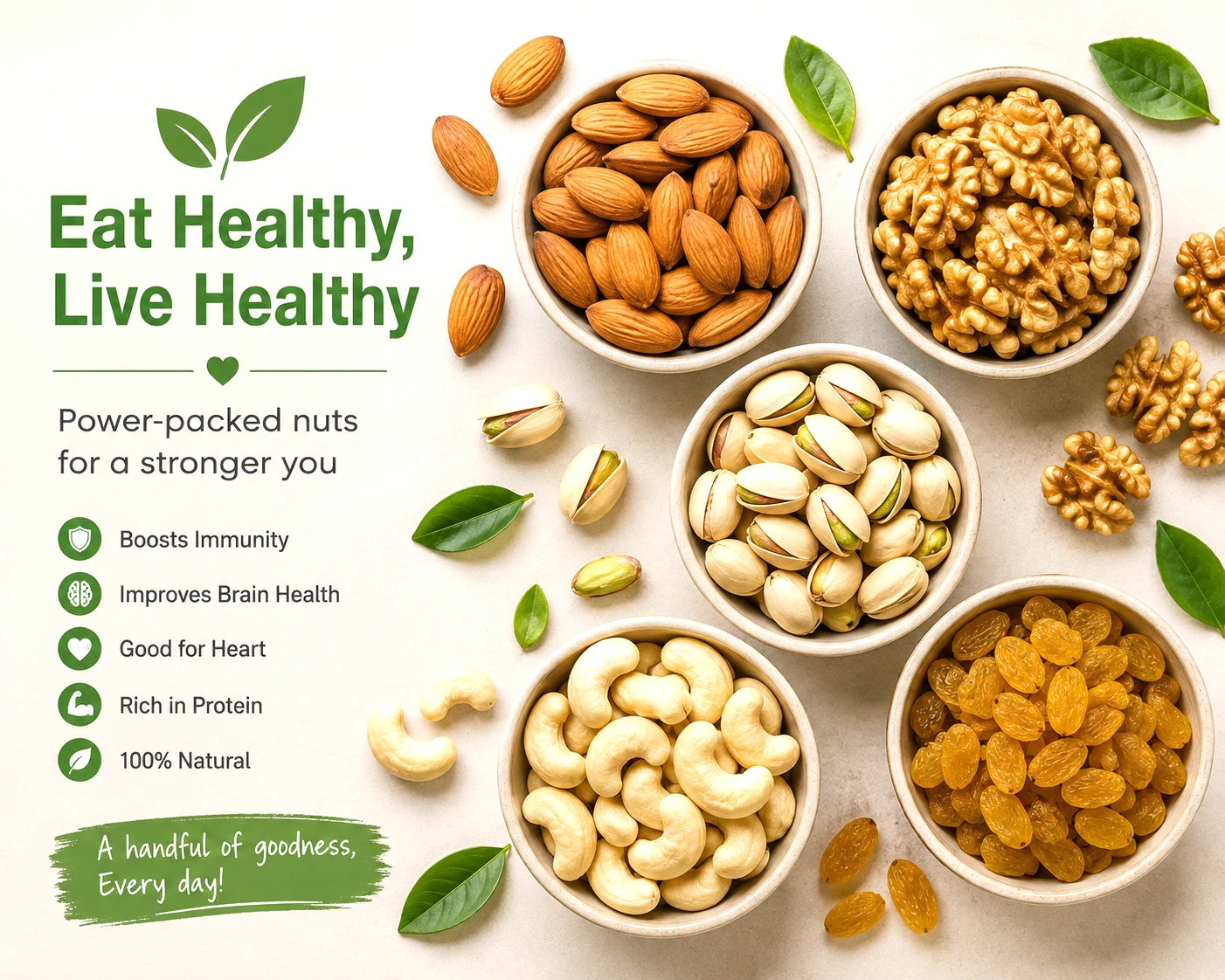
Almonds, walnuts, pistachios, cashews and raisins all provide different nutrients. Here’s what each one contains, how much to eat, whether soaking is necessary, the best ways to include them in your diet, and what to watch out for.
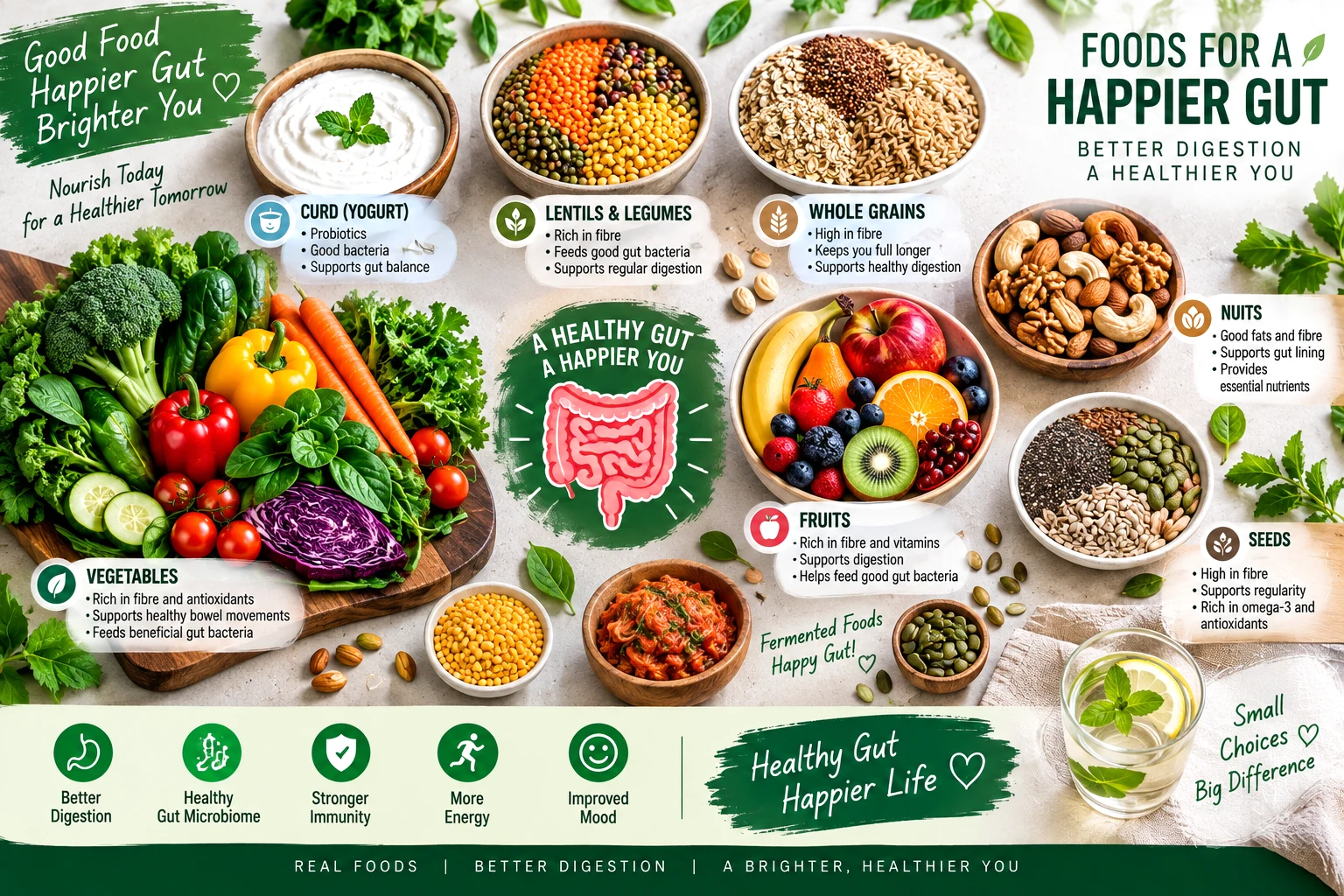
Good digestion is about more than probiotics. Learn how fibre-rich foods, curd, whole grains, fruits, vegetables and adequate fluids can support a healthy digestive system.
No food can instantly “boost” immunity, but adequate protein, vitamins A, C, D and E, zinc, selenium and other nutrients help normal immune function. Here are practical foods to include.
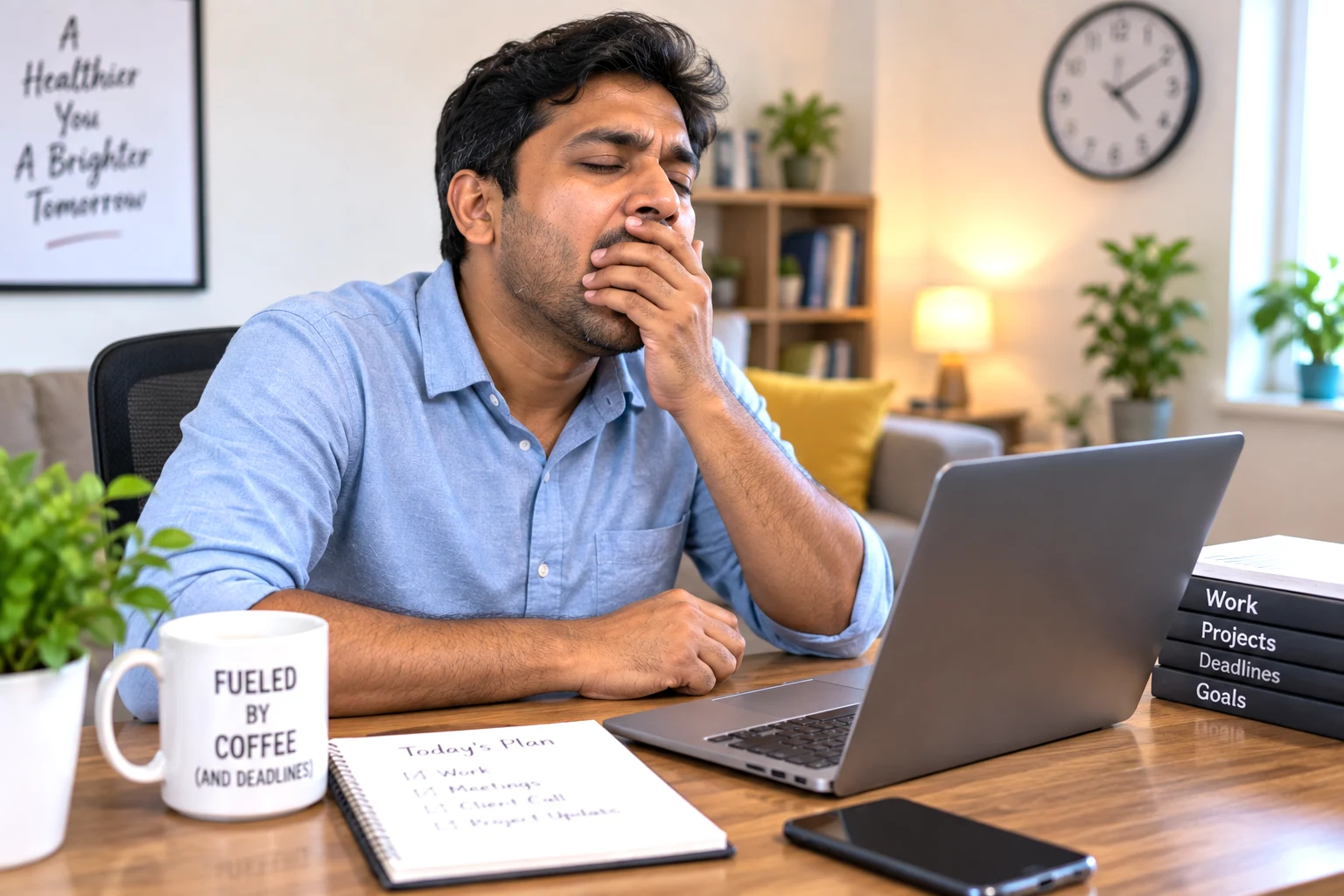
Always feeling tired even after sleeping? Learn common causes of constant fatigue, including poor sleep, anaemia, thyroid problems, diabetes, vitamin deficiencies and sleep apnoea, plus when to get tested or see a doctor.










0 Comments