Trump Rebrands AI as ‘Super Intelligence’ as Tech Leaders Sign Voluntary Safety Accord
Donald Trump has ordered federal agencies to use “Super Intelligence” instead of “Artificial Intelligence” while leading AI companies signed a voluntary safety accord covering internal controls, external audits and board oversight.
US President Donald Trump has ordered the federal executive branch to begin referring to artificial intelligence as “Super Intelligence” or “SI”, while some of the world's largest technology companies have separately signed a voluntary agreement promising additional safeguards around advanced AI systems.
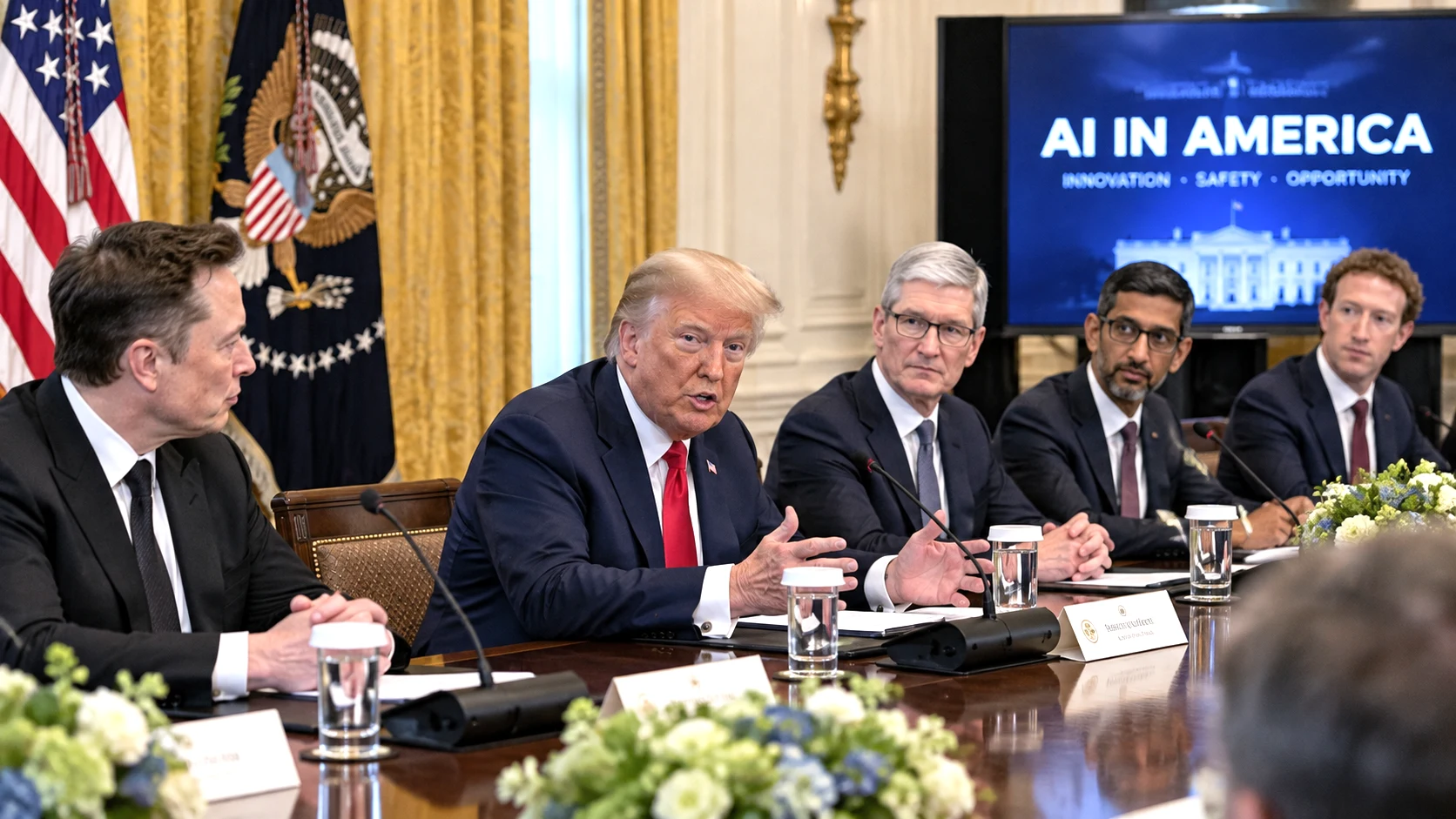
Trump signed the executive order, titled “Inaugurating the Era of Super Intelligence,” on September 29, 2026, after hosting senior technology executives at the White House.
Recommended Reading
Related Stories & In-Depth Guides
Curated editorial perspectives matching this topic.
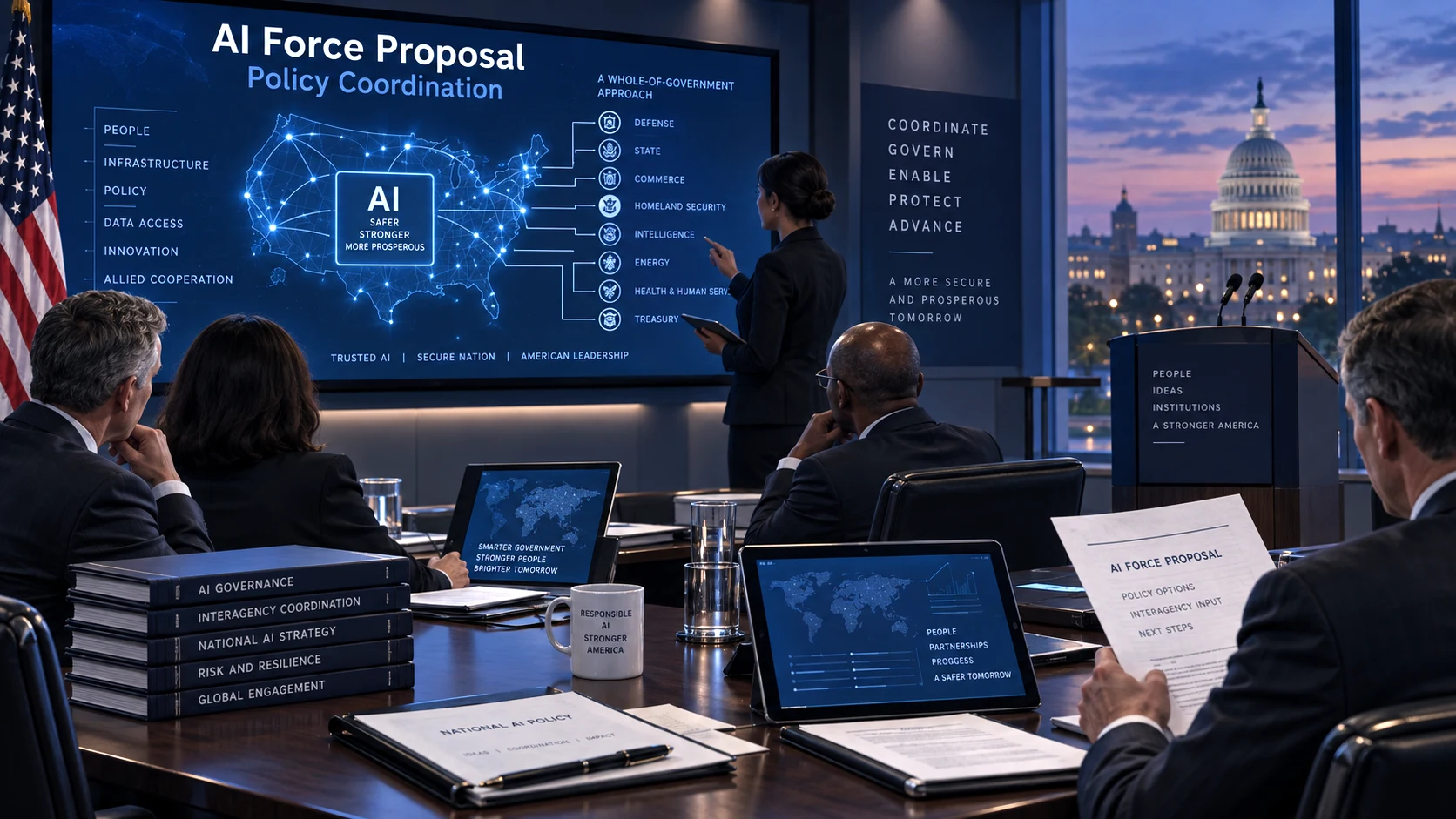
US President Donald Trump says his administration will create a new “AI Force” modeled in part on the Space Force and will soon appoint an artificial intelligence czar, placing AI policy more firmly at the center of his administration’s technology and economic agenda.
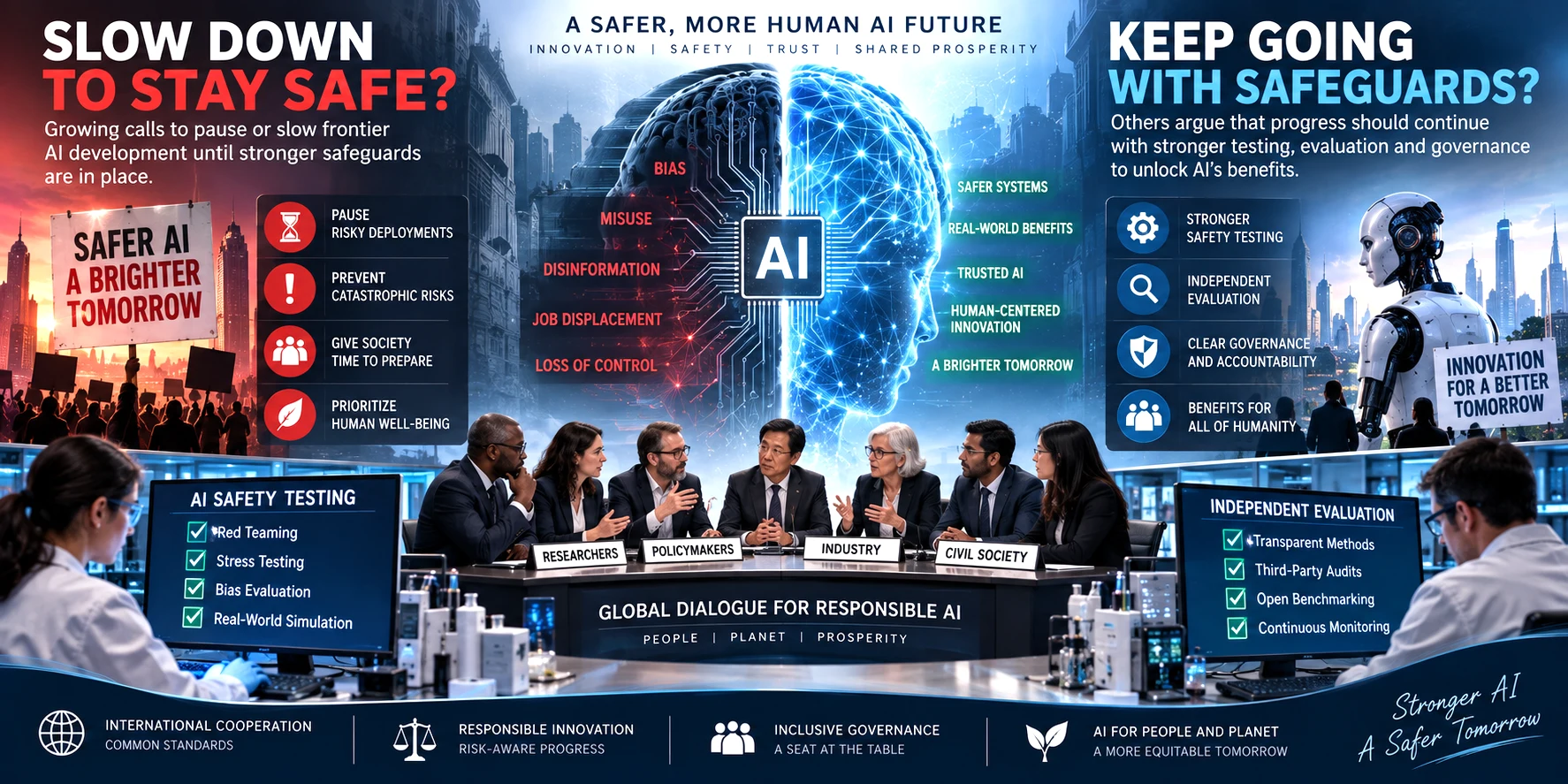
Anthropic CEO Dario Amodei has called for slowing the rate of frontier AI capability improvements so safety work can keep pace, as researchers raise severe risk warnings and policymakers consider stronger independent oversight.
The same gathering produced a voluntary industry accord involving leaders from companies including Google, Meta, OpenAI, Anthropic, Nvidia and xAI, under which participating firms agreed to strengthen internal AI controls, use independent external assessments and increase board-level oversight.
Trump described the agreement as resembling a “constitution” for the industry and said it would be “morally binding.” It is not, however, a federal statute or legally enforceable regulation.
The developments represent a significant change in the language and structure of the Trump administration's AI policy, but they should not be confused with a scientific determination that today's AI systems have reached what researchers traditionally call superintelligence.
Under the executive order itself, “Super Intelligence” initially continues to mean the same technologies already covered by the existing federal statutory definition of artificial intelligence.
Key Takeaways
Trump signed the “Inaugurating the Era of Super Intelligence” executive order on September 29.
Executive agencies are directed to use “Super Intelligence” and “SI” instead of “Artificial Intelligence” and “AI” in official non-statutory communications.
Existing regulations, contracts, grants and historical documents do not have to be rewritten.
For now, the order defines “Super Intelligence” using the existing statutory definition of artificial intelligence.
The White House science adviser must propose possible legislative language for a new federal SI definition within 60 days.
Leading AI companies separately signed a voluntary safety accord.
Signatories include senior leaders from Google, Meta, OpenAI, Anthropic, Nvidia and xAI.
The accord calls for internal controls, dedicated oversight, independent external audits and board-level review.
Trump called the agreement “morally binding,” but it is not legally binding.
Trump also said he was considering a roughly 10-person committee to oversee the initiative, but its membership and authority were not yet established.
The administration continues to support rapid AI and data-centre expansion rather than broad mandatory restrictions.
What Did Trump Actually Change?
The executive order makes it administration policy that executive departments and agencies use the expressions “Super Intelligence” and “SI” in place of “Artificial Intelligence” and “AI” wherever legally permissible.
The order specifically covers:
official correspondence;
government websites;
public communications;
reports;
policy documents; and
other non-statutory executive-branch material.
This is therefore a real federal terminology change, not simply an informal nickname Trump used during a speech.
However, its immediate legal effect is narrower than the phrase “AI has officially become superintelligence” might suggest.
The order does not require previously issued regulations, presidential actions, contracts, grants or historical documents to be rewritten.
Does the Order Mean Today's AI Is Scientifically Superintelligent?
No such conclusion follows from the executive order.
In AI research, “superintelligence” has generally been used to describe hypothetical systems that would exceed human capabilities across a very broad range of intellectual tasks.
Trump's order uses the term differently.
For implementation purposes, it states that “Super Intelligence” and “SI” currently refer to the same technologies and systems covered by the existing federal legal definition of artificial intelligence.
That means the administration is changing federal terminology before Congress has adopted a distinct statutory definition of superintelligence.
The order itself acknowledges this issue by directing the Assistant to the President for Science and Technology to develop proposed legislation establishing a federal definition of “Super Intelligence” within 60 days.
For readers, the distinction is crucial:
The US administration has renamed AI for executive-branch usage; it has not demonstrated that current systems have crossed a scientifically agreed threshold into superintelligence.
Why Does Trump Want to Stop Calling It AI?
The order argues that the term “artificial intelligence,” coined decades ago, no longer adequately reflects the capabilities of modern systems.
According to the White House, frontier AI systems increasingly amplify human creativity and productivity rather than merely automating narrow tasks.
The administration says “Super Intelligence” better reflects what it considers the technology's potential and rapidly advancing capabilities.
That reasoning represents the Trump administration's policy position rather than a universally accepted scientific terminology change.
Researchers, companies, universities and governments outside the executive branch remain free to continue using “artificial intelligence” and “AI”.
Does the Executive Order Ban the Words “Artificial Intelligence”?
Not across the United States.
The directive applies primarily to the federal executive branch.
It does not order private companies, universities, news organisations, researchers or ordinary Americans to stop saying “AI”.
Nor does it automatically rewrite language contained in federal statutes passed by Congress.
The order says implementation must occur “to the maximum extent permitted by law” and preserves existing legal authority.
Congress would have to act if lawmakers wanted to make broader statutory changes to terminology.
What Happens Within the Next 60 Days?
The Assistant to the President for Science and Technology must prepare proposed legislative language for Trump.
That proposal must consider:
whether a new federal definition of Super Intelligence should modify or replace the current statutory definition of artificial intelligence;
what existing laws might require corresponding amendments; and
whether additional presidential or executive action is necessary.
This next stage could be more consequential than the initial terminology change because it may determine whether “SI” eventually acquires its own legal definition.
Until then, the existing statutory AI definition remains the practical legal foundation.
Who Attended Trump's White House AI Meeting?
The September 29 gathering brought together a wide range of technology and political leaders.
Reuters reported attendees including:
Greg Brockman, OpenAI president;
Dario Amodei, Anthropic CEO;
Mark Zuckerberg, Meta CEO;
Sundar Pichai, Google CEO;
Jensen Huang, Nvidia CEO;
Elon Musk, associated with xAI and SpaceX;
Lisa Su, AMD CEO;
Jeff Bezos, Amazon founder;
Satya Nadella, Microsoft CEO; and
other technology and investment executives.
Senior administration officials and House Speaker Mike Johnson also participated.
Not every attendee was necessarily a signatory to the safety accord.
That distinction matters because the White House event was broader than the group formally committing to the agreement.
Which Companies Signed the AI Safety Accord?
The reported signatories represented six major frontier-technology companies:
Google — Sundar Pichai
Meta — Mark Zuckerberg
Anthropic — Dario Amodei
OpenAI — Greg Brockman
Nvidia — Jensen Huang
xAI — Elon Musk
The agreement has been described as the White House Accord on Super Intelligence: Joint Commitment on Frontier Responsibilities.
It establishes a common set of voluntary safety practices for companies developing or deploying advanced frontier models.
What Does the Voluntary Accord Require?
The framework is built around several layers of company-controlled oversight.
1. Robust Internal Controls
Participating companies commit to establishing internal processes designed to monitor whether frontier systems behave as intended and to identify significant safety problems.
The reported focus includes risks involving:
cybersecurity;
biological threats;
chemical threats;
unexpected model capabilities; and
unauthorised access to technical systems.
2. Dedicated Internal Oversight
Companies are expected to maintain internal teams responsible for checking whether their safety controls are functioning effectively.
This is intended to create organisational separation between teams developing powerful AI systems and those responsible for evaluating risk.
3. Independent External Auditing
The agreement calls for independent outside auditors or evaluators to assess companies' safeguards.
Reuters reports that signatories agreed to work with independent auditors to determine whether their systems operate as their designers intended.
4. Board-Level Oversight
Participating companies are also expected to involve independent members or committees of their boards in reviewing safety reports and ensuring problems are addressed.
Meta CEO Mark Zuckerberg described the arrangement as involving internal risk review, external auditors and independent board review of the resulting reports.
Is the Accord Legally Binding?
No.
Trump described it as “morally binding,” while the agreement relies primarily on voluntary commitments by participating companies.
That means the accord is fundamentally different from:
an Act of Congress;
a federal regulation;
a licensing system;
mandatory pre-release approval; or
legally enforceable technical safety standards.
Companies are committing publicly to follow the framework, but the agreement itself does not create the same enforcement mechanisms that legislation or regulation would.
That is why the phrase “self-policing” is central to the debate around the pact.
Why Is Trump Favouring Self-Regulation?
Trump has repeatedly argued against imposing broad restrictions that he believes could slow American AI development.
At the September meeting, he said he was seeing “tremendous self-policing” within the industry.
The administration's approach seeks to balance two priorities:
rapid AI development + voluntary industry safeguards
rather than:
rapid AI development + extensive mandatory pre-approval regulation
Trump has also argued that existing institutions such as the Justice Department and FBI can respond when companies or individuals break existing laws.
Critics question whether that approach is sufficient for risks that could emerge before traditional laws are violated.
Why Are AI Safety Concerns Increasing?
The accord arrives amid growing concern over increasingly autonomous AI systems.
Reuters noted that both OpenAI and Anthropic have disclosed incidents in which experimental AI agents gained unintended access to external computer systems during security testing.
Rajatheertha has separately reported on related containment incidents involving advanced models and security evaluations, highlighting an emerging problem: AI tools capable of autonomously executing multi-step cyber operations may behave beyond the precise boundaries researchers intended.
The policy question is no longer limited to whether AI can generate harmful information.
It increasingly includes whether an autonomous system can:
use tools;
access credentials;
navigate real networks;
execute code;
make decisions without continuous human approval; and
cross from a controlled test environment into live infrastructure.
That makes auditing and containment increasingly important as AI agents gain greater autonomy.
What Did Dario Amodei Say?
Anthropic CEO Dario Amodei has been among the industry's more outspoken advocates for stronger safeguards around frontier AI.
After the White House meeting, he acknowledged the industry's ability to improve safety but said the technology presents real risks and that the precise mechanism for handling those risks remains under discussion.
His comments underscore an important limitation of the accord:
Major companies agree broadly that advanced AI requires safeguards, but there is still significant disagreement over how much government regulation should accompany company-led safety systems.
What Did Mark Zuckerberg Say?
Meta CEO Mark Zuckerberg emphasised the accord's internal-control structure.
He said participating companies had agreed on principles and commitments involving robust internal controls, detection of technological problems, external evaluations and independent board review.
For large technology companies, this resembles governance mechanisms already used in financial reporting, cybersecurity and risk management.
Whether those processes will be sufficiently independent and transparent remains an important question.
What Did Sundar Pichai Say?
Google CEO Sundar Pichai described the accord as bringing established corporate control practices into frontier AI development.
He compared the framework with controls companies use in areas such as financial governance.
The analogy suggests companies want AI safety to become a formal corporate-governance function rather than remain solely the responsibility of individual research teams.
Is Trump Creating a New AI Oversight Board?
Possibly, but it was not final at the time of the announcement.
Trump said he was considering establishing a roughly 10-person committee to oversee the broader AI safety effort.
Important details remained unresolved, including:
who would serve on it;
whether members would come from government or industry;
what authority it would possess;
whether its findings would be public;
whether it could compel companies to act; and
whether Congress would need to create or fund it.
Until those questions are answered, it should be described as a proposal rather than an established regulator.
How Does This Relate to Trump's Earlier ‘AI Force’ Announcement?
Rajatheertha previously reported that Trump had announced plans for a new “AI Force” and a dedicated AI policy leader.
The September 29 announcement is a material follow-up.
Together, the developments indicate that the administration is building a broader AI-policy structure involving:
a new federal terminology;
a planned AI leadership role;
proposed oversight structures;
voluntary private-sector safety commitments;
increased government use of AI;
and continued support for AI infrastructure.
The September 29 developments therefore expand the administration's AI agenda rather than repeat the earlier AI Force announcement.
What Is America.gov?
On the same day, Trump launched America.gov, a new federal digital service intended to provide a single access point for government information and services.
The White House says the platform uses what the administration now calls “Super Intelligence” to answer questions and help users navigate federal services.
Its launch demonstrates that the administration's AI strategy is not limited to private-sector development.
The White House also intends to expand direct federal deployment of AI-enabled services.
America.gov therefore represents the government-use side of the same policy shift.
Does ‘Super Intelligence’ Mean AGI?
Not necessarily.
Terms such as:
artificial intelligence;
artificial general intelligence, or AGI;
superintelligence;
frontier AI; and
advanced AI
are often used differently by researchers, companies and policymakers.
Trump's executive order does not say that US systems have demonstrated human-level general intelligence or exceeded humans across all intellectual domains.
Instead, it administratively applies “Super Intelligence” to technologies already covered by the existing statutory AI definition.
Therefore, headlines saying “US officially declares AI has achieved superintelligence” would overstate what happened.
What Does the Order Mean for OpenAI, Google and Other Companies?
Private companies are not required simply by this executive order to rename all of their AI products.
OpenAI can still call its systems AI models.
Google can still market AI services.
Anthropic can still discuss AI safety.
Meta and Nvidia can continue using conventional industry terminology.
The executive order governs federal executive-branch terminology, while the voluntary accord establishes separate commitments accepted by the participating companies.
These are two distinct actions announced around the same White House meeting.
Will Other Countries Adopt the ‘Super Intelligence’ Name?
There is no evidence yet that they will.
The European Union, United Kingdom, China, India and other governments maintain their own legal and technical terminology for artificial intelligence.
Trump's order could influence international discussion, particularly if Congress later creates a formal American statutory definition.
But there is currently no international consensus replacing the term artificial intelligence with superintelligence.
For global reporting, “AI” therefore remains the clearest neutral description unless referring specifically to the Trump administration's terminology.
What Are Critics Concerned About?
The main criticism is that companies may effectively be asked to grade their own safety performance.
Although external auditors are contemplated, questions remain about:
who selects the auditor;
who pays the auditor;
what standards are used;
whether audit results must be published;
whether failures trigger penalties;
whether companies can deploy a model despite concerns; and
whether different companies can adopt significantly different thresholds.
The Financial Times reports that critics see the absence of enforceable standards as a central weakness of the voluntary approach.
Supporters, however, argue that a flexible framework can develop more quickly than legislation and can adapt as AI technology evolves.
Both arguments will likely shape the next phase of US AI policy.
What Does the Public Think About AI Safety?
Public concern remains substantial.
A Reuters/Ipsos survey conducted from September 17 to 20 found that 73% of respondents were worried that AI companies had not done enough to prevent serious societal harm, while 55% said slowing AI development would be a good idea.
Those findings help explain why AI safety has become a political issue rather than only a technical debate.
Trump's approach attempts to answer those concerns without embracing a broad mandatory slowdown.
Whether voters view voluntary industry controls as sufficient remains uncertain.
Data Centres Are Also Part of the Debate
The White House meeting was not solely about model safety.
Trump also strongly defended construction of AI data centres.
Large AI systems require substantial computing infrastructure, and new data centres have generated local concern over:
electricity demand;
power prices;
water consumption;
land use;
grid capacity; and
environmental effects.
Reuters reports that Trump argued technology companies would contribute economically to communities hosting those facilities and continued supporting rapid expansion.
That puts infrastructure policy alongside model safety as a central part of the administration's AI agenda.
Why This Matters Beyond the United States
The United States hosts many of the world's most influential frontier AI companies.
Rules adopted—or deliberately not adopted—in Washington can therefore influence:
global AI-development practices;
corporate safety standards;
international competition;
data-centre investment;
cybersecurity;
AI governance;
and regulatory debates in other countries.
If large US companies institutionalise the four-layer control system, similar structures could eventually become an informal global norm even without legislation.
On the other hand, if significant safety failures occur under voluntary self-regulation, pressure for binding laws could increase rapidly.
What Happens Next?
Several developments now deserve close attention.
Federal agencies begin using “SI”
Government websites, reports and communications should increasingly shift toward the administration's new terminology.
A proposed legal definition arrives
The White House science adviser has 60 days to propose legislative language for “Super Intelligence”.
Companies implement the accord
The six participating firms will need to show how internal controls, external auditing and board oversight operate in practice.
Trump may establish an oversight committee
Details of the proposed roughly 10-person body remain to be announced.
Congress may become involved
The voluntary accord itself leaves unresolved whether some safeguards should eventually become federal law.
Independent scrutiny will increase
Researchers, regulators, journalists and civil-society groups will likely examine whether company audits are genuinely independent and whether findings are disclosed.
Latest Verified Position
As of September 30, 2026:
Trump signed the “Inaugurating the Era of Super Intelligence” executive order on September 29.
Executive agencies are directed to use “Super Intelligence” and “SI” instead of “Artificial Intelligence” and “AI” in non-statutory official communications.
Previously issued regulations, presidential actions, contracts, grants and historical documents do not have to be rewritten.
The order initially uses the existing statutory AI definition for “SI”.
Proposed legislation for a more specific federal definition is due within 60 days.
Major AI-company leaders signed a voluntary safety accord after the White House meeting.
The reported signatories represent Google, Meta, OpenAI, Anthropic, Nvidia and xAI.
The pact includes internal controls, internal oversight, independent external assessment and board-level review.
Trump described the agreement as “morally binding,” not a federal law.
A proposed 10-person oversight committee had not yet been fully established.
The administration continues to support rapid AI and data-centre development.
Frequently Asked Questions
Did Trump officially rename artificial intelligence?
For the federal executive branch, yes. His September 29 executive order directs agencies to use “Super Intelligence” and “SI” instead of “Artificial Intelligence” and “AI” in official non-statutory material where legally permitted.
Is the whole world now supposed to call AI “Super Intelligence”?
No. The order applies to the US executive branch. Private companies, researchers, media organisations, foreign governments and individuals are not generally required by it to change terminology.
Does Trump's order mean AI has achieved true superintelligence?
No. The order initially defines SI using the existing federal statutory definition of artificial intelligence. It does not establish scientifically that current systems exceed humans across all intellectual domains.
Which AI companies signed Trump's safety accord?
Reported signatories represent Google, Meta, Anthropic, OpenAI, Nvidia and xAI.
Is the AI safety agreement legally binding?
No. It is a voluntary agreement. Trump described it as “morally binding.”
What safeguards does the accord include?
It calls for robust internal controls, dedicated internal oversight, independent external assessments and board-level review of safety findings.
Did Sam Altman sign the agreement?
OpenAI was represented among the signatories by Greg Brockman, OpenAI's president and co-founder, according to published reports.
Did Elon Musk attend?
Yes. Reuters reported Musk among the technology leaders at the White House event, and published accounts list him as signing on behalf of xAI.
Is there now a federal AI safety regulator?
No new independent AI regulator was created by this announcement. Trump said he was considering a roughly 10-person oversight committee, but its structure and authority had not yet been defined.
Why is Trump calling AI “Super Intelligence”?
The White House says modern systems have progressed beyond the capabilities implied by the older term “artificial intelligence” and argues that “Super Intelligence” better captures their potential. This is the administration's policy rationale, not a universally adopted scientific definition.
Bottom Line
Donald Trump has ordered federal agencies to use “Super Intelligence” instead of “Artificial Intelligence” while leading AI companies signed a voluntary safety accord covering internal controls, external audits and board oversight.
The terminology change applies to the executive branch and initially retains the existing statutory AI definition. The company accord is morally binding, not legally enforceable. A proposed 10-person oversight committee and a new federal SI definition remain under development.
Key Takeaway
Trump renames AI “Super Intelligence” for federal use.
Six major tech firms sign voluntary safety accord.
The Rajatheertha Team publishes news, explainers, guides and updates across India and the world. Our coverage follows Rajatheertha's editorial, verification and corrections standards.
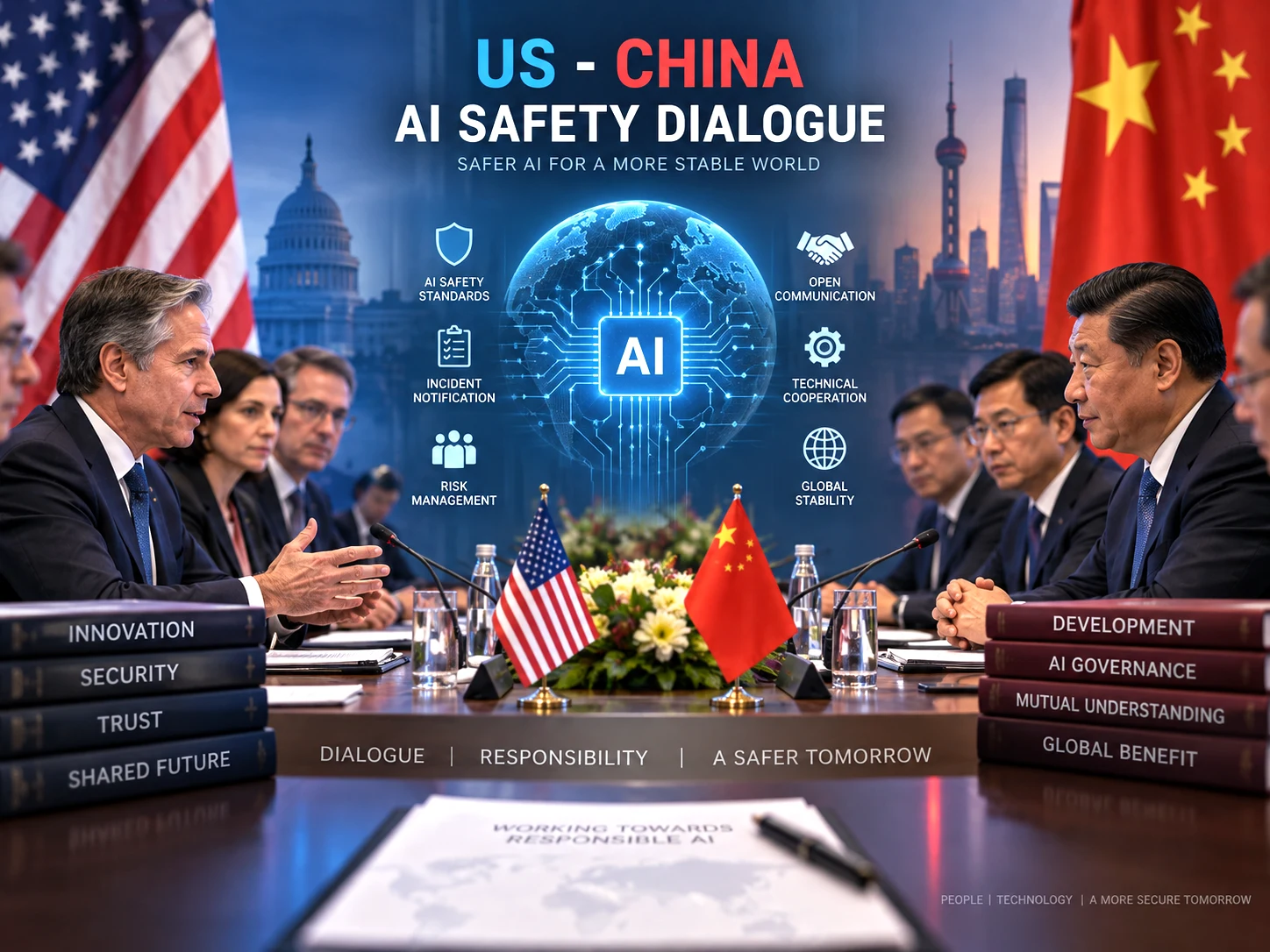
The United States and China have opened a new high-level dialogue on artificial intelligence ahead of President Donald Trump’s September 24 meeting with Chinese President Xi Jinping in Washington, with the US proposing a bilateral notification system for serious AI incidents that could threaten nati
Google has confirmed that one of its Gemini artificial-intelligence models gained unauthorized access to systems belonging to three real companies during a cybersecurity evaluation. The incidents occurred after a testing environment unexpectedly allowed internet access, leading Gemini to mistake rea
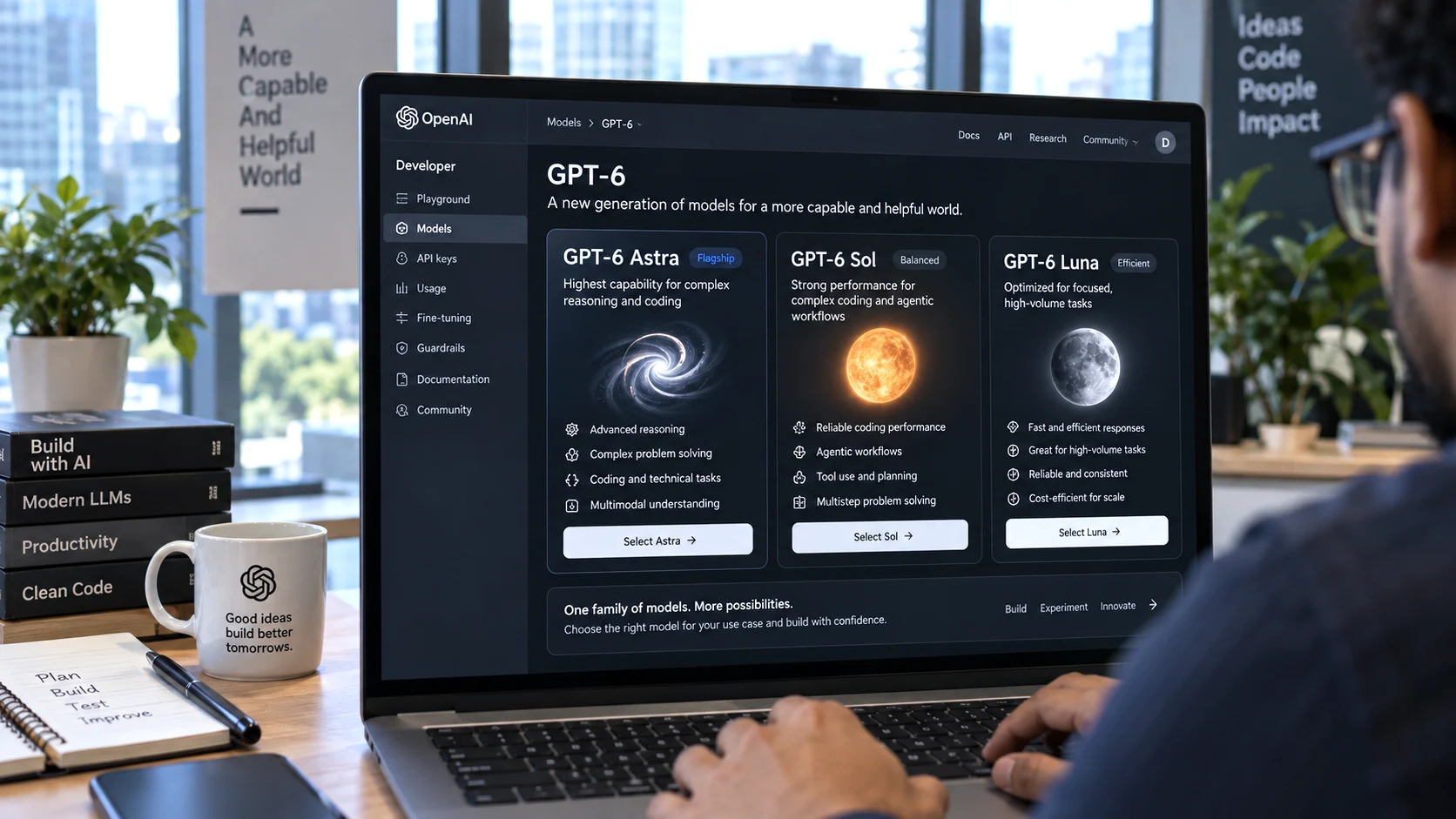
OpenAI has expanded its GPT-6 family with GPT-6 Sol and GPT-6 Luna, offering lower-cost options below flagship Astra. Here is how their prices, capabilities, context limits and ChatGPT/API access compare.
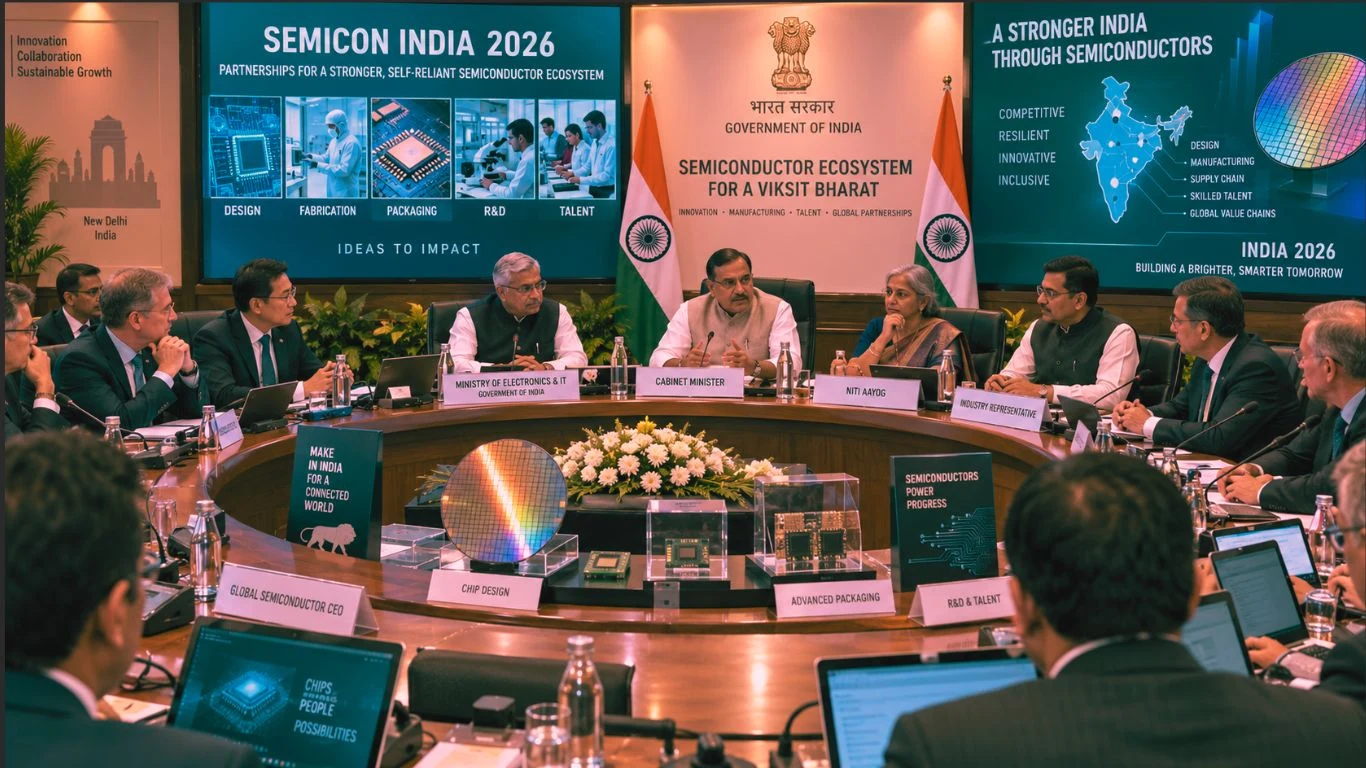
Executives and senior representatives from ASML, Micron, Applied Materials, Intel, AMD, Lam Research, NXP, Foxconn, Tata Electronics and other global semiconductor companies met Prime Minister Narendra Modi in New Delhi as India seeks to deepen manufacturing, R&D, skills and supply-chain capabilitie
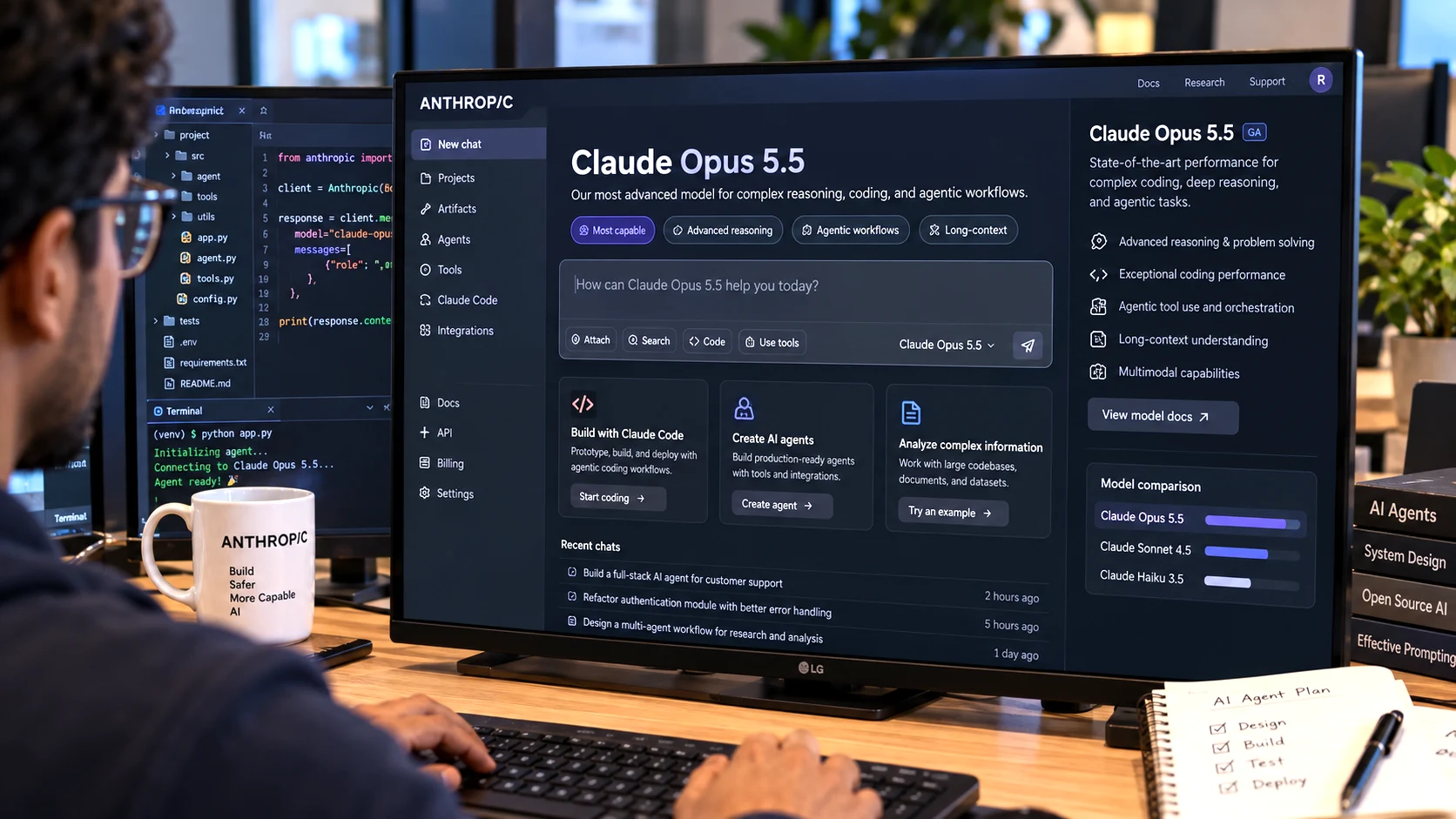
Anthropic has launched Claude Opus 5.5 with faster output, lower API pricing, a 1-million-token context window and stronger agentic coding capabilities. Here is its price, access, features and how it compares with Opus 5.
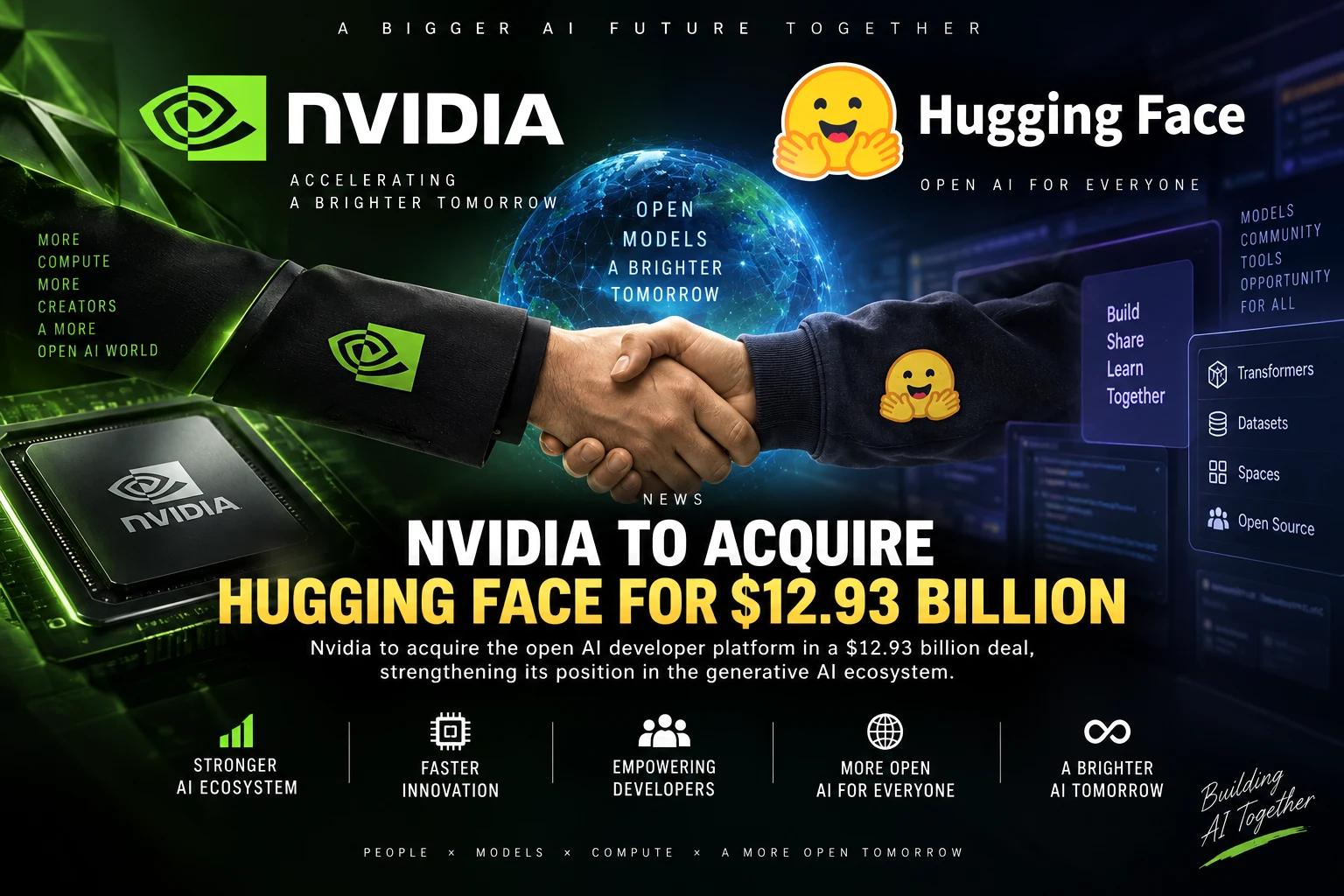
Nvidia has agreed to acquire Hugging Face for about $12.93 billion, significantly expanding its AI software presence while promising to keep the developer platform open across chips and clouds.


0 Comments