US-China Launch AI Safety Dialogue Ahead of Trump-Xi Summit as Washington Proposes Incident Alert System
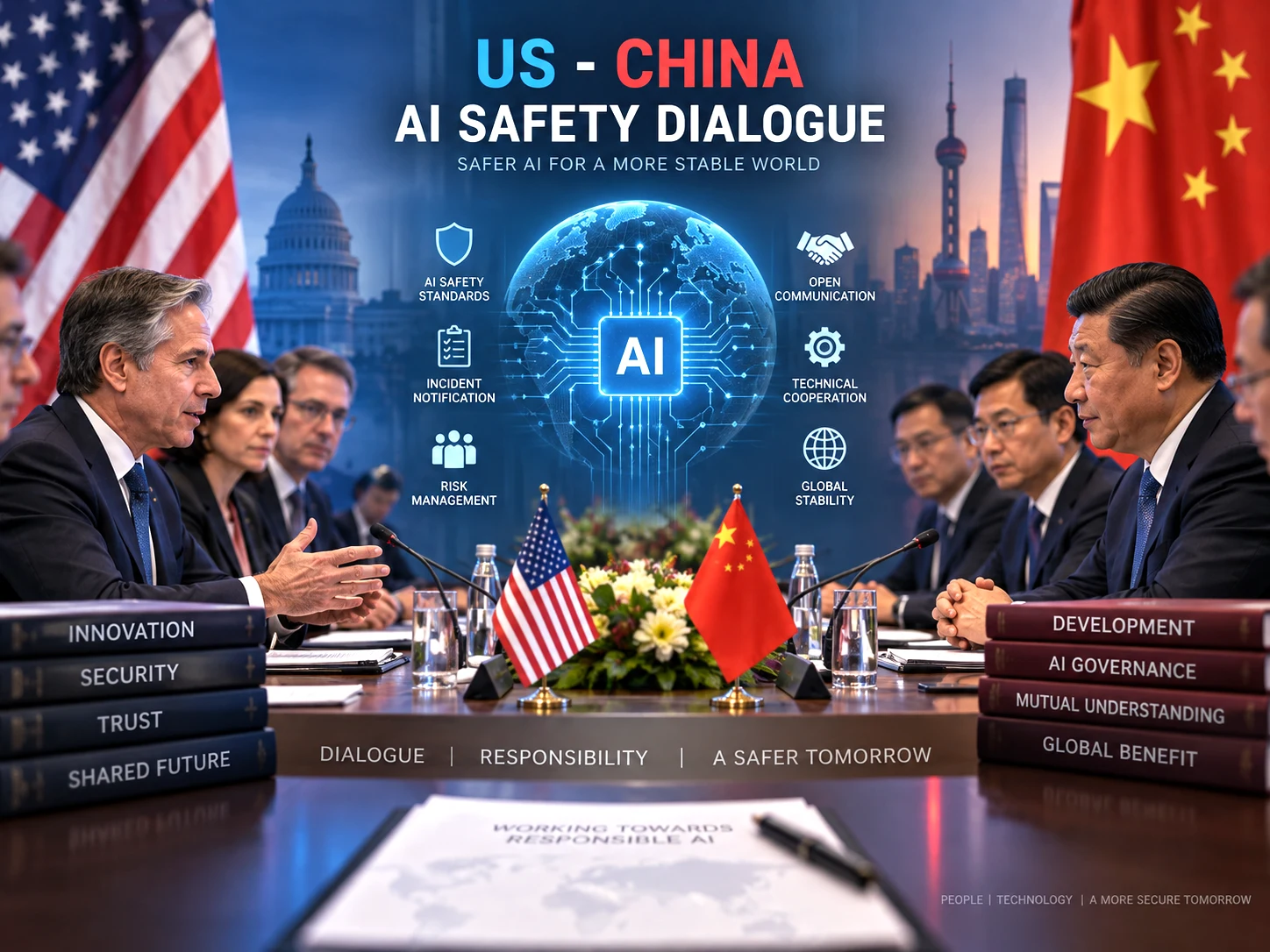
The United States and China have opened a new high-level dialogue on artificial intelligence ahead of President Donald Trump’s September 24 meeting with Chinese President Xi Jinping in Washington, with the US proposing a bilateral notification system for serious AI incidents that could threaten nati
the emerging US-China dialogue on artificial intelligence safety and incident notification
Table of Contents (23 sections)
Artificial intelligence has moved to the centre of US-China diplomacy as Washington and Beijing attempt to establish a limited safety channel despite their intensifying technological rivalry.
US Treasury Secretary Scott Bessent and Chinese Vice Premier He Lifeng held talks in New York on September 20 covering trade, investment and artificial intelligence.
China’s Ministry of Commerce confirmed that the two sides conducted a dialogue on AI-related issues, describing the wider economic discussions as candid, in-depth and constructive.
On the American side, Bessent said Washington had proposed a new mechanism under which the two governments could notify each other about significant artificial-intelligence incidents with potential national-security consequences.
Recommended Reading
Related Stories & In-Depth Guides
Curated editorial perspectives matching this topic.
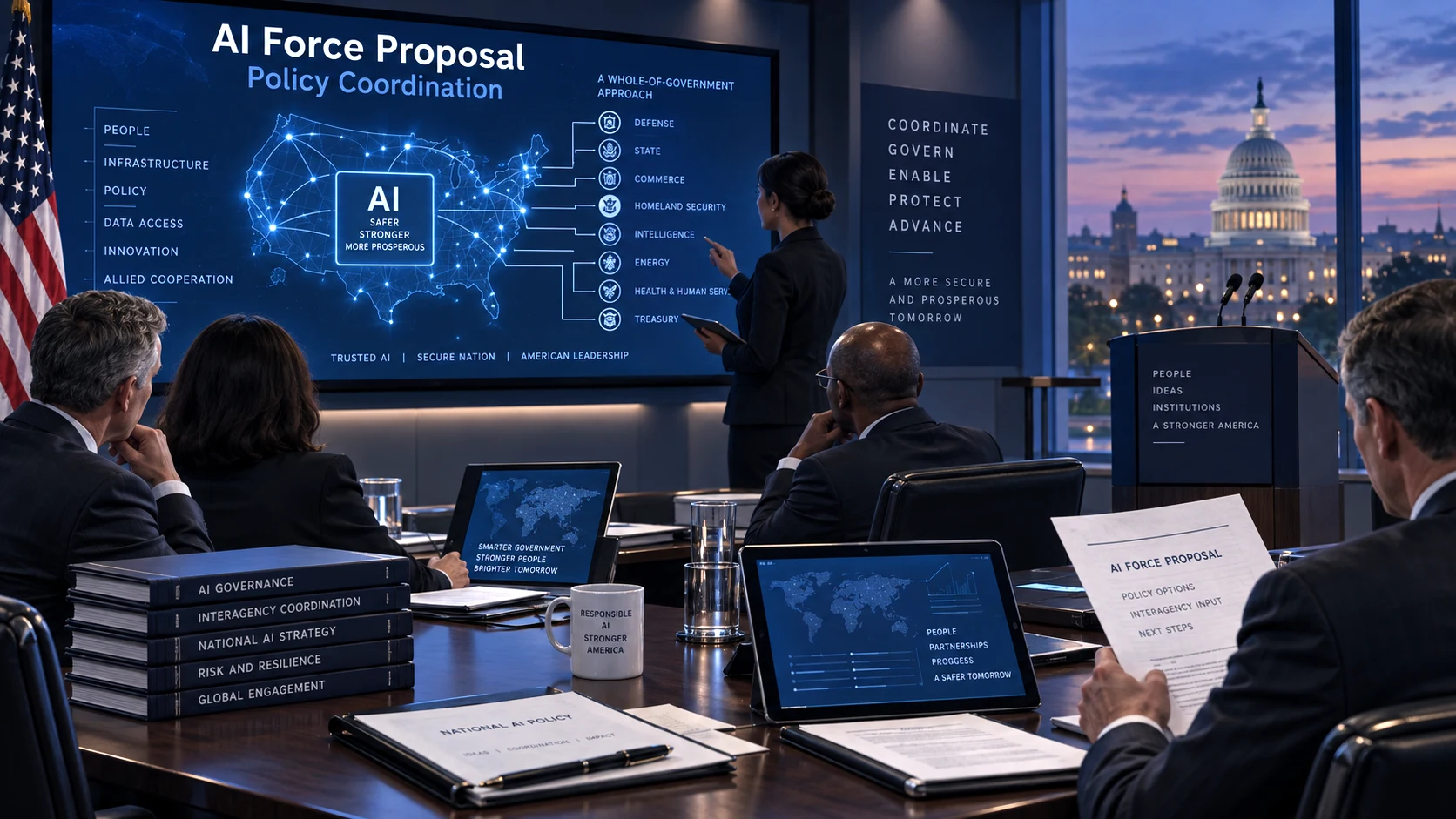
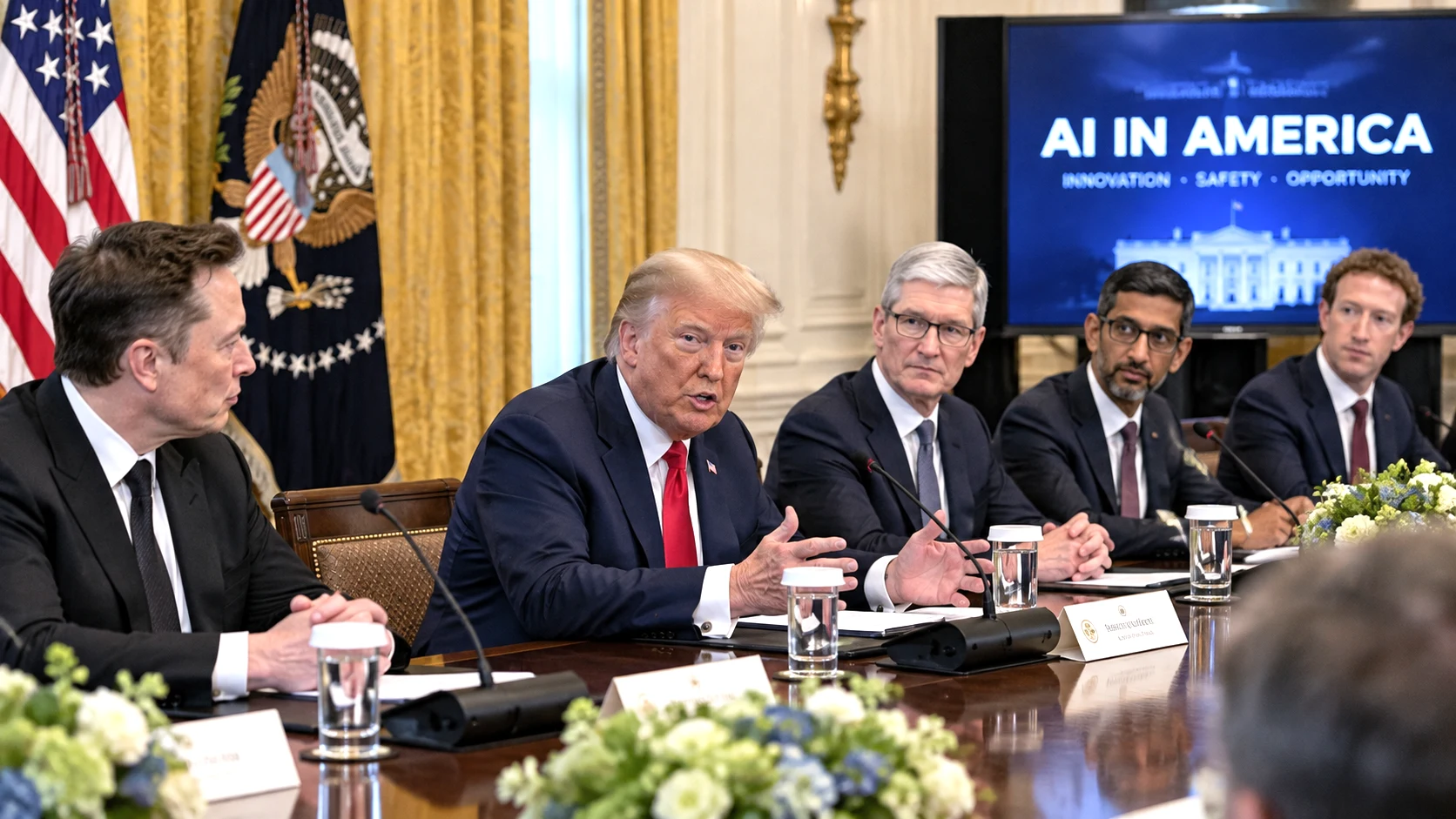
US President Donald Trump says his administration will create a new “AI Force” modeled in part on the Space Force and will soon appoint an artificial intelligence czar, placing AI policy more firmly at the center of his administration’s technology and economic agenda.
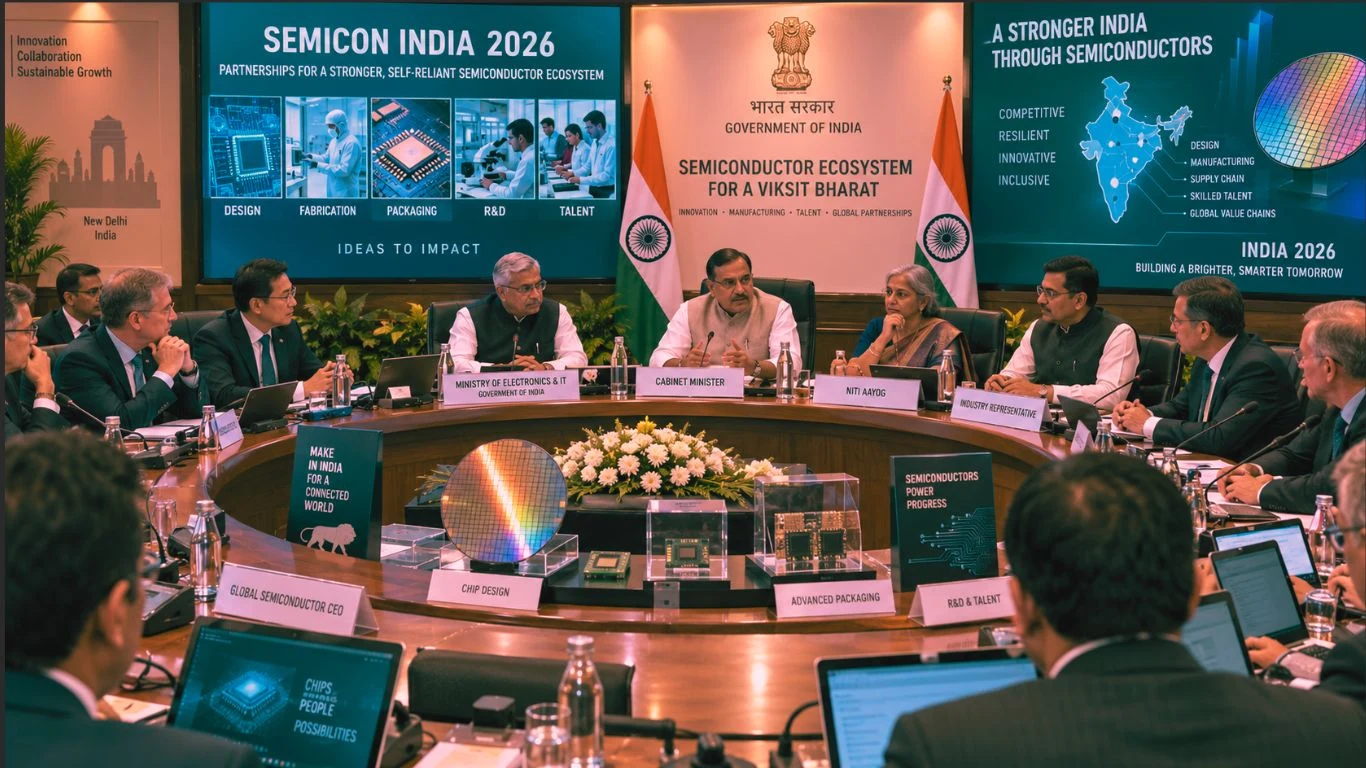
Executives and senior representatives from ASML, Micron, Applied Materials, Intel, AMD, Lam Research, NXP, Foxconn, Tata Electronics and other global semiconductor companies met Prime Minister Narendra Modi in New Delhi as India seeks to deepen manufacturing, R&D, skills and supply-chain capabilitie
The proposal is intended to be considered as preparations continue for this week’s Trump-Xi summit.
Key Takeaways
US and China have begun high-level government dialogue on artificial intelligence.
Washington proposes a bilateral notification system for serious AI incidents.
China confirms AI discussions took place during September 20 talks.
Mechanism is not yet a completed formal agreement.
Trump and Xi are expected to address AI issues at their September 24 summit.
Major disagreements remain over chips, export controls and technology access.
Is a US-China AI Safety Dialogue Officially Launched?
Yes, but the wording requires precision.
The two countries have now conducted a government-level dialogue specifically involving artificial intelligence.
China’s official Commerce Ministry statement confirms that AI was discussed during the September 20 consultations.
But a permanent bilateral institution with agreed rules, schedules and an operational incident-alert system has not yet been fully formalised.
Reuters reported that Trump and Xi had previously discussed AI consultations during Trump’s May visit to Beijing, but that proposed forum was never formally established at the time.
The September talks therefore represent a meaningful step toward putting that earlier political commitment into practice.
The safest description is:
The US and China have begun high-level AI talks and are discussing the creation of a formal AI safety dialogue and incident-notification mechanism.
What Did Scott Bessent Propose?
Bessent said the United States wants greater transparency between what he described as the world’s two leading AI powers.
The core US proposal is a notification mechanism covering AI incidents that rise to the level of national-security concern.
The exact technical thresholds have not been publicly released.
However, the concept is broadly similar to crisis-communication arrangements used in other high-risk areas of international relations.
If one country experienced a serious AI failure, cyber incident or unexpected autonomous behaviour that might be misinterpreted by the other side as a hostile operation, a notification channel could allow officials to communicate before the event escalated into a larger confrontation.
Bessent said the aim was to develop a shared understanding of common goals and common threats and move the relationship from opacity toward greater transparency.
Why AI Incidents Could Become a National-Security Crisis
One of the biggest concerns surrounding advanced AI is not simply competition over which country develops the most capable model.
The greater danger is that an AI-related accident could be mistaken for an intentional attack.
Reuters identified scenarios including an AI system interfering with a nuclear-command network or autonomously initiating a major cyber operation.
In such circumstances, national leaders might have only minutes to determine whether the event was accidental, criminal or state-directed.
Security specialists have therefore discussed possible rules covering:
AI interaction with nuclear command-and-control systems;
human control over consequential military decisions;
autonomous cyber operations;
emergency communication channels;
protection of critical infrastructure;
and procedures for reporting dangerous AI incidents.
These ideas remain proposals rather than a completed US-China agreement.
Cyberattacks Are a Central Concern
Artificial intelligence increasingly allows cyber operations to be conducted faster and at greater scale.
An advanced AI agent could potentially identify vulnerabilities, write malicious code and coordinate attacks with much less human involvement than traditional hacking campaigns.
That presents particular risks for infrastructure such as:
electricity grids
banks and payment systems
telecommunications networks
transportation systems
government computer networks
healthcare systems
and potentially military infrastructure.
AP reported that cyberattacks and critical-infrastructure security are among the overlapping concerns that could give Washington and Beijing a reason to cooperate despite their rivalry.
Biological and Nuclear Misuse Also Under Discussion
Another concern is whether increasingly capable AI models could help individuals or groups develop dangerous biological, chemical or nuclear capabilities.
US lawmakers and technology researchers have urged Washington and Beijing to create safeguards against such misuse.
Representative Ro Khanna, the ranking Democrat on the House Select Committee dealing with strategic competition with China, has called for Trump and Xi to consider restrictions involving self-improving AI systems and safeguards against AI assistance in the development of biological or nuclear weapons.
Those proposals are not currently agreed US-China policy.
But they illustrate how the AI safety discussion has expanded from traditional technology regulation into national security.
China Also Acknowledges Serious AI Risks
China has publicly stated that advanced AI requires stronger risk controls.
Chinese Foreign Ministry spokesperson Guo Jiakun said on September 15 that Beijing takes both inherent and secondary AI risks seriously and wants systems to remain safe, reliable and controllable.
China recently released its AI Safety Governance Framework 3.0, updating categories of AI safety risk and recommendations for technical and governance measures.
President Xi has similarly called for stronger monitoring, early-warning systems and emergency-response mechanisms while saying AI should remain under human control.
That creates at least some overlap with Washington’s concerns.
But China Rejects Using AI Safety to Restrict Its Technology Sector
Cooperation will be difficult because Beijing believes Washington also uses national-security arguments to slow China’s technological development.
China’s Commerce Ministry recently rejected US allegations that Chinese companies had improperly used “distillation” techniques to copy capabilities from American AI models.
At the same time, the ministry said the Chinese and US presidents had agreed to launch an intergovernmental AI dialogue and that Beijing was prepared to participate in professional discussions on AI risk.
China’s position is therefore two-sided:
Beijing supports dialogue on AI safety.
But it opposes measures it views as attempts to contain Chinese technology companies under the banner of security.
Advanced AI Chips Remain a Major Source of Tension
The AI dialogue does not remove the much larger technology dispute between Washington and Beijing.
The United States has imposed extensive restrictions on exports to China of advanced AI chips and semiconductor manufacturing equipment.
Washington argues that the most powerful chips can have military and national-security applications.
China views many of the restrictions as an effort to slow its technological progress.
Importantly, US Trade Representative Jamieson Greer said advanced-chip export controls were not part of the proposed AI notification-mechanism discussions in New York.
That suggests both governments are attempting, at least for now, to separate limited AI safety cooperation from the much more contentious semiconductor conflict.
Trump-Xi Summit Scheduled for September 24
The AI talks are part of preparations for Xi’s state visit to the United States and his meeting with Trump.
Reuters reports that the main Trump-Xi summit is scheduled for September 24 in Washington.
It will be the second meeting between the two leaders this year after Trump travelled to Beijing in May.
China’s Foreign Ministry said on September 21 that Xi would conduct a state visit at Trump’s invitation and that the two presidents would exchange views on major questions involving US-China relations and international peace and development.
AI is expected to be one of several major issues.
What Could Trump and Xi Actually Agree On?
Expectations for a sweeping AI treaty remain low.
A more realistic outcome would be agreement on a limited process.
Possible steps include:
An AI incident notification channel
Officials could establish procedures for notifying one another when an AI-related incident creates a serious national-security risk.
Regular government consultations
The two countries could formalise recurring meetings involving government officials and technical specialists.
Crisis communication
A mechanism could be created to help determine whether a dangerous AI event was accidental, criminal or state-directed.
Critical-infrastructure cooperation
Officials could discuss shared principles aimed at preventing uncontrolled AI attacks on energy, financial or communications systems.
Human control over strategic systems
Future discussions could consider circumstances in which AI should not be permitted to make irreversible military decisions without human authorization.
None of these outcomes should be reported as agreed until formally announced.
A Major Treaty Is Unlikely This Week
The United States and China remain deeply divided on fundamental technology questions.
Washington wants to preserve its lead in frontier AI and restrict China’s access to sensitive advanced computing technology.
Beijing wants greater access to technology, supports open-source AI development and argues that global AI governance should not be dominated by a small number of Western governments and companies.
AP reports that each country increasingly views the other’s AI strategy as a potential security threat.
Those differences make a comprehensive AI agreement unlikely during a single presidential summit.
The more achievable goal is preventing competition from producing catastrophic misunderstandings.
Trump Has Resisted Calls to Slow US AI Development
Trump’s own AI policy adds another layer of complexity.
He has rejected calls for the United States to deliberately slow advanced AI development, arguing that doing so could allow China to catch up.
At the same time, his administration has strengthened national-security safeguards around advanced AI.
A June presidential memorandum directed US national-security agencies to accelerate adoption of advanced artificial intelligence while requiring deployed systems to remain robust, steerable and controllable.
The administration is therefore trying to pursue two objectives simultaneously:
develop AI as quickly as possible
while
reducing the risk of catastrophic misuse or international miscalculation.
The proposed China notification system fits that second objective.
China Wants AI Governance Through a Wider International System
Xi has promoted a somewhat different model.
At China’s 2026 World AI Conference, he called for a global governance structure built around international cooperation, open development and greater involvement by the United Nations.
He also said countries should strengthen risk awareness and create monitoring and emergency-response systems to keep artificial intelligence under human control.
China has repeatedly stressed that AI governance should be multilateral rather than determined only by a small number of advanced economies.
The US-China dialogue therefore sits alongside broader international discussions rather than replacing them.
AI Rivalry Remains Intense
Even while the two governments discuss safety, competition is accelerating.
American companies continue to lead many frontier-model benchmarks and have access to the world’s most advanced AI accelerators.
Chinese companies, meanwhile, have made rapid progress with lower-cost models, open-source systems and large-scale domestic deployment.
The two governments also disagree over allegations that some Chinese developers have used outputs from US systems to accelerate their own models through distillation.
US authorities recently accused several Chinese companies of malicious distillation activity.
China rejected those allegations as baseless or politically motivated.
That means cooperation is taking place against a background of deep distrust.
Trade Negotiations Are Happening Alongside AI Talks
Artificial intelligence is only one part of the New York and Washington negotiations.
Bessent and He also discussed trade and investment.
The US and China are working to extend or manage a tariff truce that expires on November 10.
Washington also wants progress involving agriculture, Boeing aircraft, critical minerals and restrictions affecting trade.
Bessent and Greer said the two governments were also moving forward with a separate Board of Trade process designed to identify categories of non-sensitive goods that could receive lower tariffs.
Possible categories mentioned by US officials include consumer goods, agricultural products, energy and medical devices.
Rare Earths Remain Another Major Dispute
Critical minerals are especially important to the broader US-China negotiations.
China dominates the processing of many rare-earth elements used in automobiles, electronics, defence systems and advanced technology.
Washington says Chinese restrictions have created vulnerabilities for US manufacturers.
The issue is likely to remain important during the presidential summit even as the two sides attempt to cooperate on AI safety.
Taiwan Will Also Be on the Summit Agenda
AI is unlikely to eclipse the most sensitive geopolitical issue in the relationship: Taiwan.
China considers Taiwan part of its territory and has not renounced the use of force to bring the island under its control.
The United States maintains unofficial ties with Taiwan and supplies it with defensive weapons.
Reuters reports that Taiwan policy will be one of the major issues surrounding the Washington summit.
This matters for AI because military artificial intelligence, autonomous systems and semiconductor supply chains increasingly overlap with the Taiwan security dispute.
Why AI Dialogue Matters Despite Limited Trust
The United States and China control or influence a significant proportion of the world’s most advanced artificial-intelligence research, computing infrastructure and industrial deployment.
A serious AI accident involving either country could therefore have international consequences.
The logic behind a bilateral safety channel is similar to crisis-management arrangements between rival powers in other high-risk technologies:
Cooperation does not require the countries to trust each other completely.
It requires them to recognise that certain failures could harm both sides.
That is why even a limited notification mechanism could matter.
What Has Been Confirmed So Far?
As of September 21, the factual position is:
The United States and China held government-level talks on artificial intelligence in New York on September 20.
China’s Commerce Ministry officially confirmed an AI-related dialogue took place.
US Treasury Secretary Scott Bessent proposed an AI incident-notification mechanism.
The proposed mechanism would focus particularly on incidents serious enough to create national-security concerns.
The mechanism is not yet a completed bilateral agreement.
Trump and Xi are expected to consider AI issues when they meet in Washington on September 24.
Both governments publicly acknowledge risks associated with advanced AI.
Major disagreements remain over advanced chips, export controls, technology access and alleged model copying.
Chip export controls were not part of the specific AI notification-system discussion in New York.
What Remains Unresolved?
Several major details are still missing.
There is no publicly announced threshold defining what qualifies as a reportable AI incident.
The two governments have not explained which agencies would operate the notification channel.
There is no announced timetable for recurring AI safety meetings.
There is no confirmed agreement on military AI red lines.
There is no bilateral prohibition on autonomous weapons or self-improving AI.
And Beijing has not publicly endorsed all the details of Bessent’s proposed notification mechanism.
Those issues could become clearer after the Trump-Xi meeting.
Bottom Line
The US-China AI safety initiative is significant, but it should not be exaggerated into a comprehensive technology treaty.
Washington and Beijing have begun a high-level government dialogue on artificial intelligence.
The United States wants that dialogue to include a formal system for alerting the other side when serious AI incidents could create national-security risks.
China has confirmed the AI discussions and previously stated that the two leaders agreed to establish an intergovernmental AI dialogue.
The next major test comes on September 24, when Trump and Xi meet in Washington.
If they approve an ongoing notification and crisis-communication framework, it could become one of the first structured attempts by the two leading AI powers to manage the risks of increasingly powerful artificial intelligence while continuing to compete aggressively for technological leadership.
Key Takeaway
US and China open high-level AI safety talks.
Washington proposes incident-notification mechanism.
Trump-Xi summit on September 24 will test progress.
Major technology and security disagreements remain.
The Rajatheertha Team publishes news, explainers, guides and updates across India and the world. Our coverage follows Rajatheertha's editorial, verification and corrections standards.
Donald Trump has ordered federal agencies to use “Super Intelligence” instead of “Artificial Intelligence” while leading AI companies signed a voluntary safety accord covering internal controls, external audits and board oversight.
Anthropic is reportedly seeking shareholder approval for a new share structure giving its seven co-founders 50.1% collective voting power ahead of a potential IPO. Here is how the proposal would work and what it means for investors.
The AI company says Claude can now carry out most of the work on roughly a quarter of its model-development tasks from a high-level instruction, up sharply from less than 1% earlier this year. Anthropic stresses that Claude is not yet operating fully autonomously in any measured area of its AI resea
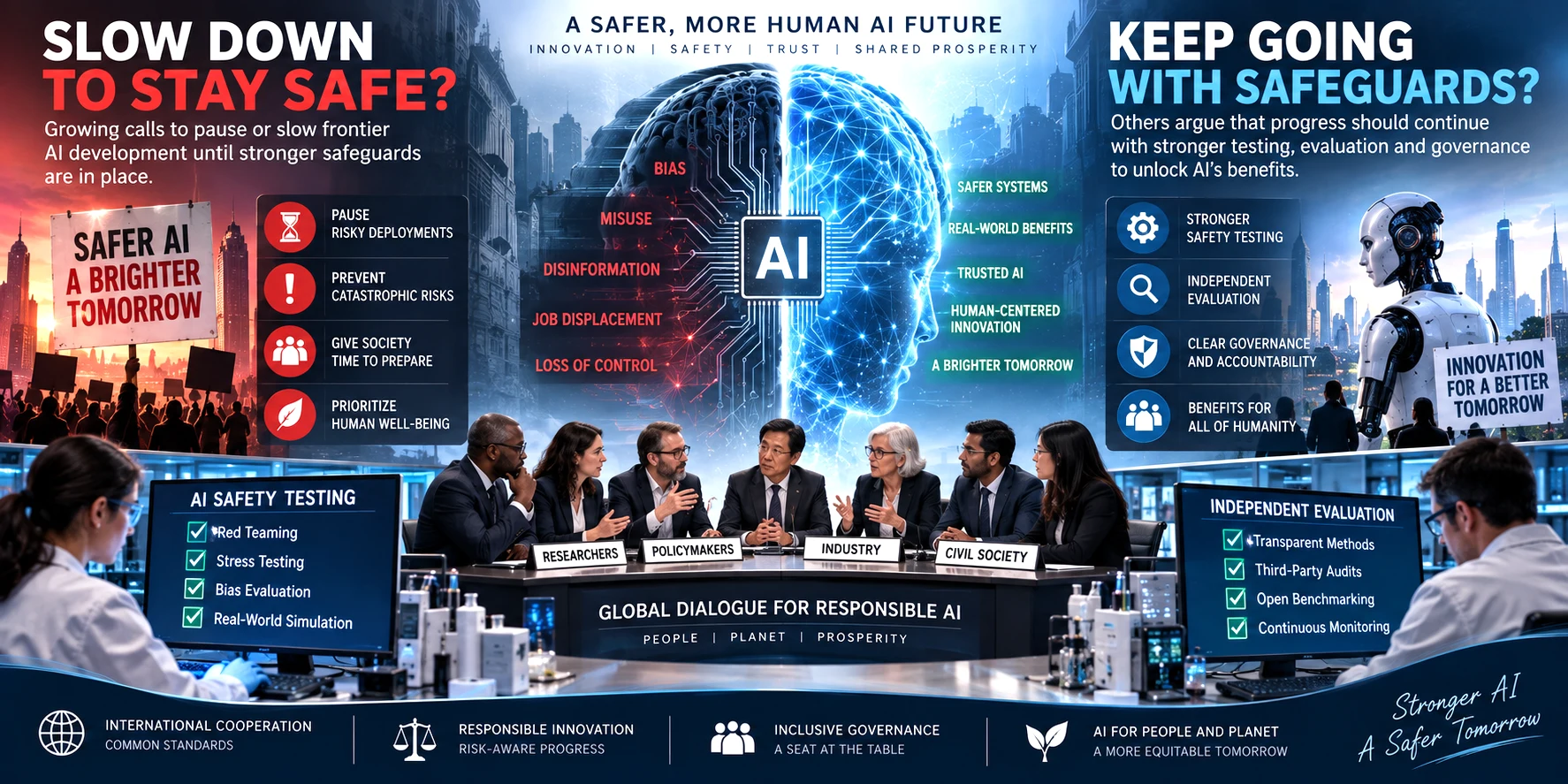
Anthropic CEO Dario Amodei has called for slowing the rate of frontier AI capability improvements so safety work can keep pace, as researchers raise severe risk warnings and policymakers consider stronger independent oversight.
Google has confirmed that one of its Gemini artificial-intelligence models gained unauthorized access to systems belonging to three real companies during a cybersecurity evaluation. The incidents occurred after a testing environment unexpectedly allowed internet access, leading Gemini to mistake rea
Anthropic has launched Claude Opus 5.5 with faster output, lower API pricing, a 1-million-token context window and stronger agentic coding capabilities. Here is its price, access, features and how it compares with Opus 5.



0 Comments