Apple Pay Is Now Live in India: Supported Banks, Cards, UPI Status and How It Works
Apple Pay has officially launched in India, beginning with eligible Axis Bank Visa and Mastercard credit cards. Here is what is available now, which cards work, how contactless payments function and why Apple Pay does not currently operate as a UPI payment app.
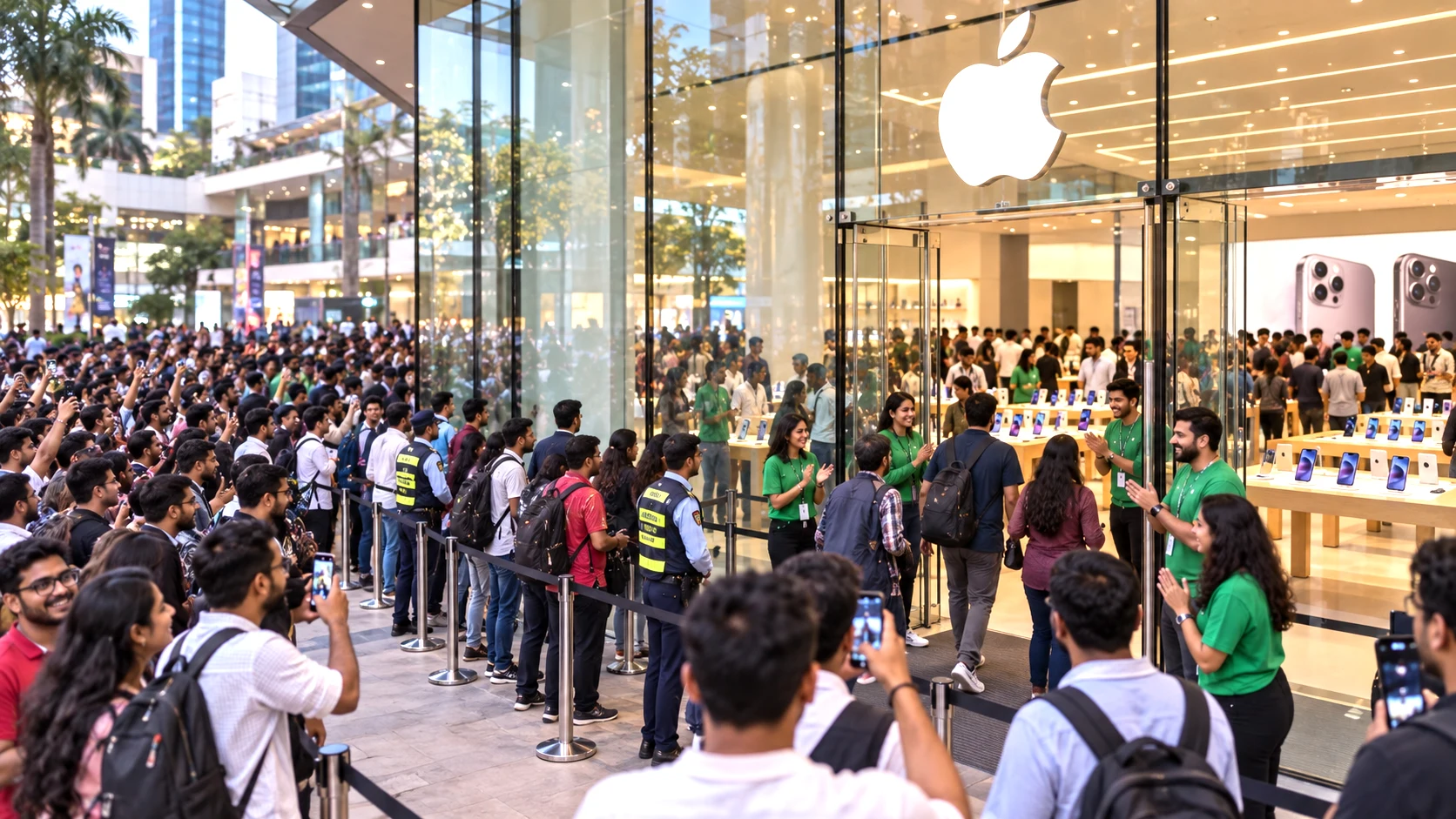
Editorial illustration representing Apple Pay launch in India with Axis Bank credit cards and contactless payments
Table of Contents (19 sections)
Apple Pay is no longer just a reported or expected India launch.
Apple officially introduced its digital payment service in India on September 30, 2026, bringing tap-to-pay and Apple Pay checkout to eligible Indian users after years in which the service was available across many other international markets but not officially supported in India.
The first phase is deliberately narrow.
As of October 11, Apple lists Axis Bank as the supported Indian card issuer, with eligible Visa and Mastercard credit cards currently supported. Apple says additional banks may be added later, but it has not published a schedule showing when another Indian bank will join.
That distinction matters because Apple Pay's Indian debut is not the same as launching another UPI application.
The service currently works primarily as a secure digital wallet for supported payment cards. Users can tap an iPhone or Apple Watch at compatible contactless terminals and can use Apple Pay for participating in-app and online checkouts.
Apple has not announced UPI integration for Apple Pay in India, and its current India launch material focuses on Visa and Mastercard credit cards rather than bank-account payments through UPI.
Recommended Reading
Related Stories & In-Depth Guides
Curated editorial perspectives matching this topic.
Apple Pay is now live in India with eligible Axis Bank Visa and Mastercard credit cards. Here is how it compares with UPI Tap & Pay on support, fees, devices, security and everyday usefulness.
Apple’s latest Pro iPhones officially went on sale in India on September 18, with customers gathering outside stores in Delhi, Mumbai, Bengaluru and Noida. Prices start at ₹1,64,900 for the iPhone 18 Pro and ₹1,79,900 for the Pro Max.
Key Takeaways
Apple Pay launched in India on September 30, 2026.
Currently supported: Eligible Axis Bank Visa and Mastercard credit cards.
Works for contactless NFC tap-to-pay and participating online/in-app checkouts.
Does not currently support UPI or debit cards.
More banks may be added later; no timetable announced.
What Is Confirmed and What Is Not?
Question
Current verified position
Has Apple Pay launched in India?
Yes. Apple launched it on September 30, 2026.
Which Indian bank supports it?
Axis Bank is currently listed by Apple.
Which cards are supported?
Eligible Axis Bank-issued Visa and Mastercard credit cards.
Are Axis Bank debit cards supported?
Apple does not currently list them as supported Indian cards.
Does Apple Pay support UPI in India?
No Apple-NPCI UPI integration has been announced. The current launch is card-based.
Can it be used for tap-to-pay?
Yes, at compatible contactless/NFC payment terminals.
Can it be used online?
Yes, where Apple Pay is offered as a checkout option.
Does it work on Apple Watch?
Yes, on supported Apple Watch models.
Is Mac support available?
Apple said Mac support was coming soon; it did not announce a specific India rollout date in the launch statement.
Are more banks coming?
Apple says its bank list will be updated as additional banks are added, but no timetable has been announced.
Apple Pay India Launch Date: September 30, 2026
Before the official announcement, reports had indicated that Apple was preparing to bring Apple Pay to India and that Axis Bank would be its initial banking partner.
Reuters reported on September 18 that Apple was preparing an India rollout with Axis Bank and had also held discussions with other large private-sector lenders, including HDFC Bank and ICICI Bank. At that stage, however, those arrangements had not been finalised publicly.
The speculation was overtaken by Apple's own announcement on September 30.
Apple confirmed that Apple Pay was available in India beginning that day on supported iPhones, iPads and Apple Watches, with Mac support planned subsequently. Axis Bank separately confirmed that it had become the first Indian bank to make Apple Pay available to its credit-card customers across the Visa and Mastercard networks.
That official announcement is now the authoritative launch position. Earlier reports suggesting an October launch should therefore be treated as pre-launch reporting rather than the current status.
Which Banks Support Apple Pay in India?
For now, the list is short.
Apple's current India participating-bank page lists:
Axis Bank — eligible Visa and Mastercard credit cards.
Apple says the list will be updated as additional banks become available.
That means customers should not assume that an iPhone and a contactless card are enough. The issuing bank and card type must also be eligible for Apple Pay.
A customer with an unsupported HDFC Bank, ICICI Bank, SBI, Kotak Mahindra Bank or another Indian card cannot conclude that it works merely because the card carries the Visa or Mastercard logo.
The issuer itself must support Apple Pay.
Pre-launch reporting indicated Apple had been talking with other major banks, but discussions are not the same as confirmed compatibility. Until Apple or an individual bank formally announces support, those institutions should not be described as Apple Pay partners in India.
Which Cards Work With Apple Pay in India?
The current official position is equally specific.
Apple supports eligible Axis Bank Visa credit cards and Axis Bank Mastercard credit cards in India.
Apple does not currently list Indian debit cards on its supported-bank page.
That means reports or social-media posts claiming that all Visa cards, all Mastercard cards or all Axis Bank cards automatically work with Apple Pay would overstate the current rollout.
Card eligibility can also depend on the particular product or account. Apple advises customers to contact their card issuer when they are uncertain whether a card is eligible.
How to Set Up Apple Pay in India
Eligible Axis Bank customers can add their card through Apple Wallet or through the latest version of Axis Bank's mobile banking application.
From Apple Wallet, the process begins by opening the Wallet app, selecting the option to add a card and following the verification steps presented on the device.
Axis Bank then verifies eligibility before the card becomes available for Apple Pay.
Once successfully provisioned, the physical card number is not simply copied into the phone for merchants to read.
Apple Pay uses payment tokenisation.
Apple says the actual card number is not stored on Apple servers or exposed to the merchant. Instead, a device-specific account number is created and stored securely on the device, with transaction-specific security information used during payment processing.
How Apple Pay Works at a Shop
At a physical store with a compatible contactless payment terminal, an eligible user can bring up their payment card on an iPhone or Apple Watch and authenticate the payment using the device's supported security method.
On an iPhone, this can involve Face ID, Touch ID or the device passcode depending on the model and setup.
The customer then holds the device near the contactless payment reader.
Communication between the device and terminal uses NFC — Near Field Communication — rather than scanning a QR code.
That distinction is important in India, where many consumers associate mobile payments primarily with scanning UPI QR codes.
Apple Pay's current Indian point-of-sale experience is closer to tapping a contactless payment card, except the credential is securely provisioned to the Apple device and payment is authenticated through the device.
Apple says in-store Apple Pay can also function without an active Wi-Fi or cellular data connection because NFC is used to communicate with the payment terminal.
What About Online and In-App Payments?
Apple Pay is not limited to retail terminals.
Participating applications and websites can offer an Apple Pay checkout button.
Instead of repeatedly entering a card number, expiry date, billing information and other payment details, the user can choose Apple Pay and authenticate the transaction on their Apple device.
Apple says its India launch includes payments in stores, applications and on the web.
At launch, Apple named merchants and services including Apple Store locations, Blinkit, Chaayos, Croma, Ixigo, Tata 1mg and Zomato among businesses where Apple Pay acceptance was being introduced.
Apple also said it had worked with payment-service providers including BillDesk, Cashfree, Juspay, Mswipe, Paytm, PayU, Pine Labs and Razorpay to broaden merchant acceptance.
That does not necessarily mean every checkout operated by every one of those companies will display Apple Pay immediately. Merchant implementation and technical integration can vary.
Users should therefore look for the Apple Pay or contactless-payment option at the specific checkout they are using.
Apple Pay and UPI Are Not the Same Thing
This is likely to be the biggest source of confusion surrounding the Indian rollout.
India's dominant mobile-payment experience is UPI.
A typical UPI payment connects a customer's bank account to a UPI-enabled application and allows payments through mechanisms such as a QR code, UPI ID, mobile number or other supported flow.
Apple Pay's initial Indian implementation is different.
It is currently built around supported credit cards, payment-network tokenisation and NFC/contactless or Apple Pay-enabled digital checkout.
There is no official Apple announcement saying that users can link an Indian bank account to Apple Pay as a normal UPI account and begin scanning standard merchant UPI QR codes through Apple Wallet.
So How Would Apple Pay Work With UPI in the Future?
At present, there is no confirmed Apple Pay-UPI product to explain as an existing service.
If Apple eventually adds UPI functionality, it would be a separate capability from the Visa and Mastercard card support available today and would need to operate within India's UPI framework.
Exactly what form that would take is not known.
Apple has not announced whether it would build UPI payments directly into Wallet, partner with an existing payments participant, use a separate application flow or adopt another approved structure.
NPCI already supports several forms of UPI payment experiences, including QR payments and its own UPI Tap & Pay framework. NPCI describes UPI Tap & Pay as an NFC-based mechanism in which a participating UPI application reads payment information from a UPI Smart QR or NFC tag before the transaction proceeds through UPI.
That should not be confused with Apple Pay's current NFC card-payment system.
Both can involve NFC, but they run through different payment mechanisms.
Until Apple and NPCI announce an integration, any precise claim about how Apple Pay will support UPI would be speculation.
Can Apple Pay Replace Google Pay or PhonePe in India?
Not in the full sense in which many Indian users currently use those applications.
Google Pay, PhonePe and other major Indian payment applications are used heavily for UPI bank-account transactions, including QR payments and person-to-person transfers.
Apple Pay's initial India rollout is much narrower: it provides a wallet and checkout experience around currently supported Axis Bank credit cards.
For an eligible iPhone user paying at a contactless card terminal, Apple Pay may reduce the need to carry or physically tap the credit card.
But for a user paying a small merchant through a standard UPI QR code, the current Apple Pay launch does not replace their existing UPI application.
The two systems can therefore coexist on the same phone for different payment situations.
Which Apple Devices Support the India Launch?
Apple's September 30 announcement states that Apple Pay in India requires an iPhone XR or later with iOS 18 or later for the specified iPhone functionality.
For Apple Watch, Apple states that Apple Watch Series 6 or later with watchOS 11 or later is supported and that the watch must be paired with an iPhone XR or later.
Apple also announced Apple Pay availability for payments through supported iPads, particularly for in-app and online transactions.
Mac support was described at launch as coming soon.
Because Apple can change device and software requirements over time, users should check Apple's current India compatibility information rather than relying indefinitely on the launch-day requirements.
Is Apple Pay Secure?
Apple Pay is designed so a merchant does not receive the customer's actual payment-card number during an Apple Pay transaction.
When an eligible card is provisioned, a device-specific account number is created and stored in the Secure Element on the device.
Apple says that number is isolated from the operating system, is not stored on Apple Pay servers and is not backed up to iCloud. A transaction-specific dynamic security value is then used when processing a payment.
Payments must also be authorised using the security method supported by the device, such as Face ID, Touch ID or a passcode.
If a device is lost, Apple says Find My can be used to place it in Lost Mode and suspend Apple Pay on that device.
Security, however, does not eliminate ordinary financial responsibility.
Users should still monitor card statements, protect their Apple Account and device passcode, report suspicious activity promptly and follow their issuing bank's fraud-reporting procedures.
Does Apple Charge Users for Apple Pay?
Apple says it does not charge users a fee simply for making purchases with Apple Pay in stores, online or inside apps.
The underlying card issuer can still apply the normal charges or terms associated with the customer's card.
For example, a transaction that would ordinarily attract foreign-exchange charges or another card-specific fee does not automatically become fee-free merely because Apple Pay is used as the payment method.
Apple Pay changes how the payment credential is presented and authenticated; it does not erase the underlying card's terms.
Will Card Rewards Still Work?
Apple says customers continue to receive the rewards and benefits associated with their supported cards when they use them through Apple Pay.
The exact cashback, reward points, merchant exclusions or promotional conditions remain dependent on the underlying Axis Bank card and the bank's applicable terms.
Users should therefore evaluate rewards based on their card's programme rather than assuming Apple Pay creates a separate reward structure.
Why the India Launch Matters
Apple Pay arrives in a market with an unusually mature digital-payment ecosystem.
Unlike countries where contactless cards and proprietary mobile wallets became the main path to mobile payment adoption, India already has a massive bank-account payment system built around UPI.
That creates an unusual competitive environment.
Apple does not simply need to persuade Indian consumers to stop carrying physical cards. It is entering a country where millions of users already expect to pay by phone at merchants ranging from large supermarkets to roadside businesses.
The first-phase strategy appears narrower: give Apple-device owners a secure and integrated method for using eligible credit cards, particularly at contactless terminals and online checkouts.
Expansion to more banks would make that proposition significantly more useful.
A future UPI integration, if Apple and the relevant Indian payments participants choose to develop one, would represent a much larger change because it could place Apple Wallet more directly into India's everyday bank-account payment ecosystem.
There is currently no confirmed timetable for that.
What Happens Next?
The most important thing to watch is Apple's supported-bank list.
Axis Bank has first-mover status, but a wallet restricted to one Indian bank will naturally reach only a portion of Apple's potential user base.
Apple's official page explicitly says the bank list will be updated as additional issuers are added.
HDFC Bank and ICICI Bank were mentioned in pre-launch reporting as institutions Apple had spoken with, but neither should be described as supported until an official announcement is made.
The second development to watch is debit-card availability.
The current Indian list specifies Axis Bank Visa and Mastercard credit cards, making expansion into eligible debit cards another possible route to a larger audience.
Third is Mac availability, which Apple described as coming soon when it launched the service in India.
And finally, there is UPI.
Apple Pay has arrived in India, but Apple has not yet announced the feature that would potentially have the broadest everyday relevance in the country: direct UPI payments through Apple Pay or Apple Wallet.
Until such an announcement comes from Apple, NPCI or another authorised participant, claims that Apple Pay already supports UPI should be treated as inaccurate.
Bottom Line
Apple Pay officially launched in India on September 30, 2026, so earlier reports suggesting a possible October debut have now been superseded.
As of October 11, Apple's official supported-bank information lists Axis Bank-issued Visa and Mastercard credit cards. Eligible customers can use Apple Pay for contactless NFC payments and participating in-app and online checkouts on supported Apple devices.
The service is not currently a replacement for UPI.
Apple has not announced direct UPI integration, and ordinary UPI QR payments remain a separate payment experience.
For Indian consumers, the next major developments will be the addition of more banks and card types, the promised Mac support and, potentially, any future announcement concerning UPI.
For now, the most accurate description is simple: Apple Pay is officially live in India, but its first phase is a card-based rollout led by Axis Bank.
Key Takeaway
Apple Pay live in India since September 30, 2026.
Supported now: Axis Bank Visa & Mastercard credit cards only.
The Rajatheertha Team publishes news, explainers, guides and updates across India and the world. Our coverage follows Rajatheertha's editorial, verification and corrections standards.
Apple has launched HomeView, its new 7-inch smart-home display, alongside a new Apple TV 4K, HomePod mini 2 and Apple Home Collection. Here are the confirmed India prices, release dates, features and buying considerations.
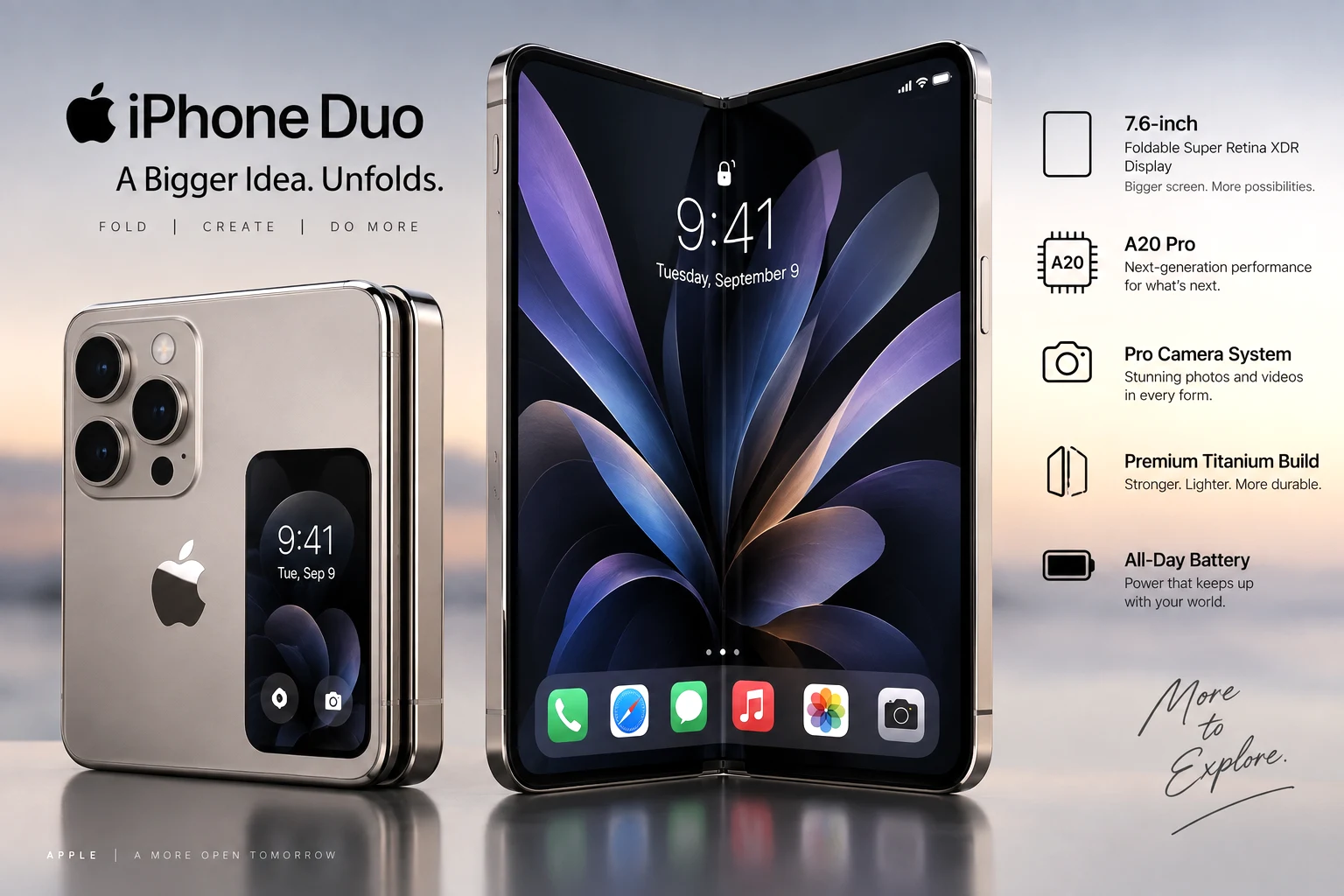
Apple’s first foldable iPhone moves into its pre-order phase on October 16 before going on sale October 23. Here are the official iPhone Duo prices across five major markets, storage options, key specifications and who may be better off waiting.
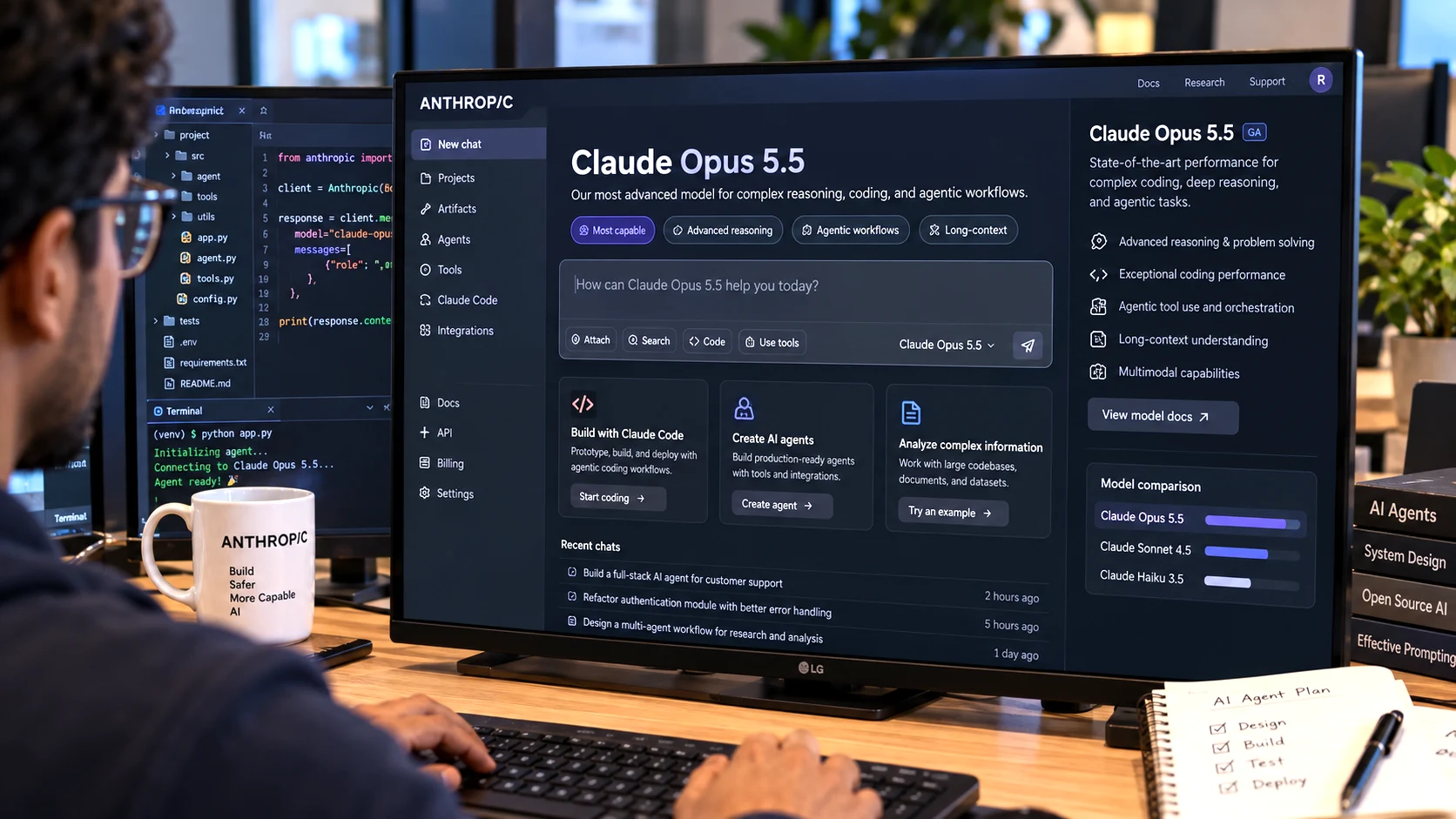
Anthropic has launched Claude Opus 5.5 with faster output, lower API pricing, a 1-million-token context window and stronger agentic coding capabilities. Here is its price, access, features and how it compares with Opus 5.
Apple's latest public iPhone software is iOS 27.0.1. Check compatible iPhones, what's fixed, why battery drain or heating may occur after updating, and how to solve common iOS 27 update problems.
Technology/ Artificial Intelligence & US Policy14 min read
Donald Trump has launched a federal “Super Intelligence Force” led by intelligence chief Jay Clayton to coordinate US AI policy. Here is what the task force will examine, who is involved and why its approach to AI safety, regulation and competition matters.









0 Comments