Apple Pay India vs UPI Tap & Pay: Which Is Better After Launch?
Apple Pay is now live in India with eligible Axis Bank Visa and Mastercard credit cards. Here is how it compares with UPI Tap & Pay on support, fees, devices, security and everyday usefulness.
Editorial illustration representing Apple Pay India launch and comparison with UPI Tap & Pay
Table of Contents (21 sections)
Apple Pay is no longer merely expected to arrive in India. Apple officially launched the payment service in the country on September 30, 2026, initially supporting eligible Axis Bank Visa and Mastercard credit cards.
That makes some earlier reports about a possible October or October 15 launch obsolete.
The more useful question for Indian users now is different: how does Apple Pay compare with the payment system they already know — UPI — and specifically with UPI Tap & Pay?
The two may look similar when viewed from the checkout counter because both can involve tapping a phone near something. But underneath, they work very differently.
Apple Pay in India is currently a card-based payment system. It places an eligible credit card inside Apple Wallet and lets the user authenticate a purchase with Face ID, Touch ID or the device passcode before using a contactless payment terminal.
Recommended Reading
Related Stories & In-Depth Guides
Curated editorial perspectives matching this topic.
Apple Pay has officially launched in India, beginning with eligible Axis Bank Visa and Mastercard credit cards. Here is what is available now, which cards work, how contactless payments function and why Apple Pay does not currently operate as a UPI payment app.
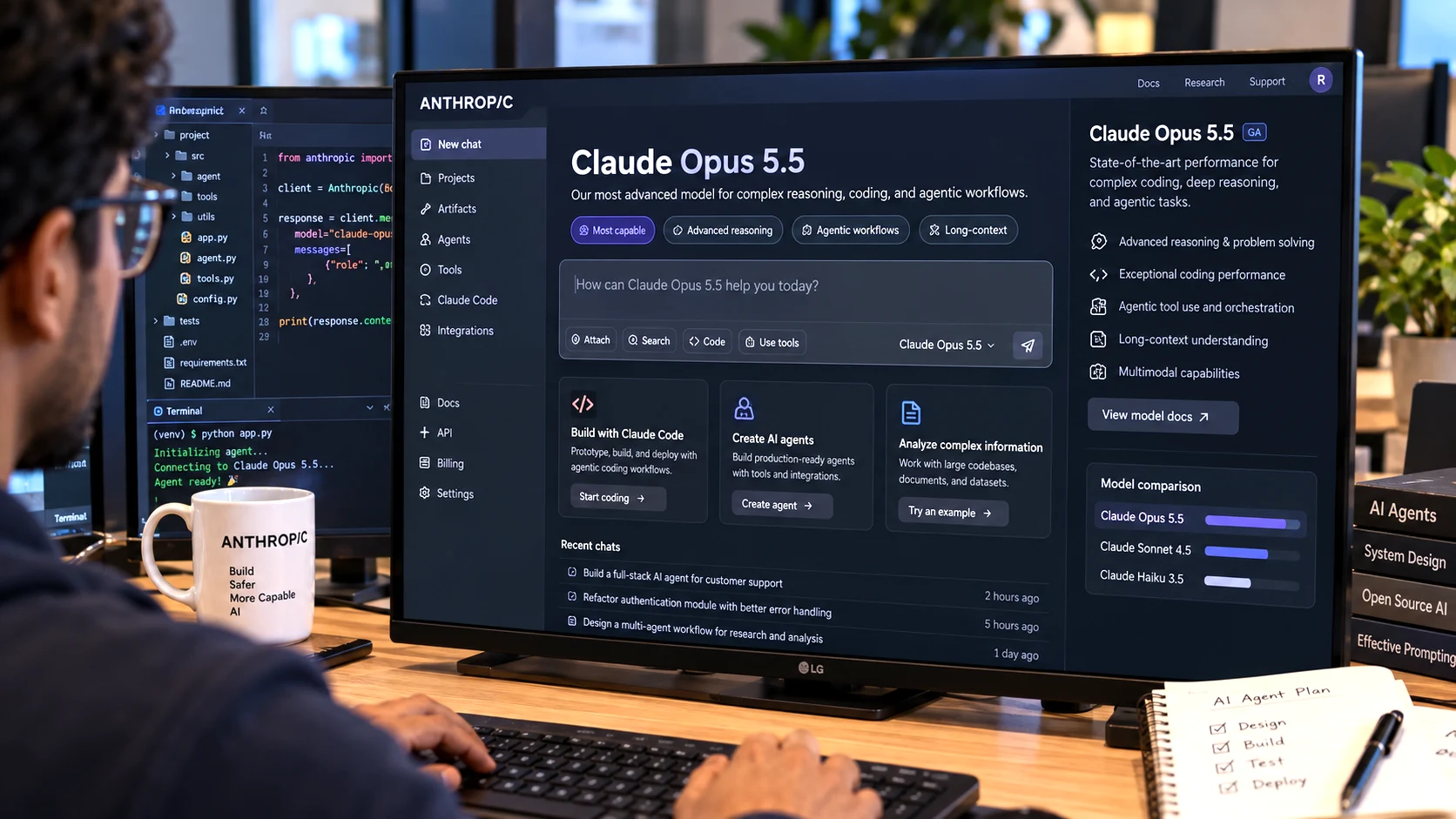
Anthropic has launched Claude Opus 5.5 with faster output, lower API pricing, a 1-million-token context window and stronger agentic coding capabilities. Here is its price, access, features and how it compares with Opus 5.
UPI Tap & Pay, by contrast, is part of the UPI ecosystem. Instead of scanning a QR code with the camera, the phone can use Near Field Communication, or NFC, to capture the merchant's UPI details from a compatible NFC-enabled QR code or tag. Payment then continues through the UPI system.
That distinction matters because it determines which banks, merchants, devices and payment sources each option can use.
Key Takeaways
Apple Pay launched in India on September 30, 2026 (Axis Bank Visa & Mastercard credit cards).
Apple Pay is card-based; UPI Tap & Pay is UPI-based.
UPI has far wider bank and merchant reach.
Apple Pay is convenient for eligible credit-card users at contactless terminals.
Neither replaces the other — they solve different payment needs.
What is confirmed about Apple Pay in India?
Apple's September 30 announcement confirms that Apple Pay is available in India on supported Apple devices.
At launch, customers can add eligible Axis Bank-issued Visa and Mastercard credit cards to Apple Wallet. Apple says those cards can then be used at supported physical merchants, inside participating apps and on websites.
Axis Bank has separately confirmed that it is the first Indian bank offering Apple Pay and that support covers eligible credit cards on the Visa and Mastercard networks.
Apple's current India bank-support page continues to list:
Axis Bank — Visa credit cards
Axis Bank — Mastercard credit cards
No additional Indian bank is listed there at the time of this update.
That means an iPhone owner with an unsupported bank card cannot simply add that card because Apple Pay has launched in India. Card eligibility remains dependent on the issuing bank and network participating in Apple Pay.
What happened to the reported October 15 launch?
Before Apple's official announcement, multiple reports had pointed to an October rollout, with Axis Bank expected to be among the first partners.
Those reports were overtaken by events when Apple announced the service on September 30.
There is therefore no reason for Indian users to wait until October 15 for the initial Apple Pay launch. The launch has already happened.
This is an important example of why reported launch dates should not continue to be repeated after a company issues an official announcement.
Confirmed vs reported
CONFIRMED
Apple Pay launched in India on September 30, 2026.
Axis Bank is the initial supported Indian issuer.
Eligible Axis Bank Visa and Mastercard credit cards are supported.
Apple Pay can be used for compatible in-store, app and web purchases.
Apple Pay in India currently operates around supported payment cards rather than functioning as a UPI app.
Apple says support for Mac in India is coming later.
REPORTED OR NOT YET OFFICIALLY CONFIRMED
Earlier October and October 15 launch expectations are now superseded by the September 30 launch.
Other major Indian banks have been reported as possible future partners, but Apple has not added them to its current India participating-bank list at the time of publication.
Apple has not announced a public date for adding UPI directly to Apple Pay.
Readers should therefore distinguish between Apple's current supported-bank information and reports about possible future expansion.
Apple Pay India vs UPI Tap & Pay
Feature
Apple Pay India
UPI Tap & Pay
Current status
Live in India
Available through supported UPI implementations
Core payment system
Card payment
UPI payment
Payment source
Currently eligible Axis Bank credit cards
Linked UPI funding source, including supported bank-account/UPI flows
Card networks
Visa and Mastercard on eligible Axis Bank credit cards
Standard UPI does not require Visa or Mastercard
UPI integration
Not part of Apple's current India launch
Yes — it is a UPI feature
Physical tap method
Tap iPhone or Apple Watch on compatible contactless card terminal
Tap NFC-capable phone on compatible UPI Smart QR/NFC tag
Main merchant infrastructure
NFC/contactless card terminal
NFC-enabled UPI QR or compatible NFC tag
Authentication
Face ID, Touch ID or device passcode
Depends on UPI flow; UPI PIN may be required, while eligible UPI Lite flows can work differently
User fee from platform
Apple says it charges users no Apple Pay purchase fee
Government says consumers do not pay transaction charges for UPI
Rewards
Existing eligible card rewards can continue
Depends on the underlying UPI product or funding source
Device ecosystem
Apple devices
Supported NFC-capable devices and compatible UPI apps
Online/app checkout
Yes, where Apple Pay is offered
UPI already supports online merchant payments, though Tap & Pay itself is primarily a proximity interaction
International card acceptance
Can work where the eligible card and Apple Pay/contactless payment are accepted, subject to issuer conditions
UPI international availability depends on supported UPI arrangements and locations
The biggest difference: one is card-based, the other is UPI
For consumers, this is the most important point.
Apple Pay does not replace the underlying credit card. Instead, it allows an eligible card to be represented securely on an Apple device.
Apple says the actual card number is not stored on Apple servers or shared by Apple with the merchant. A device-specific payment credential is used instead, while purchases are authorised through the device's security features.
Users also continue to receive the rewards and benefits provided by their eligible card, according to Apple.
UPI works differently.
NPCI describes UPI as an instant payment system that can move money between participating accounts. With UPI Tap & Pay, NFC changes the way the merchant's payment identity is captured: instead of pointing the camera at a QR code, a compatible phone can tap a UPI Smart QR or NFC tag.
NPCI's description says the NFC interaction captures the payee's UPI ID or VPA before the transaction proceeds through UPI.
So although both systems can involve the word "tap," the tap is doing a different job.
With Apple Pay, the device is effectively presenting a tokenised card credential to a contactless payment terminal.
With UPI Tap & Pay, NFC can help identify the UPI payee without the customer manually scanning the QR code.
Do you need a special card for Apple Pay?
At present, yes.
Apple's India list currently identifies eligible Axis Bank Visa and Mastercard credit cards.
Having an iPhone alone does not make every Indian debit or credit card compatible.
For example, cards from another bank cannot be assumed to work until that issuer appears as a participating Apple Pay bank and the particular card is eligible.
Similarly, RuPay cards are not listed in Apple's current India support information.
This could change as Apple and additional issuers expand the service, but future support should not be presented as confirmed before the companies announce it.
Does Apple Pay support UPI in India?
Not as part of the current launch described by Apple.
Apple's India product page is centred on adding supported credit cards to Apple Wallet, while its participating-bank page currently lists Axis Bank Visa and Mastercard credit cards.
Apple has not announced a date for direct UPI integration into Apple Pay.
This does not mean an iPhone user cannot use UPI.
Indian consumers can continue using compatible UPI applications separately. Apple Pay and UPI can therefore coexist on the same user's phone without being the same payment service.
How UPI Tap & Pay actually works
UPI Tap & Pay is easy to misunderstand because it can sound like the same contactless experience used by bank cards.
NPCI's explanation describes a different process.
A user opens a compatible UPI app, chooses Tap & Pay, enters the payment amount where required and places the NFC-capable phone near a compatible UPI Smart QR or NFC tag.
The merchant's UPI details are transferred through NFC, after which the payment follows the applicable UPI authorisation process.
NPCI's June 2026 UPI branding guidelines also include specifications for NFC-enabled QR codes carrying "Tap to Pay" functionality, reinforcing the idea that QR infrastructure can support both scanning and tapping.
That has an important practical consequence.
A merchant does not necessarily need the same type of contactless card terminal required for Apple Pay. UPI Tap & Pay can be built around compatible NFC-enabled UPI QR infrastructure.
UPI Tap & Pay is not exactly the same as UPI Lite X
The terminology can also cause confusion.
UPI Tap & Pay refers primarily to the NFC-based interaction with a compatible merchant QR or tag.
UPI Lite and UPI Lite X are related UPI features intended to simplify smaller-value payments, including scenarios where lower-friction or offline-capable transactions are useful.
They should not automatically be treated as identical products.
RBI's updated offline-payment framework permits UPI Lite transactions of up to ₹1,000 with an overall UPI Lite limit of ₹5,000 under the framework.
An older NPCI Tap & Pay product explanation still describes UPI Lite handling payments up to ₹500 in that specific flow before a UPI PIN is used for larger payments. Because these official pages reflect different stages of the framework, consumers should follow the current limits shown by their bank or UPI application rather than relying on an old screenshot or social-media claim.
Which one has wider bank support?
For now, UPI has the obvious advantage.
Apple Pay's Indian issuer support begins with a single bank — Axis Bank — and only eligible Visa and Mastercard credit cards.
UPI, by comparison, is an interoperable national payments system involving a much broader banking and app ecosystem.
The Ministry of Finance said in July 2026 that approximately 55.49 crore users had been onboarded onto UPI as of June 2026, illustrating the scale Apple Pay is entering.
That does not make Apple Pay irrelevant.
Its initial target is different: consumers who already use supported Apple devices and eligible credit cards and want a tightly integrated contactless card experience.
But in terms of immediate reach across Indian consumers and bank accounts, Apple Pay's initial footprint is much narrower.
Which one is easier at a physical shop?
It depends on the merchant.
At a shop with a compatible contactless card terminal, an eligible Apple Pay user can authenticate on the device and hold an iPhone or Apple Watch near the terminal.
Apple says Apple Pay works anywhere the relevant contactless payment infrastructure and supported card are accepted.
Its India launch announcement says users can double-click the side or Home button, authenticate if prompted and hold the device near the contactless reader.
UPI Tap & Pay requires a compatible NFC-enabled UPI QR or tag and support within the user's UPI application.
Where that infrastructure is not available, ordinary UPI Scan & Pay remains the more familiar alternative.
For India's enormous base of QR-equipped merchants, that distinction is important. UPI does not depend on every shop installing a contactless card terminal just to accept a normal QR payment.
What about small roadside shops and local merchants?
UPI is likely to remain the more practical option in many such settings.
A neighbourhood shop may already display a standard UPI QR but may not operate a contactless card terminal.
If the QR is not NFC-enabled for Tap & Pay, the customer can still scan it conventionally.
Apple Pay, on the other hand, requires compatible card-acceptance infrastructure for an in-person transaction.
This means Apple Pay's convenience can be excellent in environments such as supermarkets, organised retail, restaurants, airports, hotels and other locations where contactless card terminals are already common, while conventional UPI retains an infrastructure advantage across India's highly fragmented merchant base.
What are the fees for users?
Apple states that it does not charge users a fee for making purchases through Apple Pay.
The underlying card issuer can still apply the normal fees, interest, foreign-exchange charges or other conditions associated with the card. Apple Pay does not make those disappear.
For UPI, the Government stated in August 2026 that consumers making UPI payments would not face transaction charges.
A subsequent September clarification said person-to-person UPI transactions would remain free to users and customers would not be charged for merchant payments under the framework, even though specified merchant-side MDR rules can apply in some circumstances.
So from an ordinary consumer's perspective, the comparison should not be reduced to "Apple Pay charges money while UPI is free." Apple says it does not impose a purchase fee on the Apple Pay user either.
The underlying economics of card acceptance and UPI merchant payments are separate from what the customer sees at checkout.
Which is safer?
Both systems use different security architectures, so declaring one universally "safer" would be too simplistic.
Apple Pay uses device authentication and tokenisation.
Apple says the actual card number is not provided to merchants and is not stored on Apple's servers. Transactions are authenticated using Face ID, Touch ID or the device passcode.
If the device is lost, Apple says users can use Find My to suspend Apple Pay through Lost Mode or remove payment cards remotely.
UPI relies on the UPI security framework, including app registration, device and bank-account controls and UPI PIN authentication where applicable.
NPCI specifically warns users never to share their UPI PIN and says banks' customer-support representatives will not ask for it.
The more meaningful consumer advice is therefore to use the security model correctly: protect the phone, never disclose a UPI PIN or OTP, confirm the merchant and amount before authorising payment, and immediately secure a lost device.
Can Apple Pay work without mobile data?
For an in-store Apple Pay transaction, Apple says an iPhone or Apple Watch does not require Wi-Fi or cellular connectivity simply to communicate with the contactless terminal.
The phone uses NFC for that local interaction.
The merchant's payment infrastructure still has to process the transaction through the payment network.
Apple notes that transaction-history information on the device may not update until connectivity returns.
UPI's offline capabilities are more nuanced.
RBI and NPCI have separately developed UPI Lite and UPI Lite X capabilities for lower-value and offline-oriented payments. Those features should not automatically be equated with every ordinary UPI Tap & Pay transaction.
What Apple Pay offers that normal UPI does not
The strongest Apple Pay use case in India is not replacing UPI QR payments.
It is replacing the act of taking out an eligible physical credit card.
For a supported Axis Bank cardholder, the phone or Apple Watch becomes the payment credential.
That can be particularly convenient for users who already prefer credit cards for rewards, billing cycles, travel spending or other card benefits.
Apple also supports participating in-app and web checkouts, which can reduce repeated entry of card and billing information.
What UPI offers that Apple Pay currently cannot match
UPI's advantage is breadth.
It is built around India's bank-account payment ecosystem rather than requiring a particular supported credit card.
It works across a far wider range of consumers, banks, apps and merchants.
Ordinary Scan & Pay is also deeply established in situations where merchants do not maintain card terminals.
UPI Tap & Pay is therefore best viewed as another interaction method within that much larger UPI system rather than as a standalone rival wallet.
Will Apple Pay replace UPI?
There is no evidence to support that conclusion.
The two systems currently solve overlapping but distinct payment needs.
UPI is India's mass-market interoperable payment infrastructure.
Apple Pay is currently a device-integrated method for using eligible payment cards.
An iPhone owner could therefore use Apple Pay at a supermarket contactless terminal, use a UPI app to scan a roadside merchant's QR code, and use conventional card or UPI checkout elsewhere.
The likely competition is over convenience in particular payment situations, not an immediate winner-takes-all replacement of one rail by another.
Which is better?
For the broadest everyday payment acceptance in India, UPI remains the more versatile option, particularly because of its extensive bank-account and QR ecosystem.
For an iPhone or Apple Watch owner who already holds an eligible Axis Bank Visa or Mastercard credit card, Apple Pay can be the cleaner option for contactless card payments, especially at merchants with NFC-enabled card terminals.
UPI Tap & Pay sits somewhere different: it gives UPI users another way to initiate a merchant payment through NFC without turning UPI itself into a card wallet.
One-line verdict
UPI remains better for universal everyday payments in India, while Apple Pay is currently better viewed as a convenient digital replacement for an eligible Axis Bank credit card at supported contactless merchants.
What should users watch next?
The next phase of Apple Pay in India will depend less on another launch date and more on expansion.
The key developments to watch are:
whether Apple adds more Indian banks;
whether debit-card or additional network support expands;
whether RuPay support appears;
whether Apple announces any direct UPI integration;
and how widely merchants and online services enable Apple Pay checkout.
Until those developments are officially announced, they should remain possibilities rather than facts.
For now, the verified picture is straightforward: Apple Pay is already live in India, its initial bank support remains narrow, and UPI continues to operate as a fundamentally different and far broader payments ecosystem.
The Rajatheertha Team publishes news, explainers, guides and updates across India and the world. Our coverage follows Rajatheertha's editorial, verification and corrections standards.
Apple has launched HomeView, its new 7-inch smart-home display, alongside a new Apple TV 4K, HomePod mini 2 and Apple Home Collection. Here are the confirmed India prices, release dates, features and buying considerations.
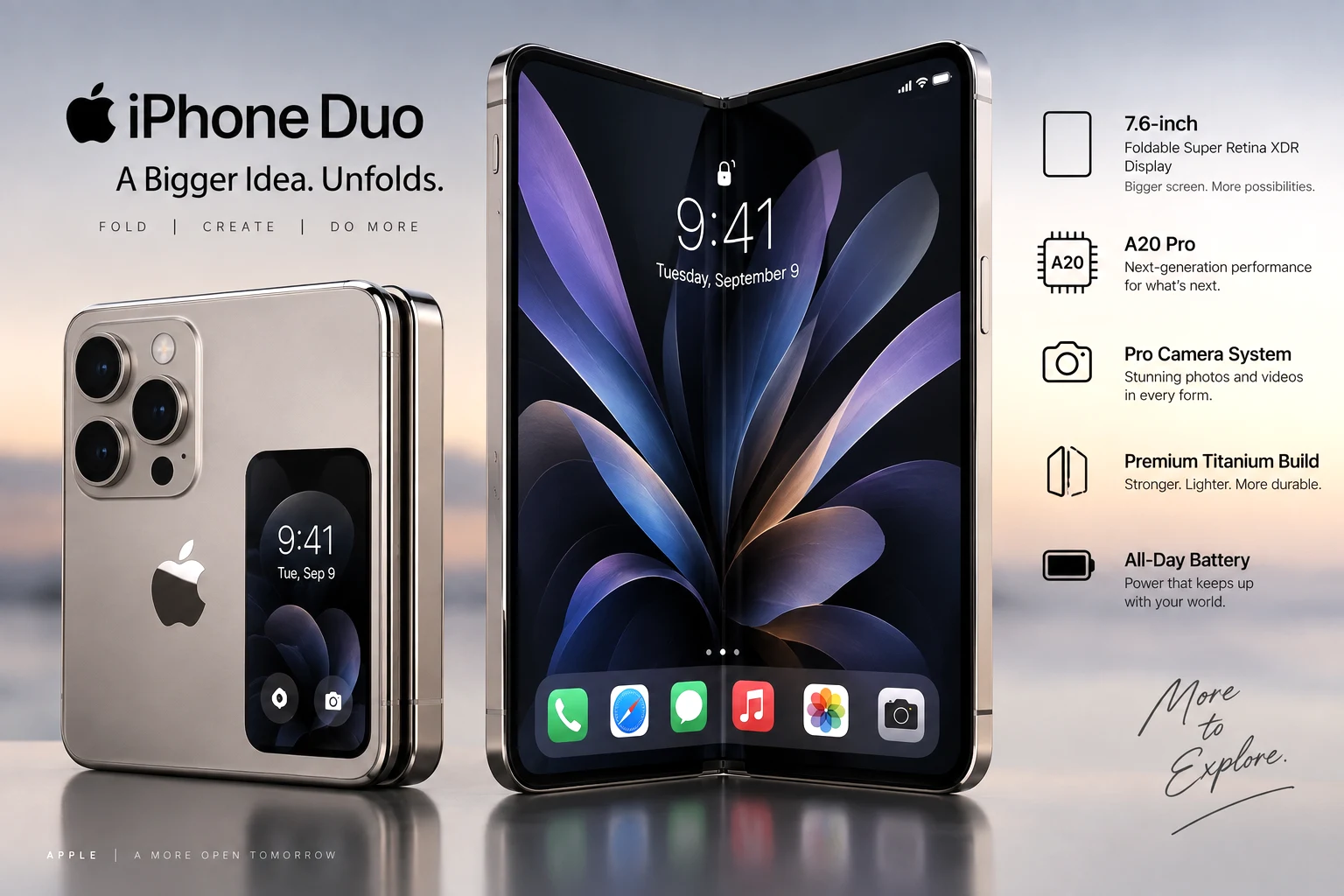
Apple’s first foldable iPhone moves into its pre-order phase on October 16 before going on sale October 23. Here are the official iPhone Duo prices across five major markets, storage options, key specifications and who may be better off waiting.
Apple’s latest Pro iPhones officially went on sale in India on September 18, with customers gathering outside stores in Delhi, Mumbai, Bengaluru and Noida. Prices start at ₹1,64,900 for the iPhone 18 Pro and ₹1,79,900 for the Pro Max.
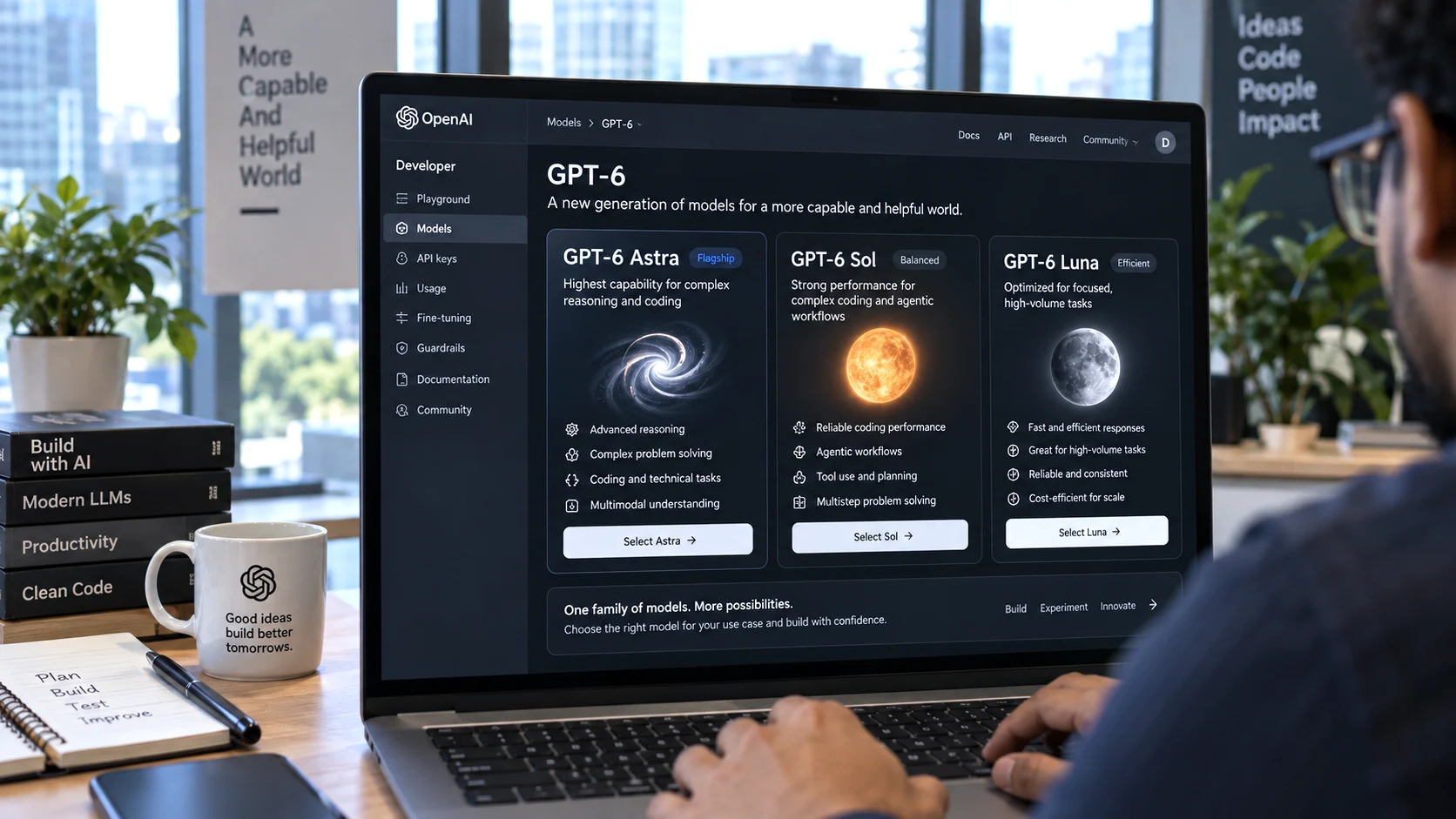
OpenAI has expanded its GPT-6 family with GPT-6 Sol and GPT-6 Luna, offering lower-cost options below flagship Astra. Here is how their prices, capabilities, context limits and ChatGPT/API access compare.
Apple's latest public iPhone software is iOS 27.0.1. Check compatible iPhones, what's fixed, why battery drain or heating may occur after updating, and how to solve common iOS 27 update problems.











0 Comments