Amit Shah Sets December 31, 2029 Target to Uproot Drug Trade in India: Government Roadmap Explained
Home Minister Amit Shah has set December 31, 2029 as the government's target for uprooting India's drug trade. Here is what the 2026–29 narcotics roadmap proposes on cartels, synthetic drugs, darknet markets, financial investigations, prevention and rehabilitation.
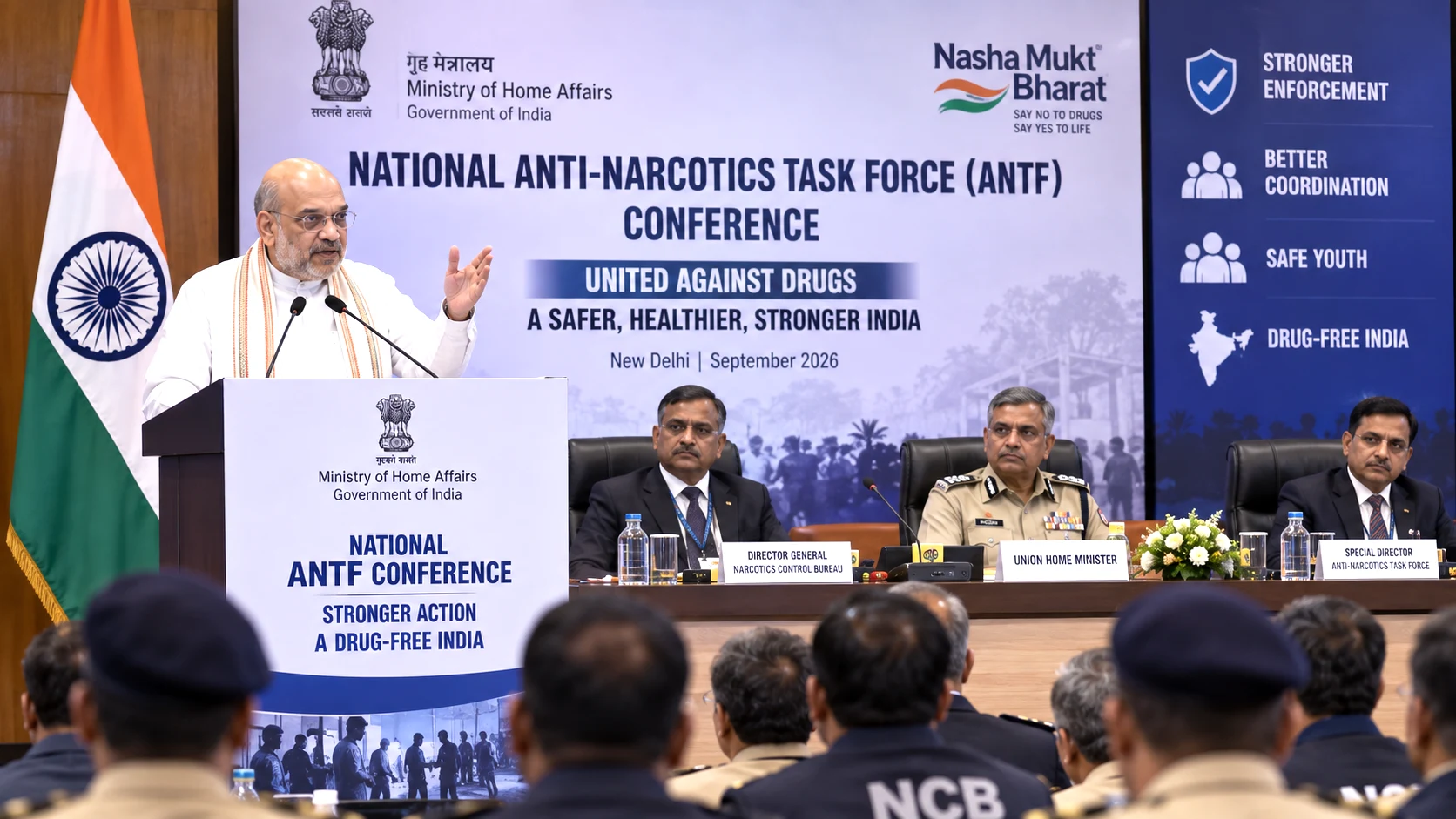
Union Home Minister Amit Shah addressing anti-narcotics officials at the national ANTF conference in New Delhi
Table of Contents (29 sections)
Union Home Minister Amit Shah has set December 31, 2029 as the government's target for what he described as collectively uprooting the drug trade from India, placing narcotics control on a three-year mission-mode timetable involving central agencies, states and Union Territories.
Shah announced the deadline while inaugurating the 3rd National Conference of Anti-Narcotics Task Force Heads in New Delhi on September 22, 2026.
According to the Ministry of Home Affairs, representatives from Anti-Narcotics Task Forces across all 36 states and Union Territories, central departments and other stakeholders are participating in the two-day conference.
Recommended Reading
Related Stories & In-Depth Guides
Curated editorial perspectives matching this topic.
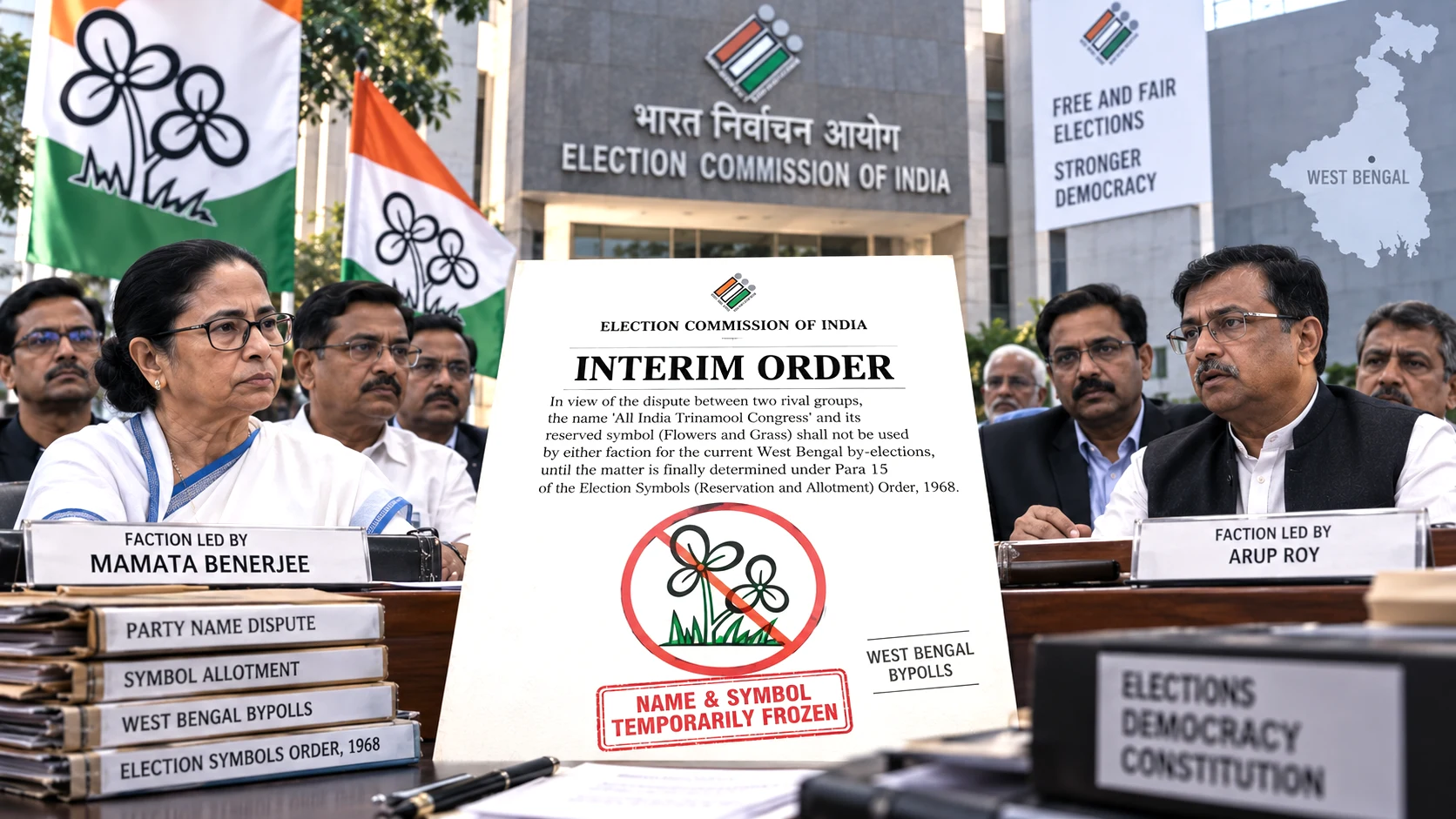
Neither the Mamata Banerjee group nor the rival faction formally represented before the Election Commission by Arup Roy can use the All India Trinamool Congress name or its reserved symbol in the October 6 bypolls. The order is temporary while the ECI decides the larger party-control dispute under P
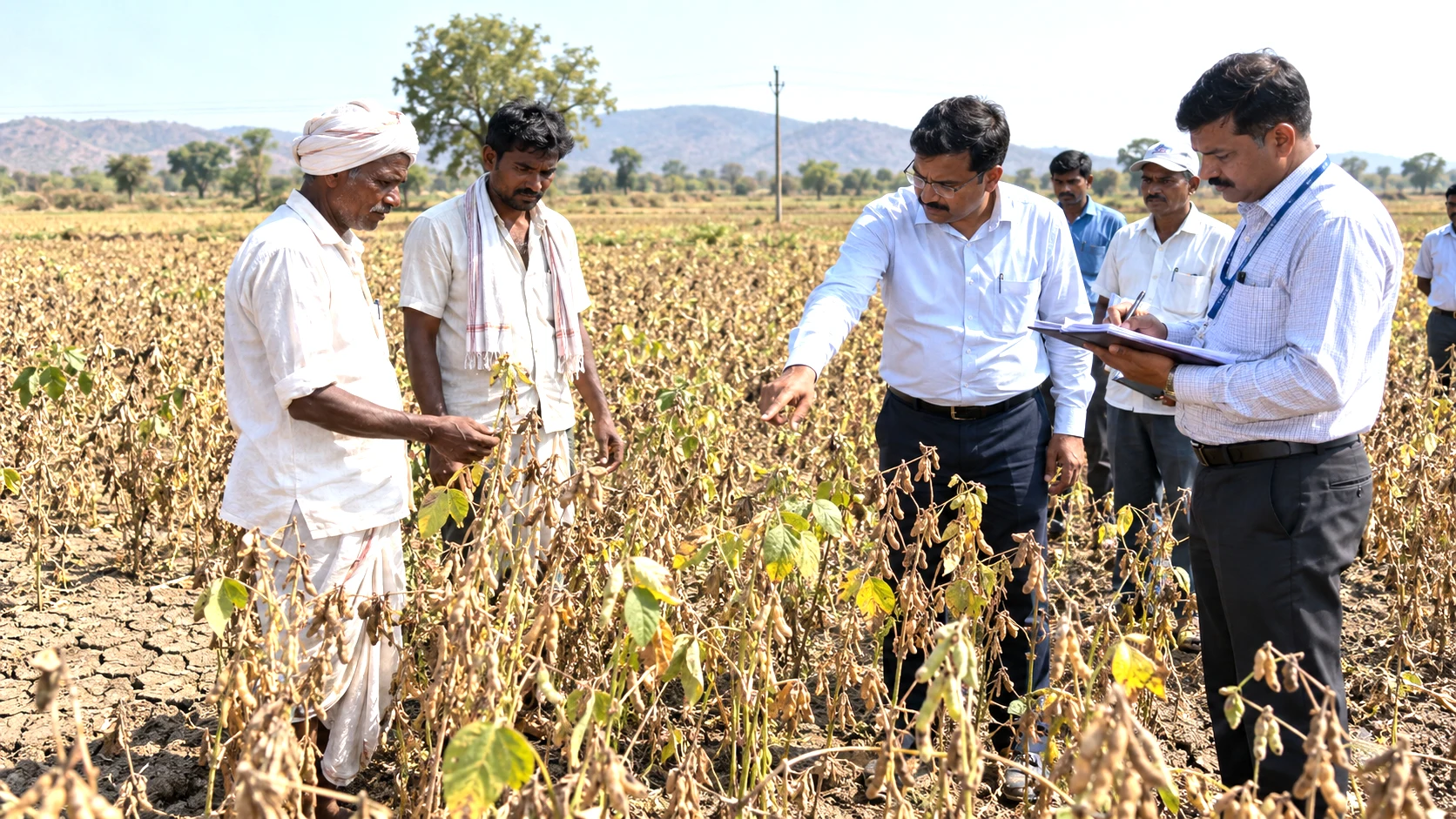
Maharashtra has declared drought conditions in 265 of 358 talukas under Trigger-1 for Kharif 2026. Here is the district-wise list, 12 relief measures, crop-loss compensation position, eligibility and panchnama-to-DBT process.
The 2029 deadline is a government target rather than a guaranteed outcome.
Drug trafficking involves domestic networks, international supply routes, synthetic-drug production, illicit finance, online markets and local consumption, meaning progress will depend on enforcement, prevention, treatment and coordination across numerous agencies.
Shah said the government wants the anti-drug campaign to move from what he termed “Meeting to Mission”, “Reporting to Result”, “Seizure to the dismantling of Networks” and “Case to Conviction”.
Key Takeaways
Amit Shah has set December 31, 2029 as the government's target for uprooting the drug trade from India.
The goal is part of the Vision Document on Narcotics Control 2026–2029.
The roadmap focuses on four broad areas: enforcement and intelligence, precursor and synthetic-drug control, demand and harm reduction, and capacity building and coordination.
The government says the emphasis should shift from individual drug seizures towards dismantling entire trafficking networks.
Financial investigations, digital evidence, darknet markets, cryptocurrency transactions and international trafficking are major focus areas.
Districts are proposed as the basic operational unit of the anti-drug campaign.
The government also plans prevention campaigns in schools and colleges and an expansion of treatment and rehabilitation capacity.
The 2029 deadline should be understood as a policy target, not as proof that illicit drugs will necessarily disappear completely by that date.
What Exactly Did Amit Shah Announce?
The clearest statement came in the Home Ministry's official account of the September 22 conference.
Shah said that “by 31 December 2029, we will collectively succeed in uprooting the drug trade from India.”
He linked the deadline to a wider goal of protecting young people and supporting the government's Viksit Bharat 2047 vision.
The Home Minister had used similar language earlier in September during a narcotics-control press conference in Goa, where he described 2026–2029 as a mission-mode period for pursuing a “Drug-free India”.
The September 22 announcement therefore represents a more specific end-date attached to a strategy the government had already begun outlining.
Why December 31, 2029?
The government's current narcotics-control strategy is organised around a Vision Document 2026–2029.
According to Shah, the document was prepared after consultation with more than 35 departments and assigns defined targets and timelines to agencies involved in the campaign.
The September conference is intended to move those targets into implementation at central, state and district levels.
An earlier Home Ministry briefing said the roadmap originally covered the period from July 2026 to July 2029, with quarterly reviews, measurable outcomes and ministry-level accountability planned during the mission period.
Shah's latest statement sets December 31, 2029 as the broader political deadline for the goal of uprooting the drug trade.
What Are the Four Pillars of the 2026–29 Drug Strategy?
The Home Ministry says the Vision Document is organised around four pillars:
Enforcement, intelligence and operations
Control of precursor chemicals and synthetic drugs
Demand and harm reduction
Capacity building and coordination
At the September 22 conference, Shah said more than 100 targets had been categorised under these four pillars.
An earlier September briefing described the wider roadmap as containing 25 components and more than 200 time-bound action points, indicating that individual action points sit beneath broader targets and strategic categories.
1. Moving From Drug Seizures to Entire Networks
One of the most significant changes in the government's stated approach is its emphasis on dismantling trafficking organisations rather than judging enforcement primarily by the quantity of drugs seized.
Shah told the ANTF conference that enforcement agencies should examine both backward and forward linkages.
That means investigators would seek to determine:
where a consignment originated;
who financed it;
which transport network moved it;
which interstate distributors handled it;
who planned local distribution;
and where the proceeds ultimately went.
The Home Minister said financial investigation and digital-link analysis should accompany conventional narcotics investigations.
The intended approach is therefore to use a seizure as the beginning of a broader investigation rather than treating the confiscation itself as the final measure of success.
Three Levels of Drug Cartels
The Home Ministry says the 2026–29 strategy seeks to target illicit networks at three levels:
the entry point where drugs enter or are produced;
the interstate distribution network; and
the local sales network operating within districts.
Shah said enforcement should attempt to disrupt all three layers rather than focusing only on street-level sellers.
This reflects the government's broader stated objective of moving from individual cases towards dismantling organised networks.
Districts to Become the Basic Unit
Another operational proposal is to make the district the basic unit of the anti-narcotics campaign.
The government plans to classify districts into three broad clusters:
areas where drugs are manufactured or enter the country;
transportation-corridor districts; and
districts where consumption is a major concern.
Different districts may therefore receive different enforcement and prevention priorities depending on their role in the supply chain.
A border district experiencing cross-border trafficking, for example, may require a different strategy from a metropolitan consumption centre.
Synthetic Drugs Become a Major Focus
The government's strategy places particular emphasis on synthetic narcotics and precursor chemicals.
Synthetic drugs can present different enforcement challenges from plant-based narcotics because production may occur in clandestine laboratories and may rely on chemicals that also have legitimate industrial or pharmaceutical uses.
Shah said states should develop specialised capabilities to respond to emerging threats including:
synthetic drugs;
precursor-chemical diversion;
clandestine laboratories;
new communications technologies;
darknet drug markets;
cryptocurrency transactions;
dead-drop delivery systems; and
international drug networks.
The government wants specialised teams in states capable of handling these technology-intensive investigations.
Darknet and Cryptocurrency Investigations
Drug trafficking increasingly intersects with digital technologies.
The Home Ministry says agencies are developing technology-based investigative capabilities targeting:
darknet marketplaces;
encrypted communications;
cryptocurrency transactions; and
anonymous delivery systems.
Earlier in September, Shah said work had begun on dedicated Dark Net-Crypto Cells within the anti-narcotics framework.
Cryptocurrency use itself is not evidence of criminal activity.
The enforcement focus is specifically on tracing digital financial transactions allegedly connected to illegal narcotics networks.
Financial Investigations to Become a Priority
A major theme of the new roadmap is following the money.
Shah said investigators should attempt to identify and act against the financial proceeds generated by drug trafficking rather than limiting cases to narcotics possession or transportation.
The government says agencies including the Enforcement Directorate, Financial Intelligence Unit and banking system are expected to play roles in tracing financial flows connected to organised narcotics cases.
Whether these investigations result in confiscation or conviction depends on evidence, applicable law and judicial proceedings.
International Drug Networks
The government's narcotics strategy also targets trafficking networks operating outside India.
Shah said authorities should pursue fugitives accused of supplying narcotics into India and seek to bring them before Indian courts.
He also called for action against foreign nationals accused in narcotics cases, including deportation and blacklisting where legally applicable.
The Home Ministry said earlier this month that India has narcotics-related international cooperation arrangements involving 46 countries.
Cross-border investigations can nevertheless depend on extradition laws, bilateral cooperation and the legal systems of other countries.
Government Says Drug Seizures Have Increased
The Home Ministry has cited drug-seizure data as evidence of increased enforcement activity.
At the September 6 briefing, Shah said agencies seized:
about 26 lakh kg of drugs valued at roughly ₹40,000 crore between 2004 and 2014; and
more than 1.19 crore kg valued at about ₹1.89 lakh crore between 2014 and 2026.
He also said about 48.68 lakh kg of seized narcotics had been destroyed during 2014–2026, compared with about 3.36 lakh kg during 2004–2014.
These figures are government-reported enforcement statistics.
Higher seizures can indicate stronger enforcement, greater trafficking volumes, changes in reporting and classification, or a combination of factors. They should therefore not automatically be interpreted as proof that drug availability or use has risen or fallen by the same proportion.
What Is the NCORD System?
The government says it has expanded coordination between central and state agencies through the Narco Coordination Centre, or NCORD, framework.
Shah said a four-tier NCORD mechanism was established in 2019 alongside dedicated Anti-Narcotics Task Forces and a Joint Coordination Committee.
According to the Home Ministry's September figures, the system had held:
10 apex-level meetings;
seven executive meetings;
277 state-level meetings; and
16,798 district-level meetings.
The government's 2026–29 roadmap seeks to make this coordination more operational and outcome-focused.
What Is an Anti-Narcotics Task Force?
States and Union Territories have dedicated Anti-Narcotics Task Forces, or ANTFs, intended to coordinate intelligence and action against drug trafficking.
Shah said the government's goal is to develop the ANTF structure into what he called an “Anti Narco Mission Command”.
He urged state Chief Secretaries to review manpower, technology, budgets and investigative capacity available to these units.
The Home Ministry had previously said central assistance would be used to support fully equipped state ANTFs by March 2027.
The Strategy Is Not Only About Police Action
Although enforcement dominates many headlines, the Vision Document also includes demand reduction and harm reduction.
That means reducing drug use, preventing addiction and providing treatment and rehabilitation are formally part of the strategy alongside arrests and seizures.
This distinction matters because reducing illegal drug markets cannot be achieved solely through interdiction if underlying demand and substance-use disorders remain unaddressed.
The government says it plans to combine policing with:
public awareness;
school and college outreach;
treatment;
rehabilitation; and
community participation.
One Lakh Nashamukt Mitras Targeted
The Vision Document includes a goal of registering one lakh Nashamukt Mitras, or community volunteers involved in drug-prevention awareness.
Shah said 46,780 Nashamukt Mitras had already been registered at the time of the September 22 conference.
The government says these volunteers will eventually visit 10 lakh schools, colleges and other institutions to warn young people about drug-related harms and sensitise institutional leadership.
This is an awareness target; the eventual effectiveness of the programme will depend on implementation and measurable behavioural or health outcomes.
Schools and Colleges Become a Major Prevention Focus
The government is placing educational institutions at the centre of its prevention strategy.
The Home Ministry says the Education Ministry, youth organisations and educational institutions are expected to participate in campaigns aimed at reducing drug use among students.
NCC, NSS and My Bharat networks are also intended to support awareness efforts.
The government's stated rationale is that prevention among young people is essential to reducing future demand.
Treatment and Rehabilitation Capacity
Drug dependence is also a health issue, and the government's strategy includes treatment and rehabilitation.
At the September 6 briefing, Shah said the government planned to increase the number of de-addiction centres to 1,751, involving the Department of Social Justice, health authorities and prison administration.
The same Home Ministry briefing said the Nasha Mukt Bharat Abhiyaan had reached approximately 25 crore people through awareness and pledge activities and that around 5.7 lakh people had received treatment and rehabilitation described by the government as becoming drug-free.
Those figures are government programme statistics and should not be interpreted as independent long-term relapse or recovery-rate measurements.
Why Language Around Addiction Matters
Government action against trafficking and support for people experiencing drug dependence are different parts of the problem.
People with substance-use disorders should not automatically be described as criminals simply because they need treatment.
The government's own Vision Document includes demand and harm reduction, indicating that treatment and rehabilitation are intended to operate alongside enforcement.
Public-health evidence generally treats substance dependence as a health condition requiring appropriate medical and psychosocial care, while trafficking and illegal supply are handled through criminal law.
NCB Gets New Infrastructure
During the September 22 conference, Shah also:
launched a redesigned Narcotics Control Bureau website;
launched television awareness material against narcotics;
laid the foundation stones for new NCB zonal complexes in Lucknow and Dehradun; and
honoured selected high-performing state and Union Territory ANTFs.
The government says the additional infrastructure forms part of efforts to expand NCB capacity.
What Is the NIDAAN Portal?
The Home Ministry has also highlighted technology systems developed in recent years.
One is the NIDAAN database, which stores information relating to narcotics offenders for use by authorised enforcement agencies.
The government says it is also combining narcotics information with CCTNS and other data sources to identify:
trafficking hotspots;
common methods;
seizure patterns; and
interconnected networks.
Use of such systems remains subject to applicable law, evidentiary requirements and procedural safeguards.
MANAS Helpline
The Home Ministry has also referred to the 1933 MANAS helpline as part of the narcotics-control system.
The government says it is intended to support reporting and assistance relating to narcotics, including pathways towards rehabilitation.
Emergency medical situations involving overdose or severe intoxication should still be treated as medical emergencies rather than relying only on a general anti-narcotics helpline.
Can India Really Become Completely Drug-Free by 2029?
That cannot be known in advance.
Shah has set a clear deadline and the government has created measurable targets and institutional responsibilities, but eliminating an illicit market entirely is an exceptionally demanding objective.
Factors outside any one agency's control include:
international trafficking networks;
new synthetic substances;
clandestine manufacturing;
encrypted online marketplaces;
changing consumer demand;
corruption;
organised crime;
and evolving smuggling routes.
The appropriate journalistic framing is therefore that the government aims to uproot the drug trade by December 31, 2029, not that India is guaranteed to eliminate all drug trafficking by that date.
How Will Progress Be Measured?
The Home Ministry says the roadmap includes:
defined targets;
timelines;
accountable departments;
measurable outcomes; and
periodic reviews.
However, measuring progress will require looking beyond seizure volumes.
Relevant indicators could include:
trafficking networks dismantled;
conviction outcomes;
financial assets traced;
cross-border networks disrupted;
synthetic-drug laboratories detected;
treatment access;
rehabilitation outcomes;
prevalence of harmful drug use; and
availability of narcotics in affected communities.
The government has not suggested that any single statistic alone will determine whether the 2029 objective has been achieved.
What Happens Next?
The 2026–29 strategy is expected to move increasingly from policy design into state- and district-level implementation.
The key developments to watch include:
whether states receive additional ANTF personnel and technology;
progress towards the one-lakh Nashamukt Mitra target;
expansion of treatment and rehabilitation centres;
implementation of darknet and crypto investigative units;
greater use of financial investigations;
action against interstate and international cartels;
conviction rates in major narcotics cases; and
periodic reviews of the Vision Document's targets.
The success of the programme will ultimately depend on whether those targets produce measurable reductions in trafficking, harmful drug use and related crime.
Latest Verified Position
As of September 23, 2026:
Amit Shah has publicly set December 31, 2029 as the target for collectively uprooting the drug trade from India.
The target forms part of the government's Vision Document on Narcotics Control 2026–2029.
More than 35 departments were consulted in developing the roadmap, according to Shah.
The strategy is organised around enforcement, synthetic and precursor-drug control, demand and harm reduction, and capacity building.
More than 100 broad targets have been assigned under those pillars, according to the latest Home Ministry briefing.
The government wants districts to become the basic operational unit and cartels to be targeted from entry points through interstate distribution to local sales.
Shah said 46,780 Nashamukt Mitras had been registered towards a target of one lakh.
The 2029 objective remains a government target whose eventual achievement will need to be assessed against measurable outcomes.
Frequently Asked Questions
What is Amit Shah's 2029 drug-free India target?
The Home Minister said the government aims to collectively succeed in uprooting the drug trade from India by December 31, 2029.
Did Amit Shah say India is already drug-free?
No. He described drug trafficking as a continuing serious challenge and set 2029 as the government's target for a major nationwide campaign against it.
What is the Vision Document on Narcotics Control 2026–2029?
It is the government's three-year anti-narcotics roadmap covering enforcement, synthetic and precursor drugs, demand and harm reduction, and capacity building and coordination.
What is the government's strategy against drug cartels?
The stated strategy is to investigate entire supply chains, including entry points, interstate distribution systems and local sales networks, while also tracing finances and digital links.
Is the government focusing only on arrests and seizures?
No. The Vision Document also includes prevention, demand reduction, harm reduction, treatment, rehabilitation and public-awareness programmes.
What are Nashamukt Mitras?
They are volunteers intended to support anti-drug awareness. Shah said 46,780 had been registered towards the government's one-lakh target.
How many schools and colleges will the campaign cover?
The Home Minister said Nashamukt Mitras are intended to reach 10 lakh schools, colleges and other institutions as part of the awareness programme.
How much narcotics material does the government say has been seized?
The Home Ministry said more than 1.19 crore kg of drugs valued at approximately ₹1.89 lakh crore were seized during 2014–2026. These are government-reported enforcement figures.
Will drug trafficking definitely end by 2029?
That cannot be guaranteed. December 31, 2029 is the government's stated target. Whether it is achieved will depend on future enforcement, prevention, rehabilitation, international cooperation and measurable reductions in illicit drug activity.
Bottom Line
Home Minister Amit Shah has set December 31, 2029 as the government's target for uprooting the drug trade from India. The Vision Document on Narcotics Control 2026–2029 organises the campaign around enforcement, synthetic-drug control, demand reduction and capacity building.
The strategy emphasises dismantling entire networks rather than focusing only on seizures, while also expanding prevention, treatment and rehabilitation. The 2029 deadline remains a policy target whose success will depend on measurable outcomes.
Key Takeaway
December 31, 2029 is the government's target to uproot the drug trade.
Focus shifts from seizures to dismantling networks.
Four pillars: enforcement, synthetic drugs, demand reduction, capacity building.
Prevention and rehabilitation are part of the plan.
The Rajatheertha Team publishes news, explainers, guides and updates across India and the world. Our coverage follows Rajatheertha's editorial, verification and corrections standards.
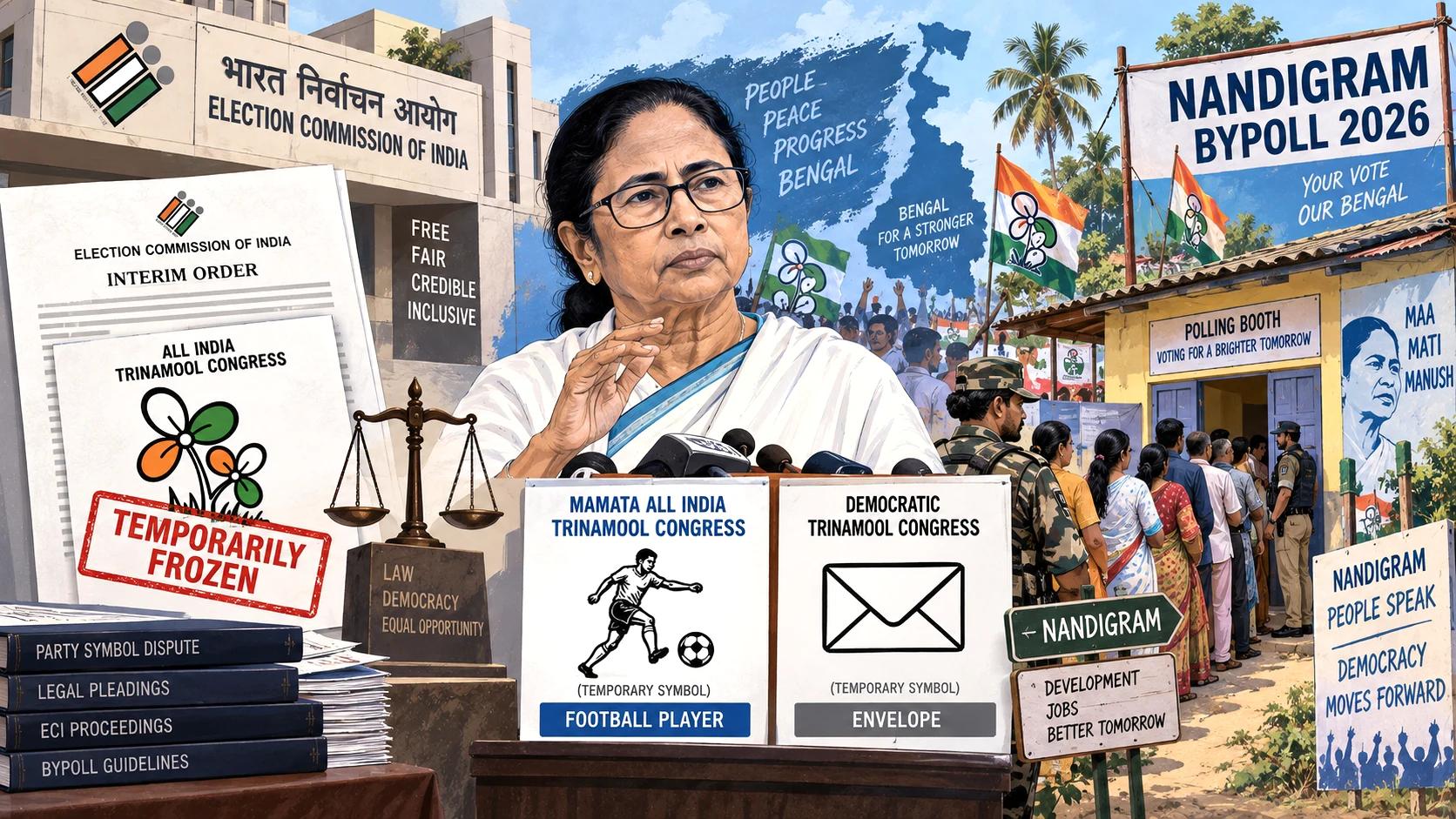
The Election Commission’s interim freeze on the Trinamool Congress name and ‘Flowers and Grass’ symbol has pushed rival factions to temporary identities. Mamata Banerjee has challenged the order in the Supreme Court, while the October 6 Nandigram bypoll has been further complicated by the withdrawal
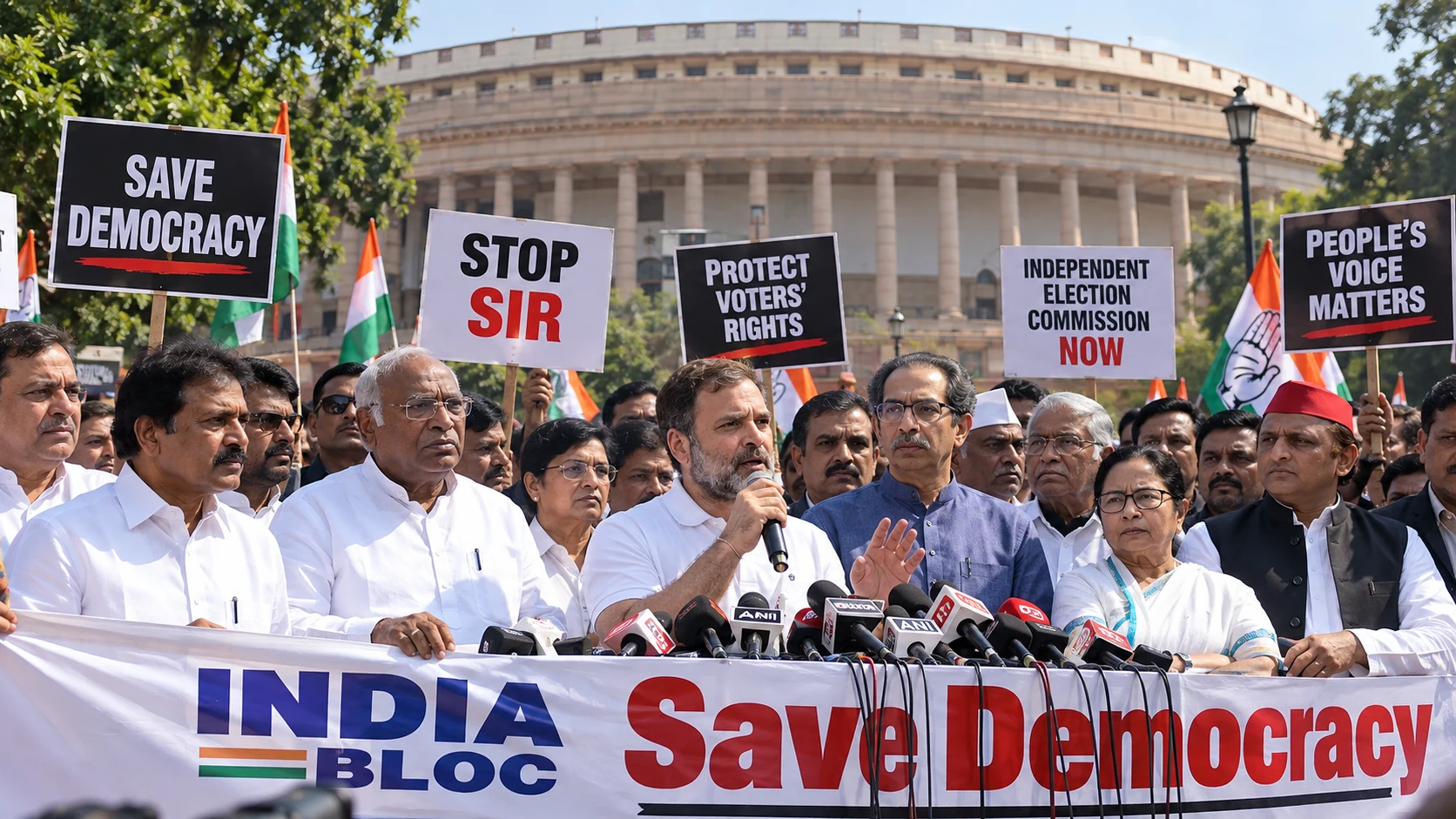
The INDIA bloc has announced nationwide “Save Democracy” marches from Oct. 2–8 over the Election Commission and SIR controversy, with MPs planning an Oct. 6 march to the EC. The BJP has rejected the allegations as political frustration after electoral defeats.
RBI's MPC meets October 5–7 with economists increasingly expecting a 25 bp repo-rate hike to 5.50%. Here's what that could mean for floating-rate home loans, EMIs and borrowers.
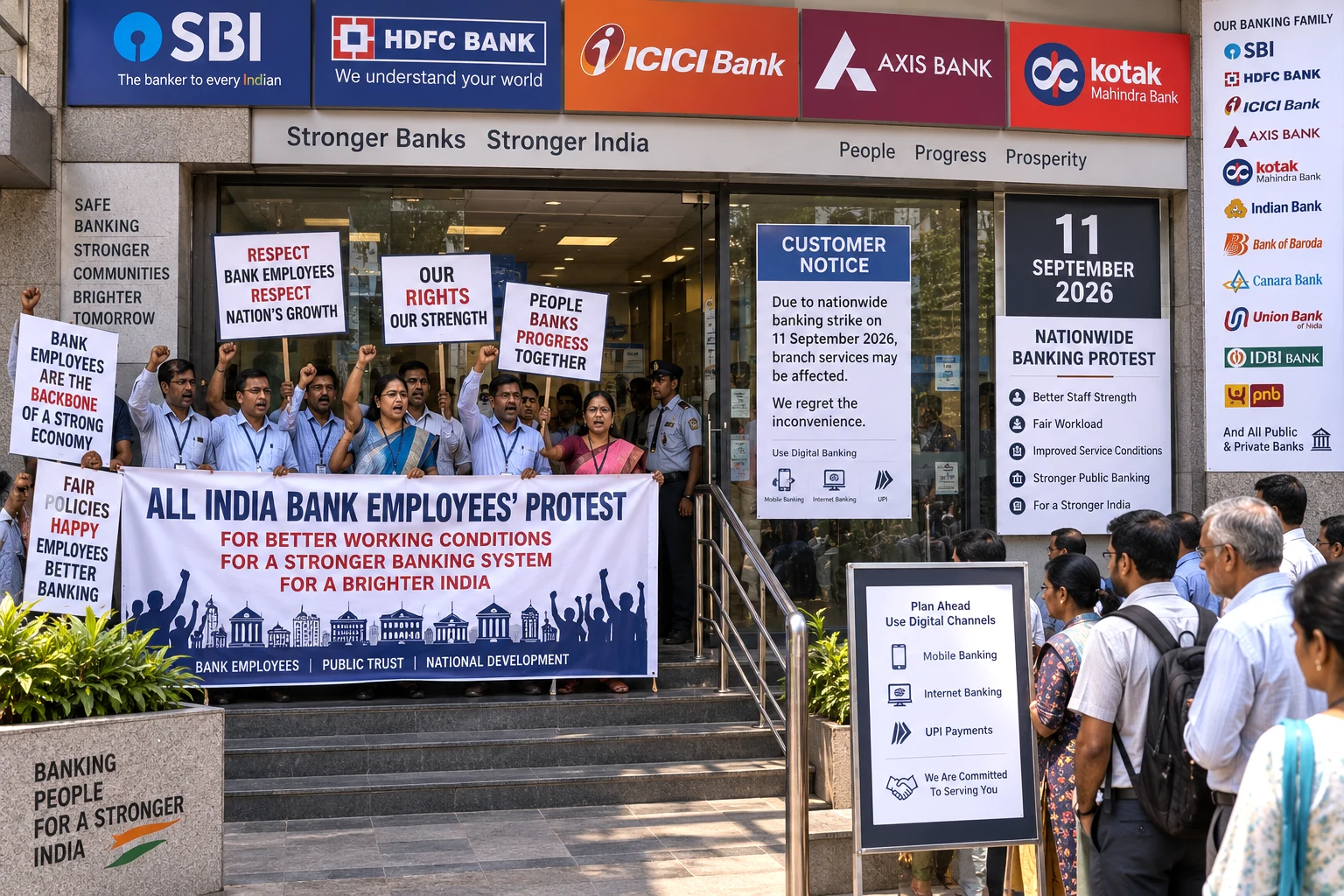
Bank unions will strike nationwide on September 11 over five-day banking and other demands. Here is why employees are protesting, what banks say, how customers may be affected and what happens next.
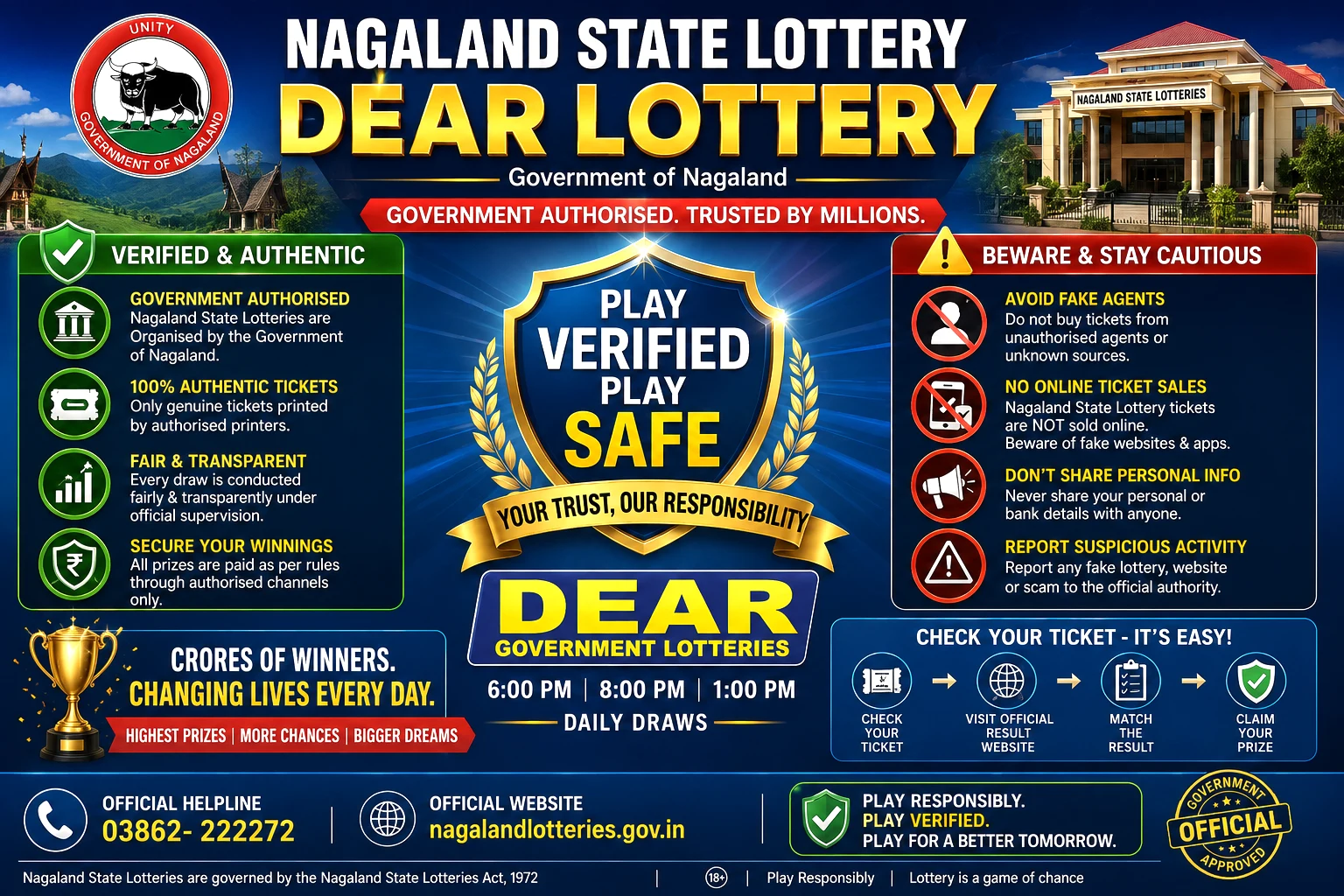
Nagaland State Lottery draws continue today, September 2, with Dear Lottery participants watching for the ₹1 crore top prize. But with unofficial result websites circulating numbers online, here’s how players can verify the genuine government result.
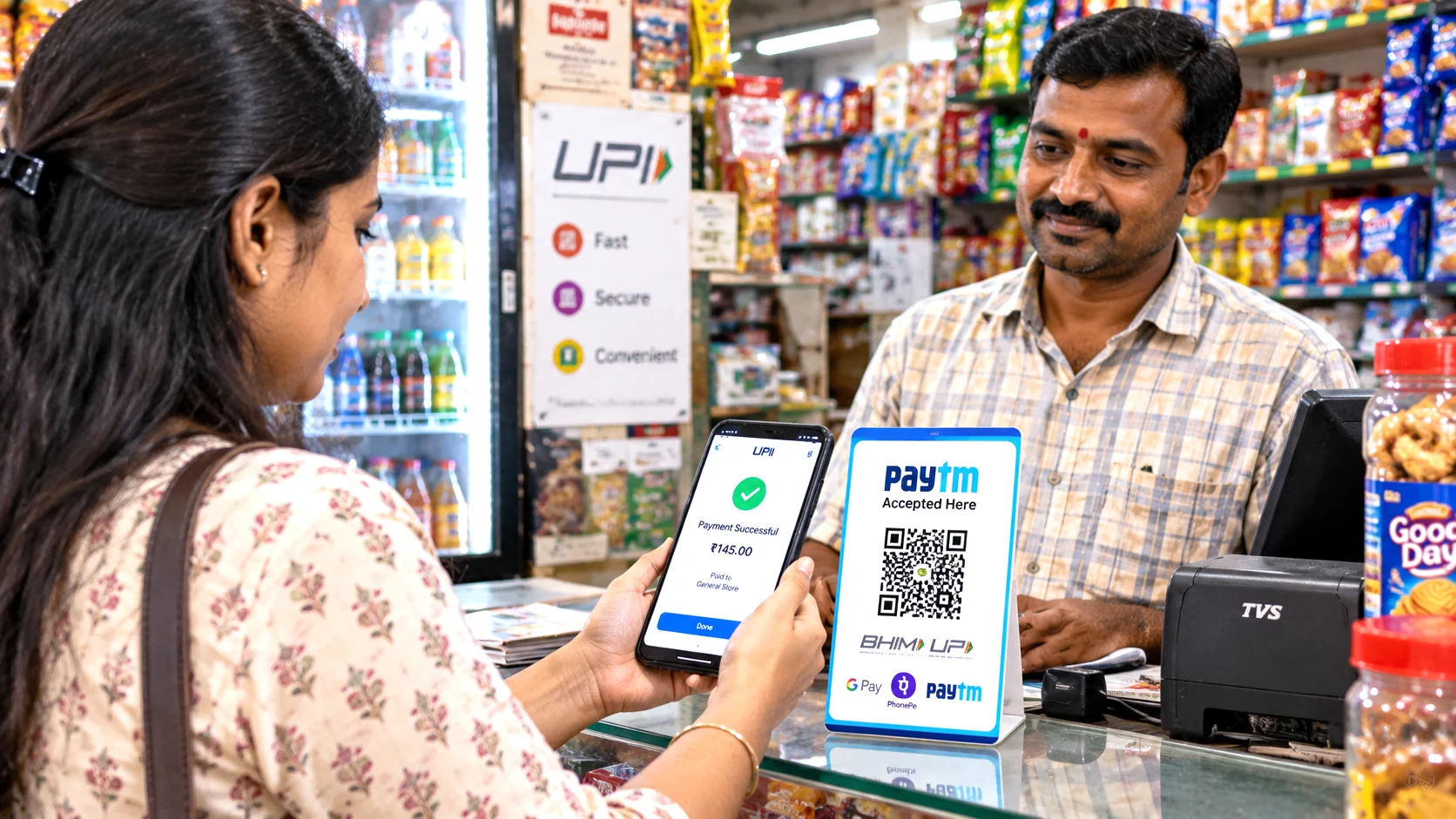
Finance Minister Nirmala Sitharaman says the new UPI MDR is not a tax and cannot be passed on to customers. Here is who actually pays, what changes from October 15 and which UPI transactions remain free.



0 Comments