INDIA Bloc Announces ‘Save Democracy’ Marches From Oct 2–8 Over Election Commission Row
The INDIA bloc has announced nationwide “Save Democracy” marches from Oct. 2–8 over the Election Commission and SIR controversy, with MPs planning an Oct. 6 march to the EC. The BJP has rejected the allegations as political frustration after electoral defeats.
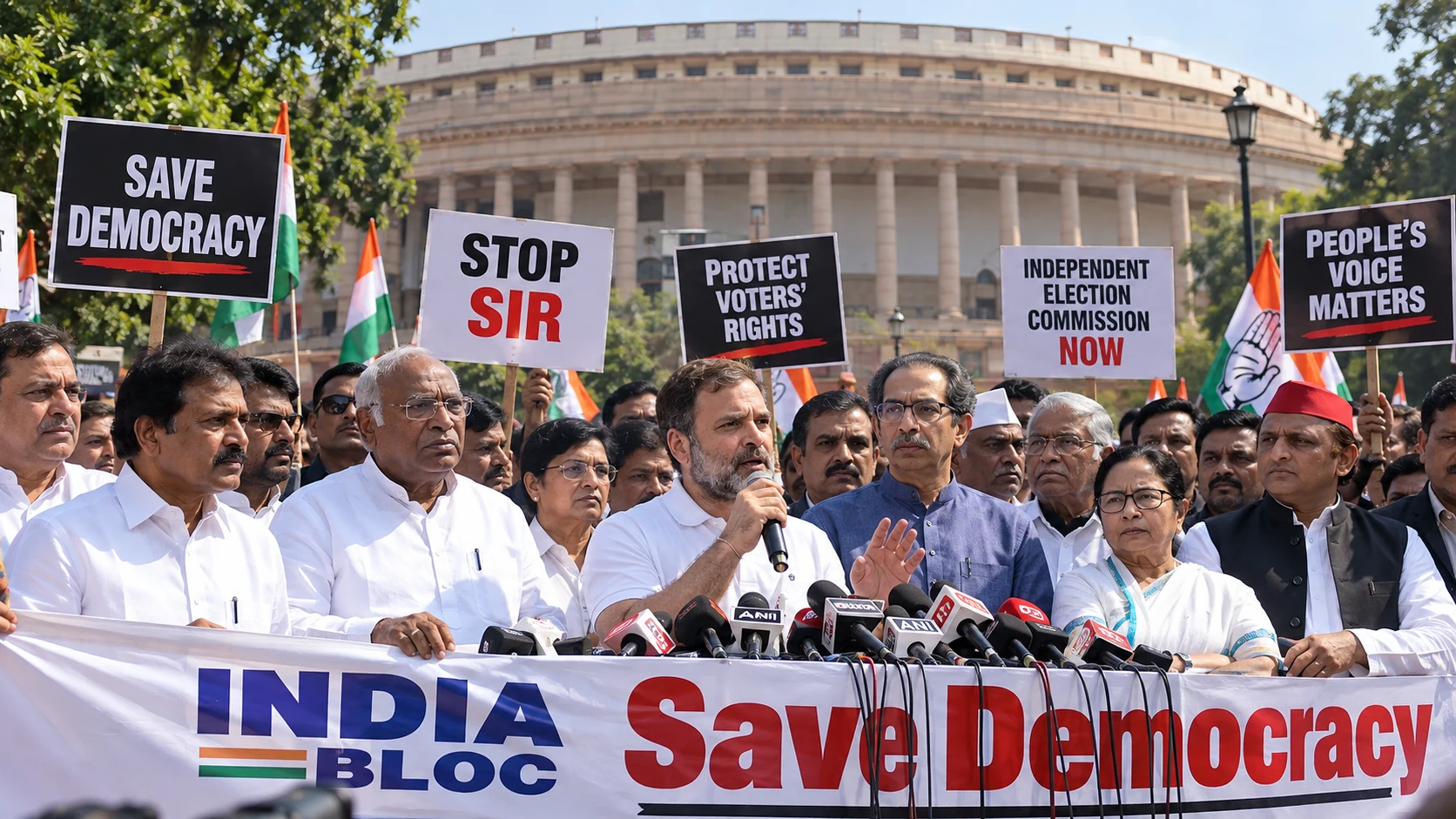
INDIA bloc leaders announce nationwide Save Democracy marches over the Election Commission and SIR controversy
Table of Contents (24 sections)
India's opposition INDIA bloc has announced a week-long nationwide “Save Democracy” campaign from October 2 to October 8, 2026, escalating its confrontation with the Election Commission of India over the Special Intensive Revision of electoral rolls and wider allegations concerning the electoral process.
Congress president Mallikarjun Kharge announced the programme after a meeting of opposition leaders in New Delhi on September 30. Under the agreed plan, district-level marches are scheduled across the country between October 2 and 8, while Opposition MPs from both Houses of Parliament plan to march to the Election Commission's headquarters in New Delhi on October 6.
The grouping also plans to approach President Droupadi Murmu during the second week of October, pursue legal action in the Supreme Court and hold a major rally in Delhi on November 1 as part of the wider campaign.
Recommended Reading
Related Stories & In-Depth Guides
Curated editorial perspectives matching this topic.
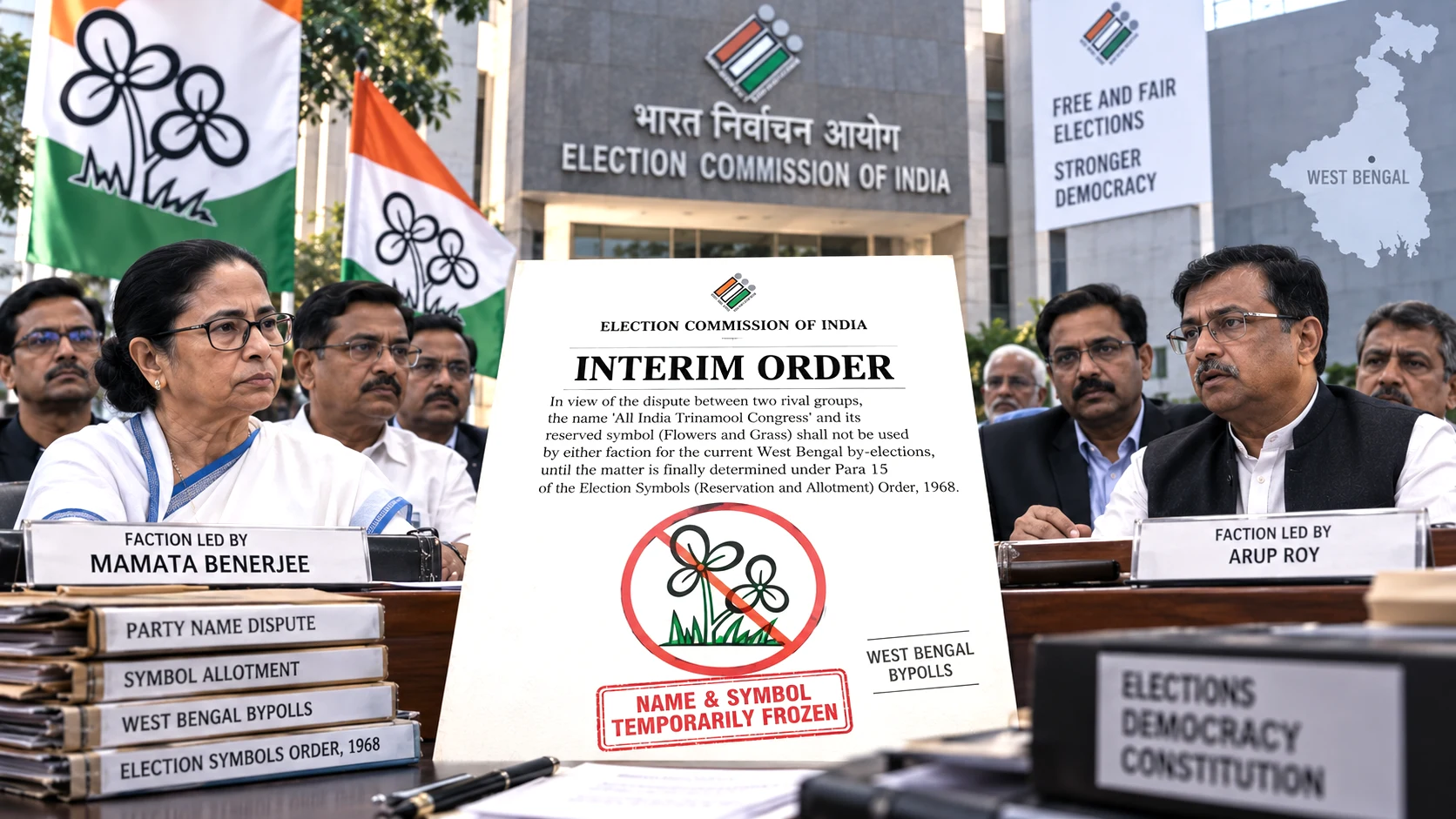
Neither the Mamata Banerjee group nor the rival faction formally represented before the Election Commission by Arup Roy can use the All India Trinamool Congress name or its reserved symbol in the October 6 bypolls. The order is temporary while the ECI decides the larger party-control dispute under P
The 18th BRICS Summit concluded in New Delhi with leaders adopting the New Delhi Declaration by consensus, as India handed the chairship to China for 2027.
The move follows weeks of controversy over the Election Commission's Special Intensive Revision, or SIR, of electoral rolls and a media investigation reporting that Election Commissioners Sukhbir Singh Sandhu and Vivek Joshi had recorded objections on multiple occasions to aspects of voter-roll administration.
The Election Commission has rejected suggestions that these internal observations prove manipulation or an institutional split. It has said differing views and technical observations are part of the deliberative process and that final Commission decisions on SIR were taken unanimously.
The disagreement has now moved beyond an administrative dispute over voter lists into a broader political confrontation between the Opposition, the Election Commission and the BJP-led central government.
What Has the INDIA Bloc Announced?
The opposition parties agreed to a multi-stage programme rather than a single protest.
The principal dates currently announced are:
October 2–8: “Save Democracy” marches and programmes at district level across India.
October 6: Opposition MPs from the Lok Sabha and Rajya Sabha plan to march to the Election Commission headquarters in New Delhi.
Second week of October: Opposition leaders intend to seek an appointment with President Droupadi Murmu.
November 1: A larger rally is planned in Delhi.
Additional rallies: The bloc intends to organise five major public rallies, with further dates and locations to be finalised.
Kharge said the campaign would seek participation from young people and civil-society organisations as the Opposition attempts to take the electoral-roll controversy beyond Parliament and into a nationwide political campaign.
Why Is the Opposition Protesting Against the Election Commission?
The immediate backdrop is the continuing controversy surrounding the Special Intensive Revision of electoral rolls.
The Opposition has raised concerns about voter deletions, additions to rolls, documentation requirements, database controls and the way SIR decisions were implemented.
Those concerns intensified after an Indian Express investigation reported that Election Commissioners Sukhbir Singh Sandhu and Vivek Joshi recorded objections at least 14 times over approximately 10 months on issues involving electoral rolls and related processes.
The report did not establish that the final decisions of the three-member Election Commission were divided.
The Commission subsequently maintained that individual notes, questions and technical observations formed part of normal internal deliberation and that its final decisions — including key SIR decisions — had unanimous approval.
That distinction is important.
Reported internal objections are documented concerns within the decision-making process; they are not, by themselves, proof that elections were manipulated or that the final Commission decisions lacked approval.
What Does the Election Commission Say?
The ECI has rejected allegations that the reported internal differences prove wrongdoing.
Reuters reported that the Commission's position is that differences are normal within an institution and that its actions were lawful.
In its detailed response to the SIR controversy, the Commission said major SIR orders were issued with unanimous approval from all three Election Commissioners.
It also said the final decision-making process should be distinguished from individual notes or technical queries raised while proposals were being considered.
Following a full Commission meeting on September 26, the ECI also announced nine decisions addressing several procedural issues that had figured in the controversy.
These statements constitute the Commission's response to the allegations and should be included whenever claims of election manipulation are reported.
What Did Tejashwi Yadav Allege?
RJD leader Tejashwi Yadav, who attended the September 30 opposition meeting, made some of the strongest allegations against the Election Commission and the central government.
Yadav argued that concerns raised during the SIR process in Bihar were part of what he described as a wider conspiracy involving elections.
He alleged that the Bihar and West Bengal elections had been conducted through fraudulent means and accused the Election Commission of working under the influence of the BJP-led central government.
Yadav also criticised changes to the system for appointing Election Commissioners and questioned legal protections given to members of the Commission.
These are political allegations made by Yadav.
No court or other competent authority has established that the Bihar or West Bengal election results were fraudulently produced as he alleged.
For that reason, headlines and article text should not state that either election was “rigged” as an established fact.
The accurate formulation is:
Tejashwi Yadav alleged that the Bihar and West Bengal elections were manipulated or conducted fraudulently.
Why the Bihar and Bengal Claims Need Careful Wording
The distinction is particularly important because allegations of election rigging concern the legitimacy of completed democratic elections.
The Opposition has cited voter-roll disputes, SIR procedures and reported internal Election Commission objections as reasons for demanding scrutiny.
But those elements do not independently establish that a particular election result was fraudulent.
The Election Commission disputes the broader manipulation allegations and says its SIR decisions were unanimously approved.
Any future court findings, Election Commission disclosures or documented evidence could change that assessment. Until then, the claims should remain explicitly attributed.
What Are the INDIA Bloc's Main Demands?
The September 30 meeting produced several major demands.
Opposition parties called for:
the removal or resignation of Chief Election Commissioner Gyanesh Kumar;
reconsideration or rollback of disputed aspects of the SIR process;
use of electoral rolls from before the SIR for future elections, according to the Opposition's stated proposal;
a stronger appeal mechanism for eligible voters excluded from rolls;
protection against wrongful voter exclusion because of technical or administrative issues;
a return from Electronic Voting Machines to paper ballots;
and legal scrutiny of provisions governing Election Commissioners.
These are demands of the opposition grouping. They have not been adopted as national election policy.
Opposition Wants a Return to Ballot Papers
Another major development from the meeting was agreement among participating parties in favour of using paper ballots rather than EVMs.
Kharge said parties present at the meeting supported returning to ballot-paper voting.
The BJP has rejected criticism of EVM-based elections.
Union Agriculture Minister Shivraj Singh Chouhan pointed to Congress victories in states including Karnataka, Telangana and Himachal Pradesh as part of his argument that the Opposition accepts the electoral system when it wins but questions it after defeats.
The opposing positions remain politically significant, but neither political argument by itself resolves technical questions about electoral systems.
Opposition Plans Supreme Court Challenge
The INDIA parties also decided to jointly approach the Supreme Court over provisions of the Chief Election Commissioner and Other Election Commissioners (Appointment, Conditions of Service and Term of Office) Act, 2023.
The focus is Section 16, which provides legal protection against civil or criminal proceedings for acts, things or words undertaken by a serving or former CEC or Election Commissioner while acting or purporting to act in an official capacity.
A separate petition challenging the provision is already before the Supreme Court, according to the Indian Express.
A court challenge does not itself establish that the provision is unconstitutional. Its validity would ultimately depend on judicial determination.
What Did Rahul Gandhi Say?
Congress leader and Lok Sabha Leader of the Opposition Rahul Gandhi framed the issue as a wider fight over India's democratic institutions.
After the meeting, he said INDIA bloc leaders were collectively committed to holding accountable those they believe had damaged democracy.
Gandhi has repeatedly alleged manipulation of electoral processes and voter rolls.
The Election Commission has rejected manipulation allegations and defended the legality of its actions, while the BJP has accused Gandhi and other Opposition leaders of undermining public confidence in constitutional institutions.
Mamata Banerjee Demands CEC's Removal
Trinamool Congress leader Mamata Banerjee also attended the meeting and demanded the immediate removal of CEC Gyanesh Kumar.
She alleged irregularities involving elections and voter rolls in multiple states, including West Bengal, Bihar, Madhya Pradesh and Haryana.
Again, those claims remain allegations by the Opposition rather than established findings.
Banerjee's participation was politically significant because INDIA bloc constituents continue to compete against one another in several states even while cooperating nationally on the Election Commission controversy.
Which Parties Attended the Meeting?
The September 30 meeting brought together leaders representing 19 opposition parties, along with Independent MP Kapil Sibal, according to the Indian Express.
Senior attendees included:
Sonia Gandhi;
Mallikarjun Kharge;
Rahul Gandhi;
Mamata Banerjee;
Tejashwi Yadav;
Omar Abdullah;
Supriya Sule;
Mehbooba Mufti;
M A Baby;
Dipankar Bhattacharya;
and representatives from several other opposition parties.
Reuters described the meeting as involving representatives of about 20 participants from the broader opposition grouping.
BJP Calls Campaign ‘Frustration’ After Defeats
The BJP strongly rejected the Opposition's allegations and criticised the planned marches.
Union Minister Shivraj Singh Chouhan described the outcome of the INDIA meeting as “Zero vision, 100 per cent frustration” and argued that opposition parties were preparing excuses for future electoral defeats.
He also called the proposed “Save Democracy” campaign an attempt to protect dynastic politics, describing it instead as a “save dynasty” march.
Chouhan argued that a clean electoral roll is essential for democracy and defended the removal of names belonging to deceased voters, duplicate registrations or people who are not legally entitled to remain on a particular electoral roll.
The BJP also cited Congress victories conducted using EVMs to challenge the Opposition's broader criticism of electronic voting.
These are the BJP's political responses to the Opposition's allegations.
BJP Questions INDIA Bloc Unity
The BJP additionally highlighted the absence of several major opposition figures from the September 30 meeting.
Chouhan pointed to the non-attendance of leaders including Samajwadi Party chief Akhilesh Yadav and questioned whether the grouping remained politically cohesive.
However, the Samajwadi Party was represented at the meeting through MPs, and multiple opposition parties agreed to participate in the common protest programme.
The two claims therefore address different questions: whether all top leaders personally attended and whether their parties participated in the coordinated campaign.
Why October 6 Could Be the Key Date
Although the district-level programme lasts a week, October 6 may become the most politically visible stage.
Opposition MPs from both Houses intend to march to the Election Commission headquarters in New Delhi.
The event could draw particular attention because an earlier Opposition march connected to electoral-roll issues resulted in a confrontation with police barricades.
Security arrangements, whether the Election Commission agrees to receive an opposition delegation, and any formal memorandum submitted by MPs will therefore be important developments to watch.
What Happens From October 2 to 8?
The announced programme begins on Gandhi Jayanti, October 2.
District-level protests are expected to focus on electoral-roll revisions, Election Commission accountability and the Opposition's claims concerning voting rights.
Kharge said the parties also intend to bring youth groups and civil-society organisations into the campaign.
The precise scale of participation will become clearer once state and district units release their local schedules.
Because the campaign had not yet begun at the time of publication, turnout claims or descriptions of demonstrations should not be presented in advance as accomplished facts.
Is the Election Commission Being Removed?
No.
Opposition leaders have demanded Gyanesh Kumar's removal or resignation, but he remains Chief Election Commissioner at the time of publication.
A political demand does not automatically remove a constitutional office-holder.
Any legal or constitutional process relating to the CEC must follow applicable law and procedure.
Is the SIR Being Cancelled?
No nationwide cancellation of the Special Intensive Revision has been announced.
The Election Commission continues to defend the exercise, while opposition parties are seeking changes through political protests, legal proceedings and institutional representations.
For voters, the immediate practical question remains whether their name and details are correctly reflected in the electoral roll.
The Election Commission's voter services system provides facilities for checking electoral-roll status and submitting registration or correction requests.
What Should Voters Do During the SIR Controversy?
Whatever the political dispute, eligible voters can take several practical steps:
Check whether their name appears on the current electoral roll.
Verify spelling, address, age and constituency information.
Respond promptly to any official notice received from election authorities.
Use the appropriate Election Commission application process for registration or corrections.
Keep acknowledgement details for applications or objections submitted.
Rely on official ECI or Chief Electoral Officer information rather than unverified social-media claims.
The existence of a political controversy does not itself mean an individual voter's registration has been removed or altered.
How This Develops Rajatheertha's Earlier Coverage
Rajatheertha previously reported the Election Commission's clarification that final SIR decisions were unanimous despite reported internal objections by two Election Commissioners.
The September 30 INDIA bloc announcement is a material new development because the controversy has now produced a coordinated nationwide agitation, a planned march to the Election Commission, a proposed presidential representation and a joint legal strategy.
Why This Political Fight Matters
The dispute involves a fundamental component of elections: who appears on the electoral roll and under what procedures names are added, corrected or removed.
Opposition parties argue that disputed procedures can affect the right to vote.
The Election Commission says the revision is intended to maintain accurate electoral rolls and that its key decisions were taken collectively and lawfully.
The BJP, meanwhile, says the Opposition is using the Election Commission controversy to explain electoral setbacks and weaken trust in institutions.
Those competing positions are likely to remain a major national political issue as the protest campaign moves from party meetings to public demonstrations.
Latest Verified Position — October 1, 2026
As of October 1:
The INDIA bloc has announced district-level “Save Democracy” marches from October 2–8.
Opposition MPs plan to march to the Election Commission in New Delhi on October 6.
Opposition leaders intend to approach President Droupadi Murmu in the second week of October.
A larger Delhi rally is planned for November 1.
The grouping plans legal action concerning the Election Commission and provisions of the 2023 Election Commissioners law.
Tejashwi Yadav has alleged that the Bihar and West Bengal elections were conducted fraudulently; this remains his allegation and has not been established as fact.
The Election Commission says its final SIR decisions were unanimous and rejects allegations of improper manipulation.
The BJP has dismissed the opposition campaign as political frustration and accused INDIA parties of preparing excuses for electoral defeats.
No announcement has been made cancelling SIR or removing CEC Gyanesh Kumar.
Frequently Asked Questions
When is the INDIA bloc's Save Democracy March?
The bloc has announced district-level “Save Democracy” marches and programmes across India from October 2 to October 8, 2026.
What is happening on October 6?
Opposition MPs from both Houses of Parliament plan to march to the Election Commission headquarters in New Delhi on October 6.
Why is the INDIA bloc protesting?
The parties are protesting over the Special Intensive Revision of electoral rolls, reported internal Election Commission objections, voter-list procedures and broader allegations about electoral integrity.
Has the Election Commission admitted that elections were manipulated?
No. The Election Commission has rejected manipulation allegations and says its final SIR decisions were unanimously approved.
What did Tejashwi Yadav say about Bihar and Bengal?
Yadav alleged that elections in Bihar and West Bengal had been conducted fraudulently and accused the Election Commission and central government of involvement in a wider conspiracy. These claims are political allegations and have not been established by a court or other competent authority.
What has the BJP said?
The BJP has rejected the Opposition's accusations. Shivraj Singh Chouhan described the campaign as frustration following electoral defeats and accused the alliance of questioning institutions when election outcomes do not favour it.
Is CEC Gyanesh Kumar resigning?
No resignation has been announced. Opposition parties are demanding his removal or resignation.
Does the INDIA bloc want EVMs removed?
Participating opposition parties said they support a return to ballot-paper elections rather than EVMs. This is an opposition demand and is not current Election Commission policy.
Is SIR being stopped?
No nationwide cancellation has been announced. Political and legal challenges to aspects of the process continue.
Is there another major rally planned?
Yes. A Delhi rally is planned for November 1, according to the opposition's announced action plan.
Bottom Line
The INDIA bloc has announced nationwide “Save Democracy” marches from October 2–8 over the Election Commission and SIR controversy. Opposition MPs plan to march to the EC on October 6, with a larger Delhi rally scheduled for November 1.
The Election Commission says final SIR decisions were unanimous and rejects manipulation claims. The BJP calls the campaign political frustration after electoral defeats. No removal of the CEC or cancellation of SIR has been announced.
The Rajatheertha Team publishes news, explainers, guides and updates across India and the world. Our coverage follows Rajatheertha's editorial, verification and corrections standards.
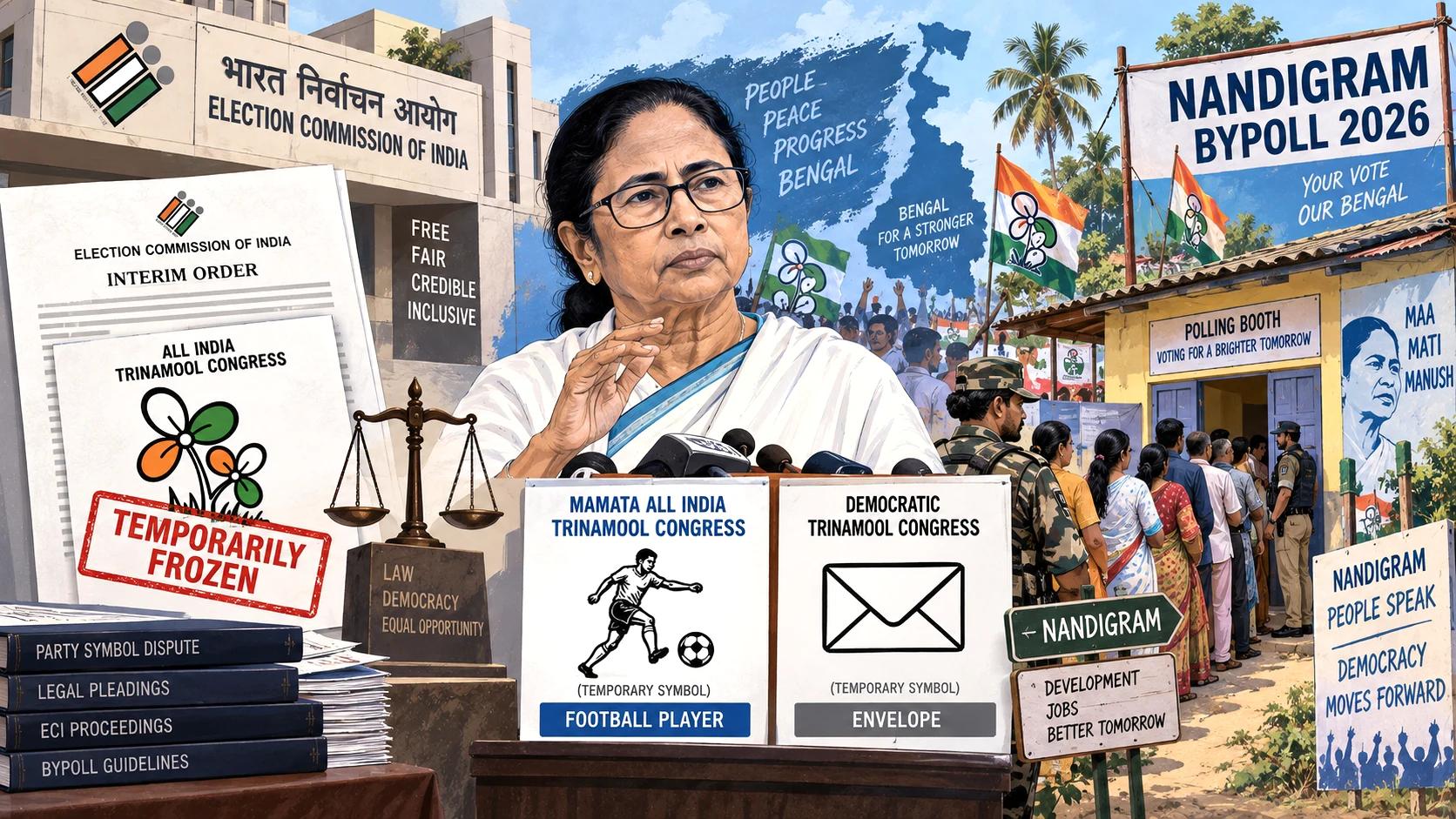
The Election Commission’s interim freeze on the Trinamool Congress name and ‘Flowers and Grass’ symbol has pushed rival factions to temporary identities. Mamata Banerjee has challenged the order in the Supreme Court, while the October 6 Nandigram bypoll has been further complicated by the withdrawal
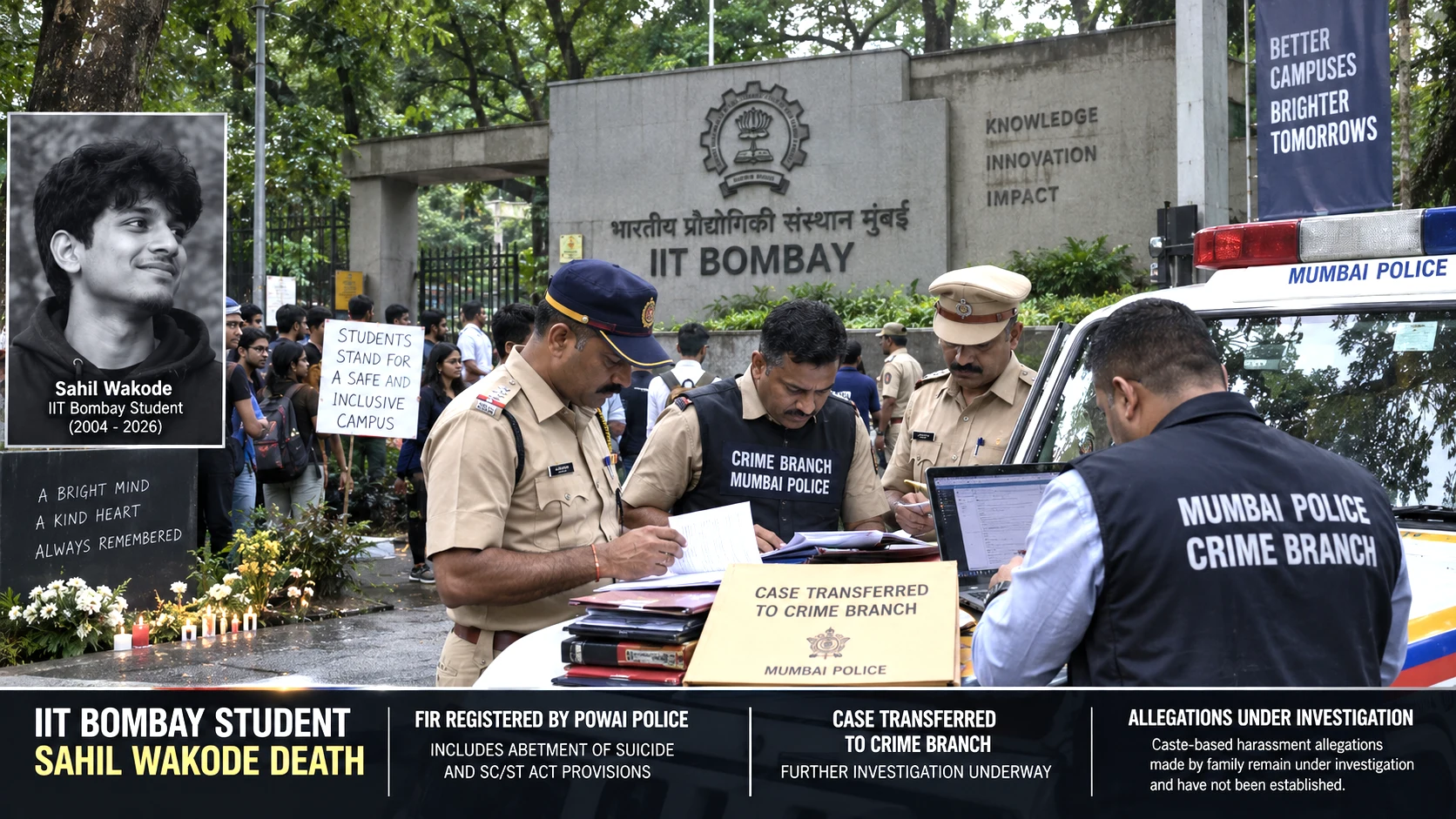
The Mumbai Police Crime Branch has taken over the investigation into the death of IIT Bombay student Sahil Wakode after his family alleged caste-based harassment and demanded action against those they hold responsible. An IIT Bombay faculty member has been booked for alleged abetment to suicide, whi
India and Pakistan have summoned each other's diplomats after BSF personnel killed two Pakistani nationals along the Punjab border on October 2. New Delhi says they were infiltrators posing a security threat, while Islamabad says they were unarmed civilians.
New Delhi says its oil sourcing will continue to be guided by energy security, market conditions and diversified supplies after the US Congress cleared legislation allowing President Donald Trump to impose tariffs of up to 100% on major buyers of Russian energy. The tariffs are not automatic, and th
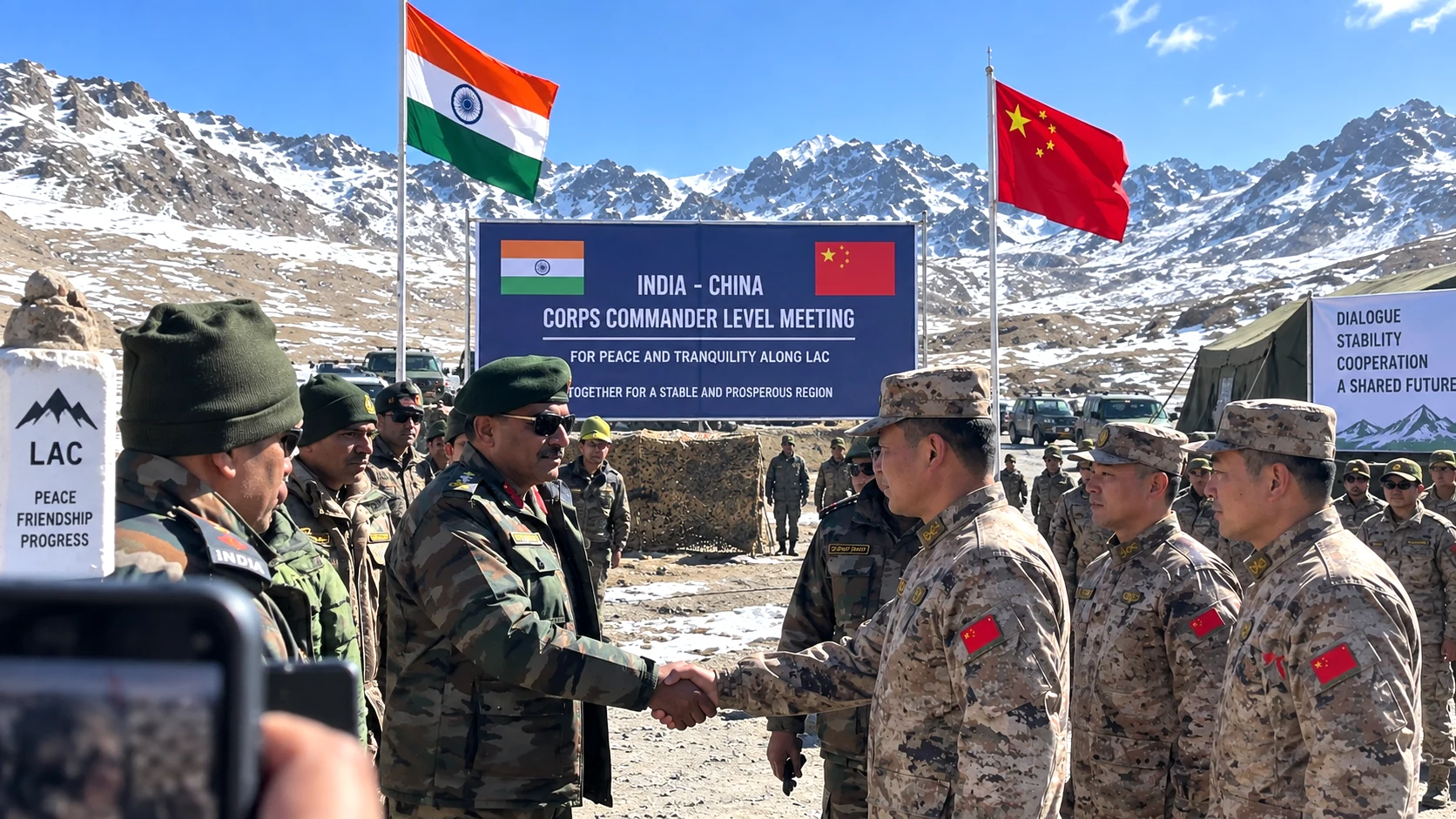
India and China held their first senior commander-level flag talks in the Arunachal sector ahead of the BRICS Summit, as Xi Jinping’s expected India visit draws attention.
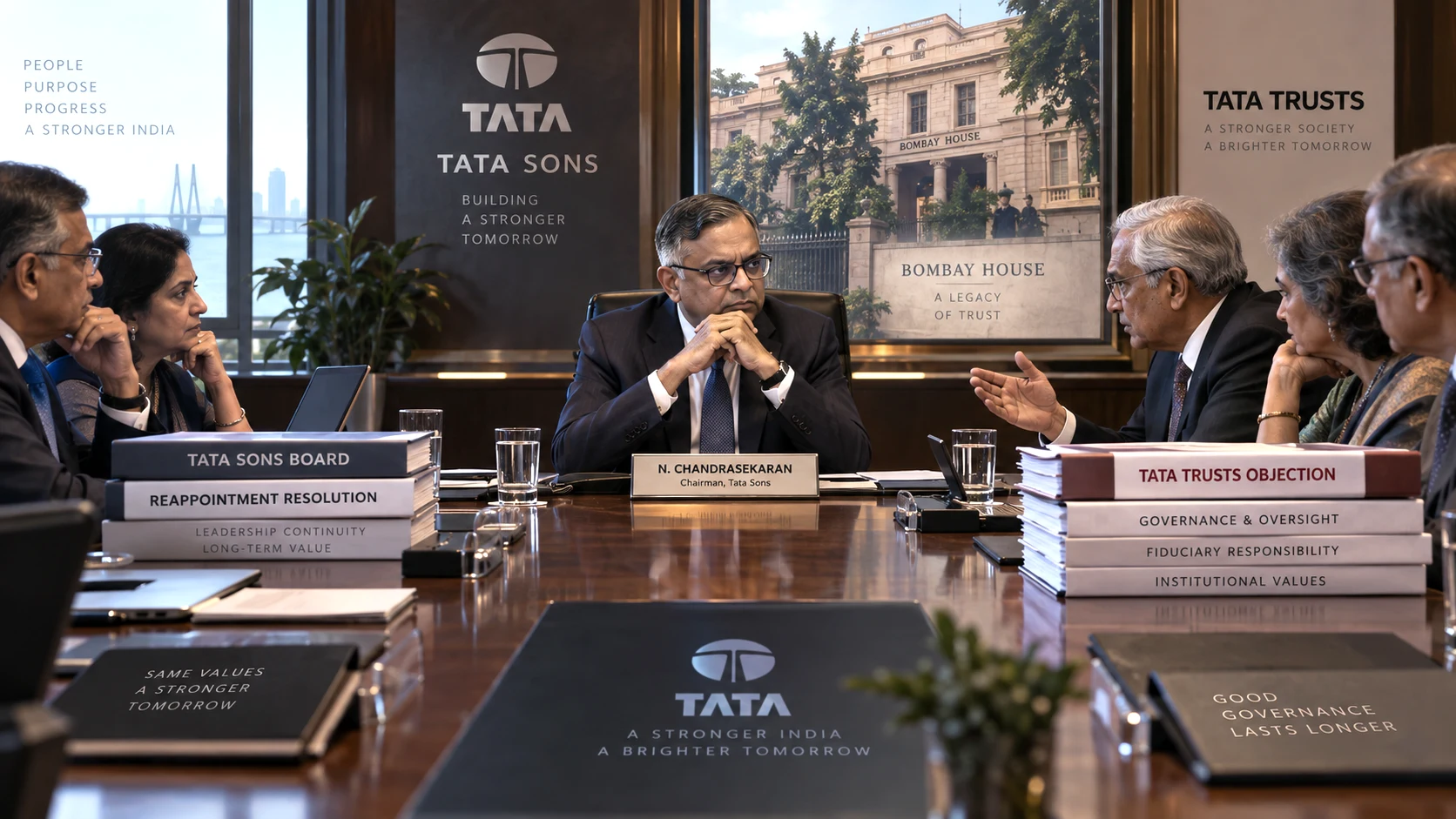
Tata Trusts has intensified its challenge to N. Chandrasekaran’s third term as chairman of Tata Sons, declaring the September 17 board resolution invalid and arguing that the required support of its nominee directors was never obtained. Tata Sons’ board approved the reappointment by 4-1, setting up







0 Comments