Ayushman Bharat PM-JAY has completed eight years. The government says more than 60 crore people have access to ₹5 lakh annual health cover, while 48.51 crore held Ayushman cards as of September 21. Here are the benefits, eligibility rules and key numbers.
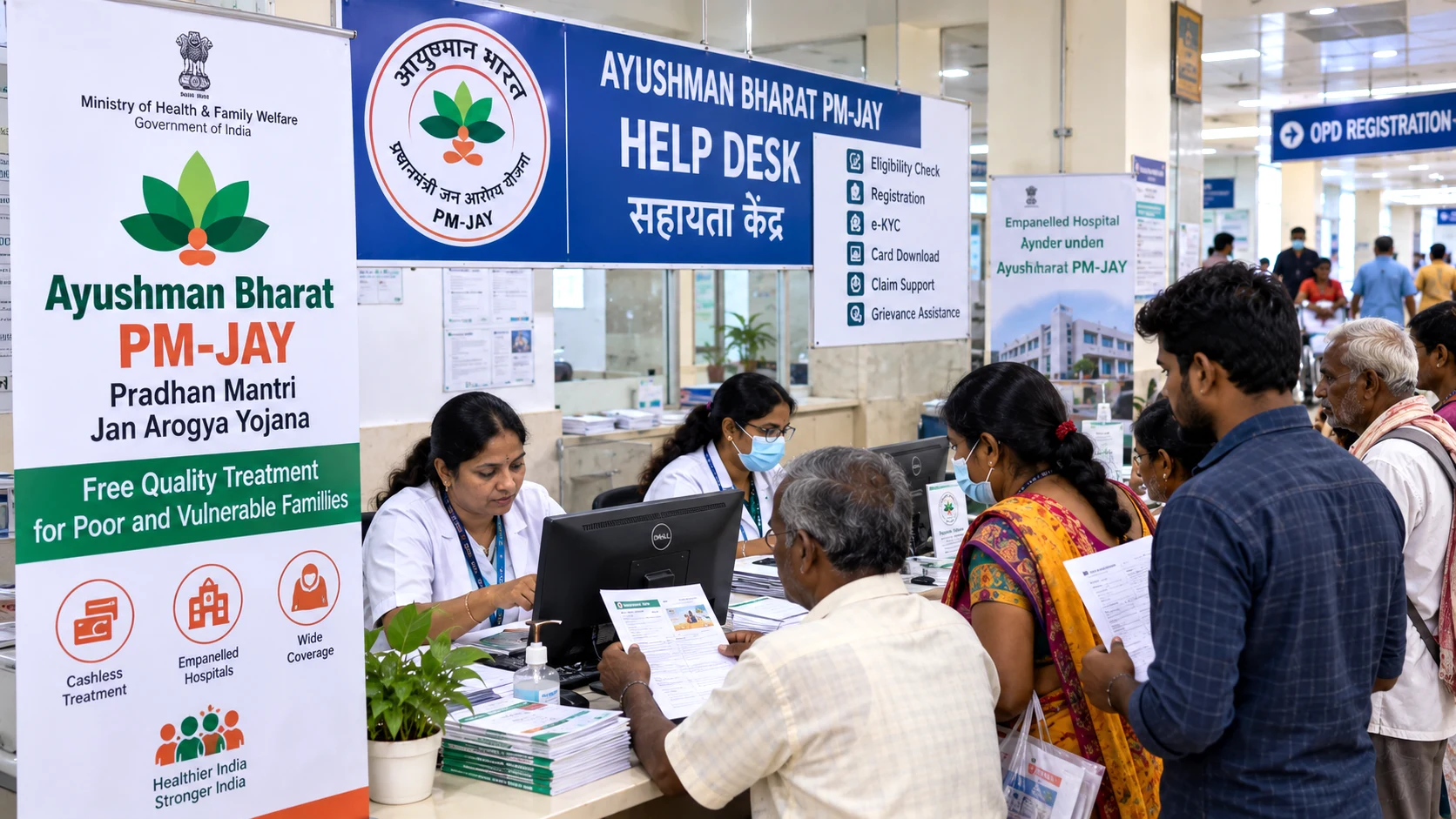
Beneficiaries receiving assistance at an Ayushman Bharat PM-JAY help desk at an empanelled hospital in India
Table of Contents (27 sections)
Ayushman Bharat-Pradhan Mantri Jan Arogya Yojana, or AB PM-JAY, completed eight years on September 23, 2026, with the government saying that more than 60 crore beneficiaries now have access to annual health cover of up to ₹5 lakh.
Prime Minister Narendra Modi marked the anniversary by highlighting the programme's expansion since its rollout on September 23, 2018. He said more than 60 crore beneficiaries now have access to the annual health cover and described Ayushman Bharat as the world's largest healthcare scheme.
The anniversary also brings several newer figures into focus.
Recommended Reading
Related Stories & In-Depth Guides
Curated editorial perspectives matching this topic.
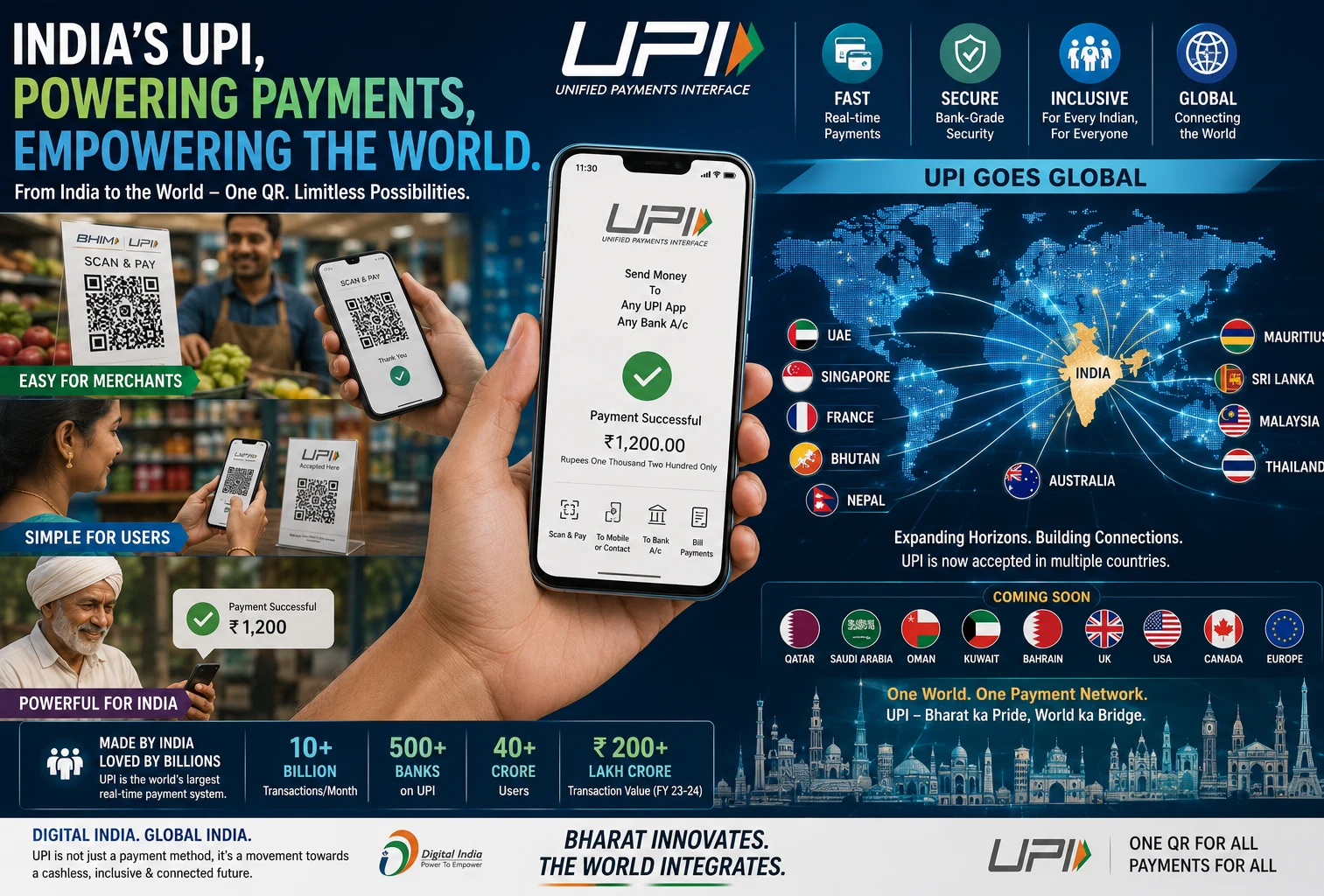
UPI has completed an extraordinary decade — from 1.78 crore annual transactions in its early days to more than 66 crore transactions a day. Now Bharat’s payment revolution is crossing borders, connecting national payment systems and presenting the world with a powerful alternative model for instant
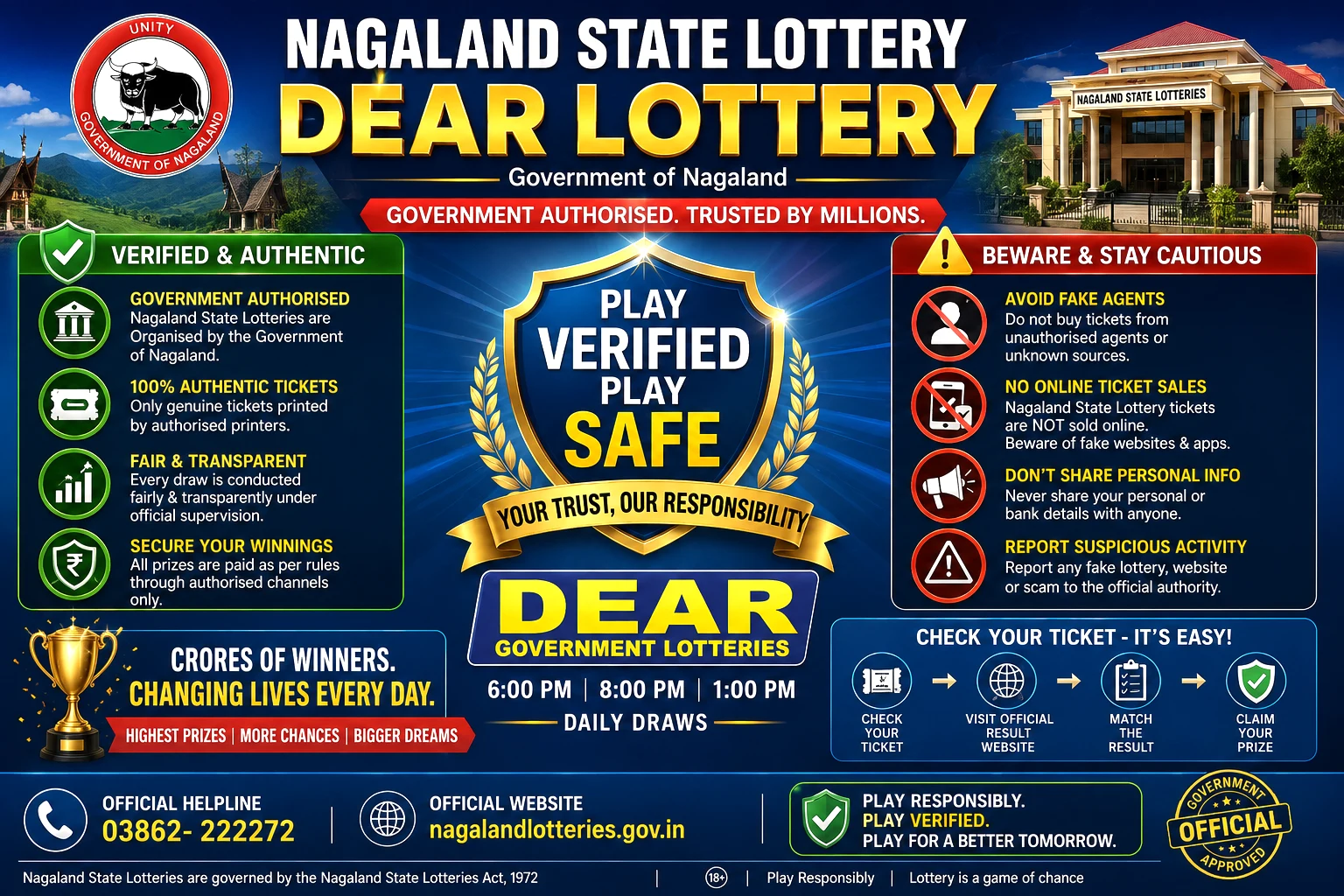
Nagaland State Lottery draws continue today, September 2, with Dear Lottery participants watching for the ₹1 crore top prize. But with unofficial result websites circulating numbers online, here’s how players can verify the genuine government result.
According to a Ministry of Health and Family Welfare backgrounder published ahead of the anniversary, 48.51 crore people held Ayushman cards as of September 21, 2026, representing about 33% of India's population. The scheme had authorised approximately 13.25 crore hospital admissions worth ₹2.03 lakh crore through more than 38,000 empanelled public and private hospitals as of August 31.
Those numbers describe different aspects of the programme and should not be treated as interchangeable.
Key Takeaways
More than 60 crore people have access to PM-JAY cover.
48.51 crore people held Ayushman cards as of September 21.
13.25 crore hospital admissions funded as of August 31.
Annual cover of up to ₹5 lakh per eligible family.
All citizens aged 70+ are eligible under the senior-citizen expansion.
Over 38,000 hospitals empanelled across India.
Ayushman Bharat at 8 Years: Key Numbers
Measure
Latest reported figure
People covered / having access to PM-JAY cover
60 crore+
People holding Ayushman cards
48.51 crore+ as of Sept. 21
Hospital admissions funded
13.25 crore as of Aug. 31
Value of authorised treatment
₹2.03 lakh crore
Empanelled hospitals
38,000+
Annual PM-JAY cover
Up to ₹5 lakh per eligible family
Treatment procedures
1,961 across 27 specialties
Senior citizens aged 70+ covered by expansion
About 6 crore
Senior citizens with Vay Vandana cards
1.36 crore+ as of Sept. 21
Ayushman Arogya Mandir cumulative visits
540 crore+
ABHA digital health IDs
97.61 crore+ as of Sept. 17
Does “60 Crore Covered” Mean 60 Crore Ayushman Cards?
No.
This is one of the most important distinctions for readers.
Prime Minister Modi and Union Health Minister J.P. Nadda said more than 60 crore people are covered under PM-JAY or have access to the benefit.
Separately, government data showed 48.51 crore people had actually received Ayushman cards by September 21.
The difference exists because:
eligibility or coverage does not automatically mean every eligible person has generated a card;
one eligible household can contain several beneficiaries;
additional groups have been progressively added to the scheme; and
card generation involves beneficiary identification and verification.
Therefore, “60 crore beneficiaries covered” should not be rewritten as “60 crore cards issued”.
What Is Ayushman Bharat PM-JAY?
Ayushman Bharat-Pradhan Mantri Jan Arogya Yojana is the hospitalisation-based financial protection component of the broader Ayushman Bharat programme.
It was launched on September 23, 2018.
PM-JAY provides eligible beneficiaries with cashless hospitalisation cover of up to ₹5 lakh per family per year for secondary and tertiary care at empanelled public and private hospitals.
The programme operates alongside other Ayushman Bharat initiatives covering primary healthcare, digital health infrastructure and public-health infrastructure.
What Does the ₹5 Lakh Cover Include?
PM-JAY provides cashless hospitalisation benefits for eligible treatments within the scheme's approved Health Benefit Packages.
According to government data, the current national master package covers 1,961 procedures across 27 medical specialties.
Depending on the approved package and medical need, covered care can include treatment relating to areas such as:
cardiology;
oncology;
orthopaedics;
general surgery;
nephrology;
neurology;
paediatric care; and
other secondary and tertiary hospital services.
Not every medical service or every hospital procedure is automatically covered.
Beneficiaries should confirm that:
they are eligible;
the hospital is empanelled under PM-JAY; and
the required treatment falls within the scheme's applicable package.
Is the ₹5 Lakh Cover Per Person?
For the standard PM-JAY entitlement, the ₹5 lakh annual cover generally applies on a family basis, rather than giving every family member a separate ₹5 lakh limit.
This distinction also matters for senior citizens.
For people aged 70 years and above who are already members of an existing PM-JAY beneficiary family, the senior-citizen expansion provides an additional benefit structured specifically for eligible senior members.
National Health Authority guidance states that senior citizens already belonging to a PM-JAY family can receive an additional top-up benefit, while senior citizens enrolled independently under the 70-plus expansion receive cover on a family basis.
Who Is Eligible for Ayushman Bharat PM-JAY?
The original PM-JAY beneficiary base focuses largely on economically vulnerable families identified through defined deprivation and occupational criteria.
Government eligibility data includes families identified through the Socio-Economic Caste Census 2011, as well as several subsequently included groups.
Rural eligibility
Examples of eligible deprivation categories include households:
with one room and kucha walls and roof;
without an adult member aged 16–59;
headed by a woman with no adult male aged 16–59;
containing a disabled member and no able-bodied adult;
belonging to Scheduled Caste or Scheduled Tribe communities; or
that are landless and depend substantially on manual casual labour.
Urban eligibility
Urban eligibility includes specified occupational groups such as:
domestic workers;
street vendors;
construction workers;
plumbers;
masons;
labourers;
painters;
welders;
sanitation workers;
drivers and transport workers;
artisans;
small-establishment workers;
electricians;
mechanics;
washermen; and
chowkidars.
The scheme also includes additional beneficiary categories covered through subsequent government initiatives.
Which Additional Groups Have Been Added?
PM-JAY has expanded beyond its original beneficiary base.
Government data lists additional groups including:
eligible ASHA workers;
Anganwadi workers;
Anganwadi helpers;
certain building and construction workers and dependants;
eligible transgender persons under the SMILE initiative;
certain children covered under PM CARES for Children;
waste pickers and identified sanitation workers under NAMASTE;
Particularly Vulnerable Tribal Groups under PM-JANMAN; and
senior citizens aged 70 years and above.
As of September 21, more than 44.81 lakh Ayushman cards had been created for ASHAs, Anganwadi workers and Anganwadi helpers, according to the government's anniversary backgrounder.
Ayushman Bharat for Senior Citizens Above 70
One of the biggest expansions occurred in 2024, when the government extended PM-JAY coverage to all Indian citizens aged 70 years and above regardless of income or socio-economic status.
The expansion was designed to cover around 6 crore senior citizens belonging to approximately 4.5 crore families.
As of September 21, 2026, more than 1.36 crore senior citizens had received Ayushman Vay Vandana cards.
Is there an income limit for people aged 70 or above?
No.
National Health Authority guidance states that any Indian citizen aged 70 or above can qualify under the senior-citizen expansion irrespective of income.
This means a senior citizen is not automatically excluded because they receive a pension, own property or have a relatively high monthly income.
How Many People Have Actually Received Treatment?
This is another number that should be separated from both “coverage” and “cards issued”.
The government reported approximately 13.25 crore hospital admissions under PM-JAY as of August 31, 2026.
The authorised treatment value associated with those admissions was around ₹2.03 lakh crore.
Union Health Minister J.P. Nadda similarly said on the eighth anniversary that more than 13 crore people had availed treatment through the programme.
A hospital admission is not necessarily equivalent to one unique individual, since a beneficiary may require treatment more than once.
For that reason, “13.25 crore admissions” should not automatically be rewritten as “13.25 crore different patients”.
How Many Hospitals Accept Ayushman Bharat?
More than 38,000 public and private hospitals were empanelled under PM-JAY as of August 31, according to the latest anniversary backgrounder.
Earlier 2026 data showed a substantial expansion of the network since the scheme's first year, including both government and private hospitals.
Private-hospital participation is voluntary and individual facilities must meet PM-JAY empanelment requirements.
Not every hospital in India accepts the scheme.
Beneficiaries should therefore verify whether the specific facility is empanelled before relying on PM-JAY for planned treatment.
Can You Use Ayushman Bharat Outside Your Home State?
Yes, PM-JAY includes national portability.
Eligible beneficiaries can receive cashless treatment at empanelled hospitals outside their home state or Union Territory.
As of June 30, 2026, the government reported 29.05 lakh inter-state hospital admissions worth more than ₹8,383.97 crore under the portability system.
This can be particularly relevant for:
migrant workers;
families living away from their permanent residence;
people travelling for specialist treatment; and
beneficiaries located near state borders.
Pradhan Mantri Arogya Mitras at empanelled hospitals can assist with beneficiary verification and cashless admission.
How to Check Ayushman Bharat Eligibility
Beneficiaries can check their eligibility through several official channels.
The government says the Ayushman App allows users to:
verify eligibility;
download Ayushman e-cards;
view relevant benefit information;
locate empanelled hospitals; and
raise grievances.
People can also seek assistance at participating government or empanelled hospitals.
The PM-JAY helpline 14555 can provide information and grievance support.
Do You Need to Pay to Register for PM-JAY?
PM-JAY is an entitlement-based government scheme.
Eligible beneficiaries should not have to purchase a commercial insurance policy to receive the scheme's benefits.
Government guidance has stated that beneficiaries can undergo verification and access covered treatment through empanelled hospitals.
People should be cautious about anyone asking for large unofficial fees to “activate” a PM-JAY benefit.
Where eKYC or card generation is required, use official channels or authorised assistance points.
How to Use Ayushman Bharat at a Hospital
A typical process may involve:
Check eligibility through an official PM-JAY channel.
Identify an empanelled hospital offering the required specialty.
Visit the hospital and approach the Ayushman / PM-JAY help desk or Arogya Mitra.
Complete beneficiary identity and eligibility verification.
The hospital checks whether the required treatment qualifies under an approved PM-JAY package.
If authorised, eligible treatment is processed through the cashless system.
PM-JAY uses a digital platform for beneficiary verification, hospital admissions, claims and portability.
What If an Empanelled Hospital Refuses Treatment?
The Ministry of Health has said empanelled hospitals cannot deny treatment to eligible beneficiaries contrary to applicable PM-JAY rules.
A beneficiary facing an irregular denial can lodge a grievance through the scheme's grievance system or call the 24×7 helpline 14555.
The grievance system operates through district, state and national mechanisms.
However, a hospital being empanelled does not mean every treatment is available at that facility.
The hospital must also have the required specialty and the requested treatment must fall within applicable scheme rules.
Ayushman Arogya Mandirs, or AAMs, form the programme's primary-care component.
They provide community-level services including:
disease screening and management;
maternal and child healthcare;
oral health;
eye care;
ENT care;
mental-health support;
essential medicines;
diagnostics;
first-level emergency care; and
teleconsultation links.
The government reported cumulative footfall of more than 540 crore visits at AAMs by 2026.
Prime Minister Modi referred to more than 500 crore visits while marking the eighth anniversary.
What Is the Ayushman Bharat Digital Mission?
The Ayushman Bharat Digital Mission, or ABDM, is the programme's digital-health infrastructure component.
Its best-known feature is the Ayushman Bharat Health Account, or ABHA, a digital health identifier designed to help people link and access health records with consent across participating systems.
As of September 17, 2026, the government reported:
more than 97.61 crore ABHA IDs;
more than 119.95 crore linked health records;
more than 5.78 lakh verified healthcare facilities; and
more than 11 lakh registered healthcare professionals.
An ABHA ID is not the same thing as an Ayushman PM-JAY card.
ABHA is part of the digital-health ecosystem; a PM-JAY card relates to eligibility for the health-assurance benefit.
What Is PM-ABHIM?
The Pradhan Mantri Ayushman Bharat Health Infrastructure Mission, or PM-ABHIM, is another component of the broader Ayushman Bharat architecture.
It focuses on health-system infrastructure and preparedness, including:
rural and urban health centres;
block public-health units;
integrated public-health laboratories;
critical-care hospital blocks;
disease surveillance; and
public-health emergency preparedness.
The government set an outlay of ₹64,180 crore for 2021–2026 for the mission.
Has Ayushman Bharat Reduced Household Medical Spending?
The government says PM-JAY has reduced the financial burden associated with hospital treatment for beneficiaries and cites more than ₹2 lakh crore in authorised treatment through the scheme.
Prime Minister Modi said on the eighth anniversary that Ayushman Bharat had enabled “record savings” in medical expenditure for poor and middle-class families. That statement represents the government's assessment of the programme's impact.
Broader National Health Accounts data show that out-of-pocket expenditure as a share of India's total health expenditure declined from 62.6% in 2014–15 to 43.4% in 2022–23. The government has cited increased public health investment and publicly financed health schemes, including PM-JAY, as contributors to that change.
The national decline should not be attributed solely to PM-JAY, because multiple health programmes, government spending changes and other factors affect household healthcare expenditure.
Ayushman Bharat's Major Milestones
September 23, 2018
AB PM-JAY was launched nationally.
March 2024
Coverage was expanded to approximately 37 lakh families of ASHA workers, Anganwadi workers and Anganwadi helpers.
2024
The government expanded PM-JAY to all citizens aged 70 and above irrespective of income or socio-economic status.
2026
PM-JAY became operational across all 36 states and Union Territories, according to the Health Ministry.
September 23, 2026
The programme completed eight years, with the government reporting more than 60 crore beneficiaries covered and more than 48 crore Ayushman cards issued.
What Ayushman Bharat Does Not Mean
There are several common misunderstandings.
It does not mean every Indian automatically has a ₹5 lakh personal insurance policy
Eligibility rules apply, except for specific expanded groups such as citizens aged 70 and above.
₹5 lakh is generally a family-level annual cover
It should not automatically be multiplied by every individual family member.
An Ayushman card and an ABHA card are different
The former is associated with PM-JAY benefits; the latter is a digital-health identity.
Every hospital is not automatically included
Treatment must be obtained through appropriately empanelled hospitals and applicable packages.
The scheme primarily covers hospital-based secondary and tertiary treatment
It should not be described as an unlimited reimbursement plan for every outpatient consultation, medicine or healthcare expense.
Why the 8-Year Milestone Matters
The eighth anniversary provides a useful measure of how far PM-JAY has expanded since 2018.
The clearest scale indicators are:
more than 60 crore people described by the government as covered;
more than 48 crore Ayushman card holders;
more than 13 crore authorised hospital admissions;
treatment worth more than ₹2 lakh crore;
over 38,000 empanelled hospitals;
nationwide portability;
and universal PM-JAY eligibility for Indians aged 70 and above.
At the same time, card issuance, hospital availability, beneficiary awareness and the practical experience of accessing care remain important implementation questions.
The government's own emphasis on expanding card generation and hospital networks indicates that coverage on paper and effective access in practice are related but distinct measures.
Latest Verified Status
As of September 23, 2026:
Ayushman Bharat PM-JAY has completed eight years;
the government says 60 crore+ beneficiaries have access to the scheme;
48.51 crore+ people held Ayushman cards as of September 21;
13.25 crore hospital admissions had been funded by August 31;
authorised treatment value had reached around ₹2.03 lakh crore;
more than 38,000 hospitals were empanelled;
all citizens aged 70 and above are eligible under the senior-citizen expansion;
and the broader Ayushman Bharat framework continues to include primary care, digital health and health-infrastructure programmes.
Frequently Asked Questions
How many people are covered by Ayushman Bharat in 2026?
The government said on September 23 that more than 60 crore beneficiaries have access to ₹5 lakh annual health cover under PM-JAY.
How many Ayushman cards have been issued?
Government data showed more than 48.51 crore people held Ayushman cards as of September 21, 2026.
Is Ayushman Bharat ₹5 lakh per person?
Generally, the PM-JAY benefit is up to ₹5 lakh per eligible family per year, not ₹5 lakh separately for every family member.
Are all people above 70 eligible?
Yes. Indian citizens aged 70 years and above are eligible irrespective of income under the senior-citizen expansion.
How can I check whether I am eligible?
Eligibility can be checked through official PM-JAY channels, including the Ayushman App, participating hospitals and the 14555 helpline.
Can I use my Ayushman card in another state?
Eligible beneficiaries can use PM-JAY's national portability feature at participating empanelled hospitals outside their home state.
How many hospitals accept Ayushman Bharat?
More than 38,000 public and private hospitals were empanelled as of August 31, according to the government's latest anniversary data.
What should I do if an empanelled hospital refuses eligible treatment?
Beneficiaries can raise a grievance through PM-JAY's grievance mechanism or call the 24×7 helpline 14555.
Is an ABHA card the same as an Ayushman card?
No. An ABHA ID is a digital-health identifier under the Ayushman Bharat Digital Mission. An Ayushman PM-JAY card relates to eligibility for the health-assurance scheme.
Bottom Line
Ayushman Bharat PM-JAY has completed eight years with the government reporting more than 60 crore beneficiaries covered and 48.51 crore Ayushman card holders. The scheme provides up to ₹5 lakh annual family cover for secondary and tertiary hospital care at empanelled facilities.
All Indian citizens aged 70 and above are eligible under the senior-citizen expansion. Beneficiaries should verify eligibility, check empanelled hospitals and use official channels for treatment and grievances.
Key Takeaway
60 crore+ people have access to PM-JAY cover.
48.51 crore hold Ayushman cards.
₹5 lakh annual family cover for eligible hospital treatment.
The Rajatheertha Team publishes news, explainers, guides and updates across India and the world. Our coverage follows Rajatheertha's editorial, verification and corrections standards.
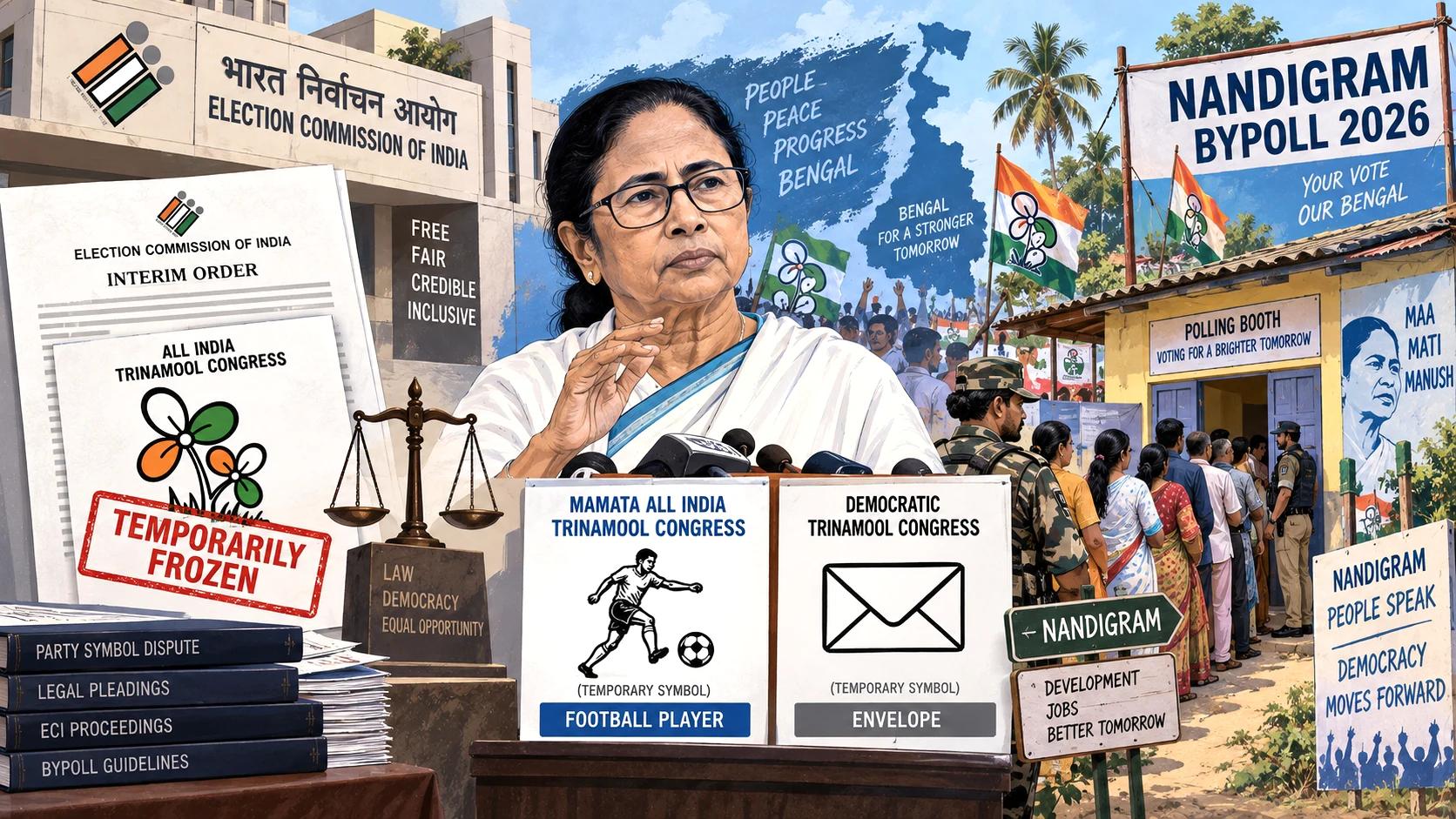
The Election Commission’s interim freeze on the Trinamool Congress name and ‘Flowers and Grass’ symbol has pushed rival factions to temporary identities. Mamata Banerjee has challenged the order in the Supreme Court, while the October 6 Nandigram bypoll has been further complicated by the withdrawal
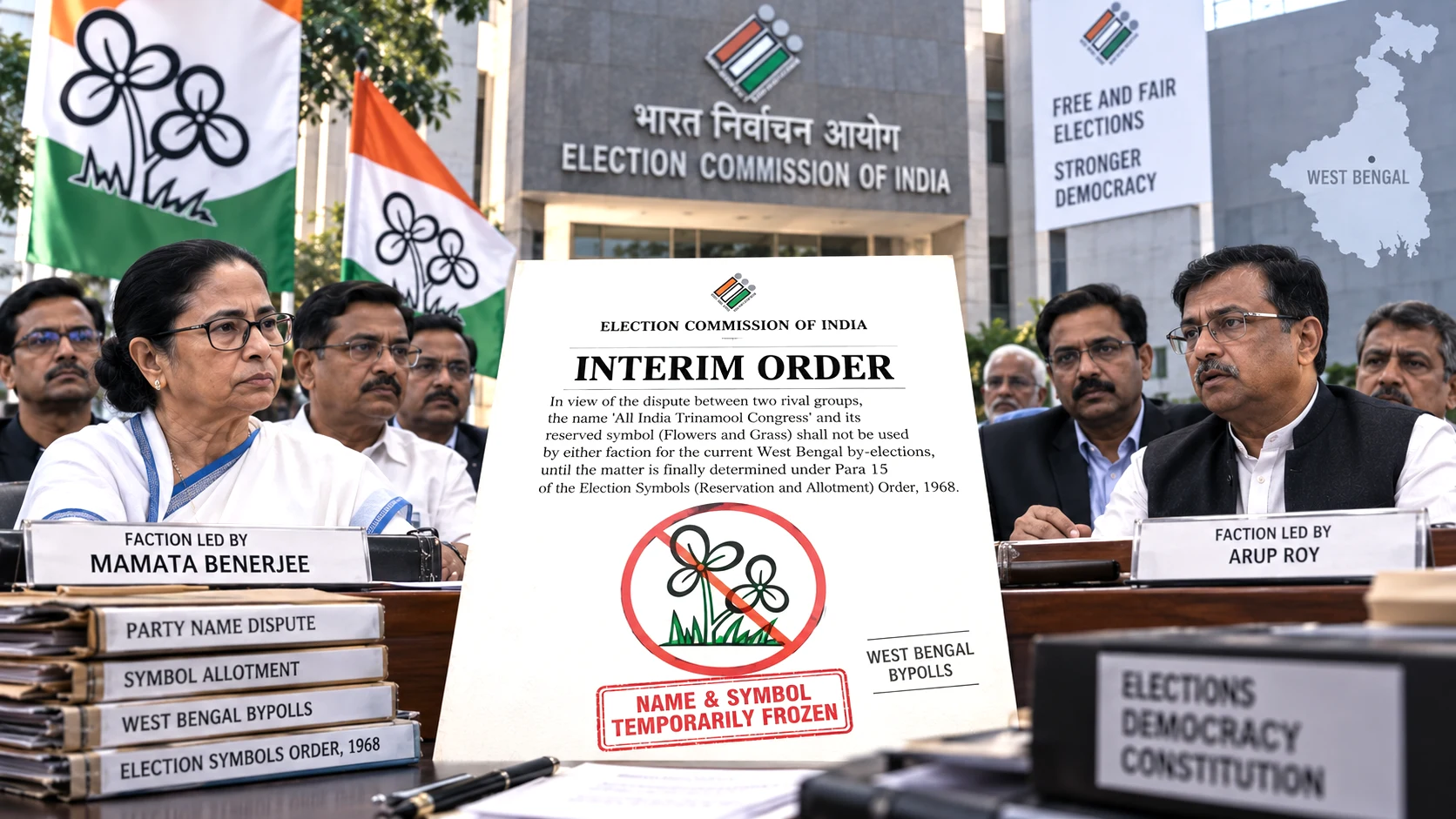
Neither the Mamata Banerjee group nor the rival faction formally represented before the Election Commission by Arup Roy can use the All India Trinamool Congress name or its reserved symbol in the October 6 bypolls. The order is temporary while the ECI decides the larger party-control dispute under P
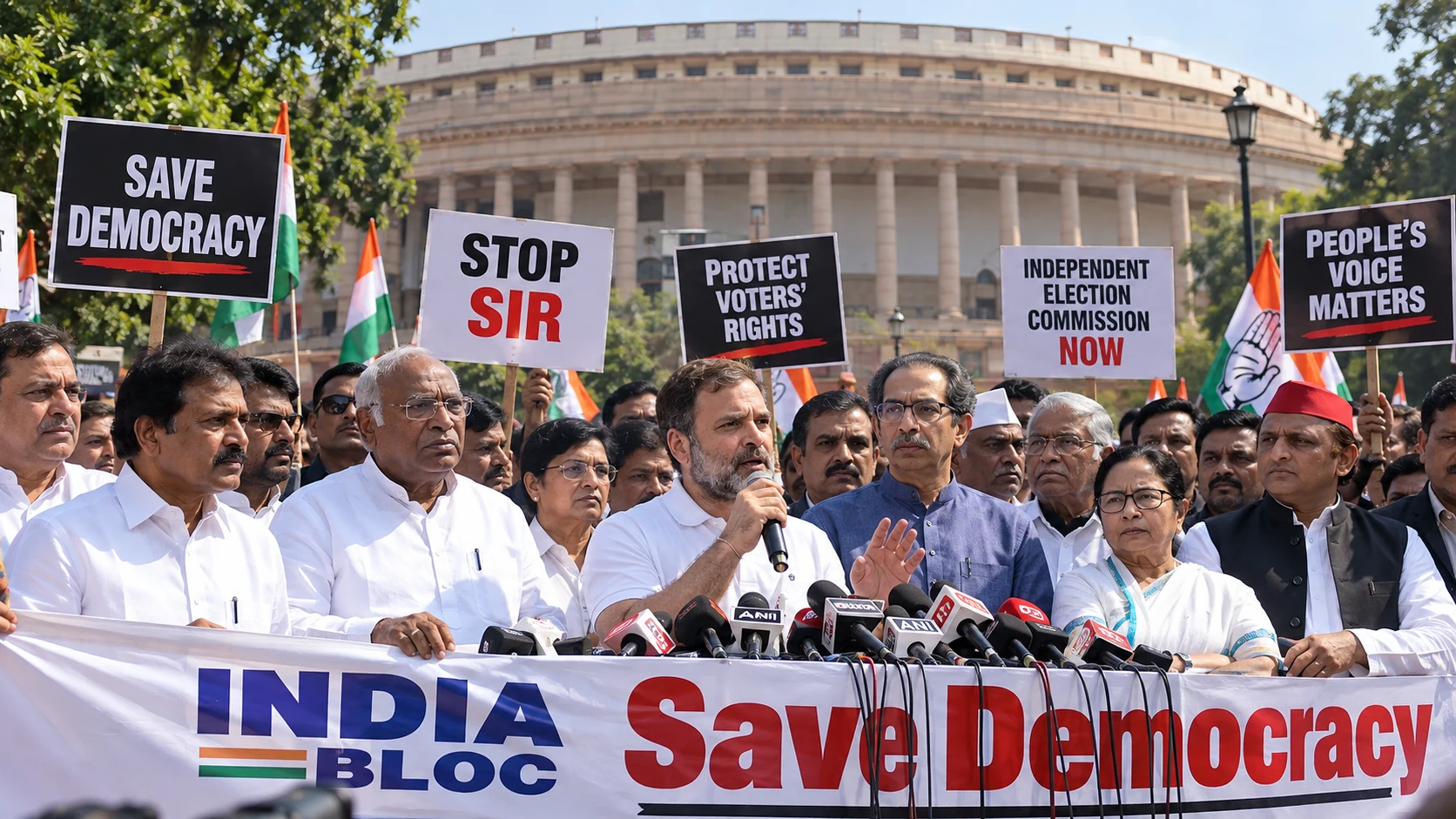
The INDIA bloc has announced nationwide “Save Democracy” marches from Oct. 2–8 over the Election Commission and SIR controversy, with MPs planning an Oct. 6 march to the EC. The BJP has rejected the allegations as political frustration after electoral defeats.
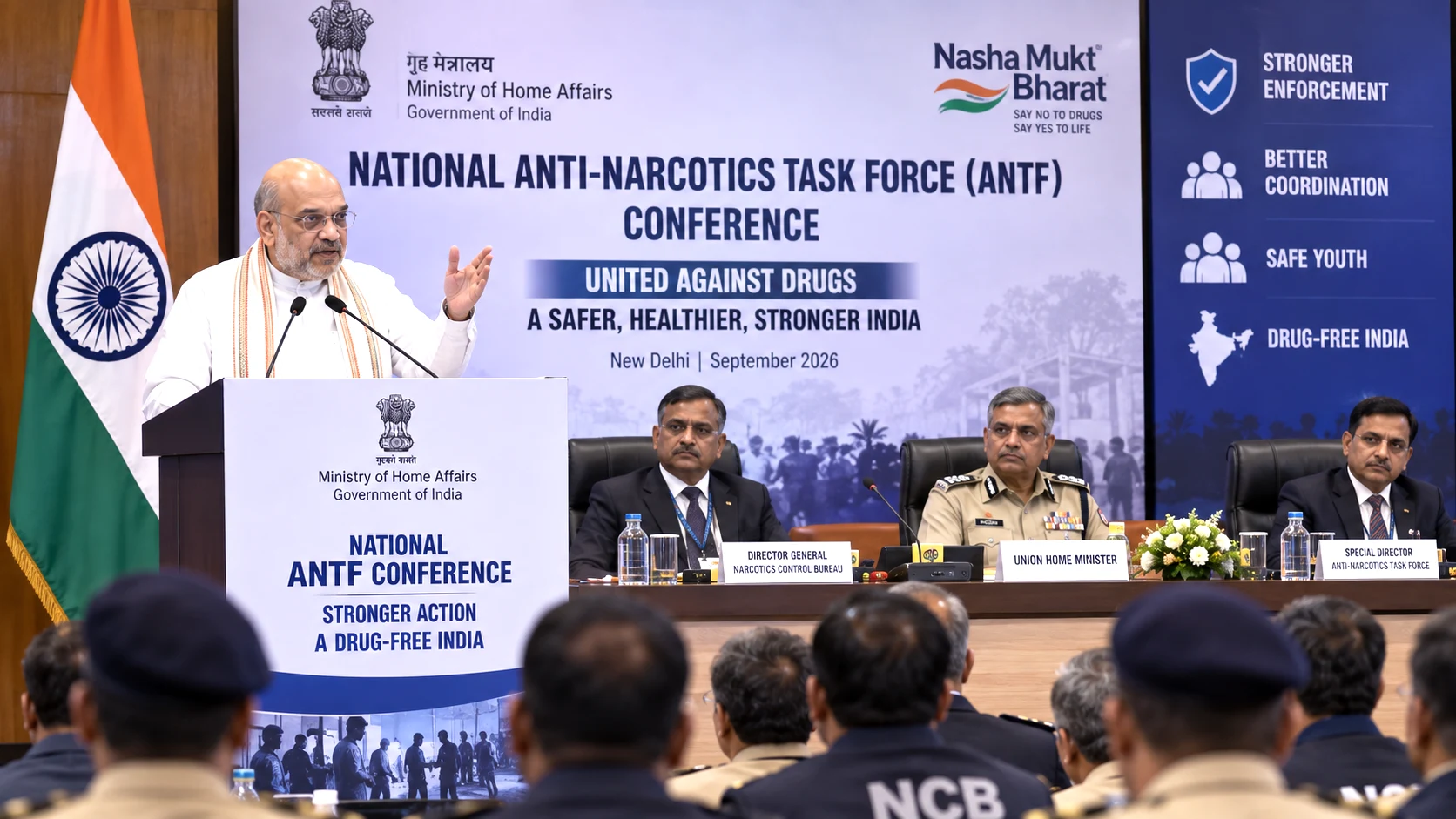
Home Minister Amit Shah has set December 31, 2029 as the government's target for uprooting India's drug trade. Here is what the 2026–29 narcotics roadmap proposes on cartels, synthetic drugs, darknet markets, financial investigations, prevention and rehabilitation.
India and Pakistan have summoned each other's diplomats after BSF personnel killed two Pakistani nationals along the Punjab border on October 2. New Delhi says they were infiltrators posing a security threat, while Islamabad says they were unarmed civilians.
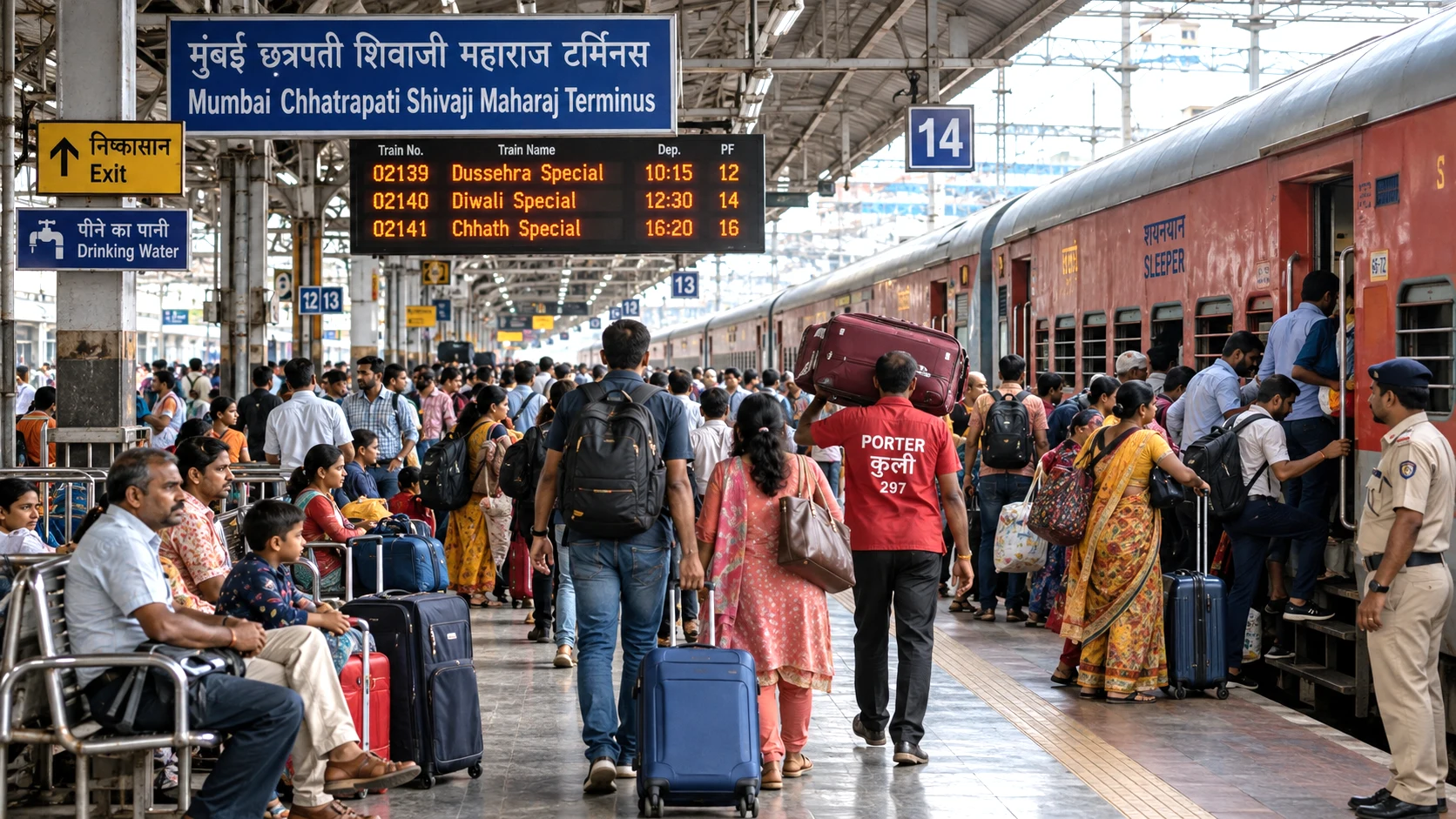
Central Railway has announced 418 festival-special services for Puja, Dussehra, Diwali and Chhath 2026. The first reservation batch opened September 27, with another opening September 28. Check train numbers, routes, dates and official booking options.




0 Comments