Tata Trusts Challenges Chandrasekaran Reappointment as Tata Sons Dispute Heads Toward Possible Legal Battle
Tata Trusts has intensified its challenge to N. Chandrasekaran’s third term as chairman of Tata Sons, declaring the September 17 board resolution invalid and arguing that the required support of its nominee directors was never obtained. Tata Sons’ board approved the reappointment by 4-1, setting up
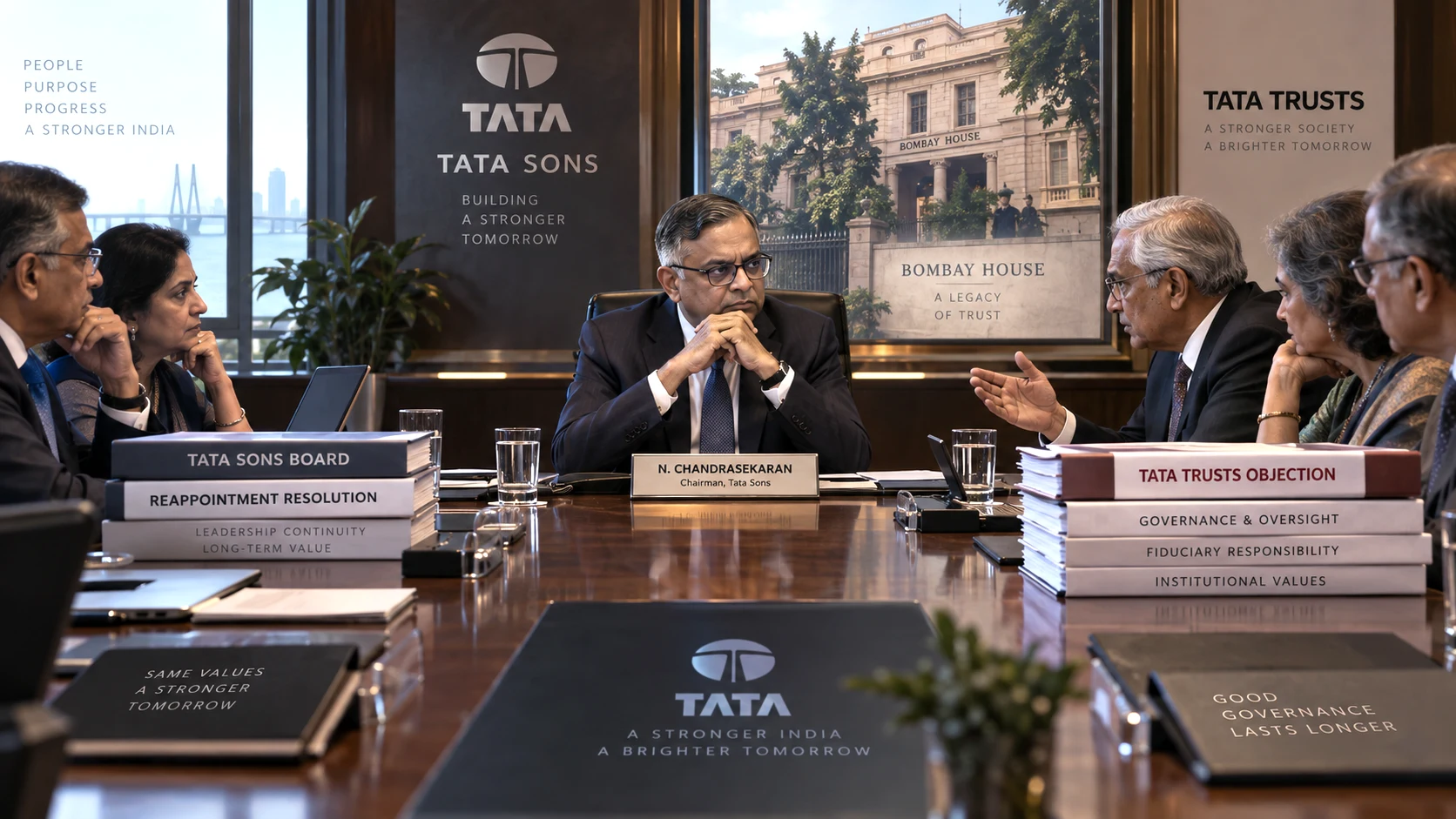
the governance dispute between Tata Trusts and Tata Sons over N. Chandrasekaran’s reappointment
Table of Contents (19 sections)
MUMBAI, September 21, 2026: One of the most consequential governance disputes in the history of the Tata Group is moving closer to a potential legal confrontation after Tata Trusts formally rejected the validity of N. Chandrasekaran’s reappointment as chairman of Tata Sons.
The disagreement intensified over the weekend when Tata Trusts issued a detailed statement arguing that the September 17 board resolution giving Chandrasekaran another five-year term was never legally valid.
Tata Trusts described the resolution as “void ab initio”, meaning it considers the decision invalid from the outset.
The Tata Sons board, however, had approved Chandrasekaran’s continuation by a 4-1 majority, and he accepted the board’s request to remain chairman.
The opposing positions have created a fundamental question: was an ordinary board majority enough, or did Tata Sons also require separate affirmative support from a majority of the directors nominated by Tata Trusts?
Recommended Reading
Related Stories & In-Depth Guides
Curated editorial perspectives matching this topic.
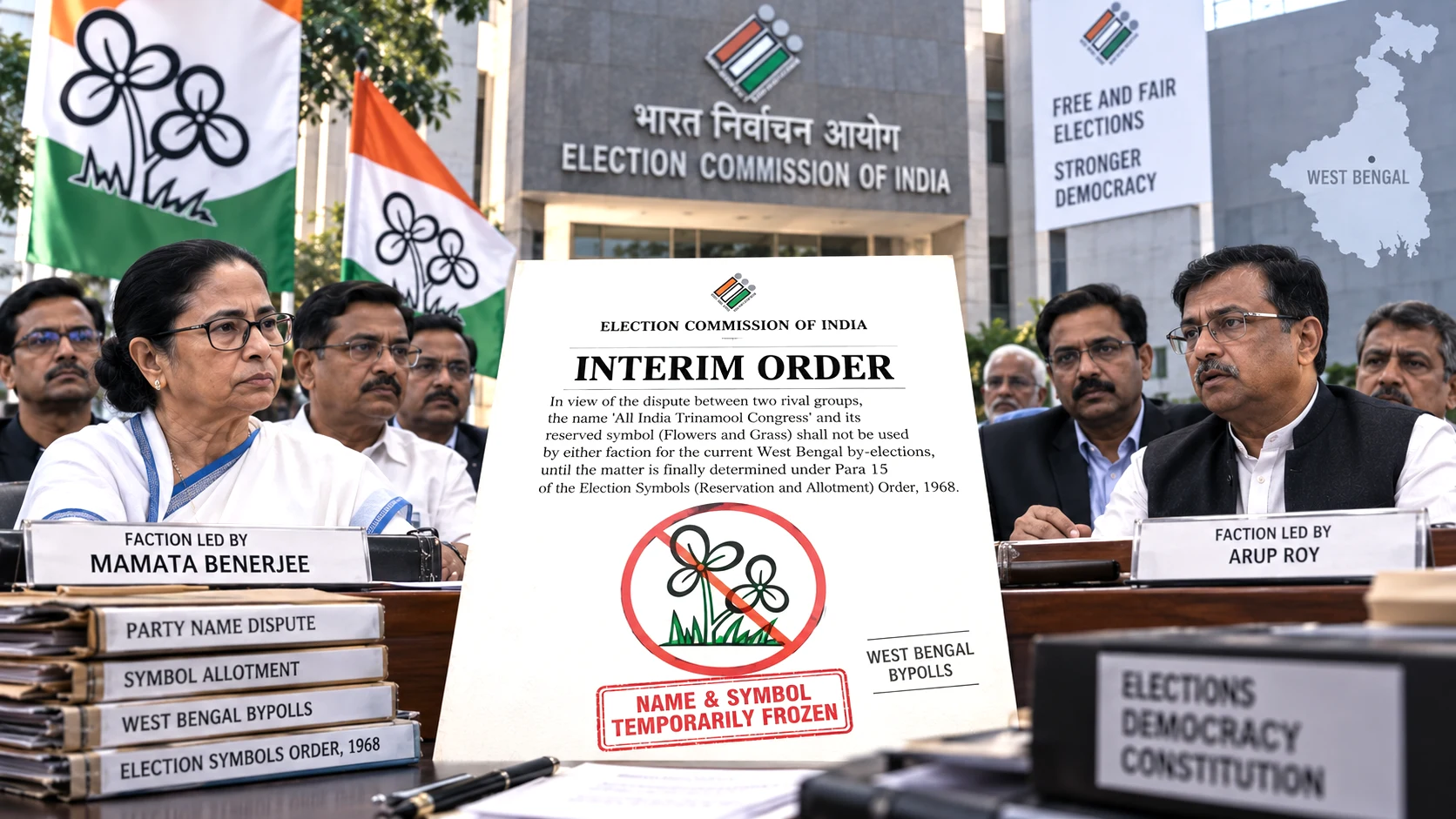
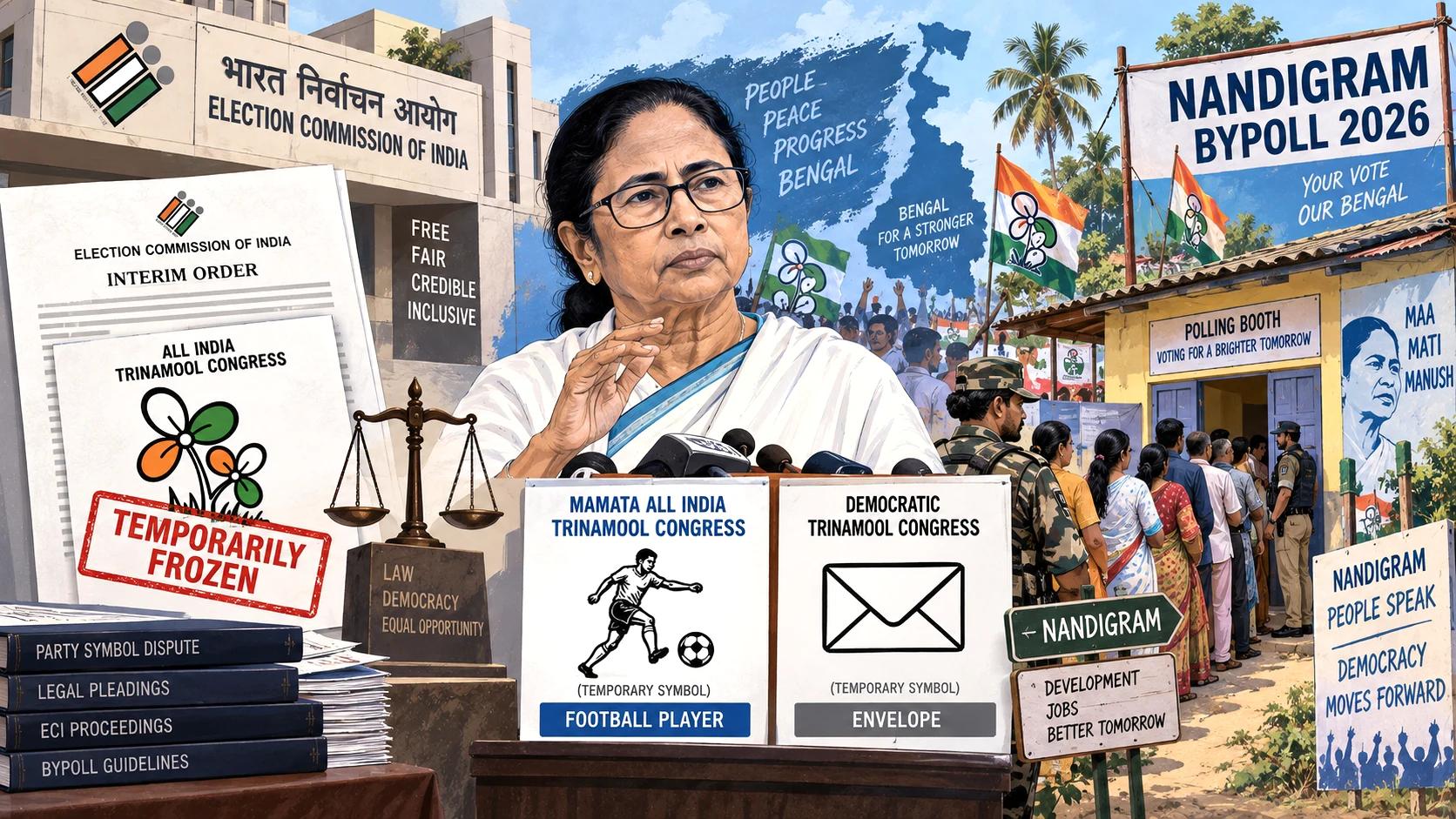
Neither the Mamata Banerjee group nor the rival faction formally represented before the Election Commission by Arup Roy can use the All India Trinamool Congress name or its reserved symbol in the October 6 bypolls. The order is temporary while the ECI decides the larger party-control dispute under P
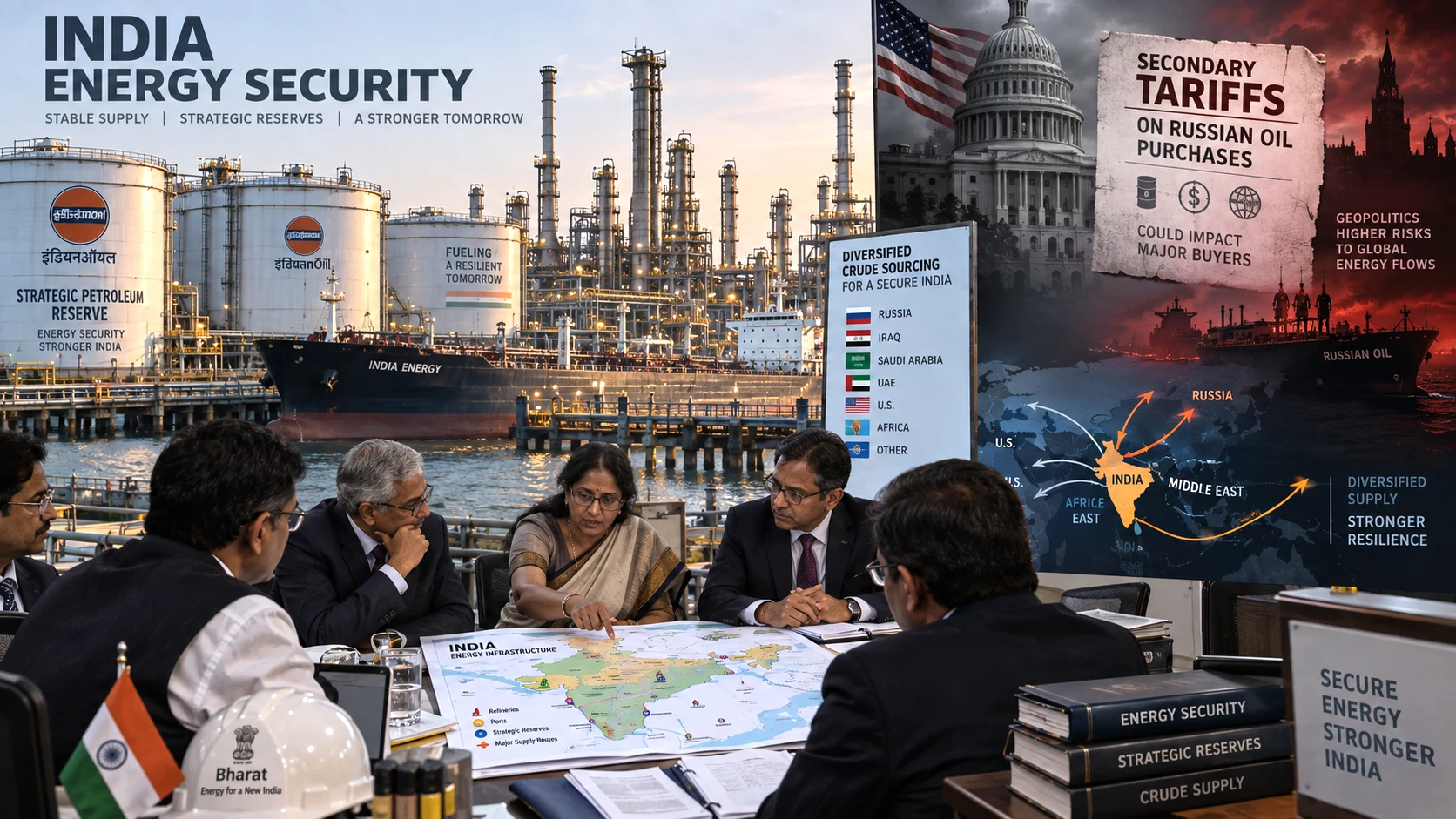
New Delhi says its oil sourcing will continue to be guided by energy security, market conditions and diversified supplies after the US Congress cleared legislation allowing President Donald Trump to impose tariffs of up to 100% on major buyers of Russian energy. The tariffs are not automatic, and th
That question may now ultimately require judicial interpretation.
Key Takeaways
Tata Trusts has declared N. Chandrasekaran’s reappointment resolution “void ab initio.”
Tata Sons board approved the reappointment by a 4-1 majority on September 17.
Noel Tata voted against; Venu Srinivasan supported the proposal among Trusts nominees.
Dispute centres on interpretation of Tata Sons’ Articles of Association regarding nominee directors.
Separate tension continues over a potential public listing of Tata Sons.
Tata Trusts is reported to be considering legal options; no fresh court filing confirmed yet.
What Happened at the September 17 Tata Sons Board Meeting?
N. Chandrasekaran’s current term as Tata Sons chairman runs until February 20, 2027.
He had informed the board in August that he did not intend to seek another term after months of uncertainty over his continuation.
But ahead of the September meeting, the Tata Sons board asked him to reconsider that position in what the group described as its broader interests.
Chandrasekaran agreed.
At the September 17 meeting, four directors supported another five-year term.
Noel Tata, chairman of Tata Trusts and one of its two nominees on the Tata Sons board, voted against the proposal.
The board nevertheless announced Chandrasekaran’s reappointment.
That is where the legal dispute begins.
Why Tata Trusts Says the 4-1 Vote Is Not Enough
Tata Trusts owns approximately 66% of Tata Sons, making it the holding company’s controlling shareholder.
It currently has two nominee directors on the Tata Sons board:
Noel Tata
and
Venu Srinivasan
Srinivasan supported Chandrasekaran’s continuation, while Noel Tata opposed it.
That produced a 1-1 split among the two Tata Trusts nominees.
Tata Trusts argues that Tata Sons’ Articles of Association — particularly provisions involving nominee directors under Articles 104B and 121 — require the affirmative vote of a majority of the Trusts’ nominee directors for applicable board decisions.
With only two nominees, Tata Trusts’ interpretation is that a majority requires both directors to vote in favour.
Because Noel Tata voted against Chandrasekaran, the Trusts says the necessary condition was not met even though the full Tata Sons board voted 4-1 for his reappointment.
Tata Trusts summarized its position by saying that whether the overall board result was 4-1 or some other figure was irrelevant if the separate nominee-voting requirement had not been satisfied.
What About a Casting Vote?
The dispute has become more complicated because of arguments over whether the chairman of a board meeting can use a casting vote when there is a deadlock.
Tata Trusts strongly rejects the suggestion that such a mechanism could validate Chandrasekaran’s appointment.
Its position is that a casting vote can address an equality of votes at the overall board level but cannot substitute for a separate affirmative vote specifically reserved for Tata Trusts’ nominee directors.
The Trusts also argues that there was no conventional board deadlock: the full board voted, but in its view an additional condition required by the Articles simply failed.
Legal experts interviewed by ETLegalWorld have cautioned that the competing interpretations have not yet been tested in court in these particular circumstances.
The central legal question is therefore not simply who won the numerical board vote. It is whether the Articles make the Tata Trusts nominee vote an additional condition of validity.
Tata Trusts Invokes the Cyrus Mistry Case
Tata Trusts has also brought the historic Cyrus Mistry litigation into the current confrontation.
Mistry was removed as Tata Sons chairman in 2016, triggering years of legal proceedings over Tata governance, shareholder rights and provisions contained in the company’s Articles of Association.
Tata Trusts argues that Tata Sons itself defended the special rights of Trust-nominated directors during that litigation.
The Trusts says Tata Sons cannot now dismiss or reinterpret protections that the company previously defended before the Supreme Court.
Its latest statement argues, in substance, that the Articles cannot be treated differently depending on whether their provisions are convenient to the Tata Sons board in a particular dispute.
This does not automatically establish that Tata Trusts’ interpretation will prevail in any fresh litigation.
But the earlier Mistry proceedings are likely to feature prominently if the Chandrasekaran dispute reaches court.
Tata Sons Takes a Different View
Tata Sons has proceeded on the basis that Chandrasekaran was validly reappointed by the board.
Reuters reported that the Tata Sons position is that the reappointment was carried through a majority decision, whereas Tata Trusts maintains that the separate nominee approval requirement was not fulfilled.
Tata Sons had not publicly provided a detailed response to all of Tata Trusts’ latest legal arguments at the time of the most recent reports.
That distinction is important.
It would therefore be premature to state as a settled fact either that Chandrasekaran’s new term is legally invalid or that Tata Trusts’ objection has no force.
Those are now competing governance and legal positions.
Latest Development: Dispute Could Go to Court
The conflict could now move beyond public statements.
The Economic Times reported on September 21 that Tata Trusts is preparing to challenge the Tata Sons decision, with potential legal routes including the National Company Law Tribunal or the Bombay High Court.
The Trusts was reported to be awaiting Tata Sons’ response before deciding how to proceed.
Top lawyers are understood to be examining the Articles and the competing interpretations.
As of the latest verified reporting, however, a fresh legal case challenging Chandrasekaran’s reappointment should not yet be described as having been formally filed unless a court filing is subsequently confirmed.
Chandrasekaran Had Previously Decided to Leave
The sudden reappointment is particularly striking because Chandrasekaran had earlier indicated that he would not seek a third term.
Reuters reported that he informed the Tata Sons board in August that he would step down when his second term ended in February 2027.
Tata Trusts says it accepted that decision as final and began preparing for a succession process.
The Tata Sons board subsequently asked him to reconsider.
Chandrasekaran accepted that request on September 17, creating a sharp reversal from the position only weeks earlier.
If the new term survives the governance challenge, it would be Chandrasekaran’s third five-year term at the head of Tata Sons.
He first became Tata Sons chairman in 2017.
Reappointment Fight Is Only One Part of a Larger Tata Dispute
The leadership question cannot be separated entirely from a second, potentially even larger dispute: whether Tata Sons should become a publicly listed company.
The Reserve Bank of India classified Tata Sons as an upper-layer non-banking financial company in 2022, placing it within a regulatory framework that includes a public-listing requirement.
Tata Sons sought to surrender its core-investment-company registration, which could have helped it avoid the requirement.
The RBI rejected that request in September 2026.
The central bank subsequently filed a caveat in the Bombay High Court so it would be heard if litigation over Tata Sons’ listing obligations emerged.
At its September 17 meeting, the Tata Sons board decided to begin steps toward complying with the applicable RBI framework while seeking guidance from the RBI, Tata Trusts and other stakeholders.
Noel Tata Opposes a Tata Sons Listing
Noel Tata and Tata Trusts have expressed strong opposition to taking Tata Sons public.
Their argument is based partly on the unusual ownership structure of the Tata Group.
Unlike most large corporate groups, Tata Sons is majority-owned by charitable trusts.
Dividends and wealth generated through the group therefore help fund the philanthropic activities of Tata Trusts.
The Trusts argues that a public listing could fundamentally alter that structure and weaken what it describes as the distinctive Tata model.
The Tata Sons board, meanwhile, has indicated that it must respond to RBI regulatory requirements.
The leadership fight and listing question have therefore become intertwined.
Shapoorji Pallonji Group Adds Another Dimension
The Shapoorji Pallonji Group, Tata Sons’ second-largest shareholder with approximately 18.4%, has taken a different view.
The SP Group supports the possibility of a Tata Sons listing.
It has also proposed monetising part of its Tata Sons stake.
Reuters reported that a proposal discussed within the Tata structure involved the sale of around ₹250 billion, or roughly $2.6 billion, of the SP Group’s holding, potentially in two stages over approximately 18 months.
The SP Group has significant debt obligations, making liquidity from its Tata Sons investment strategically important.
A listing could create a public market for a stake that is currently extremely valuable but difficult to sell.
That puts the SP Group’s economic interests in tension with Tata Trusts’ preference to preserve Tata Sons as a privately held company.
Air India and Investment Strategy Are Also Part of the Tensions
The disagreements between Tata Trusts and Tata Sons have developed over more than one issue.
Reuters has reported tensions involving:
Air India’s substantial losses
the Tata Sons listing question
capital allocation
major investments in semiconductors and other new businesses
and
the SP Group’s proposed stake exit.
That means the Chandrasekaran vote is best understood as the most visible manifestation of a broader disagreement about how the Tata Group should be governed and financed.
Market Reaction Shows Investor Concern
The boardroom conflict has already affected Tata Group stocks.
On September 18, the day after the contentious reappointment decision, listed Tata Group companies collectively lost approximately $4 billion in market value, according to Reuters calculations.
TCS fell 3.88%, while Tata Chemicals dropped 11.04% during the session. Other Tata companies experienced varying movements.
Stock-price changes cannot be attributed solely to a single governance issue because each listed Tata business is affected by its own industry and market factors.
Still, analysts cited by Reuters said the dispute had increased concerns about governance and strategic clarity at the group holding-company level.
Can Tata Trusts Block Chandrasekaran Later?
Potentially, but the situation is complicated.
Reuters reported that Tata Trusts could attempt to challenge the reappointment legally.
It could also potentially use shareholder powers when the matter comes before Tata Sons shareholders, including around the December annual general meeting.
However, Tata Trusts currently faces internal complications.
One of its largest constituent charities, the Sir Ratan Tata Trust, has been restricted by the charity regulator from convening trustees while a separate governance dispute concerning appointments is addressed.
That restriction limits Tata Trusts’ ability to deploy its approximately 66% Tata Sons shareholding in the ordinary way.
The position could change depending on regulatory or court developments.
Who Is N. Chandrasekaran?
Natarajan Chandrasekaran joined Tata Consultancy Services in 1987 and eventually became chief executive of TCS before being appointed chairman of Tata Sons in 2017.
Under his tenure, Tata has expanded aggressively into areas including electronics, semiconductor manufacturing, electric mobility, aviation and digital businesses.
Reuters reported that the combined market capitalisation of Tata’s listed companies increased from about $76 billion when Chandrasekaran became chairman to roughly $277 billion by March 2026.
His tenure has also included major challenges, most notably the acquisition and attempted turnaround of Air India and substantial capital commitments to newer manufacturing businesses.
Supporters see continuity under Chandrasekaran as important while those projects remain unfinished.
Tata Trusts’ objections centre not simply on his corporate performance, but on governance, shareholder rights and strategic direction.
What Happens Next?
There are now several possible developments to watch.
Tata Trusts could formally challenge the September 17 resolution before the NCLT or another court.
Tata Sons could issue a detailed legal response defending the appointment.
The disagreement over the proposed Tata Sons listing could generate separate litigation, particularly after the RBI’s decision.
And Tata Sons’ December shareholder meeting could become another major battleground depending on the status of Tata Trusts’ internal governance restrictions.
For the moment, Chandrasekaran remains chairman of Tata Sons and the Tata Sons board considers him reappointed for another term.
Tata Trusts, however, says that new term was never validly approved.
That is the central unresolved fact of the dispute.
Latest Status as of September 21, 2026
Tata Sons board: Approved N. Chandrasekaran for another five-year term.
Overall board vote: 4-1 in favour.
Tata Trusts nominee directors: Venu Srinivasan supported the proposal; Noel Tata opposed it.
Tata Trusts position: The resolution is invalid and “void ab initio” because the required nominee-director approval was not obtained.
Tata Sons position: The board proceeded with the reappointment based on its interpretation of the Articles and the majority vote.
Court case: Tata Trusts is reported to be considering legal action; no fresh challenge should be described as filed until formally confirmed.
Current Chandrasekaran term: Runs until February 20, 2027.
Proposed new term: Another five years.
Separate dispute: Tata Trusts opposes the potential public listing of Tata Sons.
RBI development: RBI rejected Tata Sons’ request to surrender its registration in a move that keeps the listing requirement in focus.
The dispute therefore remains unresolved and could become one of the most significant tests of Tata’s governance framework since the Cyrus Mistry conflict a decade ago.
Bottom Line
Tata Trusts has formally rejected the validity of N. Chandrasekaran’s reappointment as Tata Sons chairman, declaring the September 17 board resolution “void ab initio” because the required affirmative support of its nominee directors was not obtained.
The Tata Sons board approved the reappointment by a 4-1 majority. The dispute centres on the interpretation of the company’s Articles of Association and is intertwined with a larger disagreement over a potential public listing of Tata Sons. Legal options are under consideration, but no fresh court filing has been confirmed.
The Rajatheertha Team publishes news, explainers, guides and updates across India and the world. Our coverage follows Rajatheertha's editorial, verification and corrections standards.
The Election Commission’s interim freeze on the Trinamool Congress name and ‘Flowers and Grass’ symbol has pushed rival factions to temporary identities. Mamata Banerjee has challenged the order in the Supreme Court, while the October 6 Nandigram bypoll has been further complicated by the withdrawal
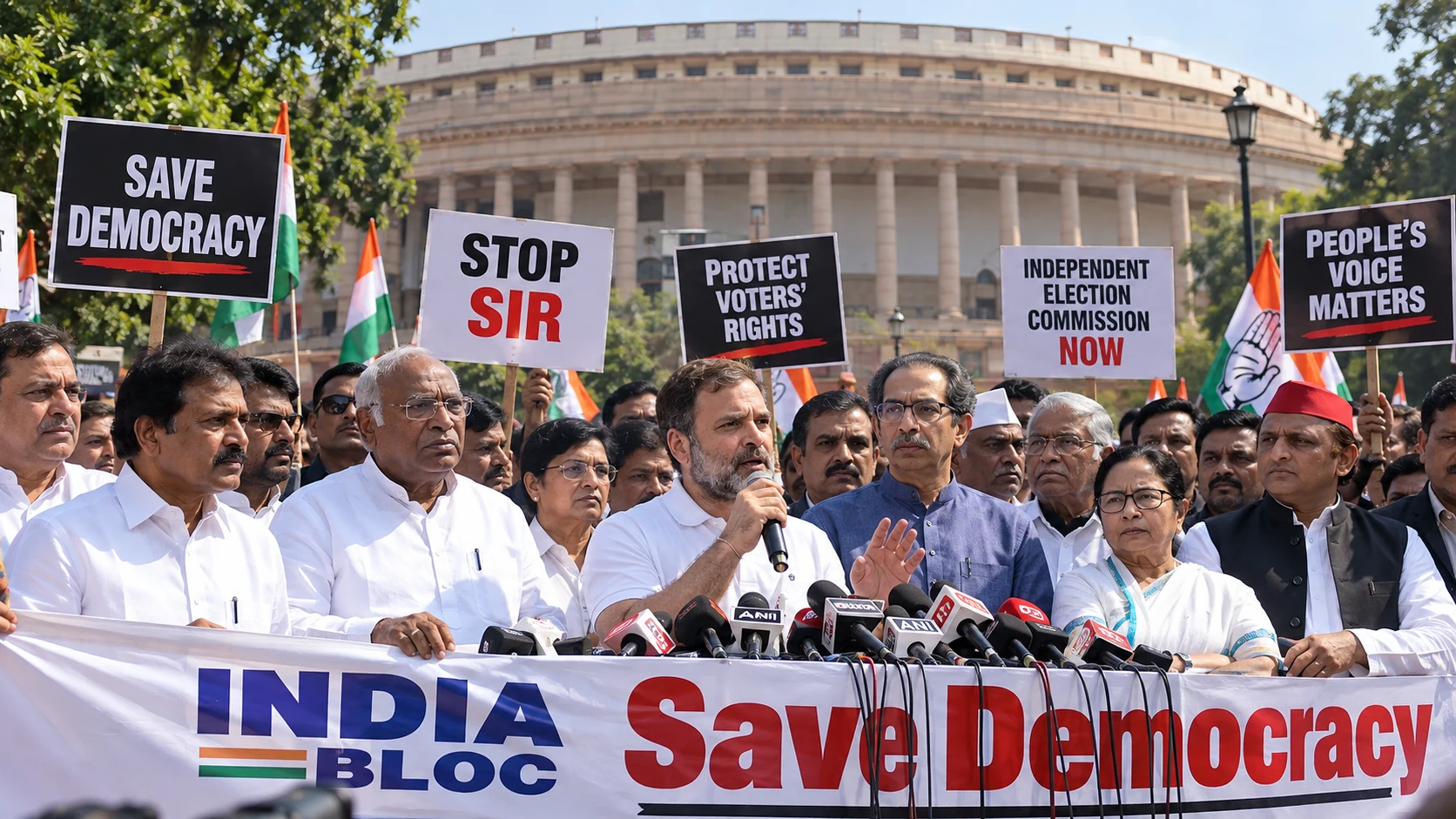
The INDIA bloc has announced nationwide “Save Democracy” marches from Oct. 2–8 over the Election Commission and SIR controversy, with MPs planning an Oct. 6 march to the EC. The BJP has rejected the allegations as political frustration after electoral defeats.
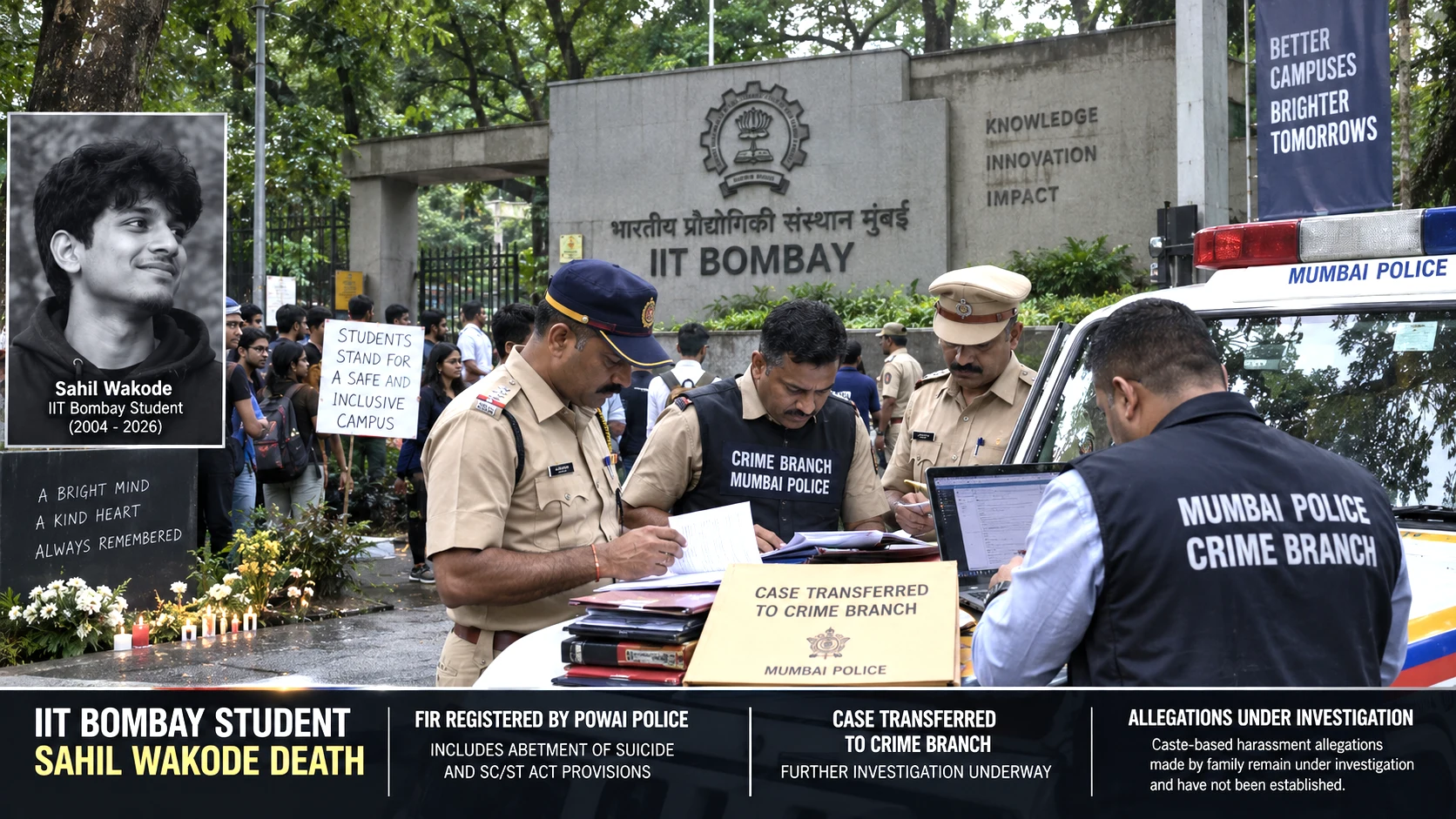
The Mumbai Police Crime Branch has taken over the investigation into the death of IIT Bombay student Sahil Wakode after his family alleged caste-based harassment and demanded action against those they hold responsible. An IIT Bombay faculty member has been booked for alleged abetment to suicide, whi
India and Pakistan have summoned each other's diplomats after BSF personnel killed two Pakistani nationals along the Punjab border on October 2. New Delhi says they were infiltrators posing a security threat, while Islamabad says they were unarmed civilians.
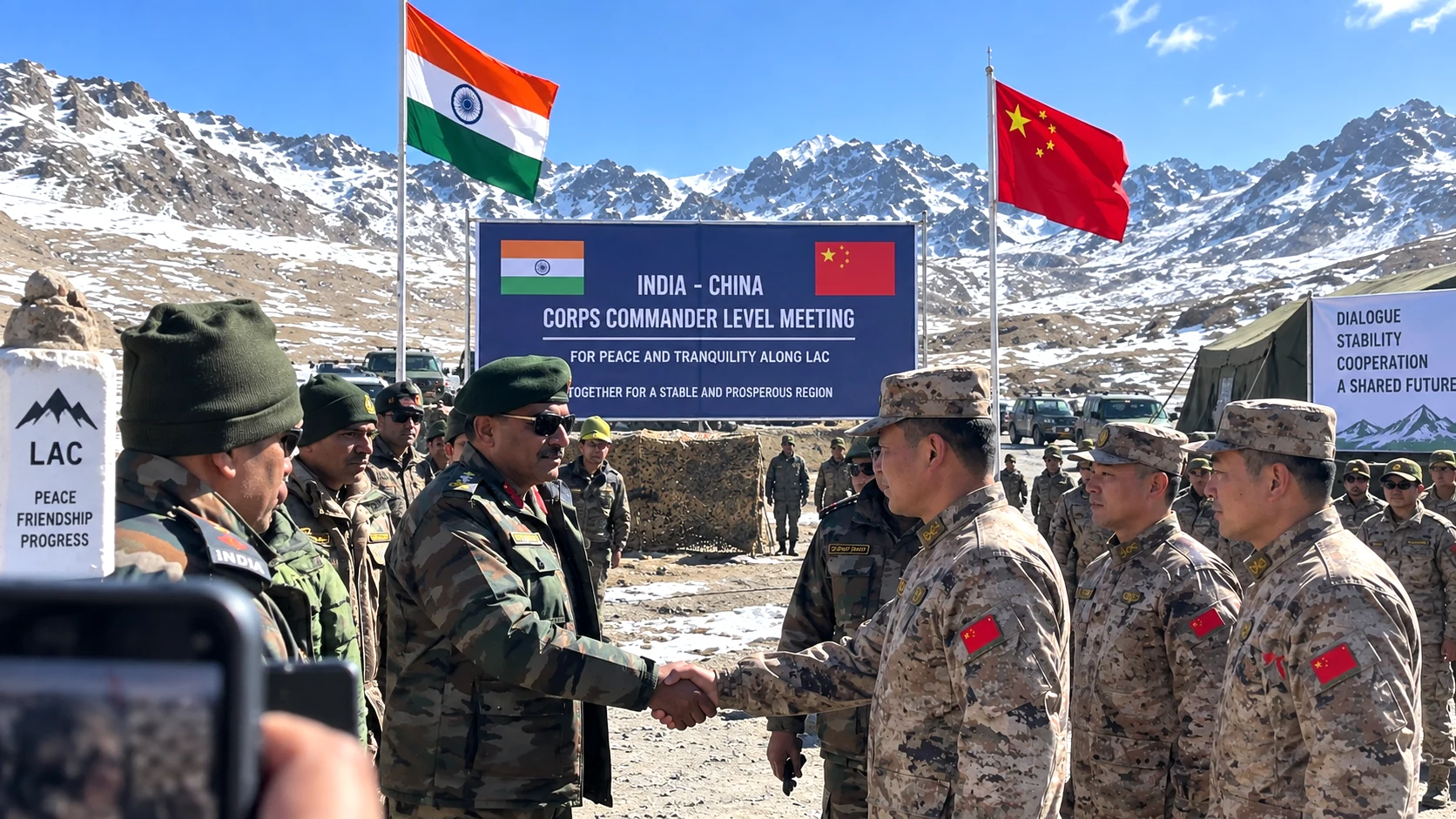
India and China held their first senior commander-level flag talks in the Arunachal sector ahead of the BRICS Summit, as Xi Jinping’s expected India visit draws attention.
The Supreme Court has directed the Manipur Chief Secretary to provide details of 25 reported unnatural deaths of internally displaced people, including post-mortem findings and preventive measures. Material before the court separately referred to 640 deaths across relief camps in eight districts, of




0 Comments