Election Commission Freezes TMC Name, ‘Flowers and Grass’ Symbol for Nandigram and Rejinagar Bypolls
Neither the Mamata Banerjee group nor the rival faction formally represented before the Election Commission by Arup Roy can use the All India Trinamool Congress name or its reserved symbol in the October 6 bypolls. The order is temporary while the ECI decides the larger party-control dispute under P
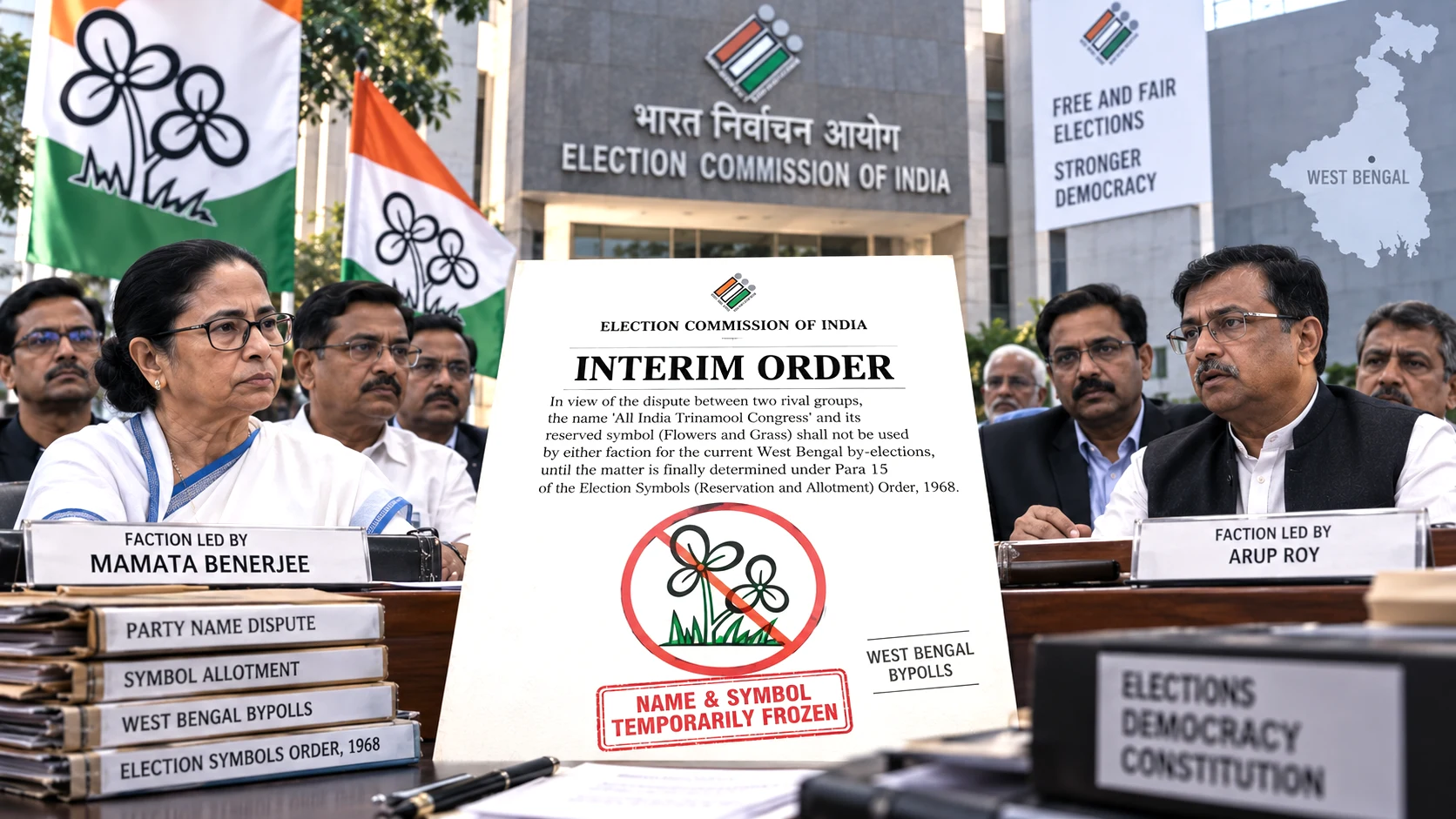
The Election Commission of India has temporarily frozen the All India Trinamool Congress name and its “Flowers and Grass” election symbol, preventing both rival factions of the party from using the established TMC identity in the forthcoming Nandigram and Rejinagar Assembly bypolls in West Bengal.
The Commission passed the interim order on Thursday, September 17, following hearings and competing claims over who is legally entitled to represent the recognised political party.
The bypolls are scheduled for October 6, 2026.
The order is significant, but its legal scope needs to be described precisely.
It is not a final decision awarding the TMC to one faction or derecognising the party permanently.
Instead, the Election Commission has placed the established party name and symbol beyond the use of either side for the present electoral process while it continues the more detailed dispute proceedings.
Key Takeaways
The Election Commission of India issued an interim order on September 17, 2026, temporarily freezing the name All India Trinamool Congress and its reserved “Flowers and Grass” election symbol.
Recommended Reading
Related Stories & In-Depth Guides
Curated editorial perspectives matching this topic.
The Election Commission’s interim freeze on the Trinamool Congress name and ‘Flowers and Grass’ symbol has pushed rival factions to temporary identities. Mamata Banerjee has challenged the order in the Supreme Court, while the October 6 Nandigram bypoll has been further complicated by the withdrawal
New Delhi says its oil sourcing will continue to be guided by energy security, market conditions and diversified supplies after the US Congress cleared legislation allowing President Donald Trump to impose tariffs of up to 100% on major buyers of Russian energy. The tariffs are not automatic, and th
The immediate impact is on the October 6 Assembly bypolls in Nandigram and Rejinagar, West Bengal.
Neither rival faction can contest these bypolls simply as “All India Trinamool Congress” or use the traditional TMC symbol.
The ECI order formally describes the rival groups as one led by Arup Roy, the petitioner, and the other led by Mamata Banerjee, the respondent. Ritabrata Banerjee has nevertheless been the prominent political face and representative of the rebel camp in recent proceedings.
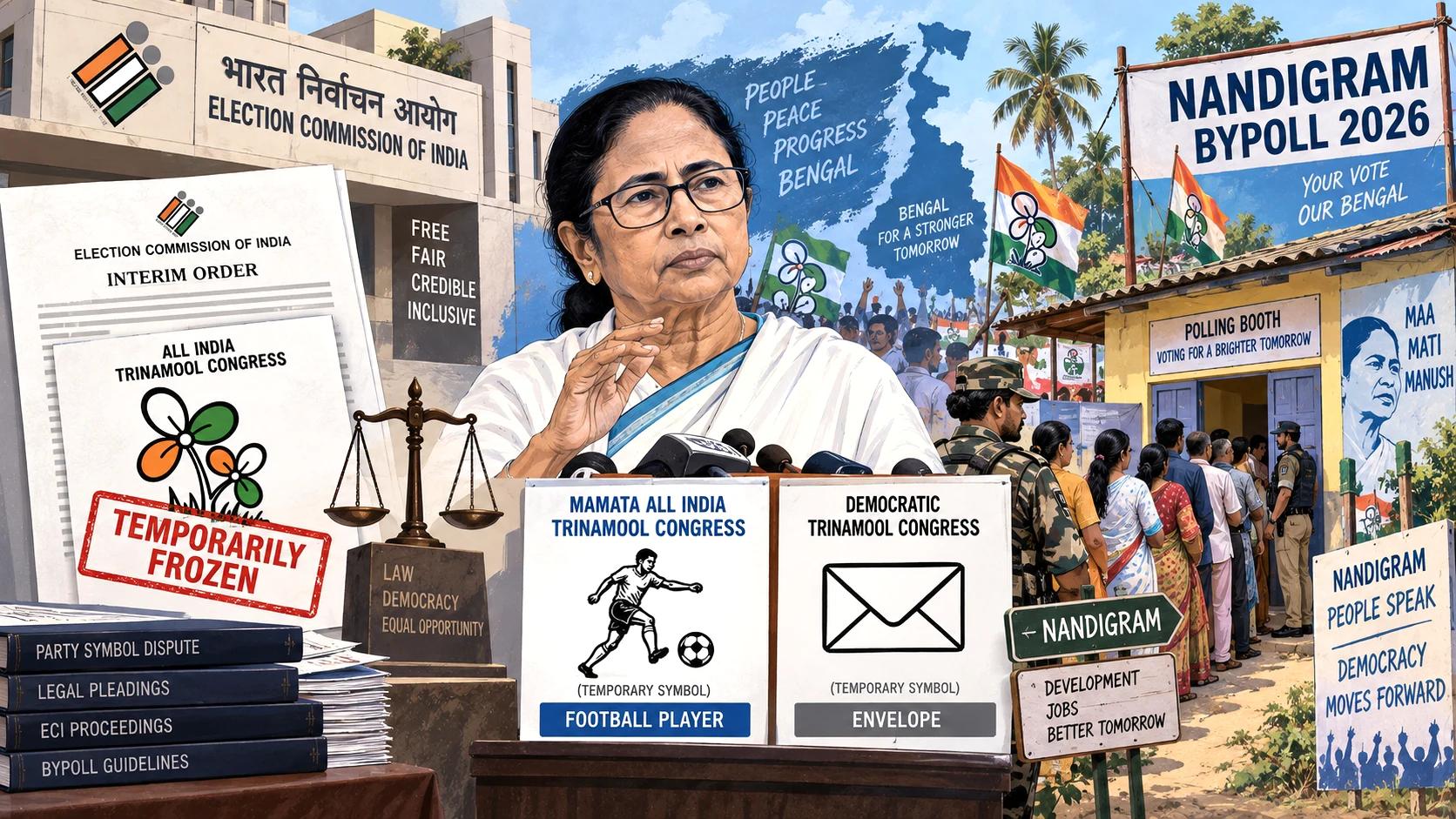
Both sides were ordered to submit three preferred temporary names and three free election symbols by 11 am on September 18.
The factions may propose names that retain a reference to their parent party, but neither can use the unmodified AITC name.
The freeze does not decide who ultimately owns the TMC name and symbol. The substantive dispute remains pending under Paragraph 15 of the Election Symbols (Reservation and Allotment) Order, 1968.
The Commission said an interim arrangement was necessary because it could not complete the full adjudication before the imminent bypolls.
What Exactly Did the Election Commission Order?
The ECI said neither of the two rival groups would be allowed to use the name:
“All India Trinamool Congress”
in its existing form.
It also prohibited both from using the party’s reserved:
“Flowers and Grass”
election symbol.
Each side must therefore contest under a separate temporary name and a different symbol allotted from the Election Commission’s list of free symbols.
The Commission gave both factions until 11 am on September 18 to provide:
three proposed group names, ranked in order of preference; and
three free election symbols, also ranked in order of preference
The ECI can approve one proposed name and allot one symbol to each group.
Factions Can Still Refer to Their TMC Connection
The order does not require both groups to completely erase any reference to the Trinamool Congress from their temporary identities.
The ECI said each faction may, if it wishes, propose a name reflecting a linkage with the parent party, All India Trinamool Congress.
But neither can simply call itself the All India Trinamool Congress while the ownership dispute remains unresolved.
That distinction is intended to allow both sides to communicate their political origins to voters without giving either an interim advantage by awarding it exclusive use of the recognised party identity.
Who Are the Two Rival Factions?
There is a small but important distinction between political reporting and the wording of the Election Commission’s order.
Many current reports describe the split as being between the Mamata Banerjee faction and the Ritabrata Banerjee faction, because Ritabrata Banerjee has emerged as the public political face of the rebellion and led delegations involved in the dispute.
The ECI’s formal interim order, however, identifies the two sides as:
Arup Roy — Petitioner
and
Mamata Banerjee — Respondent.
This is not necessarily a contradiction.
According to the record of the proceedings, Ritabrata Banerjee challenged the authority of the existing TMC organisational structure and argued that a Special Session held on June 22 had elected Arup Roy as chairperson of the National Working Committee.
Roy subsequently authorised Ritabrata Banerjee to represent that group before bodies including the Election Commission.
So the most accurate description is:
the Mamata Banerjee faction and the rival Arup Roy group, politically fronted in much of the dispute by Ritabrata Banerjee.
Why Did the Election Commission Freeze the Symbol?
Both rival groups claim to represent the recognised All India Trinamool Congress.
That puts the dispute within the framework of Paragraph 15 of the Election Symbols (Reservation and Allotment) Order, 1968.
Paragraph 15 empowers the Election Commission to determine which rival section or group, if any, should be recognised as the original recognised political party when competing factions claim that status.
The Commission considers evidence including the organisational structure, competing claims and other relevant material and hears the parties before making its determination.
In this case, however, the October 6 bypolls created an immediate practical problem.
The ECI said there was insufficient time to complete the substantive Paragraph 15 proceedings before the current electoral process.
It therefore imposed an interim arrangement so neither group would receive exclusive use of the established party identity before that larger question had been decided.
ECI Says Both Groups Should Be Placed on an ‘Even Keel’
The Commission said its temporary arrangement was intended to place the two rival groups on an “even keel” and protect the interests of both sides pending a final ruling.
This is an important reason the order should not be described as an ECI victory for either camp.
Mamata Banerjee’s group has not been awarded the symbol.
The rival group has not been awarded it either.
For now, neither has it.
Nandigram and Rejinagar Candidates Will Need New Identities
The immediate electoral consequence will be visible on ballots and electronic voting machines in the October 6 bypolls.
Both factions have fielded candidates in Nandigram and Rejinagar while simultaneously claiming the right to use the TMC identity.
Under the interim ECI ruling, their candidates will instead appear under the temporary names and symbols allotted to their respective camps.
That creates an unusual campaign challenge.
The traditional TMC symbol has long been a highly recognisable electoral identifier in West Bengal. Both camps will now have to explain new symbols to voters during a relatively short by-election campaign.
Why the TMC Dispute Reached the Election Commission
The Election Commission proceedings stem from a broader struggle over control of the party following the political upheaval within the TMC in 2026.
According to material summarised from the ECI proceedings, Ritabrata Banerjee argued that the tenure of the TMC National Working Committee had expired on February 11, 2025, and that it therefore lacked constitutional authority to continue exercising powers under the party constitution.
The rival camp says a Special Session was held in Kolkata on June 22, 2026, where Arup Roy was elected chairperson of the National Working Committee.
The Mamata Banerjee side disputes the validity of that meeting and the resulting appointments, arguing that the process violated the TMC constitution.
These competing claims are precisely what the Election Commission must ultimately assess.
The September 17 order does not resolve them.
Ritabrata Banerjee Has Been the Public Face of the Rebel Camp
The political split is frequently described as “Mamata versus Ritabrata” because Ritabrata Banerjee has emerged as the most visible leader of the rebel group.
He headed a delegation to the Election Commission that included Arup Roy and other senior figures.
Current reporting also identifies Ritabrata as Leader of the Opposition in the West Bengal Assembly following the political realignment after the state election.
But because the ECI’s legal order identifies Arup Roy as the petitioner leading the rival group, that is the terminology that should be used when describing the actual Commission proceedings.
Interim Freeze Is Not a Permanent Ban
The phrase “EC bans the TMC symbol” can be misleading if it suggests the Flowers and Grass symbol has been permanently abolished.
It has not.
The symbol is temporarily frozen between the rival claimants while the Commission decides who, if anyone, is entitled to continue as the recognised AITC.
The ECI says the interim arrangement will continue until the dispute is finally determined under Paragraph 15.
If the Commission later determines that one group represents the recognised TMC, that faction could potentially regain the established party name and reserved symbol subject to the final order.
Why This Is a Major Development in West Bengal Politics
The Flowers and Grass symbol has been closely associated with Mamata Banerjee’s political organisation since the Trinamool Congress emerged as a separate political force in the late 1990s.
The Times of India noted that the interim freeze means that, for the first time since the party’s formation era, neither the AITC name nor its established symbol will appear as such in the relevant Bengal bypolls.
That gives the Election Commission dispute significance beyond two Assembly seats.
The final Paragraph 15 decision could determine who controls one of West Bengal’s most established political brands, including its electoral identity going forward.
No Final Winner Yet
Political statements following the freeze should be treated separately from the legal meaning of the order.
Opposition parties may portray the ruling as evidence of a collapse or formal split within the Trinamool Congress.
Supporters of the competing TMC camps may argue that their side ultimately has the stronger claim.
Neither interpretation amounts to the Election Commission’s final conclusion.
The only legally secure position as of September 18 is that the Commission has identified two rival groups claiming to be the recognised AITC and has temporarily denied both exclusive use of the established name and symbol.
What Happens Next?
There are two parallel processes.
First, the immediate by-election issue has to be resolved.
Both sides were instructed to submit their three preferred names and three free symbols by 11 am on September 18. The Commission will then approve temporary identities so their candidates can contest the October 6 elections.
Second, the ECI must continue hearing the larger dispute under Paragraph 15.
That proceeding will decide which group, if any, should be recognised as the All India Trinamool Congress and entitled to its reserved symbol.
The timing of that final ruling has not been established in the material reviewed.
Bottom Line
The central claim is confirmed.
On September 17, 2026, the Election Commission of India issued an interim order freezing the All India Trinamool Congress name and its reserved Flowers and Grass election symbol amid competing claims to control of the party.
As a result, neither rival faction can use the established TMC name or symbol in the October 6 Nandigram and Rejinagar Assembly bypolls.
Both camps were instructed to submit three alternative names and three free-symbol preferences by 11 am on September 18, after which the ECI will allot separate temporary identities.
The order formally identifies one group as led by Arup Roy and the other by Mamata Banerjee, although Ritabrata Banerjee remains the principal public face of the rival political camp and has represented it prominently before the Commission.
Most importantly, the decision is temporary.
The Election Commission has not yet determined which faction is legally entitled to the TMC name and symbol. That question remains subject to a full decision under Paragraph 15 of the Election Symbols (Reservation and Allotment) Order, 1968.
Key Takeaway
ECI freezes TMC name and Flowers and Grass symbol for Nandigram and Rejinagar bypolls.
Neither faction can use the established party identity.
Order is interim pending full Paragraph 15 decision.
Both sides must contest under temporary names and symbols.
The Rajatheertha Team publishes news, explainers, guides and updates across India and the world. Our coverage follows Rajatheertha's editorial, verification and corrections standards.
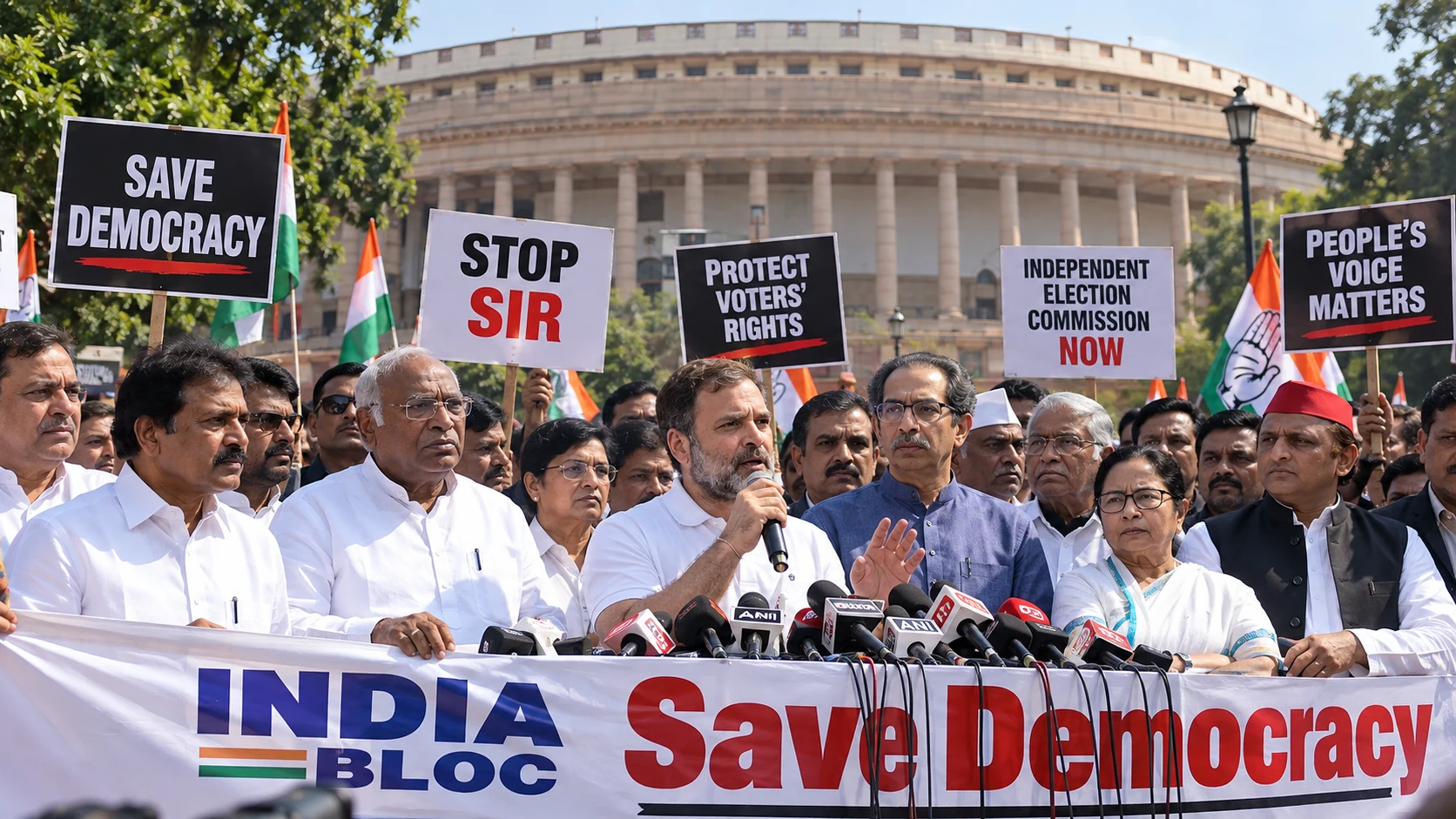
The INDIA bloc has announced nationwide “Save Democracy” marches from Oct. 2–8 over the Election Commission and SIR controversy, with MPs planning an Oct. 6 march to the EC. The BJP has rejected the allegations as political frustration after electoral defeats.
India and Pakistan have summoned each other's diplomats after BSF personnel killed two Pakistani nationals along the Punjab border on October 2. New Delhi says they were infiltrators posing a security threat, while Islamabad says they were unarmed civilians.
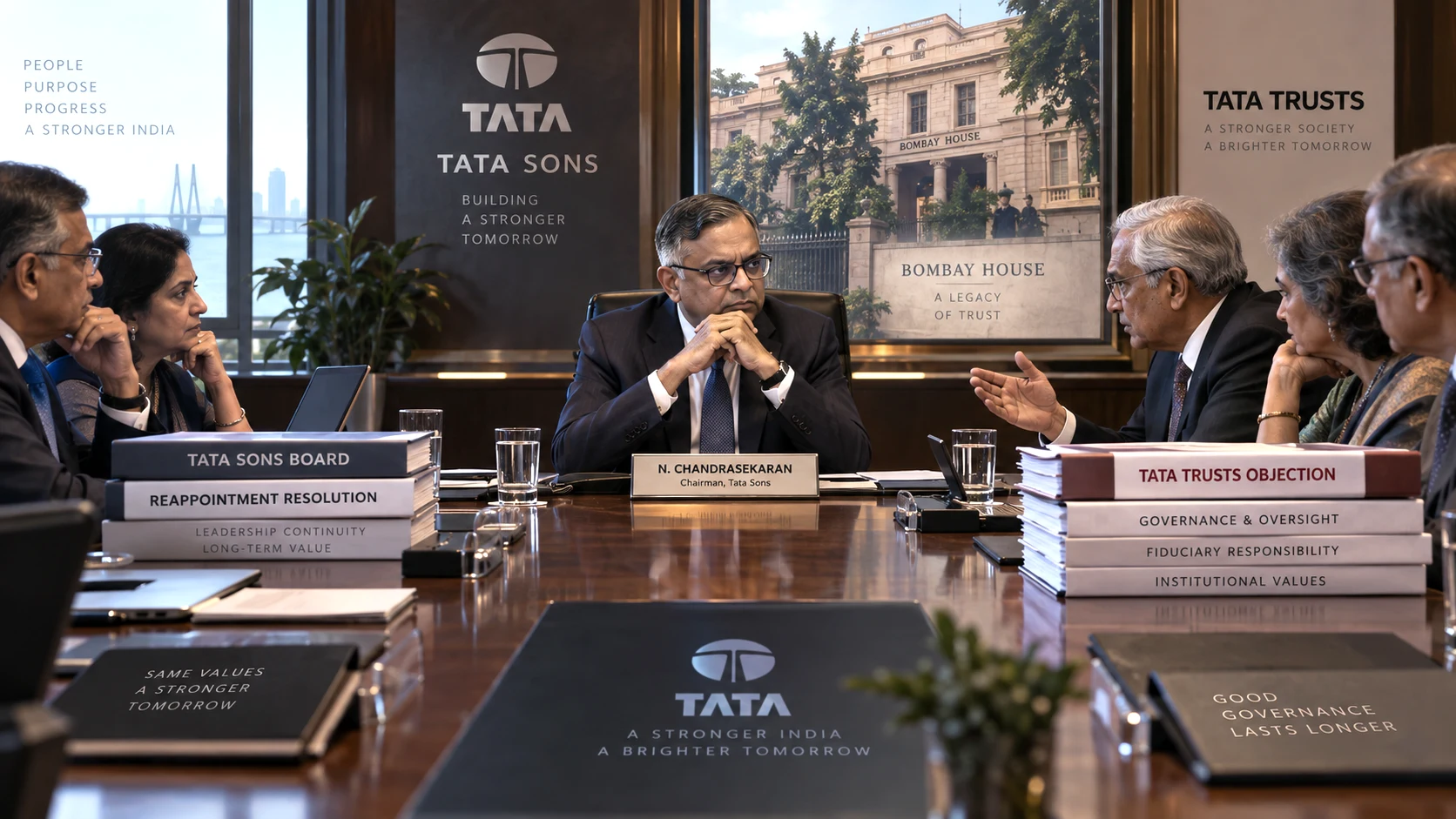
Tata Trusts has intensified its challenge to N. Chandrasekaran’s third term as chairman of Tata Sons, declaring the September 17 board resolution invalid and arguing that the required support of its nominee directors was never obtained. Tata Sons’ board approved the reappointment by 4-1, setting up
The 18th BRICS Summit concluded in New Delhi with leaders adopting the New Delhi Declaration by consensus, as India handed the chairship to China for 2027.
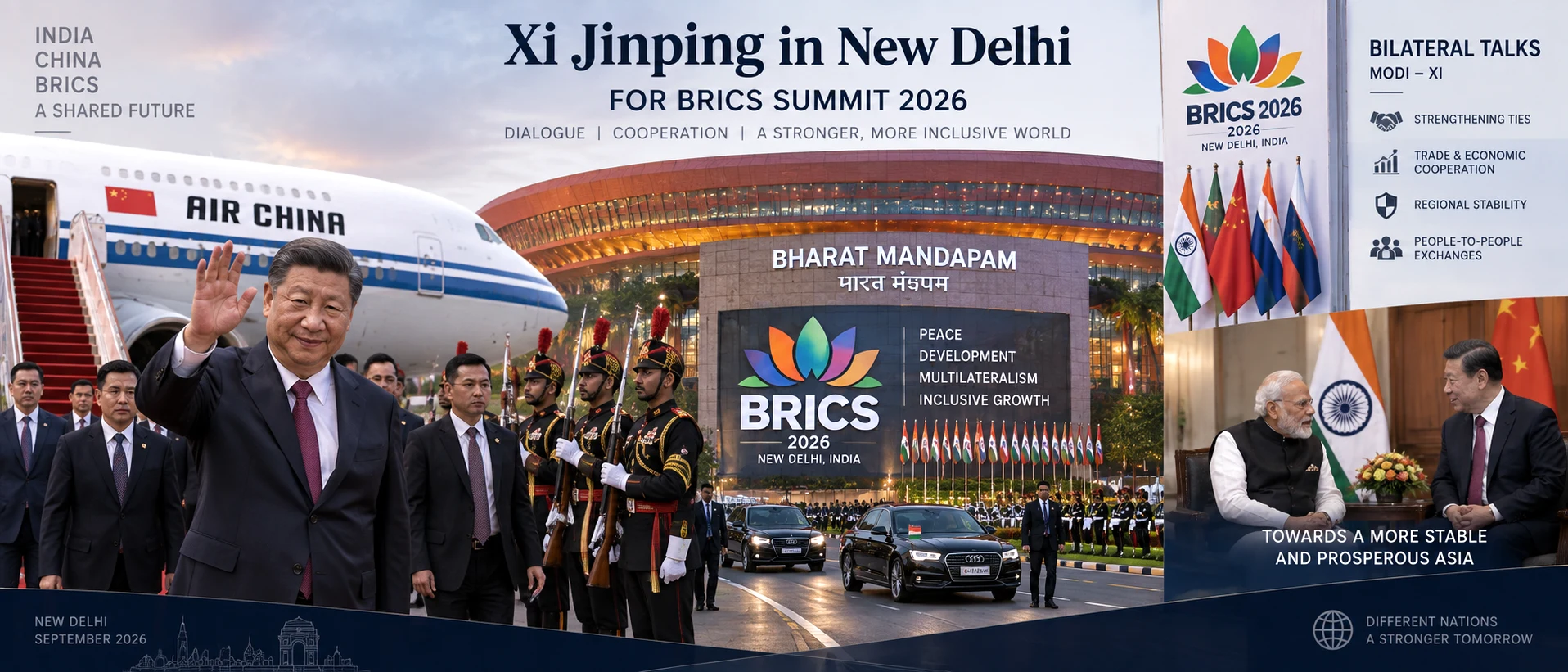
Chinese President Xi Jinping arrived in New Delhi for the 18th BRICS Summit, his first visit to India in nearly seven years, with bilateral talks with Prime Minister Narendra Modi scheduled for Saturday evening.
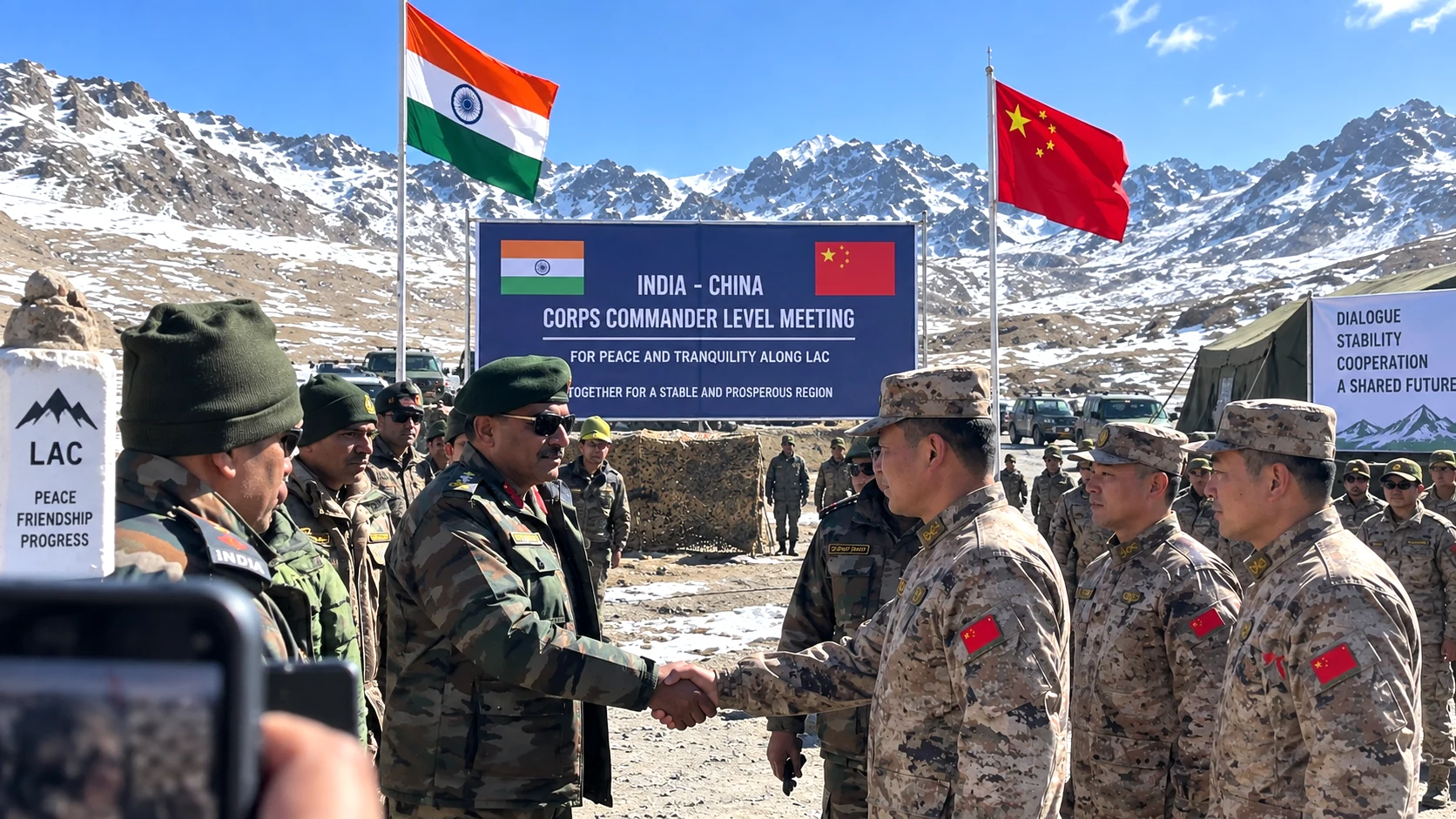
India and China held their first senior commander-level flag talks in the Arunachal sector ahead of the BRICS Summit, as Xi Jinping’s expected India visit draws attention.






0 Comments