Bank Strike on September 11: Why Employees Are Protesting, What Banks Say and What Customers Should Expect
Bank unions will strike nationwide on September 11 over five-day banking and other demands. Here is why employees are protesting, what banks say, how customers may be affected and what happens next.
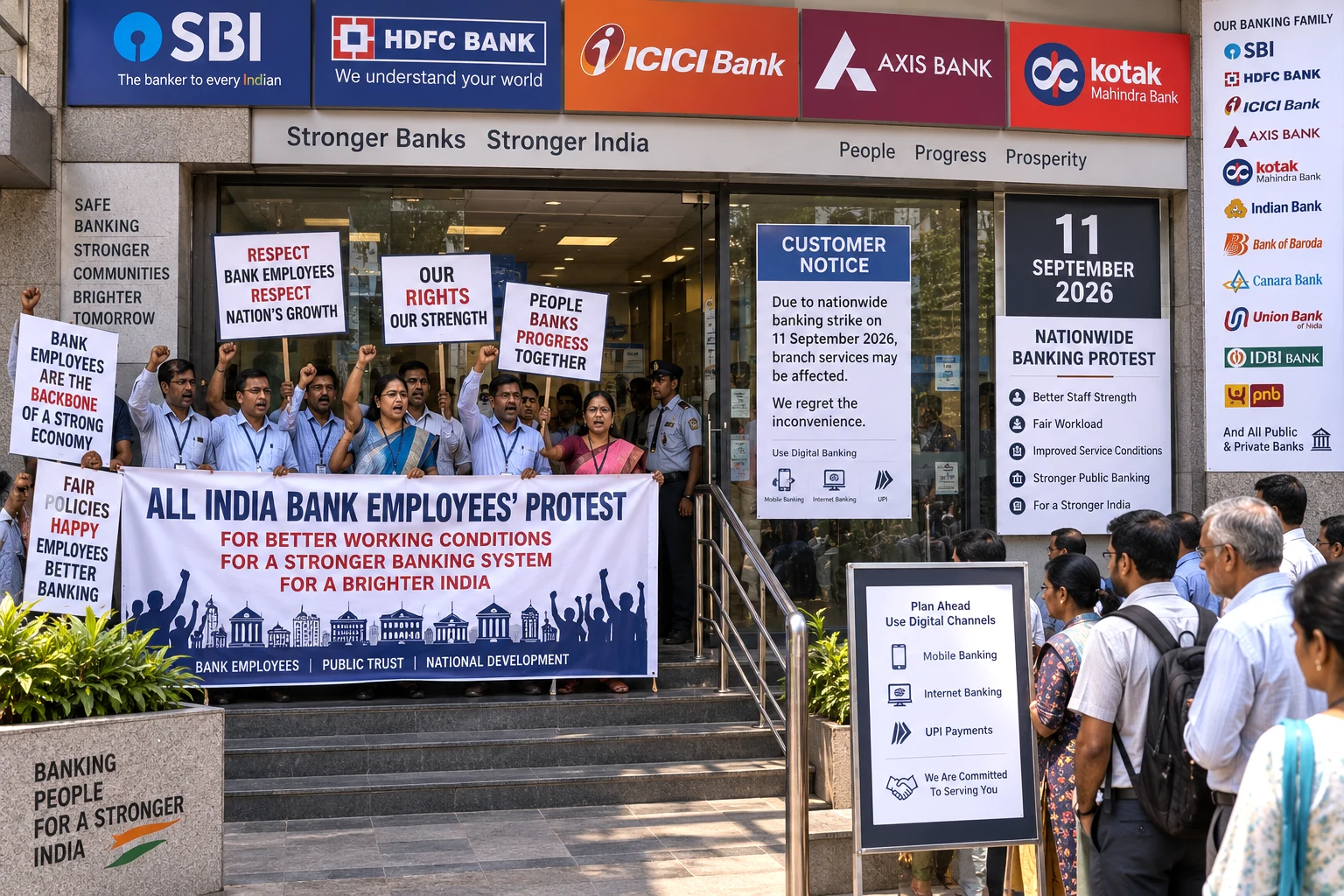
Bank employees participating in a nationwide banking protest as customers prepare for possible branch disruptions on September 11, 2026
Table of Contents (20 sections)
Millions of bank customers across India may need to plan their branch visits carefully this week.
The United Forum of Bank Unions (UFBU) has called a nationwide bank strike for Friday, September 11, 2026, beginning what could become a much larger confrontation between bank employees, management and the government.
At the heart of the dispute is a question that has remained unresolved for years:
Should Indian banks move permanently to a five-day working week?
Bank employees say the demand is not simply about getting another holiday. Their proposal includes working additional time from Monday to Friday, and unions argue that a five-day week was already agreed upon with the Indian Banks’ Association (IBA) in 2024 but is still awaiting government approval.
Recommended Reading
Related Stories & In-Depth Guides
Curated editorial perspectives matching this topic.
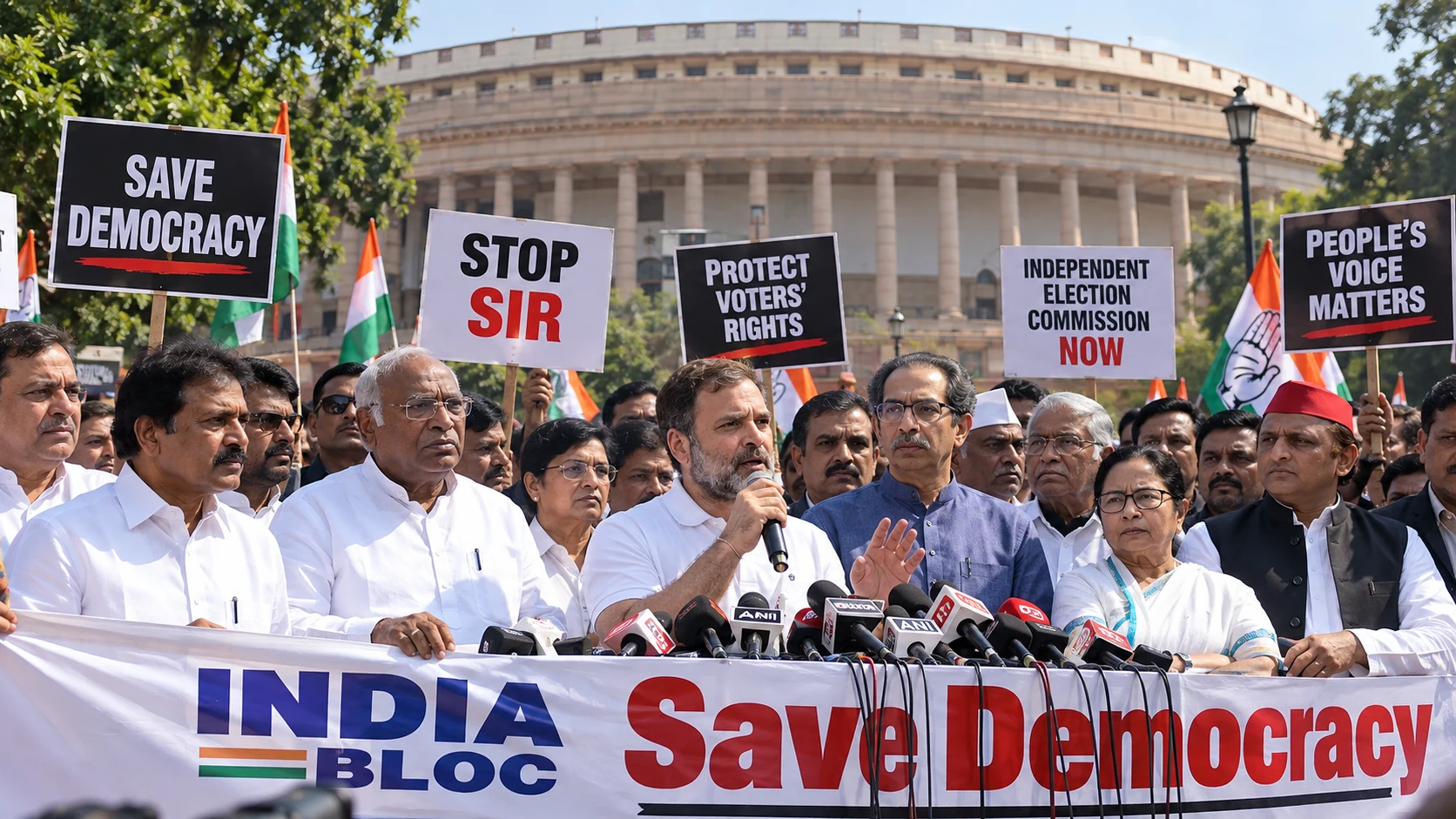
The INDIA bloc has announced nationwide “Save Democracy” marches from Oct. 2–8 over the Election Commission and SIR controversy, with MPs planning an Oct. 6 march to the EC. The BJP has rejected the allegations as political frustration after electoral defeats.
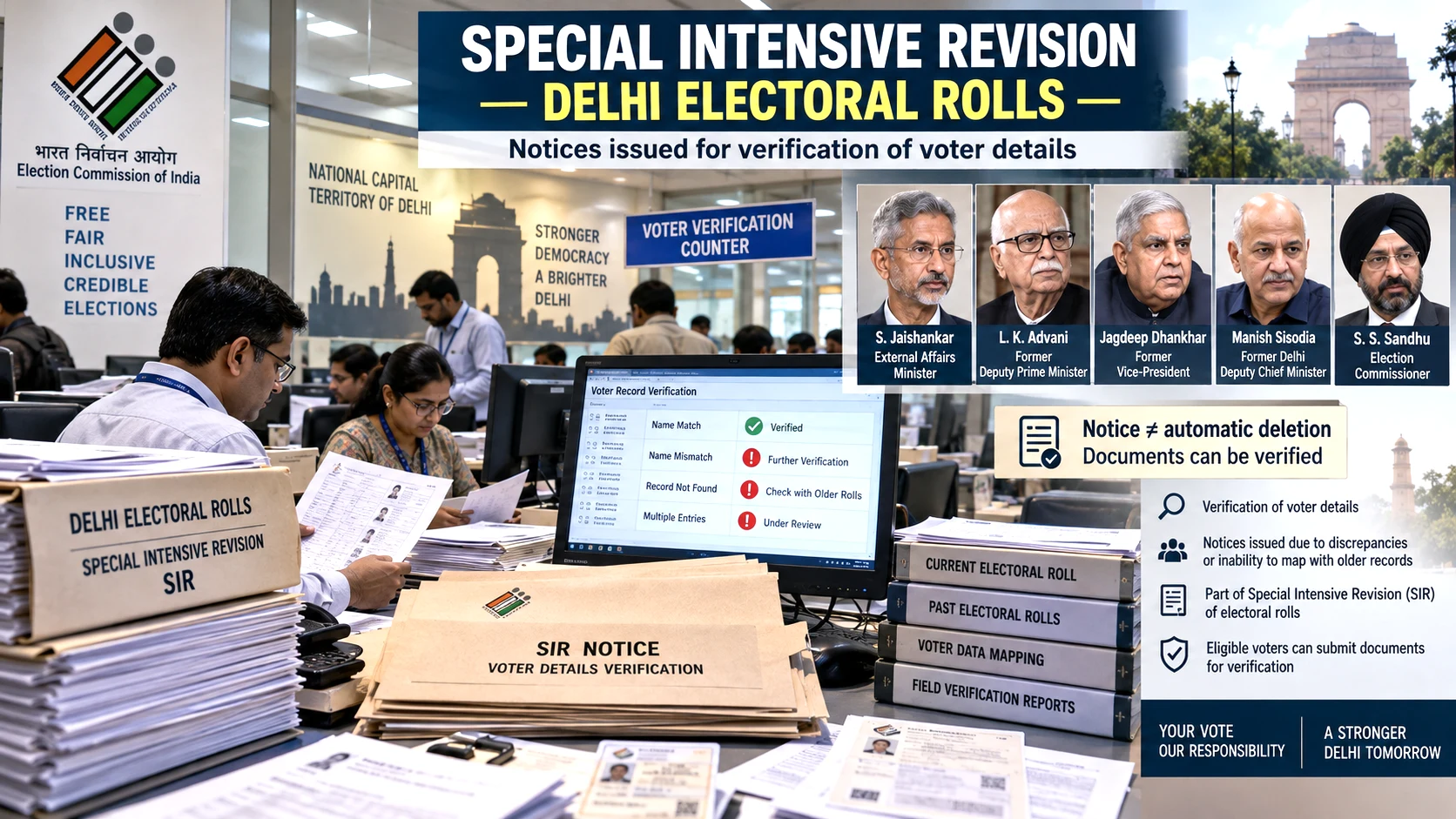
External Affairs Minister S Jaishankar, BJP veteran LK Advani, former Vice-President Jagdeep Dhankhar, former Delhi Deputy Chief Minister Manish Sisodia and several serving constitutional authorities, bureaucrats, politicians and public figures are among prominent Delhi electors issued notices durin
There is also a dispute over Performance Linked Incentive, or PLI.
The government has now taken an important step by keeping implementation of the disputed FY2025-26 PLI framework for senior public-sector bank executives in abeyance pending further discussions.
But the five-day-week issue remains unresolved.
For customers, the immediate concern is simpler: Will banks be closed on September 11? Will UPI and ATMs work? What happens to cheques and branch transactions?
And there is an even bigger question.
What happens after September 11 if the dispute is still not resolved?
Table of Contents
Is the September 11 bank strike confirmed?
Why are bank employees going on strike?
Employees’ point of view
Why employees want five-day banking
What is the PLI dispute?
Government’s latest move on PLI
Banks’ point of view
Customers’ point of view
Will SBI and other banks be closed?
Will UPI and ATMs work?
What customers should do before September 11
What happens after the strike?
September 28-30 strike explained
Could banks face an indefinite strike?
Can negotiations still stop the escalation?
Key takeaway
Is the September 11 Bank Strike Confirmed?
Yes.
UFBU has called an all-India bank strike on September 11.
The umbrella body represents seven major bank employee and officer unions.
The strike is part of a wider agitation over four broad demands: implementation of five-day banking, objections to the revised PLI framework, bilateral discussion over incentive arrangements and settlement of other pending employee issues.
The September 11 action is only the first stage.
UFBU has also announced a three-day strike for September 28, 29 and 30.
If the dispute continues, unions have threatened an indefinite nationwide strike from October 26.
However, customers should remember that strike announcements can change if negotiations produce an agreement.
Employees’ Point of View: ‘This Was Already Agreed’
To understand why employees are prepared to strike, it is necessary to look back to March 8, 2024.
Bank unions and the Indian Banks’ Association signed the 12th Bipartite Settlement and 9th Joint Note.
According to UFBU, the arrangement included an agreement to introduce a five-day banking week, subject to government approval.
The proposal was not simply to remove Saturday working hours.
Employees would work approximately 40 additional minutes from Monday to Friday to compensate for the additional Saturday holidays.
Bank branches currently generally close on the second and fourth Saturdays of each month.
The proposed system would make all Saturdays holidays while extending working hours during the five weekdays.
From the unions’ perspective, therefore, the current dispute is not about beginning negotiations over a completely new demand.
They argue that an arrangement was negotiated years ago and is still waiting for the final government decision.
Why Employees Believe Five-Day Banking Is Reasonable
The banking industry has changed dramatically.
Customers who once visited branches to transfer money, check balances, pay bills or withdraw cash can now perform many of those tasks using smartphones.
UPI, mobile banking, internet banking and ATMs operate beyond normal branch hours.
But bank employees argue that digitisation has not eliminated their workload.
Branches continue to handle loans, documentation, compliance, government schemes, cash operations, customer complaints, financial inclusion and numerous back-office responsibilities.
Employees and officers can also face sales targets and increasing compliance requirements.
Their argument is that a five-day week would bring banking working conditions closer to those already common across many other professional and financial institutions without substantially reducing customer-service time because weekday hours would be extended.
That is the employees’ case.
Whether and how the proposal should be implemented ultimately remains a policy decision.
The Second Fight: What Is the PLI Dispute?
The performance-linked incentive issue has made the dispute more complicated.
Bank unions support incentives linked to performance, but they object to the structure introduced for senior public-sector bank executives.
UFBU argues that an earlier incentive understanding was based primarily on the performance of the bank as a whole, with relatively uniform treatment across eligible employee categories.
The disputed government framework for senior officers instead places greater emphasis on individual performance.
The unions argue that this creates an excessive difference between what senior executives can potentially receive and the incentive available to other employees and officers.
They have described the arrangement as discriminatory.
That description represents the union’s position rather than an established legal finding.
Government Makes an Important Move Before the Strike
There has been a significant development.
The Department of Financial Services has decided to keep implementation of the PLI scheme for public-sector bank executives in Scale IV to Scale VIII for FY2025-26 in abeyance until further orders.
The issue is expected to be considered during the ongoing Bipartite Settlement and Joint Note discussions.
That matters because PLI was one of the central reasons behind the agitation.
The government’s decision potentially creates more room for negotiation.
But it does not settle everything.
The five-day banking demand remains unresolved.
That is why the September 11 strike has not disappeared from the latest strike programme.
Banks’ Point of View: Keep Services Running
Banks are approaching the situation from another direction.
Their immediate responsibility is to keep customer services functioning despite the industrial action.
State Bank of India, India’s largest lender, has acknowledged receiving the UFBU strike notices.
SBI says it is making necessary arrangements to ensure normal functioning at its branches and offices.
At the same time, the bank has warned that work may still be affected by the strike.
Bank of Baroda has issued a similar warning.
This is an important distinction.
Banks are not saying that every branch will definitely close.
They are saying they will try to maintain operations but cannot guarantee that there will be no disruption.
The actual impact is likely to depend on employee participation, staffing and individual branch arrangements.
Why Banks Cannot Simply Ignore a Strike
A modern bank is highly automated, but people still perform many critical functions.
Digital transactions may continue automatically, while activities involving physical verification, documentation, cash handling, clearing, loan processing or customer assistance depend much more heavily on staff.
That means a bank can keep its technology infrastructure running while simultaneously experiencing significant disruption at branches.
This is why customers may see very different experiences.
One branch could function relatively normally.
Another could operate with reduced staff.
Another may be unable to provide certain counter services.
Customers should therefore avoid assuming that either “every bank will be closed” or “everything will work normally.”
Neither statement is guaranteed.
Customers’ Point of View: ‘Will My Money and Payments Be Affected?’
For ordinary customers, the dispute is ultimately about access.
Someone waiting for a loan document may not care about the details of industrial negotiations.
A small business owner may simply need a cheque processed.
A pensioner may need help at a branch.
Another customer may need to deposit cash.
From the customer’s perspective, predictability matters.
Customers deserve advance information about which services could be affected and which alternatives remain available.
The good news is that a bank strike does not automatically mean India’s entire payment system stops working.
Will UPI Work During the September 11 Bank Strike?
UPI is generally expected to continue operating.
The same applies broadly to:
Mobile banking
Internet banking
IMPS
NEFT
Debit-card payments
Credit card payments
ATMs
These services rely heavily on automated technology infrastructure rather than normal counter staffing.
But “expected to work” should not be confused with an absolute guarantee.
Individual banks can experience technical problems at any time.
ATM cash availability may also depend on replenishment and local operational arrangements.
The main strike impact is more likely to be felt in employee-dependent banking services.
Which Services Could Face Problems?
Customers could potentially experience delays or reduced availability in branch-related services such as cheque processing, cash transactions at counters, account documentation, loan-related paperwork, customer-service requests and some clearing activities.
Business customers that depend heavily on physical banking operations should pay particular attention.
If a transaction can safely be completed before September 11, doing so may avoid unnecessary inconvenience.
What Customers Should Do Before September 11
There is no reason to panic or withdraw large amounts of cash simply because a strike has been announced.
Planning is enough.
Customers with important branch work should consider completing it before Friday.
Keep sufficient cash for normal requirements if you depend heavily on ATMs.
Businesses expecting time-sensitive banking paperwork should contact their branch.
Digital banking users should ensure their mobile banking and UPI accounts are functioning normally.
And customers should watch communications from their own bank, because the level of disruption may differ from one institution or branch to another.
Most importantly, do not rely on viral social media posts claiming:
“All banks will be completely closed, and UPI will stop.”
That is not what banks have announced.
What Happens After the September 11 Strike?
This is where the story becomes much more important.
September 11 is not intended by UFBU as a standalone protest.
It is the first stage of an escalating strike programme.
If employees return to work after September 11 without an agreement, attention immediately shifts back to negotiations.
The government, the Indian Banks’ Association and union representatives will face pressure to find a compromise.
Three outcomes are broadly possible.
1. A Breakthrough Is Reached
The government could provide a clearer commitment or timeline regarding five-day banking while negotiations continue over remaining issues.
If UFBU considers the progress sufficient, later strike action could potentially be reconsidered.
2. Talks Continue Without Final Agreement
The parties could continue negotiations while the unions keep their strike programme active.
This would leave customers facing uncertainty heading towards the end of September.
3. No Meaningful Progress Is Made
This is the scenario with the greatest potential impact.
September 28-30 Could Be Much More Disruptive
If the dispute remains unresolved, unions plan to strike again on:
September 28, September 29 and September 30.
A three-day continuous nationwide strike could create a substantially greater operational impact than the one-day September 11 action.
Branch-dependent work can accumulate.
Cheque and documentation processes may face delays.
Businesses could have more difficulty rescheduling important transactions.
The pressure on both unions and the government would consequently increase.
That is why what happens after September 11 may ultimately matter more than what happens on September 11 itself.
Then Comes the Biggest Threat: October 26
UFBU’s current programme escalates one final time.
If the demands remain unresolved, unions have threatened an indefinite nationwide strike beginning October 26.
That would be fundamentally different from a one-day protest.
An indefinite strike has no predetermined end date.
If participation were widespread and the action continued for several days, the potential disruption to branch banking and associated operations would become considerably more serious.
However, customers should not treat an indefinite October strike as inevitable.
It is currently a threatened future action intended to increase negotiating pressure.
There is significant time for discussions before October 26.
Can the Strike Still Be Prevented?
Yes.
Labour disputes can change rapidly.
The September 11 strike is scheduled, but negotiations can continue until the last moment.
A meeting between UFBU and IBA on September 4 failed to resolve the key demands, after which unions said they had no reason to defer the strike.
But the subsequent government decision to hold the disputed FY26 PLI framework in abeyance represents a new development.
The five-day banking issue is now particularly important.
If the government provides a solution acceptable to unions, the confrontation could de-escalate.
If not, the strike programme could continue.
The Bigger Question: Would Five-Day Banking Hurt Customers?
This is where the debate needs balance.
Customers could reasonably worry that closing branches every Saturday would reduce physical access to banking.
Employees respond that the proposed arrangement includes longer Monday-Friday working hours and comes at a time when many routine banking transactions have moved online.
Both considerations are legitimate.
Customers who primarily use UPI and mobile banking may barely notice Saturday branch closures.
Small businesses, elderly customers, people in areas with lower digital adoption and customers needing documentation may experience the change differently.
Any final policy therefore needs to balance employee working conditions with reliable customer access.
A Dispute Where All Three Sides Matter
The debate should not be reduced to employees versus customers.
Employees want an agreement they say was negotiated in 2024 to finally be implemented and want what they consider a fairer incentive structure.
Banks need enough staffing and operational flexibility to provide reliable services while managing costs, compliance and customer expectations.
Customers want uninterrupted access to their money and predictable banking services.
A durable settlement needs to consider all three.
Simply delaying the issue risks repeated strikes.
Implementing changes without planning for customer needs could create different problems.
Negotiation therefore remains the most practical route.
Key Takeaway
The September 11, 2026, nationwide bank strike is currently scheduled to go ahead.
UFBU is demanding implementation of a five-day banking week and resolution of PLI and other pending employee issues.
The five-day-week proposal would make all Saturdays holidays but would also increase working hours by around 40 minutes from Monday to Friday.
The government has made one significant concession by keeping the disputed FY2025-26 PLI framework for senior public-sector bank executives in abeyance while discussions continue.
But the central five-day banking question remains unresolved.
SBI and Bank of Baroda say they are preparing to maintain services, although both acknowledge that operations may be affected.
For customers, the most likely impact is on branch-dependent services rather than UPI and routine digital banking.
And September 11 may not be the end.
If there is no settlement, unions have announced:
September 28-30 — Three-day nationwide strike
October 26 onwards — Proposed indefinite nationwide strike
That makes the real story bigger than one Friday’s disruption.
September 11 will be the first major test of whether the government, banks and employees can find enough common ground to prevent the dispute from developing into a much larger banking confrontation later this month.
Related Reading
[Bank Holidays in September 2026]
[Five-Day Banking Week in India Explained]
[Latest SBI and Banking News]
Editorial Update Note: The strike remains scheduled as of September 8, 2026. Because negotiations are continuing, verify UFBU, government and major-bank announcements immediately before publication on September 10 or 11.
The Rajatheertha Team publishes news, explainers, guides and updates across India and the world. Our coverage follows Rajatheertha's editorial, verification and corrections standards.
India and Pakistan have summoned each other's diplomats after BSF personnel killed two Pakistani nationals along the Punjab border on October 2. New Delhi says they were infiltrators posing a security threat, while Islamabad says they were unarmed civilians.
New Delhi says its oil sourcing will continue to be guided by energy security, market conditions and diversified supplies after the US Congress cleared legislation allowing President Donald Trump to impose tariffs of up to 100% on major buyers of Russian energy. The tariffs are not automatic, and th
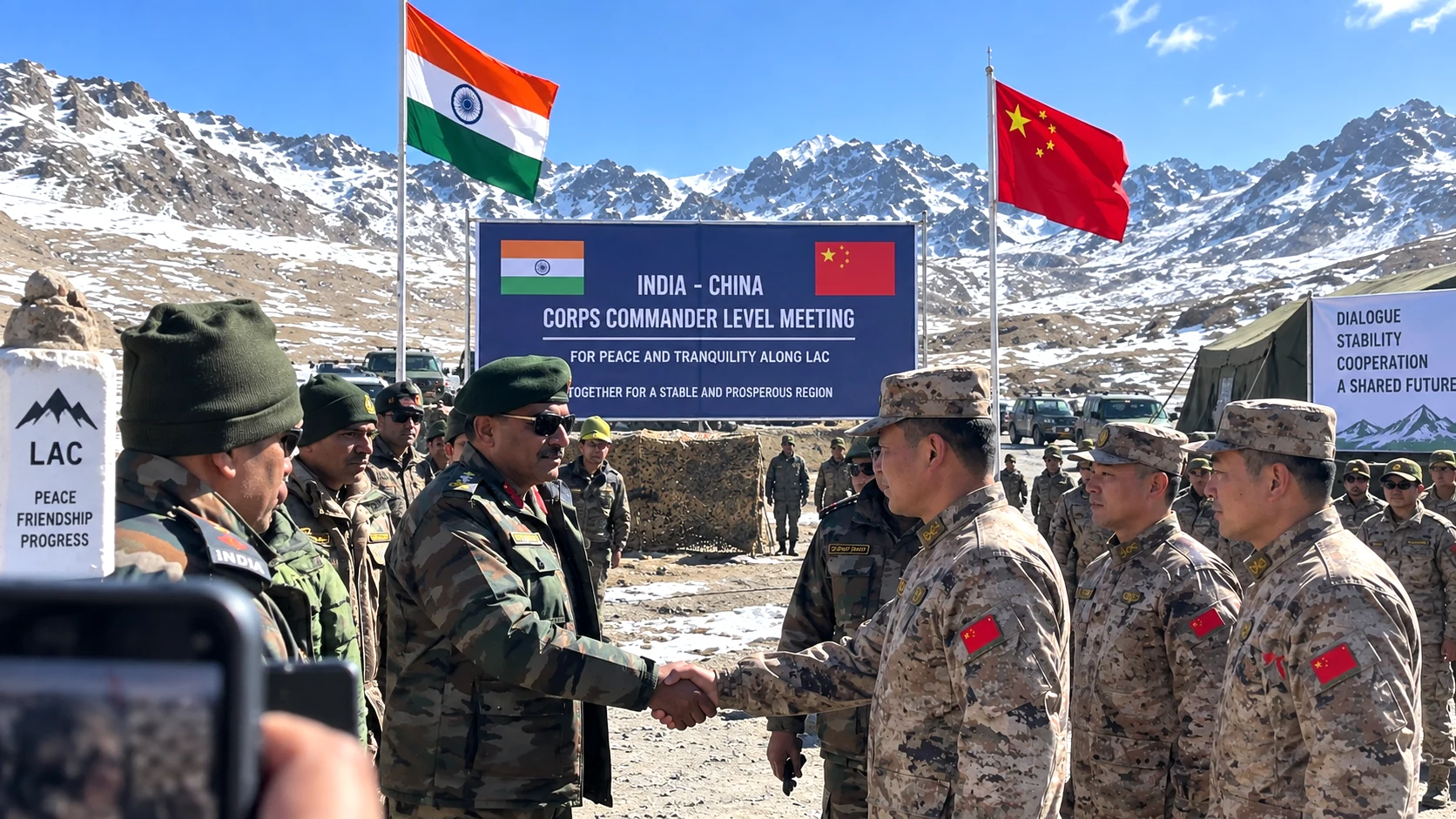
India and China held their first senior commander-level flag talks in the Arunachal sector ahead of the BRICS Summit, as Xi Jinping’s expected India visit draws attention.
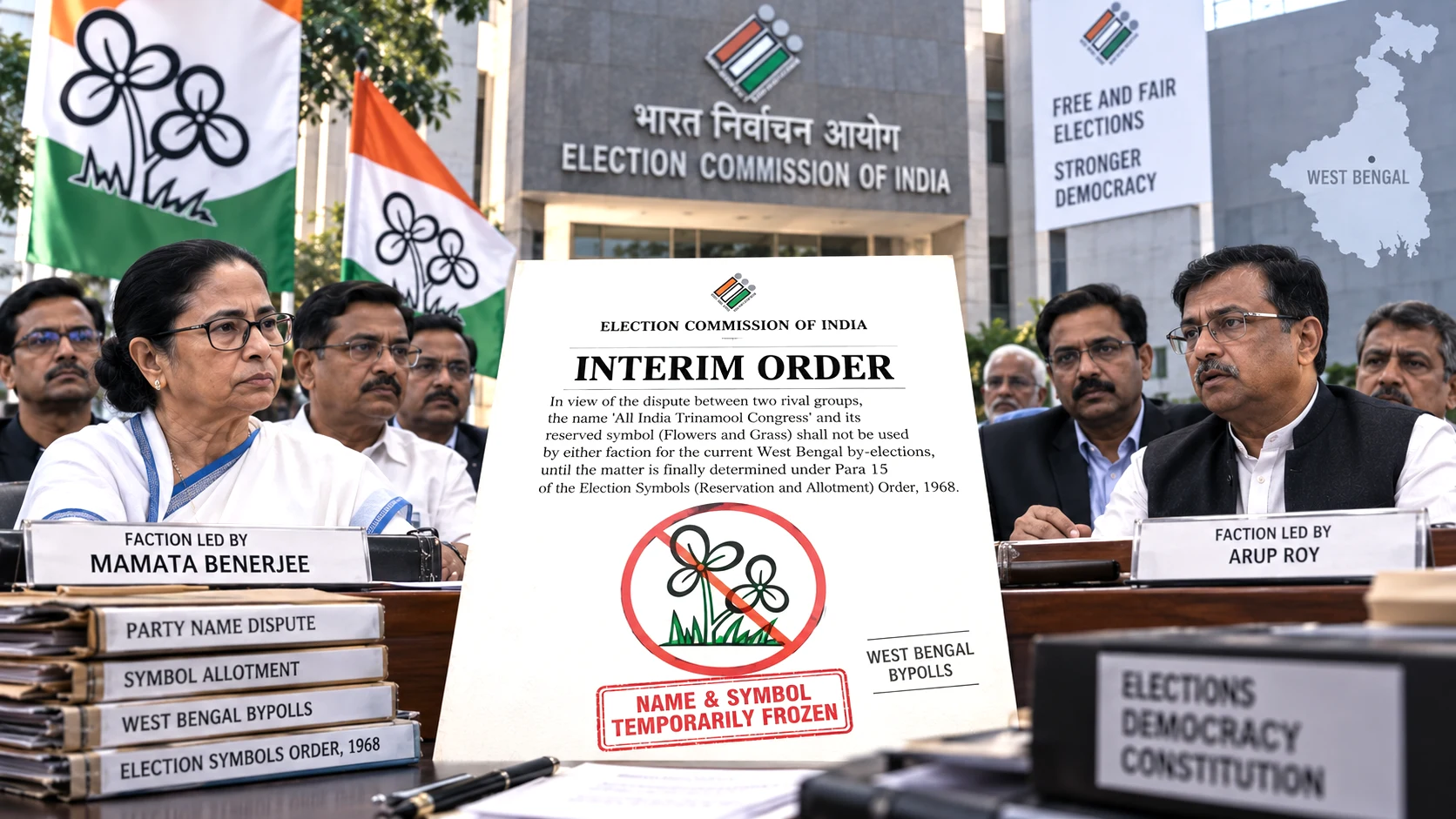
Neither the Mamata Banerjee group nor the rival faction formally represented before the Election Commission by Arup Roy can use the All India Trinamool Congress name or its reserved symbol in the October 6 bypolls. The order is temporary while the ECI decides the larger party-control dispute under P
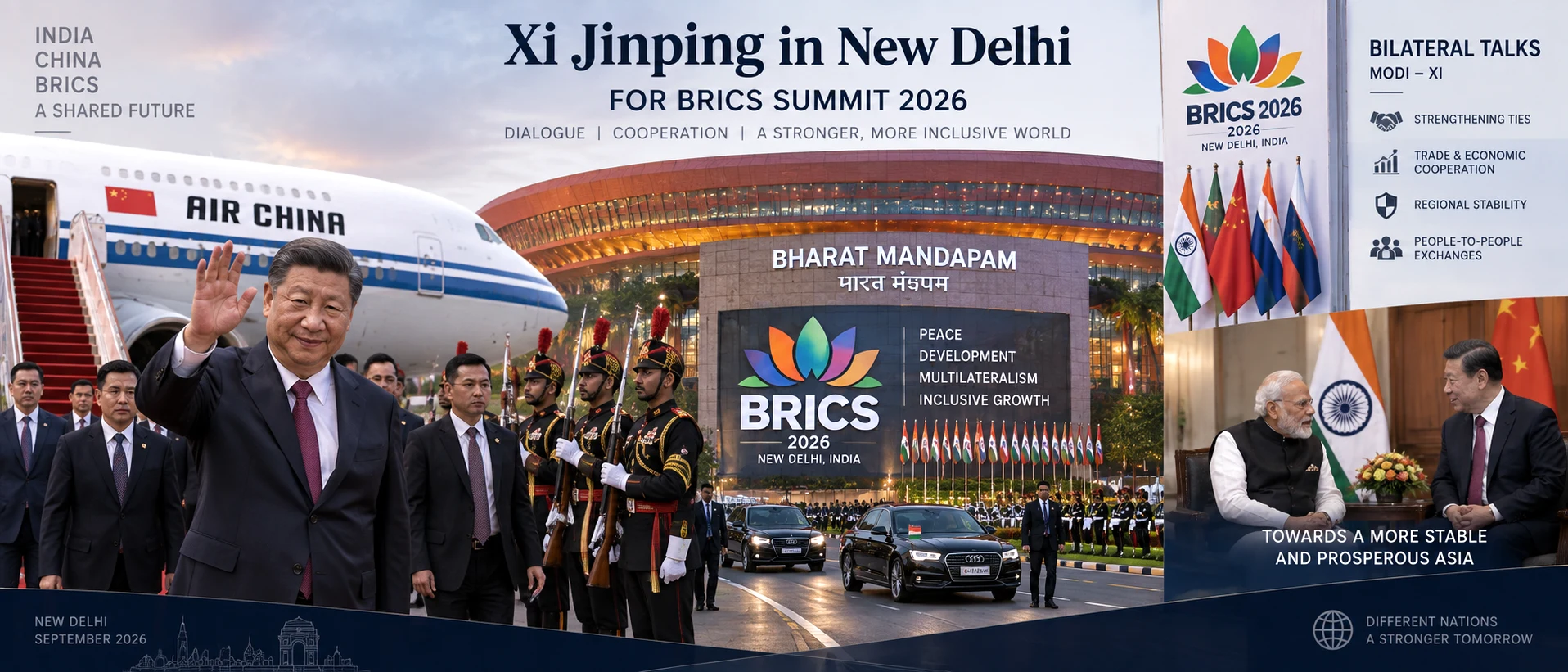
Chinese President Xi Jinping arrived in New Delhi for the 18th BRICS Summit, his first visit to India in nearly seven years, with bilateral talks with Prime Minister Narendra Modi scheduled for Saturday evening.
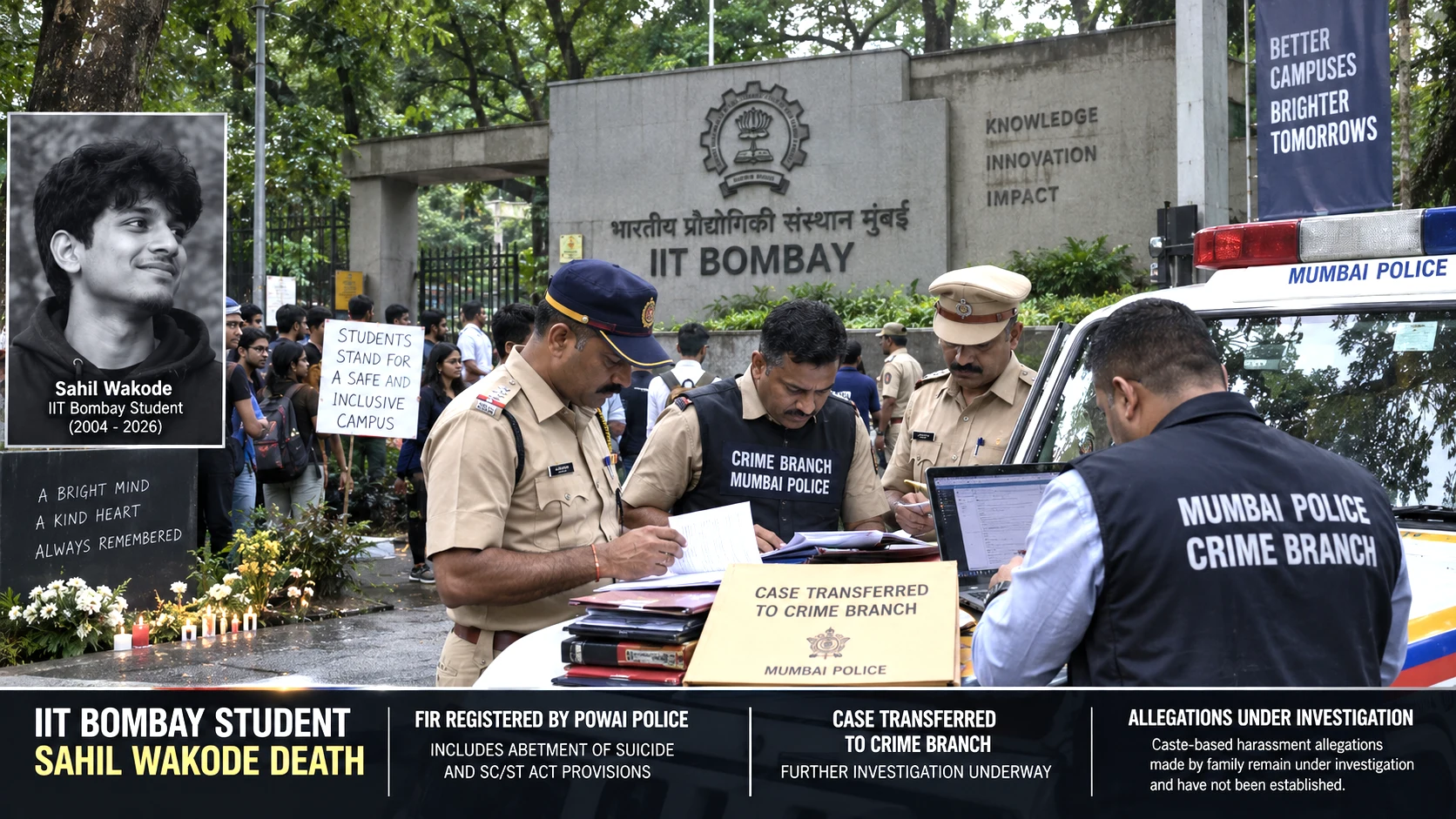
The Mumbai Police Crime Branch has taken over the investigation into the death of IIT Bombay student Sahil Wakode after his family alleged caste-based harassment and demanded action against those they hold responsible. An IIT Bombay faculty member has been booked for alleged abetment to suicide, whi






0 Comments