BSF Fires Along Punjab Border; India Summons Diplomat Over Infiltration Bid
India and Pakistan have summoned each other's diplomats after BSF personnel killed two Pakistani nationals along the Punjab border on October 2. New Delhi says they were infiltrators posing a security threat, while Islamabad says they were unarmed civilians.
BSF personnel patrol along the India-Pakistan International Border in Punjab amid a diplomatic dispute over an October 2 border shooting
Table of Contents (18 sections)
India and Pakistan have exchanged strong diplomatic protests after Border Security Force personnel killed two Pakistani nationals along the International Border in Punjab on October 2, 2026, with the two governments presenting sharply different accounts of what led to the shooting.
Pakistan summoned India's Chargé d'Affaires in Islamabad on October 3, saying the two men were unarmed Pakistani civilians and accusing the BSF of using unjustified lethal force.
Hours later, India's Ministry of External Affairs summoned the Chargé d'Affaires of the Pakistan High Commission in New Delhi, protesting what India described as the continued facilitation of illegal cross-border infiltration from Pakistani territory.
The disagreement centres on one crucial question: who were the two men and what exactly were they doing when the BSF opened fire?
New Delhi says three people crossed into Indian territory, ignored repeated warnings to return and continued towards the border fence, leading the BSF to engage them because they posed what the Indian government described as an imminent security threat.
Recommended Reading
Related Stories & In-Depth Guides
Curated editorial perspectives matching this topic.
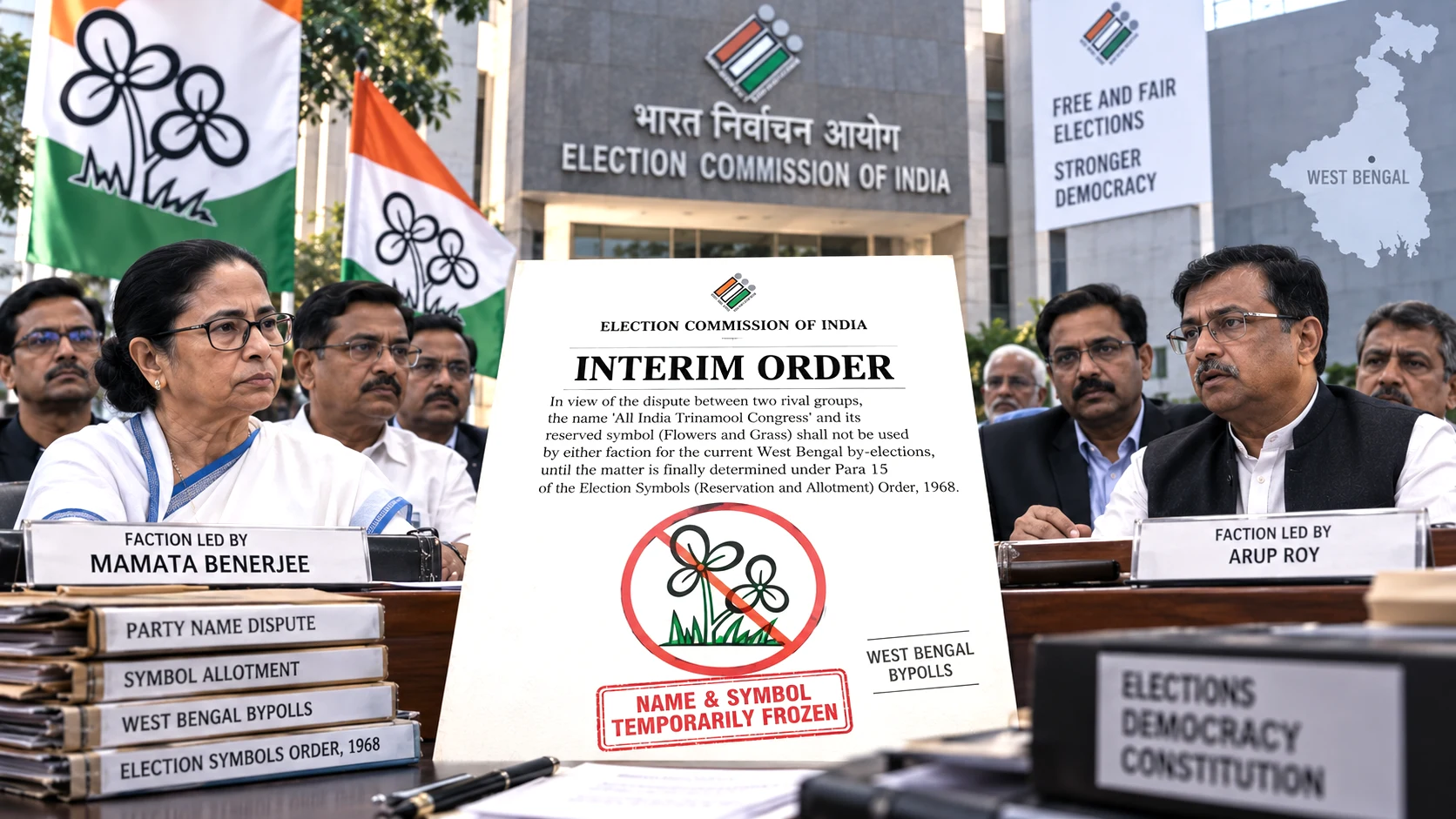
Neither the Mamata Banerjee group nor the rival faction formally represented before the Election Commission by Arup Roy can use the All India Trinamool Congress name or its reserved symbol in the October 6 bypolls. The order is temporary while the ECI decides the larger party-control dispute under P
New Delhi says its oil sourcing will continue to be guided by energy security, market conditions and diversified supplies after the US Congress cleared legislation allowing President Donald Trump to impose tariffs of up to 100% on major buyers of Russian energy. The tariffs are not automatic, and th
Islamabad rejects that account. Pakistan says the people involved were civilians who had crossed the border and describes the two men who died as unarmed.
Neither country's broader allegations about the intentions of the men or alleged links to trafficking networks should therefore be treated as independently established facts at this stage.
What Happened at the Punjab Border?
The shooting took place on October 2 along the India-Pakistan International Border in Punjab.
Indian reporting based on officials placed the incident in the Tarn Taran district area, while India's Ministry of External Affairs subsequently referred to the incident as occurring in the Ferozepur sector.
The terminology is not necessarily contradictory: border-force sectors can cover operational areas that do not correspond exactly with civilian district boundaries. However, reports from the two countries have also used different location descriptions.
Pakistan's Foreign Ministry referred to the location as the Bedian Sector along the International Border.
Associated Press reported that Pakistani accounts placed the civilians on the Kasur side of the Punjab frontier and said they had crossed a short distance beyond a border marker. Indian reporting, by contrast, described the group as attempting to enter India.
Those competing descriptions remain part of the dispute.
India's Version: Three People Crossed the Border
According to India's Ministry of External Affairs, three individuals entered Indian territory.
The MEA said the BSF repeatedly instructed them to return towards Pakistan, but they continued moving towards the border fence.
India says the BSF then opened fire because the group was considered an imminent security threat.
Two people were killed.
Indian officials and media reports have described the deceased as suspected Pakistani intruders or infiltrators.
The Indian government's diplomatic protest went considerably beyond the individual shooting.
New Delhi told Pakistan that it regarded the incident as part of what it described as a pattern of cross-border movement associated with armed narcotics syndicates operating from Pakistan.
That allegation is India's official position. Publicly available information reviewed for this article does not independently establish that the two people killed on October 2 belonged to a narcotics organisation.
India Raises Drug-Smuggling Allegations
The MEA asked Pakistan to investigate what India described as cross-border infiltration and drug-smuggling activity.
New Delhi also alleged possible complicity by Pakistani border-guarding personnel and asked Islamabad to take corrective measures.
India further called on Pakistan to:
respect the International Border;
comply with existing bilateral arrangements;
exercise stronger control over unauthorised crossings from Pakistani territory; and
take measures aimed at preventing similar incidents.
These are allegations and demands made by the Indian government. Pakistan has not accepted India's characterisation of the incident.
Pakistan's Version: Men Were Unarmed Civilians
Pakistan's Foreign Ministry issued a substantially different account.
It said the two people killed were Pakistani civilians, rejected India's description of them as infiltrators and accused BSF personnel of using lethal force against unarmed individuals.
Pakistan said the incident occurred in the Bedian Sector along the International Border on October 2.
Islamabad described the BSF's response as disproportionate and said the deaths raised concerns over civilian protection and the right to life.
Pakistan's assertion that the men were unarmed civilians is its official claim and is disputed by the Indian side.
Pakistan Demands Investigation
Islamabad asked India to conduct what it described as an immediate, transparent and credible investigation.
Pakistan also called for disciplinary or legal proceedings against anyone found responsible and asked New Delhi to communicate the findings of its investigation to the Pakistani government.
Pakistan additionally urged India to:
observe applicable bilateral border arrangements;
exercise restraint;
protect civilian life; and
prevent similar incidents from occurring again.
India, meanwhile, rejected Pakistan's allegations as baseless and motivated.
Both Countries Summon Their Counterpart's Diplomat
The October 3 diplomatic exchange unfolded in two stages.
Pakistan first summoned India's Chargé d'Affaires in Islamabad to formally protest the deaths.
Later that day, India's Ministry of External Affairs summoned Pakistan's Chargé d'Affaires in New Delhi and lodged its own protest concerning alleged cross-border infiltration.
A diplomatic summons is a formal mechanism governments use to convey protests or demand explanations.
It does not by itself mean diplomatic relations have been severed or that a military confrontation is imminent.
The significance here is that both governments escalated the incident from a local border-security episode into a formal bilateral diplomatic dispute within roughly a day of the shooting.
What Is Confirmed and What Remains Disputed?
Several basic facts are now supported across the accounts:
Confirmed:
The incident occurred on October 2, 2026 along the India-Pakistan International Border in the Punjab region.
BSF personnel fired during the encounter.
Two Pakistani nationals were killed.
Pakistan summoned India's Chargé d'Affaires on October 3.
India later summoned Pakistan's Chargé d'Affaires.
Both governments issued strong protests.
Disputed or not independently established:
whether the two deceased were deliberate infiltrators or civilians who crossed the border;
whether they were armed;
their intentions in crossing the frontier;
whether they were connected to narcotics trafficking;
whether the use of lethal force was necessary or proportionate; and
the circumstances surrounding the third person mentioned in some accounts.
Because these questions remain disputed, descriptions such as “infiltrators,” “drug smugglers,” or “innocent civilians” should be attributed to the government or source making the claim rather than stated unqualified as fact.
What Happened to the Third Person?
India's official account says three individuals crossed into Indian territory.
Two were killed in the BSF firing.
Some initial reporting indicated that the third person either returned towards Pakistan or survived the incident, while Pakistani media reports cited by the Associated Press said a third civilian had been wounded.
The accounts available at the time of publication do not provide enough consistent official information to establish the third person's condition or precise movements with certainty.
For that reason, claims about the third individual should remain qualified until further official clarification emerges.
Why the Ferozepur, Tarn Taran and Bedian Descriptions Differ
The location has been described differently depending on the source.
India's MEA referred to the Ferozepur sector.
Indian reports said the shooting occurred along the border in Tarn Taran district.
Pakistan's Foreign Ministry described it as the Bedian Sector.
Border-security organisations frequently use operational sector names, while civilian authorities and news reports may use district or nearby locality names.
Readers should therefore avoid interpreting the differing labels alone as evidence that the governments are describing entirely separate incidents.
All statements relate to the October 2 shooting along the Punjab International Border.
Punjab International Border Usually Sees Less Firing Than Kashmir Frontier
The India-Pakistan frontier extends across several regions with differing security environments.
The Associated Press noted that while India and Pakistan have periodically exchanged fire across the disputed Kashmir region, the International Border through Punjab has generally remained comparatively peaceful.
That makes a fatal shooting followed by reciprocal diplomatic summons particularly sensitive.
Punjab is also a major focus of Indian border-security operations against narcotics trafficking, including attempts involving people crossing the frontier as well as drones and other delivery methods.
However, the existence of wider drug-smuggling concerns does not by itself establish that every unauthorised border crossing is narcotics-related.
Why the Latest Diplomatic Exchange Matters
The issue is significant for three reasons.
1. Conflicting Accounts of Lethal Force
India says the BSF responded to an imminent security threat after warnings were ignored.
Pakistan says lethal force was used against unarmed civilians.
Those are materially different versions of the same event, and neither should be collapsed into a single definitive narrative without further evidence.
2. India Has Linked the Incident to Wider Security Concerns
New Delhi is treating the incident not merely as an isolated crossing but as part of what it alleges is continuing cross-border infiltration connected to armed narcotics networks.
That framing could influence how Indian authorities approach future incidents along the Punjab frontier.
3. Pakistan Has Turned the Case Into a Human-Rights Complaint
Islamabad has framed the shooting as an issue involving civilian protection and international law and is demanding an investigation.
The dispute therefore involves not only border management but also competing legal and security narratives.
Does This Mean India-Pakistan Relations Are Heading Towards Another Military Crisis?
There is no basis at present to conclude that the October 2 shooting will necessarily develop into a larger military confrontation.
The current verified development is a reciprocal diplomatic protest.
Both governments have used strong language, but diplomatic summons are themselves part of established state-to-state communication.
Still, the exchange is notable because relations between India and Pakistan remain sensitive, and even relatively local border incidents can attract national attention when each side fundamentally disputes the other's account.
The next indications of escalation or de-escalation will come from official statements, border-force activity and whether either government announces a formal investigation or additional diplomatic measures.
What Happens Next?
Several developments are worth monitoring.
Any Investigation by India
Pakistan has formally requested an investigation into the deaths.
It remains to be seen whether India announces a separate inquiry or releases additional evidence concerning the BSF's assessment that the individuals posed an imminent threat.
Identification of the Deceased
Further information about the two men's identities and backgrounds could help clarify the competing claims.
Evidence Regarding Weapons or Narcotics
India has linked the wider issue to armed narcotics syndicates, but the publicly available diplomatic statement cited here does not establish whether weapons or narcotics were recovered from the two deceased individuals.
Any future official disclosure on recoveries would therefore be important.
Border-Level Talks
Border forces of the two countries have established mechanisms for communicating about incidents along the International Border.
Whether commanders hold additional discussions following the October 2 episode could indicate whether authorities are seeking to contain the dispute at the operational level.
Further Diplomatic Action
For now, each country has formally protested to the other.
Additional summons, public accusations or changes in border posture would represent a further development and should be reported separately rather than assumed.
The Most Accurate Way to Describe the Incident
Because the facts are contested, a neutral formulation is:
“BSF personnel killed two Pakistani nationals during a disputed border-crossing incident in Punjab. India says the men were part of an infiltration attempt and posed a security threat; Pakistan says they were unarmed civilians.”
This formulation reflects what is established while preserving the distinction between confirmed events and competing government claims.
It is more precise than stating categorically either that “BSF killed two infiltrators” or that “India killed two innocent civilians”, because each of those formulations adopts one side's contested account.
Latest Verified Position
As of the morning of October 4, 2026:
Two Pakistani nationals were killed by BSF personnel during an October 2 border incident in Punjab.
India says three individuals had crossed into Indian territory and continued advancing despite repeated warnings.
India says the BSF engaged them because they posed an imminent security threat.
New Delhi has linked the incident to what it alleges is a wider pattern involving cross-border narcotics networks.
Pakistan says the two men were unarmed civilians and categorically rejects describing them as infiltrators.
Pakistan has demanded an investigation and action against anyone found responsible.
Pakistan summoned India's Chargé d'Affaires on October 3.
India subsequently summoned Pakistan's Chargé d'Affaires and rejected Islamabad's allegations.
No publicly established evidence reviewed for this article resolves the conflicting claims about the men's intentions.
Frequently Asked Questions
Why did India and Pakistan summon each other's diplomats?
Pakistan summoned India's Chargé d'Affaires to protest the killing of two Pakistani nationals by the BSF. India later summoned Pakistan's Chargé d'Affaires to protest what it described as continued facilitation of illegal cross-border infiltration.
When did the Punjab border shooting occur?
The incident occurred on October 2, 2026 along the India-Pakistan International Border in the Punjab region.
Were the two people killed infiltrators?
India says they were part of an infiltration attempt. Pakistan says they were unarmed civilians and rejects the infiltrator description. Their status and intentions remain disputed.
How many people crossed the border?
India's official account says three people crossed into Indian territory. Two were killed. Accounts regarding the third person are not yet fully consistent.
Did India say the men were drug smugglers?
India said the incident reflected what it described as a broader pattern involving armed narcotics syndicates operating from Pakistan. The available MEA statement does not independently establish that the two deceased men personally belonged to such a network.
What has Pakistan demanded?
Pakistan has called for an immediate and credible investigation, appropriate action against anyone found responsible and steps to prevent a recurrence.
Has the incident triggered military escalation?
As of October 4, the confirmed response has been diplomatic protests and reciprocal summons. There is not enough evidence to conclude that a wider military confrontation will follow.
Bottom Line
BSF personnel killed two Pakistani nationals during a disputed October 2 border incident in Punjab. India says the men were infiltrators posing a security threat; Pakistan says they were unarmed civilians.
Both countries summoned each other’s diplomats on October 3. The men’s intentions and the necessity of lethal force remain contested.
Key Takeaway
India-Pakistan diplomats summoned after Punjab border killings.
India: infiltrators / security threat.
Pakistan: unarmed civilians.
Facts remain disputed; no wider military escalation confirmed.
The Rajatheertha Team publishes news, explainers, guides and updates across India and the world. Our coverage follows Rajatheertha's editorial, verification and corrections standards.
The 18th BRICS Summit concluded in New Delhi with leaders adopting the New Delhi Declaration by consensus, as India handed the chairship to China for 2027.
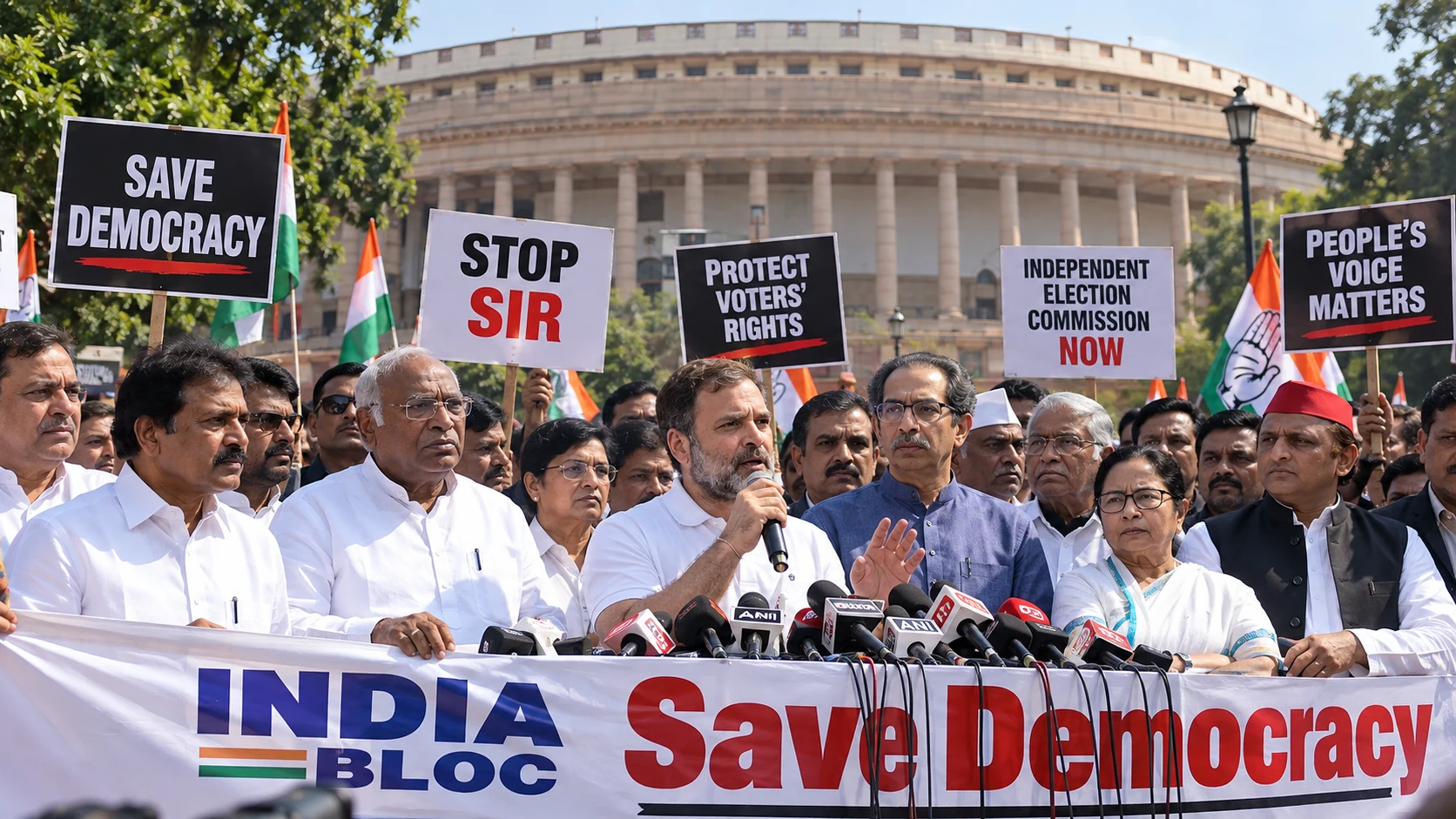
The INDIA bloc has announced nationwide “Save Democracy” marches from Oct. 2–8 over the Election Commission and SIR controversy, with MPs planning an Oct. 6 march to the EC. The BJP has rejected the allegations as political frustration after electoral defeats.
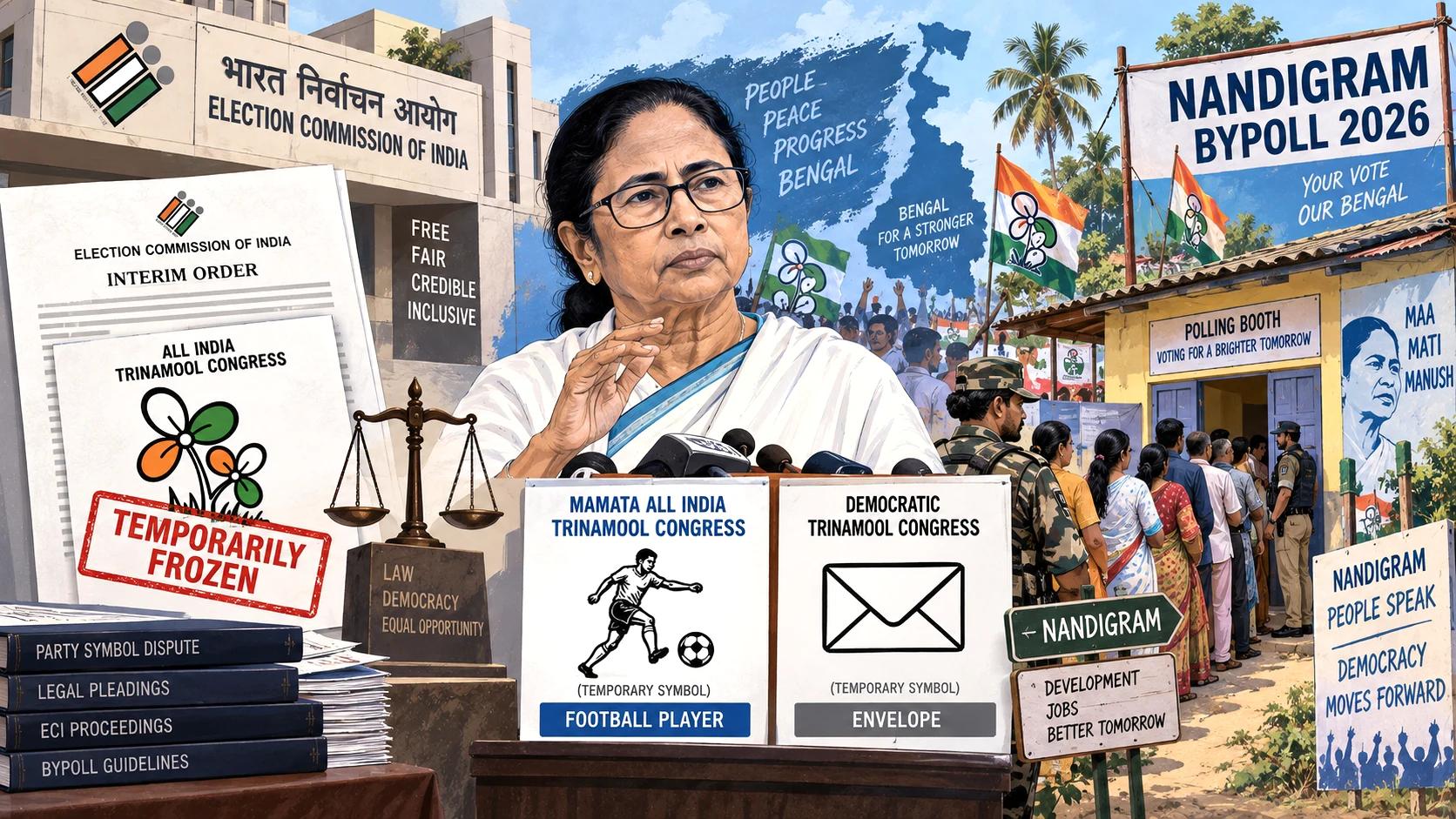
The Election Commission’s interim freeze on the Trinamool Congress name and ‘Flowers and Grass’ symbol has pushed rival factions to temporary identities. Mamata Banerjee has challenged the order in the Supreme Court, while the October 6 Nandigram bypoll has been further complicated by the withdrawal
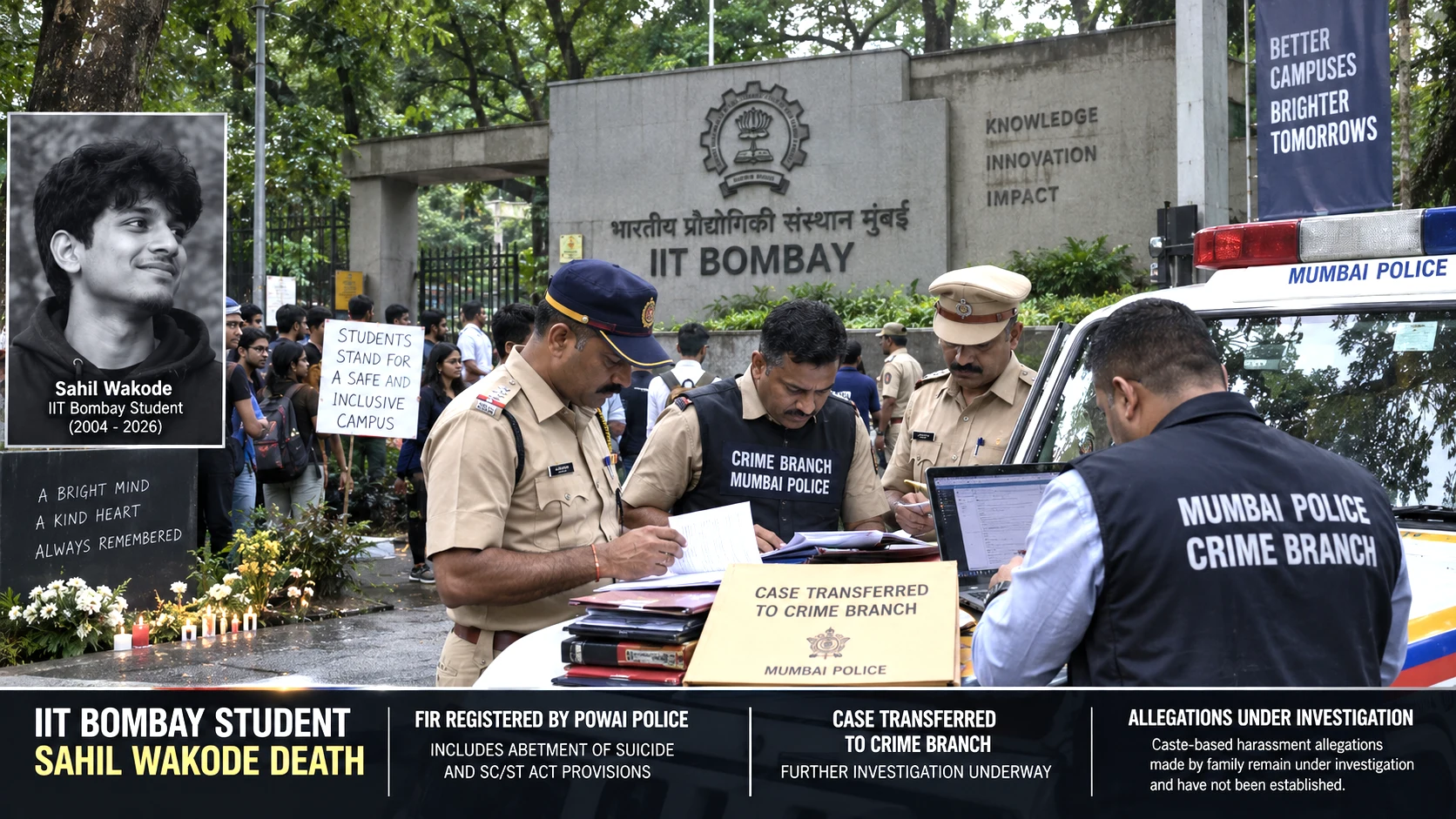
The Mumbai Police Crime Branch has taken over the investigation into the death of IIT Bombay student Sahil Wakode after his family alleged caste-based harassment and demanded action against those they hold responsible. An IIT Bombay faculty member has been booked for alleged abetment to suicide, whi
Chinese President Xi Jinping arrived in New Delhi for the 18th BRICS Summit, his first visit to India in nearly seven years, with bilateral talks with Prime Minister Narendra Modi scheduled for Saturday evening.
India and China held their first senior commander-level flag talks in the Arunachal sector ahead of the BRICS Summit, as Xi Jinping’s expected India visit draws attention.








0 Comments