Delhi SIR: Advani, Dhankhar, Jaishankar Among Prominent Voters Cleared After Verification; What It Means
LK Advani, Jagdeep Dhankhar, S Jaishankar and several other prominent Delhi voters have had their SIR records verified and reserved for inclusion in the final electoral roll. Here is what “cleared” means and what ordinary voters should do before key deadlines.
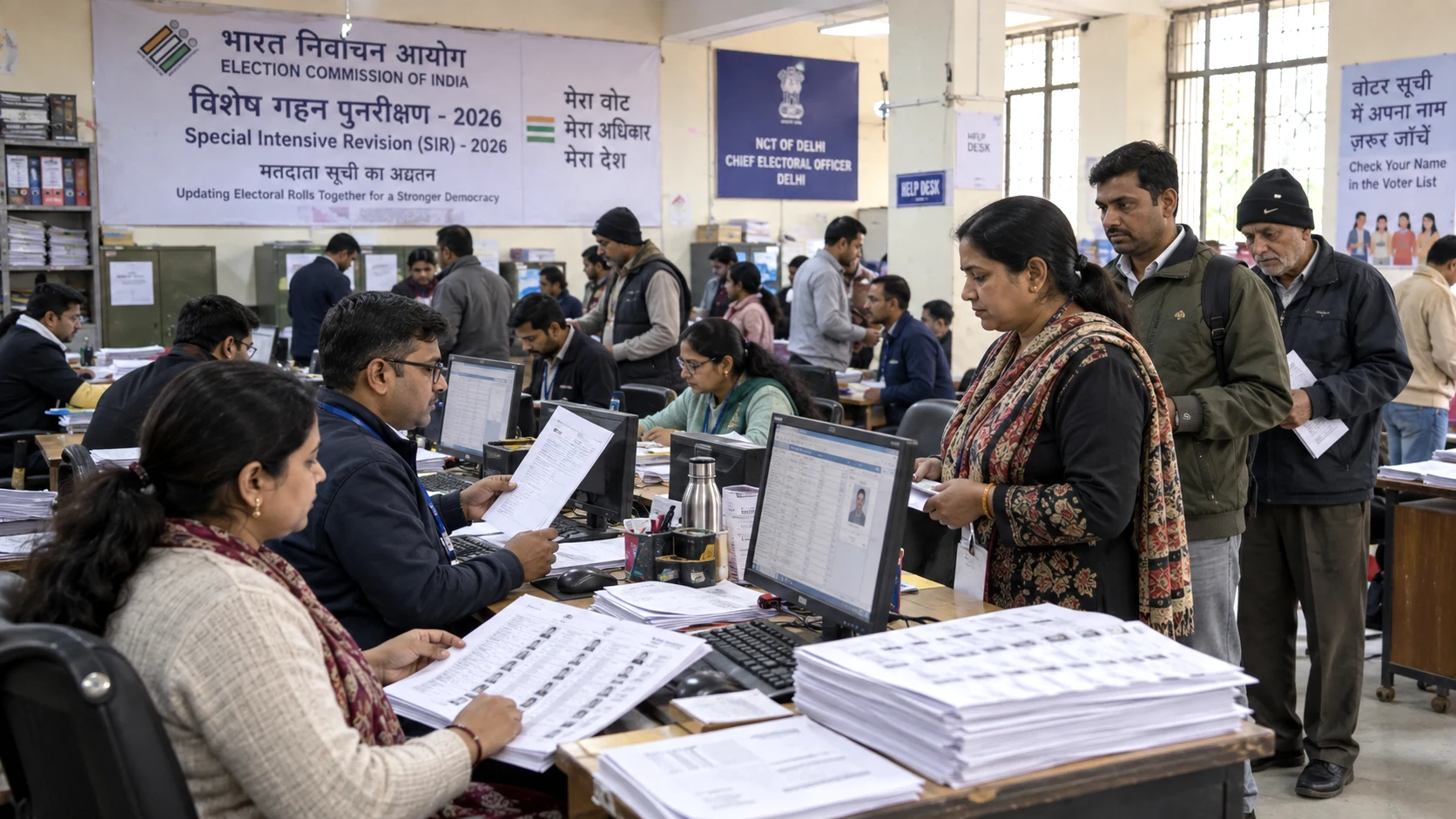
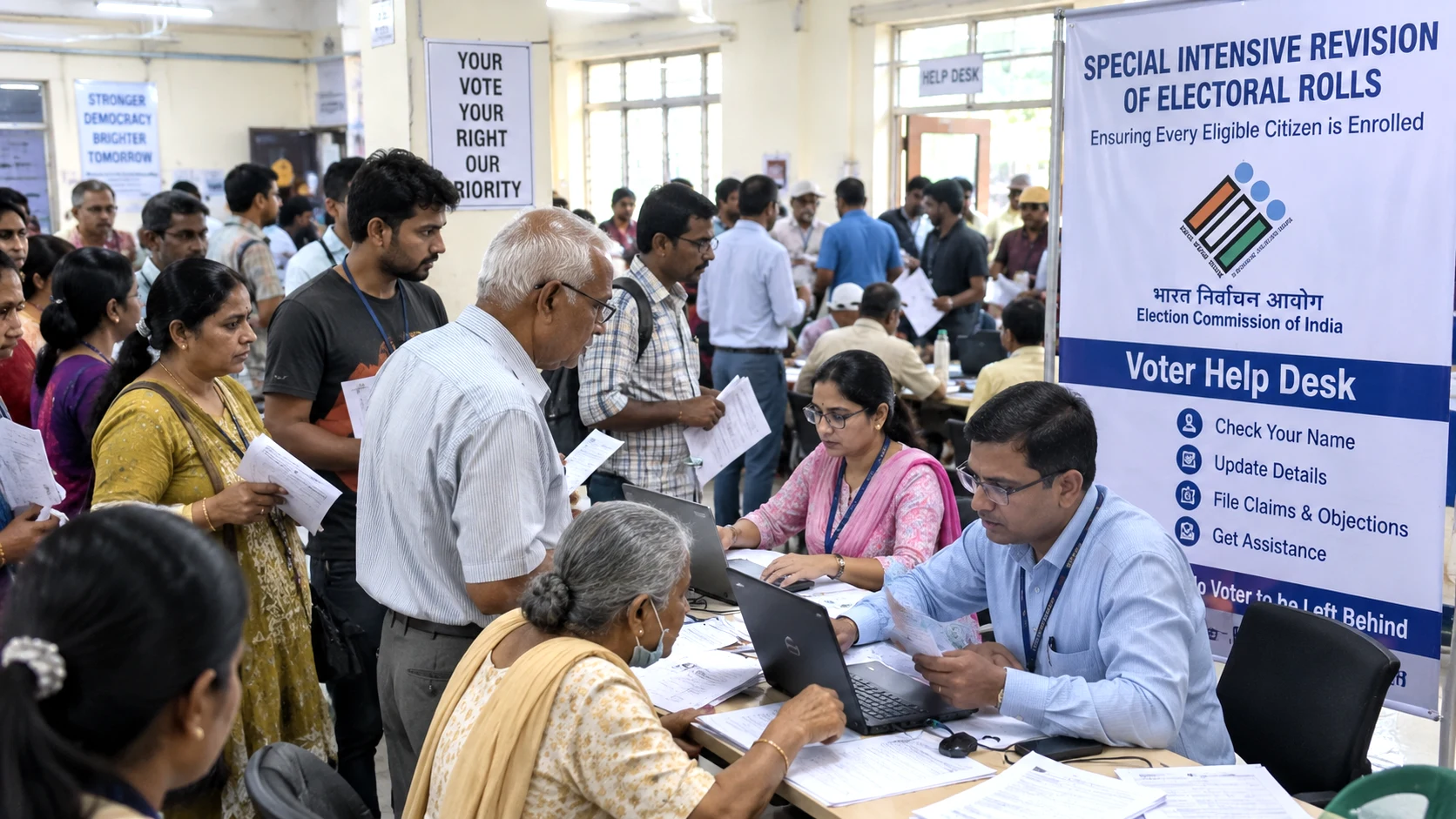
Delhi election officials verifying voter records during the 2026 Special Intensive Revision of electoral rolls
Table of Contents (29 sections)
Several prominent Delhi electors who were issued notices during the ongoing Special Intensive Revision, or SIR, of electoral rolls have had their details verified, with their names reserved for inclusion in the final voter list scheduled to be published on November 4, 2026.
Recommended Reading
Related Stories & In-Depth Guides
Curated editorial perspectives matching this topic.
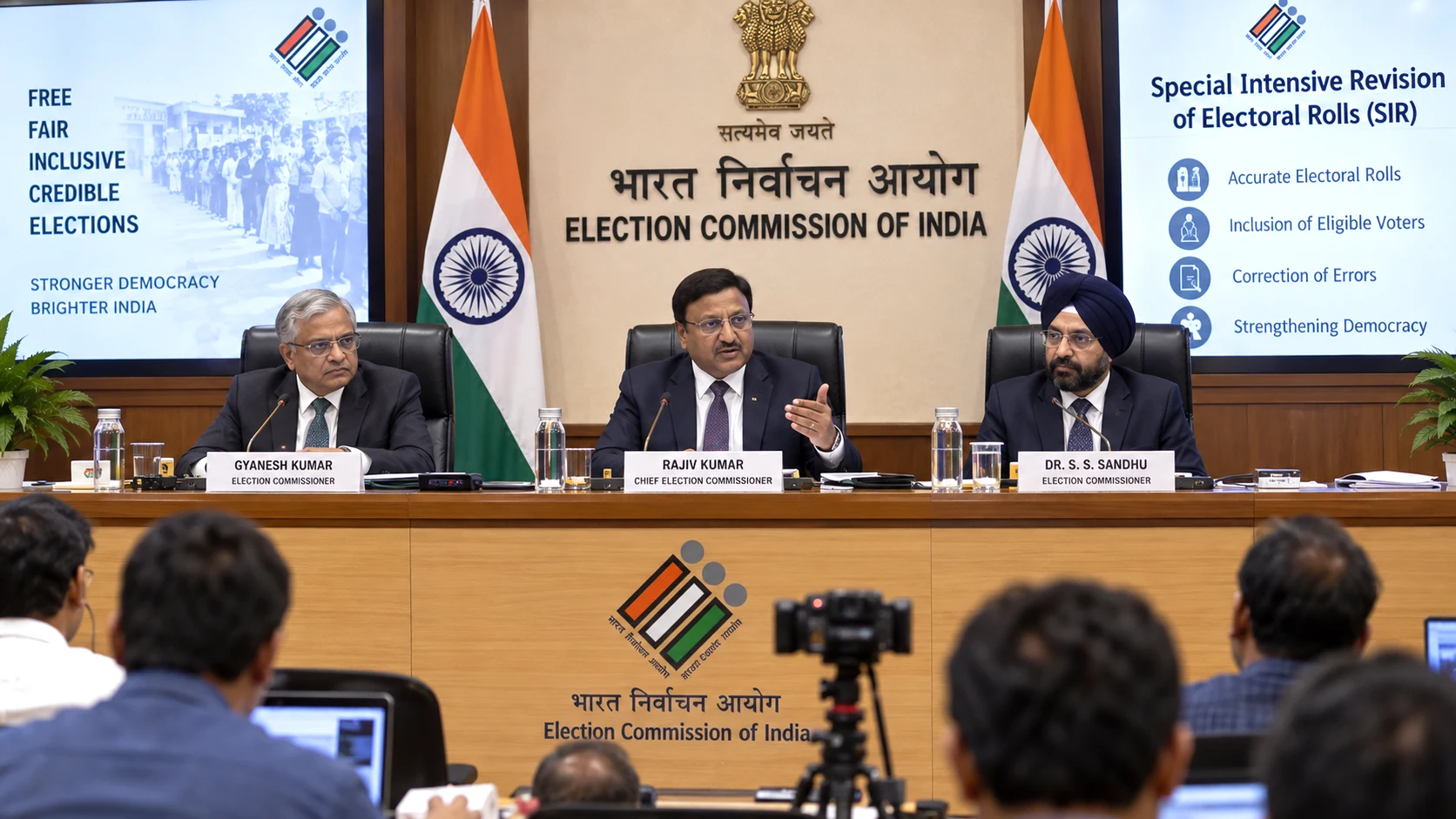
The Election Commission says all final decisions taken by the full Commission over the past year, including SIR-related measures, were unanimous despite reported objections raised during internal deliberations. Here is what the dispute means for voters.
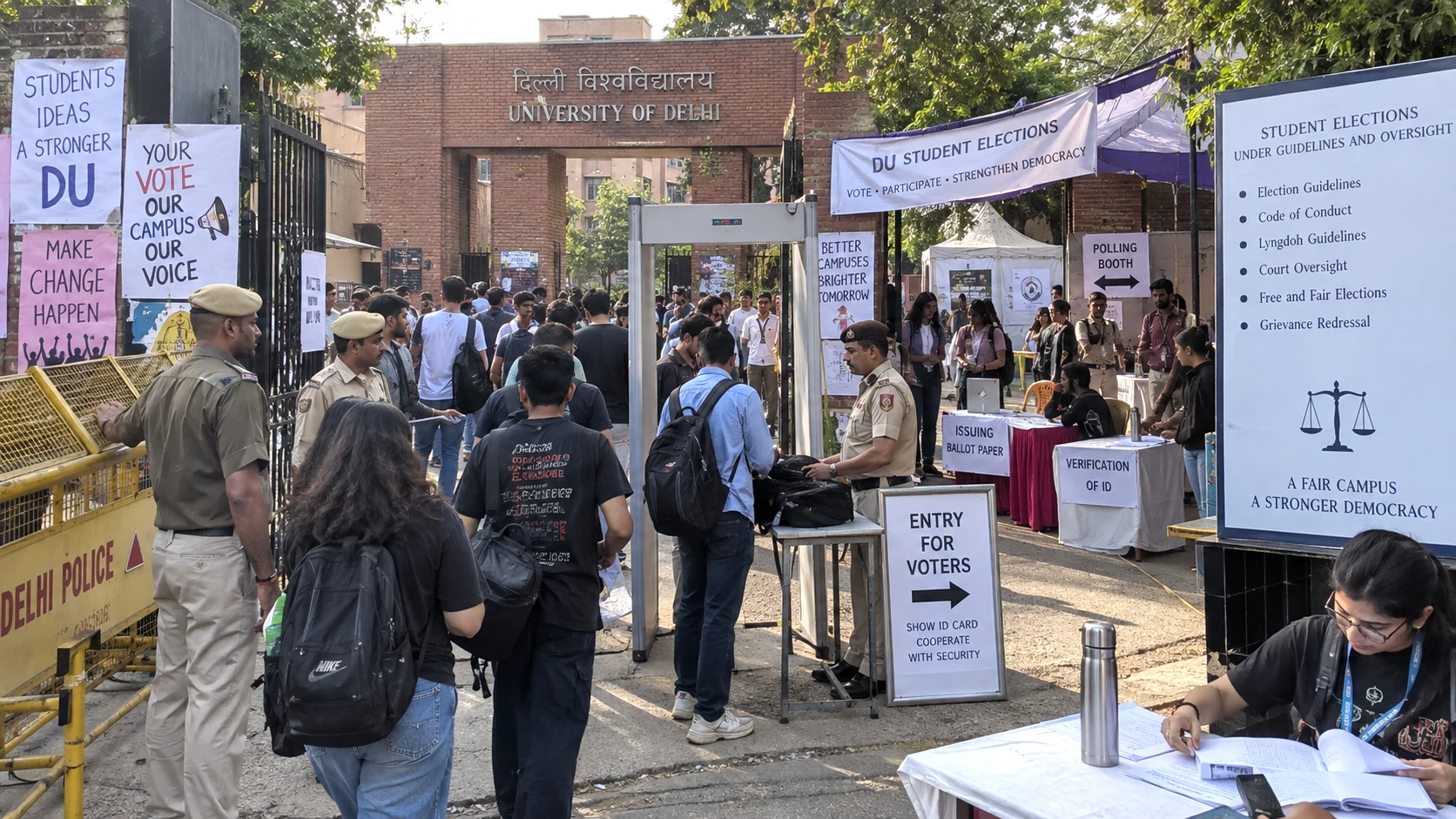
More than 1.51 lakh Delhi University students are eligible to vote for four DUSU posts on September 18. Over 2,000 police and paramilitary personnel have been deployed, while the Delhi High Court has sought reports on alleged campaign violence and election-code violations before deciding whether fur
Those whose records were among the prominent cases examined include BJP veteran and former deputy prime minister L.K. Advani, former vice-president Jagdeep Dhankhar and External Affairs Minister S. Jaishankar.
Election officials said that after Booth Level Officers and other poll personnel checked the voters' supporting documents, the relevant electoral entries were validated and “parked” or reserved for inclusion in the final rolls.
Other prominent people who had received SIR notices included Delhi Chief Minister Rekha Gupta, former Delhi chief minister Arvind Kejriwal, former deputy chief minister Manish Sisodia, senior advocates Abhishek Manu Singhvi and Kapil Sibal, Foreign Secretary Vikram Misri, former NITI Aayog vice-chairperson Arvind Panagariya, BJP MLA Kailash Gahlot, former Army chief General Upendra Dwivedi, CBI Director Praveen Sood and former Delhi lieutenant governor Najeeb Jung.
Officials said the details of most prominent voters who received notices had been validated through field verification. It would therefore be safer not to assume that every individual notice in Delhi has already been disposed of.
The development is important for ordinary Delhi voters because it shows what happens after an SIR notice is issued: a notice is not an automatic deletion order.
The Delhi Chief Electoral Officer has repeatedly said that an elector cannot simply be removed because a discrepancy notice was generated. The voter must be given an opportunity to provide information and documents, and deletion requires a reasoned, appealable order.
Key Points
L.K. Advani, Jagdeep Dhankhar and S. Jaishankar were among prominent electors who had received Delhi SIR notices.
Election officials subsequently verified supporting records for most of the prominent cases.
Their validated entries have been reserved for inclusion in the final electoral roll due November 4.
“Cleared” does not mean they were deleted earlier and then restored.
Many notices arose because voters could not be matched with Delhi's previous intensive revision roll from 2002.
Around 33.13 lakh electors have been identified for notices over discrepancies or mapping issues.
The current draft roll contains more than 97 lakh electors.
Delhi's claims and objections period runs through September 30, 2026.
Authorities are expected to dispose of notices by October 29.
The final SIR electoral roll is scheduled for publication on November 4.
Voters can check their draft-roll status through the Delhi CEO and Election Commission voter-services systems.
What Happened to Advani, Dhankhar and Jaishankar's Voter Entries?
The prominent electors were among people flagged during Delhi's ongoing electoral-roll revision.
Officials said notices were issued because their details were either classified under logical discrepancies or could not be mapped to the previous SIR voter list.
Election officials then examined the cases individually.
In most of the prominent cases, BLOs or other election staff contacted the elector, obtained the required documents and completed the verification process.
Once officials were satisfied with the supporting information, the entries were validated and reserved for inclusion in the final roll.
That means the verification issue attached to those entries has effectively been resolved at this stage.
However, the final electoral roll itself has not yet been published.
The formal final list is due on November 4.
Does “Cleared” Mean Their Names Are Already on the Final Voter List?
Not exactly.
This is one of the most important distinctions in the story.
The final Delhi SIR electoral roll has not yet been published.
Election officials have said the verified entries have been reserved or parked for inclusion when that final roll is issued on November 4.
Therefore, the most precise wording is:
Their SIR discrepancies have been resolved after verification and their entries are set for inclusion in the final roll.
It would be misleading to write that the final November voter list has already been published or that they were formally “re-added” after deletion.
Were Advani, Dhankhar and Jaishankar Deleted From the Voter Roll?
The available evidence does not support that description.
They were issued notices requiring verification after discrepancies or mapping problems were detected.
The Delhi CEO has specifically clarified that receiving an SIR notice does not mean automatic deletion from the electoral roll.
In these prominent cases, the verification was completed and the entries were validated.
So the sequence is better described as:
flagged → notice issued → documents checked → entry verified → reserved for final roll
rather than:
deleted → restored.
Why Were So Many Prominent Voters Issued Notices?
A major reason was the Election Commission's attempt to match present electoral records with the previous intensive revision conducted in Delhi in 2002.
Officials said many of the prominent voters were classified as “unmapped with last SIR”, meaning their current information could not automatically be matched with a corresponding entry in the earlier database.
Other voters have been flagged because of logical discrepancies in the information recorded during the current exercise.
Such discrepancies can involve matters including:
names;
dates or years of birth;
family relationships;
addresses;
mapping to older electoral records;
and information provided in enumeration forms.
A discrepancy does not by itself establish that a person is ineligible to vote.
It triggers a verification process.
How Many Delhi Voters Have Received SIR Notices?
The scale is far larger than the handful of high-profile names that attracted media attention.
Election officials have identified about 33.13 lakh electors for notices over discrepancies in their enumeration forms or related mapping issues.
The draft Delhi electoral roll contains more than 97 lakh electors.
A substantial proportion of the notice cases involve people whose current records could not readily be matched with Delhi's 2002 SIR voter list.
That means the verification process concerns millions of ordinary Delhi residents, not only politicians, officials and public figures.
Why Were These Cases Concentrated in New Delhi Constituency?
Many of the high-profile electors are registered in the New Delhi Assembly constituency.
That constituency contains residential areas associated with senior political leaders, serving and former public officials, diplomats and other nationally prominent residents.
Officials said many of the prominent SIR notices therefore emerged from that constituency.
BLOs in New Delhi were asked to make door-to-door visits where possible to obtain documents and resolve mapping and logical-discrepancy cases.
What Did BLOs Do After Notices Were Issued?
Booth Level Officers were tasked with helping voters resolve discrepancies.
In the prominent cases, teams visited electors and checked the documents required under the Election Commission's process.
Officials said cases were considered individually rather than being automatically accepted or rejected.
For the New Delhi constituency, district election officials said BLOs were asked to contact as many affected voters as possible and assist with document collection and verification.
Voters can also respond through the procedures described in their notices rather than waiting for a home visit.
What Should an Ordinary Voter Do After Receiving an SIR Notice?
The most important step is not to ignore it.
A notice gives the elector an opportunity to resolve whatever discrepancy or mapping problem has been identified.
According to election officials, responses can be submitted through the available online process or offline before the relevant Assistant Electoral Registration Officer, or AERO, according to the instructions provided in the notice.
A practical sequence is:
Read the notice carefully and identify the issue mentioned.
Check your name and details in the Delhi SIR draft electoral roll.
Gather the supporting documents requested in the notice.
Respond through the stated online or offline channel.
Attend a hearing if one is specified.
Keep acknowledgement or application details.
Recheck your voter status after the case is disposed of.
Confirm your entry once the final electoral roll is published.
Do not assume that receiving a notice means you have already lost your voting rights.
Does an SIR Notice Mean Automatic Voter Deletion?
No.
The Delhi CEO's position is explicit: issuance of a notice does not itself mean that the voter's name will be removed.
Officials have said no name can be deleted without:
giving the elector an opportunity to be heard; and
issuing an appropriate reasoned and appealable order.
That distinction is especially important because the phrase “SIR notice” can sound like a final adverse decision when it is actually part of the verification process.
When Is the Deadline to Respond?
Delhi's current claims and objections period runs from August 31 through September 30, 2026, according to the Chief Electoral Officer's official SIR information.
The CEO's site says eligible electors whose names are missing from the draft electoral roll can file a claim for inclusion during that period.
Separate notices and verification cases also have their own procedures, so an elector who has received a specific notice should follow the deadline and hearing instructions printed on that notice.
When Will Delhi's Final SIR Voter List Be Published?
The final electoral roll is scheduled for November 4, 2026.
Election officials are expected to dispose of SIR notices by October 29 before the final list is published.
Those dates make late September and October particularly important for electors whose records remain unresolved.
How Can Delhi Voters Check Their Names?
The Delhi Chief Electoral Officer currently provides access to:
the SIR Draft Electoral Roll 2026;
electoral-roll name searches;
the ASDD/uncollectable-forms list;
and the list of people to whom SIR notices have been issued.
The Election Commission's Voter Services Portal also allows electors to:
search electoral-roll details;
register as a voter;
track applications;
download an e-EPIC where available;
and seek updates to electoral records.
Checking the draft roll is important even for voters who have previously voted in Delhi, because SIR is revising the current electoral database.
What If Your Name Is Missing From the Draft Roll?
The Delhi CEO says an eligible elector whose name is absent from the draft electoral roll can seek inclusion using Form 6, along with the required declaration and supporting documents, during the claims and objections period.
That window currently runs until September 30.
Waiting until polling day to discover that a name is missing would make resolving the issue significantly more difficult.
Which Voter Forms Are Relevant?
The CEO Delhi website lists several forms for claims and objections.
Form 6
Used for new voter registration or inclusion in the electoral roll by an eligible elector.
Form 6A
Used for enrolment by an overseas Indian elector.
Form 7
Used for an objection to a proposed inclusion or a request to delete an existing electoral entry, subject to election-law procedures.
Form 8
Used by an existing elector for matters including:
shifting residence;
correcting electoral details;
replacement of EPIC without correction;
and marking an elector as a person with disability where applicable.
Voters should use the form applicable to their actual situation rather than filing multiple forms unnecessarily.
What Does “Unmapped With Last SIR” Mean?
This phrase has caused considerable confusion.
It does not necessarily mean a voter is fraudulent or ineligible.
In the current Delhi process, it generally refers to a situation where the elector's present record could not be successfully linked or matched with the relevant entry from the previous intensive revision, conducted in 2002.
That can require election officials to obtain additional documents or information to establish the current record.
Many of the high-profile electors were reportedly issued notices for precisely this reason.
What Is a “Logical Discrepancy”?
A logical discrepancy is an inconsistency detected in electoral information that requires clarification.
Depending on the record, that could involve information such as:
age;
date of birth;
family relationships;
names;
address information;
or other data that does not align across records.
Election officials then ask the voter to provide information or documentation so that the record can be corrected or validated.
The existence of a logical discrepancy does not automatically determine the voter's eligibility.
What Happened in the Prominent Voters' Cases?
Officials say election teams examined the cases individually.
For most high-profile voters, BLOs obtained the documents needed for verification.
After that process, the entries were validated and marked for inclusion in the final roll.
The list of public figures who had received notices included people from multiple political and institutional backgrounds, including:
L.K. Advani;
Jagdeep Dhankhar;
S. Jaishankar;
Rekha Gupta;
Arvind Kejriwal;
Manish Sisodia;
Abhishek Manu Singhvi;
Kapil Sibal;
Vikram Misri;
Arvind Panagariya;
Kailash Gahlot;
Gen Upendra Dwivedi;
Praveen Sood;
and Najeeb Jung.
Because officials described most prominent cases as validated, it is preferable to avoid claiming that every named individual has completed every procedural step unless independently confirmed.
Is Rekha Gupta's SIR Case Also Resolved?
Delhi Chief Minister Rekha Gupta had also been issued a notice during the exercise.
Earlier reporting said election officials subsequently checked her information and resolved the discrepancy following verification.
She is among the prominent voters identified in the broader reports on completed verification.
What About Kejriwal and Manish Sisodia?
Former Delhi chief minister Arvind Kejriwal and former deputy chief minister Manish Sisodia were also among the prominent electors who received notices.
The latest reporting says officials verified the details of most such prominent voters and reserved the validated entries for inclusion in the final electoral roll.
The significance is that the verification procedure was applied across figures from different parties rather than being confined to one political group.
Why Does the November 4 Date Matter?
The current draft roll is not the final electoral roll.
Until November 4, the SIR process continues through:
claims;
objections;
notice responses;
document verification;
hearings where required;
corrections;
and disposal of disputed entries.
The final publication is therefore the most important point for voters who want confirmation that their electoral entry has survived the revision process.
A voter whose issue has been resolved should still verify the final list once it is published.
Could a Verified Entry Still Require Attention Later?
Electoral rolls remain subject to election law and subsequent revision procedures.
Being verified during the current SIR resolves the issue being examined now, but voters should still ensure that future changes such as residence shifts or errors are properly updated.
For the current process, however, officials have said the validated prominent entries are reserved for inclusion in the November 4 final roll.
Why This Update Matters to Ordinary Voters
The high-profile names attracted national attention, but the more useful lesson is procedural.
The cases demonstrate that:
being issued a notice is not the same thing as being deleted.
A voter can provide documents, have the discrepancy reviewed and receive clearance after verification.
That is particularly relevant for the millions of Delhi electors whose records have been flagged.
The process is therefore important not only politically but practically for residents searching questions such as:
“Why did I get a Delhi SIR notice?”
“Does an SIR notice mean my voter ID is cancelled?”
“How do I respond to an SIR notice?”
“How can I check my name in Delhi voter list?”
“What is the Delhi SIR deadline?”
“When will the final Delhi voter list come?”
What Delhi Voters Should Do Before September 30
Voters should not wait until the final-roll publication date if their current details are missing or incorrect.
Before the claims-and-objections period closes, affected electors should:
Search for their name in the draft electoral roll.
Check whether their name appears in a notice or uncollectable-form list.
Respond to any notice they received.
Submit supporting documents requested by election officials.
File Form 6 if eligible but absent from the draft roll.
Use Form 8 where an existing electoral entry requires correction or shifting.
Track the status of submitted applications.
Retain acknowledgements and reference numbers.
The official Delhi CEO site states that the claims and objections period ends on September 30.
Final Roll Checklist for November 4
Once the final electoral roll is published, voters should verify:
whether their name appears;
whether their constituency and polling details are correct;
whether name spelling is accurate;
whether age and other particulars are correct;
whether an address change has been reflected;
and whether any correction request has been incorporated.
The presence of a physical Voter ID card or old EPIC alone should not be treated as a substitute for confirming the current electoral-roll entry.
Latest Verified Position
As of September 25, 2026:
The details of most prominent Delhi voters who received SIR notices have been verified.
Those cases included L.K. Advani, former vice-president Jagdeep Dhankhar and External Affairs Minister S. Jaishankar.
Other prominent notice recipients included Rekha Gupta, Arvind Kejriwal, Manish Sisodia, Abhishek Manu Singhvi, Kapil Sibal, Vikram Misri, Arvind Panagariya, Kailash Gahlot, Gen Upendra Dwivedi, Praveen Sood and Najeeb Jung.
Officials say verified entries have been reserved or parked for inclusion in the final electoral roll.
The final roll has not yet been published.
Publication is scheduled for November 4.
Around 33.13 lakh Delhi electors have been identified for notices over discrepancies or mapping issues.
More than 97 lakh electors appear in the draft roll.
The claims and objections period runs through September 30.
Notice disposal is expected to continue through October 29.
The Delhi CEO says an SIR notice does not automatically mean deletion from the electoral roll.
Frequently Asked Questions
Were L.K. Advani, Jagdeep Dhankhar and S. Jaishankar cleared in Delhi SIR?
Their voter details were among prominent cases verified by election officials, and validated entries have been reserved for inclusion in Delhi's final electoral roll.
Were their names deleted earlier?
The available reporting does not say that they were deleted and later restored. They received SIR notices requiring verification, after which their records were validated.
What does “cleared for final roll” mean?
It means the relevant discrepancy has been resolved and the electoral entry has been reserved or parked for inclusion in the final voter list due on November 4.
Is the Delhi final voter list already published?
No. The final SIR electoral roll is scheduled for publication on November 4, 2026.
Does getting an SIR notice mean my name will be deleted?
No. Delhi's CEO has said notice issuance by itself does not mean deletion. A voter must receive an opportunity to respond before an adverse decision is taken.
Why did so many people receive Delhi SIR notices?
Many records could not be matched with the previous Delhi SIR roll from 2002, while others contained logical discrepancies requiring verification.
How many voters have been identified for SIR notices in Delhi?
Around 33.13 lakh electors have been identified for notices over discrepancies and mapping issues.
What is the Delhi SIR claims deadline?
The official claims and objections period runs through September 30, 2026.
How do I add my name if it is missing?
An eligible elector whose name is absent from the draft roll can apply for inclusion using Form 6 with the required declaration and documents.
Which form is used to correct voter details?
Form 8 is used by existing electors for corrections, address shifting and certain other updates.
When will the final Delhi SIR electoral roll be released?
It is scheduled for November 4, 2026.
What should I do if I received a notice?
Read the notice, gather the requested documents and respond using the specified online or offline procedure. Do not ignore it simply because notices do not mean automatic deletion.
Bottom Line
L.K. Advani, Jagdeep Dhankhar, S. Jaishankar and most other prominent Delhi voters who received SIR notices have had their records verified. Validated entries are reserved for inclusion in the final electoral roll due on November 4, 2026.
An SIR notice is not automatic deletion. Ordinary voters should still respond to any notice, check the draft roll and act before the September 30 claims deadline.
Key Takeaway
Prominent Delhi voters cleared after SIR verification.
The Rajatheertha Team publishes news, explainers, guides and updates across India and the world. Our coverage follows Rajatheertha's editorial, verification and corrections standards.
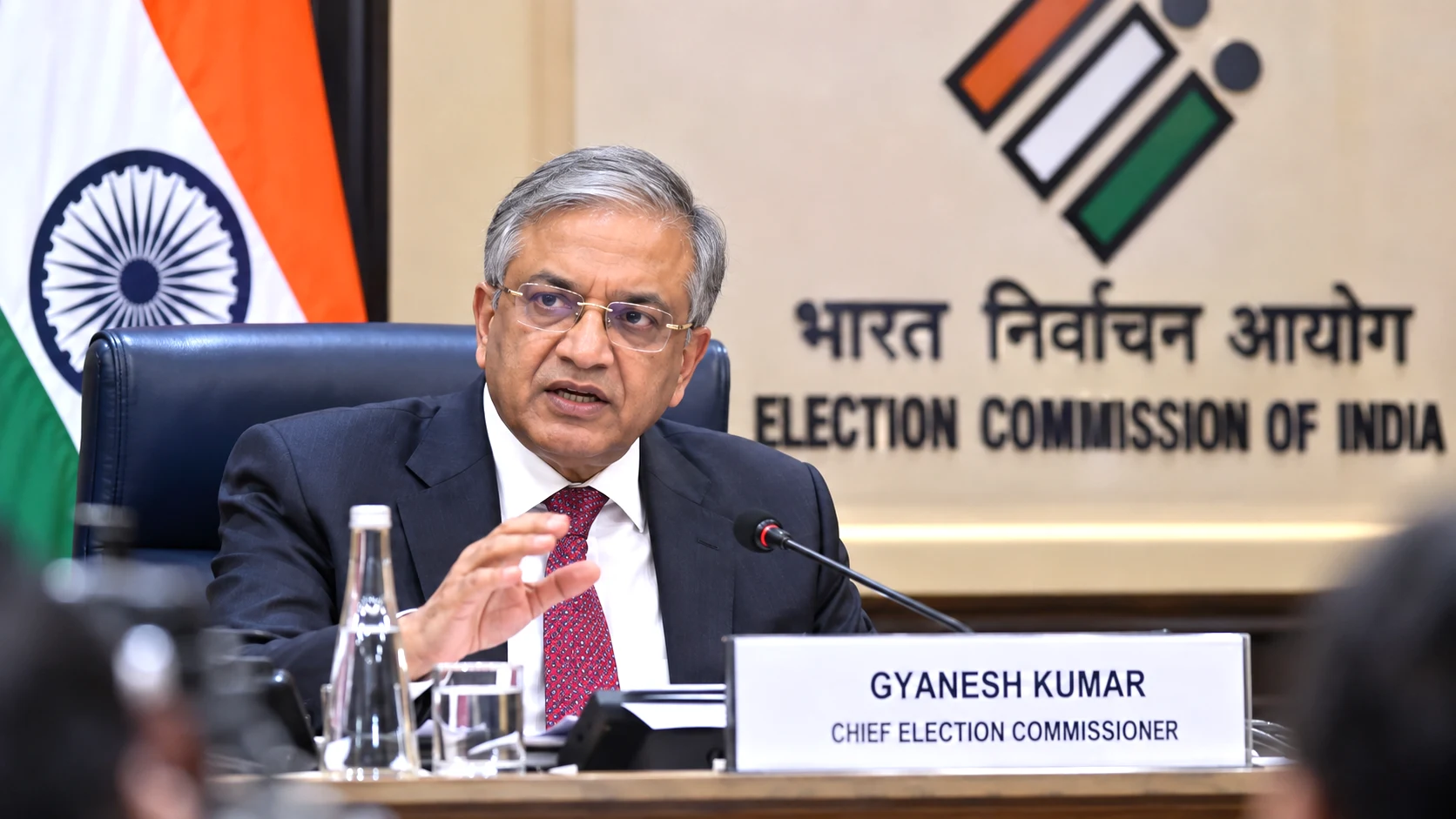
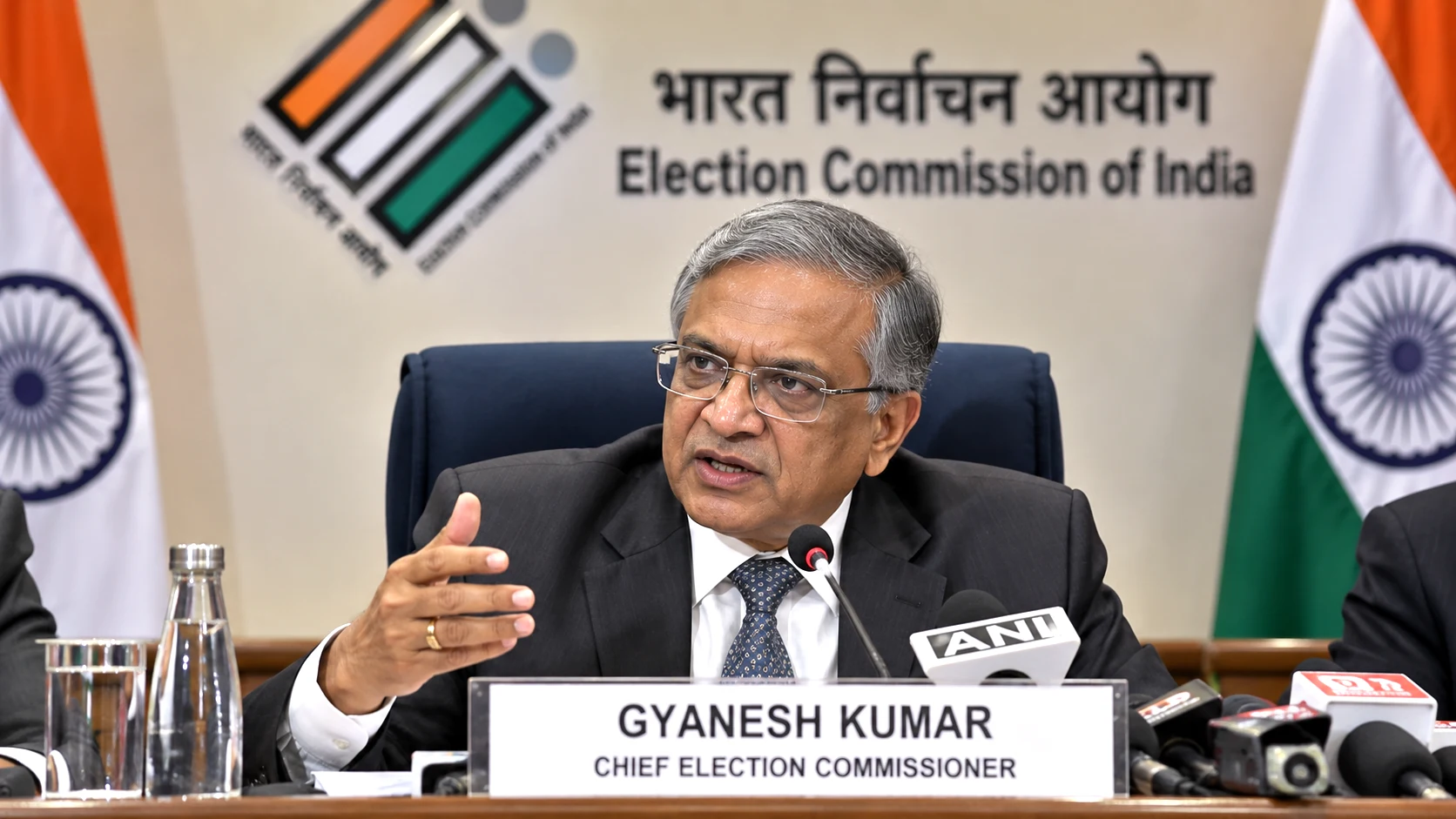
Opposition parties are preparing a fresh parliamentary notice seeking CEC Gyanesh Kumar’s removal amid the SIR controversy. Here is what Article 324 says, how many MPs are needed and why removal requires a high constitutional threshold.
Receiving a Delhi SIR notice does not automatically remove a voter from the electoral roll, the CEO's office has clarified. Voters can respond, submit documents and receive a hearing before any decision is taken.
Opposition parties have intensified calls for CEC Gyanesh Kumar’s removal after a report said two Election Commissioners raised repeated objections over SIR and electoral-roll decisions. Some leaders have also demanded his arrest, while the ECI says all final decisions were unanimous.
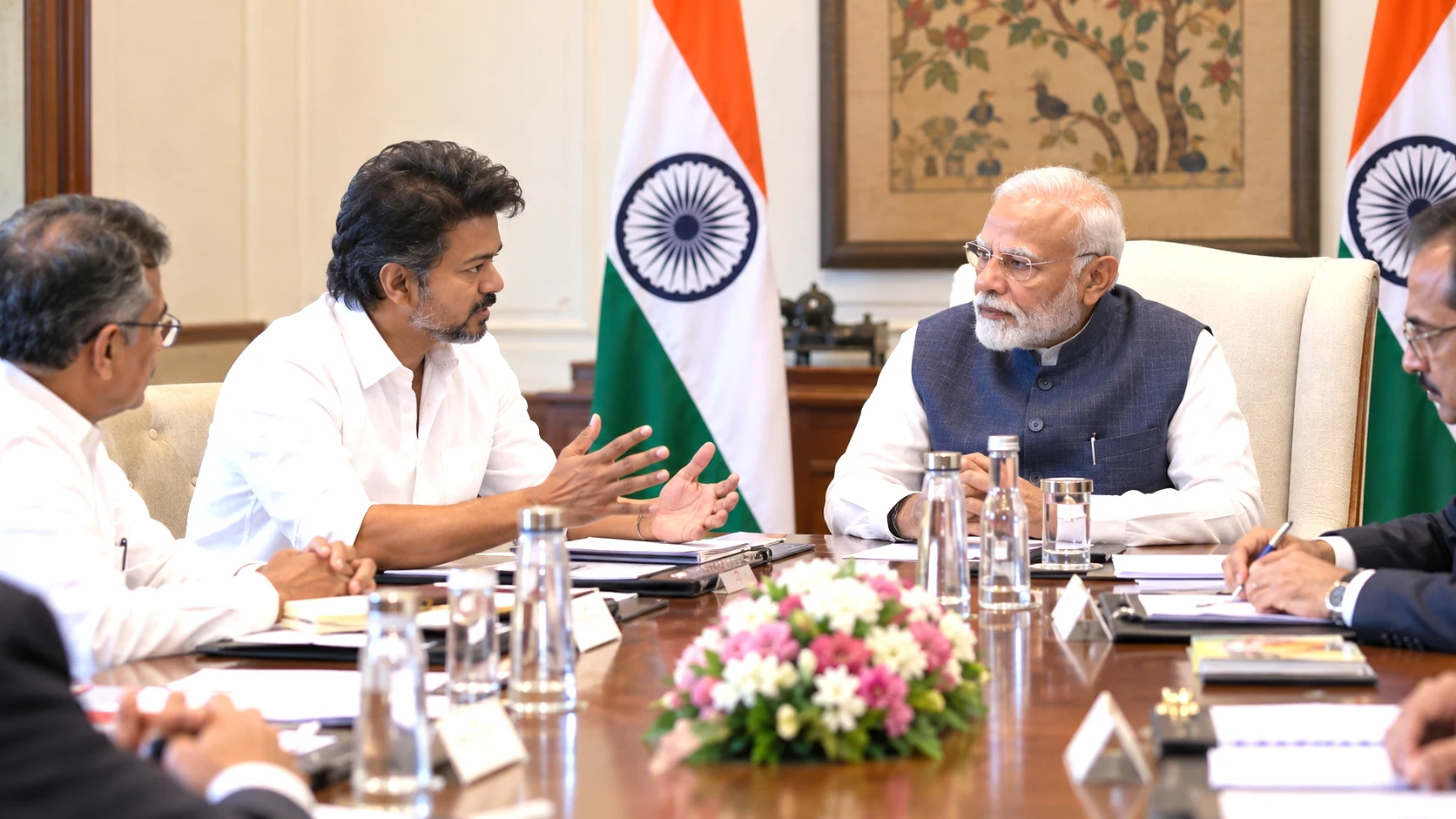
Tamil Nadu Chief Minister C Joseph Vijay's first official meeting with Prime Minister Narendra Modi focused on issues ranging from Mekedatu and fishermen to state funds and Tamil identity. With the two leaders expected to share a Chennai stage on October 11, here is what the meetings mean politicall
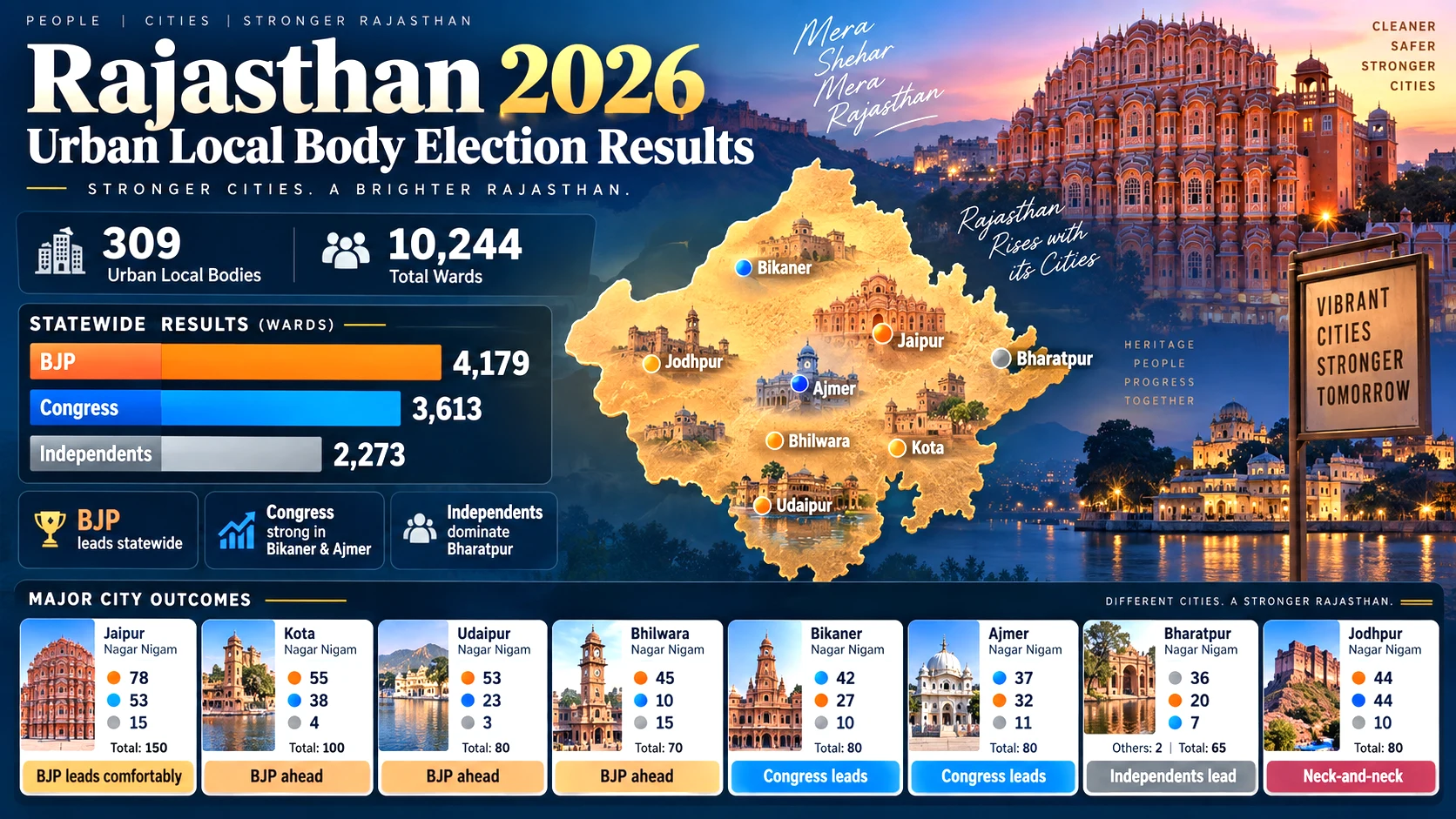
The BJP emerged as the single largest party in Rajasthan’s 2026 urban local body elections, ahead of the Congress, while more than 2,270 Independent victories complicated the picture in Bharatpur, Jodhpur, Ajmer, Pali and other civic bodies.
President Donald Trump announced the restrictions on September 18, accusing the three outlets of publishing what he called “fake news”; journalists from all three organizations were turned away from the White House the following day.




0 Comments