Delhi SIR Notice Does Not Mean Automatic Voter Deletion, CEO Clarifies
Receiving a Delhi SIR notice does not automatically remove a voter from the electoral roll, the CEO's office has clarified. Voters can respond, submit documents and receive a hearing before any decision is taken.
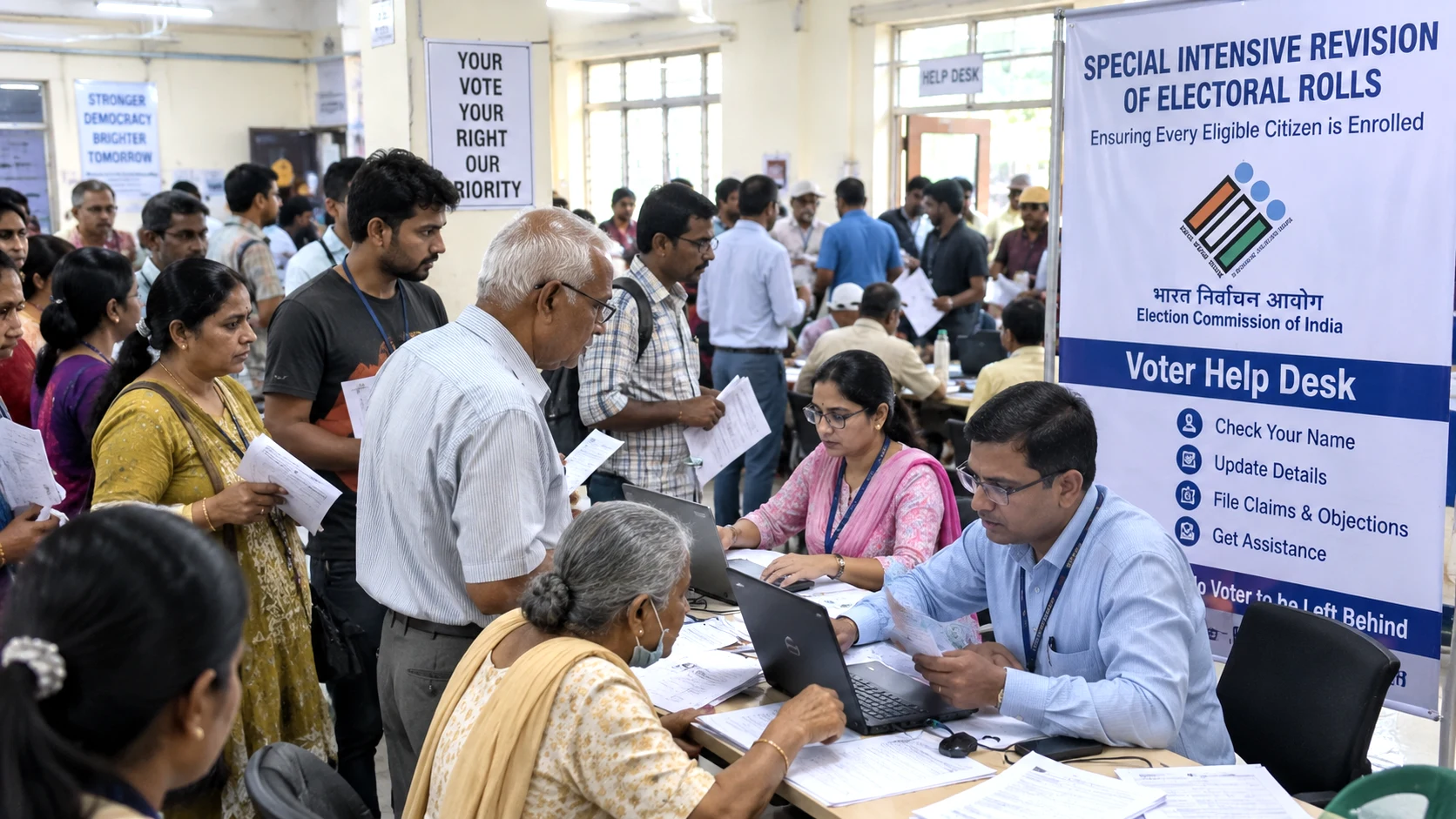
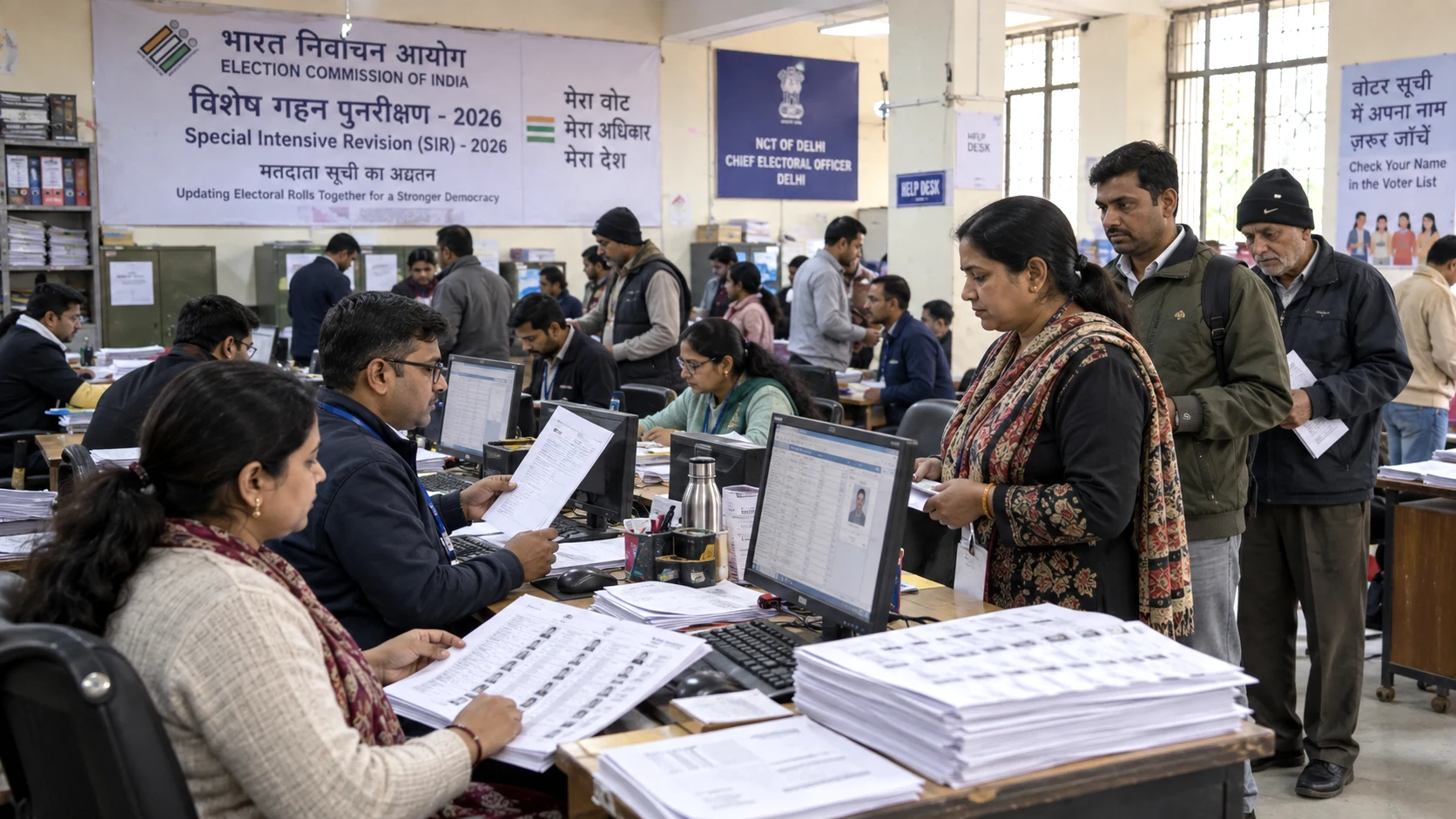
Delhi voters seeking assistance during the Special Intensive Revision of electoral rolls
Table of Contents (19 sections)
NEW DELHI, September 22, 2026: Receiving a notice during Delhi's ongoing Special Intensive Revision of electoral rolls does not automatically mean a voter's name will be deleted, election authorities have clarified as more than 33 lakh electoral records undergo additional verification.
The Delhi Chief Electoral Officer's office said notices are part of the verification process for voters whose records could not be linked with the previous intensive revision or whose details showed what election authorities describe as “logical discrepancies.”
An elector who receives such a notice has an opportunity to explain the discrepancy, submit supporting documents and appear before the Electoral Registration Officer before a decision is made.
Election authorities have said a voter's name cannot be removed merely because a notice has been generated. The person must be given an opportunity to be heard, and any decision on deletion must follow the prescribed electoral process.
The clarification is particularly significant because the SIR notice lists include more than 33 lakh voter records and have generated concern among Delhi residents over whether receiving a notice itself puts their voting eligibility at risk.
Recommended Reading
Related Stories & In-Depth Guides
Curated editorial perspectives matching this topic.
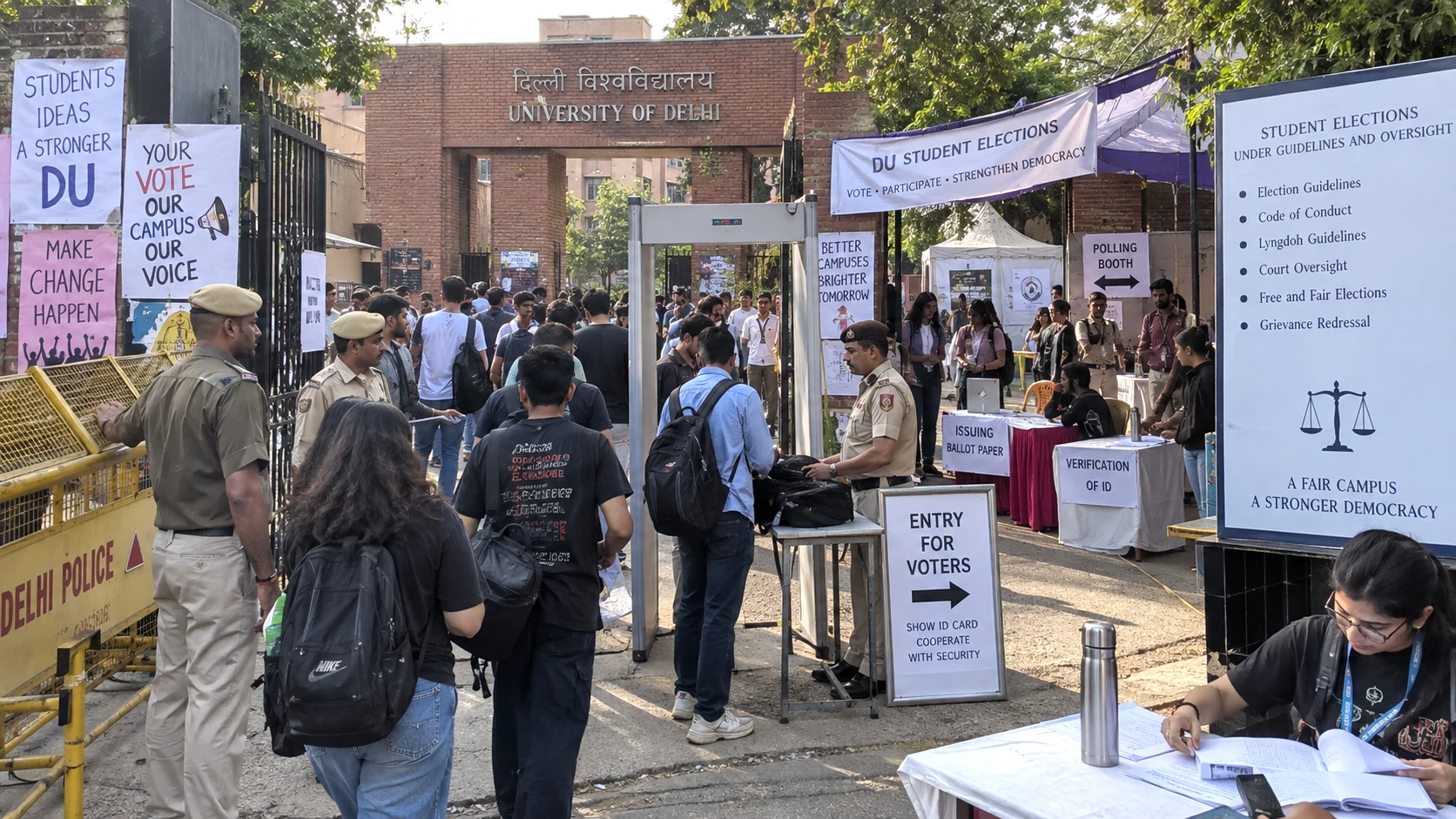
More than 1.51 lakh Delhi University students are eligible to vote for four DUSU posts on September 18. Over 2,000 police and paramilitary personnel have been deployed, while the Delhi High Court has sought reports on alleged campaign violence and election-code violations before deciding whether fur
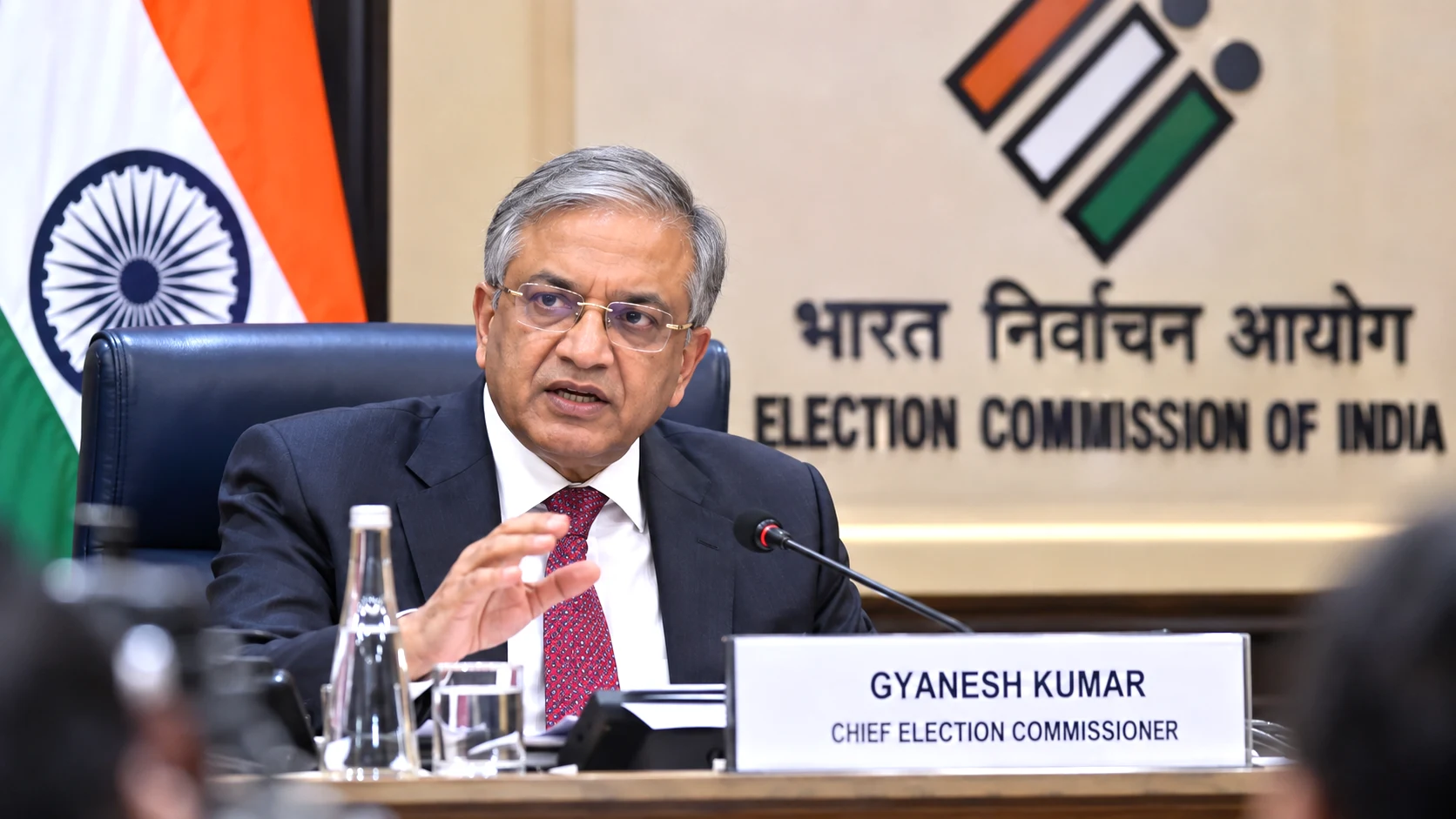
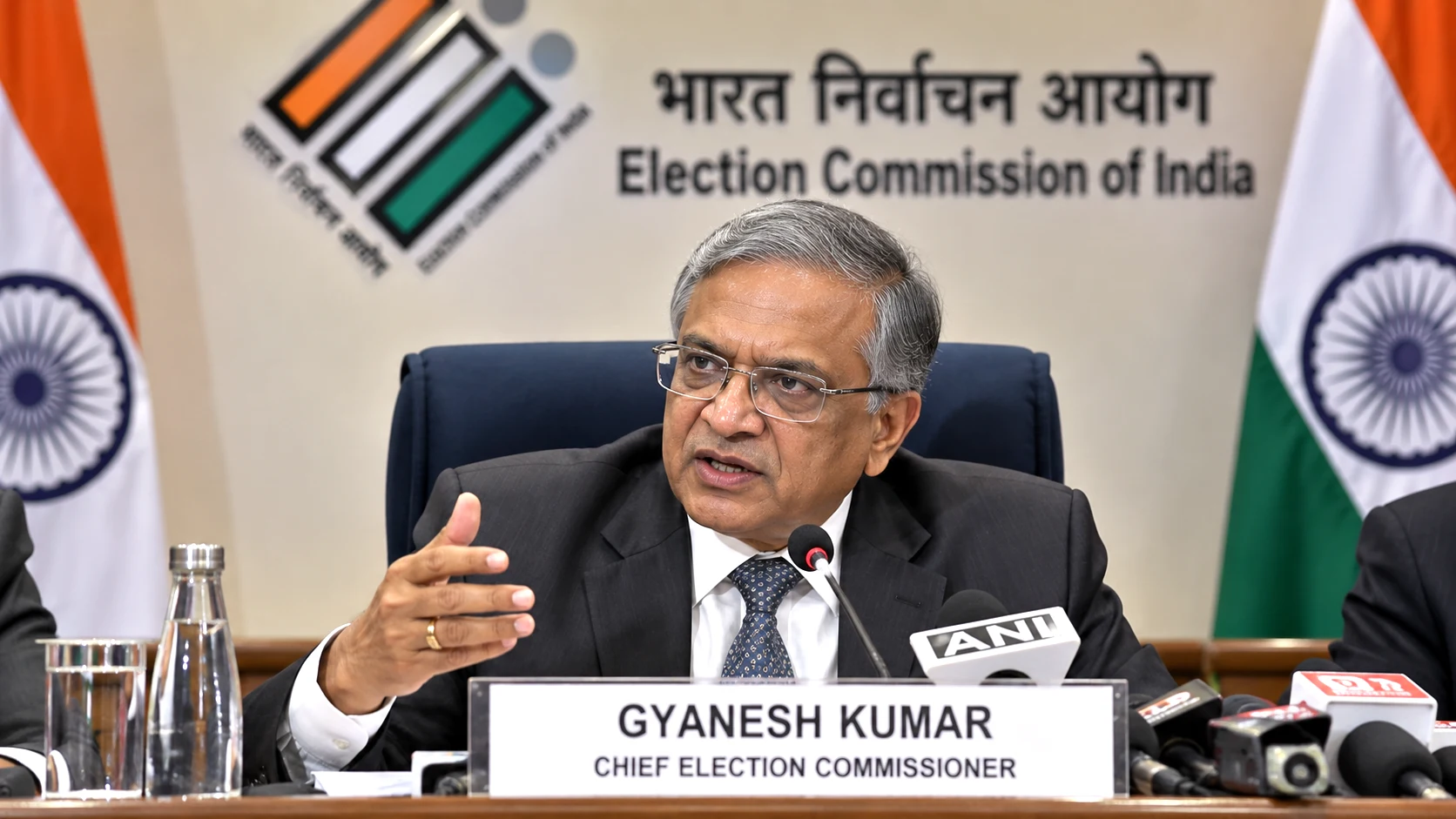
Opposition parties are preparing a fresh parliamentary notice seeking CEC Gyanesh Kumar’s removal amid the SIR controversy. Here is what Article 324 says, how many MPs are needed and why removal requires a high constitutional threshold.
It does not.
However, voters should also not ignore a notice. Responding within the prescribed process and providing relevant information can be important for resolving the issue before the final electoral roll is prepared.
Key Takeaways
Receiving an SIR notice does not automatically delete a voter’s name.
Notices cover about 33.13 lakh records flagged for verification.
Voters can respond, submit documents and attend a hearing.
Deletion requires due process and an opportunity to be heard.
Notice hearings and disposal continue until October 29, 2026.
Final electoral roll is scheduled for November 4, 2026.
What Does a Delhi SIR Notice Actually Mean?
A notice means election authorities want additional information or verification relating to an elector's entry in the draft electoral roll.
Broadly, voters have been flagged under two categories:
Unmapped with the previous SIR: The voter's current record could not be satisfactorily linked with the electoral roll from the previous intensive revision.
Logical discrepancy: Election authorities identified an inconsistency in details such as names, relationships, ages or other information used during the mapping process.
Around 33.13 lakh electors have been identified under these categories.
According to figures reported from the Delhi CEO's office, about 13.80 lakh electors were classified as not mapped with the previous SIR, while around 19.33 lakh were identified with logical discrepancies.
Together, the two categories account for approximately 33.13 lakh voter records requiring additional examination.
That figure should not be confused with automatic deletion.
The purpose of the notice is to start or continue verification before a final decision is taken.
Does Receiving an SIR Notice Mean Your Name Will Be Removed?
No.
The Delhi CEO's office has specifically clarified that receiving an SIR notice does not itself amount to an order deleting a voter from the electoral roll.
A voter is entitled to respond to the issue identified by election authorities and provide documents or other relevant information.
The Electoral Registration Officer can then consider the voter's response along with the Booth Level Officer's verification report before deciding the case.
The authorities have said deletion cannot take place without providing the voter an opportunity to be heard and following the required decision-making procedure.
This distinction is important.
A notice means a question has been raised about an electoral record.
A deletion order would be a subsequent decision taken after the applicable verification and hearing process.
They are not the same thing.
What Should You Do If You Receive a Delhi SIR Notice?
Voters should first avoid assuming that the notice means they have already lost their place on the electoral roll.
Instead, the practical steps are:
1. Read the reason mentioned in the notice
Check what discrepancy has been identified.
It may relate to the inability to connect your current entry with the previous SIR roll, a mismatch in names, an age-related issue, details concerning parents or another inconsistency in the enumeration information.
Understanding the reason is important because the documents needed to resolve one issue may be different from those needed for another.
2. Contact the BLO if the notice is unclear
Election authorities have said affected voters can approach their Booth Level Officer for assistance.
The BLO can help explain the discrepancy and the next step in the verification process.
During proceedings before the Supreme Court on September 22, the Court also stressed the need for BLOs to assist voters in understanding what information election authorities are seeking.
3. Prepare relevant supporting documents
The Election Commission has identified several types of documents that may be used during SIR verification.
The appropriate document depends on the issue raised in an individual case.
Importantly, the Election Commission told the Supreme Court that the prescribed documentary list is not exhaustive, meaning other relevant material may also be considered where appropriate.
Voters should therefore focus on documents that actually help explain or correct the discrepancy rather than submitting unrelated records.
4. Respond to the Electoral Registration Officer
The voter can submit the explanation and supporting documents to the Electoral Registration Officer handling the Assembly constituency.
The ERO considers the material submitted by the voter along with field verification and other electoral records before deciding whether the entry should remain in the final roll.
5. Attend the hearing if called
Do not ignore a scheduled hearing.
The hearing gives the elector an opportunity to explain why the voter record is valid or clarify the discrepancy identified during SIR.
Election authorities have repeatedly said that notice recipients are entitled to this opportunity before deletion.
What Documents Can Voters Submit?
The precise documents required will depend on why a voter was flagged.
Election authorities have indicated that records used during SIR may include documents such as:
birth certificates;
passports;
matriculation or educational certificates;
government-issued identity or service records where applicable;
permanent residence documents;
government-issued land or house allotment records;
family or official registers where applicable;
other relevant government or institutional records capable of supporting the voter's information.
The Election Commission's position is that the specified list should be treated as indicative rather than an absolute closed list.
That becomes important where the issue is not simply identity but something more specific, such as a difference between a person's current name and an older electoral record.
Voters should use documents relevant to the reason stated in their individual notice.
What Is a “Logical Discrepancy”?
The term has become one of the most discussed parts of Delhi's SIR process.
A logical discrepancy generally refers to information in electoral records that appears inconsistent when current data is compared with older records or related voter entries.
Examples reported during the SIR process include:
differences in a voter's name between records;
differences involving a parent's name;
unusual age differences between a voter and a parent;
age-progression inconsistencies;
problems connecting current information with records used in an earlier intensive revision.
A logical discrepancy does not by itself establish that a person is ineligible to vote.
It means the information requires clarification.
That distinction has now also attracted the Supreme Court's attention.
Supreme Court Seeks Clarity on Delhi SIR Notices
The Delhi SIR process came before the Supreme Court on Tuesday, September 22, with petitioners raising concerns over notices issued for “logical discrepancies” and the information given to affected electors.
A Bench comprising Chief Justice of India Surya Kant and Justices Joymalya Bagchi and V Mohana issued notice to the Election Commission and sought its response.
During the hearing, the Court expressed concern that some notices appeared to have been issued mechanically and said voters should be clearly told what they are expected to explain.
The Court also suggested that the Election Commission consider publishing an FAQ addressing common questions and that BLOs should actively help electors understand discrepancies in their records.
Counsel appearing for the Election Commission told the Court that reasons were mentioned in notices and gave an assurance that no voter would be deleted without being heard.
The case is scheduled to be taken up again after two weeks.
Why Were So Many Delhi Voters Flagged?
Delhi's SIR involves matching and validating current electoral records against earlier records and information collected during the revision exercise.
Not being mapped to the earlier SIR roll is one of the largest categories behind the notices.
This does not necessarily mean the person is ineligible.
A voter may have moved to Delhi later, shifted constituencies, changed details or have records that cannot be automatically connected because of spelling, relationship or other data differences.
Around 3.31 million records have been identified for notices overall, with a large majority reportedly carrying only one reason for verification.
The lists drew additional public attention after the records of several prominent politicians, senior officials and public figures were also flagged.
Some entries have subsequently been validated after documents were examined, illustrating why being flagged and being deleted are two very different stages of the process.
How Long Do Voters Have to Respond?
Delhi's revised SIR schedule provides several important dates.
SIR stage
Deadline / Date
Draft electoral roll published
August 31, 2026
Claims and objections period
Up to September 30, 2026
Notice hearings and disposal process
Up to October 29, 2026
Final electoral roll scheduled
November 4, 2026
The Election Commission revised Delhi's SIR timetable before publication of the draft roll, moving the final roll date to November 4.
Voters who have received individual notices should follow the date and instructions given in their own notice rather than waiting until the final deadline.
What Happens at an SIR Hearing?
The hearing is intended to allow the Electoral Registration Officer to examine the discrepancy and the elector's explanation.
The ERO can consider:
the reason for which the record was flagged;
documents submitted by the elector;
information available in previous electoral rolls;
the BLO's verification report;
other relevant material connected to voter eligibility.
The voter has an opportunity to answer questions or clarify inconsistencies.
A notice therefore represents an intermediate verification stage, not the final outcome.
According to the Delhi CEO's clarification, any removal decision must follow due process and result in an appropriate order rather than automatic deletion based only on an electronic flag.
Only a Small Share of Hearings Have Been Cleared So Far
The scale of the exercise is significant.
As of the latest available reporting on September 22, only about 23,000 people, or roughly 0.7% of the 31.6 lakh voters served notices, had completed discrepancy hearings and secured confirmation for inclusion in the final roll.
Hearings are expected to continue until October 29, ahead of the November 4 final-roll publication.
The figure does not mean the remaining voters will be deleted.
It reflects the large volume of verification work still pending.
With several weeks remaining in the notice-disposal phase, election authorities are expected to continue hearings and document verification across Delhi.
What If Your Name Is Missing from the Draft Electoral Roll?
The procedure is different when a person's name is not present in the draft electoral roll at all.
The Delhi CEO has advised eligible citizens whose names are missing to apply for inclusion using Form 6, along with the required declaration and supporting documents.
Form 6 is also used by eligible new voters applying for inclusion.
For corrections to existing electoral information or certain changes such as shifting residence, Form 8 is generally the relevant form.
Because individual situations differ, voters facing a specific SIR notice should follow the notice and ERO/BLO instructions rather than assuming that filing a standard form alone resolves the notice.
Is an SIR Notice the Same as a Challenge to Citizenship?
Not necessarily.
A notice can arise because of several kinds of record discrepancies or because a current entry could not be mapped to older electoral information.
Receiving such a notice should therefore not automatically be interpreted as an official determination that the elector is not an Indian citizen or is otherwise ineligible.
The verification process exists to resolve that question before the final roll is prepared.
Election officials examine individual records and supporting documents before reaching a conclusion.
Can a Voter Challenge a Deletion Decision?
Election authorities have described decisions in the notice process as speaking and appealable orders.
That means where an adverse decision is passed, the voter is not necessarily left without further remedy.
The applicable electoral process provides mechanisms for challenging decisions of electoral registration authorities.
Because the appropriate remedy may depend on the order and individual circumstances, voters facing an adverse decision should read the order carefully and use the appeal procedure specified under election law.
What Delhi Voters Should Remember
For most electors, the most important points are straightforward:
receiving an SIR notice does not itself delete your name;
do not ignore the notice;
check exactly what discrepancy has been raised;
contact your BLO or ERO if the notice is unclear;
submit documents relevant to your particular discrepancy;
attend any scheduled hearing;
retain copies of documents and communications submitted;
check your entry again when the final electoral roll is published.
The process is still underway, and large numbers of cases remain to be examined before Delhi's final electoral roll is scheduled for publication on November 4.
Why This Clarification Matters
The Delhi SIR affects a substantial portion of the capital's electorate.
When millions of records are flagged through a large-scale data-matching and verification exercise, the distinction between a computer-generated discrepancy and a final legal decision about voter eligibility becomes particularly important.
The CEO's clarification establishes that the notice is the beginning of an additional verification stage rather than an automatic removal instruction.
The Supreme Court proceedings on September 22 have added another layer of scrutiny, particularly over whether voters are being told clearly enough what discrepancy they need to address.
For a Delhi voter who receives a notice, the immediate practical message is simple: your name has not automatically been deleted, but you should respond to the notice and complete the verification process within the prescribed timeline.
Frequently Asked Questions
Does a Delhi SIR notice mean my voter ID has been cancelled?
No. Receiving a notice does not itself cancel your voter registration or automatically remove your name from the electoral roll.
Will my name automatically be deleted if I receive an SIR notice?
No. The Delhi CEO has said voters must be given an opportunity to respond and be heard before any deletion decision is made.
Why did I receive an SIR notice?
Common reasons include being unable to map your record to the previous SIR roll or a “logical discrepancy” involving names, ages, family relationships or other electoral information.
What should I do after receiving a notice?
Read the reason carefully, contact your BLO if necessary, collect relevant supporting documents and respond to the ERO or attend the hearing specified in the notice.
What is the deadline for Delhi SIR hearings?
The notice-disposal and hearing process is scheduled to continue until October 29, 2026.
When will Delhi's final electoral roll be published?
The revised schedule sets November 4, 2026 for publication of the final electoral roll.
Bottom Line
Receiving a Delhi SIR notice does not automatically remove a voter from the electoral roll.
Election authorities have clarified that voters must be given an opportunity to respond, submit documents and be heard before any deletion decision is made. Notice hearings continue until October 29, with the final electoral roll scheduled for November 4, 2026.
Key Takeaway
SIR notice does not equal automatic deletion.
Voters can respond, submit documents and attend hearings.
The Rajatheertha Team publishes news, explainers, guides and updates across India and the world. Our coverage follows Rajatheertha's editorial, verification and corrections standards.
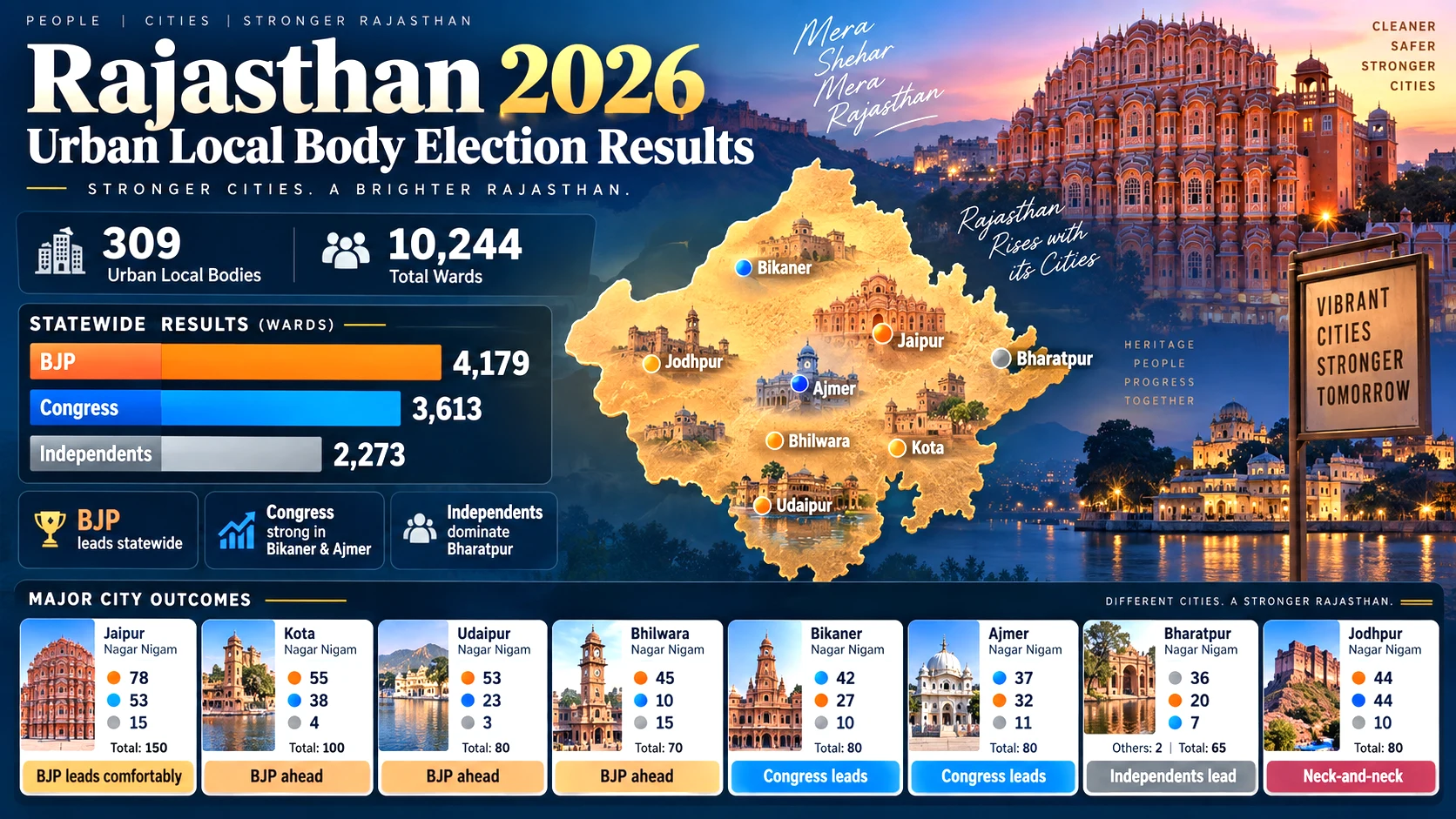
The BJP emerged as the single largest party in Rajasthan’s 2026 urban local body elections, ahead of the Congress, while more than 2,270 Independent victories complicated the picture in Bharatpur, Jodhpur, Ajmer, Pali and other civic bodies.
LK Advani, Jagdeep Dhankhar, S Jaishankar and several other prominent Delhi voters have had their SIR records verified and reserved for inclusion in the final electoral roll. Here is what “cleared” means and what ordinary voters should do before key deadlines.
President Donald Trump announced the restrictions on September 18, accusing the three outlets of publishing what he called “fake news”; journalists from all three organizations were turned away from the White House the following day.
The Election Commission says all final decisions taken by the full Commission over the past year, including SIR-related measures, were unanimous despite reported objections raised during internal deliberations. Here is what the dispute means for voters.
Tamil Nadu Chief Minister C Joseph Vijay's first official meeting with Prime Minister Narendra Modi focused on issues ranging from Mekedatu and fishermen to state funds and Tamil identity. With the two leaders expected to share a Chennai stage on October 11, here is what the meetings mean politicall
Opposition parties have intensified calls for CEC Gyanesh Kumar’s removal after a report said two Election Commissioners raised repeated objections over SIR and electoral-roll decisions. Some leaders have also demanded his arrest, while the ECI says all final decisions were unanimous.





0 Comments