Vijay-Modi Meeting Explained: What Tamil Nadu CM Raised and Why It Matters Ahead of October 11
Tamil Nadu Chief Minister C Joseph Vijay's first official meeting with Prime Minister Narendra Modi focused on issues ranging from Mekedatu and fishermen to state funds and Tamil identity. With the two leaders expected to share a Chennai stage on October 11, here is what the meetings mean politicall
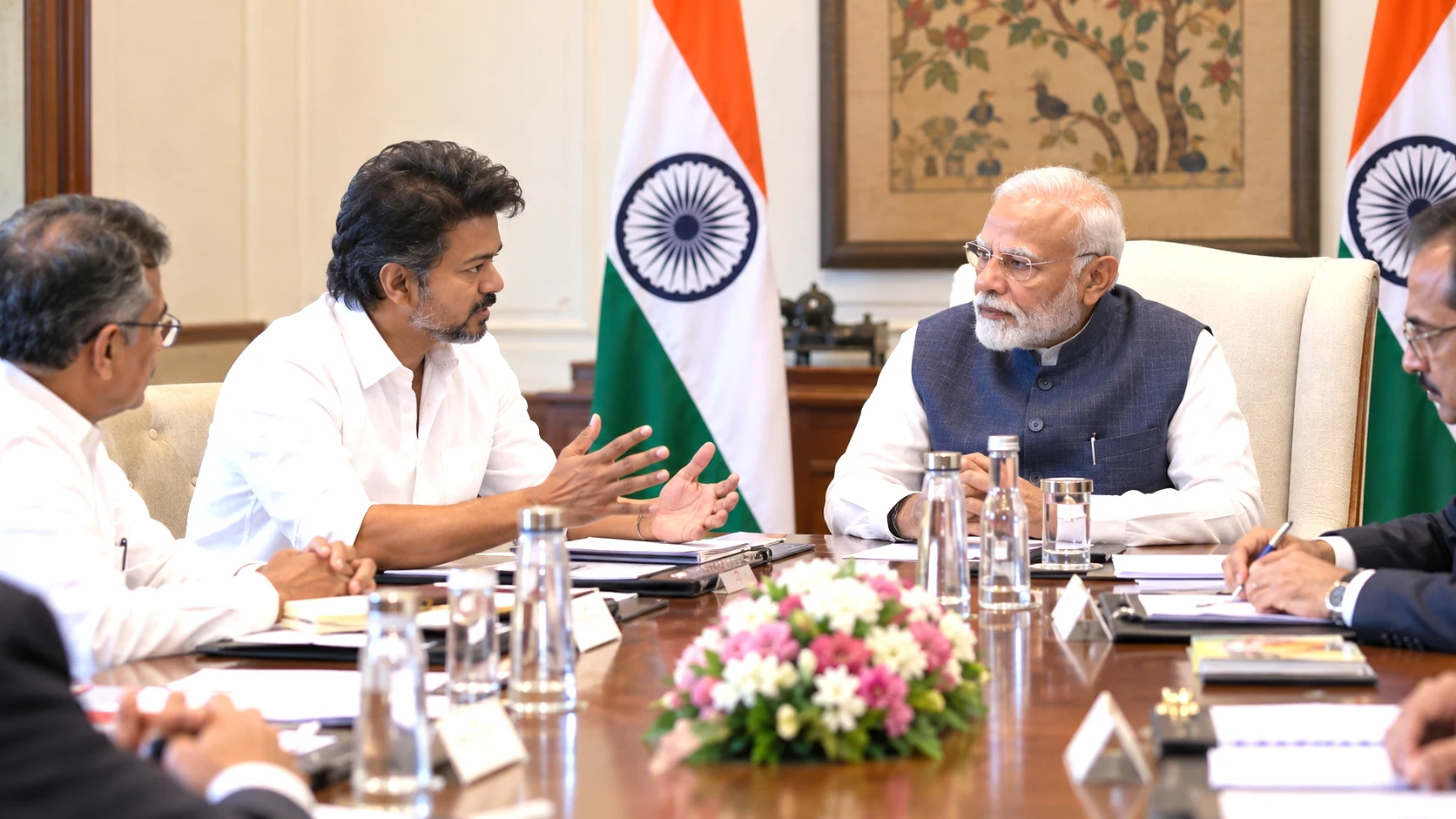
Tamil Nadu Chief Minister C Joseph Vijay meeting Prime Minister Narendra Modi during an official Centre-state discussion in New Delhi
Table of Contents (25 sections)
Tamil Nadu Chief Minister C Joseph Vijay's meetings with Prime Minister Narendra Modi have become closely watched markers of the relationship between Tamil Nadu's new TVK-led government and the Centre, but the timeline is important.
Vijay did not hold a new meeting with Modi on October 1.
His first official meeting with the Prime Minister after becoming Chief Minister took place in New Delhi on May 27, 2026. The Prime Minister's Office publicly confirmed the meeting but did not release a detailed account of the discussions. Vijay subsequently met Modi again on June 11, during another visit to the national capital.
The story has become timely again because Modi is expected to visit Chennai on October 11, when he is scheduled to inaugurate the first operational portion of Chennai Metro Rail Phase II. Reports say Vijay will attend the programme, making it their first joint public appearance since Vijay became Chief Minister.
Recommended Reading
Related Stories & In-Depth Guides
Curated editorial perspectives matching this topic.
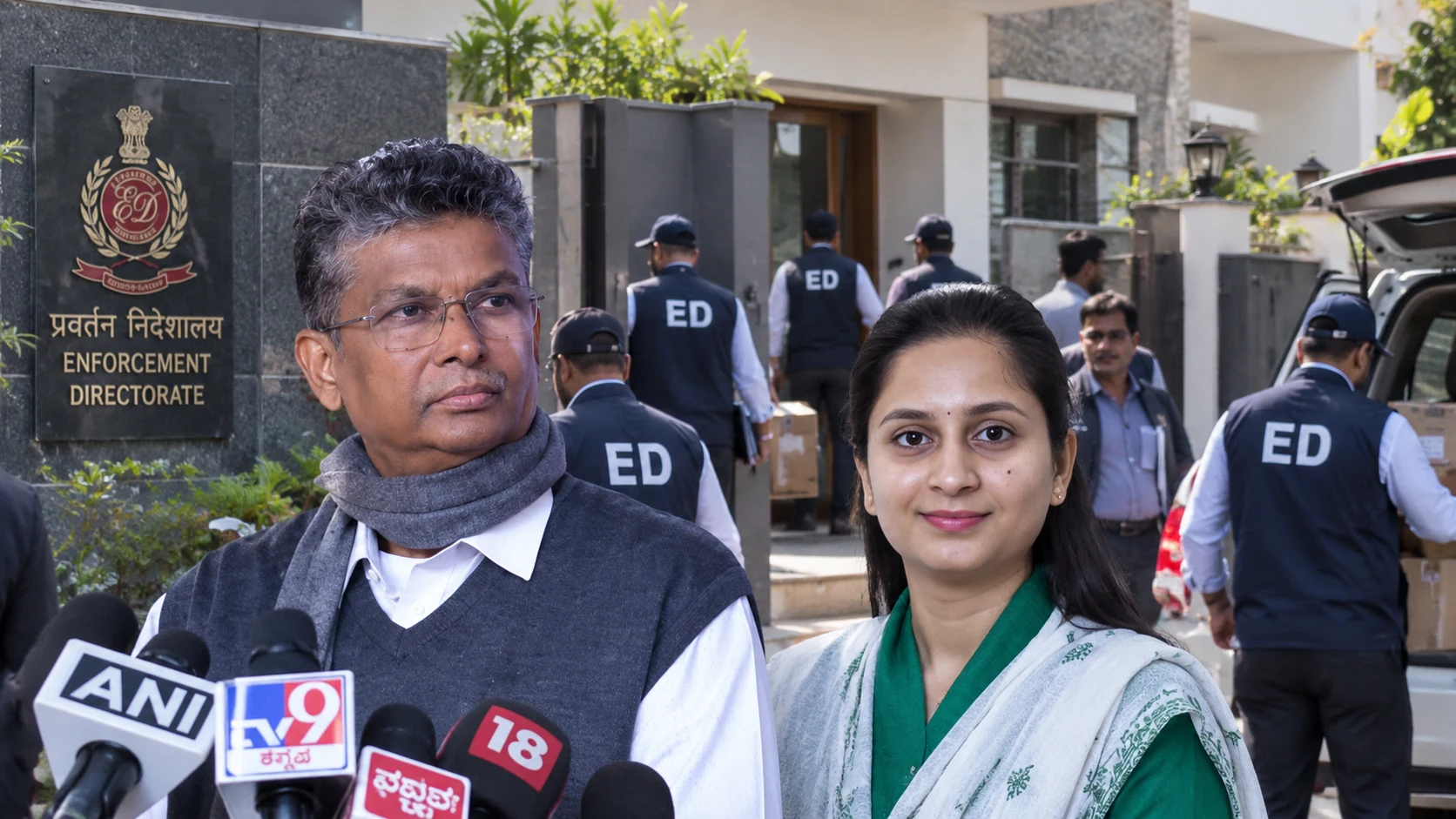
ED teams searched around 18 premises linked to Karnataka PWD Minister Satish Jarkiholi, Chikkodi MP Priyanka Jarkiholi and others in a developing financial investigation.
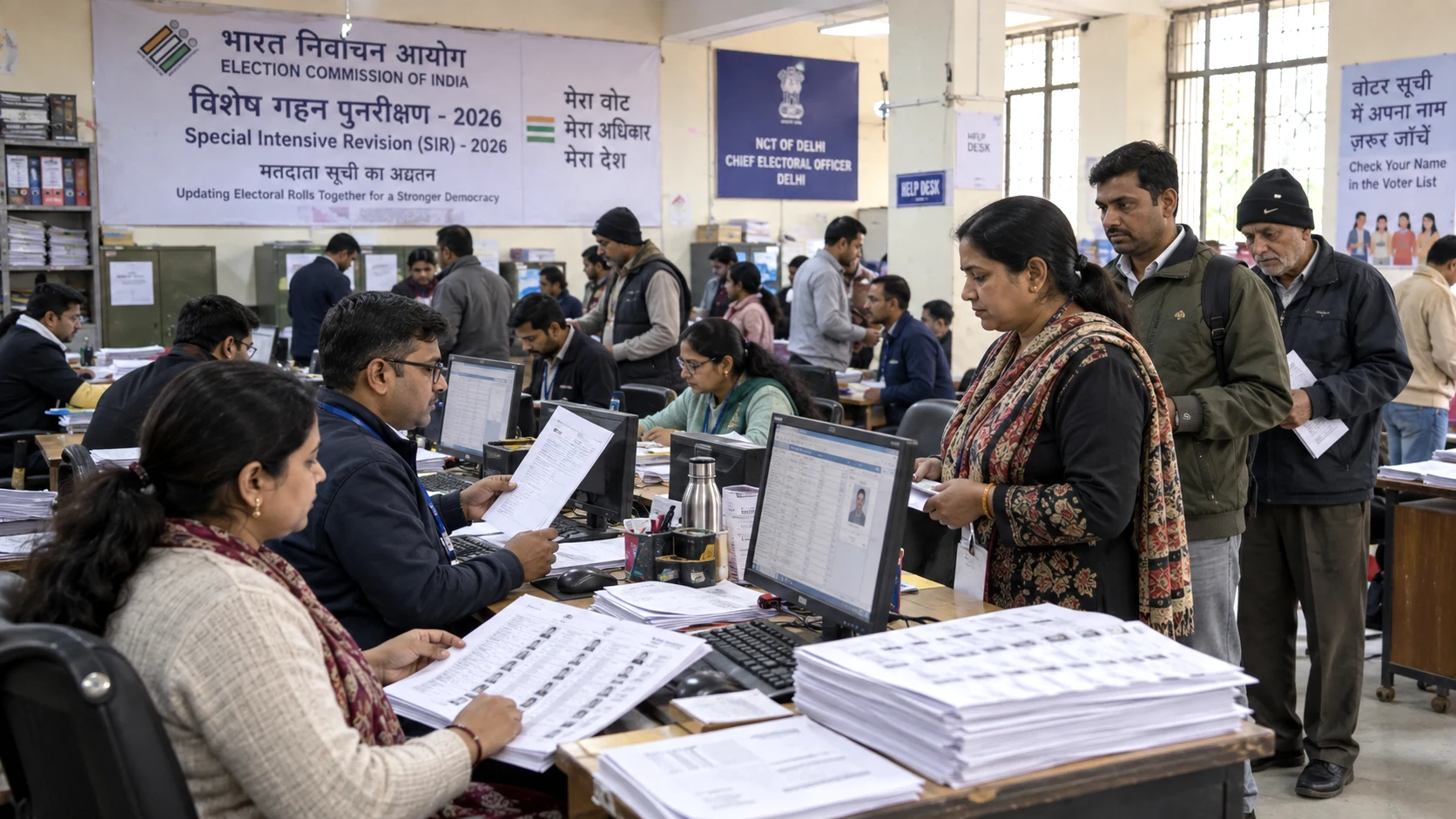
LK Advani, Jagdeep Dhankhar, S Jaishankar and several other prominent Delhi voters have had their SIR records verified and reserved for inclusion in the final electoral roll. Here is what “cleared” means and what ordinary voters should do before key deadlines.
That makes the broader Vijay-Modi relationship significant not because it necessarily signals a political alliance, but because it demonstrates how a state government led by a party competing with the BJP can simultaneously maintain political differences and seek cooperation with the Union government.
Key Takeaways
Vijay first met Modi officially as Tamil Nadu Chief Minister on May 27, 2026.
The PMO confirmed the meeting, although its official statement did not disclose the detailed agenda.
Reports and material associated with the Tamil Nadu Chief Minister's side said Vijay raised the Mekedatu project, Tamil fishermen detained by Sri Lanka, Tamil Thai Vazhthu protocol, state funding and development requirements.
Vijay met Modi for a second time on June 11 while in Delhi for the NITI Aayog Governing Council meeting.
The two are expected to share a public stage in Chennai on October 11 for the opening of a Chennai Metro Phase II section.
Their official meetings do not by themselves establish a TVK-BJP political alliance.
The relationship is better understood as a combination of Centre-state cooperation and political competition.
When Did Vijay First Meet Modi as Chief Minister?
The first meeting took place on May 27, less than three weeks after Vijay assumed office.
The PMO issued a brief confirmation saying:
“Chief Minister of Tamil Nadu, Thiru C. Joseph Vijay met Prime Minister, Shri Narendra Modi in New Delhi today.”
The official communication did not provide details of what the two leaders discussed.
That distinction matters because several subsequent political and media accounts offered significantly more detail than the PMO statement itself.
The Indian Express reported that the interaction combined routine Centre-state administration with considerable political interest because Vijay had only recently moved from being one of Tamil cinema's biggest stars to heading the Tamil Nadu government.
Was the Meeting Really “Historic”?
The term “historic” should be attributed rather than treated as an objective fact.
Material published by Vijay's political organisation described the May 27 engagement as a “historic first”, referring to it as his first official meeting with Modi since forming the Tamil Nadu government.
It was clearly politically significant.
But “historic” is an interpretive description rather than an official constitutional classification.
A more precise newsroom formulation is:
Vijay's first official meeting with Modi after becoming Tamil Nadu Chief Minister marked an important early test of relations between the new TVK government and the Centre.
What Did Vijay Discuss With Modi?
Several Tamil Nadu issues were reported to have been raised.
1. Mekedatu Dam Dispute
One of the most important subjects was Karnataka's proposed Mekedatu reservoir project across the Cauvery.
Tamil Nadu governments have consistently treated Cauvery water as a major interstate issue because downstream water availability directly affects agriculture and drinking-water requirements in the state.
The Indian Express reported that Vijay raised Tamil Nadu's opposition to the proposed Mekedatu project during his meeting with Modi.
Material issued from Vijay's side said he urged the Union government to intervene over Karnataka's plans.
The issue is politically sensitive because water-sharing disputes between Karnataka and Tamil Nadu have repeatedly produced litigation, protests and confrontation between successive state governments.
2. Tamil Nadu Fishermen Detained by Sri Lanka
Vijay also raised the repeated detention of Tamil Nadu fishermen by Sri Lankan authorities.
The dispute primarily affects fishing communities operating around the Palk Strait, where questions over maritime boundaries, fishing grounds and the use of mechanised trawlers have contributed to repeated arrests and boat seizures.
The Chief Minister's side said Vijay asked Modi to use diplomatic channels to secure the release of fishermen and fishing vessels held in Sri Lanka.
For Tamil Nadu governments, this is both a foreign-policy issue and a domestic political issue because relations with Sri Lanka are constitutionally handled by the Union government while the affected communities are concentrated in Tamil Nadu.
3. Tamil Thai Vazhthu
Another unusual issue raised in the discussions concerned Tamil Thai Vazhthu, Tamil Nadu's state invocation song.
The controversy centred on the order in which Tamil Thai Vazhthu, Vande Mataram and the national anthem should be rendered at official functions.
Vijay's government argued that Tamil Thai Vazhthu has traditionally been sung at the beginning of official events in the state and sought clarity from the Centre over the protocol.
For Vijay, the matter carried significance beyond administrative procedure because Tamil language and cultural identity occupy an important place in Tamil Nadu politics.
4. Central Funds and Development Projects
The Vijay government also used its first major Delhi engagement to press for central financial support and faster movement on Tamil Nadu development projects.
Reports before and after the meeting referred to issues including:
pending funds under Union schemes;
education-related funding;
infrastructure requirements;
Chennai Metro development;
roads and transport projects;
industrial corridors; and
other financial assistance sought from the Centre.
Vijay also met Union Finance Minister Nirmala Sitharaman during the same Delhi visit and submitted demands concerning infrastructure and funding.
The important point is that the new Chief Minister quickly established direct working channels with New Delhi despite political differences with the BJP.
5. Defence and Aerospace Investment
Material published by Vijay's side said the Chief Minister sought additional defence and aerospace investment for Tamil Nadu.
Among the proposals mentioned were a Centre for Airborne Systems facility and an Advanced Medium Combat Aircraft-related development centre in the state.
Tamil Nadu already has a substantial manufacturing and automotive base, and attracting defence and aerospace projects fits the state's broader industrial-development strategy.
However, a request made during a political meeting is not the same as final Union government approval for a project.
6. Tamil Cultural Heritage
Vijay also thanked Modi over the return to India of historic Aanaimangalam copper plates, according to accounts from the Chief Minister's side.
The inclusion of cultural issues alongside financial, security and infrastructure demands reflects Vijay's attempt to combine conventional state governance with the Tamil identity themes central to regional politics.
How Long Did the First Meeting Last?
There is conflicting reporting on the exact duration.
The Indian Express described the meeting as lasting roughly 10 minutes, while other news reports put it closer to 20–25 minutes and material from Vijay's side described a roughly half-hour engagement.
The PMO's official statement does not specify a duration.
For publication, it is therefore better to say “the meeting was relatively brief” rather than assert one precise duration as definitively established.
Vijay Met Modi Again on June 11
The May 27 meeting was not their only interaction.
On June 11, Vijay again called on Modi in New Delhi.
The PMO confirmed the second meeting, and reports said Vijay was in the capital to attend the 11th meeting of the NITI Aayog Governing Council.
The existence of a second meeting is important when assessing the political relationship.
Rather than being a one-off symbolic encounter, it suggested that Vijay's government intended to maintain a direct working relationship with the Prime Minister and Union government.
Does This Mean Vijay Is Moving Closer to the BJP?
There is no basis to conclude from the meetings alone that TVK and the BJP have formed or agreed to form an alliance.
Chief Ministers routinely meet the Prime Minister to discuss state finances, infrastructure, interstate disputes and matters requiring Union government intervention.
Vijay also has his own political identity and electoral interests in Tamil Nadu.
The more defensible interpretation is that the meetings demonstrate a functional Centre-state relationship, while political competition continues separately.
That distinction becomes especially important whenever photographs of leaders meeting are used to fuel alliance speculation.
A meeting between a Chief Minister and Prime Minister is evidence of a meeting — not, by itself, evidence of a coalition.
Why the Meeting Mattered for Vijay
For Vijay, the Delhi engagement served several purposes.
First, it helped establish him as a governing Chief Minister rather than only an actor-turned-politician or campaign figure.
After winning power, Vijay needed to demonstrate that his administration could negotiate with central ministries over funding, infrastructure and interstate disputes.
Second, taking Tamil Nadu-specific demands directly to the Prime Minister helped reinforce the message that the TVK government intended to defend state interests while remaining capable of working with New Delhi.
Third, the meeting gave Vijay an opportunity to present himself nationally as a political executive capable of engaging with India's most powerful political leader on official terms.
Why the Meeting Mattered for Modi and the BJP
For Modi, engagement with Vijay also carried political significance.
Tamil Nadu has historically been a difficult state for the BJP compared with many parts of northern and western India.
The arrival of a new Chief Minister outside the traditional DMK-AIADMK pattern changed the political landscape.
Maintaining an institutional relationship with Vijay therefore makes administrative sense for the Union government while also placing the BJP within a rapidly changing Tamil Nadu political environment.
That does not mean the two sides share the same electoral objectives.
Cooperation between governments and competition between political parties can exist simultaneously.
Vijay's Rise Changed Tamil Nadu's Political Structure
Vijay's ascent to the Chief Minister's office represented a major shift in Tamil Nadu politics.
His Tamilaga Vettri Kazhagam emerged as the central force in the 2026 Assembly election, disrupting the long-standing dominance of the DMK and AIADMK.
That created a political situation without a clear historical parallel in recent decades: a former cinema superstar leading a newly established political formation while immediately having to manage complex relations with the Union government.
The Modi meetings therefore became symbolic of a larger transition — from Vijay the challenger to Vijay the administrator.
What Happens on October 11?
The next major moment is expected on October 11 in Chennai.
Prime Minister Modi is expected to inaugurate the first operational section of Chennai Metro Phase II, running between Poonamallee Bypass and Vadapalani.
The operational opening covers approximately 14.6 km, with 11 stations expected to initially serve passengers, according to current reports.
Reports also say Vijay will participate in the programme, which would make it the first time the two leaders appear together at an official public function since Vijay became Chief Minister.
Because the final itinerary of a prime ministerial visit can change, specific programme details should continue to be checked closer to October 11.
Why Chennai Metro Phase II Matters
The event is more than a political photo opportunity.
The Union Cabinet-approved Chennai Metro Phase II project covers 118.9 km across three corridors and 128 stations, with an approved project cost of ₹63,246 crore.
The project includes:
Madhavaram to SIPCOT;
Lighthouse to Poonamallee Bypass; and
Madhavaram to Sholinganallur.
The Poonamallee-Vadapalani section scheduled to open in October represents the first operational portion of the Phase II expansion.
For Vijay, appearing alongside Modi at such an event allows his government to emphasise infrastructure delivery.
For Modi, it highlights Union involvement in a major Tamil Nadu transport project.
Will the October 11 Appearance Signal a BJP-TVK Alliance?
Not necessarily.
An inauguration involving the Prime Minister and the Chief Minister is normal for a major project involving both Union and state governments.
It would be inaccurate to present their joint appearance as proof of an electoral understanding without additional evidence.
Political implications can still be discussed.
Observers will likely watch:
Vijay's remarks about Centre-state relations;
Modi's language towards the TVK government;
whether either leader addresses contentious state issues;
how the BJP and TVK portray the event afterward;
and whether there are subsequent meetings beyond the official programme.
But any alliance claim should require independent confirmation from the parties involved.
Centre-State Cooperation Without Political Alignment
The Vijay-Modi relationship illustrates an important feature of Indian federal politics.
A Chief Minister can oppose the ruling party at the Centre while still seeking central assistance on:
transport;
education;
disaster assistance;
fiscal transfers;
defence investment;
foreign-policy-linked fishermen issues;
and major infrastructure projects.
Likewise, the Union government has institutional responsibilities towards a state regardless of which party governs it.
The political test is therefore not whether Vijay meets Modi, but what concrete results emerge from the relationship.
What Should Tamil Nadu Watch Next?
The most useful questions are practical rather than speculative.
Mekedatu
Does the Union government take any further position or action affecting the proposed reservoir and Tamil Nadu's Cauvery concerns?
Fishermen
Does diplomatic engagement with Sri Lanka reduce arrests or result in the release of detained fishermen and vessels?
State Funding
Are pending Union funds released, and are major Tamil Nadu projects given approvals or accelerated financing?
Chennai Metro
Does the October 11 opening proceed as planned, and how quickly are remaining Phase II sections brought into service?
Defence Investment
Do Vijay's requests for additional aerospace and defence facilities translate into formal project approvals?
Political Relationship
Do TVK and BJP continue to compete independently, or does evidence eventually emerge of a deeper political understanding?
Those developments will offer far more evidence about the relationship than individual photographs or ceremonial meetings.
Latest Verified Position — October 1, 2026
As of October 1:
Vijay did not hold a new meeting with Modi today.
His first official meeting with Modi as Chief Minister was on May 27.
The PMO officially confirmed that meeting but did not publish its detailed agenda.
Vijay's side and subsequent reporting said issues included Mekedatu, fishermen, Tamil Thai Vazhthu and state development requirements.
Vijay met Modi for a second time on June 11.
Modi is expected in Chennai on October 11 for the opening of the first operational stretch of Chennai Metro Phase II.
Vijay is expected to participate, creating their first official joint public appearance since he became Chief Minister.
Nothing about the meetings alone establishes a BJP-TVK electoral alliance.
Frequently Asked Questions
When did Tamil Nadu Chief Minister Vijay first meet PM Modi?
Vijay's first official meeting with Prime Minister Narendra Modi after becoming Tamil Nadu Chief Minister took place in New Delhi on May 27, 2026.
Did Vijay meet Modi on October 1?
There is no verified new October 1 meeting in the current official record. The current news development concerns their expected October 11 appearance in Chennai.
What did Vijay discuss with Modi?
Reports say Vijay raised the Mekedatu dam dispute, Tamil Nadu fishermen detained by Sri Lanka, Tamil Thai Vazhthu protocol and state development and funding issues.
Did Vijay and Modi meet more than once?
Yes. The PMO also confirmed another meeting on June 11, 2026.
Why are Vijay and Modi expected to meet again in Chennai?
Modi is expected to inaugurate the first operational section of Chennai Metro Phase II on October 11, with Vijay expected to attend the programme.
Does the meeting mean TVK is joining the BJP?
No such conclusion can be drawn from an official Chief Minister-Prime Minister meeting. No alliance should be reported without separate evidence or confirmation.
What section of Chennai Metro is opening?
The first operational Phase II section is the roughly 14.6-km Poonamallee Bypass-Vadapalani corridor, with 11 stations expected to initially serve passengers.
Bottom Line
Tamil Nadu CM C Joseph Vijay’s first official meeting with PM Narendra Modi took place on May 27, 2026, with a second meeting on June 11. Issues raised included Mekedatu, fishermen detained by Sri Lanka, Tamil Thai Vazhthu and state funding.
The two leaders are expected to share a Chennai stage on October 11 for the opening of a Chennai Metro Phase II section. The meetings show Centre-state cooperation, not a confirmed political alliance.
Key Takeaway
Vijay-Modi meetings: May 27 & June 11.
Key issues: Mekedatu, fishermen, funds, Tamil identity.
The Rajatheertha Team publishes news, explainers, guides and updates across India and the world. Our coverage follows Rajatheertha's editorial, verification and corrections standards.
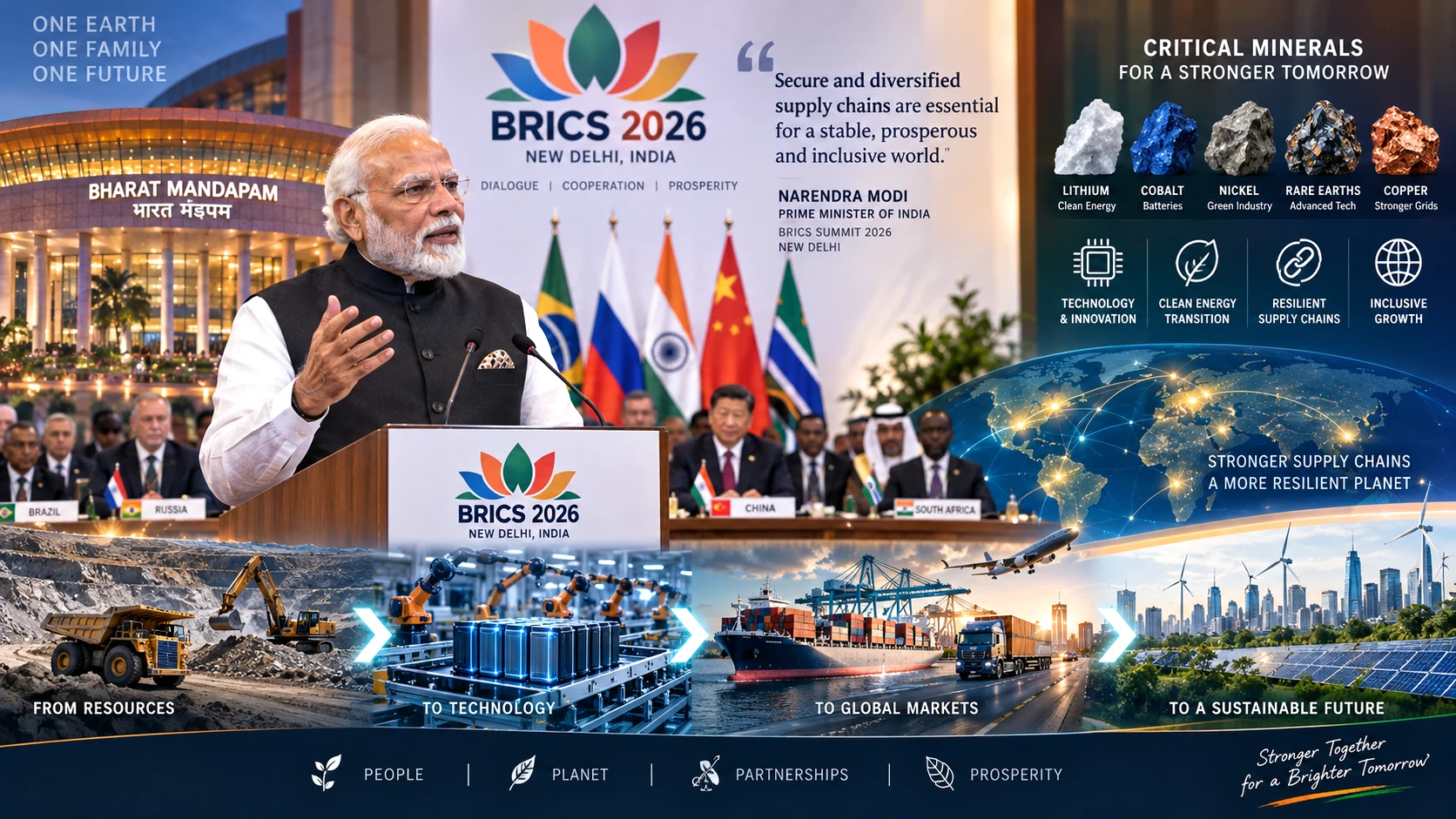
Prime Minister Narendra Modi warned BRICS leaders that the “weaponisation of technology and critical minerals” could obstruct shared development, as the New Delhi Declaration backed resilient supply chains and wider technology cooperation.
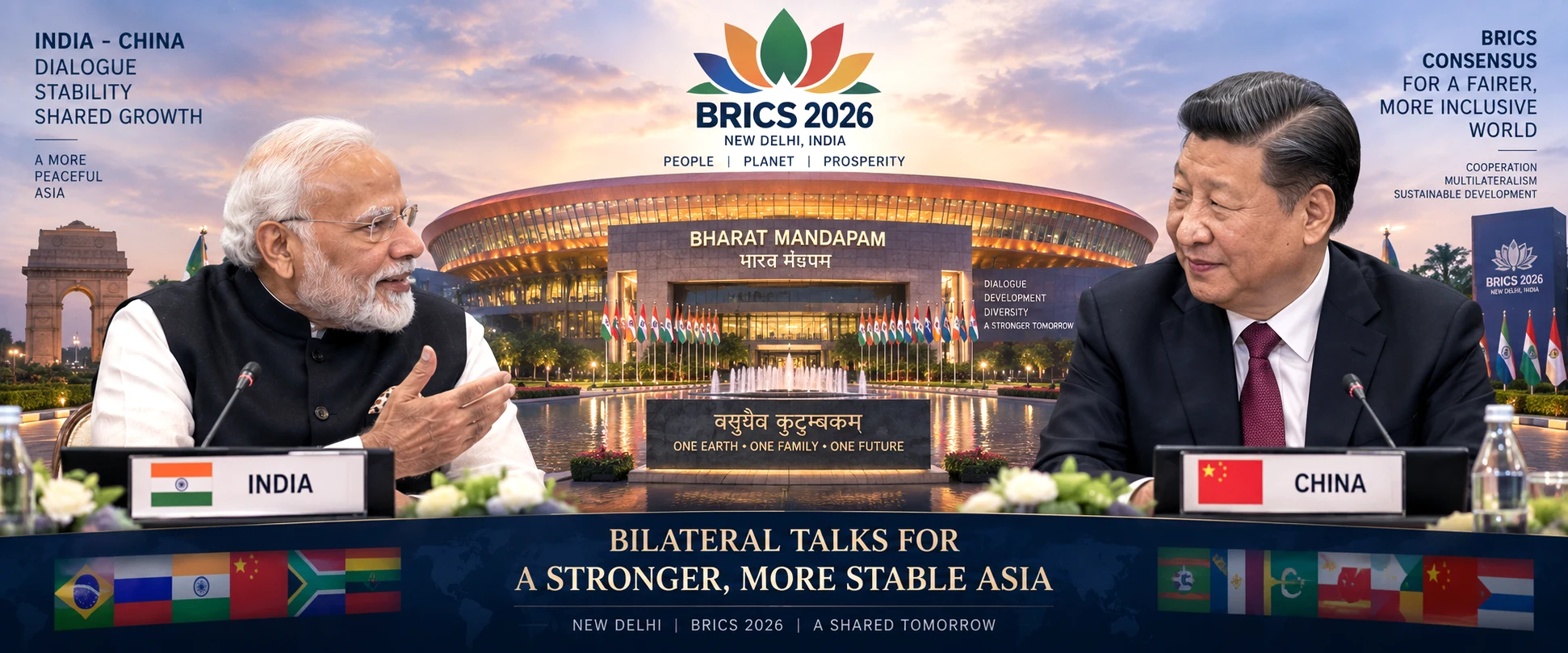
Prime Minister Narendra Modi’s scheduled meeting with Chinese President Xi Jinping is the diplomatic highlight of BRICS Day 1, while member states have reached consensus on a leaders’ declaration after difficult negotiations over West Asia.
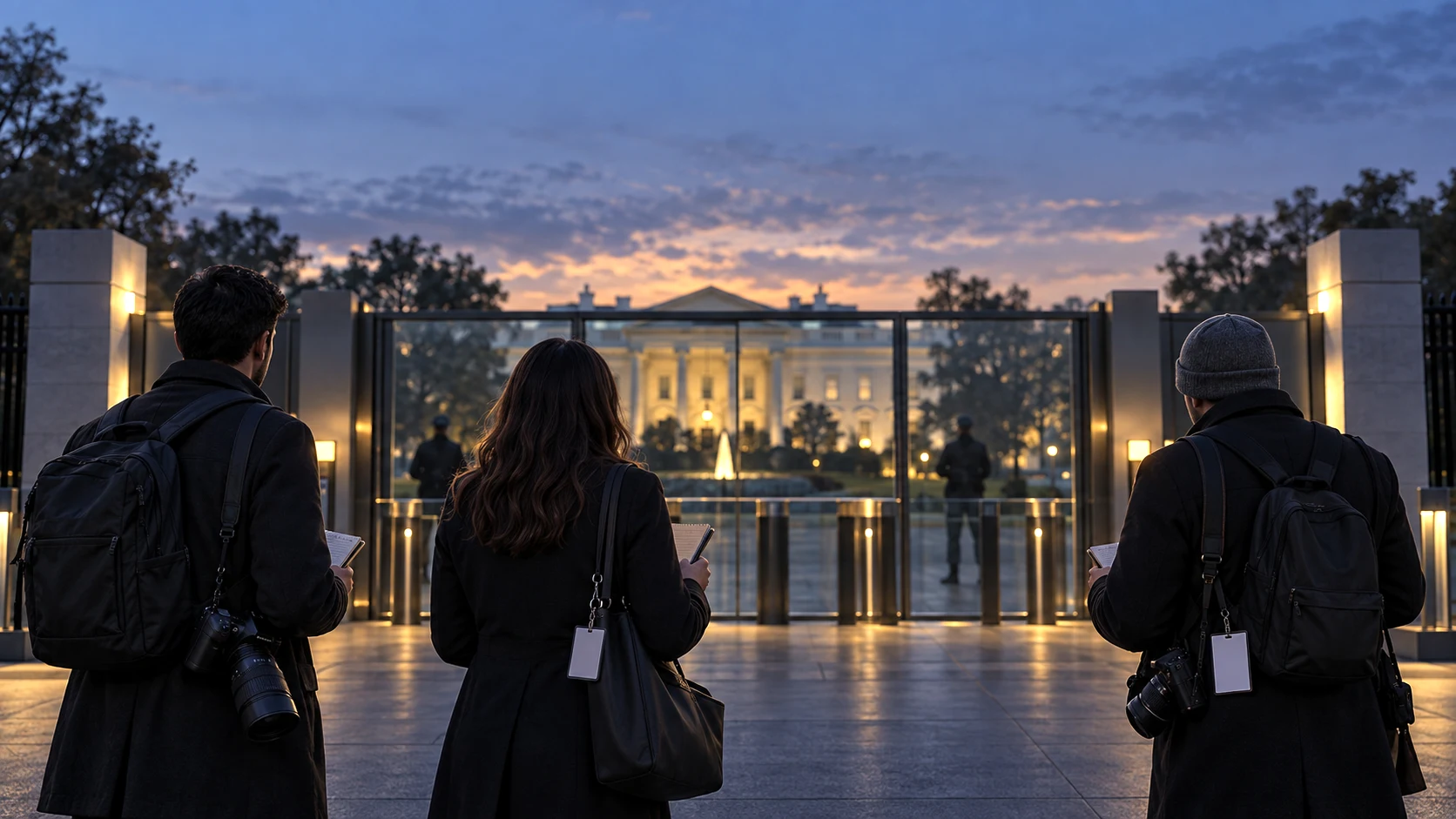
President Donald Trump announced the restrictions on September 18, accusing the three outlets of publishing what he called “fake news”; journalists from all three organizations were turned away from the White House the following day.
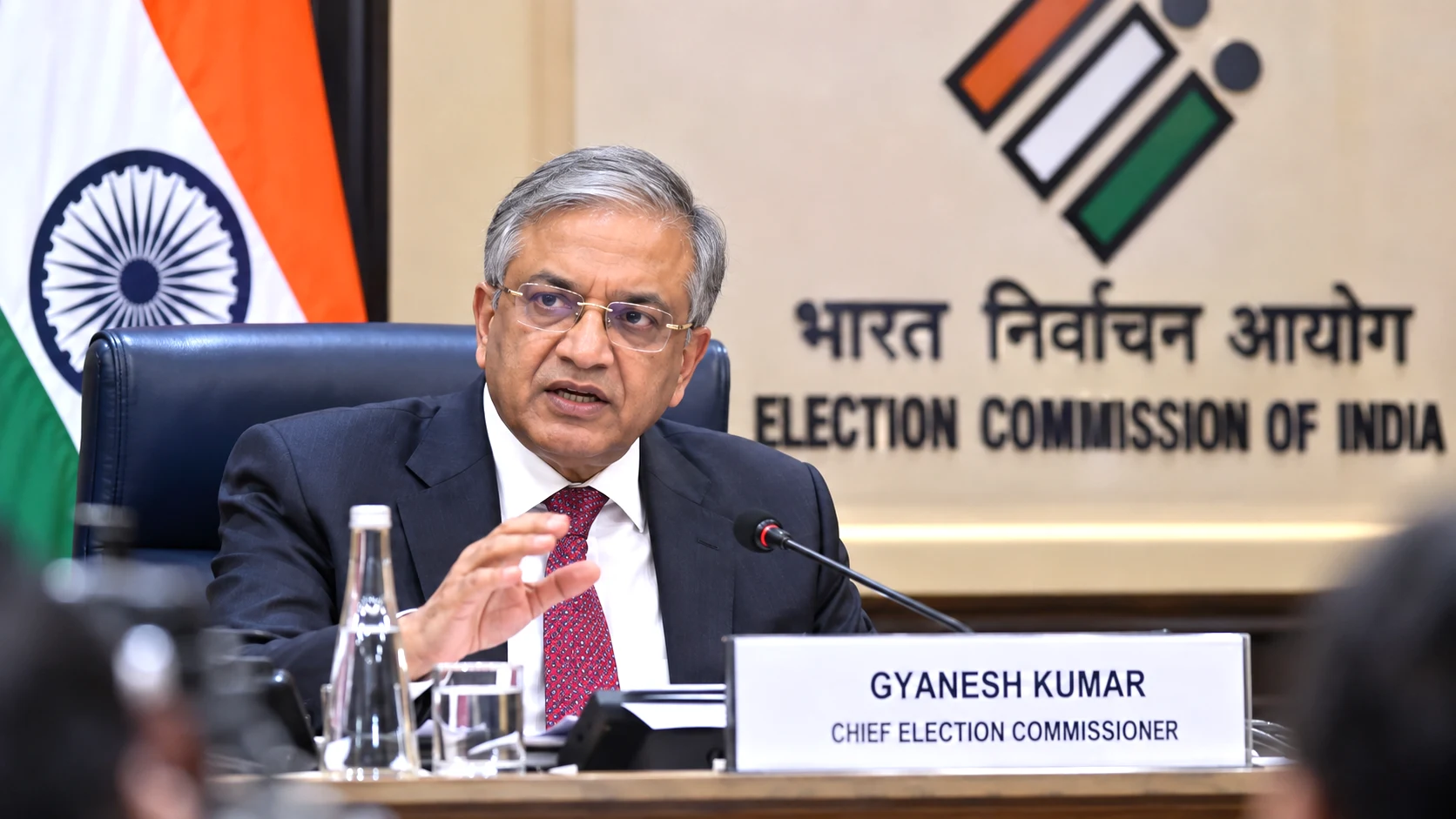
Opposition parties are preparing a fresh parliamentary notice seeking CEC Gyanesh Kumar’s removal amid the SIR controversy. Here is what Article 324 says, how many MPs are needed and why removal requires a high constitutional threshold.
The Election Commission says all final decisions taken by the full Commission over the past year, including SIR-related measures, were unanimous despite reported objections raised during internal deliberations. Here is what the dispute means for voters.
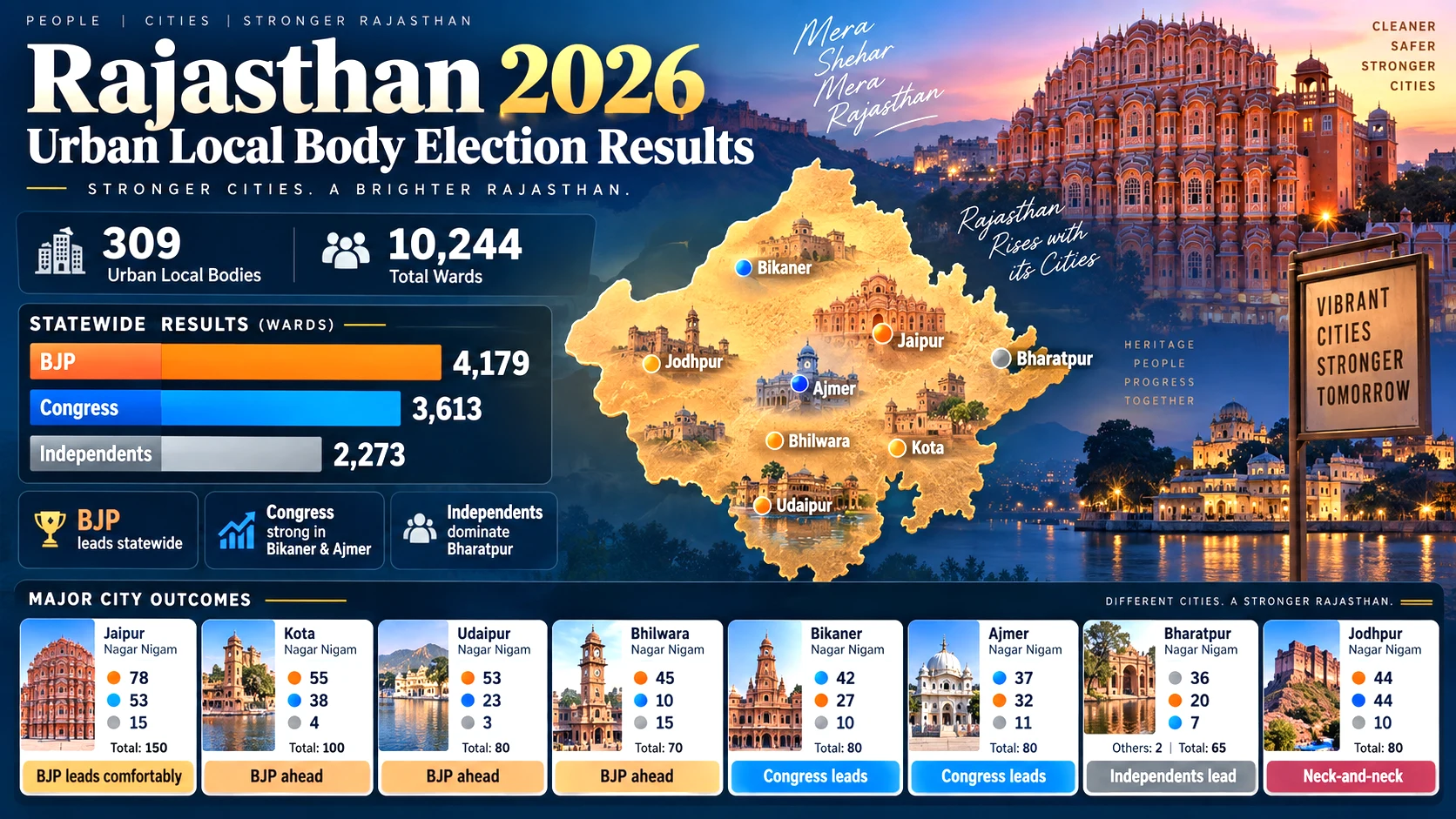
The BJP emerged as the single largest party in Rajasthan’s 2026 urban local body elections, ahead of the Congress, while more than 2,270 Independent victories complicated the picture in Bharatpur, Jodhpur, Ajmer, Pali and other civic bodies.

0 Comments