Supreme Court Split on CEC Appointment Law, Sends Challenge to CJI for Constitution Bench
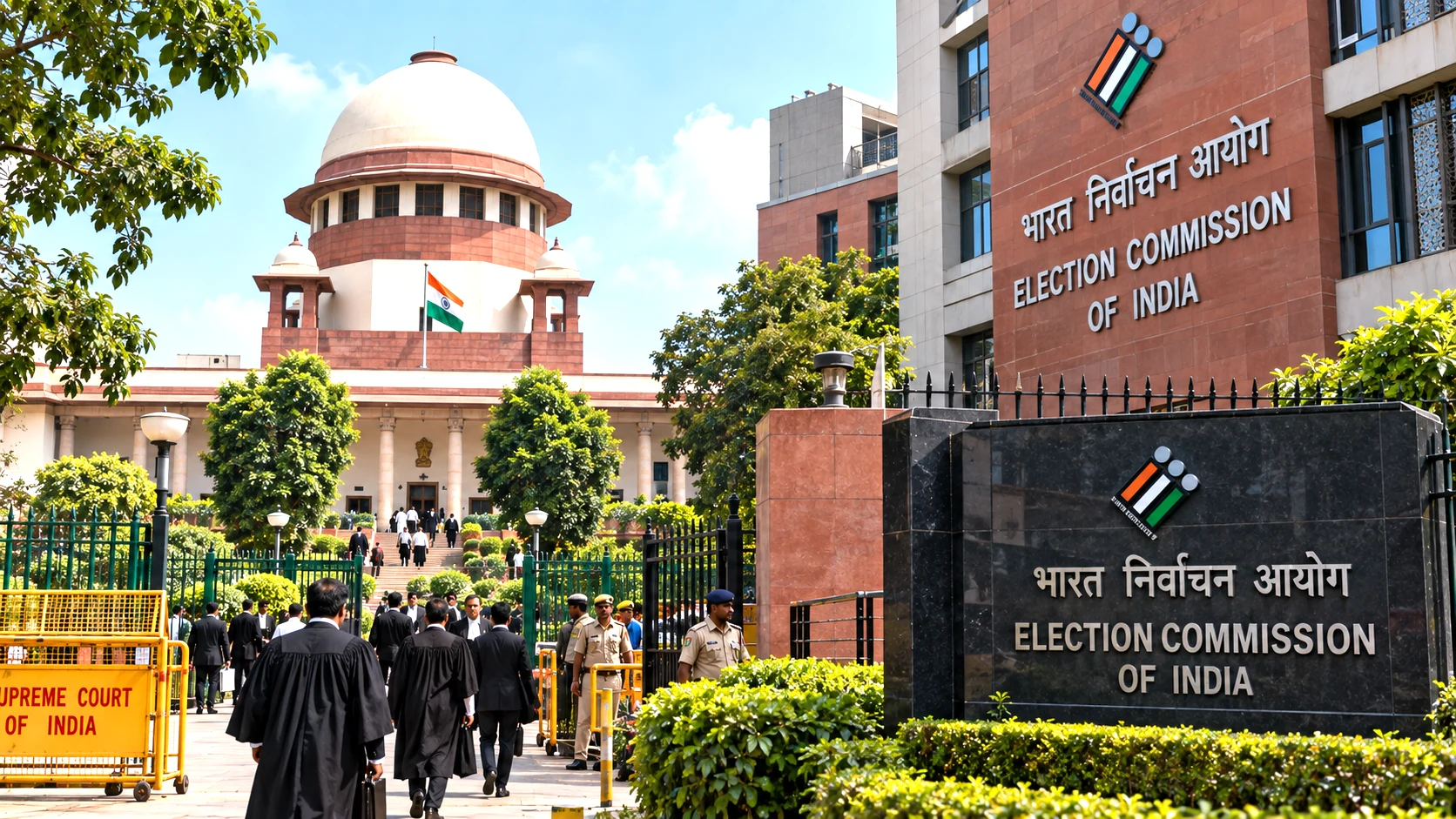
The Supreme Court has delivered differing opinions over whether challenges to the 2023 CEC appointment law require a Constitution Bench. The case now goes to the CJI for consideration of a larger bench, while the law remains in force.
The Supreme Court has moved the constitutional challenge to India's 2023 law governing appointments of the Chief Election Commissioner and Election Commissioners towards a larger-bench hearing after two judges disagreed over whether the case requires consideration by a Constitution Bench.
A bench of Justices Dipankar Datta and Satish Chandra Sharma delivered separate opinions on September 23, 2026, in a batch of petitions led by Dr Jaya Thakur v Union of India.
Recommended Reading
Related Stories & In-Depth Guides
Curated editorial perspectives matching this topic.
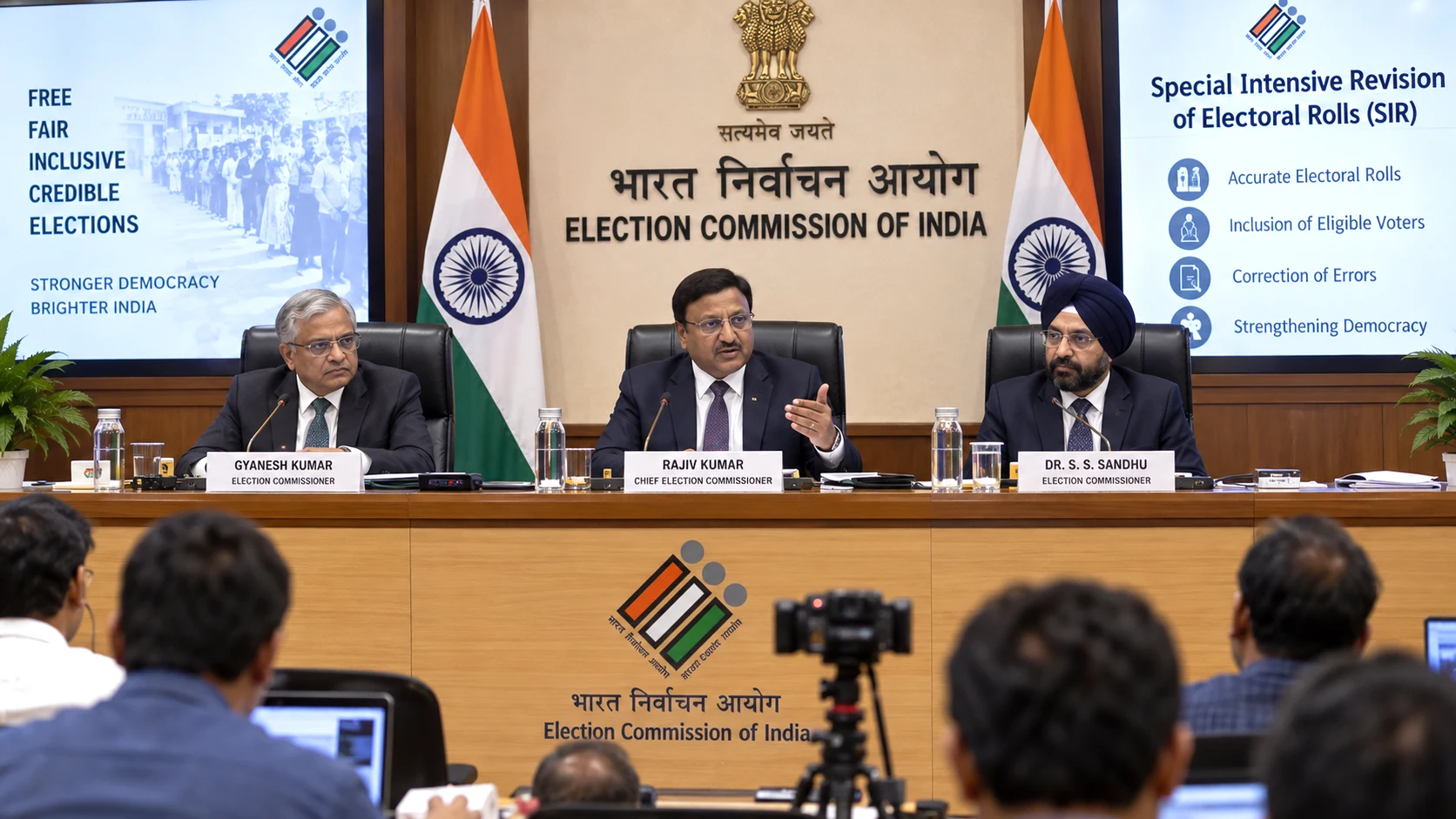
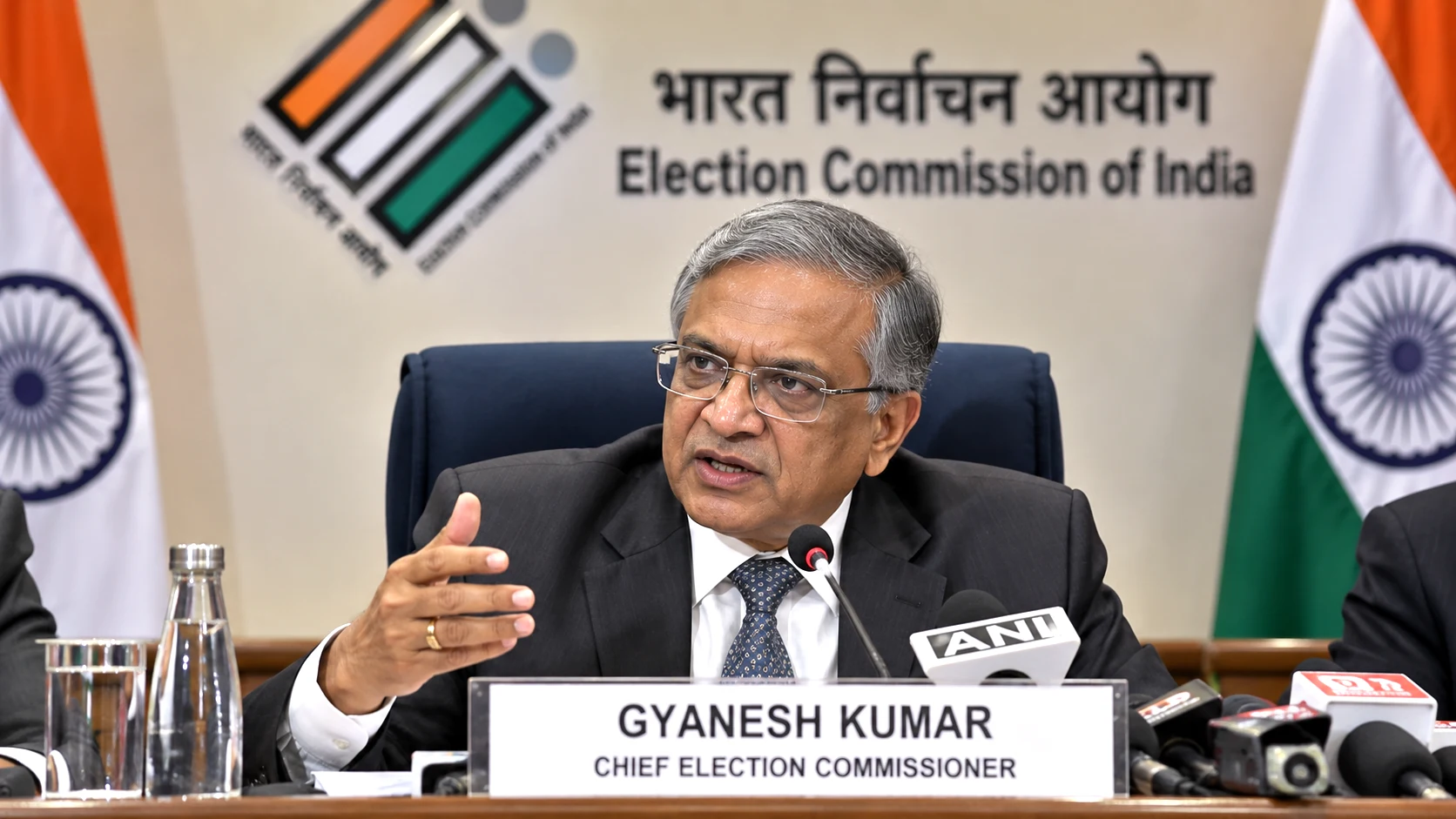
The Election Commission says all final decisions taken by the full Commission over the past year, including SIR-related measures, were unanimous despite reported objections raised during internal deliberations. Here is what the dispute means for voters.
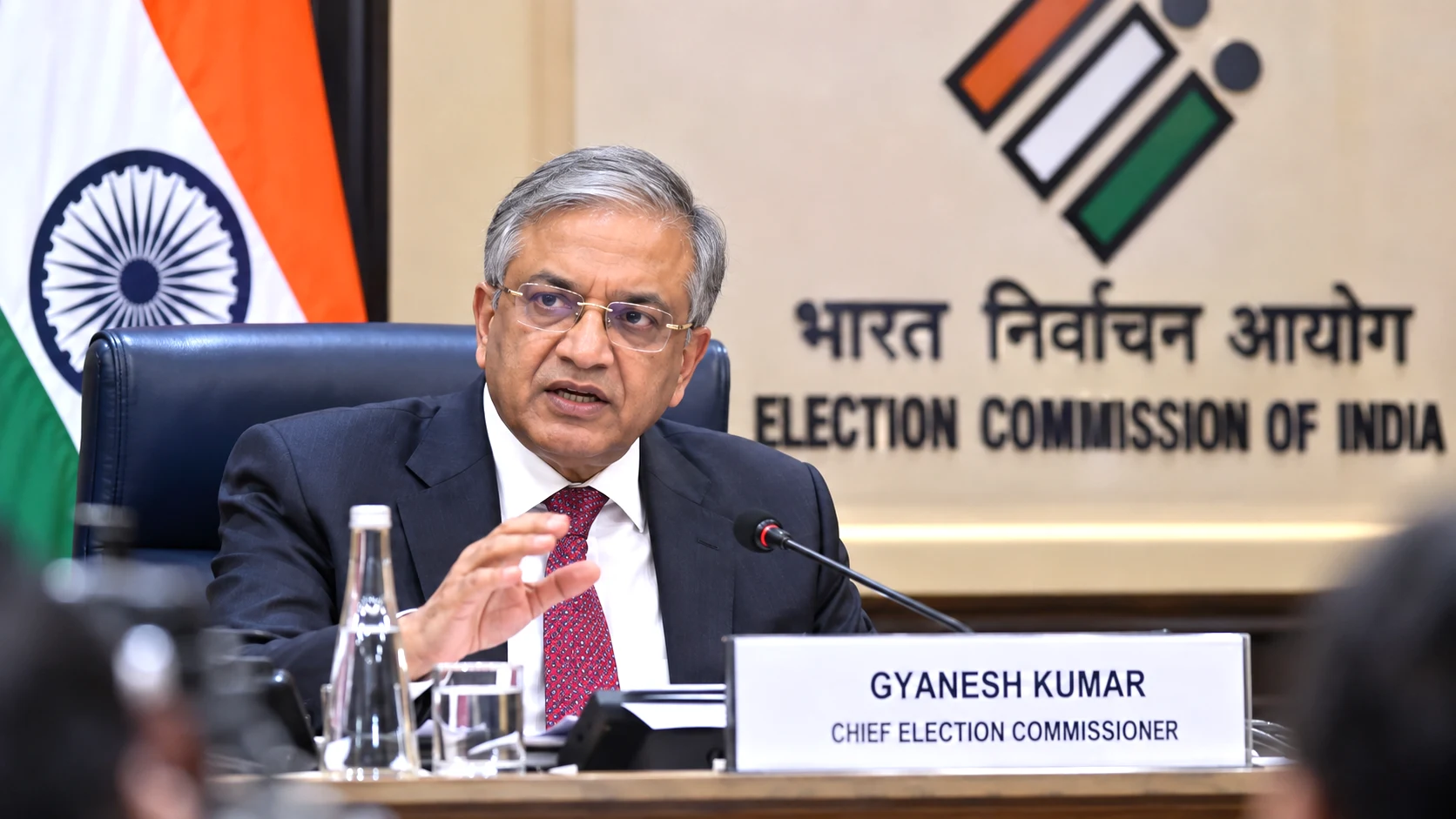
Opposition parties are preparing a fresh parliamentary notice seeking CEC Gyanesh Kumar’s removal amid the SIR controversy. Here is what Article 324 says, how many MPs are needed and why removal requires a high constitutional threshold.
Justice Datta concluded that a five-judge reference was not legally necessary because, in his view, the relevant constitutional principles governing an independent Election Commission had already been settled by earlier Supreme Court precedent.
Justice Sharma disagreed. He held that the validity of the 2023 legislation raises a substantial and previously undecided constitutional question requiring consideration by a Constitution Bench under Article 145(3).
Despite that disagreement, the judges issued a joint direction that the case papers be placed before the Chief Justice of India for consideration of constituting a Constitution Bench to decide the validity of Section 7 and other challenged provisions of the law.
The ruling is significant because it could ultimately determine how much influence the Union executive may constitutionally exercise over appointments to the Election Commission of India.
But the immediate legal position is equally important:
The Supreme Court has neither struck down nor upheld the 2023 appointment mechanism in this judgment.
The law remains operational while the constitutional challenge continues.
Key Points
Justices Dipankar Datta and Satish Chandra Sharma delivered differing opinions on September 23.
Their disagreement concerned whether a Constitution Bench is required, not the final constitutionality of the law.
The challenge principally targets Section 7 of the 2023 Act.
Section 7 creates a selection committee consisting of the Prime Minister, Leader of Opposition in the Lok Sabha and a Union Cabinet Minister nominated by the Prime Minister.
Petitioners argue this structure gives the executive effective control over two of the three seats.
Justice Datta raised serious prima facie concerns about the appearance of Election Commission independence.
Justice Sharma held that the new law raises a substantial constitutional question that should be decided by at least five judges.
The case papers will now go before the CJI for consideration of a Constitution Bench.
The 2023 Act remains in force.
The order does not suspend the ongoing SIR exercises or invalidate Election Commission decisions.
Litigation concerning SIR procedures is separate from the appointment-law case.
What Law Is Being Challenged?
The case concerns the:
Chief Election Commissioner and Other Election Commissioners (Appointment, Conditions of Service and Term of Office) Act, 2023.
Parliament enacted the law in December 2023.
The Act regulates:
selection of the Chief Election Commissioner;
selection of other Election Commissioners;
the search process;
the selection committee;
tenure;
service conditions;
and related Election Commission procedures.
The main constitutional challenge concerns Section 7.
What Does Section 7 Say?
Under Section 7, the President appoints the CEC and Election Commissioners on the recommendation of a three-member Selection Committee consisting of:
Prime Minister — Chairperson
Leader of Opposition in the Lok Sabha — Member
Union Cabinet Minister nominated by the Prime Minister — Member
The statutory text also provides that an appointment does not become invalid merely because of a vacancy or defect in the constitution of the Selection Committee.
This composition is at the heart of the controversy.
Because both the Prime Minister and the Cabinet Minister are members of the Union executive, petitioners argue that the government effectively holds a 2-1 numerical advantage over the Leader of Opposition.
What Other Sections Are Challenged?
The petitions are not limited to Section 7.
The Supreme Court judgment records subsidiary challenges to Sections 6 and 8(2) as well.
Section 6 — Search Committee
Section 6 provides for a Search Committee headed by the Union Law Minister, along with two other members who must be at least of Secretary rank in the Government of India.
Its job is to prepare a panel of five candidates for consideration by the Selection Committee.
Section 8(2) — Candidates Outside Shortlist
Section 8(2) allows the Selection Committee to consider a person who is not included in the five-person panel prepared by the Search Committee.
Petitioners therefore challenge not simply the final three-person appointment panel but the broader structure through which potential Election Commissioners are identified and selected.
Why Is the Chief Justice of India No Longer on the Panel?
That question traces back to the Supreme Court's landmark 2023 judgment in Anoop Baranwal v Union of India.
Before Parliament enacted a law under Article 324(2), appointments to the Election Commission were effectively made by the executive.
In Anoop Baranwal, a five-judge Constitution Bench created an interim arrangement under which appointments would be made on the advice of a committee comprising:
the Prime Minister;
the Leader of Opposition; and
the Chief Justice of India.
That arrangement was expressly intended to operate until Parliament enacted a law.
Parliament subsequently passed the 2023 Act.
Instead of retaining the CJI, the legislation substituted a Union Cabinet Minister nominated by the Prime Minister.
The validity of that substitution is now before the Supreme Court.
What Are the Petitioners Arguing?
The petitioners include Dr Jaya Thakur, the Association for Democratic Reforms, People's Union for Civil Liberties and others.
Their central argument is broader than simply saying the CJI must always sit on the committee.
The September 23 judgment records their submission that the real constitutional problem is executive dominance over appointments to the body responsible for supervising elections.
They rely heavily on the constitutional principle that free and fair elections require an Election Commission that is sufficiently insulated from exclusive executive control.
Their concern is that the government itself contests elections, meaning it should not possess overwhelming influence over appointments to the institution regulating those elections.
Justice Datta: ECI Must Be Independent — and Appear Independent
Justice Dipankar Datta concluded that sending the case to a Constitution Bench was unnecessary because, in his view, Anoop Baranwal and other precedents had already established the relevant constitutional principles.
But his opinion also contained significant prima facie observations about the present appointment structure.
He wrote that free and fair elections depend substantially on a genuinely independent Election Commission and said:
“It is not enough for the ECI to be independent, it must also appear to be independent.”
Justice Datta examined the practical relationship between the Prime Minister and the Cabinet Minister nominated by the Prime Minister.
His concern was that a Cabinet Minister, bound by collective responsibility within the government, may not provide the kind of independent institutional counterweight that a neutral third selector would provide.
He noted that the arrangement can effectively produce a 2-1 position in favour of the executive.
Justice Datta Questions the Opposition Leader's Effective Role
Justice Datta went further in his prima facie analysis.
He observed that if the nominated Cabinet Minister effectively follows the Prime Minister's position, the Leader of Opposition's presence on the committee risks becoming “largely ornamental.”
He said the petitioners' argument that the law gives overwhelming appointment power to the executive and could undermine the appearance of Election Commission independence prima facie appeared to have substance.
These are important judicial observations.
However, they are not a final ruling that Section 7 is unconstitutional.
That distinction should be preserved in headlines and summaries.
Did Justice Datta Strike Down the Law?
No.
Justice Datta opposed referring the matter to a five-judge Constitution Bench, but he did not finally strike down Section 7 in the September 23 order.
His reasoning was that a smaller bench could apply already-settled constitutional principles to determine the validity of the statute.
Because Justice Sharma disagreed on the reference question, the case has instead been sent to the CJI for consideration of a Constitution Bench.
Justice Sharma: Constitution Bench Should Decide
Justice Satish Chandra Sharma took a different approach.
He said the constitutional validity of the 2023 Act has never previously received an authoritative Supreme Court ruling.
According to his opinion, Anoop Baranwal dealt with a constitutional vacuum that existed before Parliament enacted legislation.
The new question is different:
Once Parliament exercised its Article 324(2) power, could it create a selection system without the CJI or another neutral member and still satisfy the constitutional requirement of an independent Election Commission?
Justice Sharma regarded that as a substantial question of constitutional interpretation requiring a Constitution Bench.
He therefore concluded that the validity of Sections 7, 6 and 8 should be considered by a bench of at least five judges.
What Did the Union Government Argue?
The Union government defended Parliament's power to design the appointment process.
According to the Supreme Court judgment, the Attorney General and Solicitor General argued that Anoop Baranwal did not permanently constitutionalise its temporary selection committee.
The government maintained that the PM-LoP-CJI arrangement had been created under Article 142 only to fill the legislative vacuum until Parliament exercised its express power under Article 324(2).
Once Parliament enacted a law, the government argued, that temporary mechanism ceased to have independent force.
It also rejected the proposition that the presence of a Prime Minister and Cabinet Minister automatically demonstrates bias or institutional unfairness.
The Centre relied on principles of constitutional trust and Parliament's legislative authority.
What Exactly Did the Supreme Court Order?
The joint direction is more precise than some breaking-news headlines suggest.
Because the two judges differed, an ordinary procedural route could have involved sending that disagreement to a three-judge bench.
They decided that doing so would only delay adjudication of the larger constitutional dispute.
The joint order therefore directed:
the papers should be placed before the Chief Justice of India to consider the desirability of constituting a Constitution Bench of an appropriate number of judges to decide the validity of Section 7 and other provisions of the 2023 Act.
This is why the most legally precise headline is not simply:
“Supreme Court Strikes Down CEC Law”
or even:
“Five-Judge Bench Has Ruled on CEC Law.”
Neither is true.
The merits remain unresolved.
Has the Constitution Bench Already Ruled?
No.
A Constitution Bench has not yet decided whether the law is valid.
The next administrative step is constitution of the appropriate larger bench and listing of the matter.
The substantive constitutional arguments will then have to be heard.
Is the 2023 CEC Appointment Law Still Valid?
Yes, for now.
The September 23 judgment does not suspend or invalidate the legislation.
The current statutory selection mechanism therefore continues to operate unless and until the Supreme Court issues a different order or Parliament changes the law.
The Supreme Court had also declined to stay the appointment framework during earlier proceedings in 2024 while the challenge remained pending.
Does This Remove the Current CEC or Election Commissioners?
No.
The September 23 order does not automatically remove the current Chief Election Commissioner or other Election Commissioners.
Nor does it declare appointments already made under the Act void.
The larger bench will first have to decide the constitutional questions before the Court.
Any consequences for past or future appointments would depend on the eventual judgment and the relief, if any, granted by the Supreme Court.
Does the Split Verdict Stop SIR?
No.
This point is especially important because the Election Commission is simultaneously facing litigation over the Special Intensive Revision, or SIR, of electoral rolls.
The September 23 CEC appointment judgment does not suspend the SIR process.
The appointment-law proceedings concern how the CEC and Election Commissioners are selected.
SIR litigation concerns the Election Commission's exercise of its electoral-roll powers and procedures.
They are legally distinct cases.
In separate proceedings concerning the Delhi SIR, the Supreme Court recently questioned the manner in which some “logical discrepancy” notices had been issued and sought the Election Commission's response.
Nothing in the September 23 appointment-law order states that those SIR proceedings are cancelled or that Election Commission actions automatically become invalid.
Why SIR Is Still Relevant to the Political Context
Although the cases are legally separate, their timing explains why the appointment-law ruling is drawing heightened political and public attention.
The Election Commission is currently under scrutiny in multiple proceedings over electoral-roll administration.
At the same time, the Supreme Court is examining the constitutional structure through which Election Commissioners themselves are appointed.
That overlap increases public interest in broader questions such as:
institutional independence;
transparency;
accountability;
electoral-roll procedures;
and public confidence in election administration.
But a news article should not merge the legal issues.
A procedural concern in an SIR case does not prove the appointment law is unconstitutional, and a challenge to the appointment law does not by itself invalidate SIR.
What Is Article 324?
Article 324 of the Constitution vests the Election Commission with the superintendence, direction and control of elections.
Article 324(2) provides for appointment of the Chief Election Commissioner and other Election Commissioners by the President, subject to any law made by Parliament.
That phrase — Parliament's authority to make a law — lies at the centre of the present dispute.
The Constitution Bench will effectively have to consider how that legislative power interacts with the wider constitutional requirements of:
free and fair elections;
Election Commission independence;
institutional neutrality;
and the basic structure of constitutional democracy.
Why Article 145(3) Matters
Article 145(3) requires at least five Supreme Court judges to hear a case involving a substantial question of law as to the interpretation of the Constitution.
Justice Sharma believes the new challenge meets that threshold.
Justice Datta believes it does not because, according to his analysis, the necessary constitutional principles have already been interpreted and only their application to the 2023 law remains.
That disagreement explains the split.
It is therefore inaccurate to describe the judges as having reached opposite conclusions about whether the Election Commission is independent.
Their formal disagreement concerned the need for a larger bench.
What Could the Constitution Bench Ultimately Decide?
Several possible outcomes remain open.
A future Constitution Bench could:
uphold the existing statutory mechanism;
invalidate all or part of Section 7;
invalidate related provisions such as Sections 6 or 8(2);
uphold the law while prescribing safeguards;
or reach another constitutionally permissible formulation.
It could also determine whether the Constitution requires a neutral or non-executive counterweight in the appointment process without necessarily holding that the CJI must always occupy that role.
At present, none of those outcomes can be predicted as settled law.
Does the Constitution Require the CJI on the Committee?
That is one of the most misunderstood aspects of the dispute.
The petitioners' case is not uniformly that the Constitution expressly requires the Chief Justice of India to sit on the committee forever.
The September judgment records that some petitioners focus instead on the broader problem of executive dominance.
The eventual constitutional question may therefore be wider:
Does Election Commission independence require some meaningful neutral check on executive power during appointments?
That is different from saying only the CJI can perform that function.
Why the 2023 Anoop Baranwal Judgment Matters
Anoop Baranwal established two different ideas that now have to be carefully separated.
First, it laid down broader reasoning about the importance of Election Commission independence and free and fair elections.
Second, it created the PM-LoP-CJI committee as a temporary solution until Parliament legislated.
The current dispute is partly about the relationship between those two aspects.
The government emphasises that the specific committee was temporary.
The challengers emphasise that the constitutional principles underlying the judgment continue to constrain any legislation Parliament adopts.
The larger bench will have to determine where that boundary lies.
Supreme Court Also Raises Concern About Delayed Constitution Bench Cases
The joint order contained another notable institutional observation.
The two judges pointed to long delays in the resolution of important constitutional references.
They noted that the litigation ultimately decided in Anoop Baranwal began in 2015, was referred to a Constitution Bench in 2018 and received its final Constitution Bench judgment only in 2023.
The judges therefore requested the Chief Justice of India to explore the need for a permanent five-judge bench for pure constitutional questions.
That request is separate from the Election Commission dispute but could have wider implications for how the Supreme Court manages major constitutional cases.
What Happens Next?
The immediate process is expected to involve:
the case papers being placed before the Chief Justice of India;
consideration of the size and composition of an appropriate Constitution Bench;
listing of the petitions;
arguments by the petitioners and Union government;
consideration of Sections 6, 7 and 8(2);
interpretation of Articles 324 and 145;
examination of the legal effect of Anoop Baranwal;
and eventually a ruling on the constitutional validity of the appointment framework.
No final date for a Constitution Bench decision follows automatically from the September 23 order.
Latest Verified Position
As of September 24, 2026:
A Supreme Court bench of Justices Dipankar Datta and Satish Chandra Sharma has delivered differing opinions in the CEC/EC appointment-law case.
Justice Datta said a Constitution Bench reference was not necessary.
Justice Sharma said the constitutional challenge should be decided by a Constitution Bench of at least five judges.
Both judges agreed to place the papers before the CJI rather than first send their disagreement to a three-judge bench.
The challenge principally concerns Section 7, with Sections 6 and 8(2) also questioned.
Section 7's committee consists of the Prime Minister, Leader of Opposition and a Cabinet Minister nominated by the Prime Minister.
Justice Datta raised prima facie concerns about executive dominance and said the ECI must not only be independent but also appear independent.
The Supreme Court has not declared the law unconstitutional.
The Act remains operational pending further proceedings.
The ruling does not itself suspend SIR or invalidate Election Commission actions.
Separate litigation over Delhi SIR procedures continues on its own legal track.
Frequently Asked Questions
Did the Supreme Court strike down the CEC appointment law?
No. The Court has not yet ruled finally on its constitutional validity.
What was the split verdict about?
Justice Dipankar Datta and Justice Satish Chandra Sharma disagreed over whether the challenge should be heard by a Constitution Bench.
Who appoints the Chief Election Commissioner under the 2023 law?
The President makes the appointment on the recommendation of a committee comprising the Prime Minister, Leader of Opposition in the Lok Sabha and a Union Cabinet Minister nominated by the Prime Minister.
Why is the law controversial?
Petitioners argue that giving two of the three committee positions to members of the executive gives the government excessive influence over appointments to an institution that must independently supervise elections.
What did Justice Dipankar Datta say?
Among his prima facie observations, Justice Datta said it is not enough for the Election Commission to be independent; it must also appear independent.
Did Justice Datta declare Section 7 unconstitutional?
No. His observations were not a final judgment striking down Section 7.
Why did Justice Sharma want a Constitution Bench?
He considered the validity of the new 2023 statutory framework a substantial and previously undecided constitutional question requiring a bench of at least five judges.
Is the CJI currently part of the CEC selection committee?
No. Under Section 7 of the 2023 law, the third member is a Cabinet Minister nominated by the Prime Minister rather than the Chief Justice of India.
Does this judgment stop the SIR process?
No. This case deals with appointment of Election Commissioners. SIR challenges concern electoral-roll procedures and are being considered separately.
Will current Election Commissioners lose their posts?
The September 23 order does not remove them or invalidate their appointments.
What happens next?
The case papers go to the Chief Justice for consideration of constituting an appropriate Constitution Bench to decide the validity of the challenged provisions.
Bottom Line
The Supreme Court has delivered a split opinion on whether challenges to the 2023 CEC appointment law require a Constitution Bench. Justices Datta and Sharma disagreed on the need for a larger bench and directed that the papers be placed before the CJI.
The law remains in force. The Court has neither struck it down nor upheld it. The larger bench will decide the constitutional questions, including the validity of Section 7’s selection committee structure.
Key Takeaway
SC judges split on need for Constitution Bench.
CEC appointment law remains operational.
Case papers go to CJI for larger-bench consideration.
The Rajatheertha Team publishes news, explainers, guides and updates across India and the world. Our coverage follows Rajatheertha's editorial, verification and corrections standards.
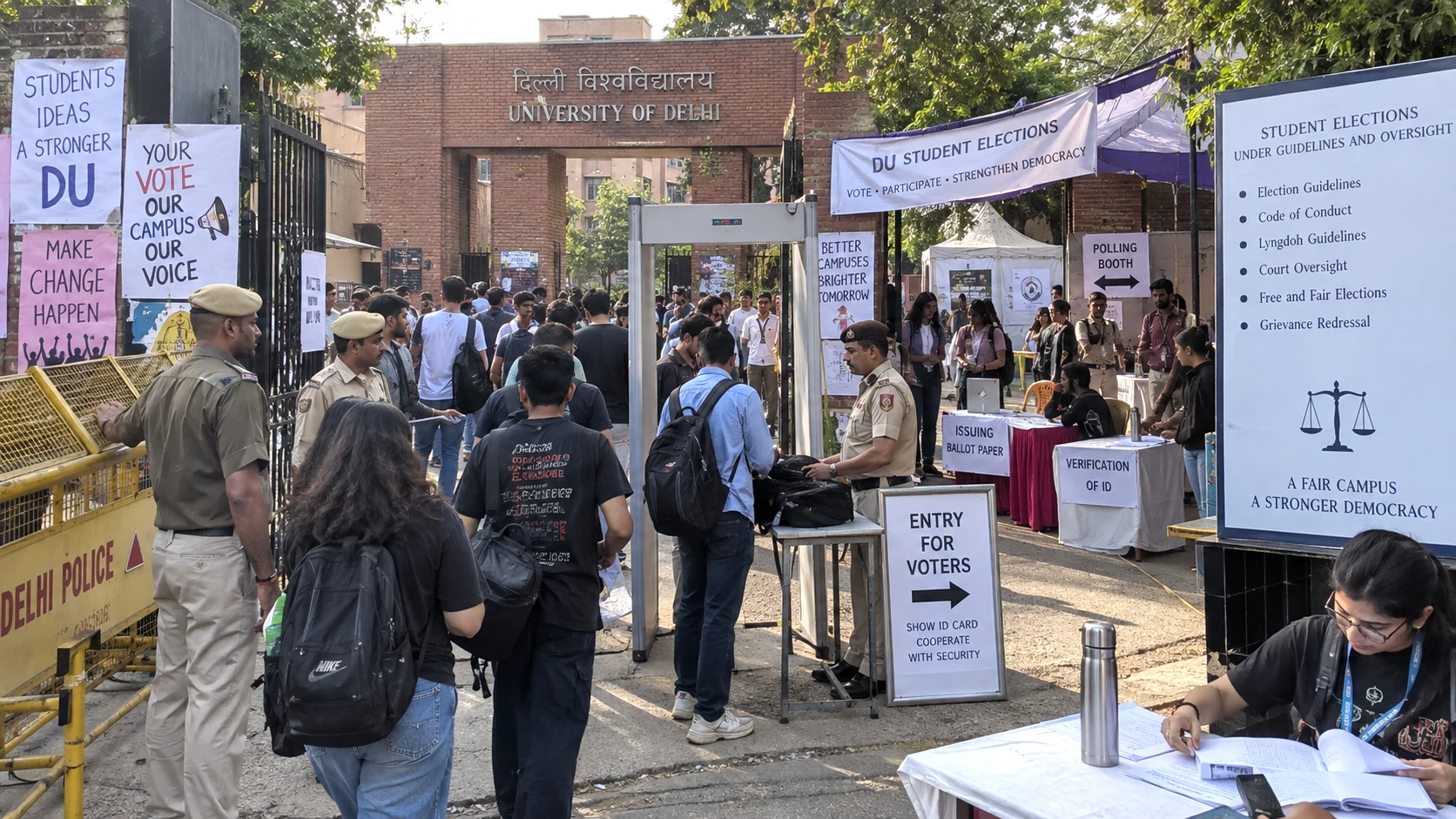
More than 1.51 lakh Delhi University students are eligible to vote for four DUSU posts on September 18. Over 2,000 police and paramilitary personnel have been deployed, while the Delhi High Court has sought reports on alleged campaign violence and election-code violations before deciding whether fur
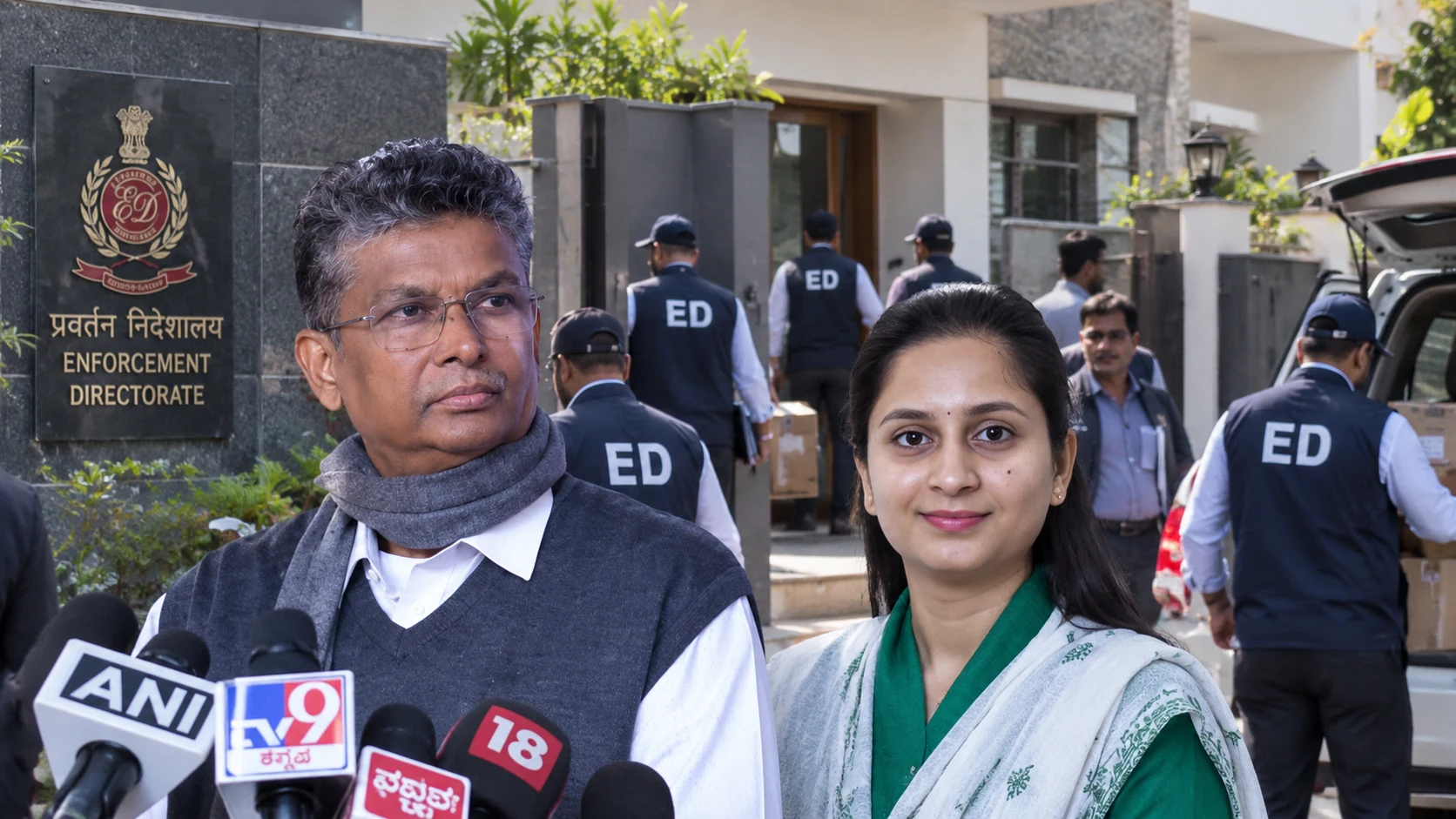
Opposition parties have intensified calls for CEC Gyanesh Kumar’s removal after a report said two Election Commissioners raised repeated objections over SIR and electoral-roll decisions. Some leaders have also demanded his arrest, while the ECI says all final decisions were unanimous.
President Donald Trump announced the restrictions on September 18, accusing the three outlets of publishing what he called “fake news”; journalists from all three organizations were turned away from the White House the following day.
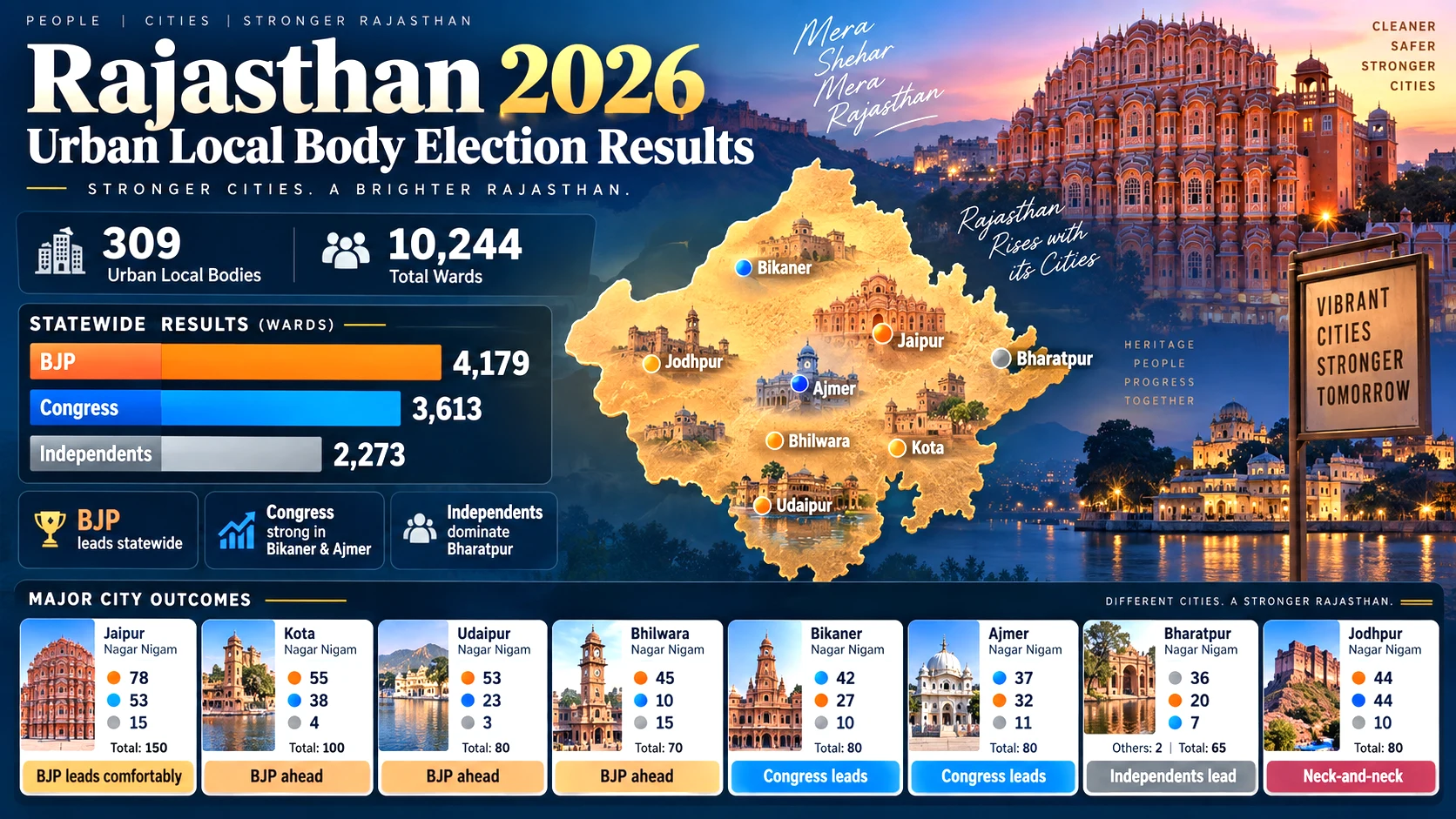
The BJP emerged as the single largest party in Rajasthan’s 2026 urban local body elections, ahead of the Congress, while more than 2,270 Independent victories complicated the picture in Bharatpur, Jodhpur, Ajmer, Pali and other civic bodies.
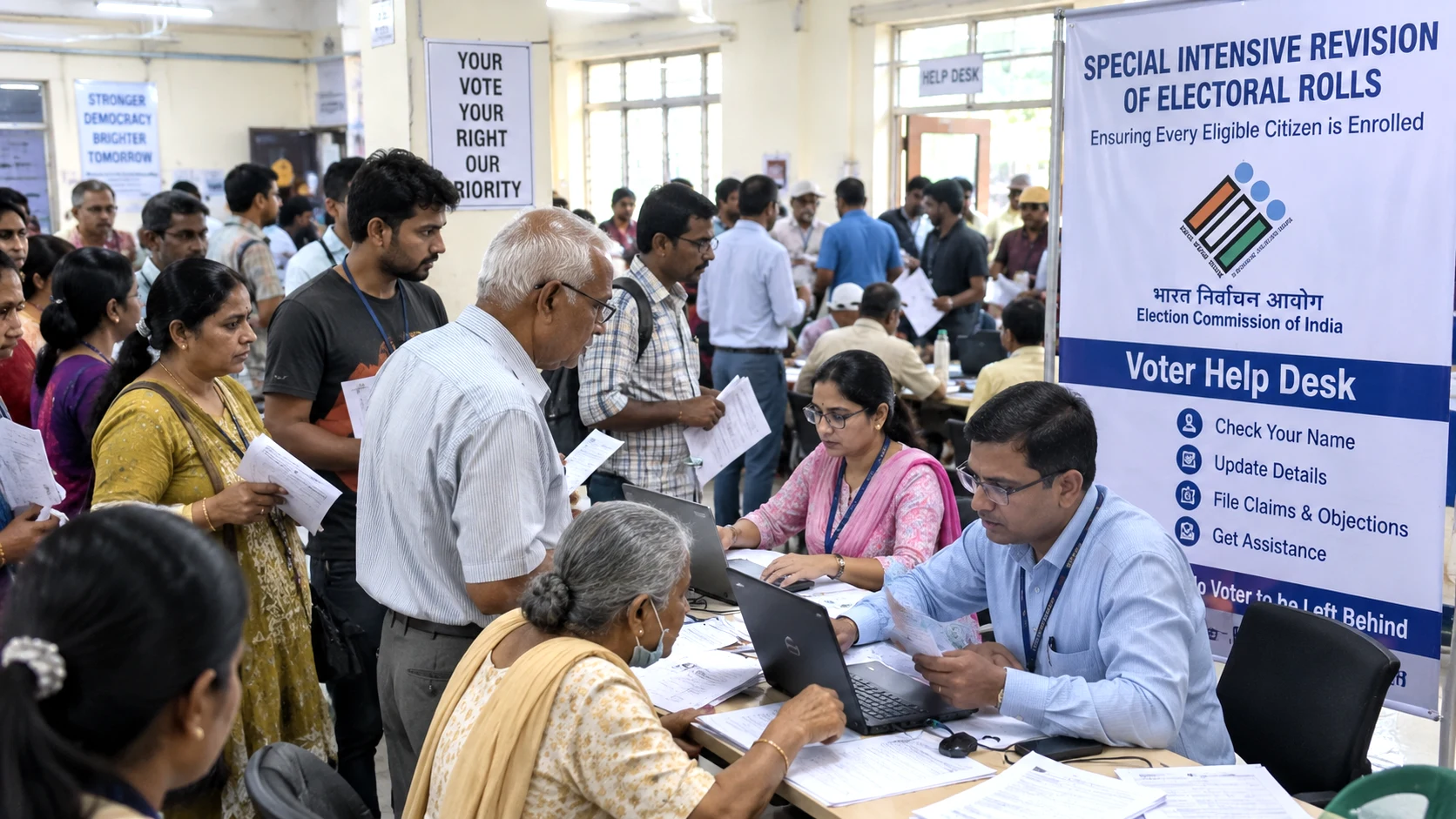
Receiving a Delhi SIR notice does not automatically remove a voter from the electoral roll, the CEO's office has clarified. Voters can respond, submit documents and receive a hearing before any decision is taken.
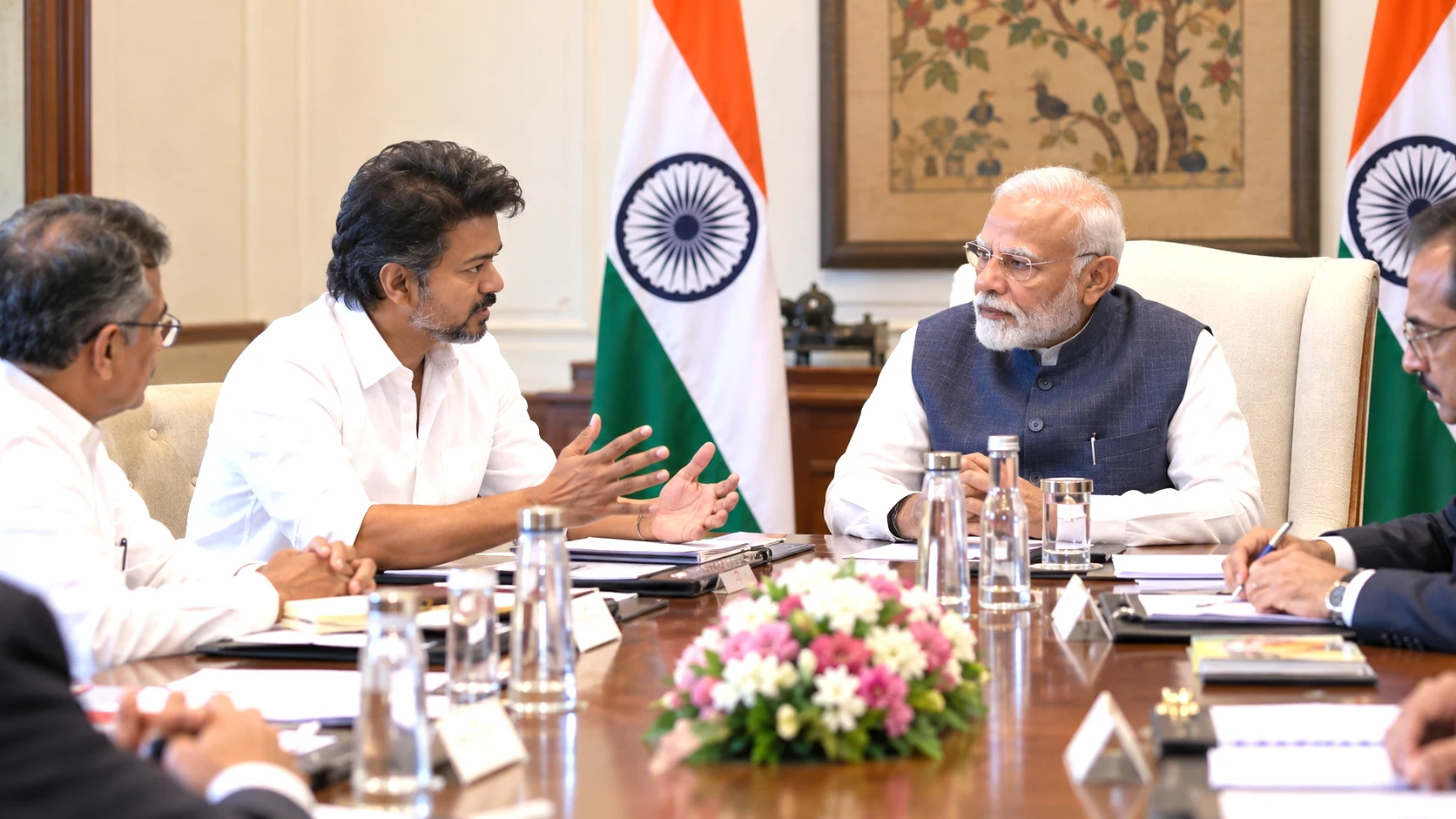
Tamil Nadu Chief Minister C Joseph Vijay's first official meeting with Prime Minister Narendra Modi focused on issues ranging from Mekedatu and fishermen to state funds and Tamil identity. With the two leaders expected to share a Chennai stage on October 11, here is what the meetings mean politicall



0 Comments