Election Commission Says All Final SIR Decisions Were Unanimous After Reported Internal Objections
The Election Commission says all final decisions taken by the full Commission over the past year, including SIR-related measures, were unanimous despite reported objections raised during internal deliberations. Here is what the dispute means for voters.
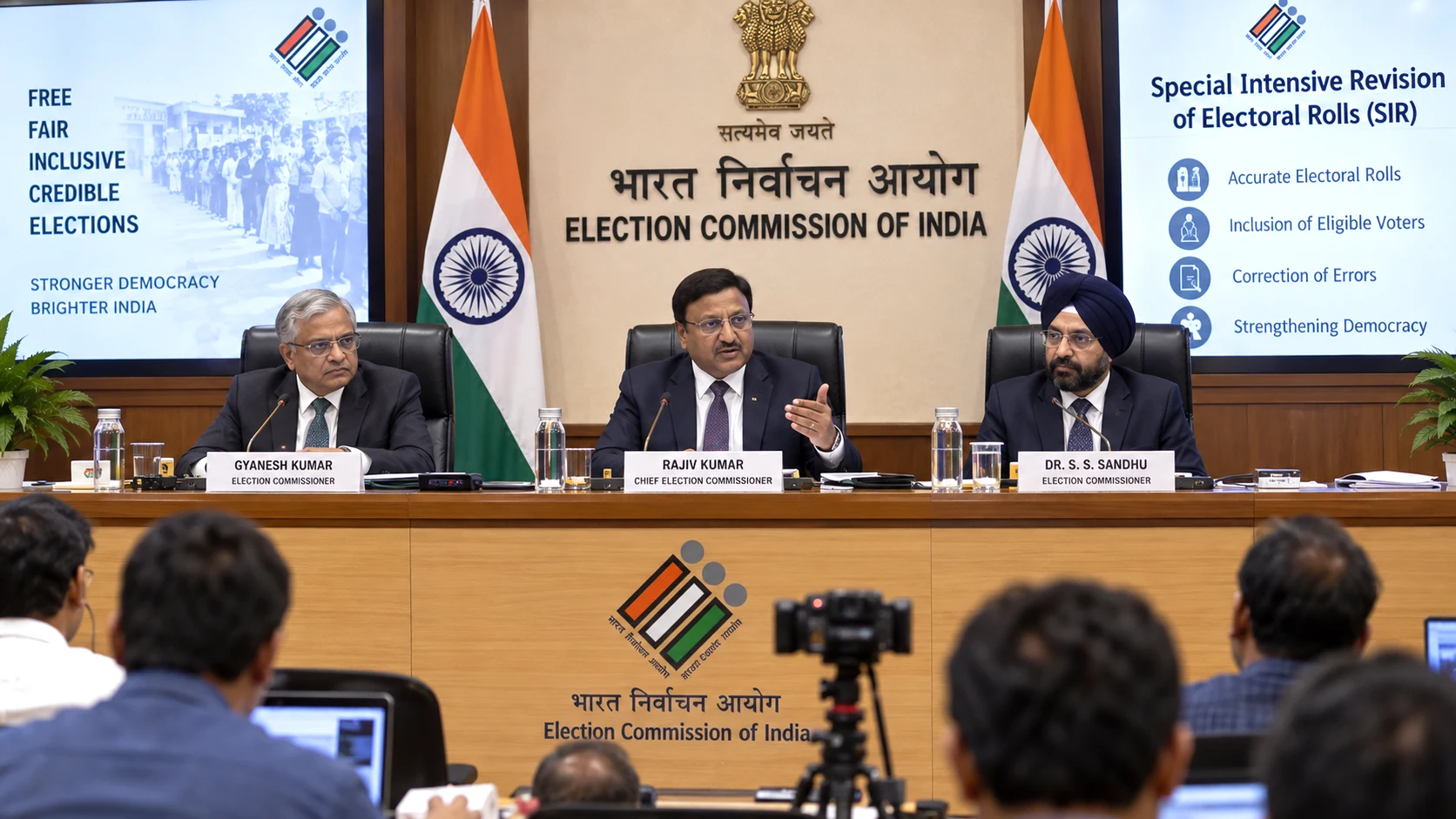
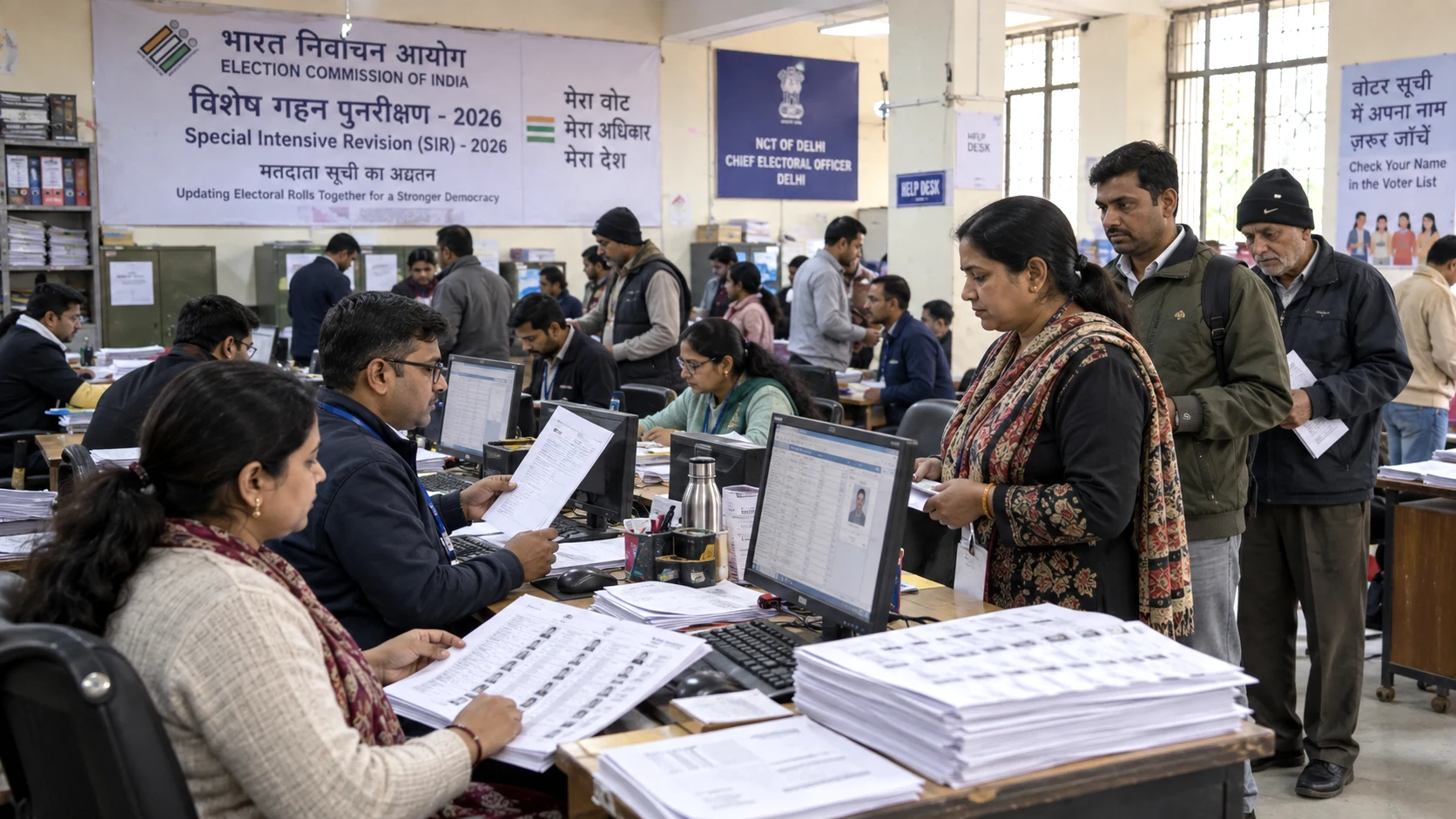
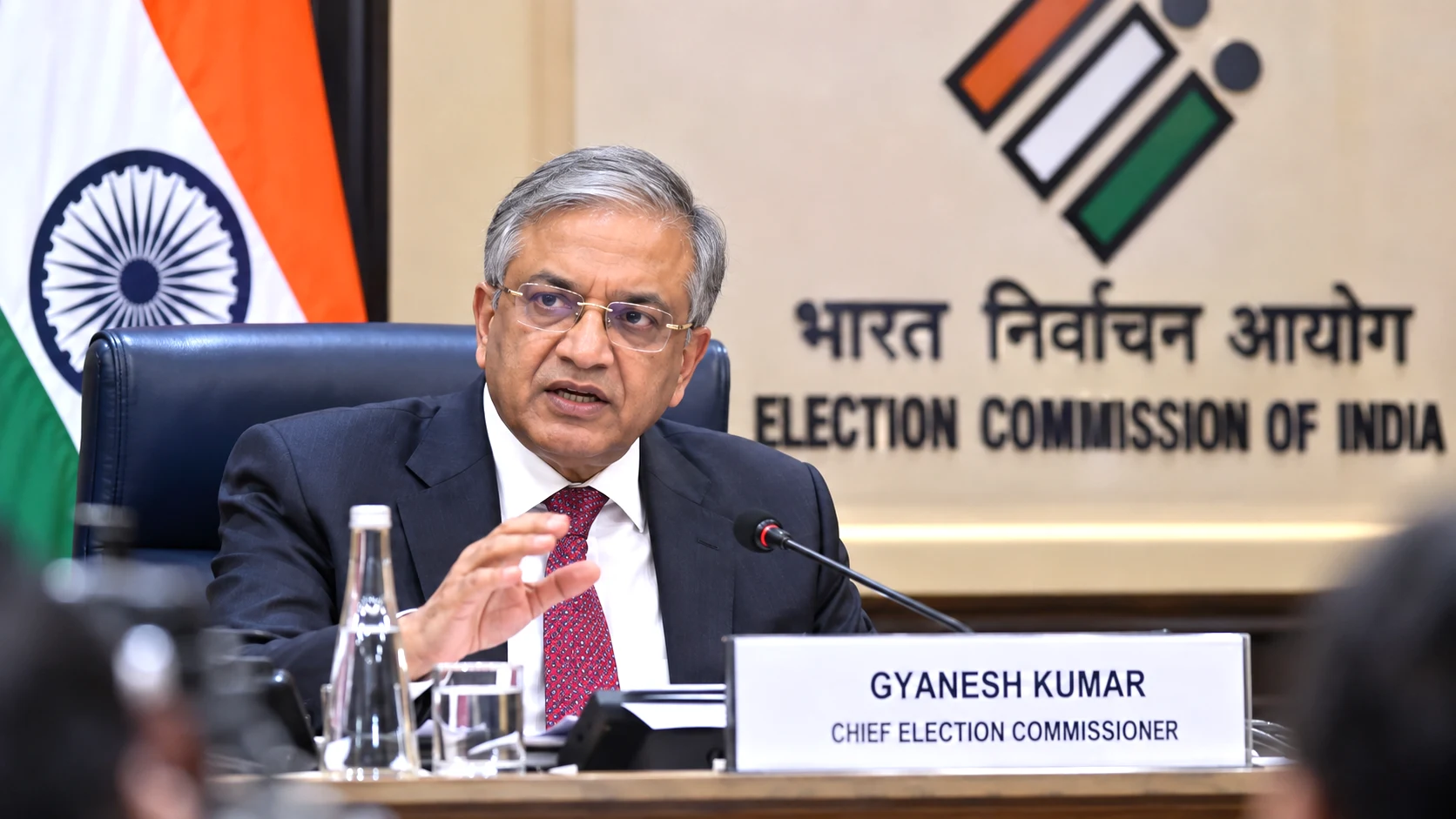
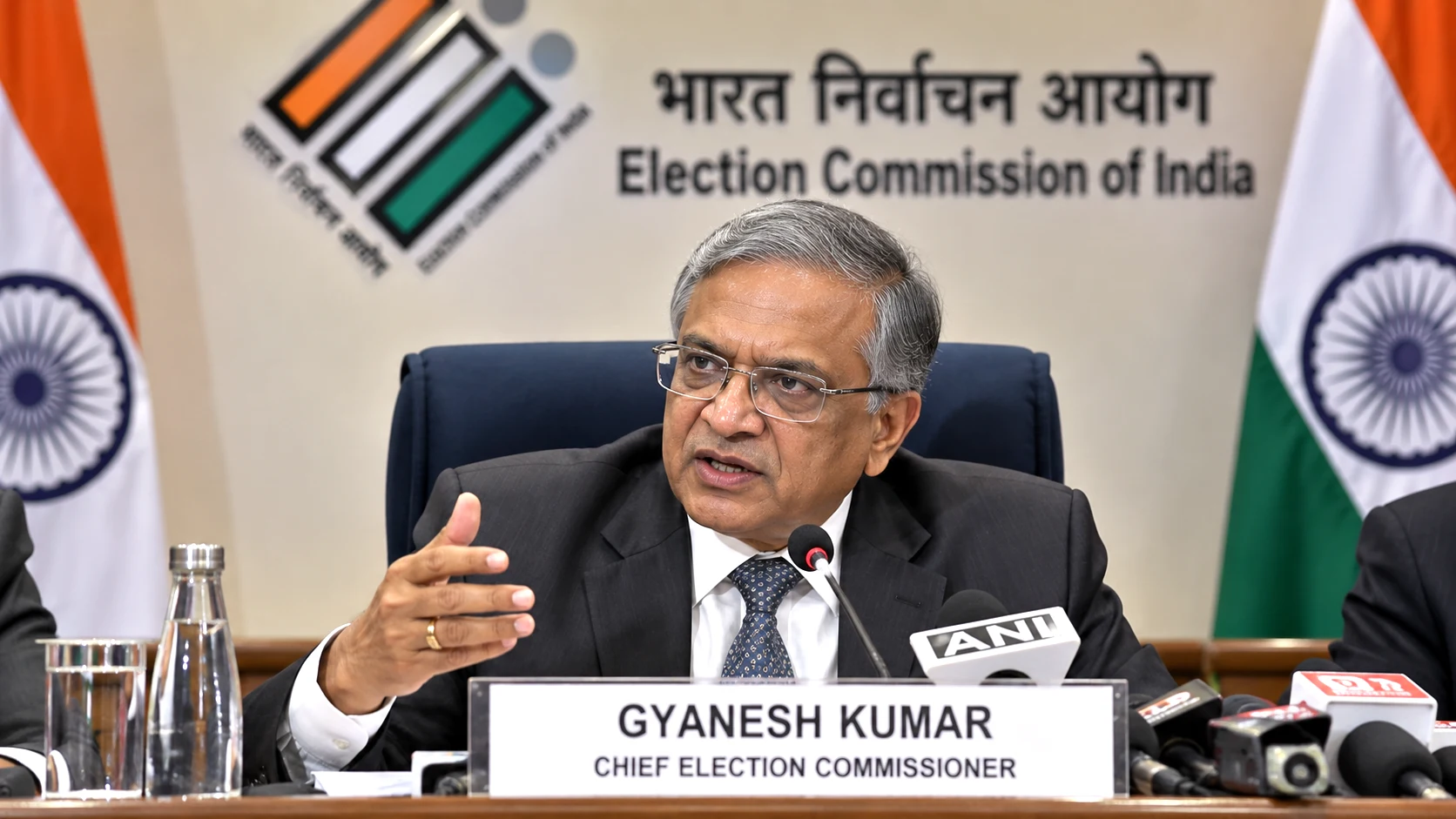
Election Commission of India officials amid debate over internal deliberations on the Special Intensive Revision of electoral rolls
Table of Contents (27 sections)
The Election Commission of India has said that its final decisions over the past year—including decisions concerning the Special Intensive Revision, or SIR, of electoral rolls—were taken unanimously by the full three-member Commission, after a newspaper investigation reported repeated internal objections from two Election Commissioners.
The clarification does not mean that no differences were raised during the decision-making process.
Instead, the Commission said that written notes, observations, technical suggestions and differing views are a normal part of internal deliberations before a final institutional decision is reached. It described such exchanges as part of the checks and balances of a multi-member constitutional body.
Recommended Reading
Related Stories & In-Depth Guides
Curated editorial perspectives matching this topic.
LK Advani, Jagdeep Dhankhar, S Jaishankar and several other prominent Delhi voters have had their SIR records verified and reserved for inclusion in the final electoral roll. Here is what “cleared” means and what ordinary voters should do before key deadlines.
The Supreme Court has delivered differing opinions over whether challenges to the 2023 CEC appointment law require a Constitution Bench. The case now goes to the CJI for consideration of a larger bench, while the law remains in force.
The controversy followed an investigation by The Indian Express, which reported that Election Commissioners Sukhbir Singh Sandhu and Vivek Joshi had recorded objections at least 14 times over about 10 months concerning issues including voter registration, deletion and restoration of names, Form 6, electoral-roll software and access to voter databases.
The two accounts therefore need to be understood separately:
the investigation reports substantial concerns and objections during internal deliberations;
the Election Commission says the final decisions ultimately taken by the full Commission were unanimous.
Those statements are not necessarily mutually exclusive.
Key Takeaways
ECI says final decisions over the past year were unanimous.
Reported internal objections by two Commissioners form part of deliberations.
SIR process continues under existing orders.
Voters should still check and update their electoral-roll status.
Unanimity does not mean no differences were raised during discussion.
Legal framework allows majority decisions when members differ.
What Exactly Did the Election Commission Say?
In its September 23 response, the Election Commission said differing views and observations were a normal part of institutional deliberation and were part of the process that occurs before a final decision is taken.
The Commission said the suggestions offered by Commissioners were intended to improve electoral processes and that internal notes, technical observations and checks and balances form part of its regular functioning.
It further said that during the past year the Commission had:
taken numerous decisions;
issued instructions;
introduced dozens of initiatives;
undertaken electoral reforms; and
conducted electoral-roll revisions, including SIR.
According to the Commission, these final decisions were the outcome of unanimous decisions of the full Commission.
That is the central claim in the ECI's clarification.
Did the Election Commission Say There Were No Differences?
No.
This distinction is important.
The Commission did not say that every Commissioner held identical views throughout every stage of discussion.
Its response expressly acknowledged that differing views, observations and suggestions may arise while issues are being considered.
The Commission's argument is that these differences occurred within the deliberative process and that, once final decisions were reached, the full Commission acted unanimously.
Therefore, a headline saying “Election Commission denies any internal disagreement” would overstate its position.
A more precise formulation is:
The Election Commission says internal differences formed part of deliberations, while final decisions were unanimous.
What Did the Investigation Report?
The Indian Express investigation reported that Commissioners Sukhbir Singh Sandhu and Vivek Joshi raised formal objections on at least 14 occasions over approximately 10 months.
According to the report, the concerns involved several core areas of electoral-roll administration, including:
registration of new voters;
deletion of voter names;
restoration of names;
changes involving Form 6;
appeals relating to electoral-roll decisions;
control and access involving electoral-roll databases;
ECINet and related digital infrastructure; and
allocation of responsibility over election-information systems.
The report said some written objections alleged that particular steps had been taken without the Commissioners' knowledge or contrary to their advice.
Those are findings reported by the newspaper based on internal notes and correspondence it said it had reviewed.
They should not be presented as judicial findings or independently established violations.
What Was the Form 6 Dispute?
Form 6 is the form used by eligible Indian citizens seeking registration as new voters.
The investigation reported concerns about a question added to the digital Form 6 process asking applicants about whether they or specified relatives appeared in the electoral roll from an earlier SIR.
According to the report, Commissioner Vivek Joshi recorded that Form 6 could not be altered without following the process required under the Registration of Electors Rules, while Sukhbir Singh Sandhu subsequently raised related objections.
The Election Commission's September 23 clarification broadly defended the legality of its official actions but did not publicly provide a point-by-point answer to every reported internal note.
The Commission said its official orders, decisions and administrative directions carry legal sanction and follow statutory procedures.
What Were the Concerns About Electoral-Roll Software?
Another issue reported by The Indian Express involved access to and management of the technology used for electoral rolls.
The report said Commissioners raised concerns that control was becoming increasingly centralised and that statutory field officers did not always have the level of access they believed was necessary.
It also reported objections relating to changes in allocation of responsibility for the Commission's IT systems.
The Election Commission, in response, said its digital platforms operate under security protocols intended to prevent unauthorised tampering and that Electoral Registration Officers and District Election Officers continue to function according to their statutory powers.
These remain two different descriptions of the underlying issue: the reported internal concerns and the Commission's institutional response.
What Does the Law Say About Disagreements Inside the Election Commission?
The legal framework is particularly relevant to the controversy.
Section 18 of the Chief Election Commissioner and Other Election Commissioners (Appointment, Conditions of Service and Term of Office) Act, 2023 deals with how the Commission transacts its business.
The law says that Commission business should, as far as possible, be conducted unanimously.
If the Chief Election Commissioner and Election Commissioners differ on a matter, the issue is to be decided according to the opinion of the majority.
The Commission currently has three members:
Chief Election Commissioner Gyanesh Kumar;
Election Commissioner Sukhbir Singh Sandhu; and
Election Commissioner Vivek Joshi.
The legal framework therefore expressly recognises that disagreement can occur inside the Commission.
A disagreement during deliberation does not by itself invalidate a decision.
The key legal questions would depend on matters such as what constituted the final decision, whether the full Commission considered it where required, and whether statutory procedures were followed.
Does “Unanimous Final Decision” Contradict Earlier Objections?
Not automatically.
A Commissioner can raise objections during drafting, seek changes and ultimately agree with a revised final proposal.
For example, an initial proposal could be:
circulated internally;
questioned by one or more Commissioners;
modified after discussion;
reconsidered by the full Commission; and
ultimately approved unanimously.
In that situation, both statements would be true:
there were significant internal objections, and
the final decision was unanimous.
However, the current public record does not by itself resolve every question about how each of the reported objections was handled.
The Election Commission says the final decisions were unanimous.
The investigation says some objections concerned actions that Commissioners believed had already been taken without their knowledge.
That distinction is likely to remain central to the political and institutional debate.
Did ECI Deny the 14 Internal Notes?
The Election Commission's response did not dispute that internal notes and observations existed.
It characterised such material as part of the normal process of deliberation and institutional checks and balances.
The Indian Express subsequently reported that the Commission had not disputed the existence, dates or contents of the 14 notes described in its investigation.
The Commission's disagreement is principally with the interpretation that those internal exchanges demonstrate that its final institutional decisions lacked consensus.
Why Is SIR Politically Sensitive?
The Special Intensive Revision is a large-scale process for reviewing and updating electoral rolls.
The Election Commission says its objective is to ensure that eligible citizens remain included while ineligible entries are not retained.
In an official May 2026 SIR order, the Commission said every Indian citizen who meets the age, residence and other legal requirements should be entitled to registration and that the purpose of the exercise is to leave no eligible citizen out while excluding ineligible entries.
Because electoral rolls determine who can vote, changes involving inclusion, deletion or documentation can have significant political and constitutional consequences.
That has made SIR the subject of:
court proceedings;
political criticism;
voter complaints;
disputes over deletion criteria;
questions about documentation;
and scrutiny of ECI's digital systems.
What Has the Opposition Said?
Opposition parties used the reported internal objections to intensify criticism of Chief Election Commissioner Gyanesh Kumar and the SIR process.
Congress and several other opposition parties called for investigations, reconsideration of the SIR exercise and action against the CEC.
Some leaders used considerably stronger political language and alleged that the voter-roll process had been manipulated.
Those are political allegations, not established findings, and should be described as such.
Congress leader Rahul Gandhi renewed his accusations concerning alleged voter manipulation, while other opposition leaders sought the removal of the CEC or a review of SIR.
What Has the BJP Said?
The BJP rejected opposition claims that the reports showed the Election Commission was functioning dictatorially.
BJP spokesperson Sambit Patra argued that Election Commissioners exchanging differing opinions during official deliberations reflected an institutional process in which members were able to express their views.
The party said disagreement during discussion should not automatically be interpreted as evidence that the Commission was compromised.
The Election Commission itself is constitutionally independent and its clarification was issued in its own institutional capacity, separate from political-party responses.
Does This Clarification Change the SIR Process?
At present, the Election Commission's September 23 statement does not itself cancel or suspend SIR.
The Commission continues to stand by the legal validity of its official decisions and directions.
SIR-related work therefore continues according to the schedules and orders applicable to individual states and Union Territories unless:
the Election Commission changes an order;
a competent court intervenes;
an Electoral Registration Officer changes an individual decision;
or an appellate authority issues a different order.
Voters should not assume that the internal-decision controversy automatically voids their local SIR notice or electoral-roll status.
What Should Voters Do Right Now?
For individual voters, the most important issue is still whether their name and details appear correctly in the electoral roll.
The Election Commission's official voter portal currently provides services to:
search for a name in the electoral roll;
search previous SIR rolls;
fill an SIR Enumeration Form where applicable;
submit documents against an SIR notice;
register as a new voter;
request corrections;
track applications; and
download an electronic voter ID where available.
A political or institutional controversy should not stop a voter from responding to a valid notice or checking their registration status.
What Is Form 6?
Form 6 is used for registration as a new voter.
The Election Commission says an eligible applicant must generally:
be an Indian citizen;
have reached the qualifying age;
ordinarily reside in the constituency where registration is sought; and
not be legally disqualified from enrolment.
Under current SIR procedures, voters who missed an enumeration deadline in some phases may also be permitted to use Form 6 with the relevant declaration during the claims-and-objections period, depending on the applicable SIR order.
What Is Form 7?
Form 7 is used for an objection to proposed inclusion or for seeking deletion of an existing entry from the electoral roll.
The ECI voter portal identifies Form 7 specifically for deletion or objection requests.
Applications for deletion are subject to electoral law and verification.
A Form 7 application itself does not necessarily mean that the targeted person's name will automatically be removed.
What Is Form 8?
Form 8 is used for several changes to an existing voter record, including:
shifting residence;
correcting electoral-roll details;
replacement of an EPIC; and
marking a voter as a person with disability.
Voters who discover an incorrect spelling, address or other eligible error should use the appropriate correction process rather than submitting a fresh registration unnecessarily.
Does Receiving an SIR Notice Mean Your Vote Is Deleted?
Not necessarily.
A notice generally indicates that the election authorities are seeking clarification, documentation or verification regarding an electoral-roll entry.
The appropriate response depends on:
what the notice says;
why it was issued;
the applicable SIR stage;
and the documentation requested.
Where the portal provides the option, voters can submit documents against a notice online.
Ignoring a notice, however, may create avoidable problems if the electoral authority requires a response to resolve an issue.
Can You Check Your Name Online?
Yes.
The Election Commission's voter services allow electors to search electoral rolls online.
The ECI website also provides dedicated SIR functions, including searching a name in the previous SIR electoral roll.
When searching, voters should check:
correct spelling of their name;
EPIC number;
constituency;
polling station;
address;
relative's name where relevant; and
whether their electoral-roll entry is active.
The SIR search portal itself notes that spellings may differ between older and current electoral records and suggests trying spelling variations where necessary.
What Does the Controversy Mean for Ordinary Voters?
For most voters, the immediate practical takeaway is limited.
The September 23 controversy concerns how decisions were discussed and approved at the top of the Election Commission.
It does not by itself:
remove a voter from the roll;
restore a deleted voter;
invalidate an existing voter ID;
cancel an SIR notice;
cancel the SIR nationwide; or
change the legal voting age.
Those outcomes depend on electoral law, individual registration status, ECI orders and any applicable judicial decisions.
The controversy may, however, lead to greater scrutiny of how future electoral-roll decisions are documented, approved and communicated.
Why the Distinction Between “Objection” and “Dissent” Matters
The words used to describe internal disagreement have legal and political implications.
An objection or observation may be raised during consideration of a proposal and later resolved.
A final dissent would ordinarily imply that a member continued to disagree when the institution made its final decision.
The Election Commission's position is that the reported exchanges fell within the first category because its final decisions were unanimous.
The investigation raises questions about whether some challenged actions occurred before or without full-Commission approval.
Without complete public records for each disputed episode, it would be inappropriate to state as fact either that:
there was no meaningful internal disagreement; or
all challenged actions have been legally proven invalid.
The available evidence supports reporting the competing accounts clearly.
What Does Section 18 Require?
Section 18 of the 2023 law establishes two relevant principles:
First: Commission business should, as far as possible, be transacted unanimously.
Second: if the Commissioners ultimately differ on a matter, the majority view determines the decision.
This framework shows that unanimity is preferred but that disagreement is legally contemplated.
Therefore, the existence of differences is not by itself proof of institutional illegality.
The more specific question is whether individual decisions were made using the process required by law.
What Happens Next?
Several developments could determine how long the controversy remains active.
These include:
whether the Election Commission provides further point-by-point explanations of the reported objections;
whether internal records or final approval documents become public;
whether political parties seek additional judicial review;
whether courts examine specific SIR decisions;
whether electoral-roll software or Form 6 procedures are modified;
whether Parliament sees further attempts relating to the CEC controversy; and
how voters' pending claims, objections and appeals are handled.
The issue is therefore unlikely to be resolved solely by the September 23 clarification.
Latest Verified Position
As of September 23, 2026:
The Indian Express reports that Election Commissioners Sukhbir Singh Sandhu and Vivek Joshi recorded at least 14 objections concerning electoral-roll administration over about 10 months.
The Election Commission says differing views and observations are part of normal institutional deliberation.
ECI says the final decisions of the full Commission during the past year, including decisions involving SIR, were unanimous.
The 2023 law says ECI business should, as far as possible, be unanimous; where members differ, the majority view decides the matter.
Opposition parties have demanded further action and investigation, while the BJP has argued that differing internal views reflect institutional deliberation rather than dictatorship.
SIR remains operational under the Election Commission's existing orders unless changed by ECI or competent judicial authority.
Frequently Asked Questions
Did two Election Commissioners object to SIR decisions?
An Indian Express investigation reports that Commissioners Sukhbir Singh Sandhu and Vivek Joshi raised objections or concerns at least 14 times over about 10 months on matters involving voter rolls, registration, deletions, Form 6 and electoral-roll technology.
Did the Election Commission admit there were differences?
The Commission acknowledged that differing views and observations can occur during deliberation. It says these are part of normal institutional decision-making and that the final decisions were unanimous.
Were all SIR decisions unanimous?
The Election Commission's official position is that decisions taken by the full Commission over the past year, including electoral-roll revision and SIR-related decisions, were unanimous.
Does unanimity mean no Commissioner ever objected?
No. A Commissioner can raise objections during deliberations and later agree with the final decision. The current dispute centres partly on how the reported objections were resolved before final decisions were recorded.
Can Election Commissioners legally disagree?
Yes. Section 18 of the 2023 law says Commission business should be unanimous as far as possible, but where members differ, the majority opinion decides the matter.
Has SIR been cancelled?
No. The September 23 clarification does not cancel the Special Intensive Revision.
How can I check whether my name is still on the voter list?
The Election Commission's voter services allow electors to search the electoral roll online using voter details or EPIC information. SIR-specific search tools are also available where applicable.
Which form is used to register as a new voter?
Form 6 is used for new voter registration.
What is Form 7 used for?
Form 7 is used to object to an inclusion or seek deletion of an existing electoral-roll entry.
What is Form 8 used for?
Form 8 covers shifting of residence, correction of an existing entry, replacement of an EPIC and marking of PwD status.
Bottom Line
The Election Commission says all final decisions taken by the full Commission over the past year, including those related to the Special Intensive Revision of electoral rolls, were unanimous. Reported internal objections by two Commissioners are described by the ECI as part of normal institutional deliberation.
SIR continues under existing orders. Voters should still check their electoral-roll status and respond to any valid notices through official channels.
The Rajatheertha Team publishes news, explainers, guides and updates across India and the world. Our coverage follows Rajatheertha's editorial, verification and corrections standards.
Opposition parties are preparing a fresh parliamentary notice seeking CEC Gyanesh Kumar’s removal amid the SIR controversy. Here is what Article 324 says, how many MPs are needed and why removal requires a high constitutional threshold.
Opposition parties have intensified calls for CEC Gyanesh Kumar’s removal after a report said two Election Commissioners raised repeated objections over SIR and electoral-roll decisions. Some leaders have also demanded his arrest, while the ECI says all final decisions were unanimous.
President Donald Trump announced the restrictions on September 18, accusing the three outlets of publishing what he called “fake news”; journalists from all three organizations were turned away from the White House the following day.
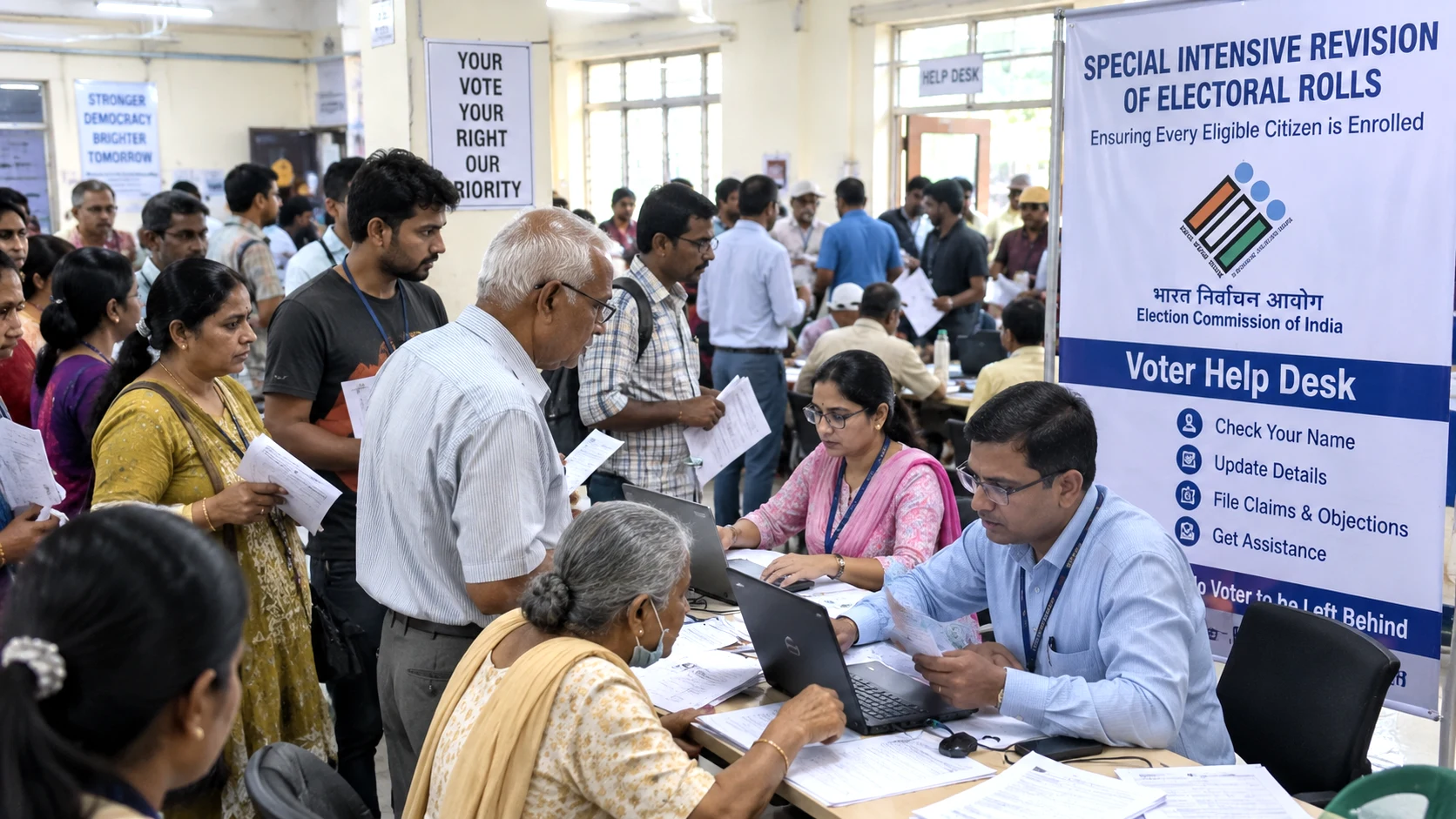
Receiving a Delhi SIR notice does not automatically remove a voter from the electoral roll, the CEO's office has clarified. Voters can respond, submit documents and receive a hearing before any decision is taken.
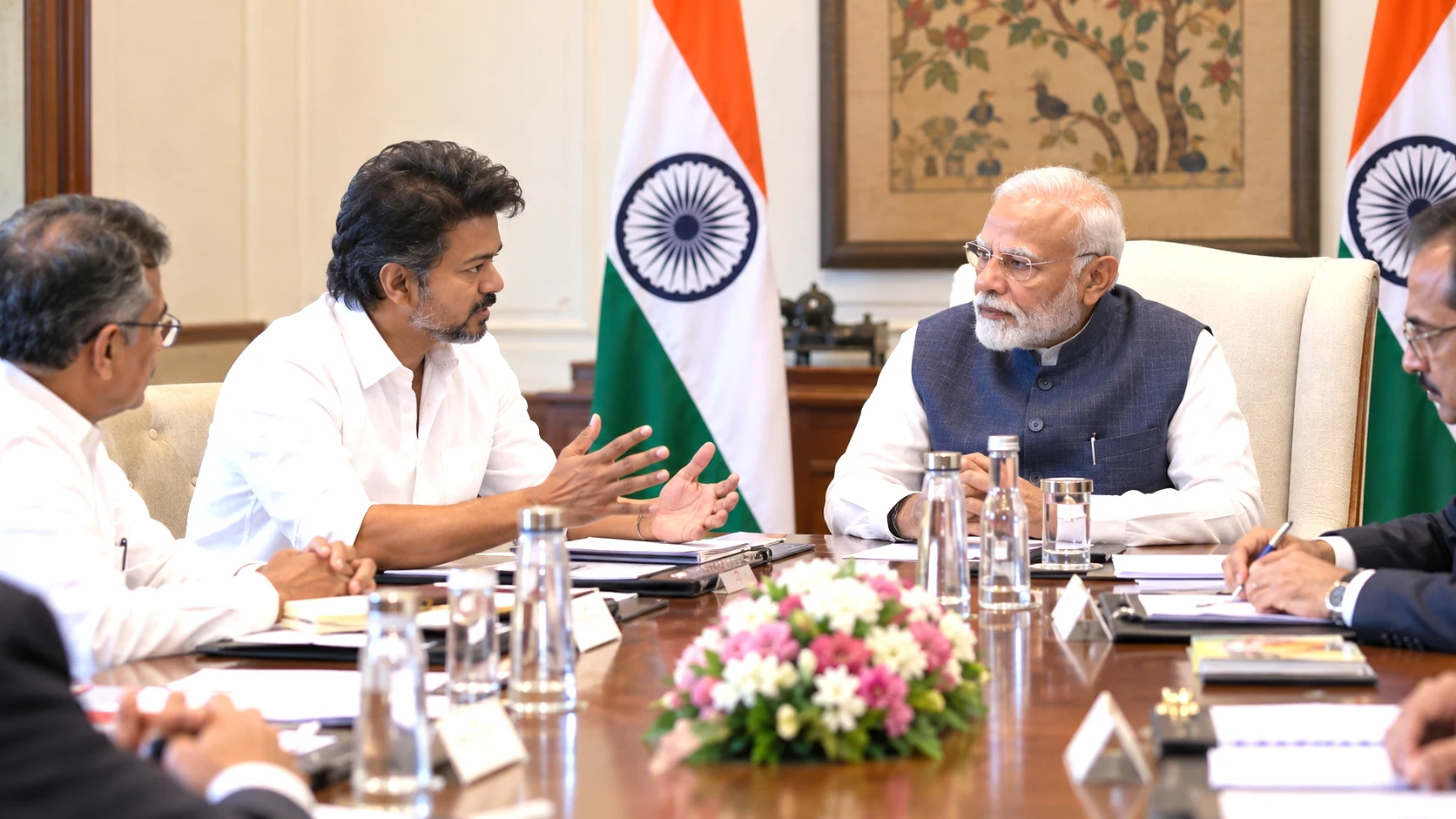
Tamil Nadu Chief Minister C Joseph Vijay's first official meeting with Prime Minister Narendra Modi focused on issues ranging from Mekedatu and fishermen to state funds and Tamil identity. With the two leaders expected to share a Chennai stage on October 11, here is what the meetings mean politicall
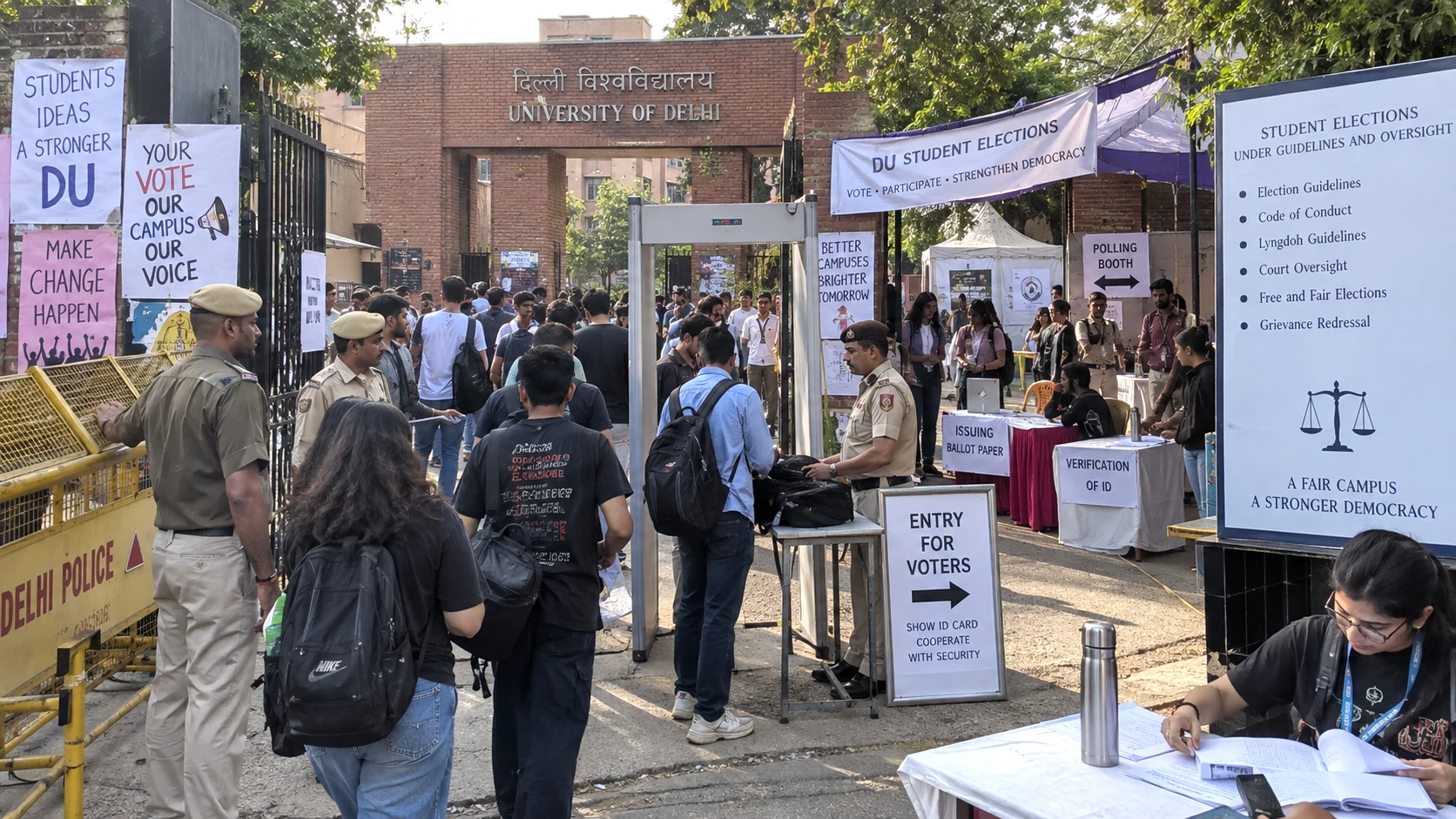
More than 1.51 lakh Delhi University students are eligible to vote for four DUSU posts on September 18. Over 2,000 police and paramilitary personnel have been deployed, while the Delhi High Court has sought reports on alleged campaign violence and election-code violations before deciding whether fur




0 Comments