Saudi Arabia Shuts East-West Oil Pipeline After Drone Attacks as Red Sea Risks Grow
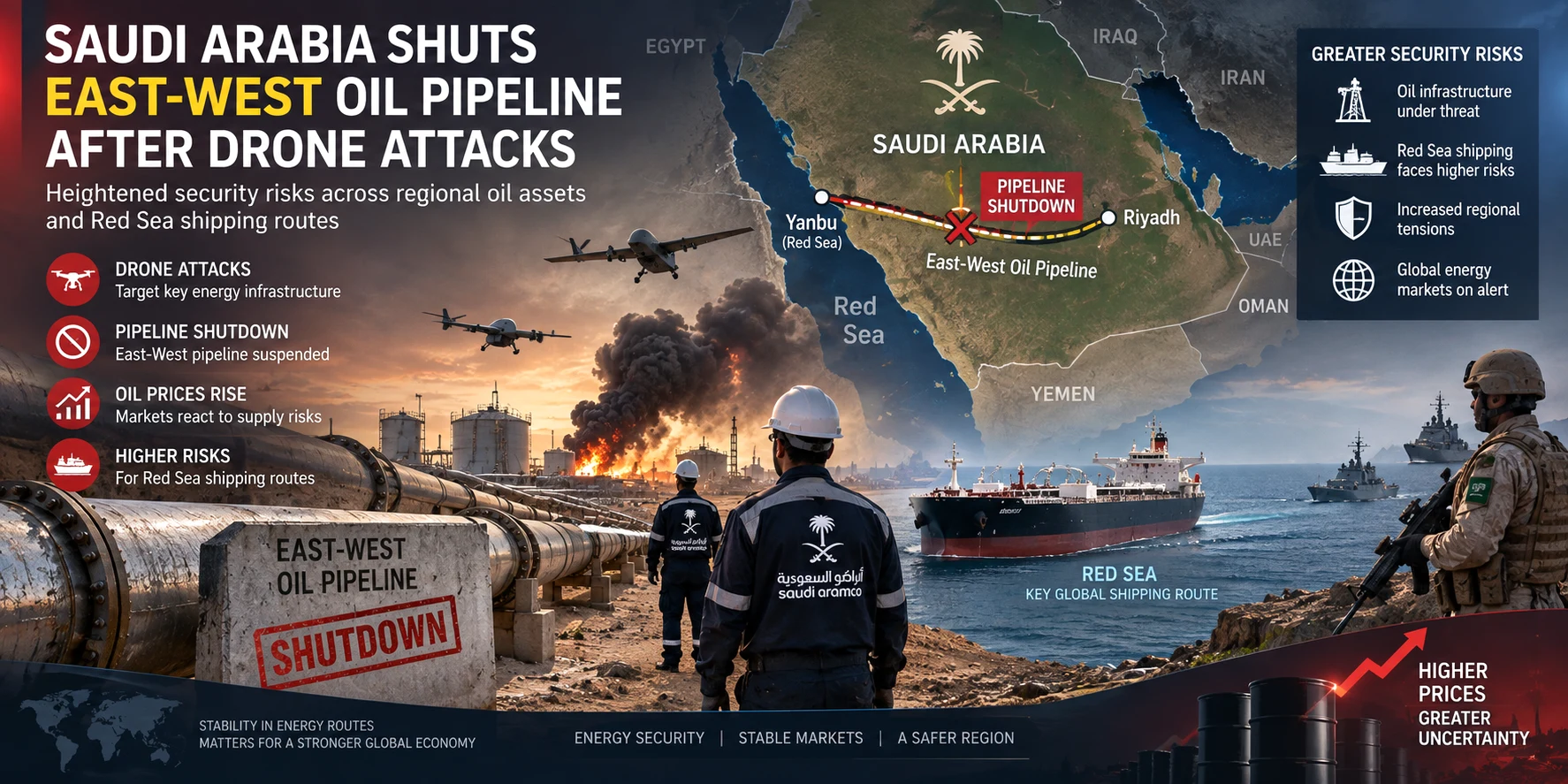
Saudi Arabia has temporarily shut its East-West oil pipeline after drone attacks launched from Iraq caused injuries and damage, while Houthi gains near Bab el-Mandeb increase pressure on already disrupted regional energy routes.
Saudi Arabia has temporarily shut down its strategically important East-West oil pipeline after drone attacks struck sections of the system, adding another threat to Middle East energy infrastructure at a time when disruption in the Strait of Hormuz has already made alternative export routes increasingly important.
The Saudi Energy Ministry said the pipeline was subjected to multiple attacks on the morning of September 10 in the Riyadh and Madinah regions. Authorities stopped operations as a precaution while emergency and technical teams secured the affected areas and assessed the safety of the system. The ministry said the attacks caused injuries but did not specify their number.
Saudi Arabia’s Foreign Ministry subsequently said several drones used in the attack had been launched from Iraq. It reported injuries and damage that was still being addressed. Riyadh has not announced the full extent of the damage or how long the pipeline will remain out of operation.
The shutdown matters far beyond the damaged infrastructure. The East-West pipeline, also known as Petroline, provides Saudi Arabia with a route for moving crude from its eastern production region to the Red Sea without relying on the Strait of Hormuz.
Recommended Reading
Related Stories & In-Depth Guides
Curated editorial perspectives matching this topic.
A Houthi ballistic missile aimed at Riyadh was intercepted by Saudi air defences as explosions and smoke were reported near the Saudi capital’s main airport, marking a sharp escalation in the renewed Saudi-Houthi confrontation. The attack comes alongside strikes on Saudi energy infrastructure, inten
Major US television networks have suspended shared pool coverage of President Donald Trump after CNN was blocked from its scheduled duties, while CNN, MS NOW and Politico have sued over their White House access ban.
That alternative has become particularly important during the current US-Iran conflict as tanker traffic through Hormuz has fallen sharply.
At the same time, Saudi Arabia faces increasing risk on the other side of the Arabian Peninsula. Iran-aligned Houthi forces in Yemen have captured Perim Island in the Bab el-Mandeb Strait after a rapid advance along Yemen’s Red Sea coast.
The combination is creating an unusually difficult energy-security problem: the route designed to bypass disruption in the Gulf has been attacked, while the maritime passage used by tankers leaving Saudi Arabia’s Red Sea coast is facing growing security pressure.
Key Takeaways
Saudi Arabia has temporarily shut its East-West oil pipeline as a precaution after multiple attacks on September 10, according to the Saudi Energy Ministry.
Saudi Arabia says several drones launched from Iraq targeted sections of the pipeline in the Riyadh and Madinah regions, causing injuries and damage.
Iraq says its investigation confirmed the drones were launched from its territory and dismissed a military commander responsible for operations in Maysan province, Reuters reported.
No group had publicly claimed responsibility for the pipeline attack at the time of publication, so responsibility should not be attributed to any militia without further evidence.
Iran-aligned Houthi forces have seized the strategic Perim, or Mayun, Island in the Bab el-Mandeb Strait as their position along Yemen’s Red Sea coast expands.
What Saudi Arabia Has Confirmed
The Saudi Energy Ministry’s official statement provides the clearest account of what is confirmed.
It said the East-West pipeline in the Riyadh and Madinah regions was subjected to multiple attacks on the morning of Thursday, September 10.
The ministry said the pipeline was shut down as a precautionary measure and that emergency and specialised technical teams responded immediately.
Those teams are assessing the pipeline under established safety procedures and emergency-response plans.
Saudi authorities have not yet provided a timetable for restarting operations.
This distinction is important.
A precautionary shutdown does not by itself establish that the entire pipeline has suffered catastrophic damage. It means pumping has been halted while engineers determine whether the affected infrastructure can operate safely.
The Saudi Foreign Ministry said the strikes caused both injuries and damage, but it did not quantify either.
Until authorities provide a detailed damage assessment, claims that the pipeline has been destroyed or will remain unavailable for an extended period would go beyond the available evidence.
Saudi Arabia Says Drones Were Launched From Iraq
Saudi Arabia has directly attributed the drones’ point of origin to Iraqi territory.
The Foreign Ministry said the East-West pipeline was targeted by several drones launched from Iraq.
Iraq’s government has also acknowledged that its investigation found the latest drones targeting Saudi Arabia had been launched from Iraqi territory.
Reuters reported that Baghdad dismissed the military commander responsible for operations in Maysan province, which borders Iran in southeastern Iraq. The Iraqi government also launched a wider investigation into the incident.
That establishes the reported launch location.
It does not, however, establish who ordered or carried out the attack.
No group had publicly claimed responsibility at the time of publication.
Iran-backed Shiite militias operate and maintain influence in parts of Iraq, including areas in the south, but that broader context should not be converted into attribution for this specific attack without evidence.
The responsible organisation therefore remains unconfirmed.
Riyadh Holds Off on Retaliation
The incident also carries a significant diplomatic dimension.
Saudi Arabia said it has chosen not to retaliate at this stage after Iraq’s prime minister requested time for Baghdad to take measures against attacks launched from Iraqi territory.
The Saudi Foreign Ministry said Riyadh would support the Iraqi government’s efforts while reserving its right to take measures necessary to protect Saudi sovereignty, security, facilities and people.
Iraq has condemned the attack.
The decision to hold off on an immediate response reduces the immediate risk of direct Saudi-Iraqi escalation, but it does not resolve the underlying security problem.
Baghdad now faces pressure to identify those responsible and demonstrate that Iraqi territory will not continue to be used to launch attacks against neighbouring states.
Why the East-West Pipeline Is So Important
The East-West pipeline is one of Saudi Arabia’s most important pieces of energy infrastructure.
It runs roughly 1,200 kilometres across the Arabian Peninsula, linking the Abqaiq area in eastern Saudi Arabia with Yanbu on the Red Sea coast.
Its strategic purpose is straightforward.
Most Saudi oil production is concentrated in the east, relatively close to the Gulf.
Ordinarily, large volumes of that crude can reach international markets through terminals connected to shipping routes that pass through the Strait of Hormuz.
Petroline provides another option.
Crude can instead travel overland across Saudi Arabia to Yanbu and then be loaded onto tankers in the Red Sea.
This allows Saudi Arabia to bypass Hormuz.
That capability has existed for decades, but the current Middle East conflict has made it much more important.
Pipeline Had Been Carrying Millions of Barrels a Day
The East-West pipeline has a maximum pumping capacity of approximately 7 million barrels per day, according to Saudi information cited in energy-market reporting.
Maximum capacity should not be confused with the amount of crude actually being exported through the route.
Reuters reported that the line had been moving approximately 4 million to 5 million barrels per day in recent months, based on ship-tracking companies and analysts. That would be equivalent to roughly 4% to 5% of global oil supply.
Other tanker-tracking estimates differ depending on methodology.
Vortexa estimated Yanbu crude and condensate loadings at about 3.7 million barrels per day in early September, while Kpler put September loadings at around 2.9 million barrels per day.
Those differences are a reminder that pipeline capacity, pipeline flows and actual tanker exports are not interchangeable figures.
The immediate volume of Saudi exports affected by the shutdown therefore cannot be calculated simply by assuming that seven million barrels per day have disappeared from the global market.
Saudi authorities have not yet published the actual volume disrupted.
Hormuz Disruption Makes the Shutdown More Serious
The strategic importance of Petroline has increased because tanker movements through the Strait of Hormuz have been heavily disrupted during the US-Iran war.
Hormuz is normally one of the world’s most important energy chokepoints.
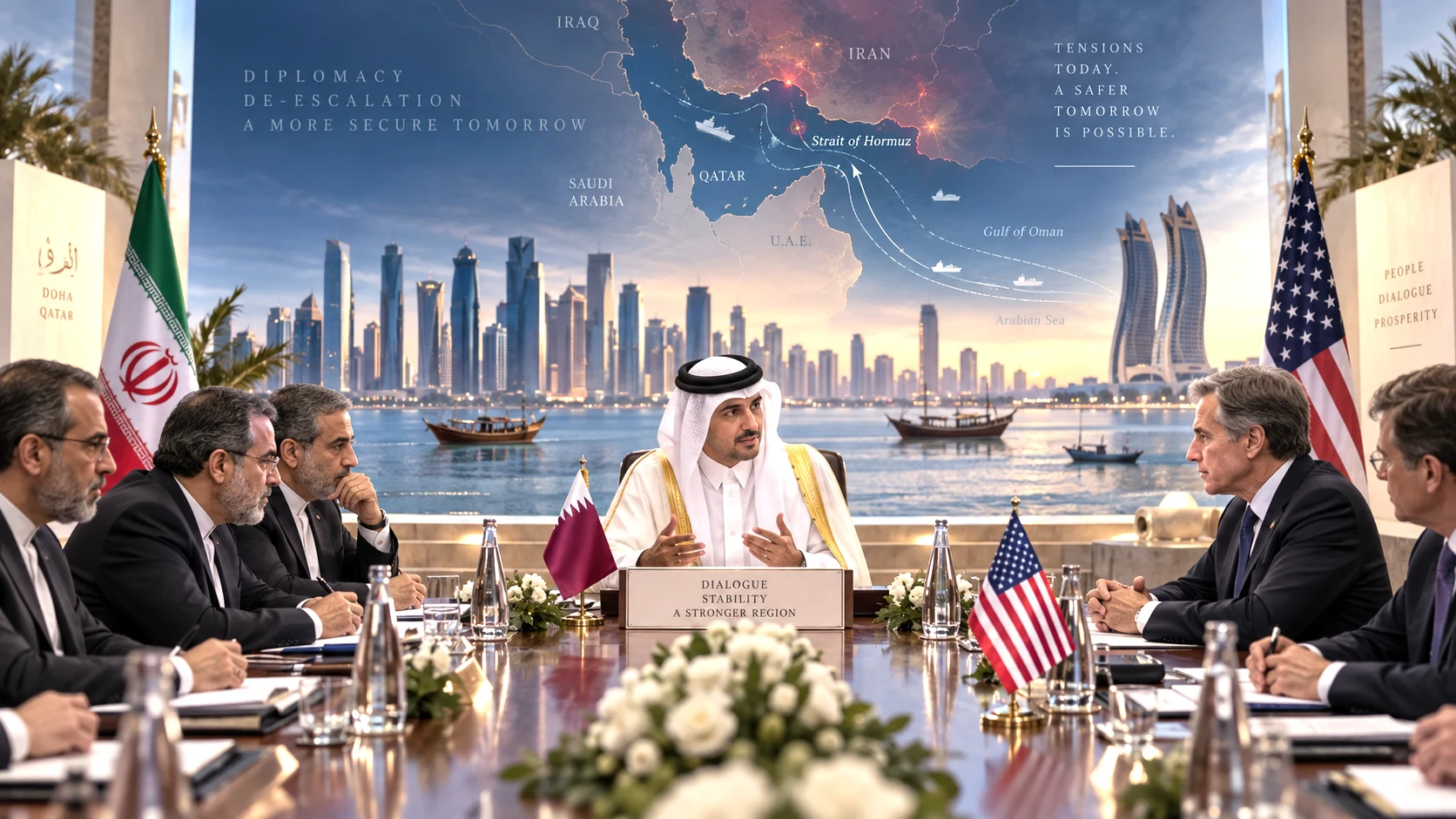
It connects the Persian Gulf with the Gulf of Oman and the wider Arabian Sea, making it essential for oil and gas exports from several major producers.
Saudi Arabia has increasingly relied on its western export route as traffic through Hormuz has slowed.
Reuters reported that tanker movements through the strait have fallen to a trickle during the conflict.
That made the East-West pipeline an important form of strategic redundancy.
An attack on that system therefore removes, at least temporarily, part of Saudi Arabia’s ability to compensate for disruption elsewhere.
Pressure Is Also Growing at the Red Sea End
The problem does not end when Saudi crude reaches Yanbu.
Tankers leaving Saudi Arabia’s western coast ultimately rely on Red Sea shipping routes.
At the southern entrance to the Red Sea lies another critical chokepoint: the Bab el-Mandeb Strait.
That route has become more dangerous following rapid Houthi territorial gains in Yemen.
Reuters and other reporting indicate that Houthi forces captured the strategic island of Perim, also known as Mayun, on Friday. The island sits inside the Bab el-Mandeb Strait close to one of the narrowest sections of the waterway.
The Houthis have also made gains along Yemen’s western coastline, including the port city of Mocha.
Saudi Arabia subsequently carried out airstrikes against Houthi positions in Mocha.
The developments raise concerns because Bab el-Mandeb connects the Red Sea with the Gulf of Aden and, through the Suez Canal, forms part of a major trade route between Asia and Europe.
Houthi Control of Perim Raises Shipping Concerns
Perim is geographically small, but its location gives it considerable strategic importance.
The volcanic island divides the Bab el-Mandeb passage into two channels.
Control of territory around this chokepoint can influence maritime-security calculations even without physically closing the strait.
The Houthis have said maritime navigation remains safe for vessels other than Saudi ships covered by a previously announced restriction.
That is a Houthi claim and does not by itself guarantee the safety of commercial shipping.
Shipping companies, insurers and governments make their own risk assessments based on attacks, military activity and the possibility of further escalation.
The capture of Perim therefore matters even if the Houthis do not attempt to close the entire waterway.
Two Strategic Routes Under Pressure
Saudi Arabia now faces risks at two geographically separate energy chokepoints.
To the east is the Strait of Hormuz.
To the west is the Red Sea-Bab el-Mandeb route.
The East-West pipeline was designed in part to reduce dependence on the first by connecting Saudi production to the second.
The latest attack demonstrates the vulnerability of that strategy when the pipeline itself and the Red Sea route are under pressure at the same time.
This does not mean Saudi Arabia has lost the ability to export oil.
The kingdom has storage, multiple terminals and significant infrastructure, and the duration of the pipeline shutdown remains unknown.
But the combination reduces flexibility at a particularly sensitive moment for global energy markets.
Oil Prices Back Above $100
The security deterioration has coincided with another rise in oil prices.
Reuters reported that global oil prices had moved back above $100 a barrel amid the combined pressure from Middle East conflict, constrained shipping and concerns over Saudi supply routes.
The pipeline shutdown can influence markets even before its exact effect on physical exports is known.
Oil prices respond not only to barrels already removed from supply but also to the perceived probability of future disruption.
If traders believe an important export route could remain unavailable, insurance costs could rise or additional infrastructure could be attacked, a geopolitical risk premium can become embedded in crude prices.
The eventual market impact will depend heavily on how quickly Petroline returns to operation and whether Saudi exports from Yanbu can continue normally.
Why This Matters for India and Other Oil Importers
The developments are particularly relevant for major crude-importing economies.
India imports most of the crude oil it consumes and is therefore exposed to sustained changes in international energy prices.
Higher crude prices can increase the country’s import bill and place pressure on fuel economics, transportation costs and inflation.
But the effect is not automatic or immediate.
Domestic petrol and diesel prices depend on several factors beyond the daily international crude price, including exchange rates, taxation, refining economics and pricing decisions.
The more immediate concern is therefore sustained disruption rather than a single day’s price movement.
If Middle East supply routes remain constrained for an extended period, the consequences become more significant for energy-importing economies across Asia.
Shipping and Insurance Costs Could Become Another Pressure Point
The price of crude is only one part of the energy equation.
Physical transportation also matters.
When ships must operate through areas considered at greater risk of missile, drone or maritime attack, insurers can demand higher war-risk premiums.
Shipping companies may reroute vessels, delay voyages or require additional compensation.
Longer journeys consume more fuel and reduce the effective availability of tankers.
Those costs can eventually affect the delivered price of energy even when sufficient crude remains available globally.
The simultaneous instability around Hormuz and Bab el-Mandeb therefore matters because both waterways sit at critical points in global maritime trade.
Saudi Supply Has Already Been Under Pressure
The latest attack follows months of disruption affecting Saudi crude exports.
Reuters reported that the International Energy Agency said Saudi crude supply had fallen to its lowest level in more than three decades, partly because of attacks on vessels transiting Bab el-Mandeb by Houthi-linked groups.
That context makes the pipeline attack more consequential than it might have been during normal market conditions.
An isolated temporary pipeline closure can often be managed through alternative infrastructure and inventories.
A closure occurring while other routes are already constrained creates a different risk profile.
The key question is how much redundancy remains available if multiple pieces of infrastructure are simultaneously disrupted.
Saudi-Houthi Tensions Are Rising Again
The developments in Yemen add another layer of uncertainty.
Saudi Arabia supports Yemen’s internationally recognised government, while the Houthis have received backing from Iran.
The Houthi movement has survived years of war and earlier Saudi-led military operations.
Its recent territorial advances along Yemen’s Red Sea coastline have changed the immediate military picture.
Yemeni government forces have indicated they intend to retake territory captured during the Houthi advance, Reuters reported.
That creates the possibility of further fighting around strategically important coastal areas.
Any escalation near ports, islands or maritime chokepoints could increase risks for commercial shipping.
What Remains Unknown
Several important questions remain unanswered.
Saudi authorities have not disclosed the full extent of damage to the East-West pipeline.
They have not announced how much pumping capacity is unavailable.
They have not provided a firm date for restarting operations.
The number and condition of people injured in the attacks have also not been publicly detailed.
Most importantly, Saudi Arabia and Iraq have not publicly identified the organisation responsible for launching the drones.
These gaps matter because they determine whether the incident becomes a short-lived operational disruption or a more serious threat to Saudi export capacity.
What Happens Next
Attention will now focus on three developments.
First, Saudi technical teams must determine whether Petroline can safely resume operations and whether repairs are required.
Second, Iraq’s investigation will face scrutiny over whether it can identify and act against those responsible for launching the drones from its territory.
Third, events in Yemen will determine whether the Houthi advance around Bab el-Mandeb creates further threats to Saudi shipping and international vessels.
Saudi Arabia’s decision not to retaliate immediately gives Baghdad an opportunity to contain the Iraqi dimension of the crisis.
But Riyadh has explicitly reserved its right to respond if necessary.
The Bottom Line
The East-West pipeline shutdown is important not because Saudi Arabia has necessarily lost millions of barrels of exports permanently — there is currently no evidence establishing that — but because one of its most important alternative oil routes has been temporarily taken offline at an unusually vulnerable moment.
Saudi Arabia has increasingly depended on Petroline to bypass disruption in the Strait of Hormuz.
That pipeline has now been attacked.
At the same time, Houthi forces have strengthened their position around the Bab el-Mandeb, the maritime gateway used by vessels travelling between the Red Sea and the Gulf of Aden.
The result is pressure on both sides of the Arabian Peninsula.
How serious the consequences become will depend on the duration of the pipeline shutdown, the security of Red Sea shipping and whether the latest attacks trigger further military escalation.
For global energy markets, those are now the numbers and developments that matter more than speculation.
Key Takeaway
Saudi Arabia has temporarily shut its East-West oil pipeline after drone attacks that Riyadh says were launched from Iraq.
The pipeline is a critical alternative to the disrupted Strait of Hormuz.
Houthi forces have simultaneously seized Perim Island in the Bab el-Mandeb Strait, increasing risks to Red Sea shipping.
No group has claimed responsibility for the pipeline attack. Oil prices have moved back above $100 amid the combined pressures.
The duration of the shutdown and the security of Red Sea routes will determine the wider energy-market impact.
The Rajatheertha Team publishes news, explainers, guides and updates across India and the world. Our coverage follows Rajatheertha's editorial, verification and corrections standards.
A huge Ukrainian long-range attack sent hundreds of drones toward Moscow and other parts of Russia early Sunday, damaging the Moscow Oil Refinery, disrupting civilian areas and putting Russian air defences under intense pressure. Russian officials described it as the largest drone attack yet directe
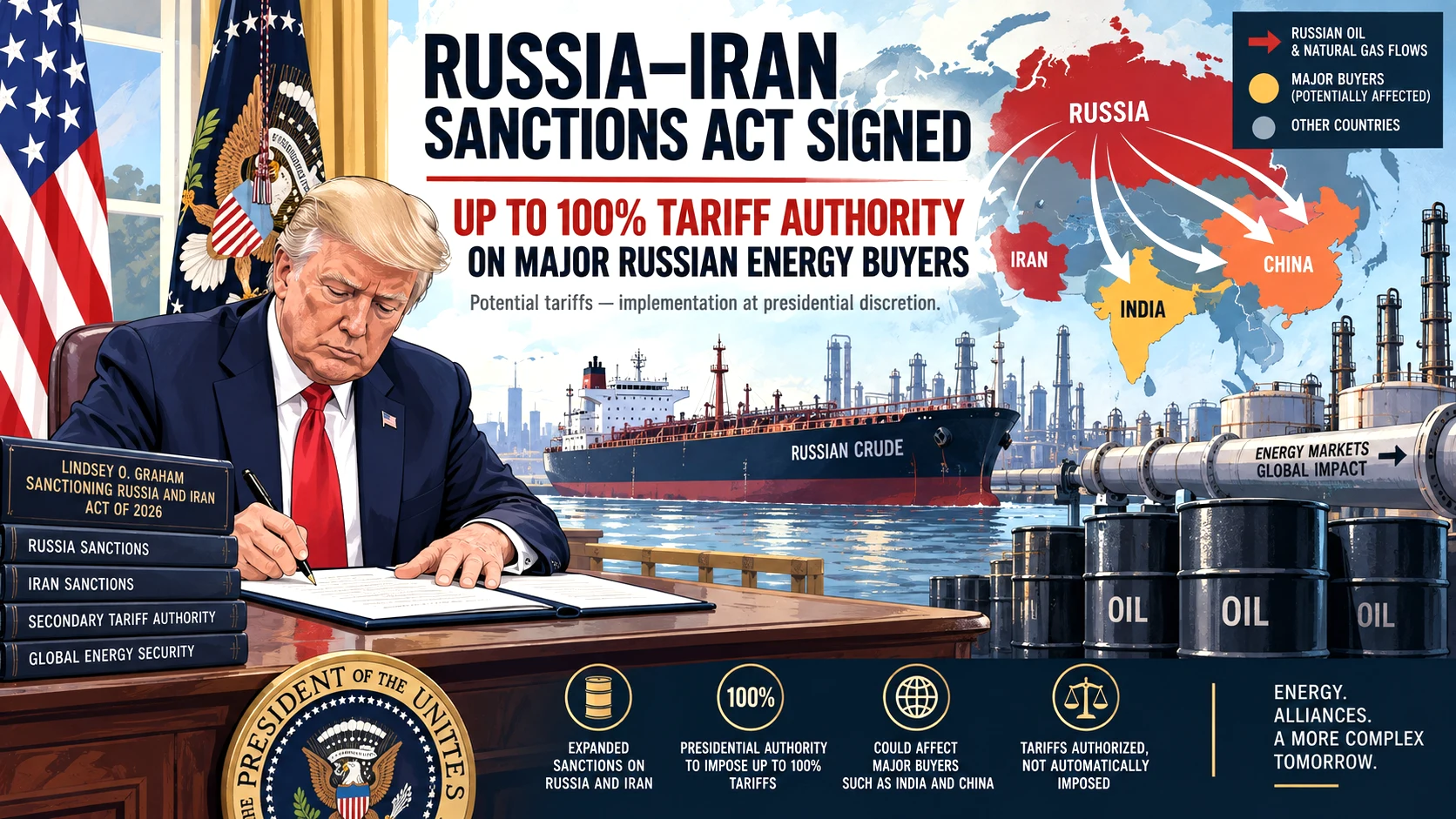
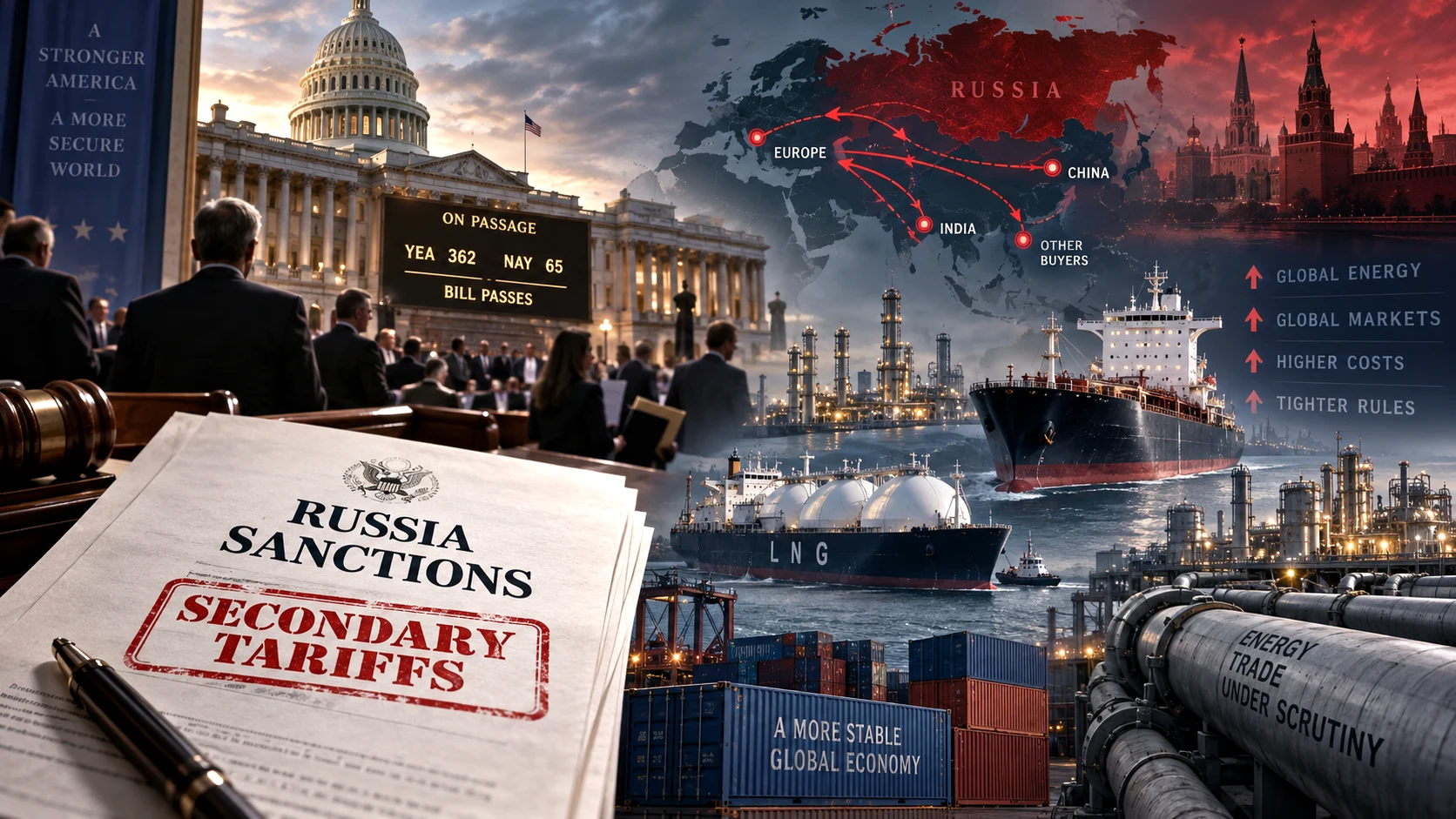
The new US law targets Russia’s energy, financial and defence networks and allows additional tariffs of up to 100% on goods from the largest buyers of Russian oil and gas. India faces significant exposure because of its large Russian crude imports, but a 100% tariff on Indian goods has not been impo
The House voted 262-159 to approve the Lindsey O. Graham Sanctioning Russia and Iran Act of 2026 after the Senate backed it 86-11 in August. The bill targets Russian banks, energy, defence and its “shadow fleet” while creating secondary tariffs for major buyers of Russian oil and gas. It now goes to
World/ Japan | Crime & US-Japan Relations12 min read
A 20-year-old US Marine has been arrested in Okinawa on suspicion of robbing and killing a 39-year-old Japanese woman at a Naha hotel. Japan has lodged a strong protest with Washington and demanded full cooperation, tighter troop discipline and measures to prevent similar incidents.
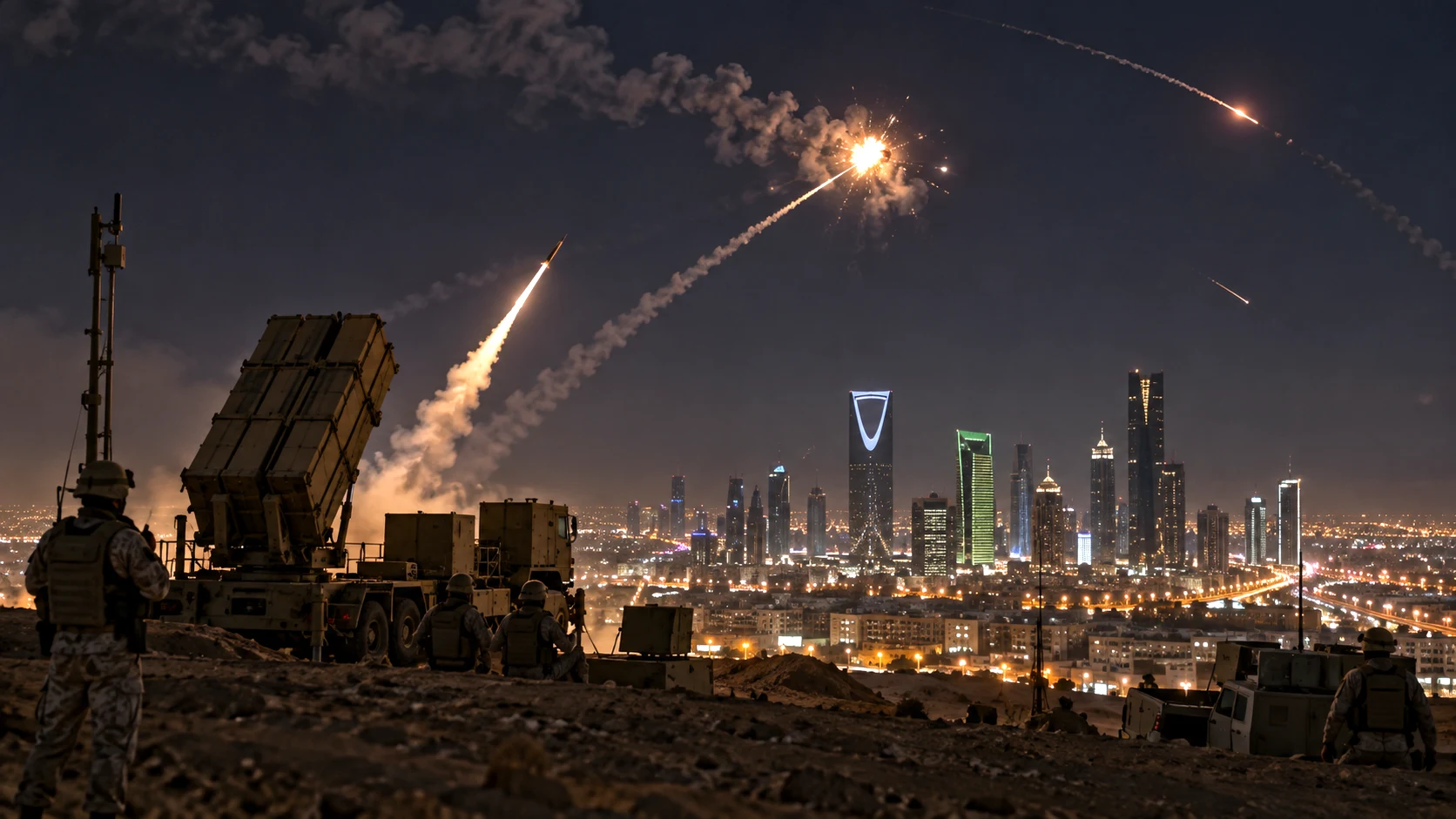
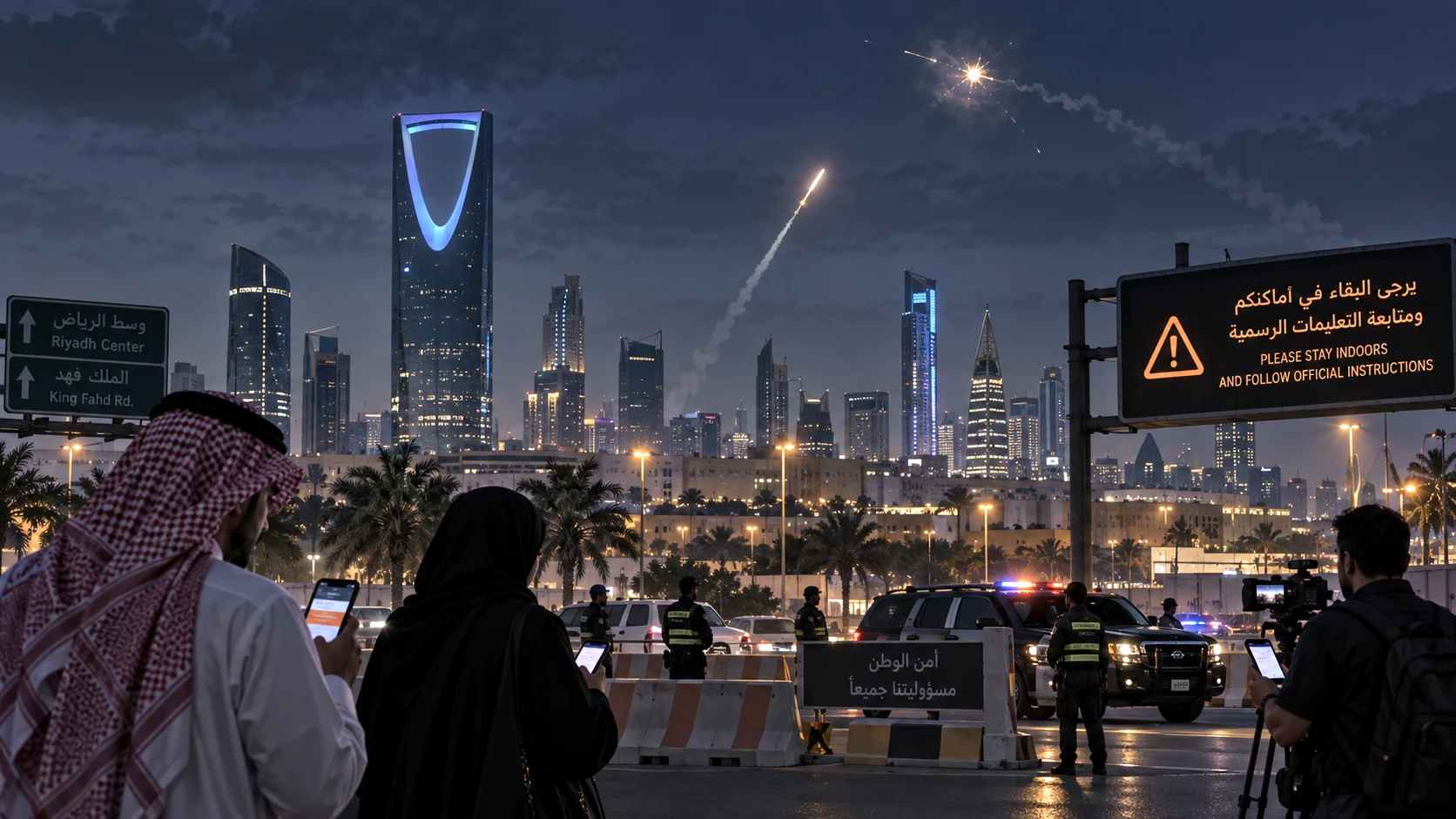
Saudi authorities said air defences destroyed a ballistic missile launched toward Riyadh on September 19, marking the first reported targeting of the capital since the latest escalation with Yemen’s Houthis, as residents received emergency warnings and explosions were heard.**
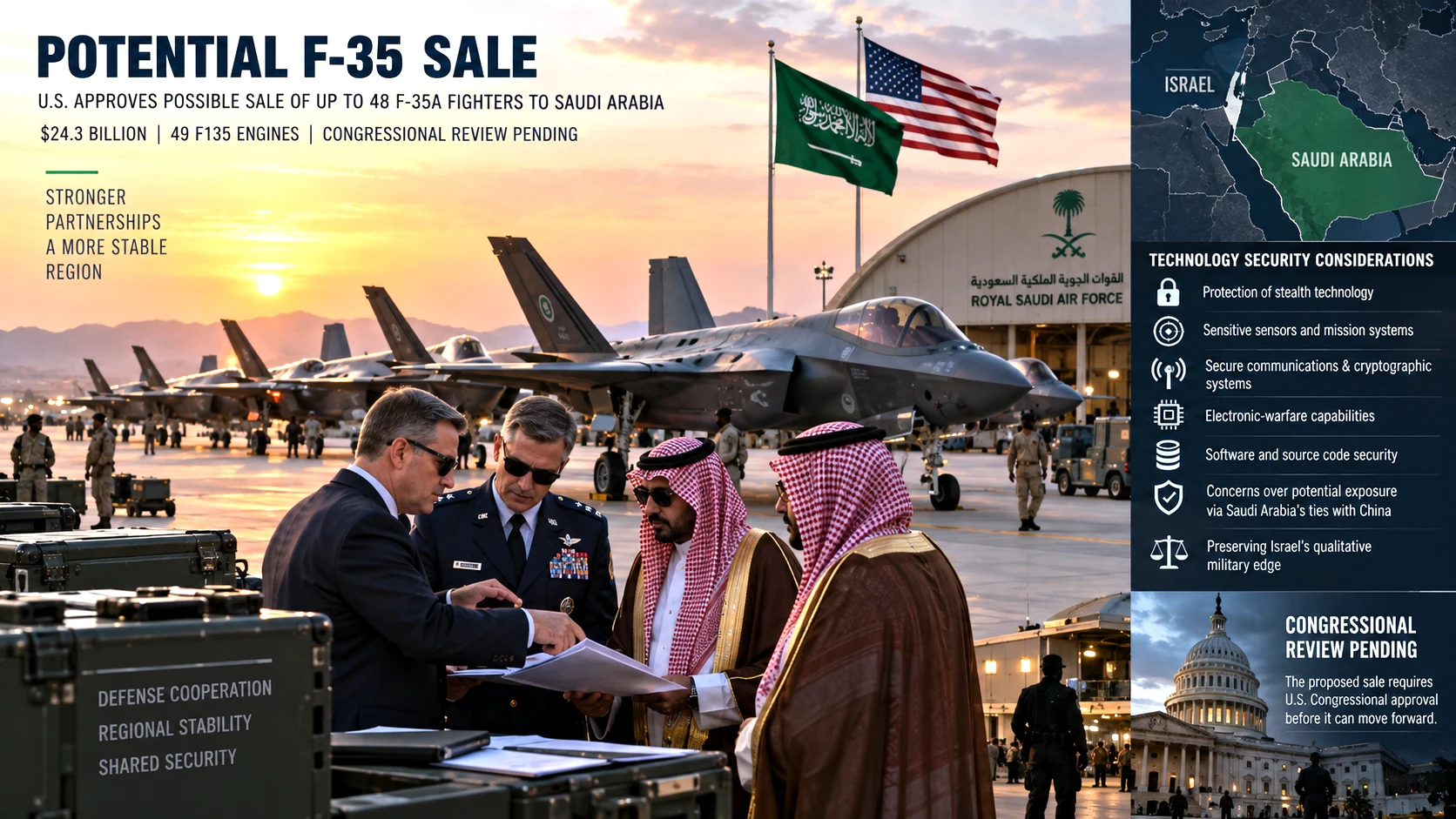
The Trump administration has formally notified Congress of a proposed sale of 48 F-35A stealth fighters and 49 engines to Saudi Arabia. The deal is not yet completed, while separate US intelligence assessments have reportedly warned that China could try to gain access to sensitive F-35 technology th





0 Comments