Qatar Pushes to Restart Iran-US Ceasefire Talks as Tehran Sends New Conditions to Washington
Qatar has launched an intensified diplomatic push to revive negotiations between Iran and the United States, shuttling proposals between Tehran and Washington as both sides combine threats of further military action with signals that a negotiated settlement remains possible. Iran has conveyed condit
Qatar’s mediation efforts between Iran and the United States amid regional tensions
Table of Contents (22 sections)
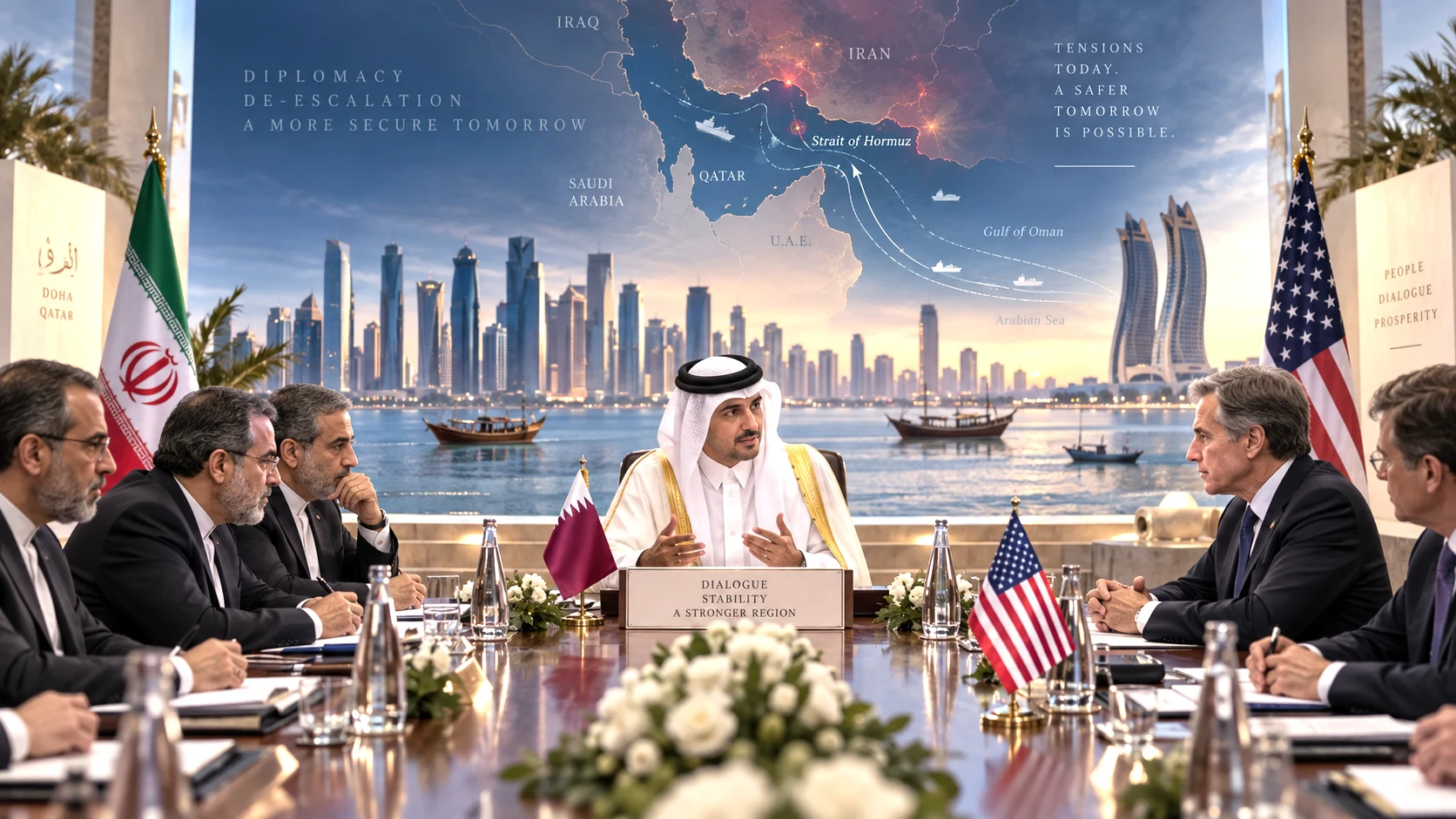
DOHA/NEW YORK, September 21, 2026: Qatar is working to bring Iran and the United States back to the negotiating table as fears of another major military escalation grow across the Middle East.
Qatar's Foreign Ministry spokesperson Majed Al-Ansari said Doha's mediation team has been exchanging ideas with both Washington and Tehran and that mediators are travelling between capitals in an attempt to narrow the remaining differences.
Al-Ansari said the diplomatic effort has been underway for roughly two weeks and involves several proposals aimed at restarting negotiations.
The latest diplomatic activity does not yet amount to a formally announced new round of direct US-Iran ceasefire negotiations.
Recommended Reading
Related Stories & In-Depth Guides
Curated editorial perspectives matching this topic.
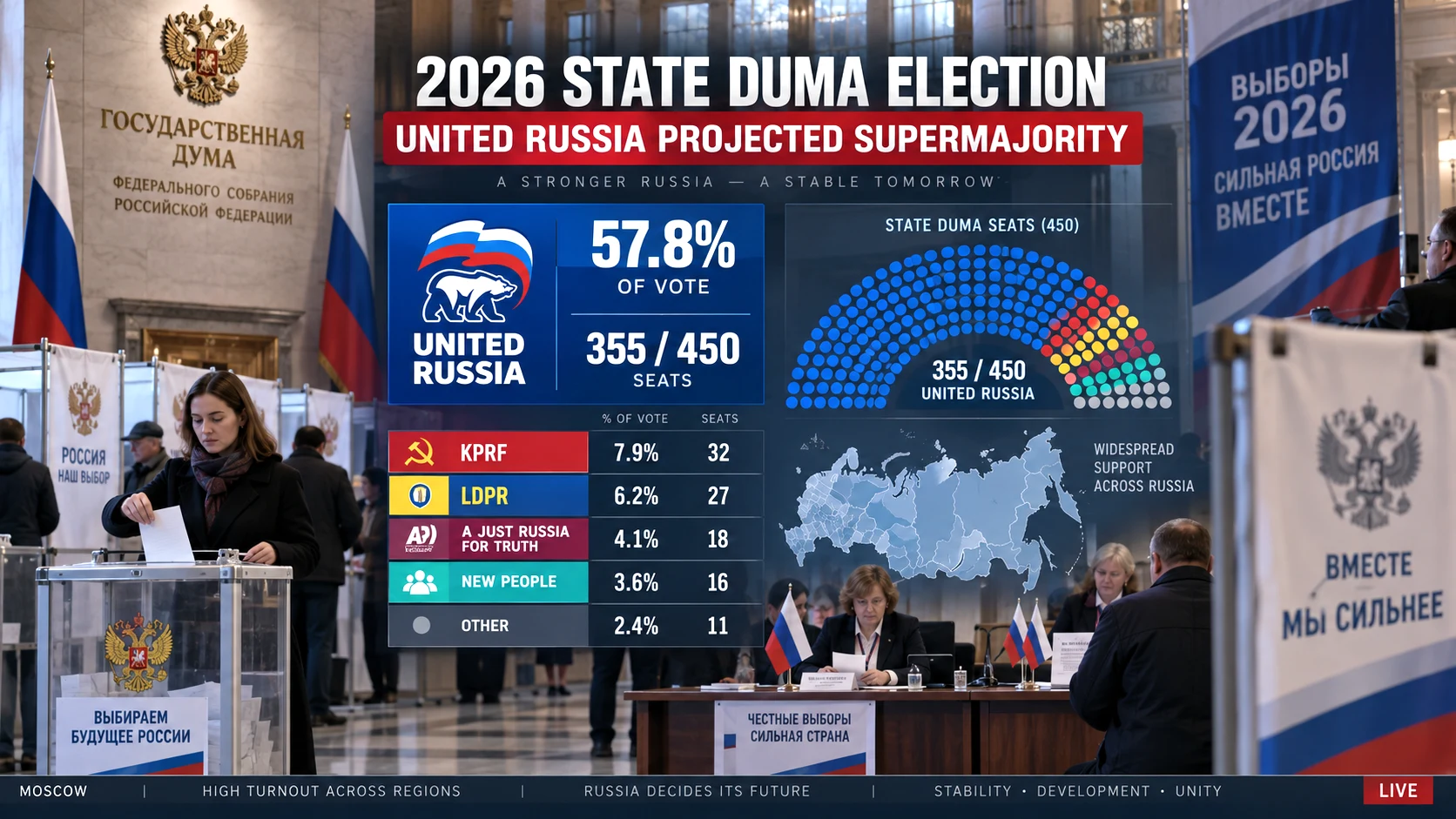
Russia’s ruling United Russia party has secured a decisive victory in the country’s 2026 parliamentary election, according to near-complete official results, putting the Kremlin-aligned party on course for a record 355 seats in the 450-member State Duma. The vote was Russia’s first parliamentary ele
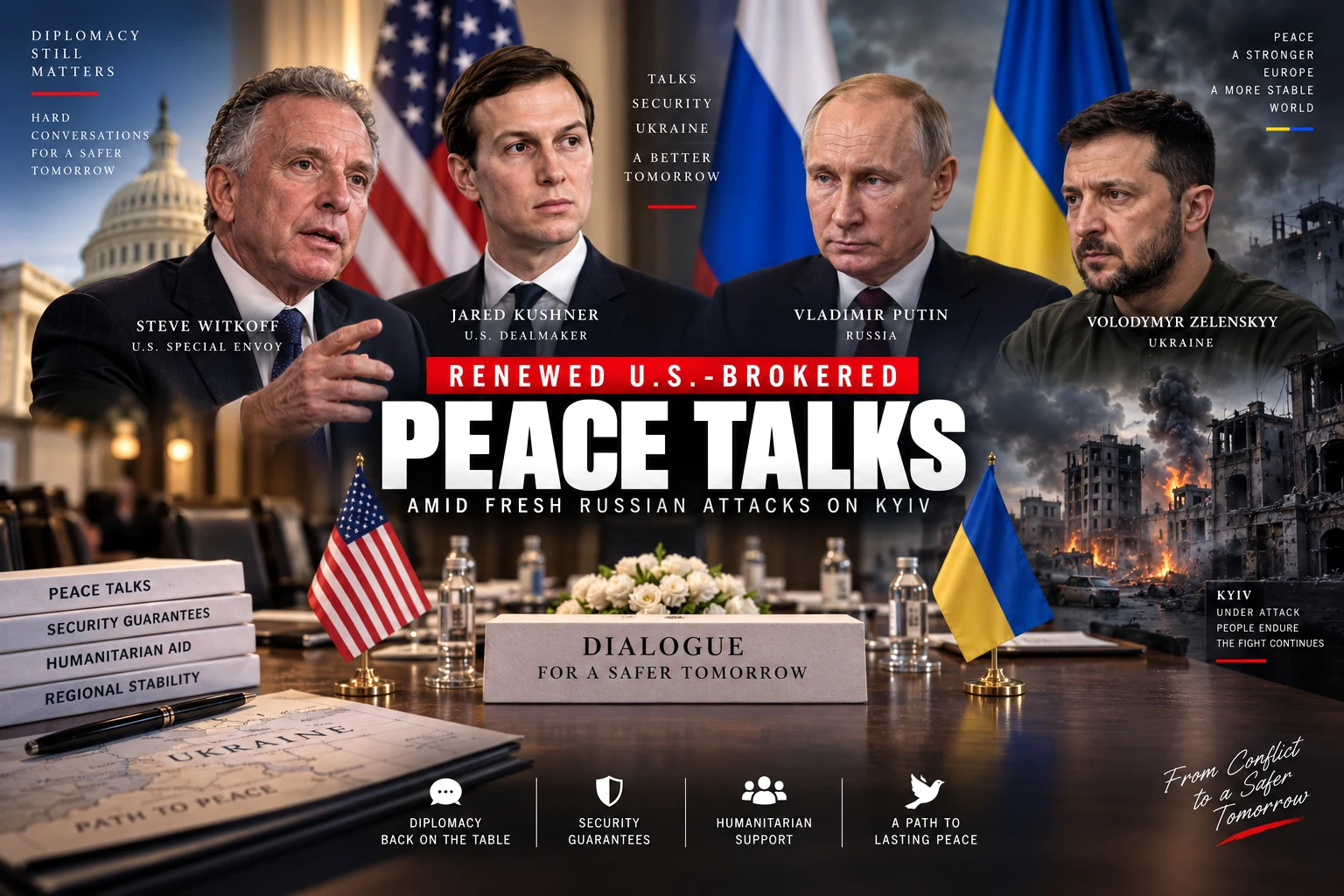
U.S. envoys Steve Witkoff and Jared Kushner have met Vladimir Putin and Volodymyr Zelenskyy in a renewed push for Ukraine peace talks, but major differences remain as Russia resumes ballistic missile attacks on Kyiv.
Instead, Qatar is conducting shuttle diplomacy designed to establish the conditions under which formal talks could resume.
That distinction is important as conflicting headlines circulate suggesting a ceasefire conference has already begun.
Key Takeaways
Qatar is conducting active shuttle diplomacy between Tehran and Washington.
Iran has transmitted seven conditions for restarting negotiations through Doha.
US President Donald Trump has indicated openness to meeting Iranian President Masoud Pezeshkian at the UN.
No formal new ceasefire agreement or face-to-face negotiating round has been announced.
The Strait of Hormuz remains a central issue amid sharp declines in shipping.
Both sides continue to issue military threats alongside diplomatic signals.
Qatar Says Mediators Are Working Between Tehran and Washington
Speaking during events surrounding the UN General Assembly in New York, Al-Ansari said Qatar was working with both governments to determine whether negotiations could be restarted.
He said Doha had heard assurances from US officials that Washington wanted an agreement.
Qatar's immediate objectives include reducing regional tensions, building a framework acceptable to both sides and finding an arrangement that protects freedom of navigation through strategic waterways such as the Strait of Hormuz.
Qatar has maintained communication with both governments throughout the conflict and has repeatedly said there is no realistic alternative to negotiation.
In an official statement on August 25, Qatar's Foreign Ministry said it continued regional contacts aimed at returning the United States and Iran to negotiations and warned that prolonged escalation would have consequences far beyond the Middle East, including for the global economy.
Iran Sends Seven Conditions to Washington
The latest opening came from Tehran.
Iran's Supreme National Security Council Secretary Mohsen Rezaei said Iran had communicated seven conditions to the United States for the commencement of negotiations.
The message was transmitted through Qatar.
Rezaei said Washington would have to recognise what Iran regards as its rights and conditions before a new negotiating process could begin.
Iran has not publicly released a single authoritative document listing all seven conditions in detail.
However, statements attributed to Rezaei have identified several central Iranian demands.
They include:
ending the war on all fronts;
releasing frozen Iranian financial assets;
ending the US naval blockade;
stopping attacks on Iranian territory;
and non-interference in Iran's internal affairs.
Iran has also linked a wider settlement to regional fighting, including the conflict involving Lebanon.
Because all seven conditions have not been officially published in a complete text, reports claiming to possess a definitive seven-point agreement should be treated cautiously.
Tehran Says It Is Waiting for Trump’s Response
Iran says Qatar has already delivered its position to Washington and that Tehran is now waiting to see whether the Trump administration accepts a basis for renewed negotiations.
Rezaei has paired that diplomatic opening with a warning.
Iranian officials say Tehran remains prepared for further military confrontation if its conditions are rejected.
That two-track message — diplomacy combined with military deterrence — has become increasingly visible in Iranian statements over recent days.
Iranian officials have repeatedly argued that negotiations cannot succeed while Washington simultaneously uses military pressure.
Foreign Minister Abbas Araghchi said in late August that returning diplomacy to the right track was possible but depended on the United States understanding that pressure would not produce an agreement.
Iran Still Refuses an Unconditional Return to Talks
Despite the renewed mediation, Tehran has not agreed simply to return to the previous negotiating format.
Iranian Parliament Speaker Mohammad Bagher Ghalibaf said Tehran would not reopen the Strait of Hormuz or return to negotiations under earlier terms unless the United States fulfilled Iran's conditions.
That means the diplomatic process remains in a preliminary bargaining phase rather than a settled ceasefire negotiation.
The disagreements concern not only military operations but also maritime access, sanctions and frozen assets.
The Strait of Hormuz remains one of the most consequential issues.
Strait of Hormuz Central to Negotiations
The waterway connects the Persian Gulf to the Arabian Sea and is one of the world's most important energy transit routes.
Shipping through the strait has fallen dramatically during the conflict.
Reuters reported on September 21 that only 17 commodity vessels crossed the strait during the latest weekend, compared with 37 the previous weekend and a pre-war average of roughly 125 vessels a day.
Some tankers continue to operate, including vessels travelling without publicly broadcasting normal tracking information.
The severe reduction in normal shipping has helped keep global energy markets under pressure.
Qatar has consequently made maritime security an important element of its diplomatic position.
Al-Ansari said a sustainable agreement needs both a regional political solution and an international understanding capable of safeguarding waterways such as Hormuz.
Trump Signals Willingness to Meet Pezeshkian
Washington has also sent a mixed message.
President Trump has issued severe warnings to Iran while at the same time indicating that he remains open to negotiations.
Trump said he would probably be willing to meet Iranian President Masoud Pezeshkian during the UN General Assembly gathering in New York.
Pezeshkian is expected to attend the UN meetings after the United States approved visas for senior Iranian officials despite the continuing conflict.
No Trump-Pezeshkian meeting had been formally announced at the time of this update.
A willingness to meet therefore should not be interpreted as confirmation that presidential negotiations have been scheduled.
Trump Also Escalates Rhetoric Toward Tehran
At the same time, Trump has used much more confrontational language toward Iran.
Reuters reported that he presented Tehran with a stark choice between making an agreement, suffering continued economic damage or facing potentially devastating military consequences.
Iran responded with warnings of its own.
Iranian military officials said any renewed US attack would produce a severe response against American interests.
That combination of threats and diplomacy demonstrates how fragile the current situation remains.
There is no comprehensive ceasefire in force capable of guaranteeing that renewed strikes will not occur while mediators work.
Qatar Says US Officials Want an Agreement
One of the more significant elements of Qatar's latest statement is Al-Ansari's claim that US officials have assured Doha that Washington wants a deal.
That provides Qatar with some basis to continue shuttle diplomacy despite the hostile public exchanges.
Doha says its mediation teams are effectively working continuously to find overlapping positions between the two sides.
Qatar has experience serving as an intermediary between governments that either cannot or will not negotiate directly.
That role has become increasingly important during the Iran conflict.
Pakistan Also Involved in Mediation
Qatar is not working alone.
Pakistan has also been deeply involved in mediation efforts between Washington and Tehran.
Previous rounds have involved US and Iranian delegations speaking separately with Qatari and Pakistani intermediaries rather than negotiating face-to-face.
In July, AP reported that Qatar and Pakistan were facilitating separate meetings in Doha and that the sides had agreed to continue discussions.
Qatar and Pakistan subsequently continued attempts to revive diplomacy after later outbreaks of fighting.
The current effort follows that established model of indirect negotiation.
Earlier Ceasefire Framework Failed to Produce Permanent Peace
The two governments have already gone through several phases of negotiation and renewed fighting during 2026.
A temporary framework negotiated earlier in the year reduced hostilities and opened a diplomatic channel, but it did not produce a lasting settlement.
Later talks focused heavily on the Strait of Hormuz, Iran's nuclear activities, sanctions and regional security.
By late June, US and Iranian negotiators were again heading toward Doha, although Iran rejected direct meetings with senior US envoys at that stage.
A subsequent negotiating track continued through Qatar and Pakistan.
But renewed military exchanges repeatedly interrupted progress.
The latest mediation therefore represents an attempt to rebuild a diplomatic channel that never fully disappeared but has repeatedly been overwhelmed by events on the battlefield.
Nuclear Programme Remains Part of Wider Dispute
Iran's nuclear programme remains a fundamental issue in any longer-term settlement.
Trump has repeatedly said preventing Iran from developing a nuclear weapon is a central US objective.
Iran says its nuclear programme is intended for peaceful purposes.
Previous negotiations considered restrictions and verification measures alongside sanctions relief and broader regional arrangements.
In July, Trump said recent Qatar meetings had gone well and claimed progress was being made on what he called the denuclearisation of Iran.
However, no permanent nuclear settlement emerged from those discussions.
A renewed ceasefire would therefore likely be only one part of a much broader negotiating process.
New Houthi Attacks Complicate Diplomacy
The current diplomatic push comes as the regional conflict spreads in other directions.
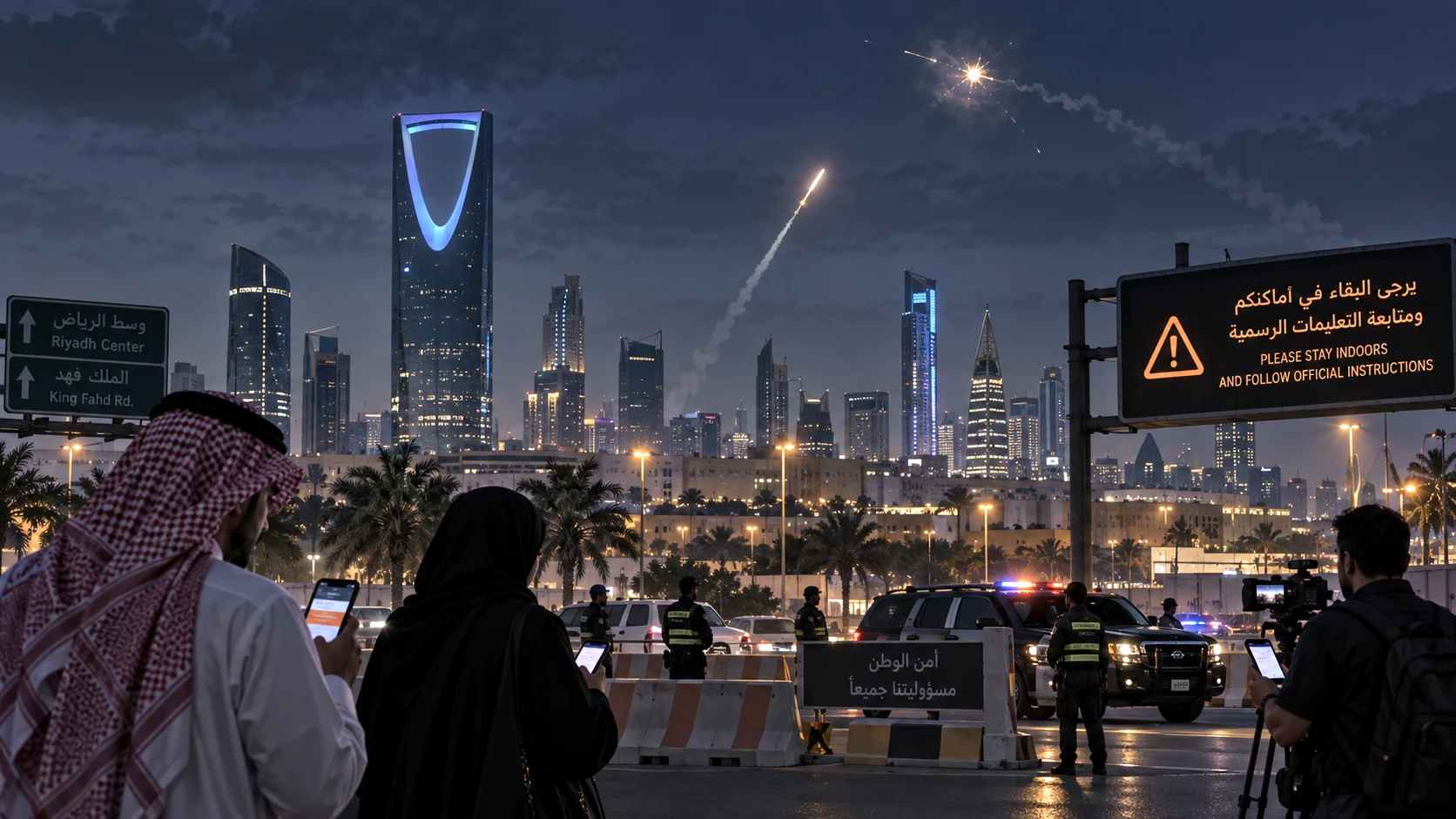
Yemen's Houthi movement recently launched missile and drone attacks against targets in Saudi Arabia, including an attempted attack on Riyadh.
The Houthis have also claimed attacks on Saudi energy infrastructure.
Those developments have increased fears that additional states could become more deeply involved in the conflict.
Washington considers the Houthis closely aligned with Iran.
Tehran rejects claims that it directly controls the group's military decisions.
The Houthis have separately indicated that they do not intend to target American vessels in the Red Sea under the existing US-Houthi understanding, even as their confrontation with Saudi Arabia continues.
This creates another complication for Qatar's mediation because a US-Iran agreement alone may not immediately end every related regional conflict.
Oil Prices React to Diplomatic Hopes
Markets are already responding to the renewed possibility of negotiations.
Oil prices fell on September 21 as investors weighed hopes that diplomacy during the UN General Assembly could reduce the risk of further escalation.
Reuters reported Brent crude at about $101.75 per barrel, with US crude also lower.
The decline came despite continuing tension around Saudi Arabia, Iran and regional shipping.
That market reaction illustrates why the Qatar-mediated talks matter beyond geopolitics.
Any credible deal reopening major shipping routes and reducing attacks on energy infrastructure could have substantial effects on fuel prices, inflation and global trade.
Qatar Discusses De-Escalation with Gulf States
Diplomatic activity is also accelerating among Gulf governments.
On September 21, Qatar's Prime Minister and Foreign Minister Sheikh Mohammed bin Abdulrahman Al-Thani participated in a GCC foreign ministers' coordination meeting in New York.
Qatar's Foreign Ministry said the meeting focused in part on diplomatic efforts to reduce escalation and strengthen regional security and stability.
The gathering gives Qatar another opportunity to coordinate its mediation with other Gulf states directly affected by the conflict.
Is There a New Iran-US Ceasefire Yet?
No.
There is currently no newly announced comprehensive US-Iran ceasefire agreement.
There is also no confirmed formal negotiating session at which American and Iranian delegations have restarted full ceasefire talks face-to-face.
What exists is an increasingly active mediation channel.
Qatar is carrying proposals between the two governments.
Iran has submitted conditions.
Washington has indicated through Qatar that it wants an agreement, according to Al-Ansari.
Trump has publicly expressed openness to meeting Pezeshkian.
And the UN General Assembly provides a major diplomatic opportunity for further discussions.
Those are meaningful developments, but they fall short of a completed ceasefire.
Latest Statements: What Each Side Is Saying
Qatar
Qatar says it is working intensively with both sides to restart negotiations.
Its mediators are exchanging proposals and moving between capitals.
Doha says it has received indications that Washington wants an agreement.
Qatar argues that any durable settlement must address regional stability and secure international navigation through the Strait of Hormuz.
Iran
Iran says it is open to diplomacy if its conditions are recognised.
Tehran says seven conditions have been transmitted to Washington through Qatar.
Publicly identified demands include ending hostilities, releasing frozen Iranian assets and ending the naval blockade.
Iran also warns that it is prepared for renewed large-scale fighting if the diplomatic route fails.
United States
Trump says he remains willing to reach an agreement and has indicated he could meet President Pezeshkian.
But he has simultaneously threatened severe consequences if Iran refuses a deal.
No formal White House announcement of a new ceasefire negotiating round has yet been made.
What Could Happen at the UN General Assembly?
The UN gathering in New York creates the clearest immediate opportunity for diplomatic progress.
Trump is expected to engage with Gulf leaders, while Pezeshkian and Foreign Minister Abbas Araghchi have permission to attend UN meetings.
Qatar's senior leadership is already in New York conducting regional consultations.
That means many of the central actors are in the same city even if direct US-Iran talks are not currently scheduled.
Potential developments could include:
a direct Trump-Pezeshkian meeting;
separate US and Iranian meetings with Qatari mediators;
a new temporary ceasefire proposal;
an agreement involving the Strait of Hormuz;
or a decision to schedule formal negotiations at a later date.
None of those outcomes was confirmed as of September 21.
Why This Round May Be Different
Both sides have significant reasons to explore another agreement.
Iran continues to face heavy economic pressure and damage from months of conflict.
The United States is dealing with the financial and political impact of the war, including high energy prices.
Gulf states face direct security threats and disruptions to energy exports.
Global markets want reliable passage through the Strait of Hormuz.
And the widening conflict in Yemen has increased the possibility of a broader regional war.
Those pressures do not guarantee an agreement.
But they increase the cost of allowing negotiations to collapse completely.
Major Obstacles Remain
Despite renewed optimism, the negotiating gaps remain substantial.
Iran wants relief from the US naval blockade and access to frozen funds.
Washington seeks guarantees involving Iran's nuclear programme and regional security.
The status of Hormuz remains contested.
The two sides also disagree over the sequencing of military de-escalation and economic concessions.
Both governments distrust the other's willingness to implement agreements.
And fighting involving Israel, Lebanon, Yemen and other regional actors creates additional complications.
Any new ceasefire would therefore require not simply a political declaration but a mechanism for monitoring compliance and resolving alleged violations.
Bottom Line
Qatar has not announced that a new Iran-US ceasefire has already been agreed.
What Doha has confirmed is that a serious diplomatic effort to restart negotiations is underway.
Qatari mediators are passing proposals between Tehran and Washington.
Iran has sent seven conditions for reopening negotiations.
Qatar says US officials have indicated they want a deal.
Trump says he is open to meeting Iranian President Masoud Pezeshkian.
At the same time, both Washington and Tehran continue issuing military threats.
The next few days around the UN General Assembly could therefore become decisive.
The diplomatic channel is open.
Whether it produces another ceasefire remains unresolved.
Key Takeaway
Qatar mediates between Iran and US to restart talks.
Iran sends seven conditions via Doha; Trump open to Pezeshkian meeting.
No formal ceasefire yet; Strait of Hormuz remains central.
Diplomatic channel active amid continuing threats.
The Rajatheertha Team publishes news, explainers, guides and updates across India and the world. Our coverage follows Rajatheertha's editorial, verification and corrections standards.
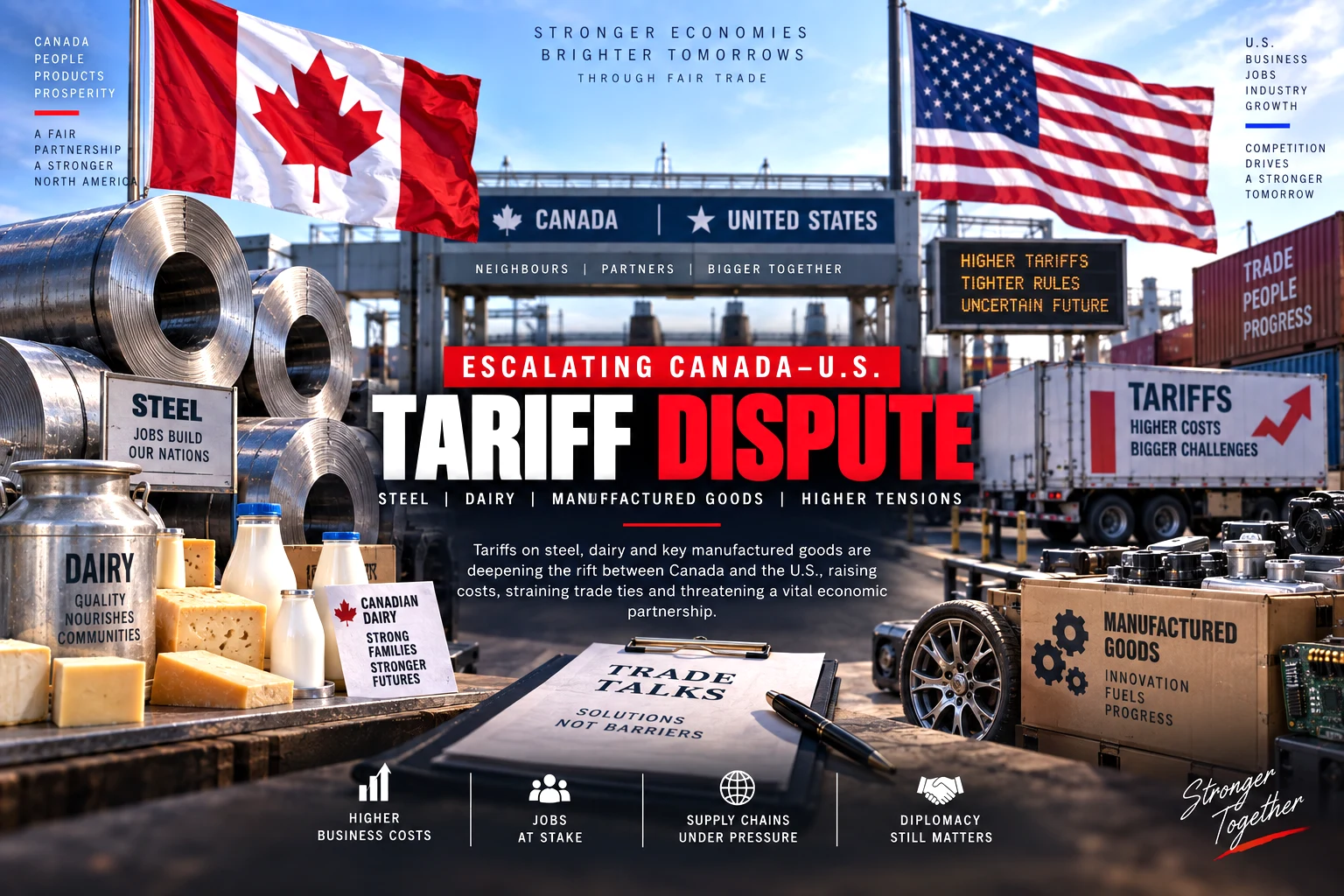
Canada has imposed new retaliatory tariffs of up to 50% on U.S. goods after trade negotiations with the Trump administration collapsed, escalating the Canada-US trade war.
The 2026 US midterms have entered a crucial phase as voting begins and Trump’s administration asks the Supreme Court to allow new restrictions affecting mail ballots.
The Trump administration faces multiple legal battles over mail voting, citizenship checks, voter data and election authority as the November 2026 midterms approach.
Voting has begun in the 2026 US midterm elections as North Carolina sends the first mail ballots, while control of Congress, mail-voting rules and redistricting dominate the campaign.
Saudi authorities said air defences destroyed a ballistic missile launched toward Riyadh on September 19, marking the first reported targeting of the capital since the latest escalation with Yemen’s Houthis, as residents received emergency warnings and explosions were heard.**
The EU has announced a €200 million Greenland partnership covering minerals, energy and connectivity as Trump’s push for US control keeps Arctic sovereignty in focus.





0 Comments