US Congress Clears Sweeping Russia Sanctions Bill; India, China Face Possible Tariffs of Up to 100%
The House voted 262-159 to approve the Lindsey O. Graham Sanctioning Russia and Iran Act of 2026 after the Senate backed it 86-11 in August. The bill targets Russian banks, energy, defence and its “shadow fleet” while creating secondary tariffs for major buyers of Russian oil and gas. It now goes to
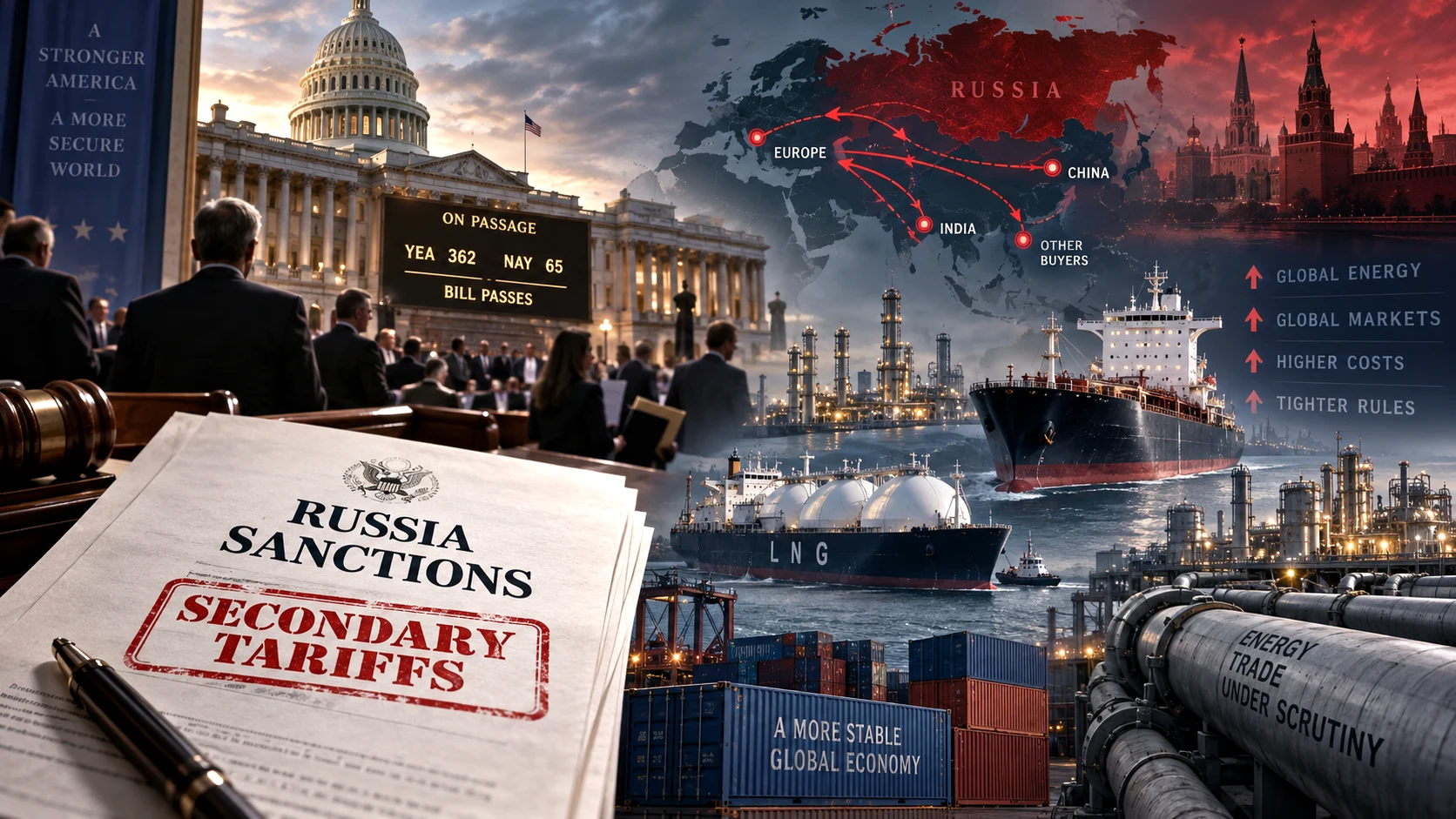
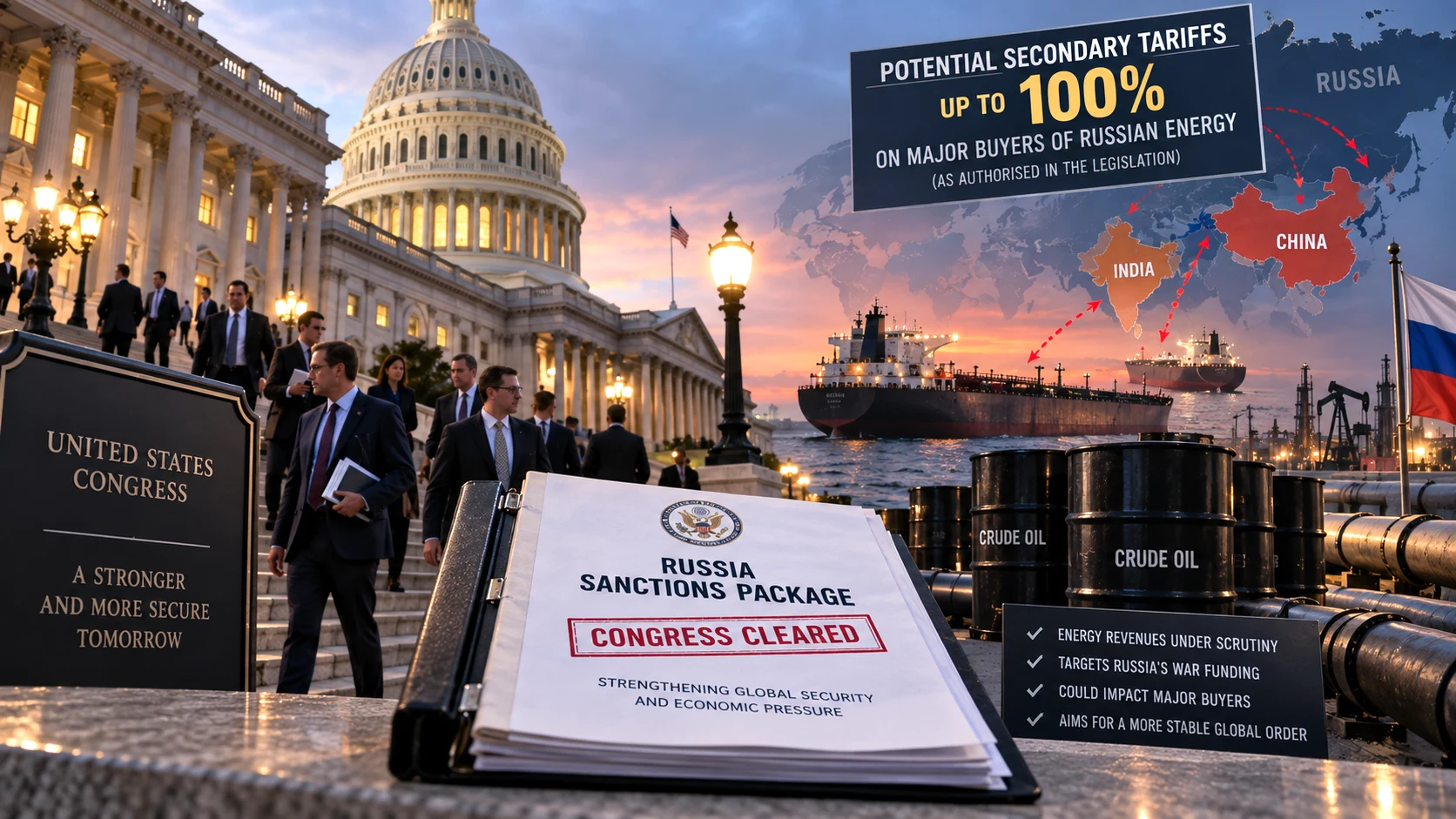
the US Congress passing sweeping Russia sanctions legislation with potential secondary tariffs on major energy buyers
Table of Contents (25 sections)
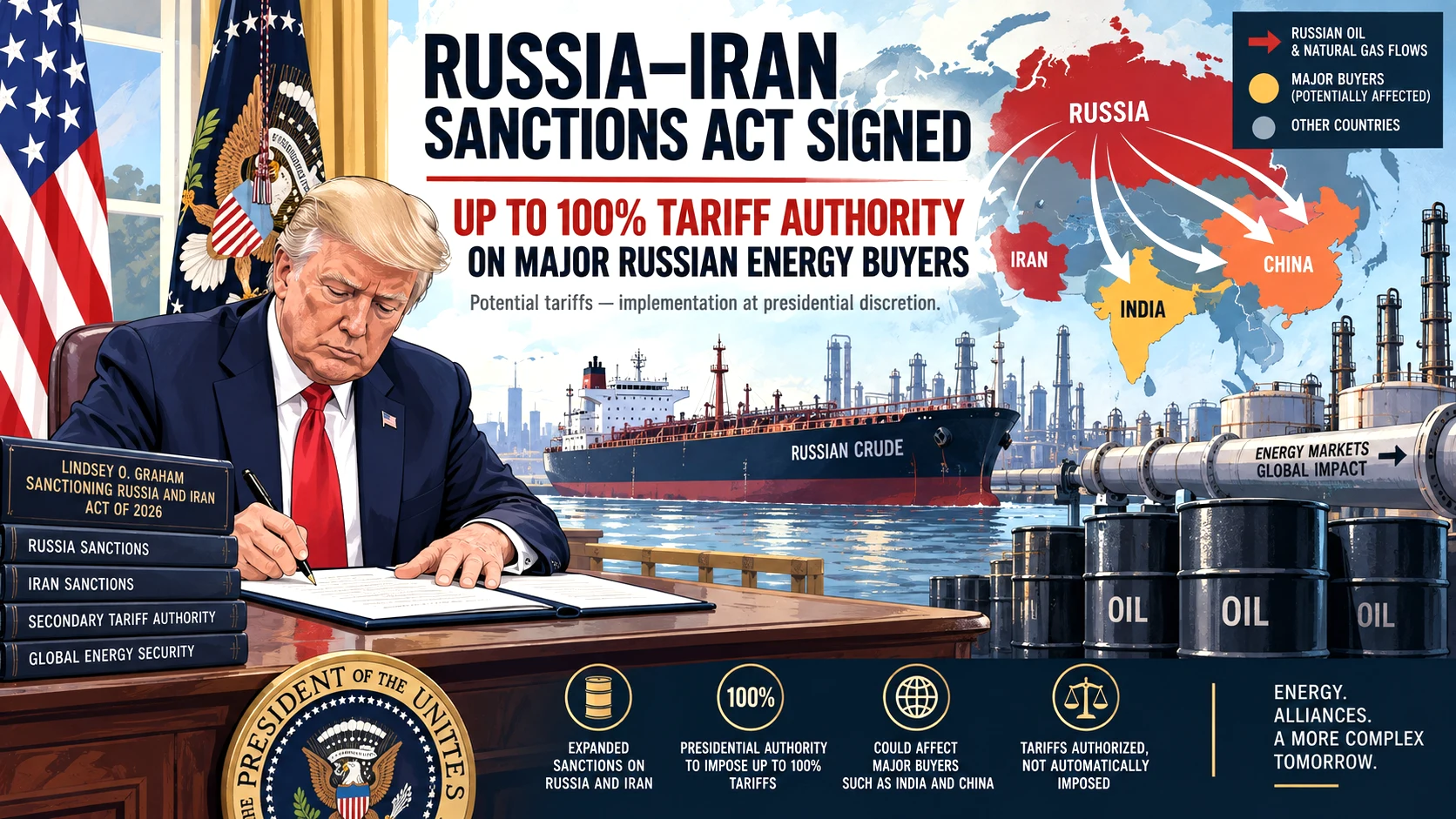
The US Congress has cleared its most far-reaching Russia sanctions package in years, creating a new mechanism that could expose major buyers of Russian oil and natural gas — including India and China — to US tariffs of as much as 100%.
The House of Representatives voted 262-159 on September 16 to concur in the Senate amendments to H.R. 5334, completing congressional action on what is now called the Lindsey O. Graham Sanctioning Russia and Iran Act of 2026.
The Senate had already approved the legislation 86-11 on August 7, with strong bipartisan support.
Because the House accepted the Senate version rather than changing it again, another Senate vote is not required. The legislation now goes to President Donald Trump for his signature.
Recommended Reading
Related Stories & In-Depth Guides
Curated editorial perspectives matching this topic.
The House approved the Lindsey O. Graham Sanctioning Russia and Iran Act of 2026 by 262-159 after the Senate passed it 86-11. The measure now awaits President Donald Trump’s signature and could subject major buyers of Russian oil or gas to additional US tariffs of up to 100%, although India and Chin
A huge Ukrainian long-range attack sent hundreds of drones toward Moscow and other parts of Russia early Sunday, damaging the Moscow Oil Refinery, disrupting civilian areas and putting Russian air defences under intense pressure. Russian officials described it as the largest drone attack yet directe
Reuters, AP and lawmakers backing the package say Trump is expected to sign it.
The bill combines direct sanctions on Russia with a powerful secondary-pressure mechanism aimed at countries that continue helping Moscow earn revenue from energy exports.
For India, however, one distinction is crucial:
The legislation does not itself say that every Indian product will automatically face a 100% tariff as soon as Trump signs the bill.
The final statutory language establishes criteria for identifying countries subject to duties, allows rates anywhere above zero and up to 100%, provides limited exceptions and gives the president waiver authority.
Key Takeaways
The US House of Representatives passed the Lindsey O. Graham Sanctioning Russia and Iran Act of 2026 on September 16 by 262 votes to 159. The House was concurring in amendments previously adopted by the Senate.
The Senate had passed the legislation 86-11 on August 7, meaning congressional action is complete and the measure now goes to President Donald Trump.
The legislation is named in honour of late South Carolina Senator Lindsey Graham, who died on July 11, 2026, after spending more than a year building support for the package.
It targets Russian officials, oligarchs, financial institutions, defence and energy interests, as well as vessels and entities associated with Russia’s sanctions-evasion “shadow fleet.”
The law would require tariffs of greater than zero and up to 100% on goods from countries meeting defined criteria as major importers of Russian crude oil or natural gas, or major facilitators of Russian oil-sanctions evasion.
The tariff provision is not a blanket automatic 100% tariff on every country buying Russian energy. It initially focuses on countries among the five largest importers by volume and certain top sanctions-evasion jurisdictions, with periodic reassessment.
India and China are widely expected to be exposed because of their large purchases of Russian energy, but the final provision uses objective criteria rather than explicitly naming India and China in the statutory text.
The president retains significant flexibility, including authority to waive sanctions or tariffs after certifying to Congress that doing so is in the US national interest.
India says it is monitoring the legislation, will prioritise energy security for its 1.4 billion people and is determined to protect its trade and economic interests.
The Kremlin says additional US sanctions would make negotiations to end the Ukraine war more difficult.
House Passes Bill 262-159
Official House voting records show 262 representatives voted for the legislation, 159 opposed it and 12 did not vote.
The breakdown was unusual.
Among Republicans:
203 voted yes
7 voted no
8 did not vote
Among Democrats:
58 voted yes
152 voted no
4 did not vote
One independent also supported the measure.
That made the legislation bipartisan, but far more politically divisive in the House than in the Senate.
House Democratic Leader Hakeem Jeffries opposed the measure, while dozens of Democrats broke with party leadership and supported it.
The disagreement was not primarily over whether Russia should face additional pressure. Many Democrats opposing the bill said they were concerned about giving Trump extensive new tariff powers and a broad ability to waive sanctions.
Senate Had Already Passed It 86-11
The Senate passed H.R. 5334 as amended on August 7 by 86 votes to 11, with three senators not voting.
Before that final vote, senators considered an amendment from Senator Rand Paul that would have removed the section creating duties on countries buying Russian oil and gas or facilitating sanctions evasion.
That amendment was rejected 32-64, leaving the secondary-tariff provision intact.
The House’s September 16 action then accepted the Senate amendments without making further substantive revisions.
Why Is the Bill Named After Lindsey Graham?
The legislation honours former South Carolina Republican Senator Lindsey O. Graham, who spent more than a year advocating for the sanctions package with Democratic Senator Richard Blumenthal and a large bipartisan group of lawmakers.
Graham died unexpectedly on July 11, 2026, according to Reuters and Senate accounts.
Days before his death, he had reached an agreement with the Trump White House that helped clear the way for the bill to advance.
After his death, his sister Darline Graham, who was appointed to his Senate seat, helped carry the legislation forward.
The Senate formally renamed the package the Lindsey O. Graham Sanctioning Russia and Iran Act of 2026 in his honour.
So the description “named in part for the late Senator Lindsey Graham” is correct.
What Does the Bill Do to Russia?
The package attacks several sources of Russian government and wartime revenue.
It provides for sanctions against Russian:
government officials;
oligarchs and certain family members;
banks and other financial institutions;
defence-related interests;
energy-sector actors;
foreign persons assisting sanctioned activity;
ships and entities involved in sanctions evasion
One of its principal targets is Russia’s so-called shadow fleet.
The term refers broadly to tankers and associated networks used to continue moving Russian petroleum despite Western restrictions, often through complicated ownership, flags, insurance arrangements and trading structures.
The legislation targets vessels and foreign parties knowingly assisting sanctions evasion involving Russian oil.
Tariffs of Up to 500% on Russian Goods
The legislation goes further than secondary sanctions.
Section 112 directs the president, within 30 days of enactment, to increase tariffs on goods imported directly from Russia to as much as 500% ad valorem.
The provision covers Russian goods generally, explicitly including categories such as oil, natural gas, LNG, petroleum products, coal and related products.
Given the already restricted level of US-Russia trade, the more globally consequential section may instead be the secondary tariff mechanism affecting third countries.
How the 100% Secondary Tariff Provision Works
Section 113 is central to concerns in New Delhi, Beijing and other capitals.
The bill says that no later than 30 days after enactment, the president must increase duties on goods from a qualifying country to a rate greater than zero and up to 100%.
A country qualifies initially if it meets specified conditions.
These include a country that:
knowingly continues making new purchases of Russian-origin crude oil or natural gas after the statutory period; and
was among the five largest importers by volume of Russian crude oil or natural gas during the relevant previous 12 months
The provision also covers countries identified among the top five jurisdictions facilitating Russian oil-sanctions evasion.
The US Trade Representative must subsequently reassess major buyers every 180 days.
Does the Bill Automatically Put a 100% Tariff on India?
No.
This is the most important correction to some early headlines.
The legislation creates a tariff regime with a ceiling of 100%, but it does not state that every qualifying country automatically receives precisely a 100% duty.
The statutory language provides for a rate above zero and up to 100%.
The rate can also be modified if a country significantly increases or reduces its Russian energy purchases.
Before a duty is imposed or changed, the administration must give designated congressional committees a written explanation of the rate and the methodology used to determine that the country qualifies.
So:
India faces a potentially very serious tariff risk, but a 100% tariff has not yet been imposed under this legislation.
Are India and China Explicitly Named in the Bill?
Not in the final criteria-based provision reviewed by the House.
A proposed House amendment would have specifically named an initial list of countries including:
China
India
Türkiye
Azerbaijan
Hungary
Slovakia
United Arab Emirates
Singapore
Kazakhstan
Kyrgyzstan
But the House Rules Committee rejected an effort to make that amendment available for consideration.
The legislation that passed instead uses the ranking-and-purchasing criteria in Section 113.
That distinction does not mean India and China are safe from the provision.
Reuters and AP both identify them as central intended targets because they are major purchasers of Russian energy.
But from a legal accuracy standpoint, it is better to write:
“The bill could subject India and China to tariffs of up to 100% because of their Russian energy purchases.”
Rather than:
“The bill automatically imposes a 100% tariff on India and China.”
Natural Gas Exception Is Narrow
The legislation includes an exception relating to natural gas.
A qualifying country can avoid tariffs tied to its Russian natural-gas imports where those purchases represent less than 15% of Russia’s annual natural-gas exports during the relevant period and the country has taken significant steps to reduce them.
This is one reason the eventual country-by-country effect depends on trade flows and US government determinations, rather than simply whether a country purchased any amount of Russian energy.
Trump Has Broad Waiver Power
Another major point of controversy is Section 115.
It allows the president to waive sanctions, restrictions or duties under the title.
Before doing so, Trump would generally have to send Congress:
written certification that the waiver is in the US national interest; and
an explanation supporting that conclusion
This flexibility contributed to Democratic opposition.
Reuters reported that critics argued the national-interest standard gives Trump considerably more freedom than is common in some sanctions regimes.
Supporters counter that presidential flexibility is necessary to use sanctions as leverage in negotiations and prevent unintended damage to US interests.
India Warns of Impact on Bilateral Relations
India has already responded.
The Ministry of External Affairs said New Delhi had taken note of the legislation and discussed its potential implications with US interlocutors.
India said it remains committed to ensuring energy security for its 1.4 billion people through diversified sourcing and in response to market conditions.
Reuters reported that India has also warned Washington that tariff measures tied to Russian oil purchases could affect the wider US-India relationship.
New Delhi said it would take measures necessary to protect its trade and economic interests.
That response reflects the difficult policy choice created by the legislation.
Russia has become one of India’s major crude-oil suppliers, and replacement barrels may be more expensive or difficult to obtain, particularly during periods of tight global supply.
At the same time, the United States is one of India’s most important export destinations.
India Has Not Been Hit With This New Tariff Yet
Another distinction is essential.
As of September 17:
Congress has passed the bill.
Trump has not yet completed the signing process reported in the available sources.
The new statutory tariff mechanism therefore has not yet produced an India-specific duty under Section 113.
The US government would still have to determine qualifying countries and applicable rates under the legislation
Claims that “America has already imposed a new 100% tariff on India under the Graham Act” would therefore be premature.
The risk is now much more concrete, but implementation comes after enactment.
Could Tariffs Apply to All Indian Goods?
Potentially, yes, if India is formally designated under Section 113 and no waiver or applicable exception intervenes.
The statutory provision refers to increasing the rate of duty for all goods imported into the United States from a qualifying country, rather than imposing the additional tariff only on that country’s oil-related exports.
That is why the measure could have much wider consequences than an energy sanction.
It potentially links a country’s purchases of Russian petroleum to the treatment of its exports across the US market.
For a large US trading partner such as India, the economic consequences could therefore extend to numerous export industries.
The actual effect will depend on the rate selected and how Trump uses the waiver and implementation powers.
Tariffs Would Be Additional to Other US Duties
Section 113 also says the Russia-linked duties would be in addition to other applicable tariffs, fees and trade remedies.
This means a product already subject to an existing US tariff could potentially face an extra Russia-related duty.
That provision helps explain the concern among lawmakers who warned that aggressive implementation could raise import costs for US businesses and consumers.
China Rejects US ‘Long-Arm Jurisdiction’
China has also objected to the legislation.
A Chinese Foreign Ministry spokesperson told reporters that Beijing opposes what it regards as US “long-arm jurisdiction” without a basis in international law or UN Security Council authorisation.
China is another major purchaser of Russian energy and is widely viewed as one of the principal countries Congress intended the secondary tariff provision to influence.
How Beijing responds after Trump signs and implements the legislation could significantly affect US-China economic relations.
Russia Says Bill Could Hurt Peace Efforts
Moscow has condemned the legislation.
Kremlin spokesperson Dmitry Peskov said on September 17 that further US sanctions would be an “unfriendly” action and would make efforts to reach a Ukraine peace agreement more difficult.
That puts Moscow’s interpretation directly at odds with supporters of the legislation.
American lawmakers backing the bill argue that additional economic pressure will make negotiations more likely by reducing Russia’s resources and increasing the costs of continuing the war.
The Kremlin argues the opposite — that sanctions will complicate diplomacy.
Neither outcome is guaranteed.
Zelenskyy Strongly Backed the Bill
Ukrainian President Volodymyr Zelenskyy actively lobbied for the legislation.
He met US lawmakers before the Senate vote and publicly urged the House to approve the package.
After congressional passage, Zelenskyy described the sanctions legislation, together with existing measures, as an extremely powerful tool for applying pressure to Moscow.
For Kyiv, cutting Russian energy revenue has long been a central objective because oil and gas exports remain important sources of state income.
The Iran Part of the Bill Matters Too
Despite the focus on Russia, the law is formally called the Sanctioning Russia and Iran Act.
One reason Trump ultimately backed the legislation was the addition of a provision extending the Iran Sanctions Act of 1996 for five years, through 2031.
That measure preserves US sanctions authorities targeting financing connected to Iran’s energy and weapons sectors.
The Iran provision became particularly important amid the administration’s broader confrontation with Tehran.
Why Some Democrats Opposed the Bill
House opposition produced an unusual political divide.
Many Democrats strongly support Ukraine but still voted against this bill.
Their main concerns included:
giving Trump extensive tariff authority;
the possibility that the president could target US allies;
higher prices for American consumers;
the breadth of the national-interest waiver;
concern that Trump could waive sanctions on Russia while using tariffs aggressively elsewhere
Jeffries argued that the legislation contained too many loopholes and did not guarantee effective pressure on Moscow.
Other Democrats, including veteran Maryland Representative Steny Hoyer, supported it on the grounds that failing to act would weaken Ukraine.
Republicans Also Had Some Dissent
The vote was not completely unified among Republicans either.
Seven Republicans voted no.
Concerns within the party included expanded tariff powers and the possibility that additional duties would increase costs as Republicans head towards difficult midterm elections.
But the overwhelming majority of House Republicans supported the legislation, and Speaker Mike Johnson praised its use of economic pressure against countries continuing to finance Russian energy exports.
Why Official Records May Show H.R. 5334 as an Education Tax Bill
Readers checking the House roll-call record may notice something confusing.
The Clerk’s page identifies H.R. 5334 with its original description concerning an educator expense tax deduction.
That is because lawmakers used H.R. 5334 as the legislative vehicle.
The Senate amended the bill by substituting the Russia and Iran sanctions package and changing its title.
The Senate’s official voting record identifies the amended measure as an act imposing sanctions and other measures relating to Russia and honouring Lindsey Graham.
The House then voted to concur in those Senate amendments.
So there is no separate sanctions bill still waiting for another congressional vote.
What Happens When Trump Signs It?
Once enacted, implementation deadlines begin.
For the secondary tariff mechanism, Section 113 provides a period of up to 30 days after enactment for the administration to impose duties on countries meeting the initial criteria.
US authorities will need to determine:
which countries are among the five largest importers of Russian crude oil;
which are among the five largest importers of Russian natural gas;
which jurisdictions are leading facilitators of Russian oil-sanctions evasion;
what tariff level between greater than zero and 100% should apply;
whether exceptions apply;
and whether Trump chooses to issue any national-interest waivers
The US Trade Representative must then reassess key country lists every 180 days.
Bottom Line
The core claim is confirmed.
The US House passed the Lindsey O. Graham Sanctioning Russia and Iran Act of 2026 by 262-159 on September 16, after the Senate approved the package 86-11 on August 7. It now goes to President Donald Trump and is expected to become law.
The legislation imposes sweeping new sanctions targeting Russia’s government-linked figures, financial system, energy and defence sectors and its sanctions-evasion “shadow fleet.” It also allows tariffs on Russian goods of up to 500%.
Its most internationally consequential provision creates additional tariffs of greater than zero and up to 100% on goods from countries meeting statutory criteria as major buyers of Russian crude or gas or leading facilitators of Russian oil-sanctions evasion.
India and China are widely regarded as principal potential targets, but the distinction is important:
Congress has not automatically imposed a new 100% tariff on India.
The final text uses objective trade criteria, the administration must determine which countries qualify and the tariff rate, and Trump retains a national-interest waiver power.
India has responded by stressing the energy needs of its 1.4 billion people and saying it will protect its trade and economic interests, while also warning that tariff measures could affect India-US ties.
Russia, meanwhile, says further US sanctions would make peace negotiations harder; supporters of the bill argue the opposite, saying greater economic pressure is needed to force Moscow towards an agreement.
The next decisive step is Trump’s signature — followed by the administration’s decisions on which countries are designated, what tariff rates are imposed and whether any waivers are granted.
Key Takeaway
US Congress clears sweeping Russia sanctions bill.
Secondary tariffs of up to 100% possible for major buyers of Russian energy.
India and China face significant risk but no automatic 100% tariff yet.
The Rajatheertha Team publishes news, explainers, guides and updates across India and the world. Our coverage follows Rajatheertha's editorial, verification and corrections standards.
The new US law targets Russia’s energy, financial and defence networks and allows additional tariffs of up to 100% on goods from the largest buyers of Russian oil and gas. India faces significant exposure because of its large Russian crude imports, but a 100% tariff on Indian goods has not been impo
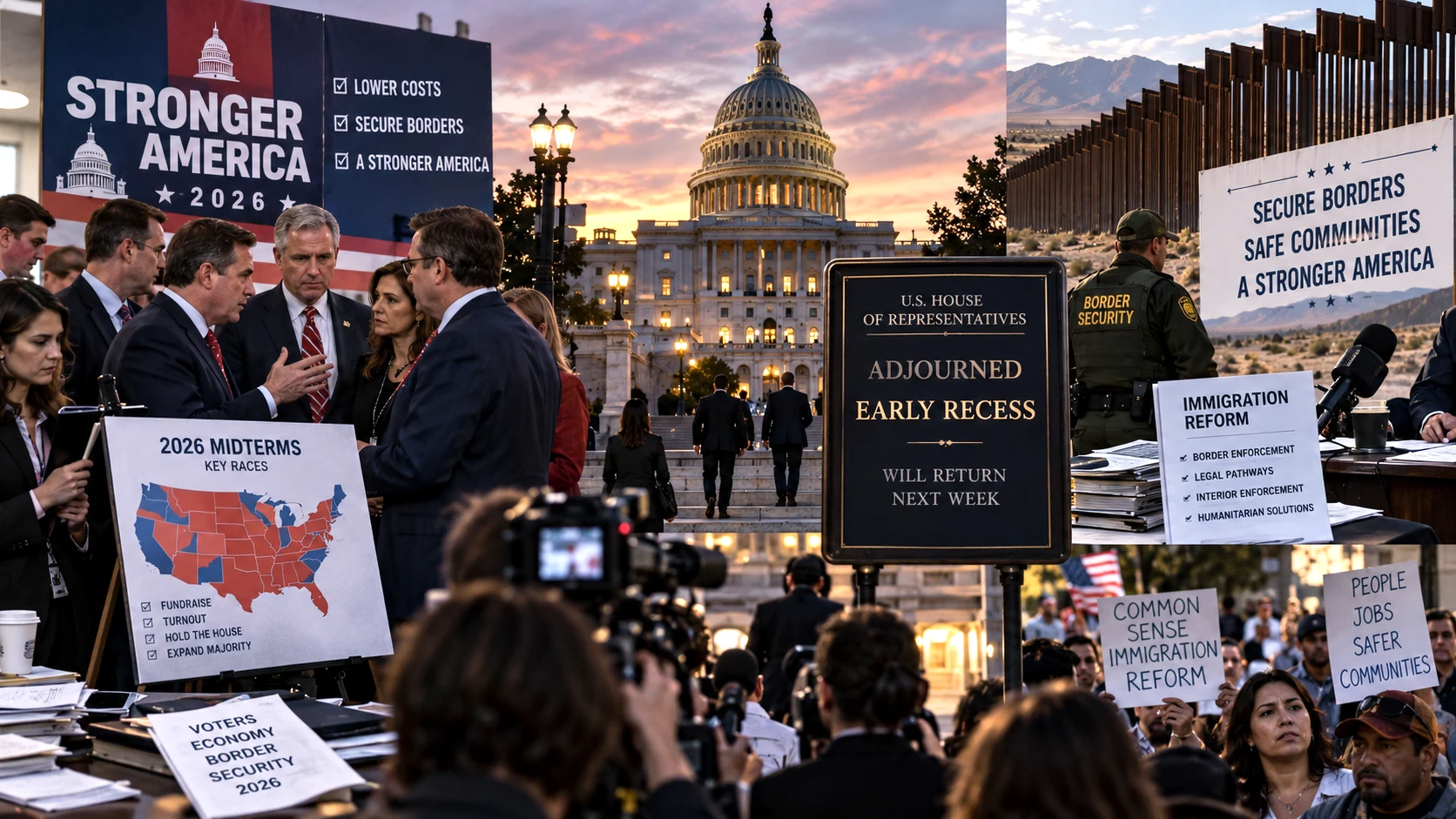
The Florida Republican says Hispanic voters who helped return Donald Trump to the White House now “feel betrayed,” while polling shows broader erosion in support for the president’s immigration approach. Separately, Speaker Mike Johnson has sent the House home early for the campaign season, drawing
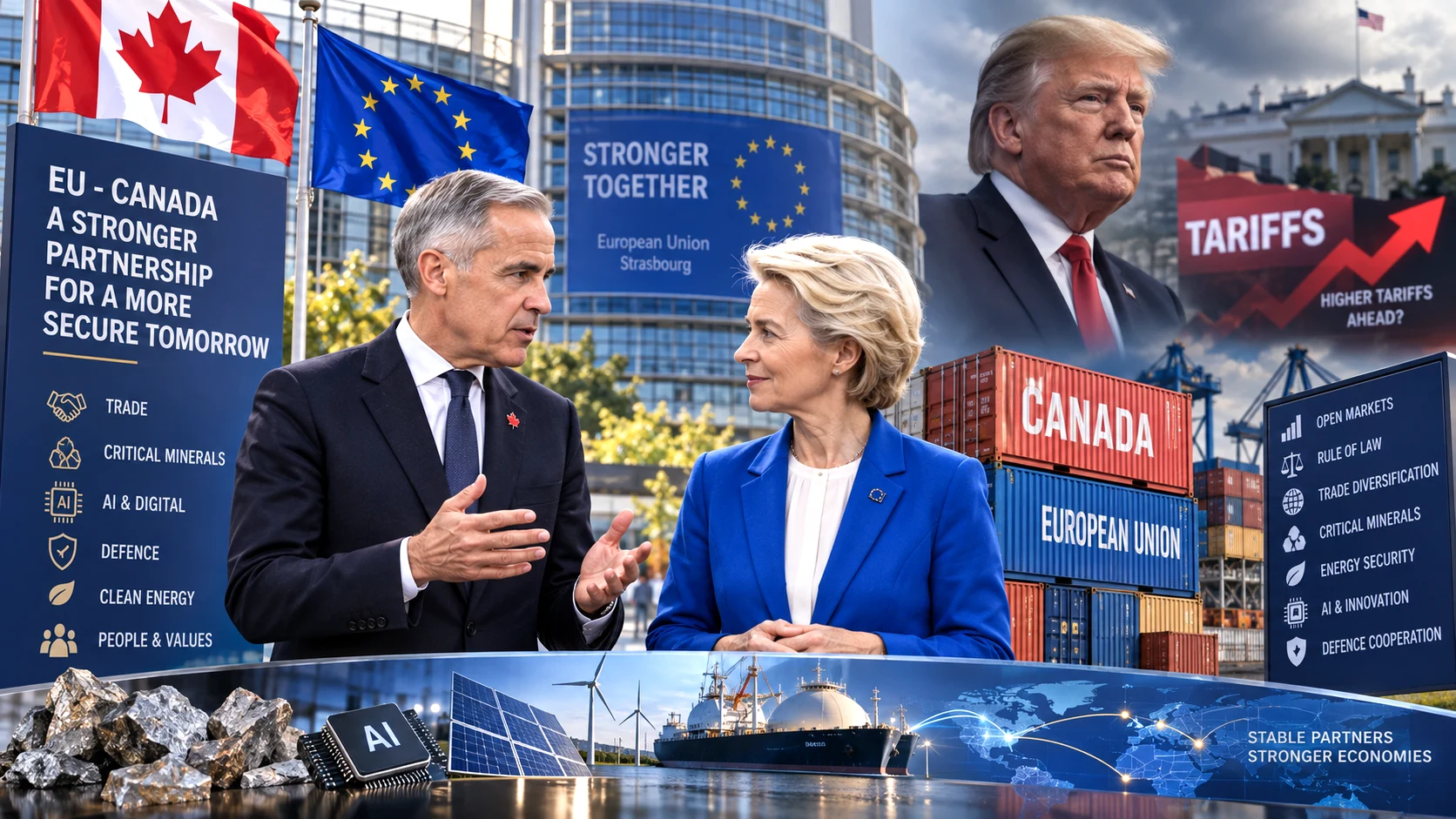
European Commission President Ursula von der Leyen has proposed opening the door for Canada to become the EU’s first “associate member,” but the status does not yet legally exist and has not been approved by the bloc’s 27 governments. Mark Carney welcomed the ambition in Strasbourg as Donald Trump w
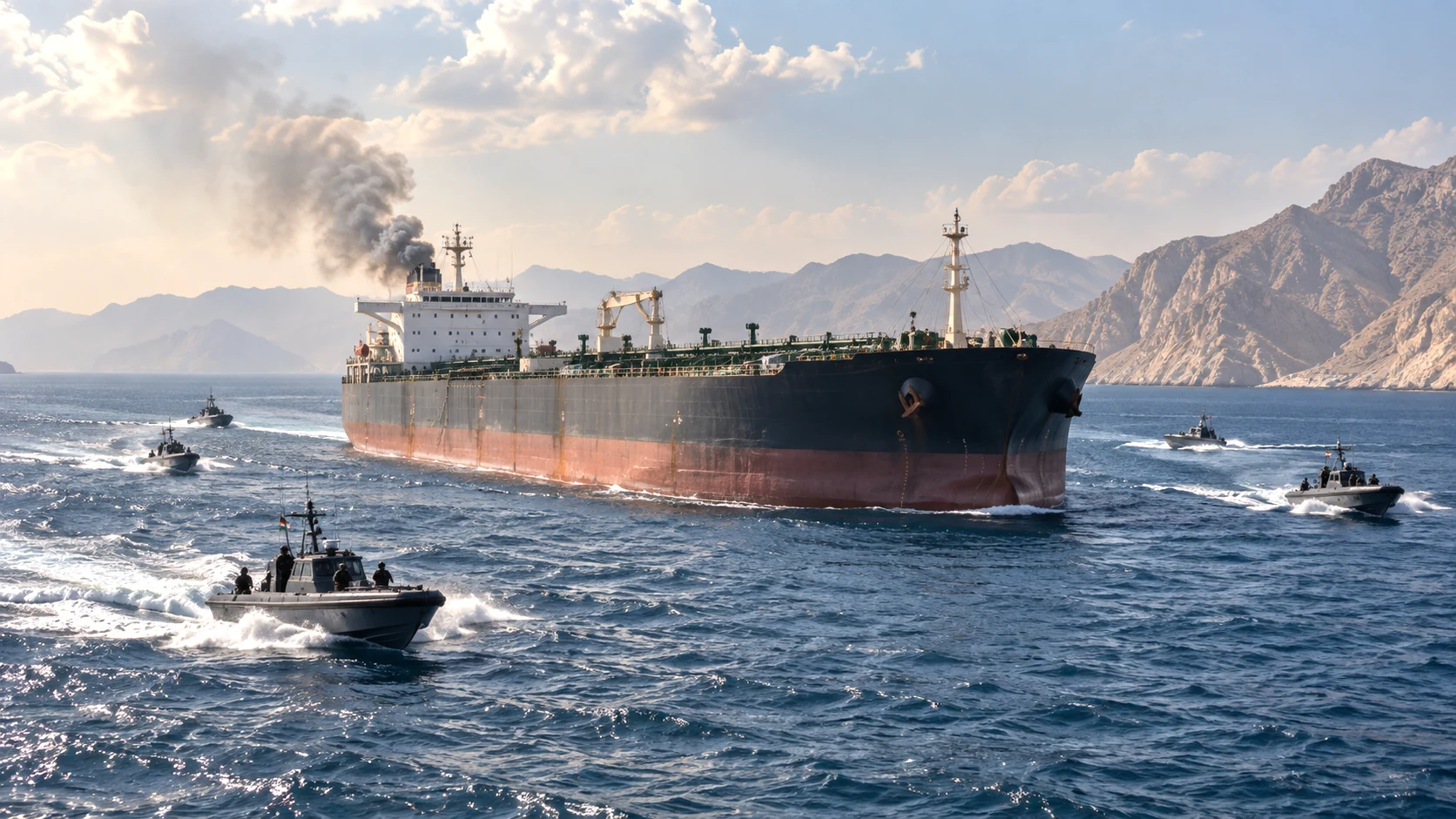
Iran’s Revolutionary Guards Navy says the Togo-flagged oil-products tanker caught fire and stopped after attempting what Tehran called an “illegal passage” on September 17. No independent confirmation of the strike, casualties or cargo damage was immediately available as shipping through the strateg
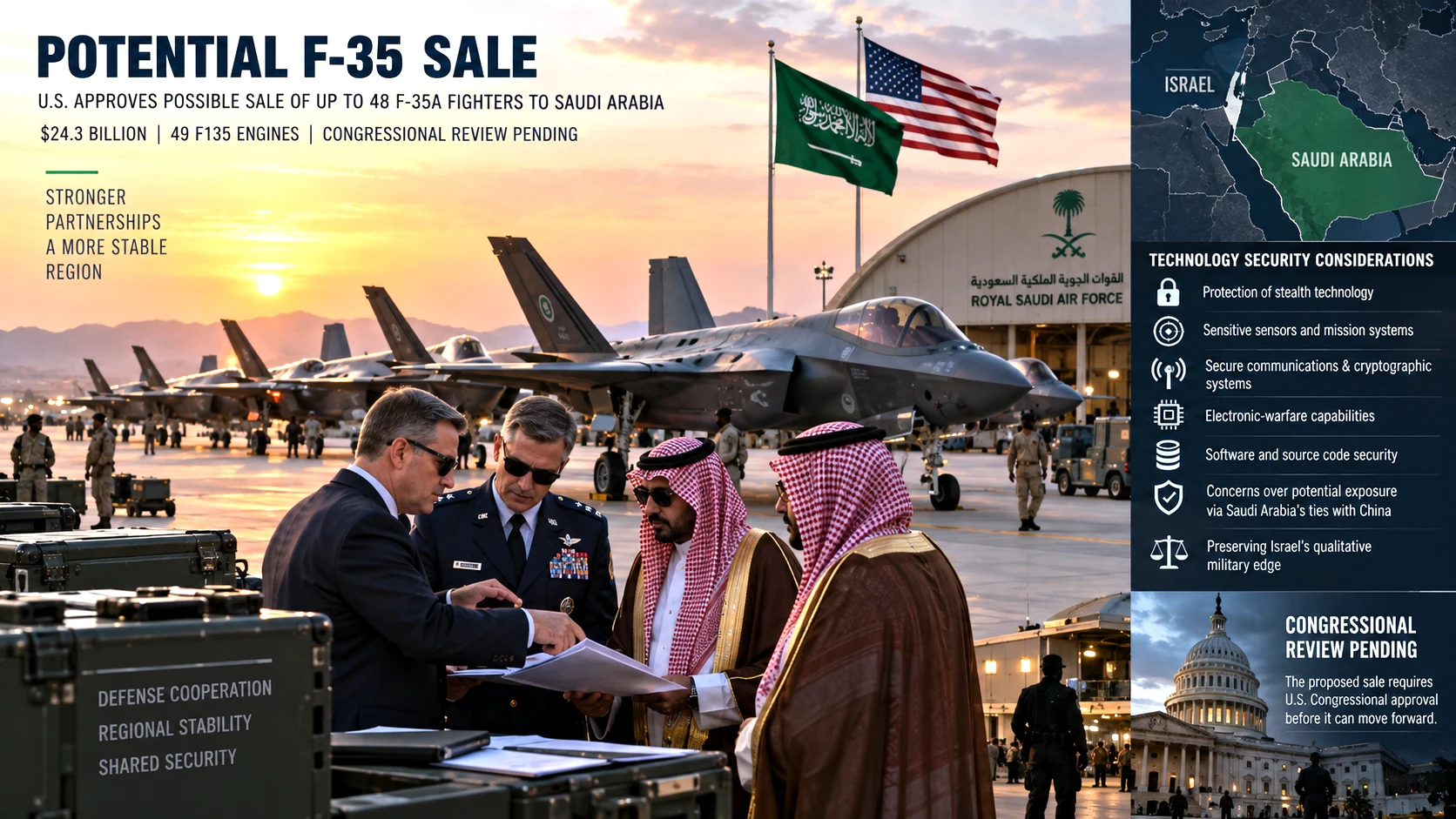
The Trump administration has formally notified Congress of a proposed sale of 48 F-35A stealth fighters and 49 engines to Saudi Arabia. The deal is not yet completed, while separate US intelligence assessments have reportedly warned that China could try to gain access to sensitive F-35 technology th
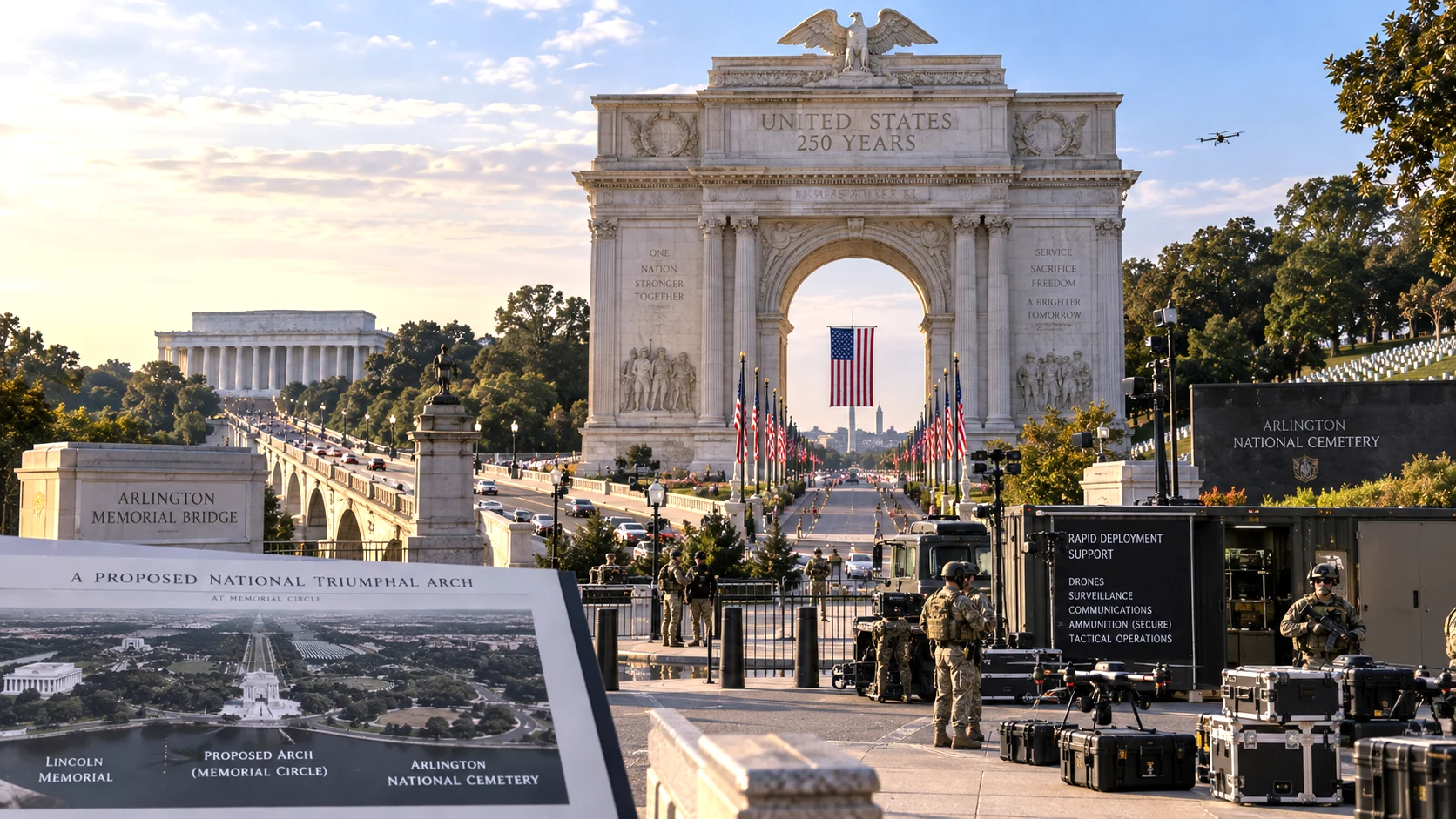
President Donald Trump says his proposed 250-foot triumphal arch near Arlington National Cemetery will now be designed as a dual-purpose military facility capable of housing drones, sniper positions and ammunition. The announcement adds a national-security dimension to an already controversial Washi


0 Comments