Trump Signs Russia-Iran Sanctions Act, Opening Door to Tariffs of Up to 100% on Major Russian Oil Buyers
The new US law targets Russia’s energy, financial and defence networks and allows additional tariffs of up to 100% on goods from the largest buyers of Russian oil and gas. India faces significant exposure because of its large Russian crude imports, but a 100% tariff on Indian goods has not been impo
US President Donald Trump has signed one of Washington’s most consequential new Russia sanctions packages into law, creating a fresh source of trade uncertainty for countries including India and China that remain major buyers of Russian energy.
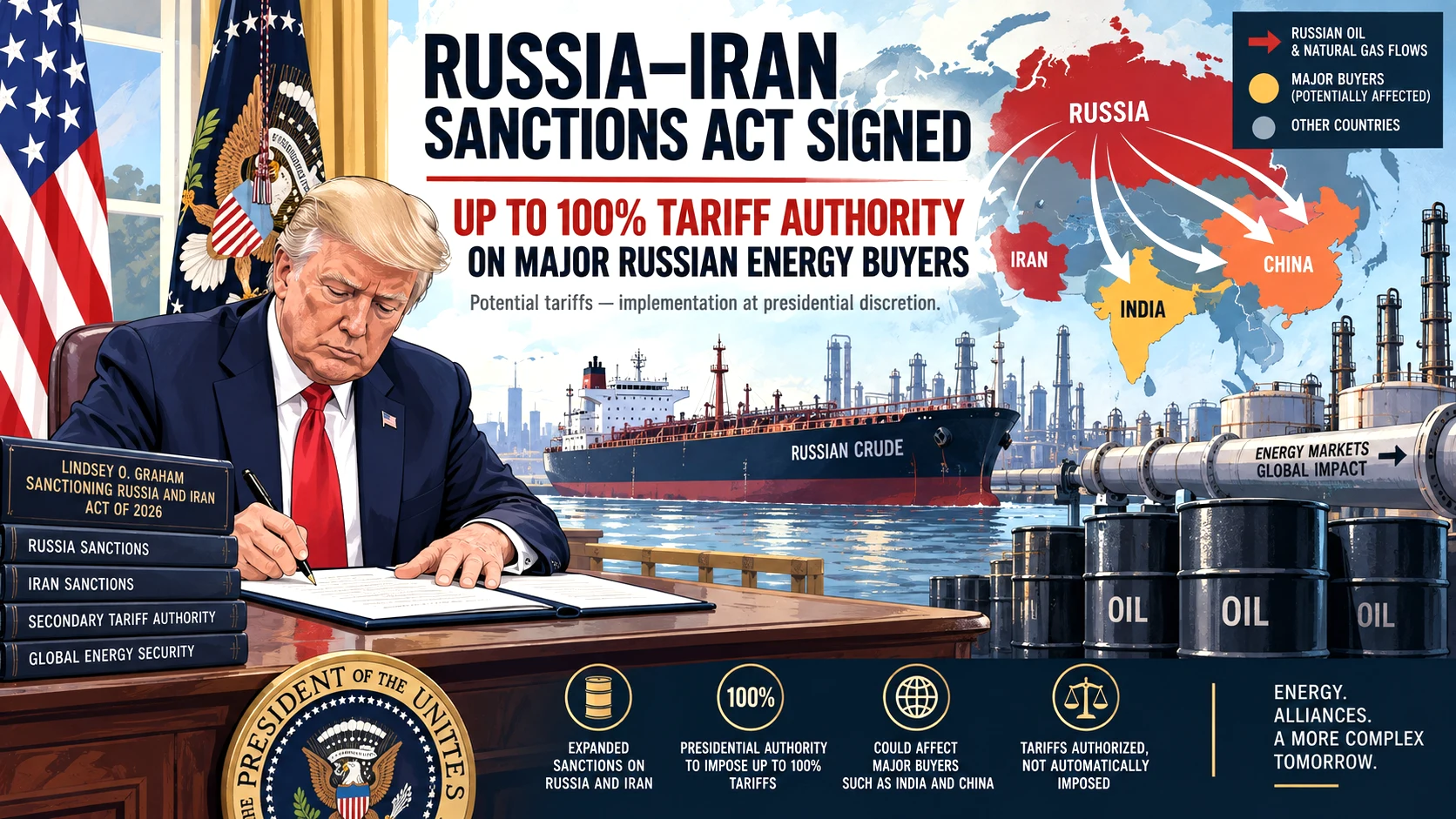
The White House confirmed that Trump signed H.R. 5334 on September 18. The enrolled legislation is formally titled the Lindsey O. Graham Sanctioning Russia and Iran Act of 2026 and expands statutory sanctions, tariffs and other restrictions targeting Russia while extending the Iran Sanctions Act.
The law goes considerably beyond direct sanctions on Moscow. It establishes a framework allowing additional tariffs of up to 100% on goods entering the United States from certain countries that continue purchasing Russian-origin crude oil or natural gas.
That provision puts India under close scrutiny because of the scale of its Russian crude purchases.
However, an important distinction is necessary: Trump’s signature did not itself impose an immediate 100% tariff on every Indian export to the United States.
The enacted law establishes the legal mechanism for duties of up to 100%, sets criteria for determining which countries fall within its scope and allows presidential waivers under specified conditions.
Recommended Reading
Related Stories & In-Depth Guides
Curated editorial perspectives matching this topic.
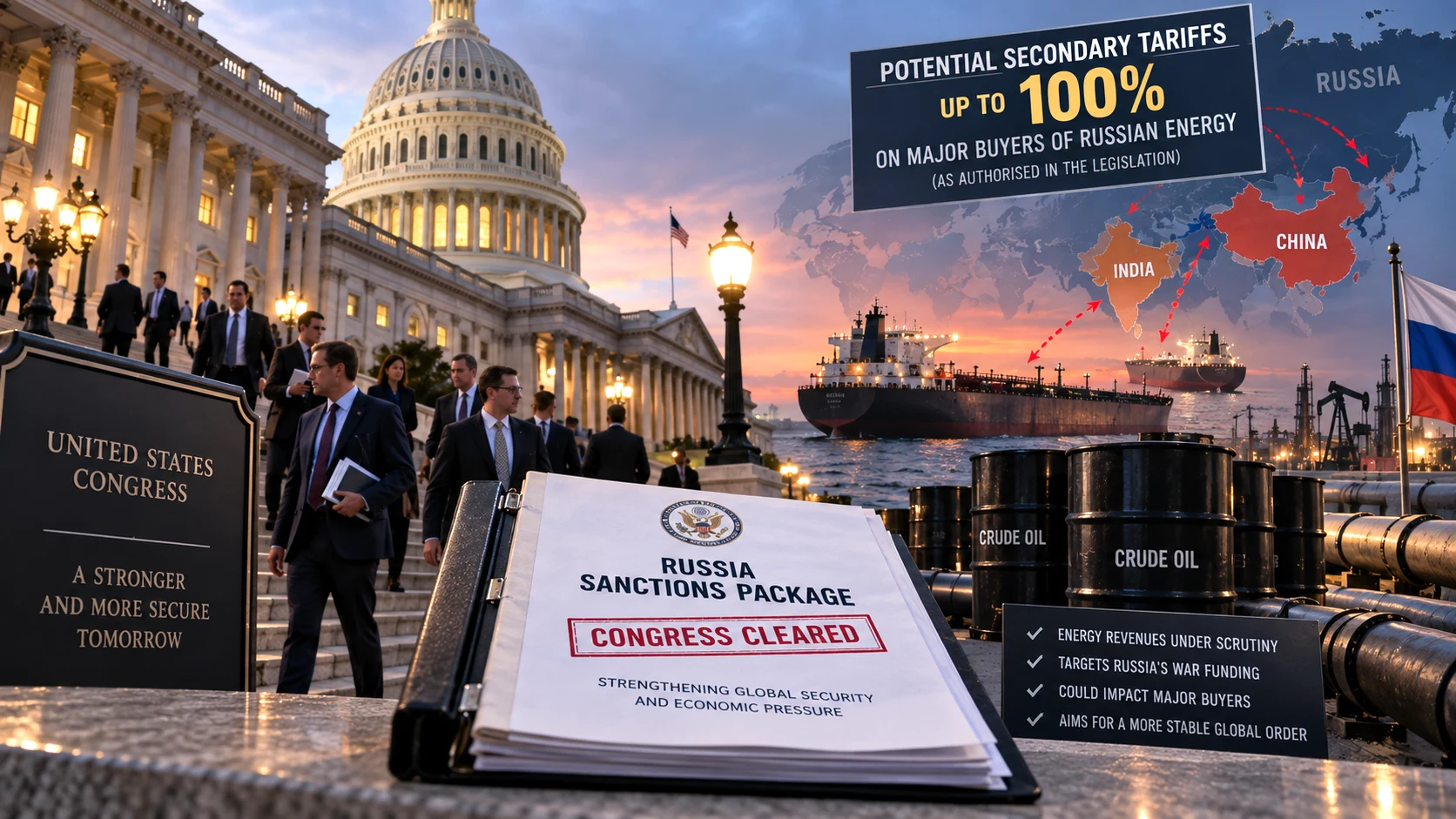
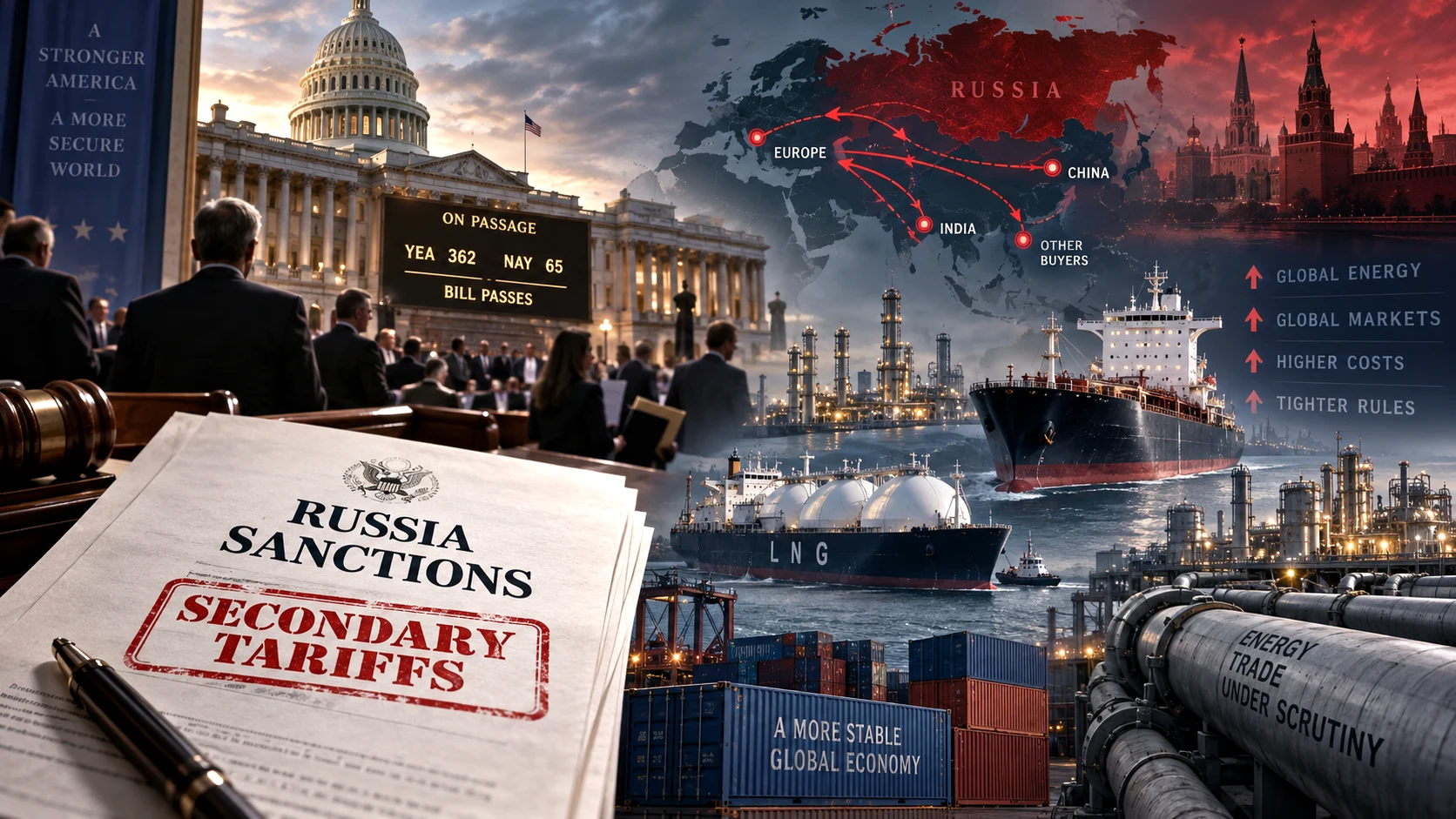
The House approved the Lindsey O. Graham Sanctioning Russia and Iran Act of 2026 by 262-159 after the Senate passed it 86-11. The measure now awaits President Donald Trump’s signature and could subject major buyers of Russian oil or gas to additional US tariffs of up to 100%, although India and Chin
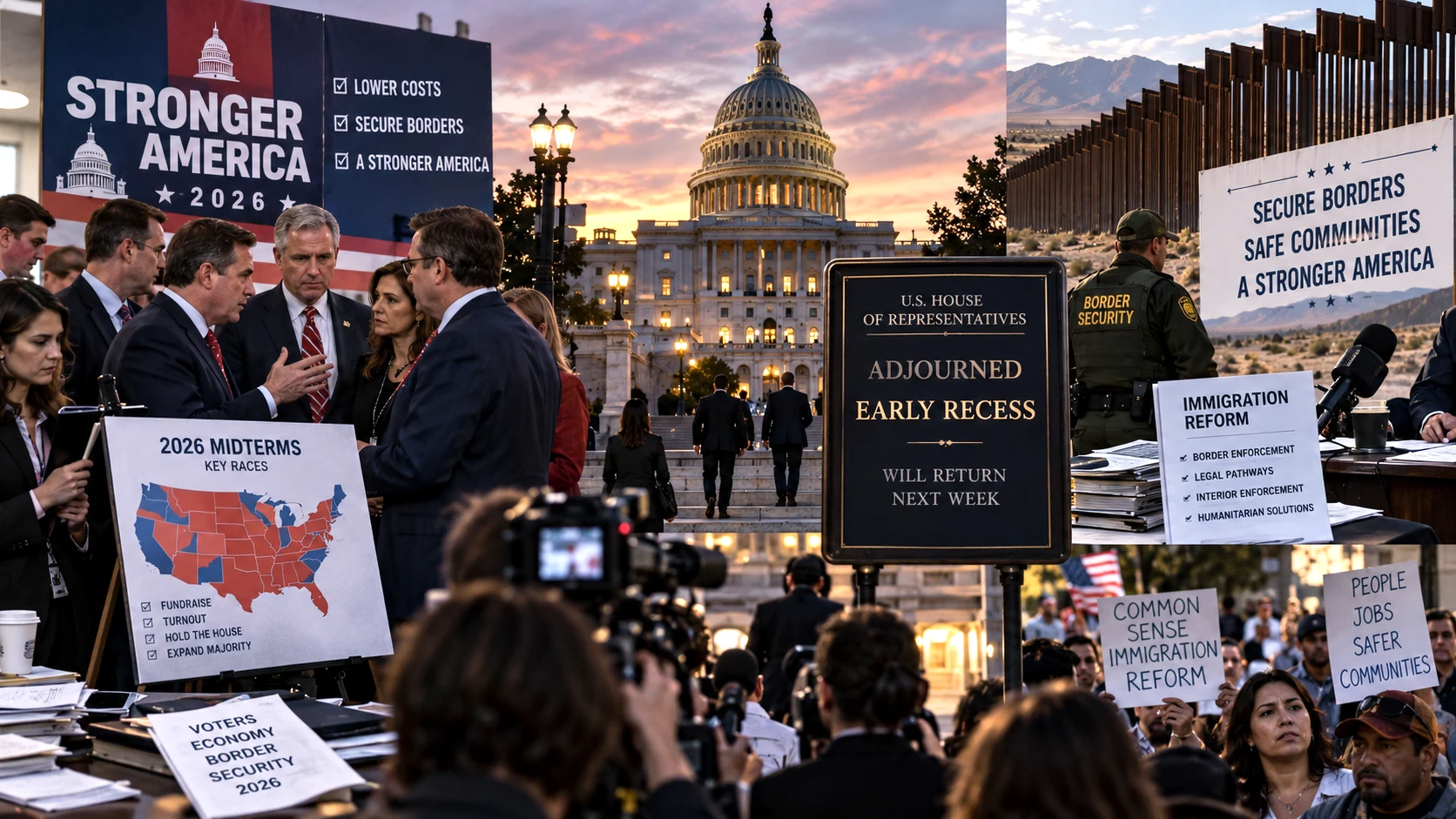
The Florida Republican says Hispanic voters who helped return Donald Trump to the White House now “feel betrayed,” while polling shows broader erosion in support for the president’s immigration approach. Separately, Speaker Mike Johnson has sent the House home early for the campaign season, drawing
Key Takeaways
US President Donald Trump signed H.R. 5334, the Lindsey O. Graham Sanctioning Russia and Iran Act of 2026, into law on September 18.
The law targets Russian officials, financial institutions, energy activity and vessels linked to sanctions evasion.
Section 113 provides for additional tariffs of up to 100% on all US imports from countries that meet criteria tied to being among the five largest buyers of Russian crude oil or natural gas, or major facilitators of Russian oil sanctions evasion.
The legislation does not mean India has immediately been hit with a blanket 100% tariff. The tariff rate, covered-country determination, implementation process and possible waivers still matter.
India is highly exposed because Russia supplied 50.83% of India’s crude imports in July 2026, according to trade data cited by Reuters.
India has said it will protect the energy security of its 1.4 billion people and has warned Washington about possible consequences for bilateral relations and global energy markets.
What Trump Signed
H.R. 5334 passed the US Senate in August by an 86-11 vote and cleared the House of Representatives this week by 262-159 before reaching Trump’s desk.
The measure was championed by the late Republican Senator Lindsey Graham of South Carolina and was later named in his honour.
The law targets multiple elements of Russia’s economy and its ability to finance the war in Ukraine.
Its provisions include sanctions affecting Russian government officials, oligarchs, banks and other financial institutions, as well as foreign entities supporting Russia’s defence industry. It also targets vessels and businesses associated with Russia’s so-called shadow fleet — tankers used to move Russian energy while avoiding or circumventing sanctions and price-cap restrictions.
The legislation additionally extends the Iran Sanctions Act of 1996 for five years.
The 100% Tariff Provision Explained
Section 113 is the provision with the greatest potential significance for India.
Under the enacted text, the US president must establish additional duties for goods imported from countries meeting the law’s definition of covered countries. The tariff can be set at a rate of up to 100% ad valorem.
The provision applies to a country that knowingly makes new purchases of Russian-origin crude oil or natural gas after the statutory implementation period and was among the five largest importers of Russian crude or gas by volume during the relevant preceding 12 months.
The law also covers countries identified among the five largest facilitators of Russian oil sanctions evasion.
One of the most important details is that the additional duty applies to all goods imported into the United States from a covered country, rather than being a tariff applied only to the Russian oil that country purchases.
That is why the legislation could have consequences far beyond the energy sector.
Does India Now Face a 100% US Tariff?
Not automatically.
The law authorises rates up to 100%. It does not state that every qualifying country must immediately receive the maximum 100% rate.
The administration must determine which countries satisfy the statutory criteria and establish the applicable tariff rate. The law also requires written justification to congressional committees before duties are imposed or changed.
Furthermore, Section 115 allows the president to waive duties or other sanctions provisions if he certifies to Congress that doing so is in the national interest of the United States.
The exact tariff facing India therefore depends on how the Trump administration implements the law, whether India remains within the covered group when the required determination is made, the rate selected and whether Washington grants any waiver or other relief.
Headlines saying India has already been subjected to a new 100% US tariff would therefore go beyond what has happened so far.
Why India Is Particularly Exposed
India nevertheless faces a substantial risk because Russia has become one of its dominant crude-oil suppliers.
Reuters reported that Russian crude accounted for a record 50.83% of India’s oil imports in July 2026, equivalent to roughly 2.47 million barrels per day.
Across April to July, Russia accounted for an average 43.25% of India’s crude imports, according to the same report.
Those volumes make India one of the largest international purchasers of Russian crude and therefore place it squarely within the group being watched under the new US legislation.
Russia’s importance to India has also increased because energy flows from traditional Middle Eastern suppliers have faced disruption, making Russian barrels an important part of India’s effort to secure sufficient crude at workable prices.
India Had Already Raised Concerns With Washington
New Delhi publicly responded even before Trump signed the legislation.
India’s Ministry of External Affairs said it had discussed the measure with the United States and had made clear its concerns about the possible impact on bilateral relations and international energy markets.
The ministry said India remained firmly committed to ensuring energy security for its population and would continue obtaining supplies from diverse sources according to market conditions.
It also said the government was prepared to take measures necessary to protect India’s trade and economic interests.
India’s position reflects a longstanding argument that energy purchasing decisions must account for affordability, availability and the needs of a large oil-importing economy.
What Could a High Tariff Mean for Indian Exports?
The potential trade consequences could be considerable if Washington eventually imposes a high Section 113 tariff on India.
The United States is India’s largest export destination. Indian goods exports to the US reached $42.79 billion during April-August 2026, up from $40.39 billion during the same period a year earlier, according to official figures cited by Reuters.
Because Section 113 concerns duties on goods imported into the United States from a covered country, its impact would not necessarily be restricted to Indian petroleum companies.
Depending on implementation, exporters in a wide range of sectors could face additional costs in the US market.
The statute also states that Section 113 duties are to be in addition to other applicable duties, fees and tariffs.
That makes the eventual rate particularly important.
A low additional levy and a maximum 100% levy would have vastly different commercial consequences.
The Law Creates a 30-Day Implementation Window
The enacted text states that the president must act no later than 30 days after enactment for countries falling under Section 113.
The law defines a covered energy-purchasing country partly by whether it makes new purchases of Russian-origin crude oil or natural gas on or after 30 days following enactment.
The United States Trade Representative must then revisit the relevant country lists within 180 days after the initial imposition of duties and every 180 days thereafter, using the most recent 12-month import period.
That means the list of countries potentially exposed to the tariff is not necessarily permanent.
Changes in Russian oil and gas purchasing patterns could change which countries fall within the top-five categories.
Tariff Rates Can Also Be Adjusted
The legislation gives the US Trade Representative authority to modify Section 113 tariff rates after their initial imposition.
The law specifically provides for changes when a covered country takes significant steps either to increase Russian energy purchases or to decrease or stop them.
This effectively creates a mechanism for Washington to use tariff levels as leverage over foreign governments’ Russian energy policies.
India could therefore face pressure not only over whether it purchases Russian crude, but over the direction and scale of those purchases.
Trump Also Has Waiver Authority
The president retains considerable discretion.
Under Section 115, Trump can waive a duty under the legislation if he submits written certification to Congress stating that the waiver serves US national interests and provides an explanation.
This provision could become important for countries that are strategically significant to Washington but also remain large purchasers of Russian energy.
India is a major US strategic and economic partner, while simultaneously maintaining extensive energy and defence ties with Russia.
That combination makes implementation of the new law a significant test for India-US diplomacy.
India-US Trade Talks Could Become More Complicated
The legislation arrives while Washington and New Delhi are still working through broader trade negotiations.
Reuters reported that Indian officials and refiners were already concerned that the sanctions legislation could complicate those discussions.
Indian Commerce and Industry Minister Piyush Goyal is expected to engage US Trade Representative Jamieson Greer around the G20 trade ministers’ meeting as the two sides continue discussing their economic relationship.
The Russia-oil issue could now become part of those negotiations.
For Washington, reducing Russian energy revenue is a central objective of the law.
For New Delhi, affordable and reliable crude supplies remain a major economic priority.
Why Russian Oil Matters to India
India is the world’s third-largest oil importer, making international crude prices an important factor for its economy.
A sharp reduction in Russian supply would require Indian refiners to obtain larger volumes elsewhere.
That becomes more difficult when global crude availability is tight or when other producing regions are disrupted.
Reuters reported that refiners have already arranged September and October supplies that include Russian crude. Some industry sources have urged the Indian government to seek flexibility from Washington, warning that an abrupt cut in Russian supplies could increase oil prices and pressure refinery economics.
Possible outcomes could include negotiations over exemptions, a transition period, import reductions or other arrangements.
None has yet been confirmed as the final US approach toward India.
The Law Also Targets Russia’s Financial System and Shadow Fleet
The secondary-tariff provision is only one part of the legislation.
The act requires sanctions and restrictions targeting Russian financial institutions and government-linked entities.
It also contains extensive provisions targeting vessels believed to be used to move Russian crude, natural gas, petroleum products and other goods while circumventing sanctions.
Owners, operators, managers, insurers and other parties associated with covered vessels can also face sanctions under specified conditions.
The objective is to reduce Moscow’s ability to continue energy exports through networks that Washington says are being used to avoid existing restrictions.
Iran Sanctions Are Extended Too
Despite the focus on Russia, Iran is also included in the legislation.
The law extends the Iran Sanctions Act of 1996 for another five years.
That explains the full title, Lindsey O. Graham Sanctioning Russia and Iran Act of 2026.
The Iran component and the Russia measures sit within a broader US sanctions strategy aimed at energy revenues, weapons activity and financial networks.
What Happens Next?
The most important next step for India is implementation.
Trump’s signature establishes the law, but Washington must now apply its country criteria, determine rates and complete the required reporting process.
For India, key questions include:
Whether it is formally designated among the covered top-five Russian crude purchasers when implementation begins.
What tariff rate the Trump administration chooses.
Whether India reduces Russian crude imports before the relevant determinations.
Whether Washington grants India a waiver or negotiated accommodation.
How India responds if additional US tariffs are imposed.
Whether the issue affects wider India-US trade negotiations.
Until those decisions are made, the correct description is that India faces the risk of additional US tariffs of up to 100%, rather than an already implemented 100% tariff.
Bottom Line
President Donald Trump signed the Lindsey O. Graham Sanctioning Russia and Iran Act of 2026 into law on September 18, formally expanding US sanctions against Russia and extending sanctions legislation concerning Iran.
The law is particularly significant because it creates secondary tariffs of up to 100% on all US imports from countries meeting criteria tied to being among the largest purchasers of Russian crude oil or natural gas, as well as countries heavily involved in Russian oil sanctions evasion.
India is highly exposed because Russian crude supplied more than half of its oil imports in July 2026.
But the distinction is important: the United States has not simply imposed a blanket 100% tariff on India at the moment Trump signed the legislation.
The rate, country determination, implementation and possible waiver process remain critical.
New Delhi has already told Washington that it will protect its energy and economic interests while warning that the legislation could have consequences for both India-US relations and the wider international energy market.
Key Takeaway
Trump signs major Russia-Iran sanctions law with secondary tariff powers.
Tariffs of up to 100% possible on goods from top Russian oil buyers.
India highly exposed due to large Russian crude imports.
No automatic 100% tariff on Indian goods; implementation and waivers still matter.
The Rajatheertha Team publishes news, explainers, guides and updates across India and the world. Our coverage follows Rajatheertha's editorial, verification and corrections standards.
The House voted 262-159 to approve the Lindsey O. Graham Sanctioning Russia and Iran Act of 2026 after the Senate backed it 86-11 in August. The bill targets Russian banks, energy, defence and its “shadow fleet” while creating secondary tariffs for major buyers of Russian oil and gas. It now goes to
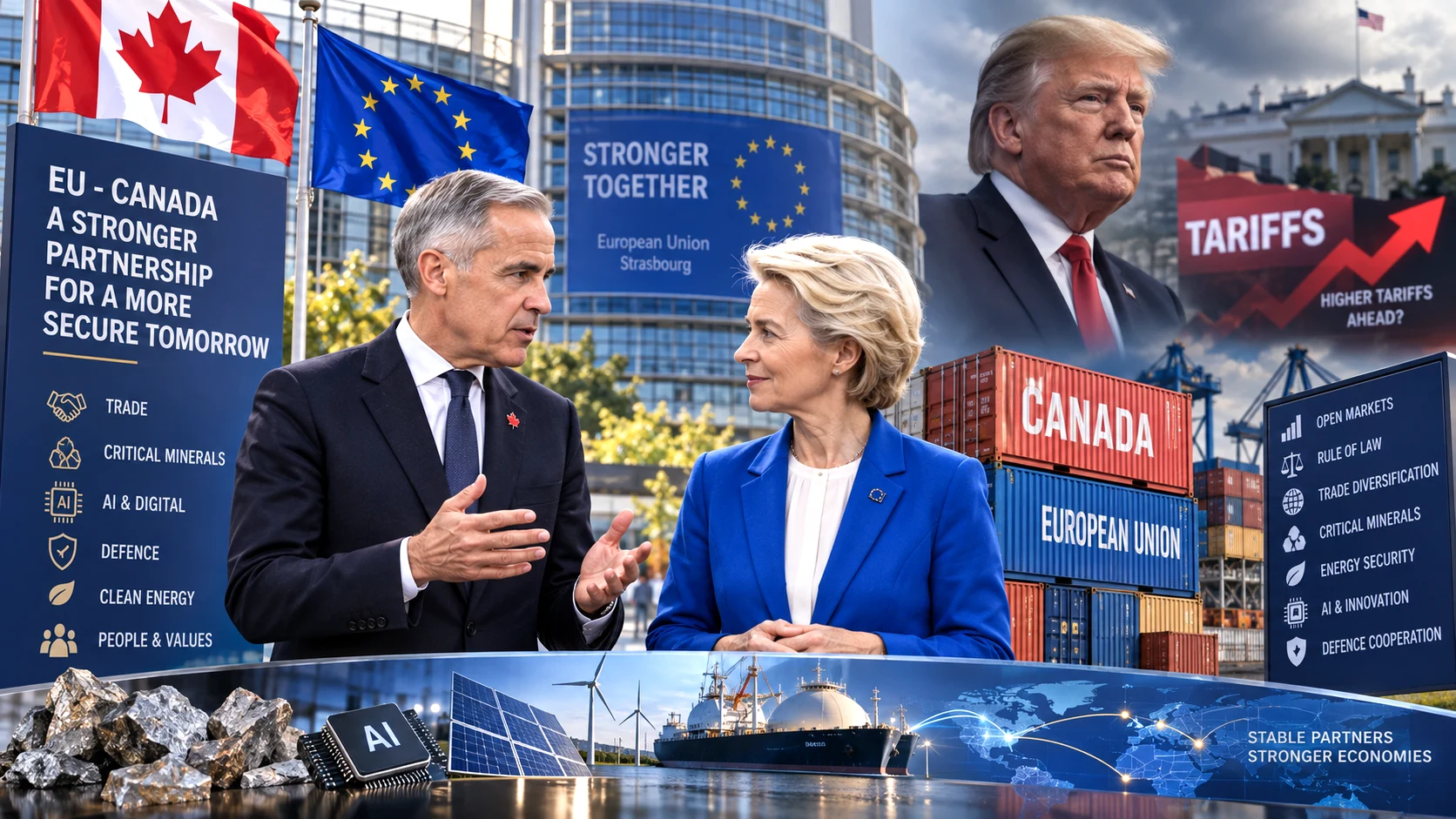
European Commission President Ursula von der Leyen has proposed opening the door for Canada to become the EU’s first “associate member,” but the status does not yet legally exist and has not been approved by the bloc’s 27 governments. Mark Carney welcomed the ambition in Strasbourg as Donald Trump w
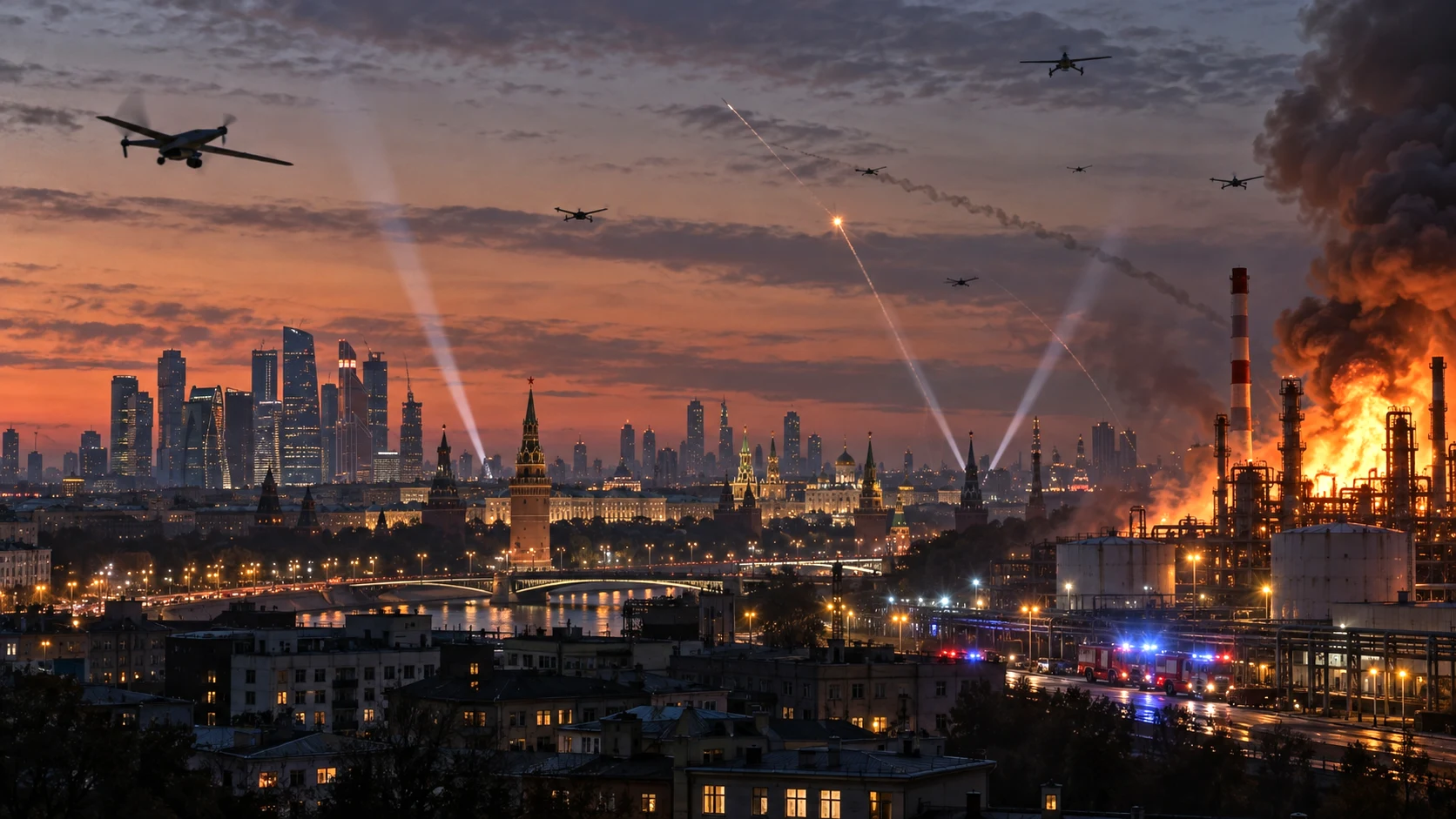
A huge Ukrainian long-range attack sent hundreds of drones toward Moscow and other parts of Russia early Sunday, damaging the Moscow Oil Refinery, disrupting civilian areas and putting Russian air defences under intense pressure. Russian officials described it as the largest drone attack yet directe
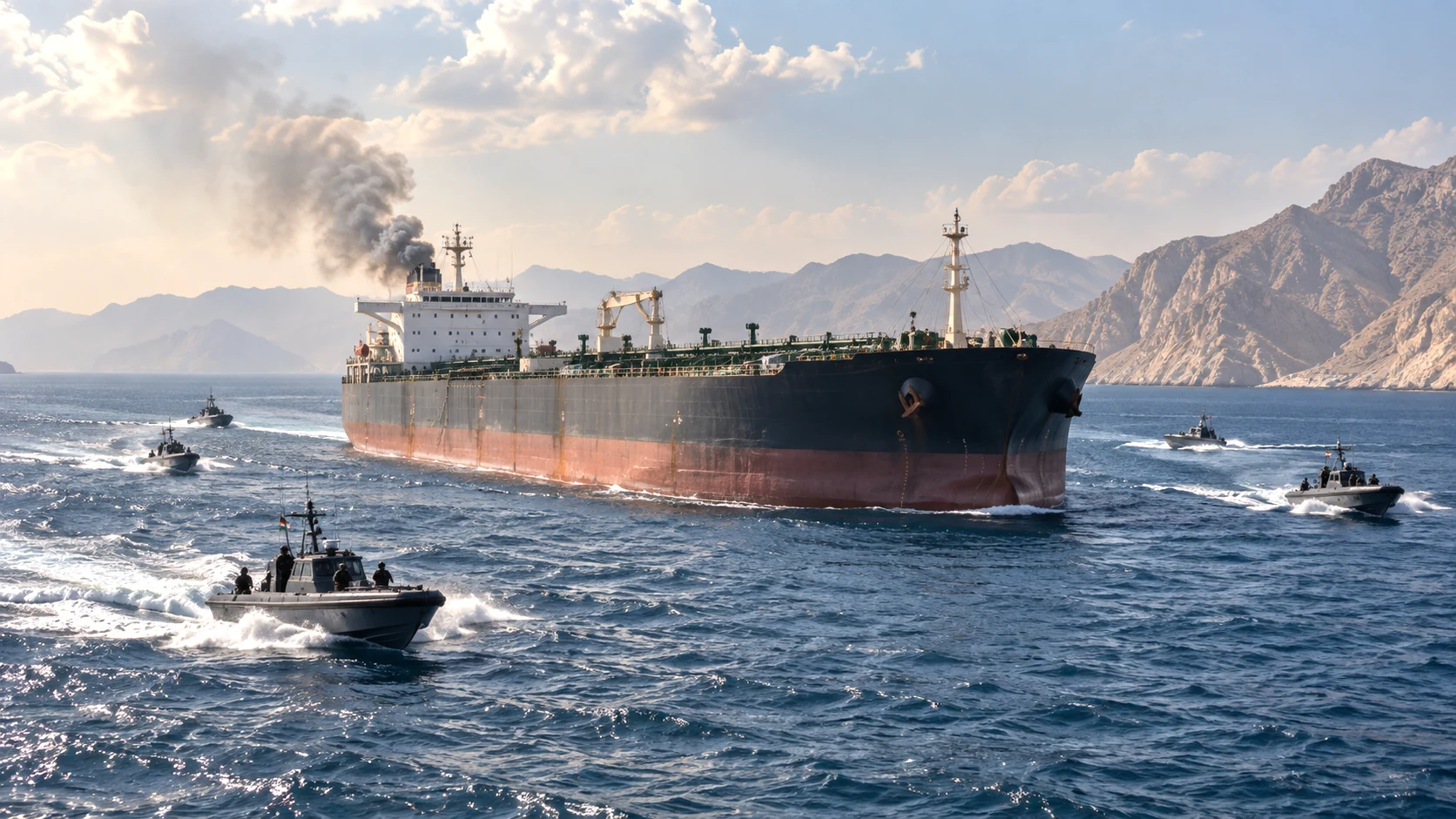
Iran’s Revolutionary Guards Navy says the Togo-flagged oil-products tanker caught fire and stopped after attempting what Tehran called an “illegal passage” on September 17. No independent confirmation of the strike, casualties or cargo damage was immediately available as shipping through the strateg
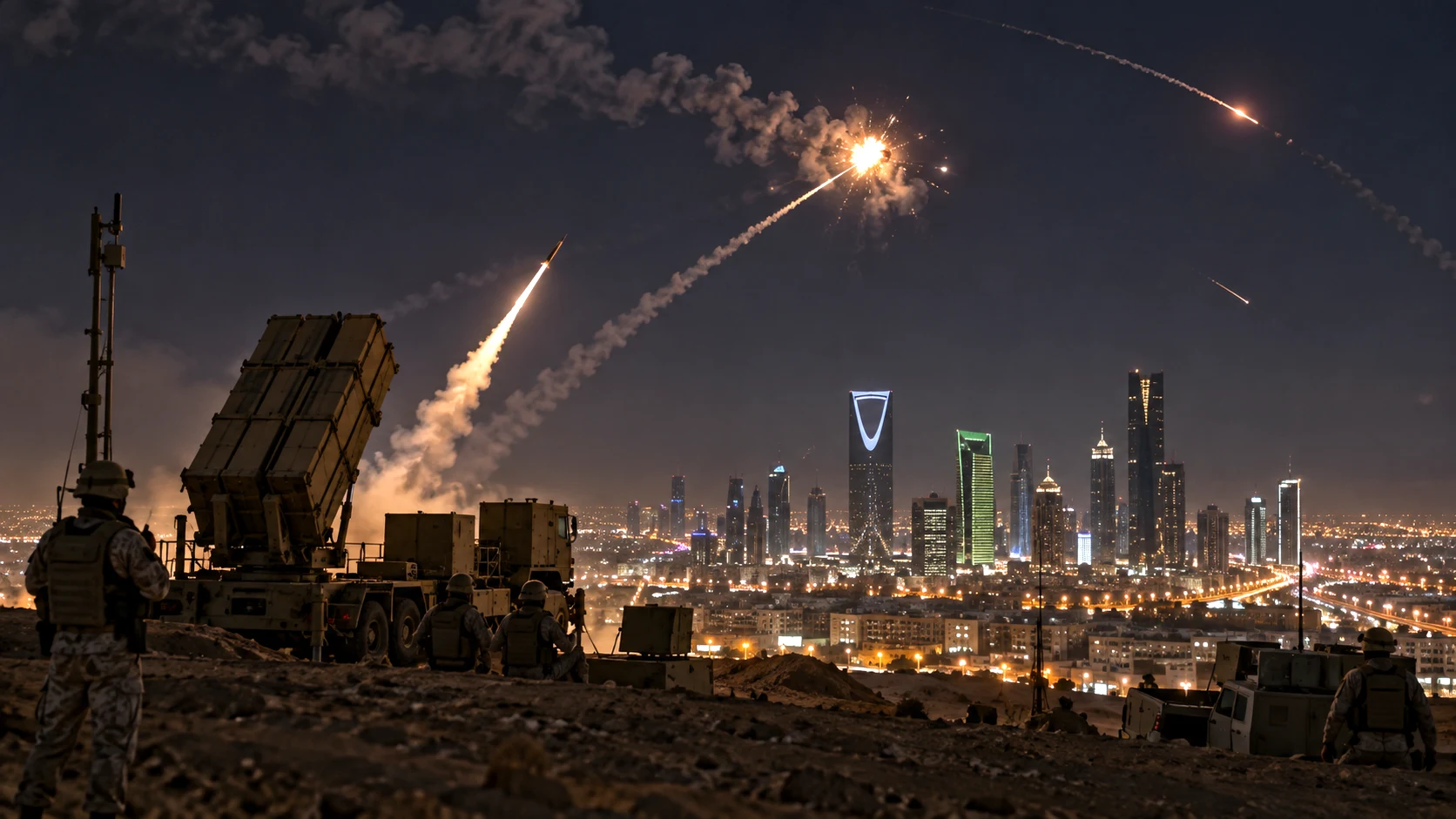
A Houthi ballistic missile aimed at Riyadh was intercepted by Saudi air defences as explosions and smoke were reported near the Saudi capital’s main airport, marking a sharp escalation in the renewed Saudi-Houthi confrontation. The attack comes alongside strikes on Saudi energy infrastructure, inten
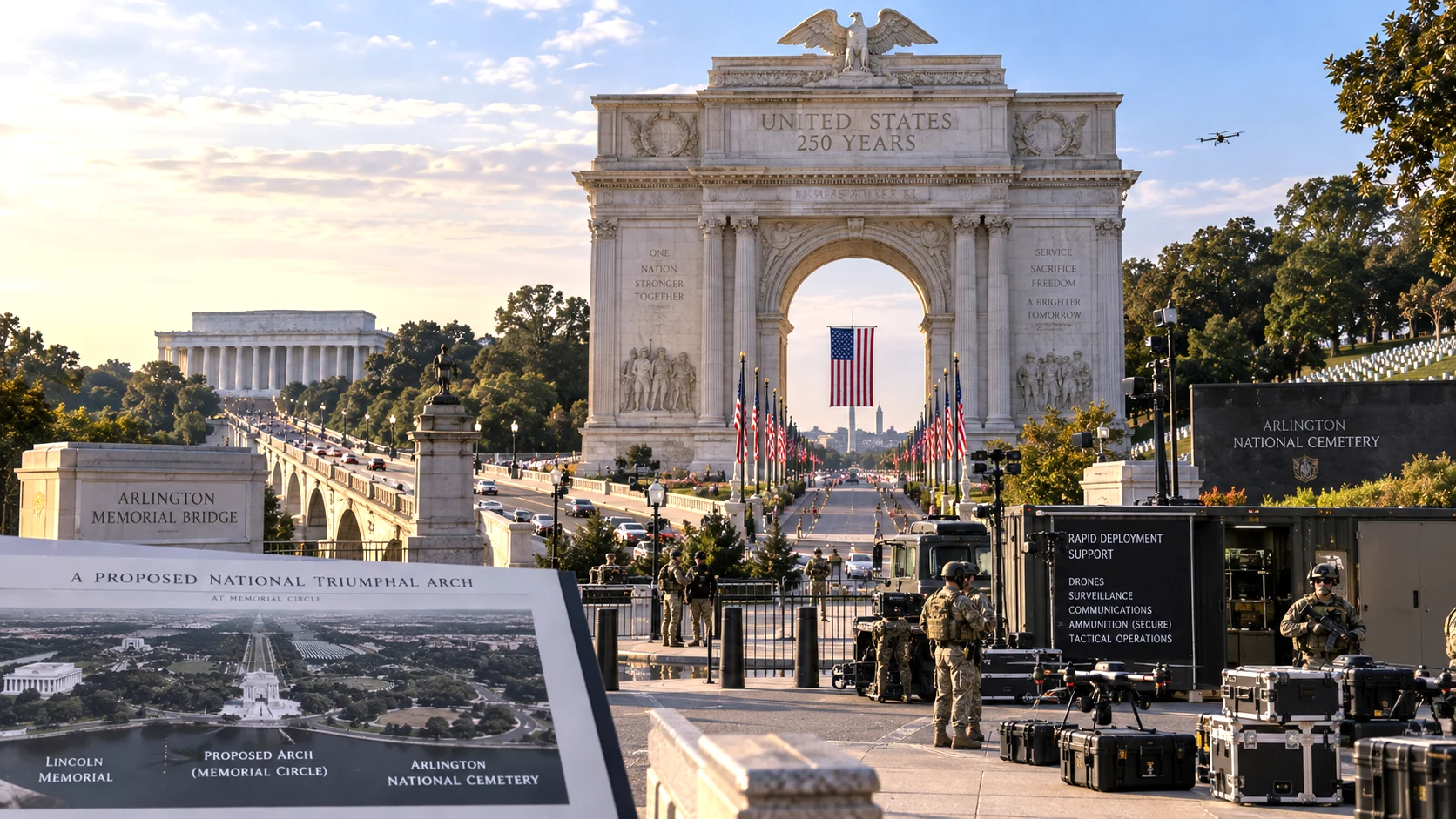
President Donald Trump says his proposed 250-foot triumphal arch near Arlington National Cemetery will now be designed as a dual-purpose military facility capable of housing drones, sniper positions and ammunition. The announcement adds a national-security dimension to an already controversial Washi

0 Comments