Brazil Election 2026 Heads to Runoff: Flávio Bolsonaro vs Lula After Tight First Round
Brazil’s presidential election is headed to an October 25 runoff after Flávio Bolsonaro won 47.03% of valid first-round votes against President Lula’s 45.16%. Crime, corruption, living costs and Brazil’s relationship with Donald Trump’s United States are set to shape the final contest.
Luiz Inácio Lula da Silva and Flávio Bolsonaro contest Brazil's October 25, 2026 presidential runoff
Table of Contents (24 sections)
Brazil is heading for a closely watched presidential runoff between Senator Flávio Bolsonaro and incumbent President Luiz Inácio Lula da Silva after neither candidate secured the majority required to win the presidency in the first round.
With 99.99% of ballot boxes counted, Brazil’s Superior Electoral Court, known as the TSE, reported that Flávio Bolsonaro of the Liberal Party received 56,104,268 votes, or 47.03% of valid votes, while Lula of the Workers’ Party received 53,876,617 votes, or 45.16%.
The result gives Bolsonaro a first-round lead of about 1.87 percentage points and sets up a decisive second-round vote on Sunday, October 25, 2026. Brazil’s electoral calendar confirms that date for presidential and gubernatorial runoffs where required.
Recommended Reading
Related Stories & In-Depth Guides
Curated editorial perspectives matching this topic.
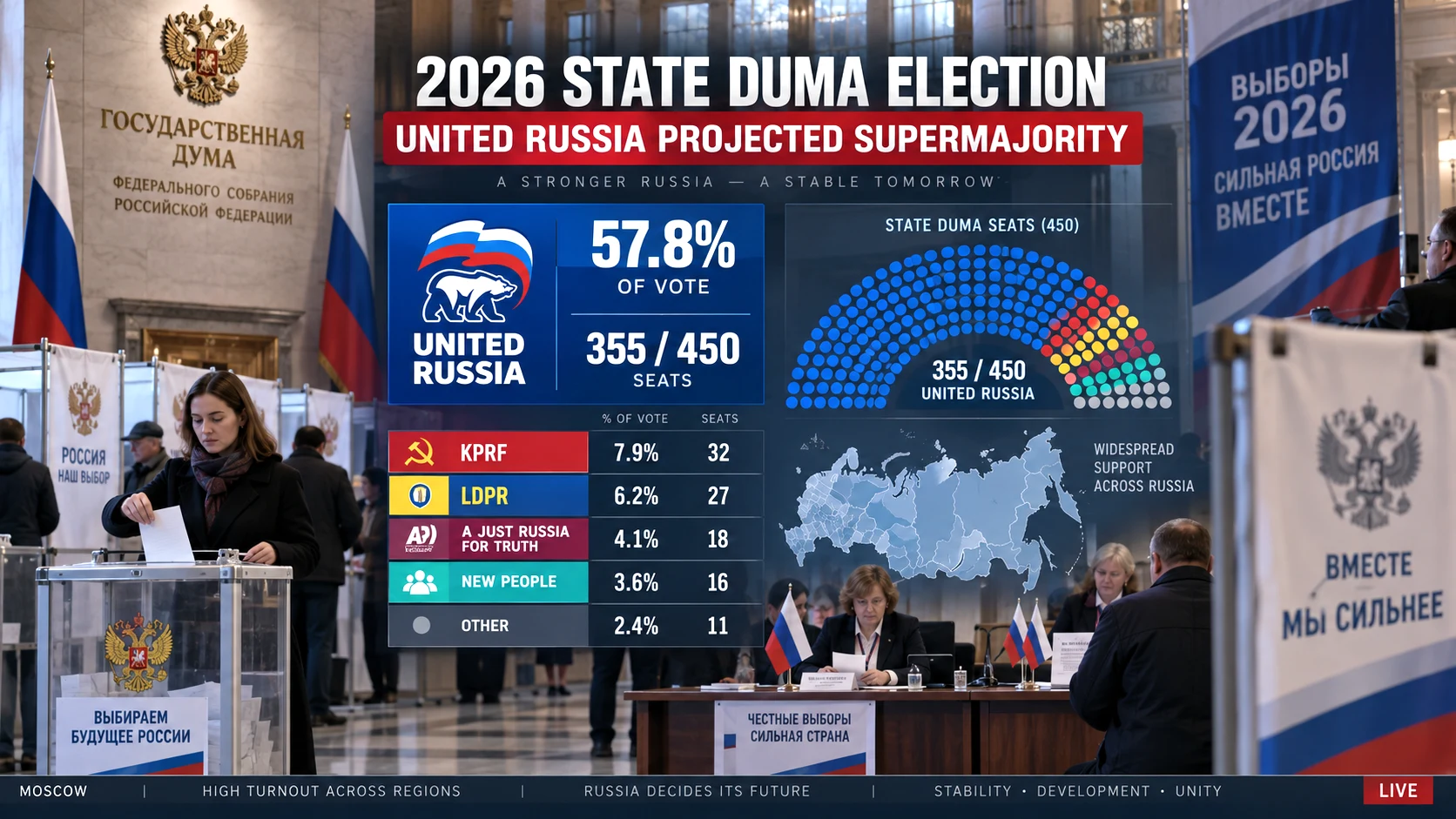
Russia’s ruling United Russia party has secured a decisive victory in the country’s 2026 parliamentary election, according to near-complete official results, putting the Kremlin-aligned party on course for a record 355 seats in the 450-member State Duma. The vote was Russia’s first parliamentary ele
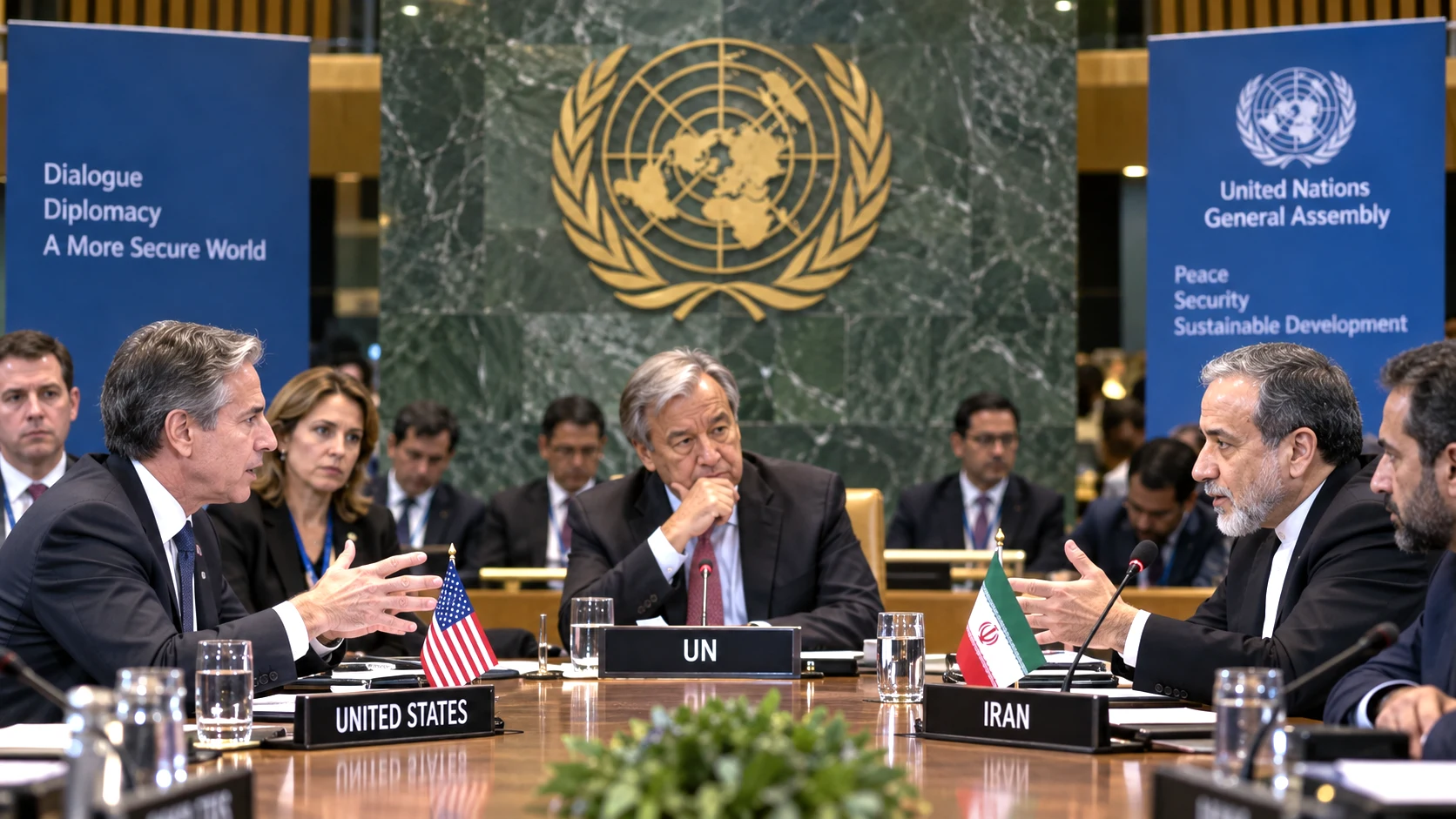
US and Iranian representatives held roughly three hours of mediated talks on the sidelines of the UN General Assembly after Donald Trump threatened Iran with further destruction if no deal is reached. Here is what was discussed and what remains unresolved.
The first-round outcome was also a significant surprise.
Pre-election surveys generally showed Lula narrowly leading the first round, but Bolsonaro finished ahead and performed better than many polls had suggested. Reuters described his showing as stronger than expected and noted that the campaign had been shaped heavily by concerns over the cost of living, corruption and insecurity.
The October 25 contest now presents Brazilian voters with a sharp political choice between Lula, the veteran left-wing president seeking another term, and Flávio Bolsonaro, the conservative senator attempting to carry forward the political movement built by his father, former President Jair Bolsonaro.
At stake is not only the leadership of Latin America’s largest economy but also Brazil’s future approach to public security, fiscal policy, environmental protection and relations with the United States and China.
Brazil Election 2026: First-Round Result
According to the TSE’s official count:
Flávio Bolsonaro — 47.03%
Luiz Inácio Lula da Silva — 45.16%
Flávio Bolsonaro votes — 56,104,268
Lula votes — 53,876,617
Total valid presidential votes — 125,272,513
Blank votes — 2,300,781
Null votes — 3,674,149
Runoff date — October 25, 2026
Brazil had approximately 158.7 million eligible voters for the 2026 general election, making the presidential contest one of the world’s largest democratic elections this year.
Why Is Brazil Going to a Second Round?
Brazil elects its president using a majority system.
A presidential candidate needs more than half of all valid votes to win in the first round. Blank and null ballots do not count towards that majority.
If no candidate crosses that threshold, the two candidates receiving the highest number of valid votes advance to a runoff.
Neither Bolsonaro nor Lula reached the required majority on October 4, meaning the presidency will now be decided in a fresh vote on October 25. First-round votes are not carried over into the runoff.
Flávio Bolsonaro Finishes First
The most politically significant feature of Sunday's result was not simply that Brazil required a runoff.
It was that Flávio Bolsonaro finished ahead of Lula.
Reuters reported that private surveys shortly before the election had generally predicted Lula would lead the first round by roughly three percentage points. Instead, Bolsonaro emerged with approximately 47% against Lula’s 45%.
That gives the opposition candidate considerable momentum heading into the three-week runoff campaign.
Speaking after the count became clear, Bolsonaro argued that the result showed Brazilians wanted political change. Lula, meanwhile, acknowledged that he had expected to perform better and said the runoff would represent the beginning of a new campaign.
However, a first-round lead does not guarantee victory in the second round.
Millions of voters who supported other presidential candidates will now have to decide whether to back Lula, Bolsonaro, abstain or submit a blank or null ballot.
Those voters could determine the presidency.
Who Is Flávio Bolsonaro?
Flávio Bolsonaro, 45, is a lawyer, former state legislator and senator representing Rio de Janeiro.
He is the eldest son of former Brazilian President Jair Bolsonaro and is contesting the presidency for the first time.
His vice-presidential candidate is federal deputy Alfredo Gaspar of the Liberal Party.
Throughout the campaign, Flávio relied heavily on his family’s established conservative political base.
Reuters reported that his campaign repeatedly invoked his father, including through an AI-generated representation of Jair Bolsonaro during the campaign.
Jair Bolsonaro remains a highly influential figure among Brazil’s conservative electorate despite being convicted for plotting a coup after his 2022 election defeat. Reuters reported that the former president is serving a 27-year sentence.
Flávio’s challenge now is to expand beyond the core Bolsonaro electorate and attract voters who supported smaller candidates in the first round.
Who Is Lula?
Luiz Inácio Lula da Silva, 80, is Brazil’s incumbent president.
He previously served as president from 2003 to 2010 and returned to office after defeating Jair Bolsonaro in the 2022 presidential election.
He is now seeking another term, which would amount to a fourth non-consecutive presidential mandate.
Lula's running mate is Geraldo Alckmin, the former governor of São Paulo.
His campaign has emphasised social programmes, declining unemployment, reduced inequality and Brazil’s independent foreign policy.
But Lula entered the election facing dissatisfaction over inflation and living costs, household debt, violent crime and concerns over Brazil’s fiscal outlook.
The runoff will therefore test whether his government's social and economic achievements can outweigh demands among a substantial share of voters for political change.
Crime Became One of Brazil's Biggest Election Issues
Public security was one of the strongest concerns throughout the campaign.
Reuters reported that voters have been increasingly worried about crime and the growing influence of organised gangs, pushing both presidential candidates to adopt tougher security positions.
Bolsonaro has attempted to establish himself as the more aggressive law-and-order candidate.
Among his proposals has been the construction of five high-security prisons inspired by El Salvador’s tough prison model under President Nayib Bukele.
His campaign has argued that Brazil requires stronger punishment and enforcement against organised crime.
Lula has also moved to respond to the security issue.
His government announced additional measures targeting criminal organisations and cross-border networks while advocating international law-enforcement cooperation rather than foreign intervention.
The issue is likely to remain central during the runoff because the two candidates differ considerably on how aggressively the state should respond to criminal groups.
Violence Against Women Also Entered the Campaign
Public security debates have extended beyond organised crime.
Violence against women became a significant campaign issue, particularly because women represent a majority of Brazil’s electorate.
Associated Press reported that more than 1,500 femicides were recorded in Brazil in 2025 and that both leading candidates introduced proposals aimed at addressing violence against women.
Bolsonaro promoted tougher criminal sanctions and technological assistance for victims.
Lula emphasised strengthening existing protections, monitoring offenders and expanding support systems.
The issue could become particularly important as both campaigns attempt to attract women who supported other candidates in the first round.
Corruption Cast a Shadow Over the Election
Corruption also returned as a major concern.
A sprawling investigation involving the collapsed Banco Master became one of the most politically sensitive controversies of the campaign.
Reuters reported that the bank's former head, Daniel Vorcaro, was arrested earlier in 2026 over an alleged multibillion-dollar fraud scheme. Vorcaro has denied the allegations.
The investigation has examined connections between the banker and several members of Brazil’s political establishment.
Reuters reported that Flávio Bolsonaro is being investigated over suspected money laundering allegedly linked to the case. Bolsonaro denies wrongdoing.
Being investigated does not establish guilt, and no criminal finding should be inferred from the existence of an investigation.
The controversy nevertheless reinforced broader voter frustration with political corruption.
Lula's political camp also carries longstanding baggage around corruption controversies involving the Workers’ Party, while Reuters has reported that Lula’s son, Fabio Luis Lula da Silva, has been under federal police investigation over allegations of influence peddling.
The legal status and evidence in each matter are separate and should not be conflated.
Cost of Living Could Decide the Runoff
Security and corruption were not the only major concerns.
Economic pressure remains particularly important.
Reuters reported that although inequality and unemployment have declined under Lula, many Brazilian households continue to struggle with:
high living costs;
household debt;
slower economic growth;
and concerns about public finances.
Brazil’s public debt has risen above 82% of GDP, according to Reuters, while government forecasts put economic growth at about 2.0% in 2026 and 2.3% in 2027.
Bolsonaro has used those concerns to portray himself as a more business-friendly alternative.
Lula, meanwhile, introduced measures aimed at helping indebted households, expanded welfare support and moved against online gambling as the campaign tightened.
The financial position of lower- and middle-income families could consequently become one of the decisive battlegrounds in the runoff.
How Donald Trump Became Part of Brazil’s Election
One of the most unusual features of the 2026 Brazilian campaign has been the role played by relations with US President Donald Trump.
Flávio Bolsonaro has cultivated a friendly relationship with Trump's political movement.
Trump has not formally endorsed Bolsonaro, according to Reuters, but he hosted Flávio Bolsonaro at the White House and has publicly praised him.
Relations between Trump and Lula have been considerably more tense.
The Trump administration imposed tariffs on Brazilian goods, while Trump strongly criticised legal proceedings against Jair Bolsonaro, describing the former president's prosecution as a “witch hunt”.
Lula has accused Washington of attempting to interfere in Brazilian politics and has repeatedly emphasised Brazilian sovereignty.
The United States has rejected allegations that it interfered in Brazil’s election.
That distinction is essential.
It is accurate to say that Trump and US-Brazil relations became a significant campaign issue.
It would be too strong, without additional evidence, to state as established fact that Trump determined or manipulated Brazil's election result.
Allegations of Foreign Interference
Concerns over foreign involvement extended beyond campaign rhetoric.
Reuters reported before the election that Brazilian intelligence officials had briefed French and German representatives on alleged attempts at US and Russian interference.
Washington denied interfering in Brazilian affairs.
Lula's allies also expressed concern that the Trump administration might challenge or refuse to recognise an unfavourable election result, although such concerns were political warnings rather than proof that Washington had decided to take such action.
Brazilian electoral authorities said voting itself proceeded smoothly.
No significant evidence reported by the TSE has invalidated the first-round presidential result.
Brazil's Relationship With the US and China Is at Stake
Foreign policy could change considerably depending on the runoff winner.
Flávio Bolsonaro is expected to pursue closer relations with Washington and the Trump administration.
Lula has emphasised Brazil’s strategic independence and has maintained strong economic links with China.
Reuters noted during the campaign that Lula regarded Brazil's relationship with China, particularly in trade, as important to preserving foreign-policy autonomy.
Associated Press said the election outcome could significantly affect the balance of Brazilian relations with both Washington and Beijing.
Brazil is a major agricultural exporter, emerging-market economy, member of the BRICS grouping and influential voice across the Global South.
The presidential outcome therefore has consequences well beyond Brazil.
Environmental Policy Could Also Shift
Brazil is home to most of the Amazon rainforest, meaning the presidency also carries global environmental implications.
Lula has generally positioned Brazil as a supporter of stronger Amazon conservation and international climate cooperation.
Bolsonaro represents a political movement that has traditionally placed greater emphasis on agricultural and economic development.
Associated Press reported that environmental policy, including deforestation targets, is among the areas where the two candidates offer contrasting approaches.
The runoff will therefore be closely watched by environmental organisations, agricultural businesses and foreign governments.
Smaller Candidates Now Hold Valuable Votes
Neither Lula nor Bolsonaro can rely exclusively on their first-round bases.
Third-place candidate Augusto Cury received about 3.4 million votes, according to Associated Press.
Cury said he would not endorse either runoff candidate. AP also reported that Ronaldo Caiado and Renan Santos, who together attracted roughly 5.3 million votes, had previously said they would not endorse either contender.
That leaves millions of voters without an obvious political instruction from their first-round candidates.
Winning those voters will be crucial.
Both Lula and Bolsonaro will likely focus heavily on moderates, undecided voters, women, younger voters and citizens primarily concerned with everyday economic and security issues.
Why Flávio Bolsonaro's First-Round Lead Matters
Bolsonaro's 47.03% result places him much closer to the majority threshold than many forecasts suggested.
He requires only a relatively small additional share of valid votes to win the presidency.
However, presidential runoffs are separate elections.
According to Brazil’s electoral authorities, first-round votes do not automatically transfer into the second round, meaning Lula has an opportunity to build a new majority from voters who backed other candidates.
The first-round leader therefore enters with momentum but not a guaranteed victory.
Lula Faces a Difficult but Open Contest
For Lula, the first-round outcome was disappointing.
He acknowledged after voting that he had expected to win outright, according to Associated Press.
After the result, Lula said the second round would mark the start of a new campaign and argued that he would compare his governing record with Bolsonaro's proposals.
His task will be to persuade voters who dislike both political camps that returning him to office carries fewer risks than transferring power to the Bolsonaro movement.
The president is also expected to emphasise social policies, economic inclusion, democracy and opposition to foreign political pressure.
Bolsonaro Must Expand Beyond the Conservative Base
Flávio Bolsonaro enters the runoff from the stronger first-round position.
But analysts cited by Reuters cautioned that some of his first-round support may already include protest voters who abandoned smaller conservative candidates specifically to defeat Lula.
That could mean his potential for additional growth is smaller than the headline result initially suggests.
The central question is whether he can attract enough centrist and anti-Lula voters without alienating voters uncomfortable with the Bolsonaro family's more polarising positions.
When Is the Brazil Presidential Runoff?
The presidential runoff will take place on:
Sunday, October 25, 2026.
Brazil’s official electoral calendar says voting will run from 8 a.m. until 5 p.m. Brasília time, with vote counting beginning after polls close.
Electronic counting means a clear indication of the winner could emerge relatively quickly after voting ends, although the official result depends on the TSE's totalisation process.
What Will Decide Lula vs Flávio Bolsonaro?
The final three weeks are likely to revolve around several major questions.
Can Bolsonaro Convert His 47% Into a Majority?
He begins the runoff with a numerical advantage but still needs additional voters.
Can Lula Recover Moderate Voters?
Lula needs to close the first-round gap and win a significant share of people who voted for eliminated candidates.
Will Crime Remain the Dominant Issue?
Bolsonaro's tougher security message may help him if crime remains the leading voter concern.
Will Corruption Allegations Change Voter Behaviour?
Both political camps will likely attempt to use controversies surrounding the opposing side during the final campaign.
Any allegations should be assessed according to their legal status rather than treated as proven facts.
Will the Economy Help or Hurt Lula?
Employment and inequality indicators provide Lula with positive talking points, but high living costs and household debt remain vulnerabilities.
How Important Will Donald Trump Be?
Bolsonaro's relationship with Trump could energise conservative voters, while Lula is likely to continue presenting himself as a defender of Brazilian sovereignty.
Whether that international dimension changes enough votes to determine the election remains uncertain.
What Happens Next?
Brazil now effectively begins a new presidential campaign.
The candidates will have about three weeks to seek endorsements, refine their policy messages and compete for voters who did not support either finalist on October 4.
Attention will focus on:
new runoff opinion polls;
endorsements from defeated candidates;
Lula and Bolsonaro's security proposals;
any new Banco Master investigation developments;
economic announcements;
US-Brazil political tensions;
television advertising and possible debates;
regional voting patterns;
turnout expectations;
and October 25 election-day results.
Because the first round was so close, relatively small shifts could determine the winner.
Latest Verified Position
As of October 5, 2026:
Flávio Bolsonaro finished first with 47.03% of valid votes.
Lula finished second with 45.16%.
Flávio received 56,104,268 votes.
Lula received 53,876,617 votes.
No candidate achieved the majority necessary for a first-round victory.
The TSE has confirmed a Lula vs Flávio Bolsonaro runoff.
The second round is scheduled for October 25.
Crime, living costs and corruption were major campaign concerns.
Flávio Bolsonaro maintains close political ties with Donald Trump, although Trump had not formally endorsed him as of the first-round vote.
Lula and allies have alleged US political interference; the United States denies interfering.
Brazilian electoral authorities said the election proceeded smoothly.
The presidency therefore remains undecided.
Frequently Asked Questions
Who won the first round of Brazil's 2026 presidential election?
Flávio Bolsonaro finished first with 47.03% of valid votes, while President Lula received 45.16%. Neither reached the majority required to win outright.
Is Lula still president of Brazil?
Yes. Lula remains Brazil's incumbent president while seeking re-election.
Who is Flávio Bolsonaro?
Flávio Bolsonaro is a senator from Rio de Janeiro and the eldest son of former President Jair Bolsonaro. He is the Liberal Party's presidential candidate.
Is Jair Bolsonaro running for president in 2026?
No. His son Flávio Bolsonaro is the candidate challenging Lula.
When is the Brazil presidential runoff?
The runoff is scheduled for October 25, 2026.
Why is there a runoff?
Brazil requires a presidential candidate to obtain more than half of valid votes to win in the first round. If nobody achieves that, the two leading candidates advance to a second vote.
How many votes did Flávio Bolsonaro receive?
The TSE reported 56,104,268 votes, equivalent to 47.03% of valid ballots.
How many votes did Lula receive?
Lula received 53,876,617 votes, or 45.16% of valid ballots.
Did Donald Trump endorse Flávio Bolsonaro?
Reuters reported that Trump had not formally endorsed him by election day, although Trump had hosted Bolsonaro at the White House and publicly praised him.
Did the United States interfere in Brazil's election?
Lula's allies and Brazilian officials have raised concerns and allegations regarding foreign interference. The United States has denied interfering. Those allegations should not be described as proven facts without evidence establishing them.
Who is expected to win the runoff?
The result remains uncertain. Pre-election runoff polling had frequently shown Lula and Flávio Bolsonaro statistically close, while Bolsonaro's stronger-than-expected first-round performance gives him momentum but does not guarantee victory.
Bottom Line
Brazil’s presidential election is headed to an October 25 runoff after Flávio Bolsonaro finished first with 47.03% against President Lula’s 45.16%.
Crime, living costs, corruption and relations with the United States are expected to shape the final contest. The presidency remains undecided.
Key Takeaway
Brazil runoff: Flávio Bolsonaro 47.03% vs Lula 45.16%.
The Rajatheertha Team publishes news, explainers, guides and updates across India and the world. Our coverage follows Rajatheertha's editorial, verification and corrections standards.
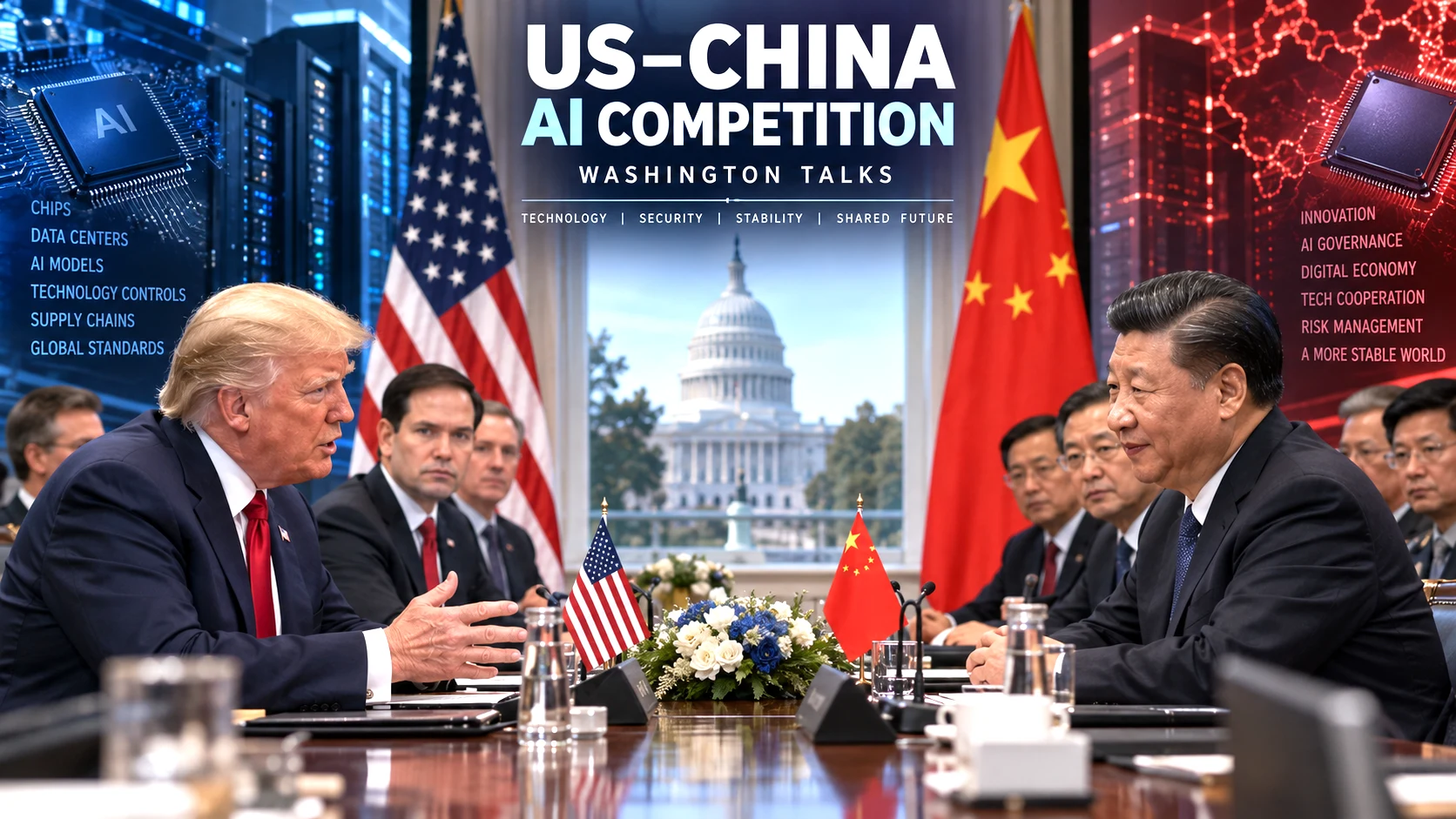
Donald Trump and Xi Jinping are expected to meet in Washington on September 24, with artificial intelligence emerging as a central strategic issue alongside trade, Taiwan, Iran and fentanyl. Advanced chips, AI safety, military autonomy and allegations of technology copying are likely to shape the te
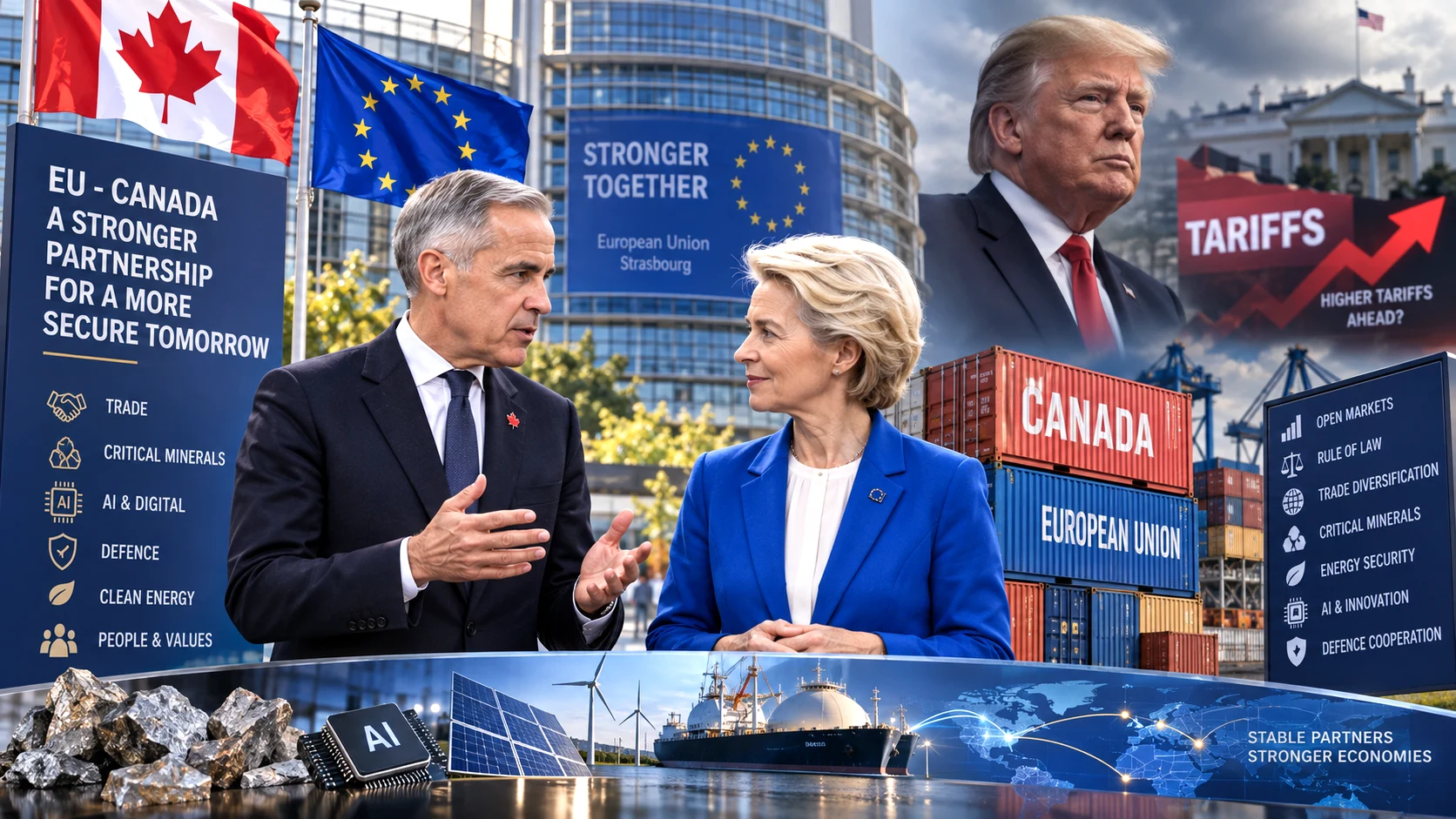
European Commission President Ursula von der Leyen has proposed opening the door for Canada to become the EU’s first “associate member,” but the status does not yet legally exist and has not been approved by the bloc’s 27 governments. Mark Carney welcomed the ambition in Strasbourg as Donald Trump w
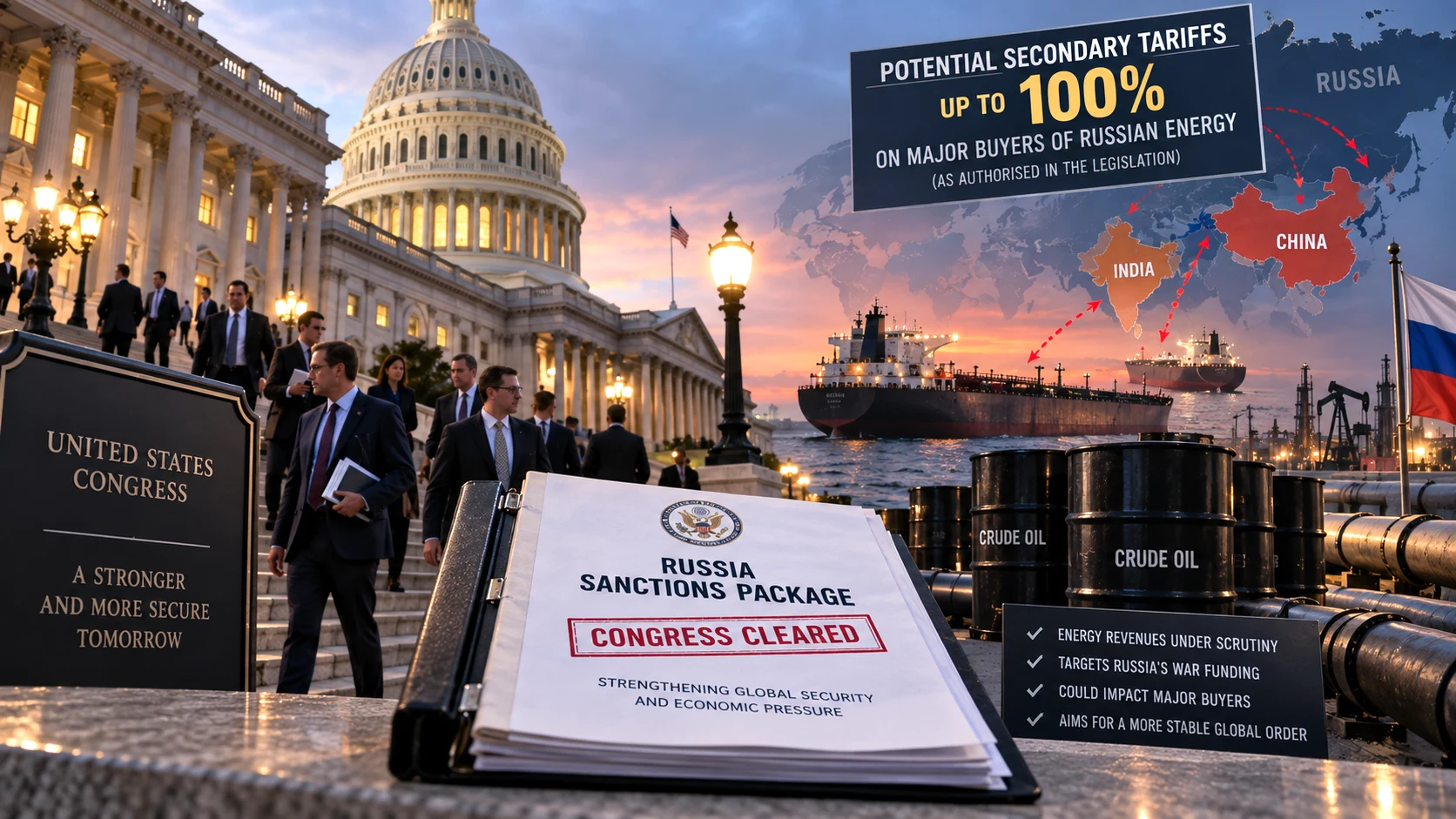
The House approved the Lindsey O. Graham Sanctioning Russia and Iran Act of 2026 by 262-159 after the Senate passed it 86-11. The measure now awaits President Donald Trump’s signature and could subject major buyers of Russian oil or gas to additional US tariffs of up to 100%, although India and Chin
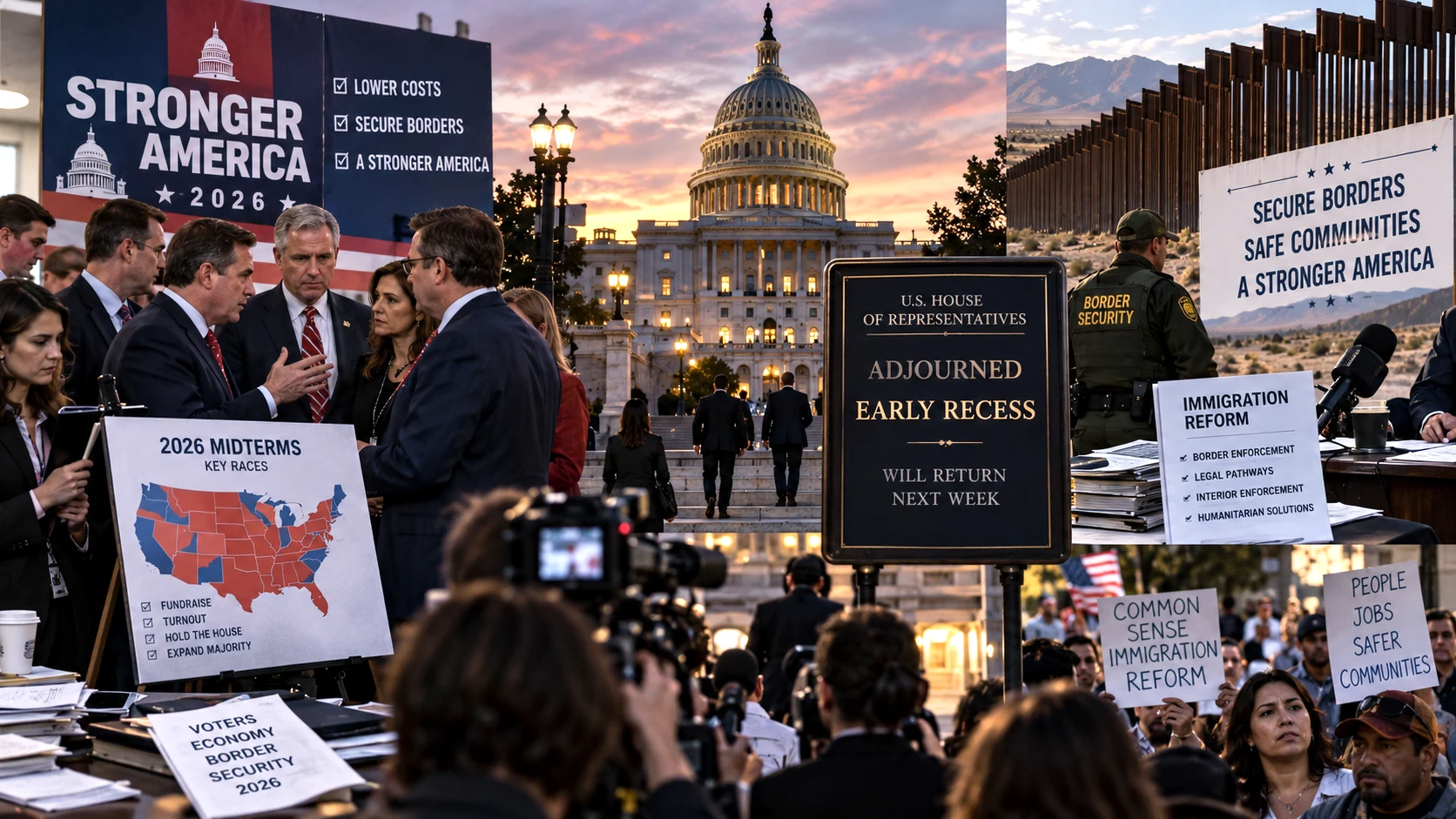
The Florida Republican says Hispanic voters who helped return Donald Trump to the White House now “feel betrayed,” while polling shows broader erosion in support for the president’s immigration approach. Separately, Speaker Mike Johnson has sent the House home early for the campaign season, drawing
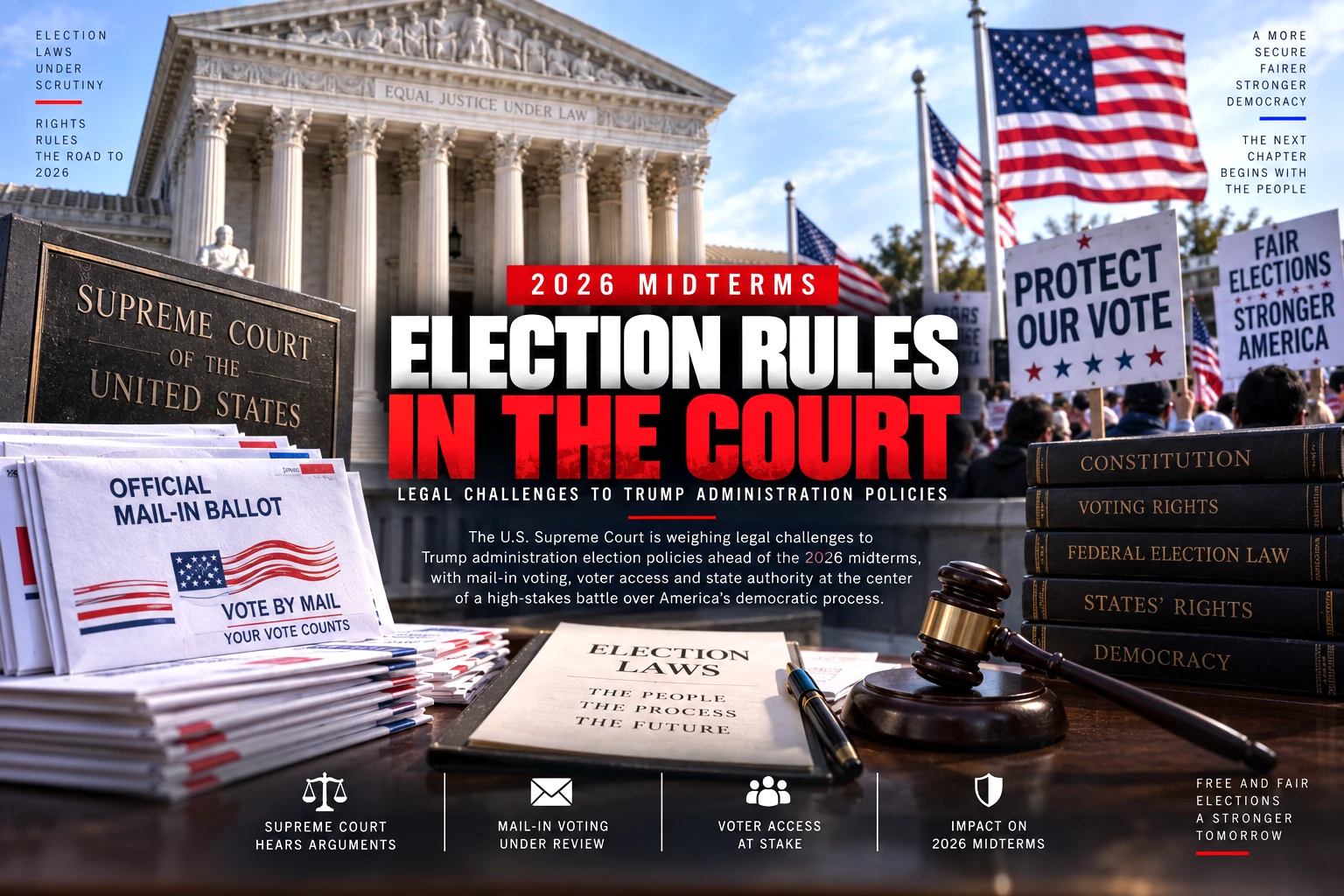
The Trump administration faces multiple legal battles over mail voting, citizenship checks, voter data and election authority as the November 2026 midterms approach.
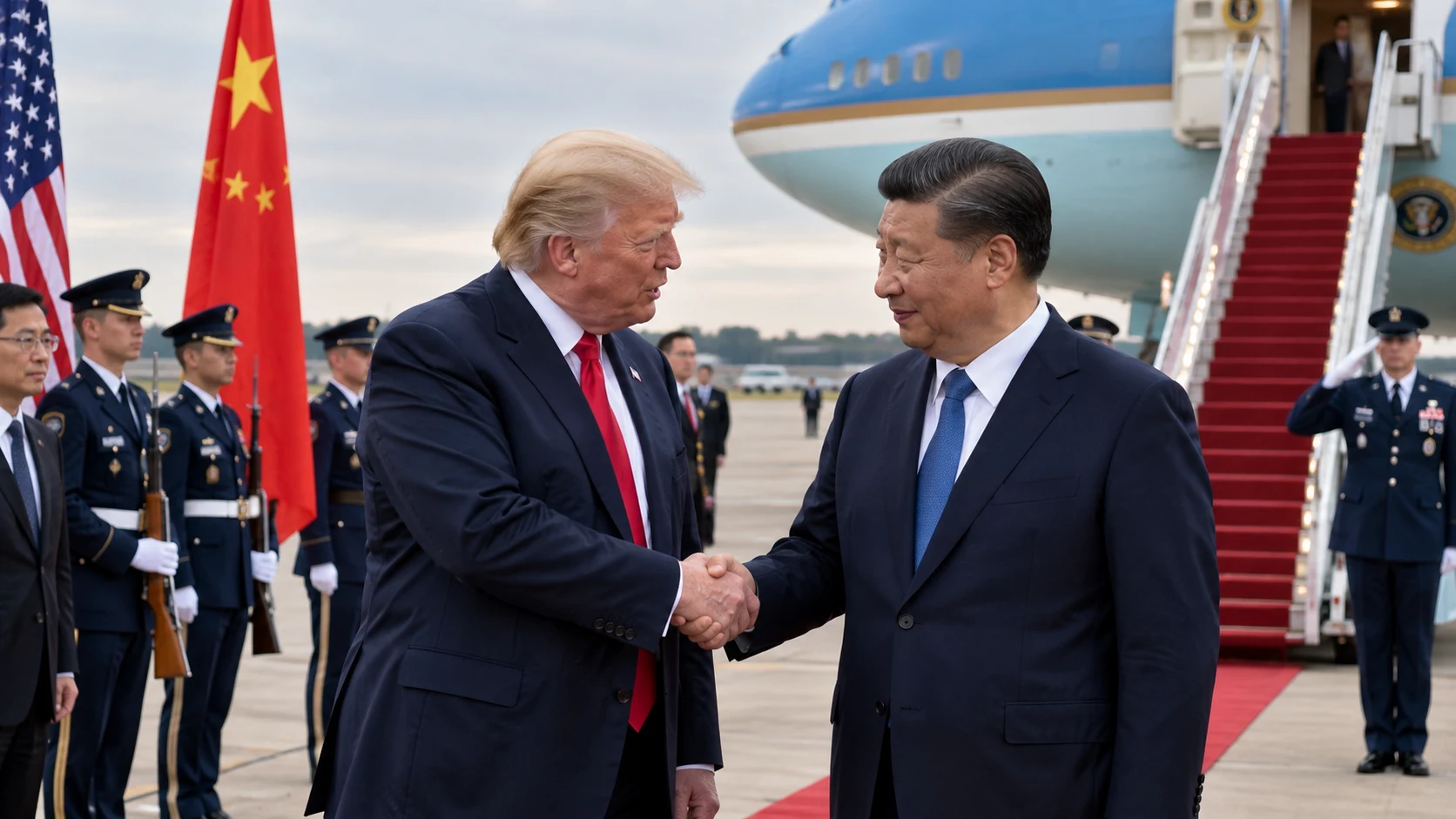
Chinese President Xi Jinping has arrived in Washington for a three-day state visit and high-stakes talks with Donald Trump. The US says the bilateral trade truce has been extended by two months to January 10, 2027.




0 Comments