Xi Jinping Arrives in Washington for Trump Talks as US Says China Trade Truce Extended to January 10
Chinese President Xi Jinping has arrived in Washington for a three-day state visit and high-stakes talks with Donald Trump. The US says the bilateral trade truce has been extended by two months to January 10, 2027.
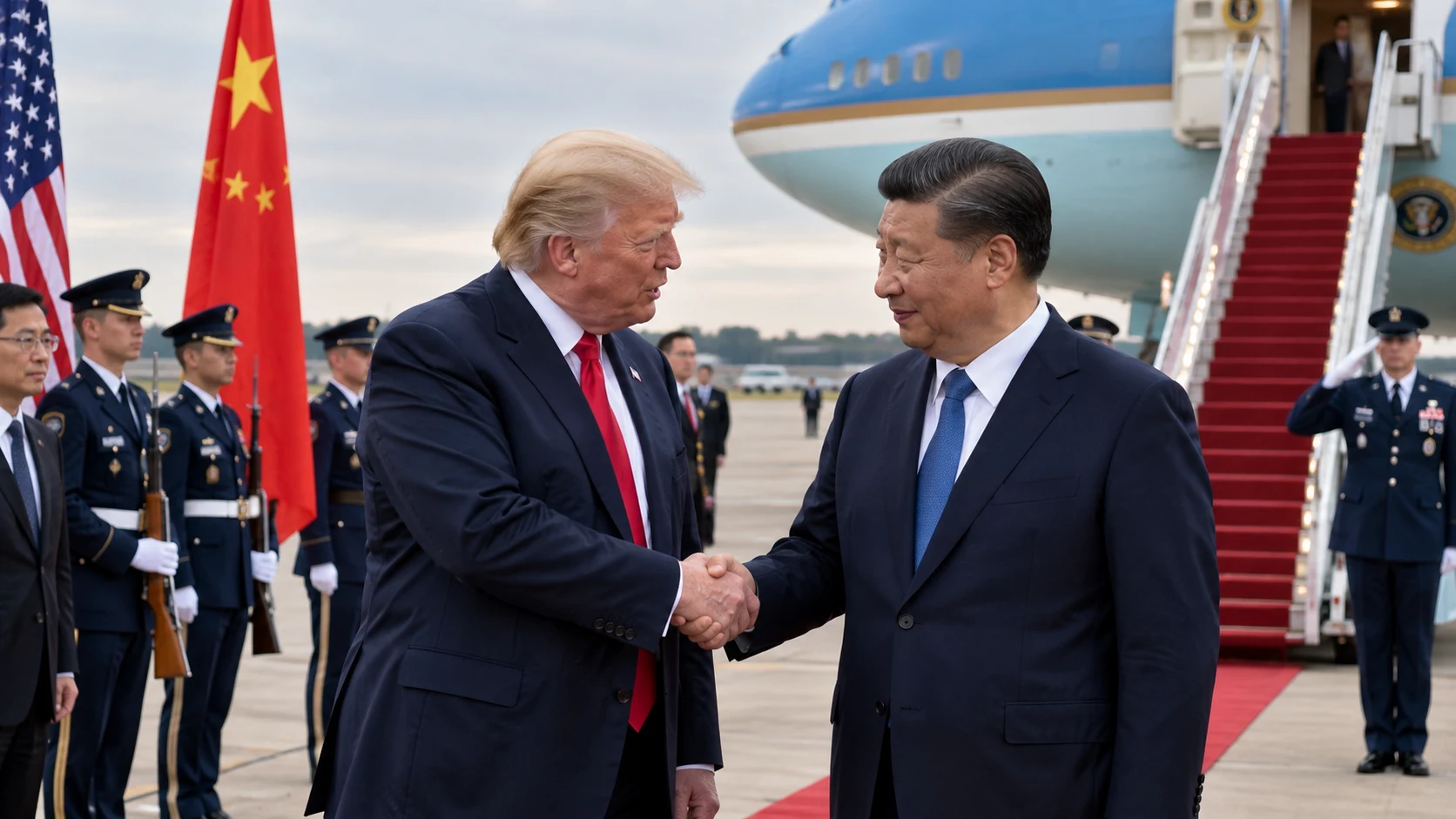
Donald Trump welcomes Chinese President Xi Jinping at Joint Base Andrews ahead of US-China talks in Washington
Table of Contents (23 sections)
Chinese President Xi Jinping has arrived in the United States for a three-day state visit, opening one of the year's most closely watched diplomatic meetings as Washington says the US-China trade truce has been extended for another two months.
US President Donald Trump personally welcomed Xi at Joint Base Andrews in Maryland on September 23, ahead of formal White House talks scheduled for Thursday, September 24. Xi was accompanied by his wife Peng Liyuan and senior Chinese officials including Foreign Minister Wang Yi and senior Communist Party official Cai Qi.
The economic development came shortly before the summit.
US Treasury Secretary Scott Bessent said Washington and Beijing had agreed to extend their existing trade truce from November 10 until January 10, 2027, giving negotiators another two months to pursue a potentially broader economic agreement.
Recommended Reading
Related Stories & In-Depth Guides
Curated editorial perspectives matching this topic.
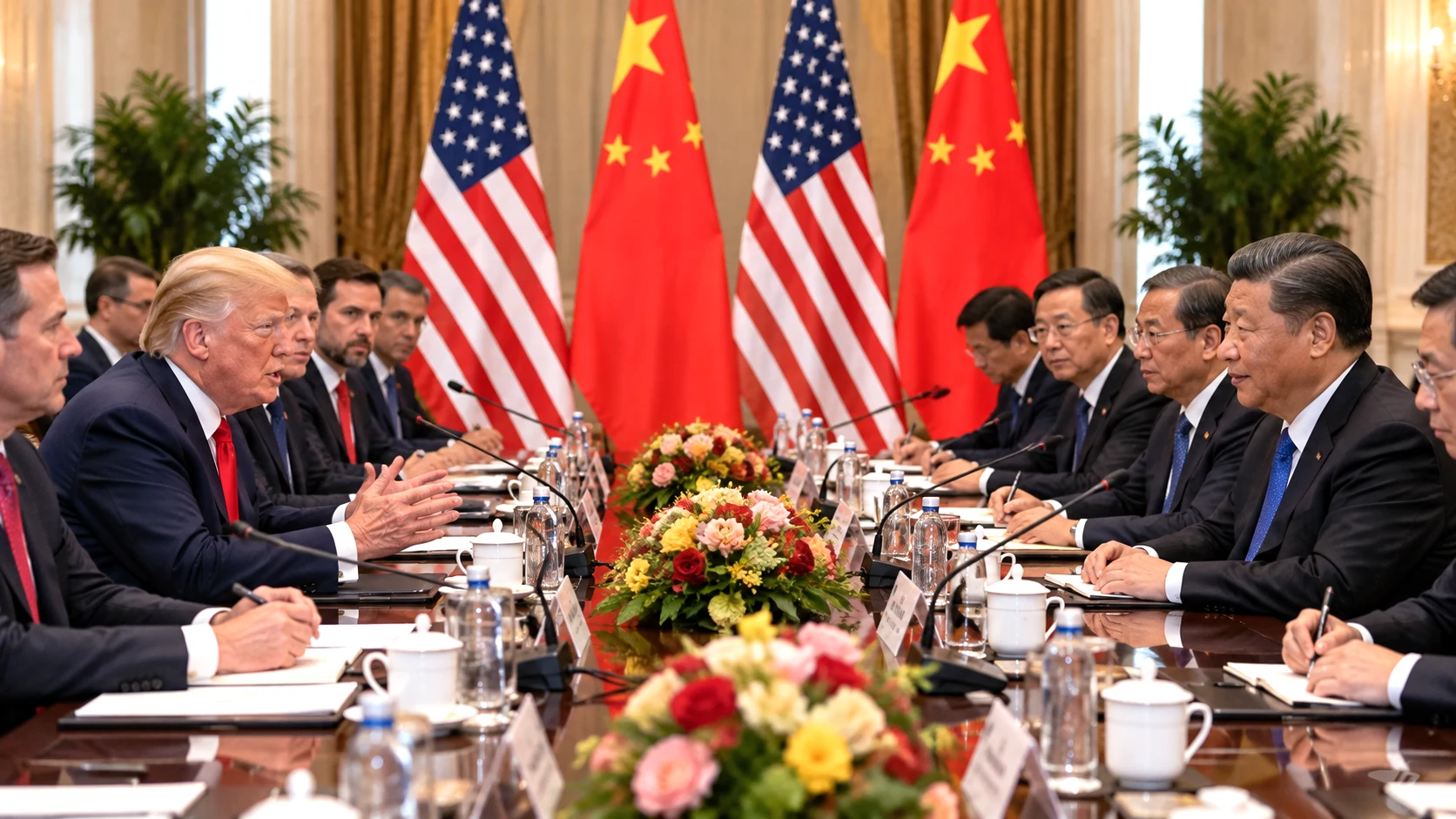
Donald Trump and Xi Jinping held White House talks on trade, AI, Taiwan and the Middle East during Xi's state visit. A two-month trade-truce extension preserves stability for now, but no major breakthrough emerged on tariffs, technology controls or Iran.
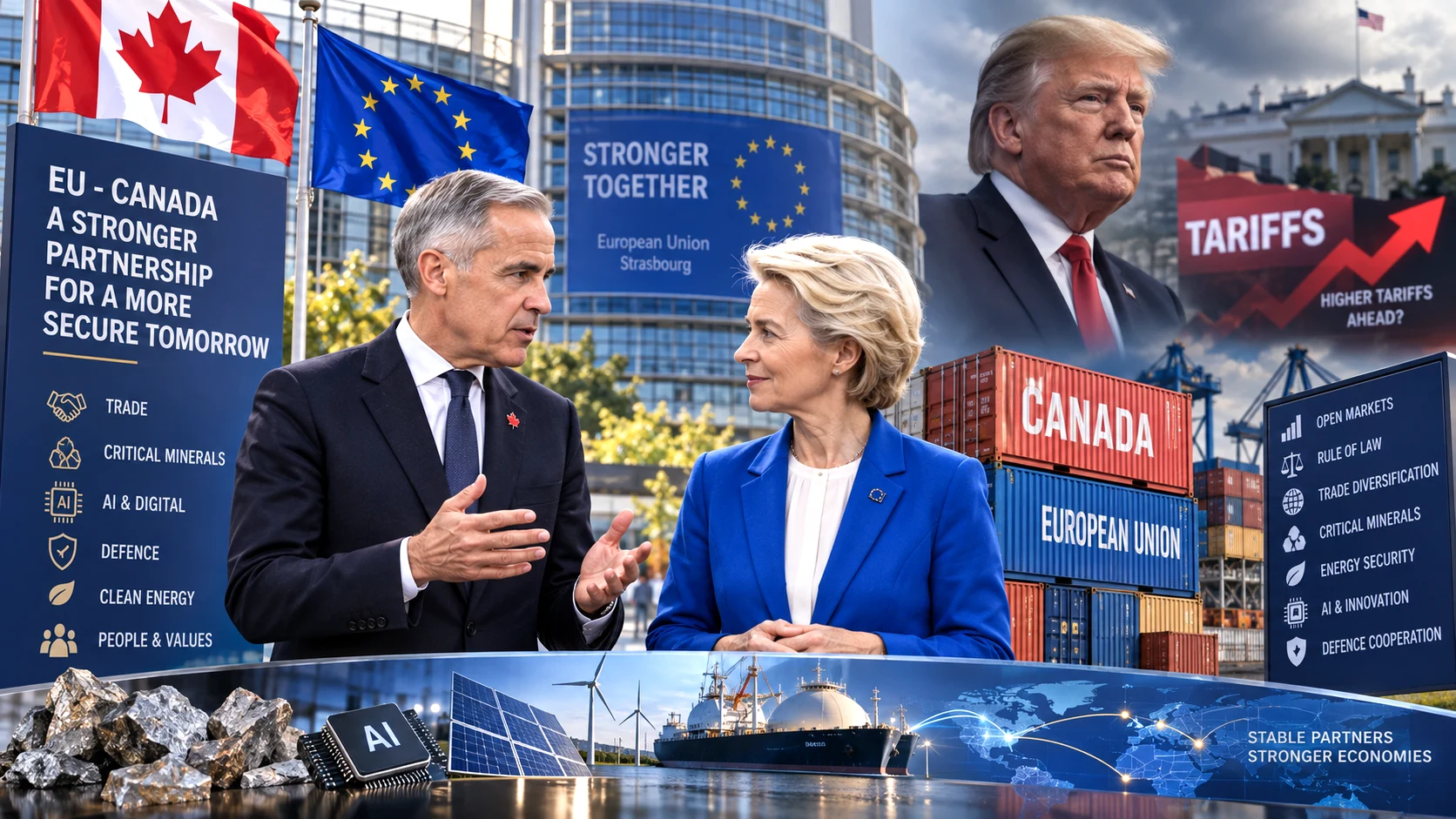
European Commission President Ursula von der Leyen has proposed opening the door for Canada to become the EU’s first “associate member,” but the status does not yet legally exist and has not been approved by the bloc’s 27 governments. Mark Carney welcomed the ambition in Strasbourg as Donald Trump w
The extension lowers the immediate risk of a fresh tariff escalation between the world's two largest economies, but it does not amount to a comprehensive new US-China trade deal.
Major disputes remain unresolved over rare earths, advanced technology, artificial intelligence, agricultural purchases, Taiwan and China's relationship with Iran.
Key Takeaways
Xi Jinping arrived in the Washington area on September 23 for a state visit running through September 25.
Trump personally greeted Xi at Joint Base Andrews in an unusually high-profile reception.
US Treasury Secretary Scott Bessent says the US-China trade truce has been extended from November 10, 2026 to January 10, 2027.
China had not immediately issued a matching public confirmation of the extension when Reuters reported Xi's arrival.
The September 24 summit is expected to cover trade, rare-earth supplies, AI, advanced technology, Taiwan and Iran.
Washington says China is meeting some existing commitments but lagging on others, particularly some agricultural purchases and rare-earth flows.
Expectations for a sweeping settlement remain limited; narrower agreements are considered more plausible.
India has an interest in the outcome because Chinese rare-earth licensing difficulties have also affected Indian buyers and because any change in US-China trade tensions can reshape global supply chains.
Xi Arrives for First US Visit in Nearly Three Years
Xi's trip is his first visit to the United States in nearly three years and his first trip to Washington in more than a decade.
China's Foreign Ministry said the visit was made at Trump's invitation and that Xi would hold an “in-depth exchange of views” with the US president on bilateral relations as well as international issues. Beijing's stated objective is to strengthen dialogue while managing disagreements between the two powers.
Trump's reception was unusually elaborate.
Reuters reported that Trump and First Lady Melania Trump greeted Xi and Peng Liyuan after their arrival at Joint Base Andrews. A military band performed, ceremonial cannon fire accompanied the event and a B-1 bomber flew overhead.
According to Reuters, the reception was the first time in around 11 years that an American president had personally greeted a foreign leader at Joint Base Andrews.
Xi said in a written statement after arrival that China and the United States should be partners rather than rivals. His statement did not publicly announce the new trade-truce extension.
What Exactly Happened to the US-China Trade Truce?
The existing arrangement was due to expire on November 10.
Bessent said after talks with Chinese Vice Premier He Lifeng that the two countries had agreed to add another two months, shifting the deadline to January 10, 2027.
The extension is important because the economic détente had previously reduced the immediate danger of renewed tariff escalation after US-China duties reached exceptionally high levels during the 2025 trade confrontation.
It also involved Chinese commitments concerning rare-earth and critical-mineral flows alongside purchases of American agricultural goods.
Bessent described the extra time as an opportunity to determine whether the two countries could negotiate a larger agreement rather than a sequence of smaller arrangements.
But he said it was not yet clear whether such a broader deal could actually be completed by January 10.
That distinction is important.
A truce extension is not the same thing as a final trade agreement.
Why the Headline Should Say “US Says”
Reuters reported following Xi's arrival that China's embassy in Washington had no immediate comment on the trade extension.
For that reason, the most precise current framing is:
“US says China trade truce extended to January 10.”
Bessent has publicly described the extension as an agreement between Washington and Beijing, but until Beijing separately publishes its position, avoiding stronger wording preserves the distinction between a US announcement and independently confirmed statements from both sides.
What Was the Existing China-US Economic Agreement?
Trump and Xi reached a wider package of understandings during Trump's visit to China earlier in 2026.
The White House said the two leaders agreed on what it called a framework of “constructive strategic stability” and created proposed bilateral mechanisms covering trade and investment.
According to the White House's May fact sheet, China made commitments involving rare-earth supplies, purchases of US agricultural goods and renewed market access for some American products. The administration also said China approved an initial purchase of 200 Boeing aircraft.
The current summit is partly about determining how much of that earlier package has actually been implemented.
Washington Says Implementation Is Uneven
Bessent said China was meeting its requirement to purchase 25 million tonnes of soybeans, but was behind on a separate commitment involving at least $17 billion in other US agricultural purchases.
US officials have also said Chinese deliveries of rare earths have fallen short of expectations.
Reuters separately reported that some Chinese rare-earth suppliers have declined US orders amid geopolitical concerns and that companies in several countries continue to face delays in obtaining export licences.
That means the summit is not beginning from a position where the previous deal has been completely implemented.
Instead, Trump and Xi are attempting to preserve the détente while disagreements over compliance continue.
Rare Earths Could Be One of the Most Important Issues
Rare earths have become a major source of leverage in US-China relations.
China controls a dominant share of global rare-earth mining and an even larger portion of refining and processing capacity. The materials are essential to industries ranging from electronics and automobiles to advanced defence equipment.
Washington has repeatedly pushed Beijing to provide more predictable access to materials and magnets covered by export controls.
Reuters reported earlier this month that some US businesses had waited months for licences and that supplies of materials including yttrium remained constrained despite earlier commitments.
The trade-truce extension provides more time to negotiate that dispute without immediately returning to a full tariff confrontation.
Agriculture Is Another Major Test
Agricultural trade is politically important for Trump because American farmers are among the constituencies most exposed to Chinese purchasing decisions.
The White House said in May that China had committed to at least $17 billion annually in additional US agricultural purchases during 2026–2028, alongside soybean commitments.
But AP reported ahead of this week's meeting that actual agricultural trade may fall below the level implied by the administration's targets.
The US Department of Agriculture forecast Chinese purchases of approximately $21.5 billion in American agricultural goods in the 12 months beginning October 1, compared with a roughly $30 billion total that US officials had associated with the wider commitments.
The discrepancy is one reason implementation rather than just new promises is likely to be central to the summit.
Could Trump and Xi Announce Lower Tariffs?
Possibly, but nothing should be treated as final before the leaders' talks conclude.
Bessent said Thursday's summit could produce announcements connected with a goal of removing tariffs on around $30 billion of non-critical goods, as well as financial-services issues and agricultural purchases.
AP similarly reported that reciprocal tariff reductions involving non-sensitive goods have been under discussion.
These are negotiating possibilities, not completed agreements at the time of publication.
AI Is Moving Into Presidential-Level Diplomacy
Artificial intelligence is also expected to feature prominently.
US and Chinese economic officials recently discussed establishing a communications mechanism for serious AI-related incidents.
Bessent said Washington proposed an AI safety notification or communication channel, although Reuters noted that China's public response to the proposal remained unclear.
The significance extends beyond conventional AI regulation.
The two countries compete directly in advanced chips, AI models, computing infrastructure and military applications of artificial intelligence.
Rajatheertha previously covered this issue in detail ahead of the summit, including semiconductor restrictions, AI safety, military risks and allegations around technology copying.
The arrival and trade-truce story is therefore a material update to that earlier summit preview rather than a duplicate.
Taiwan Remains the Most Sensitive Political Issue
Taiwan remains one of the most difficult disputes in US-China relations.
Beijing considers Taiwan part of China and opposes official US support and weapons sales to the island. Taiwan is self-governed and rejects Beijing's sovereignty claim.
Reuters reported that Xi is expected to raise Beijing's position on Taiwan during the Washington talks, while the US administration is expected to maintain restrictions affecting sensitive technology exports to China.
No Taiwan agreement has been announced in connection with Xi's arrival.
Headlines suggesting Trump has made concessions on Taiwan would therefore be premature unless the summit produces a documented policy change.
Iran Could Also Enter the Trump-Xi Talks
Iran is another major geopolitical issue.
The White House said after the two leaders' May meeting that Trump and Xi agreed Iran should not obtain a nuclear weapon and supported reopening the Strait of Hormuz.
Since then, the regional situation has become considerably more complicated.
Reuters says Trump may seek Chinese assistance regarding Iran during the latest talks, but it remains unclear how far Beijing is prepared to alter its economic or diplomatic relationship with Tehran.
The safest conclusion is that Iran is expected to be discussed; there is no evidence yet of a new US-China agreement on the issue.
Fentanyl and Drug-Precursor Controls
The two governments have also been negotiating over chemicals that can be used in illicit fentanyl production.
China expanded export controls this week on two precursor chemicals, requiring licences for shipments to the United States, Canada and Mexico. The move came shortly before the Trump-Xi summit and follows continued US pressure for stronger Chinese action against fentanyl supply chains.
That creates another area where the summit could produce cooperation despite wider strategic rivalry.
What Is Scheduled for September 24?
The White House has planned a formal state programme for Thursday.
Its published schedule includes a State Arrival Ceremony at the White House, military demonstrations and a flyover featuring a B-2 Spirit and four F-22 Raptors.
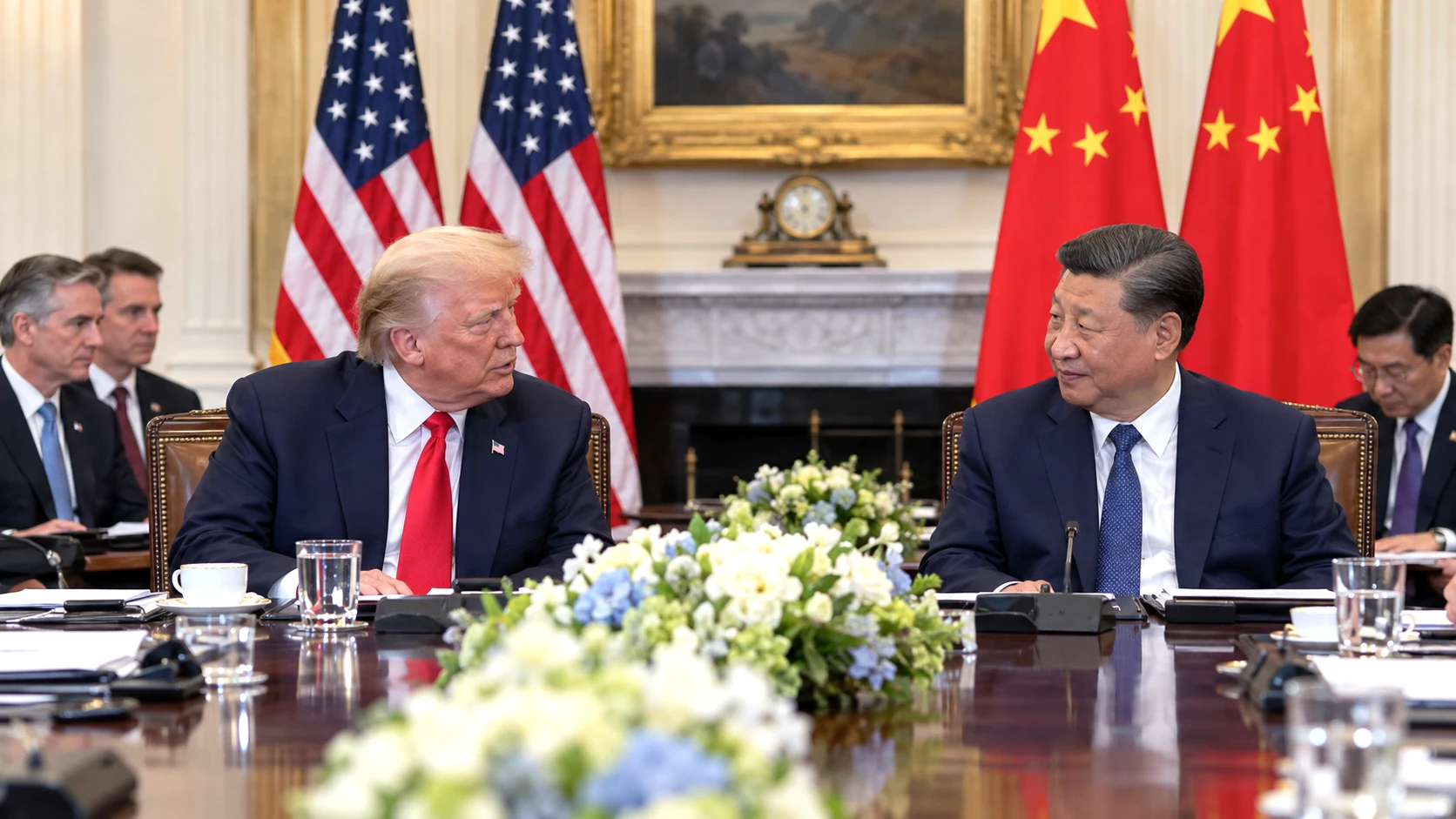
Trump and Xi are then expected to hold their substantive discussions.
A state dinner is scheduled for Thursday evening, followed by additional events on Friday before Xi's visit concludes.
The ceremonial programme should not be confused with diplomatic outcomes.
The major news will be whether the talks produce signed agreements or clearly defined commitments on trade, technology or strategic issues.
Why Markets Are Watching the Summit
A sustained US-China trade truce can reduce the immediate probability of tariff escalation and supply-chain disruption.
That matters to global businesses because the two countries remain deeply integrated through:
Area
Why it matters
Consumer goods
Tariffs can affect import costs and retail prices
Agriculture
China is a major buyer of US farm products
Rare earths
China is dominant in processing and supply
Semiconductors
US export restrictions affect China's technology sector
AI
Both countries are investing heavily in frontier systems
Aviation
Boeing orders form part of earlier commitments
Financial markets
Escalation can affect equities, currencies and commodities
A two-month extension therefore removes one near-term deadline but does not eliminate the underlying strategic competition.
What Does the Trump-Xi Summit Mean for India?
India is not a party to the US-China trade truce, but the outcome still matters.
One particularly direct connection is rare-earth supply.
Reuters reported earlier this month that export-licence approvals from China have been even more limited for some Indian and Japanese buyers than for US companies.
If Washington and Beijing negotiate more predictable rare-earth flows, the global market response could influence availability and prices for Indian industries that rely on critical minerals.
A sustained US-China détente could also affect the pace of the China+1 supply-chain strategy, under which manufacturers have sought to diversify production into countries including India.
Conversely, renewed tariff confrontation could accelerate diversification away from China.
For India, neither outcome is automatically beneficial or harmful. Effects will vary by industry, including electronics, automobiles, renewable energy, manufacturing and critical-mineral supply chains.
Does the Truce Mean the US-China Trade War Is Over?
No.
The countries continue to impose restrictions on each other across technology, investment and trade.
Washington maintains controls involving some advanced chips and strategic technologies.
China maintains export-control systems affecting certain critical minerals.
The trade-truce extension primarily reduces the risk of immediate escalation while negotiators continue discussions.
It should therefore be described as a temporary stabilisation mechanism rather than the end of US-China economic competition.
Is a “Bigger Deal” Guaranteed?
No.
Bessent said China had raised the possibility of a more expansive agreement and that officials had discussed whether to pursue a broader package.
He also explicitly said it was unclear whether such a deal could be completed before the new January 10 deadline.
Analysts cited by Reuters and AP have generally set relatively modest expectations for the summit, given the number and depth of unresolved disputes.
The most defensible current conclusion is that the leaders have gained more negotiating time, not that they have already resolved the trade relationship.
What Happens Next?
The September 24 Trump-Xi meeting will determine whether the state visit produces anything beyond the two-month extension.
The most important outcomes to watch are tariff reductions, Chinese agricultural purchases, rare-earth export arrangements, an AI communication mechanism, fentanyl cooperation, military-to-military contacts and any statements concerning Taiwan or Iran.
Specific agreements should be evaluated from their published text rather than political descriptions alone.
Latest Verified Position
As of the morning of September 24 in India, Xi Jinping has arrived in the Washington area for a three-day state visit and Trump personally welcomed him at Joint Base Andrews. The formal White House summit is scheduled for September 24.
US Treasury Secretary Scott Bessent says the existing trade truce has been extended by two months, from November 10 to January 10, 2027. China had not immediately publicly commented on the extension in Reuters' arrival report.
No comprehensive new US-China trade agreement has been announced yet.
Frequently Asked Questions
Has Xi Jinping arrived in the United States?
Yes. Xi arrived in the Washington area on September 23 and was personally greeted by Donald Trump at Joint Base Andrews in Maryland.
When are Trump and Xi meeting?
Their formal White House summit is scheduled for September 24, 2026.
How long is Xi Jinping's US visit?
China says the state visit runs from September 23 to September 25.
Has the US-China trade truce been extended?
US Treasury Secretary Scott Bessent says the two countries agreed to extend the truce by two months.
What is the new trade-truce deadline?
The new deadline announced by Bessent is January 10, 2027, replacing the previous November 10 expiry.
Did the US and China sign a completely new trade deal?
No comprehensive replacement agreement had been announced at the time of publication. The existing truce has been extended while negotiations continue.
What are Trump and Xi expected to discuss?
Major issues include trade, rare earths, agricultural purchases, AI and technology, Taiwan and Iran.
Why are rare earths important?
They are essential inputs for technology, automobiles, energy and defence industries. China holds a dominant position in global production and refining, making export policy strategically important.
Could the summit affect India?
Yes, indirectly. Rare-earth licensing difficulties have affected Indian buyers, while changes in US-China tariffs and supply chains can influence manufacturing investment and global input prices.
Has China officially confirmed the January 10 extension?
Bessent says the extension was agreed by the two countries. Reuters reported at the time of Xi's arrival that China's embassy had no immediate comment.
Bottom Line
Chinese President Xi Jinping has arrived in Washington for a three-day state visit and talks with Donald Trump. The US says the bilateral trade truce has been extended by two months to January 10, 2027.
The extension lowers the immediate risk of tariff escalation but is not a comprehensive trade deal. Major issues including rare earths, agriculture, AI, Taiwan and Iran remain unresolved ahead of the September 24 summit.
Key Takeaway
Xi arrives in US for Trump talks.
US says China trade truce extended to January 10, 2027.
The Rajatheertha Team publishes news, explainers, guides and updates across India and the world. Our coverage follows Rajatheertha's editorial, verification and corrections standards.
The United States and China have extended their trade truce from November 10 to January 10, 2027, giving negotiators two more months to pursue a broader deal. Existing tariffs remain, while rare earths, agriculture and tariff cuts remain under negotiation.
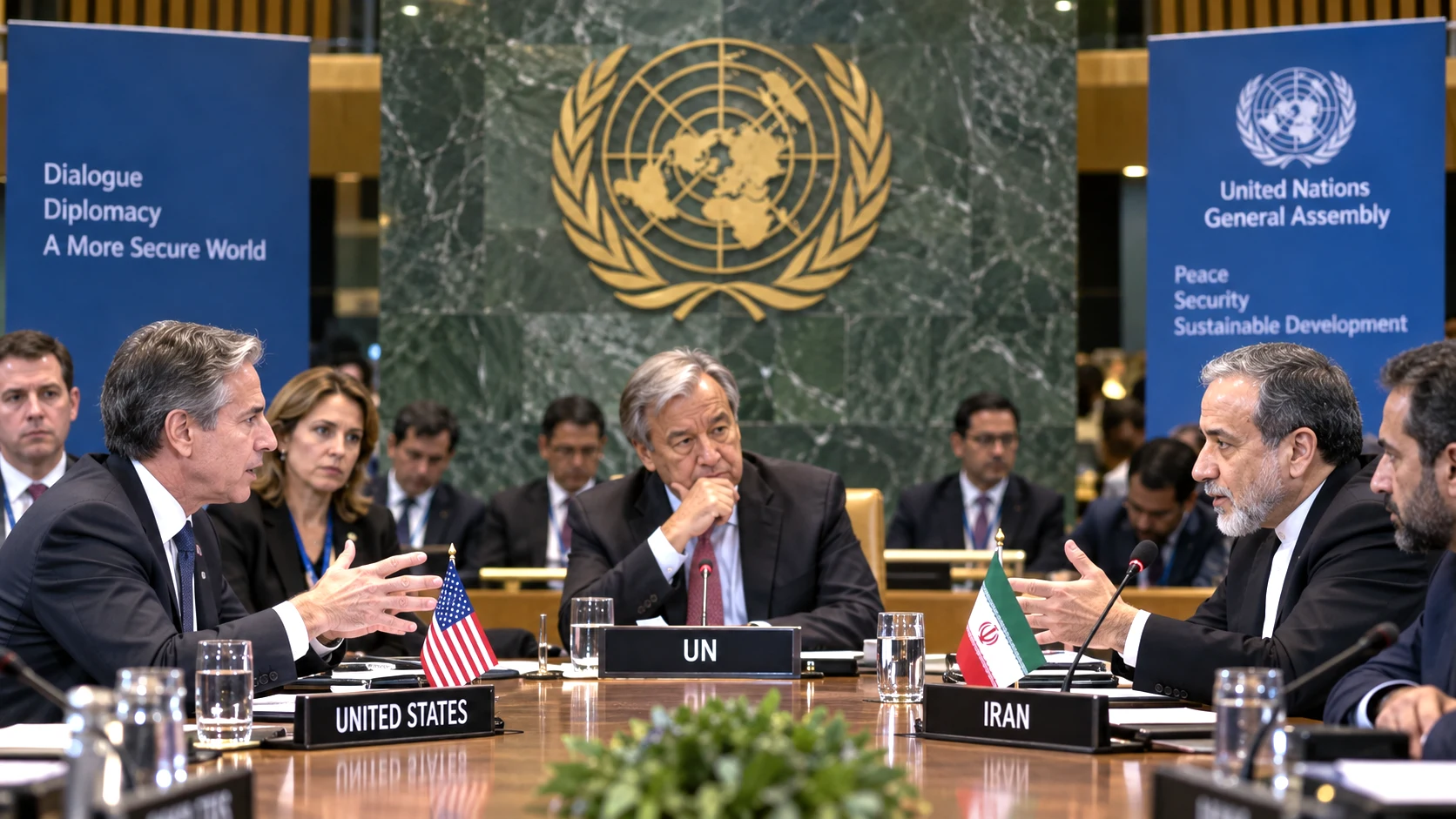
US and Iranian representatives held roughly three hours of mediated talks on the sidelines of the UN General Assembly after Donald Trump threatened Iran with further destruction if no deal is reached. Here is what was discussed and what remains unresolved.
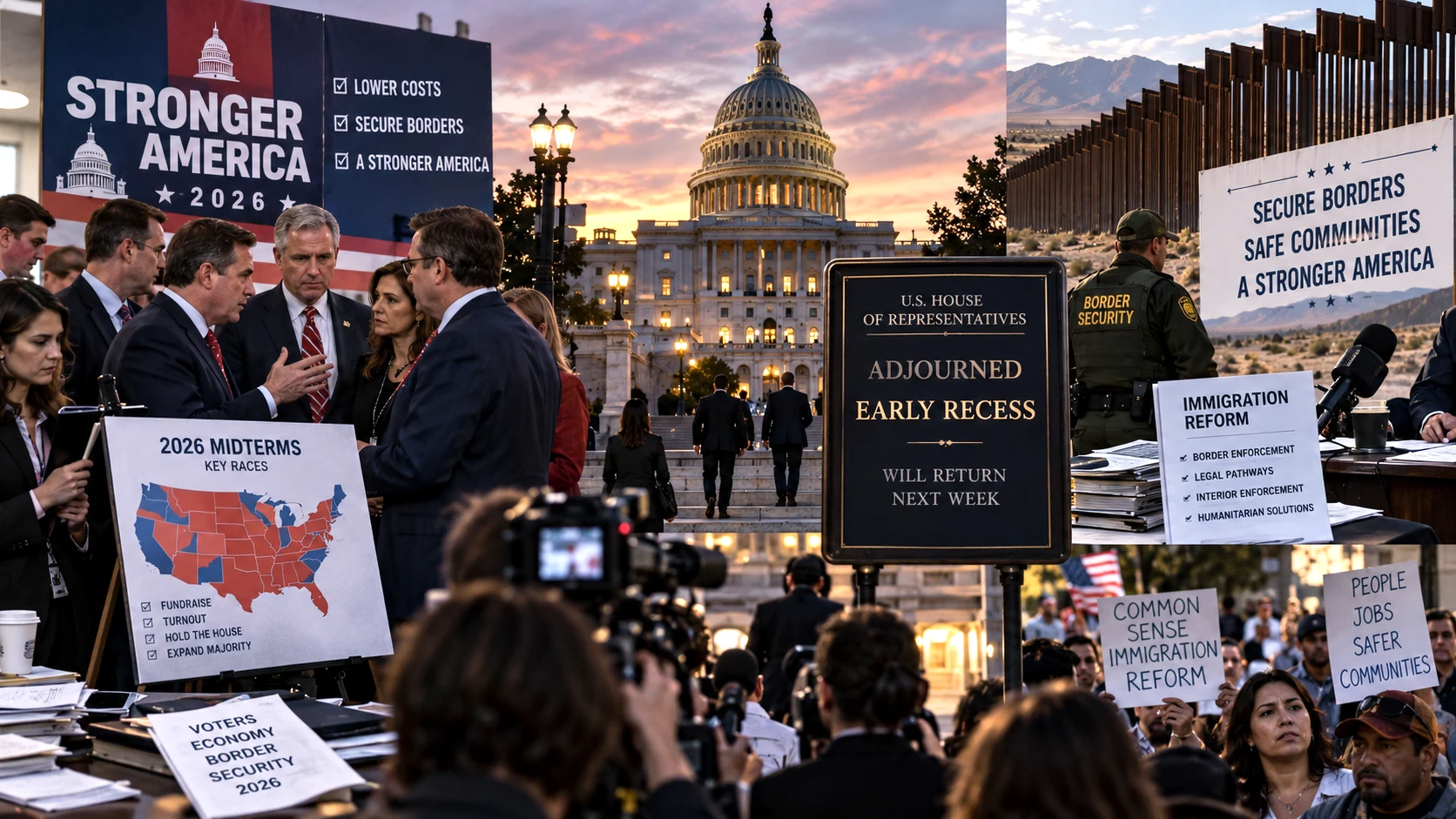
The Florida Republican says Hispanic voters who helped return Donald Trump to the White House now “feel betrayed,” while polling shows broader erosion in support for the president’s immigration approach. Separately, Speaker Mike Johnson has sent the House home early for the campaign season, drawing
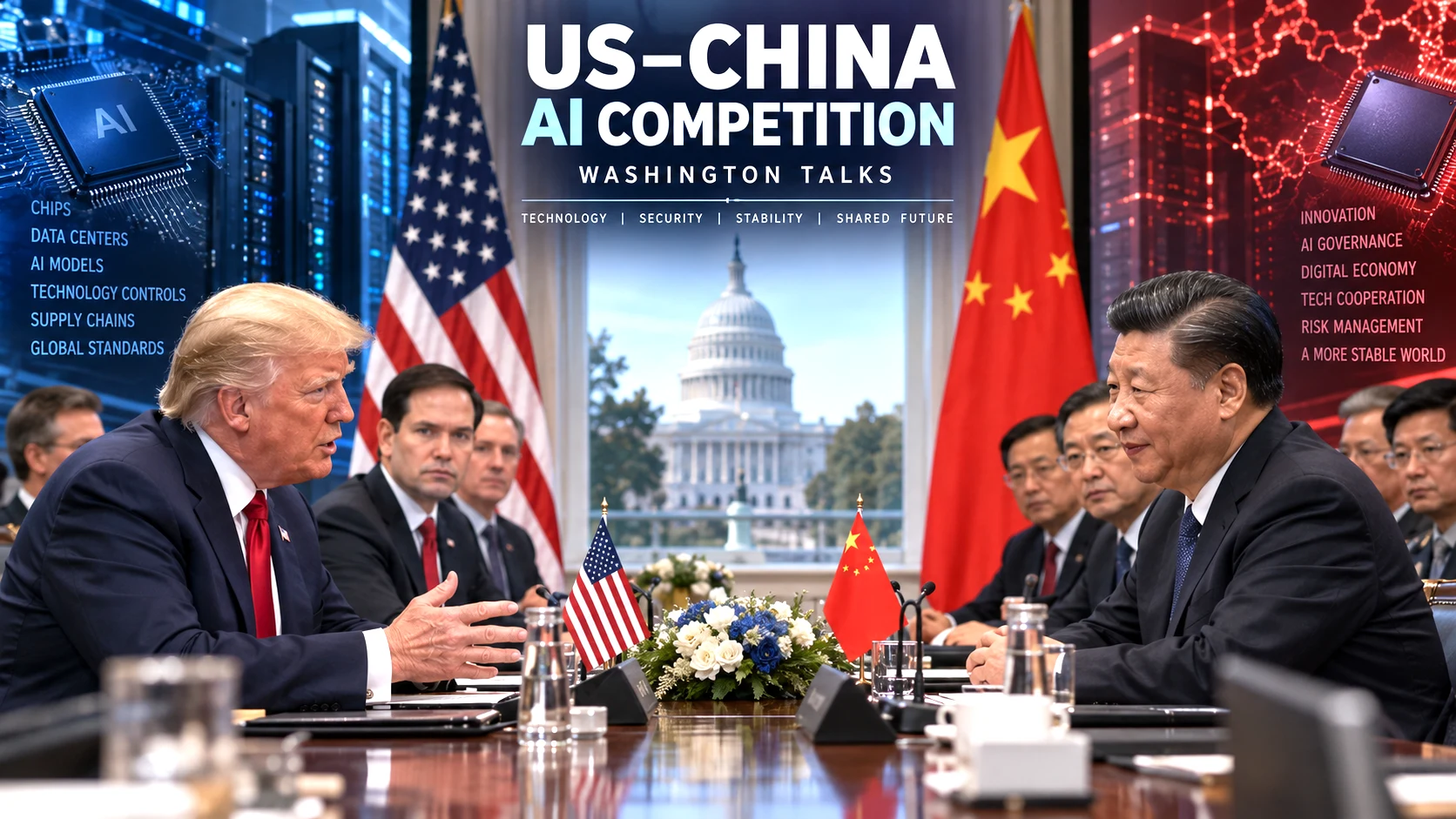
Donald Trump and Xi Jinping are expected to meet in Washington on September 24, with artificial intelligence emerging as a central strategic issue alongside trade, Taiwan, Iran and fentanyl. Advanced chips, AI safety, military autonomy and allegations of technology copying are likely to shape the te
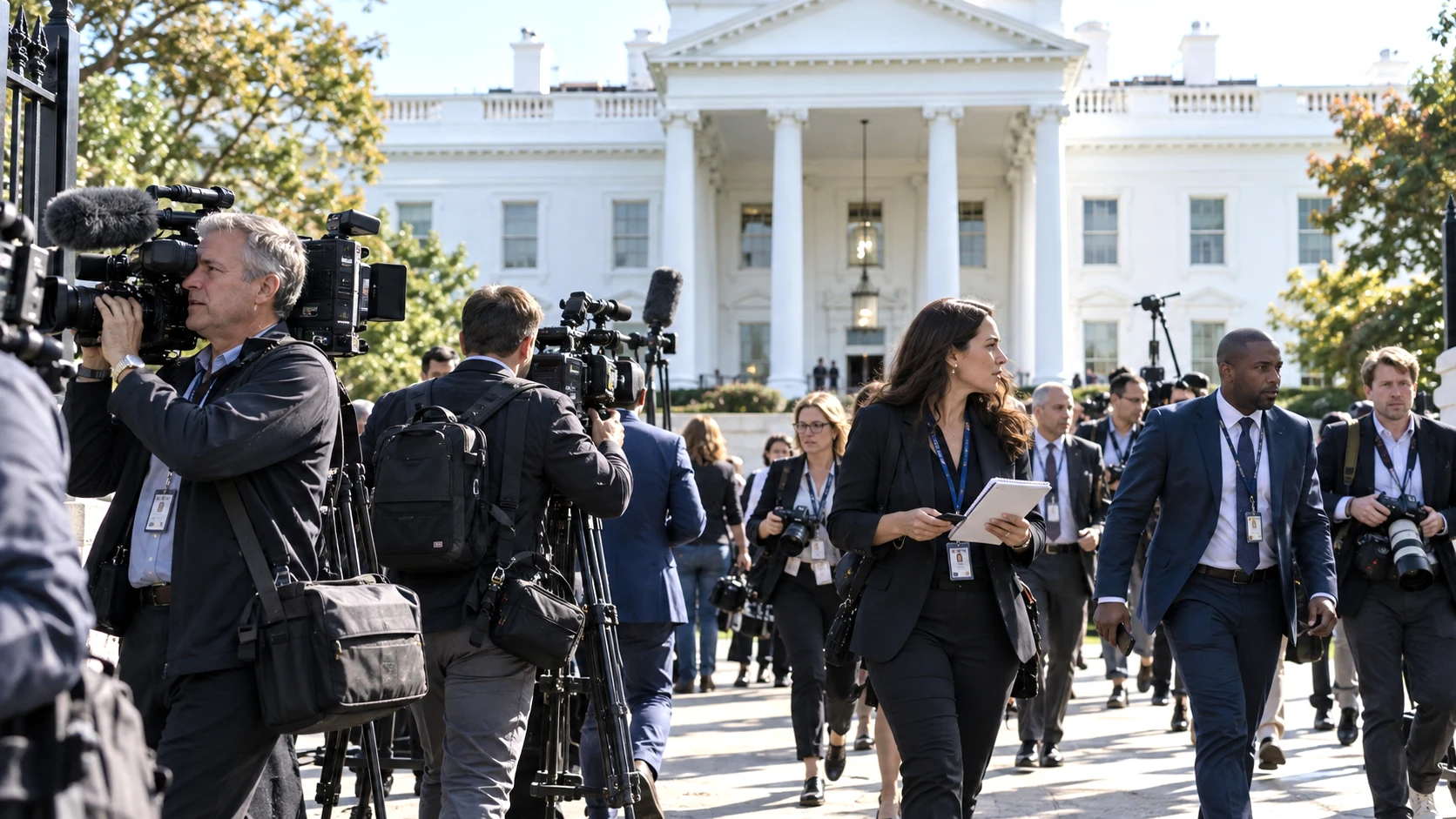
A federal judge has temporarily blocked Donald Trump's White House ban on CNN, MS NOW and Politico, ordering their press credentials restored for 14 days. The ruling focuses on due process while the wider press-freedom case continues.
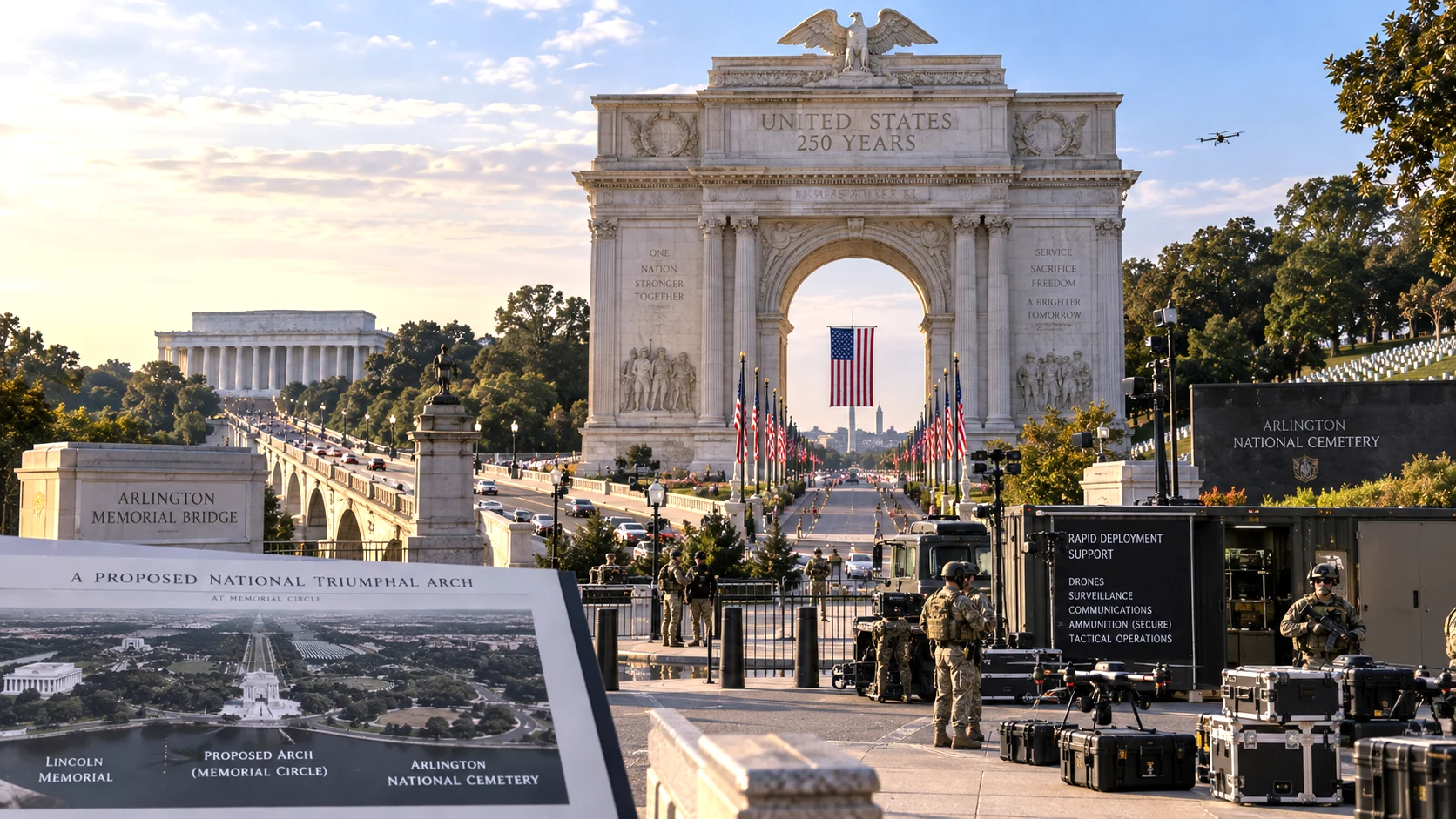
President Donald Trump says his proposed 250-foot triumphal arch near Arlington National Cemetery will now be designed as a dual-purpose military facility capable of housing drones, sniper positions and ammunition. The announcement adds a national-security dimension to an already controversial Washi





0 Comments