US-China Extend Trade Truce Until January 10: What It Means for Tariffs, Markets and India
The United States and China have extended their trade truce from November 10 to January 10, 2027, giving negotiators two more months to pursue a broader deal. Existing tariffs remain, while rare earths, agriculture and tariff cuts remain under negotiation.
The United States and China have agreed to extend their trade truce by two months, until January 10, 2027, postponing a key deadline that could otherwise have reopened the risk of a fresh escalation in tariffs and other trade restrictions between the world's two largest economies.
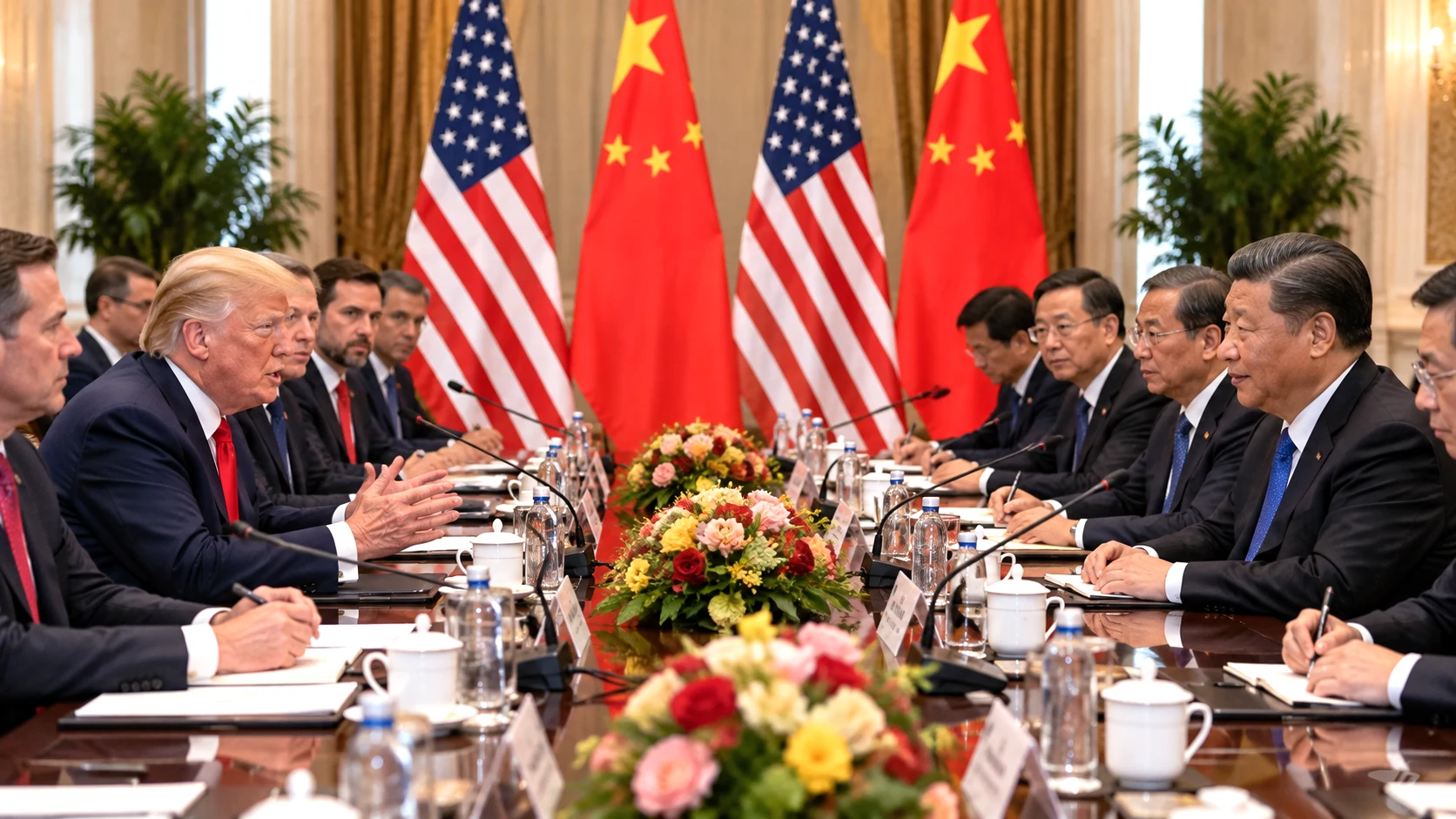
US Treasury Secretary Scott Bessent announced the extension on September 23 after meeting Chinese Vice Premier He Lifeng in Washington, one day before President Donald Trump and Chinese President Xi Jinping were due to hold high-level talks.
The existing arrangement had been due to expire on November 10, 2026.
Bessent said Washington and Beijing agreed to extend what the two sides call the Busan Agreement, giving negotiators until January 10 to explore whether a larger economic agreement can be reached.
Recommended Reading
Related Stories & In-Depth Guides
Curated editorial perspectives matching this topic.
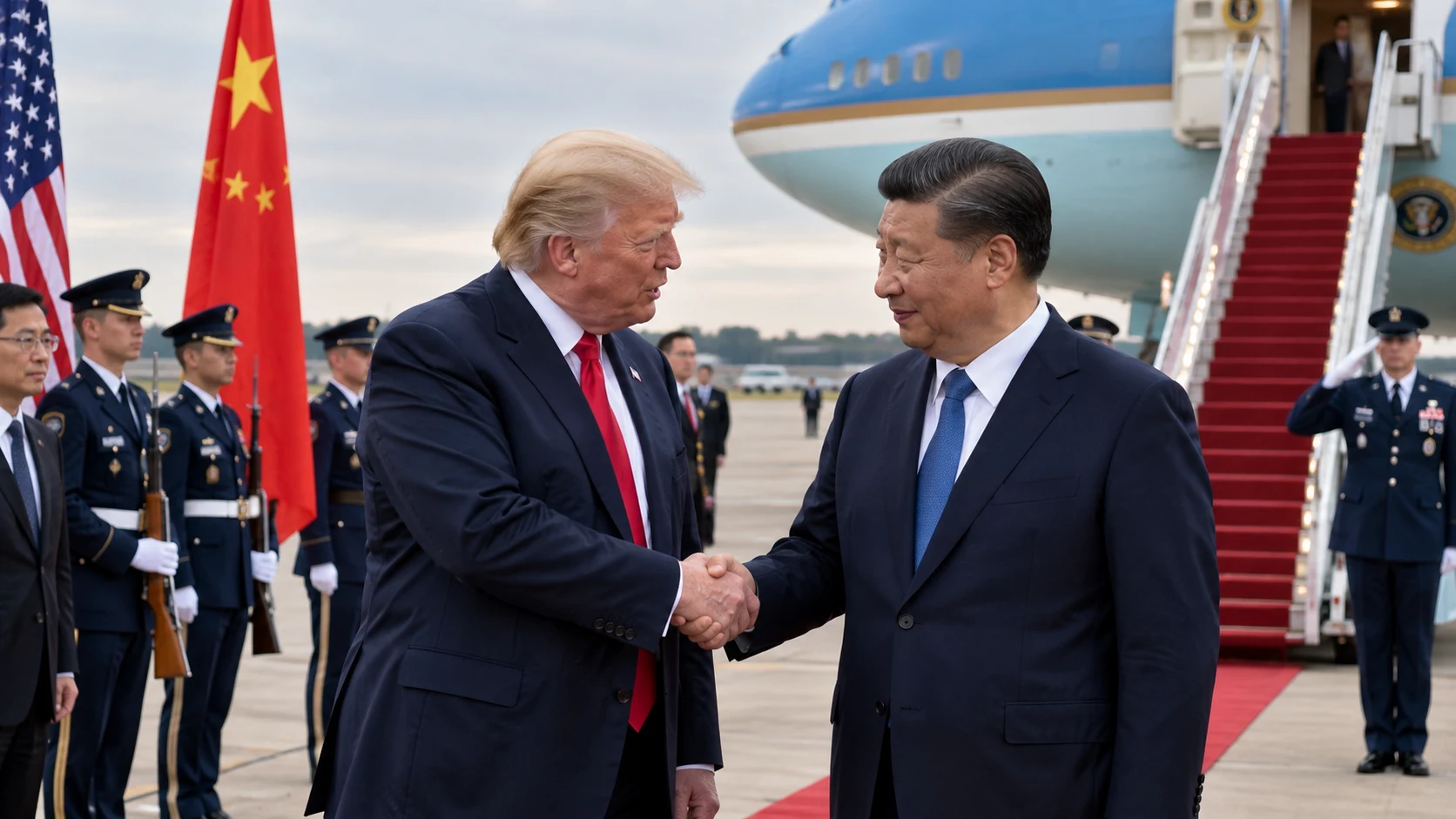
Chinese President Xi Jinping has arrived in Washington for a three-day state visit and high-stakes talks with Donald Trump. The US says the bilateral trade truce has been extended by two months to January 10, 2027.
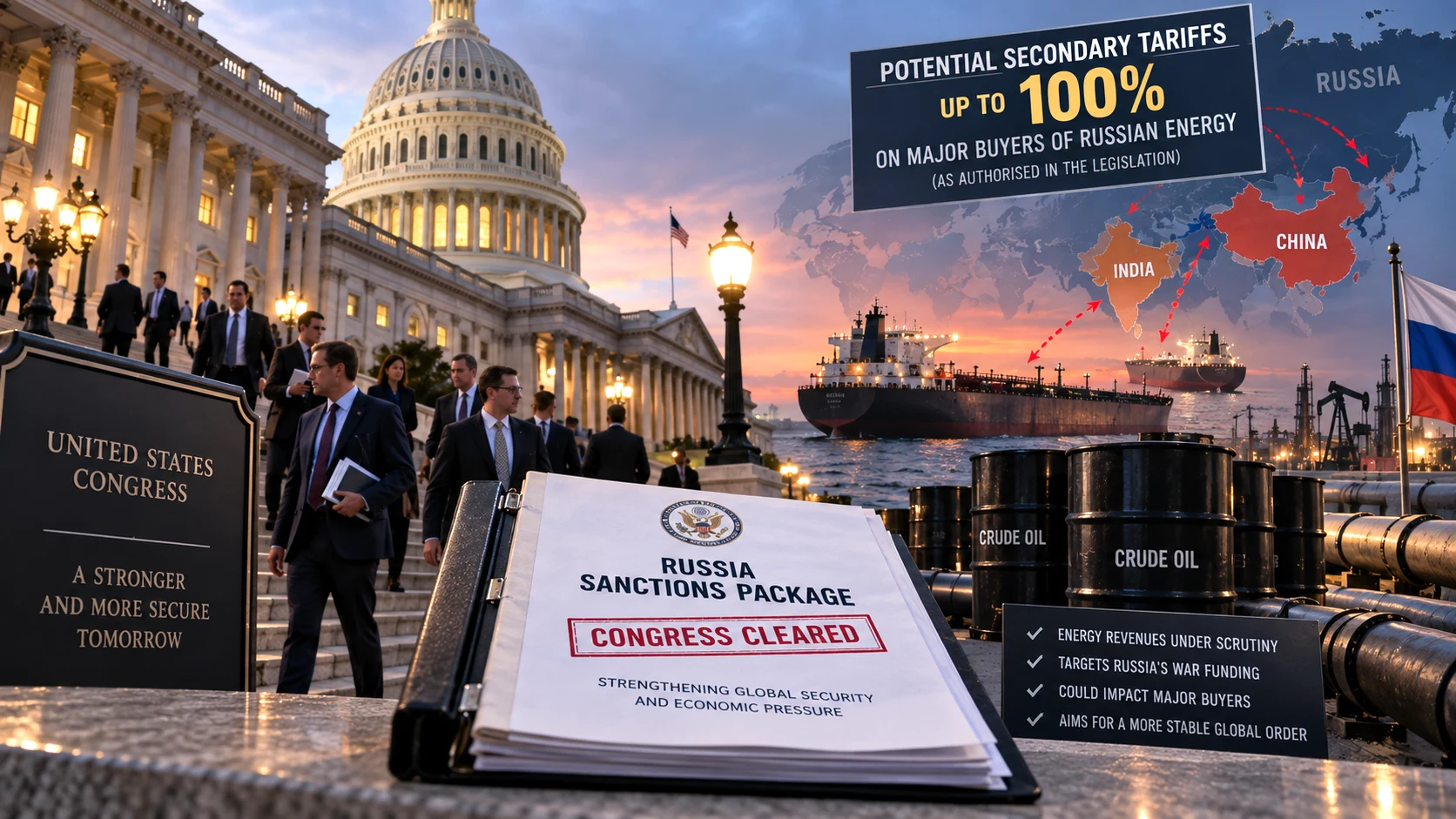
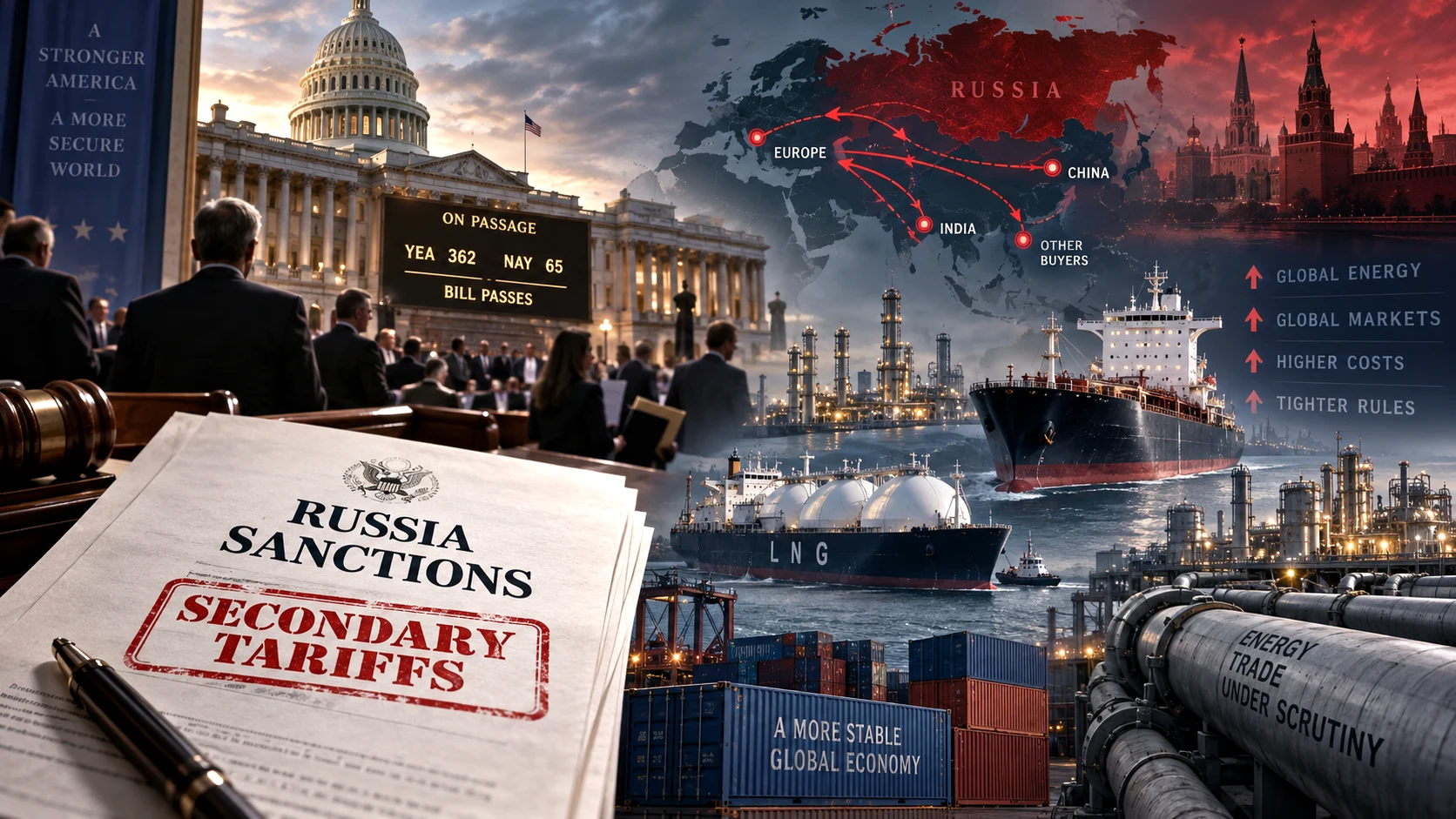
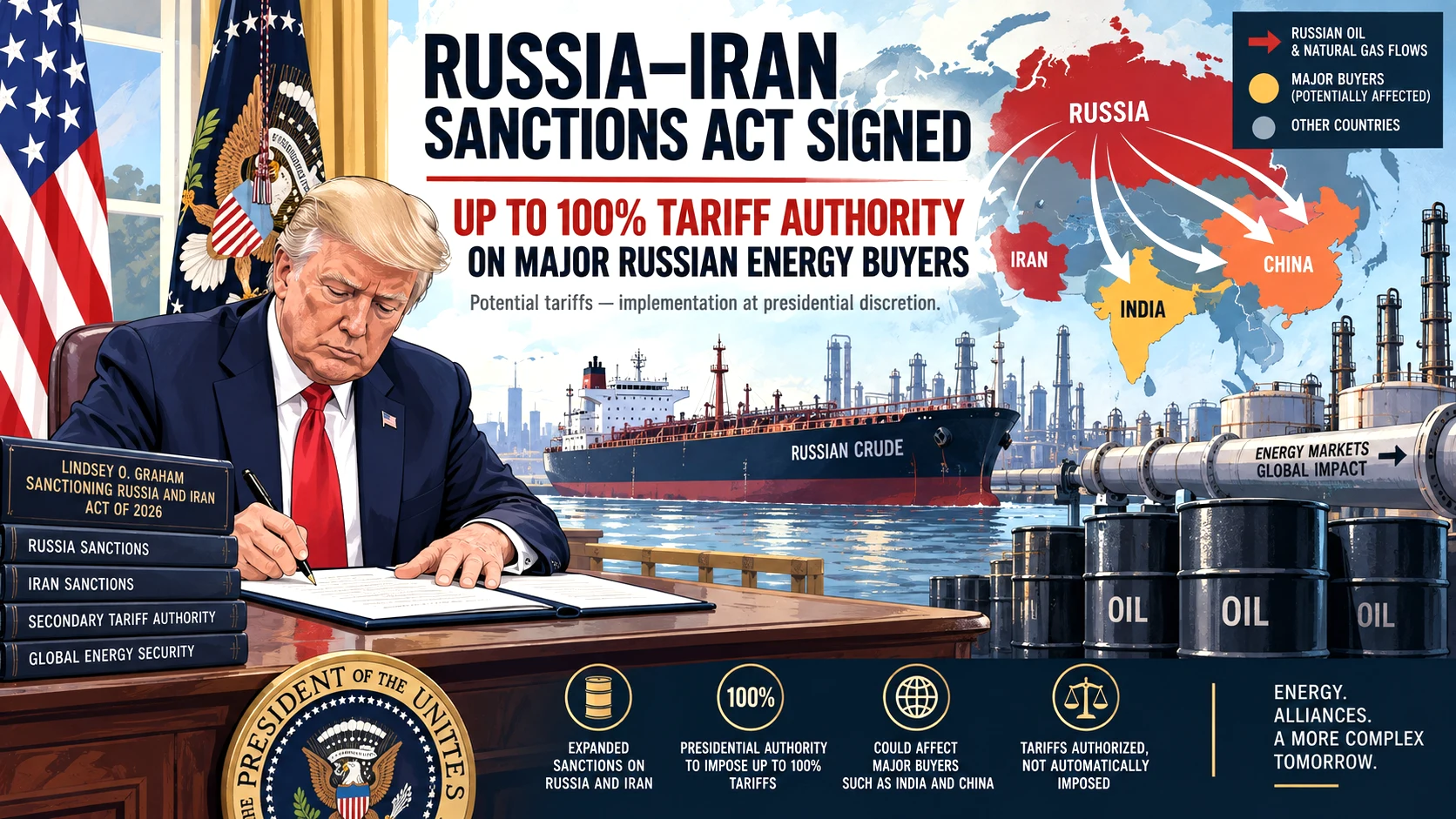
The House approved the Lindsey O. Graham Sanctioning Russia and Iran Act of 2026 by 262-159 after the Senate passed it 86-11. The measure now awaits President Donald Trump’s signature and could subject major buyers of Russian oil or gas to additional US tariffs of up to 100%, although India and Chin
The development reduces the immediate risk of another round of US-China tariff escalation.
But it does not mean tariffs between the two countries have been eliminated.
Many existing tariffs, export controls and trade restrictions remain in place, while significant disagreements over rare earths, agriculture, technology, financial services and market access are still unresolved.
Key Takeaways
The US-China trade truce has been extended from November 10, 2026 to January 10, 2027.
Treasury Secretary Scott Bessent announced the agreement after talks with Chinese Vice Premier He Lifeng.
The extension gives negotiators roughly two additional months to pursue a broader trade agreement.
It does not remove all existing US-China tariffs.
The existing 10% US reciprocal tariff framework on affected Chinese imports does not automatically disappear because of the extension.
China and the US continue negotiating over rare earths, agricultural purchases, tariffs and financial services.
Washington says China is meeting its soybean-purchase commitment but is lagging on some other agricultural commitments.
US officials have also said deliveries of Chinese rare earth materials have not fully met expectations.
A possible removal of tariffs on around $30 billion of non-sensitive goods has been discussed but is not yet a completed agreement.
Markets may view the extension as reducing near-term trade-war risk, but current oil-price movements are also being driven heavily by Middle East developments.
The agreement does not directly change India's tariff rates with either the United States or China.
What Exactly Did the US and China Agree?
Bessent said the two sides had agreed to extend their existing economic détente until January 10.
The previous deadline was November 10.
The Treasury Secretary said the additional time would allow Washington and Beijing to examine whether they could reach what he described as a “bigger deal” instead of continuing with a series of smaller agreements.
He stopped short of predicting that such an agreement would definitely be completed by January.
When asked whether a larger deal could be reached by January 10, Bessent said that remained unclear.
That means January 10 should be understood primarily as the next negotiating deadline, not as a guaranteed date for a comprehensive US-China trade agreement.
What Is the Busan Agreement?
The current truce developed out of agreements reached between Washington and Beijing after an intense period of tariff retaliation.
Under the broader US-China arrangement, both sides stepped back from some of the most severe trade restrictions that had pushed bilateral tariff rates sharply higher.
The White House previously said the United States would maintain the suspension of heightened reciprocal tariffs on Chinese imports while keeping a 10% reciprocal tariff in effect during the suspension period.
China, in turn, made commitments covering areas including:
agricultural purchases;
rare earths and critical minerals;
retaliatory trade measures;
certain tariff exclusions;
and investigations affecting US companies.
The arrangement therefore involves considerably more than one single tariff rate.
Does January 10 Mean US-China Tariffs Are Suspended Until Then?
The accurate answer is more nuanced.
The extension continues the broader trade truce and delays the immediate risk of returning to the more severe escalation that existed before the agreement.
But existing tariffs remain.
The White House's earlier implementation of the arrangement maintained a 10% reciprocal US tariff on affected Chinese imports while suspending higher reciprocal rates.
Other US duties imposed under separate authorities may also continue.
Therefore, this headline would be misleading:
“US suspends all tariffs on China until January.”
A more accurate description is:
The US and China have extended a truce that limits further tariff escalation while negotiations continue.
Have All Details of the Extension Been Published?
Not yet.
Bessent has publicly confirmed the new January 10 deadline, but a new detailed legal implementation document covering every tariff line, exclusion and Chinese countermeasure was not available in the sources reviewed at the time of publication.
That distinction is important.
Until the governments publish complete implementation details, it would be premature to assume that every individual provision with its own expiration date has automatically been extended in exactly the same way.
The safest confirmed fact is that both governments have agreed to extend the overall Busan trade truce through January 10.
What Are the US and China Still Negotiating?
Several major issues remain unresolved.
1. Tariff reductions
US officials have discussed removing tariffs covering around $30 billion of non-sensitive goods.
Bessent said announcements in this area were possible around the Trump-Xi summit.
No final $30-billion tariff-removal agreement had been confirmed in the announcement extending the truce.
2. Rare earths and critical minerals
China dominates important parts of global rare-earth processing and magnet supply.
Under earlier agreements, Beijing committed to restoring flows of rare-earth magnets and other critical minerals after imposing restrictions.
US officials have recently said deliveries have been lagging expectations.
Rare earths are strategically important for industries including:
electric vehicles;
consumer electronics;
defence equipment;
wind turbines;
robotics;
and advanced manufacturing.
That gives Beijing significant leverage in trade negotiations.
3. US agricultural purchases
China previously committed to major purchases of US agricultural goods.
Bessent said Beijing was meeting a commitment to purchase 25 million tonnes of soybeans, but he said China was behind on a separate commitment covering approximately $17 billion in other US agricultural products.
Agricultural exports are politically important for the Trump administration because they affect US farming states.
4. Financial services
Bessent said financial-services issues could also feature in negotiations.
Possible changes could affect access by American financial companies to parts of the Chinese market, although no major new financial-services agreement had been announced when the truce extension was confirmed.
5. Technology and AI
Artificial intelligence has increasingly become part of the broader US-China economic relationship.
The two sides have discussed establishing a communications channel for reporting AI-related safety incidents, although Reuters reported that China's public response to the proposed mechanism remained unclear.
Semiconductor export controls and the wider US-China technology rivalry remain separate major sources of tension.
Why Did They Extend the Truce Now?
The timing is closely connected to President Xi's visit to Washington and his meeting with Trump.
Xi arrived in the United States ahead of the September 24 summit, his first US visit in nearly three years.
Bessent and He had held around 12 hours of talks on September 20 before meeting again for approximately 90 minutes on September 23 to deal with what the US Treasury Secretary described as unfinished business.
Extending the deadline before the leaders' meeting reduces the risk that the summit would be dominated by an approaching November tariff cliff.
Instead, both governments now have until January to pursue additional negotiations.
Did Trump and Xi Personally Negotiate the Extension?
The immediate agreement was announced following negotiations involving Treasury Secretary Scott Bessent and Chinese Vice Premier He Lifeng.
Trump and Xi remain central because the trade relationship ultimately operates under political direction from the two presidents.
But the September 23 extension was negotiated at the senior economic-official level immediately before their summit.
Why Markets Care About January 10
A renewed US-China tariff war could affect much more than bilateral trade.
Possible consequences could include:
higher import costs;
pressure on corporate margins;
renewed supply-chain disruption;
weaker manufacturing investment;
lower global trade growth;
currency volatility;
and uncertainty for commodities.
Extending the truce reduces one source of near-term uncertainty.
That does not guarantee a stock-market rally.
On September 24, Asian markets were mixed as investors simultaneously assessed US-China negotiations, rising bond yields, central-bank policy and continuing Middle East tensions.
That illustrates why it would be misleading to attribute every market move solely to the trade-truce announcement.
Rare-Earth Stocks React
One of the more visible sector-specific reactions came in rare-earth shares.
Several Asian rare-earth companies fell after the extension was announced, as the agreement reduced immediate concern over another disruption in critical-mineral flows.
That reaction reflects expectations about supply risks rather than confirmation that all rare-earth disputes have been resolved.
Washington remains concerned about its dependence on Chinese processing capacity.
What Does the Trade Truce Mean for Oil Prices?
The effect is indirect.
China is the world's largest crude-oil importer, so its economic outlook and US-China trade conditions can influence expectations for global oil demand.
Reduced trade-war risk can generally support expectations for economic activity and therefore energy consumption.
However, the current movement in oil prices cannot reasonably be attributed primarily to the US-China extension.
Reuters reported that oil prices were easing from recent highs on September 24 while markets were heavily focused on the Middle East, including US-Iran tensions and the prospects for diplomacy.
Earlier in the week, crude had also moved lower amid improving supply expectations connected with the Middle East.
The better formulation is therefore:
The US-China truce removes one economic-demand risk for oil, while Middle East developments remain a much more immediate driver of crude prices.
Does This Change Tariffs on India?
No direct India tariff change follows from the US-China extension.
India's trade arrangements with the United States are governed by separate agreements and tariff measures.
The US and India announced a bilateral trade framework earlier in 2026, under which Washington reduced its reciprocal tariff rate on India and the two countries continued negotiations on broader economic issues.
Therefore, January 10 is not an India tariff deadline.
Why Should Indian Businesses Watch the US-China Deal?
Although India is not a party to the agreement, the outcome can matter indirectly.
Supply chains
US-China trade tensions have encouraged companies to diversify manufacturing into countries including India, Vietnam and Mexico.
If US-China relations stabilise for a longer period, the urgency around trade-driven supply-chain relocation could reduce somewhat.
However, companies also make diversification decisions based on longer-term geopolitical, cost and resilience considerations, not tariff deadlines alone.
Electronics and manufacturing
Indian electronics manufacturing increasingly participates in global supply chains involving Chinese components and US end markets.
Changes in US-China tariffs can therefore influence component sourcing, manufacturing economics and investment decisions.
Commodities
China's demand has major implications for:
crude oil;
copper;
iron ore;
chemicals;
and industrial commodities.
A prolonged trade conflict could weaken demand expectations, while a more stable relationship could have the opposite effect.
Indian exporters
Indian companies sometimes gain from trade diversion when US buyers shift sourcing away from China.
An extended truce may reduce the immediate potential for another large wave of tariff-driven diversion.
But it can also support global demand and reduce market volatility.
The net effect will vary by industry.
Does the Truce End the US-China Trade War?
No.
The agreement should be described as a truce, détente or temporary stabilisation, not a final end to the dispute.
Important structural disagreements remain over:
Chinese industrial policy;
technology restrictions;
semiconductor access;
subsidies;
rare-earth supplies;
agricultural trade;
intellectual property;
market access;
Taiwan-related tensions;
and national-security controls.
The extension primarily gives the governments more time to negotiate without allowing the existing arrangement to expire in November.
Could the Truce Be Extended Again After January 10?
Yes, that is possible.
Bessent explicitly said Washington did not yet know whether a broader agreement would be finished by January.
He indicated that the United States could either pursue a bigger economic package or continue rolling forward the current arrangement if necessary.
January 10 is therefore a meaningful deadline, but not necessarily the final date for US-China trade negotiations.
What Could a Bigger Trade Deal Include?
Based on the issues publicly discussed so far, a wider package could potentially involve:
additional tariff reductions;
larger Chinese purchases of US agricultural products;
better access for US financial-services companies;
critical-mineral commitments;
non-tariff barriers;
export controls or related implementation mechanisms;
and possibly additional economic-cooperation measures.
Bessent has not provided a complete proposed agreement, and negotiations remain ongoing.
Readers should therefore be cautious about reports presenting any individual proposal as already agreed.
What the Original US-China Deal Did to Tariffs
The earlier arrangement significantly reduced the intensity of the tariff confrontation.
The White House said the United States maintained the suspension of heightened reciprocal tariffs on Chinese imports while leaving a 10% reciprocal tariff in place.
China also suspended or removed several retaliatory actions and continued tariff-exclusion arrangements for some US imports.
These measures represented a substantial de-escalation compared with the period when bilateral tariffs had risen to triple-digit levels. Reuters said the Busan détente dramatically lowered tariff rates from those peaks.
What Happens on January 10?
Three broad outcomes are possible.
A broader deal
The two governments could reach a wider economic agreement containing tariff reductions and additional commitments.
Another extension
They could decide negotiations need more time and continue the existing arrangement.
Renewed escalation
If negotiations break down, tariff or non-tariff tensions could increase again.
Bessent has said it is too early to know which outcome will occur.
What Should Investors Watch Next?
The major indicators are:
announcements from the Trump-Xi summit;
progress on the proposed $30 billion tariff reductions;
Chinese soybean and agricultural purchases;
rare-earth deliveries;
changes to US technology controls;
Chinese retaliatory restrictions;
yuan-dollar movements;
semiconductor and industrial stocks;
commodity demand expectations;
whether a detailed legal document implementing the January extension is published.
The extension itself reduces one near-term uncertainty, but markets will now focus on whether negotiators can use the extra two months to produce substantive changes.
Latest Verified Position
As of September 24, 2026:
The United States and China have agreed to extend their trade truce by two months.
The previous expiration date was November 10, 2026.
The new deadline is January 10, 2027.
Scott Bessent announced the extension after talks with Chinese Vice Premier He Lifeng.
The September 23 Washington meeting lasted approximately 90 minutes, following around 12 hours of negotiations earlier in the week.
Both sides are exploring a potentially broader trade agreement.
Bessent says it remains uncertain whether a bigger deal can be completed by January.
Existing tariffs remain; the extension is not a zero-tariff agreement.
China is meeting its 25-million-ton soybean-purchase commitment, according to Bessent, but Washington says other agricultural purchases are behind schedule.
US officials have also raised concerns over the pace of Chinese rare-earth deliveries.
Possible tariff reductions involving approximately $30 billion of non-sensitive goods remain under discussion rather than fully agreed.
The extension does not directly change Indian tariffs.
Oil prices remain influenced heavily by the Middle East situation as well as global-demand expectations.
Frequently Asked Questions
Until when has the US-China trade truce been extended?
The truce now runs until January 10, 2027, instead of expiring on November 10, 2026.
Did the US remove all tariffs on China?
No. Existing US-China tariffs remain. The agreement extends the current détente and avoids an immediate return to more severe tariff escalation.
What is the Busan Agreement?
It is the broader economic arrangement under which the US and China stepped back from sharply escalated tariffs and made commitments involving agriculture, critical minerals and other trade measures.
Why did the US and China extend the deal?
The extension gives both governments two additional months to negotiate a potentially broader economic agreement.
Could a bigger trade deal be signed before January 10?
Possibly, but it is not guaranteed. Bessent said he did not yet know whether a larger agreement could be completed by the deadline.
Are US-China tariffs going to zero?
No such agreement has been announced.
Are the US and China discussing additional tariff cuts?
Yes. US officials have said potential tariff reductions covering about $30 billion in non-sensitive goods are being discussed. They have not yet been confirmed as a completed agreement.
What does China need to do under the existing deal?
Commitments include agricultural purchases and measures involving rare-earth and critical-mineral supplies. Washington says implementation has been uneven in some areas.
Does the US-China trade truce affect India?
Not directly. It does not alter India's tariff rates. But it may indirectly affect Indian exporters, manufacturing investment, commodity markets and global supply chains.
Will the trade truce lower oil prices?
There is no direct guarantee. A stable US-China relationship can affect global growth and oil-demand expectations, but current oil prices are also being driven strongly by Middle East supply and geopolitical developments.
Can the agreement be extended again?
Yes. Bessent has indicated that continuing the existing arrangement beyond January remains one possible outcome if a larger agreement is not completed.
Bottom Line
The United States and China have extended their trade truce until January 10, 2027, giving negotiators two more months to pursue a broader economic agreement. Existing tariffs remain in place.
The extension reduces the immediate risk of renewed escalation but does not end the trade dispute. Rare earths, agriculture, technology and tariff reductions continue under negotiation. The deal does not directly change India’s tariffs.
Key Takeaway
US-China trade truce extended to January 10, 2027.
Existing tariffs remain; not a full deal.
Rare earths, agriculture and tariff cuts still under discussion.
Indirect implications for India and global markets.
The Rajatheertha Team publishes news, explainers, guides and updates across India and the world. Our coverage follows Rajatheertha's editorial, verification and corrections standards.
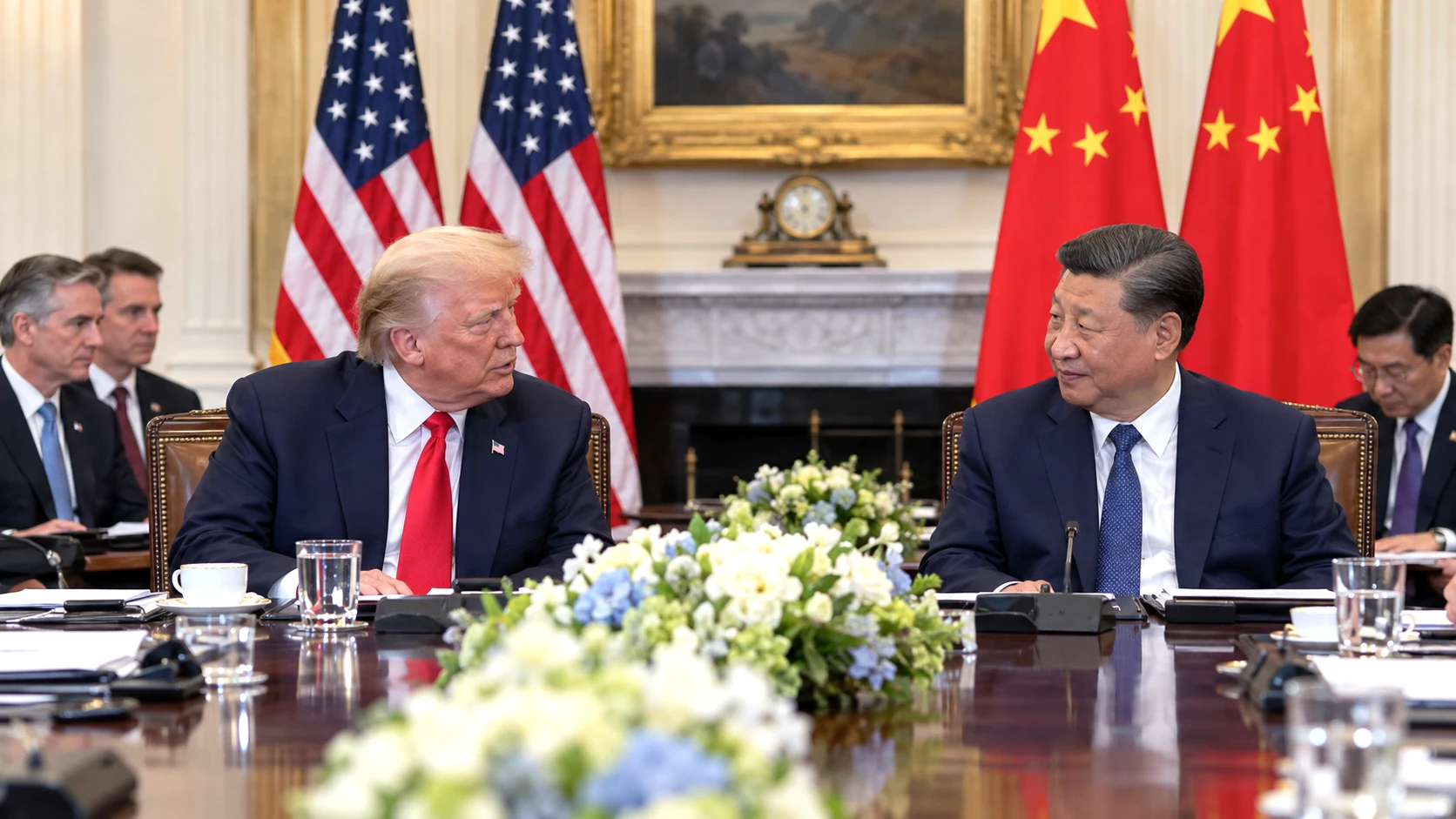
Donald Trump and Xi Jinping held White House talks on trade, AI, Taiwan and the Middle East during Xi's state visit. A two-month trade-truce extension preserves stability for now, but no major breakthrough emerged on tariffs, technology controls or Iran.
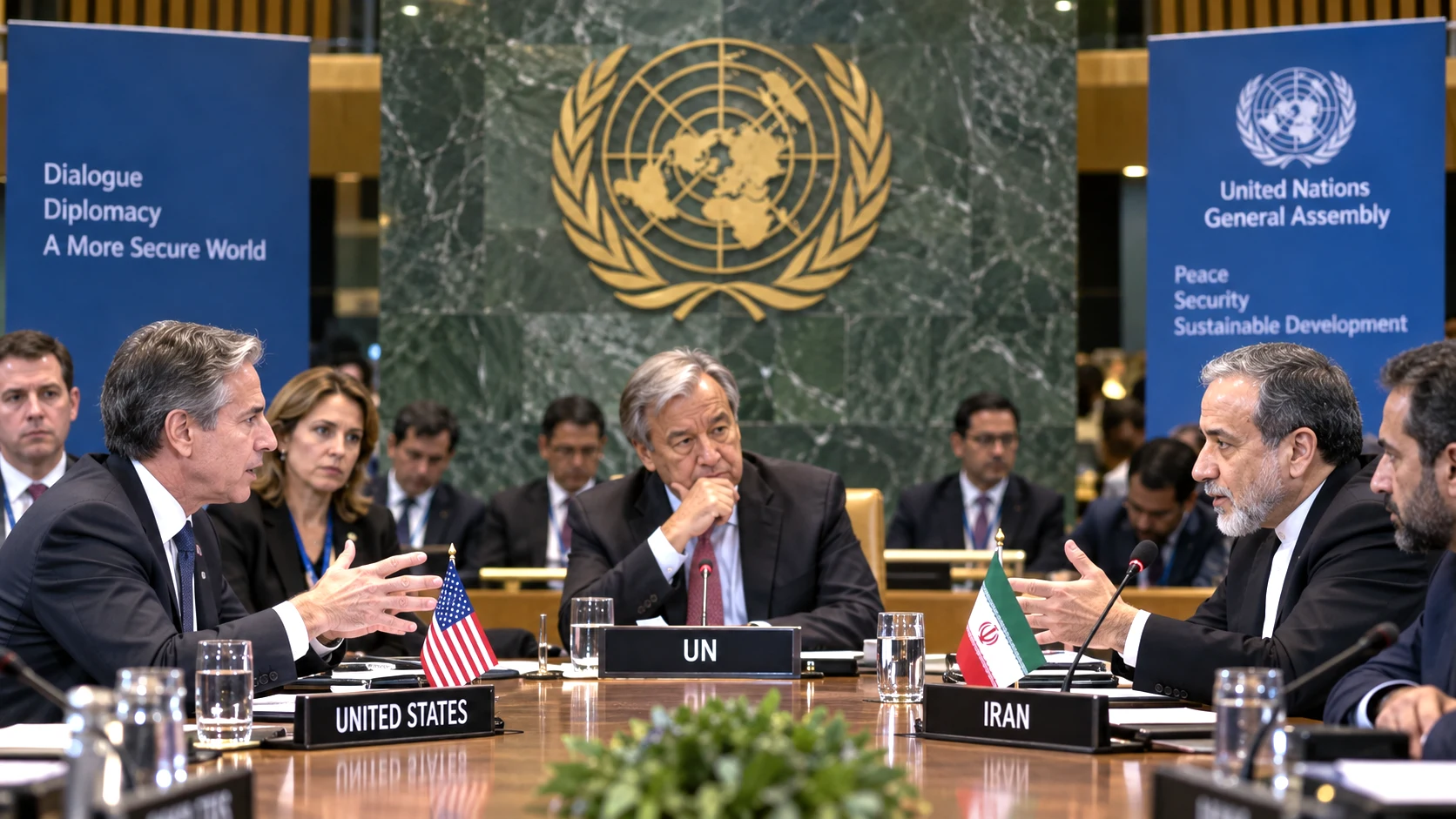
US and Iranian representatives held roughly three hours of mediated talks on the sidelines of the UN General Assembly after Donald Trump threatened Iran with further destruction if no deal is reached. Here is what was discussed and what remains unresolved.
The House voted 262-159 to approve the Lindsey O. Graham Sanctioning Russia and Iran Act of 2026 after the Senate backed it 86-11 in August. The bill targets Russian banks, energy, defence and its “shadow fleet” while creating secondary tariffs for major buyers of Russian oil and gas. It now goes to
A federal judge has temporarily blocked Donald Trump's White House ban on CNN, MS NOW and Politico, ordering their press credentials restored for 14 days. The ruling focuses on due process while the wider press-freedom case continues.
The new US law targets Russia’s energy, financial and defence networks and allows additional tariffs of up to 100% on goods from the largest buyers of Russian oil and gas. India faces significant exposure because of its large Russian crude imports, but a 100% tariff on Indian goods has not been impo
The Florida Republican says Hispanic voters who helped return Donald Trump to the White House now “feel betrayed,” while polling shows broader erosion in support for the president’s immigration approach. Separately, Speaker Mike Johnson has sent the House home early for the campaign season, drawing




0 Comments