Houthi Missile Attack on Riyadh Raises Saudi Escalation Risks as Regional Tensions Grow
A Houthi ballistic missile aimed at Riyadh was intercepted by Saudi air defences as explosions and smoke were reported near the Saudi capital’s main airport, marking a sharp escalation in the renewed Saudi-Houthi confrontation. The attack comes alongside strikes on Saudi energy infrastructure, inten
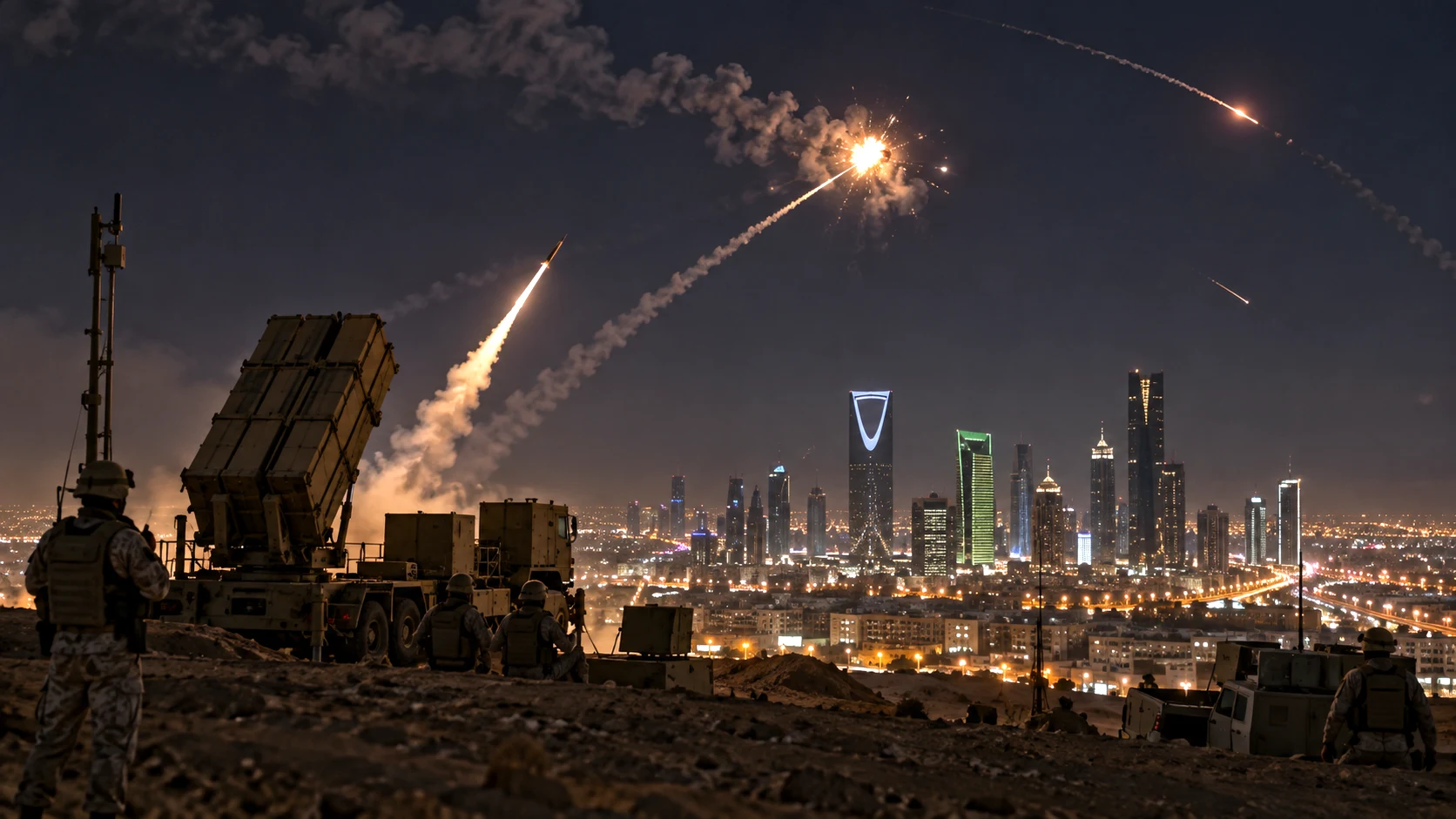
the Houthi ballistic missile attack toward Riyadh and Saudi air defence response
Table of Contents (22 sections)
RIYADH, September 21, 2026: Saudi Arabia and Yemen’s Houthi movement have entered a more dangerous phase of their confrontation after Saudi authorities confirmed that a ballistic missile was launched toward Riyadh over the weekend.
The Saudi-led coalition said Royal Saudi Air Defence forces intercepted and destroyed the missile early on Saturday, September 19.
Saudi military spokesman Major General Turki al-Malki said Houthi attacks had also targeted Bish, Taif, the Farasan Islands and Yanbu, and said those attempts were thwarted by Saudi defences.
The Houthis separately claimed missile and drone attacks on what they described as “sensitive” targets in Riyadh and on Saudi Aramco facilities in Yanbu.
Those claims cannot all be independently verified.
Recommended Reading
Related Stories & In-Depth Guides
Curated editorial perspectives matching this topic.
A huge Ukrainian long-range attack sent hundreds of drones toward Moscow and other parts of Russia early Sunday, damaging the Moscow Oil Refinery, disrupting civilian areas and putting Russian air defences under intense pressure. Russian officials described it as the largest drone attack yet directe
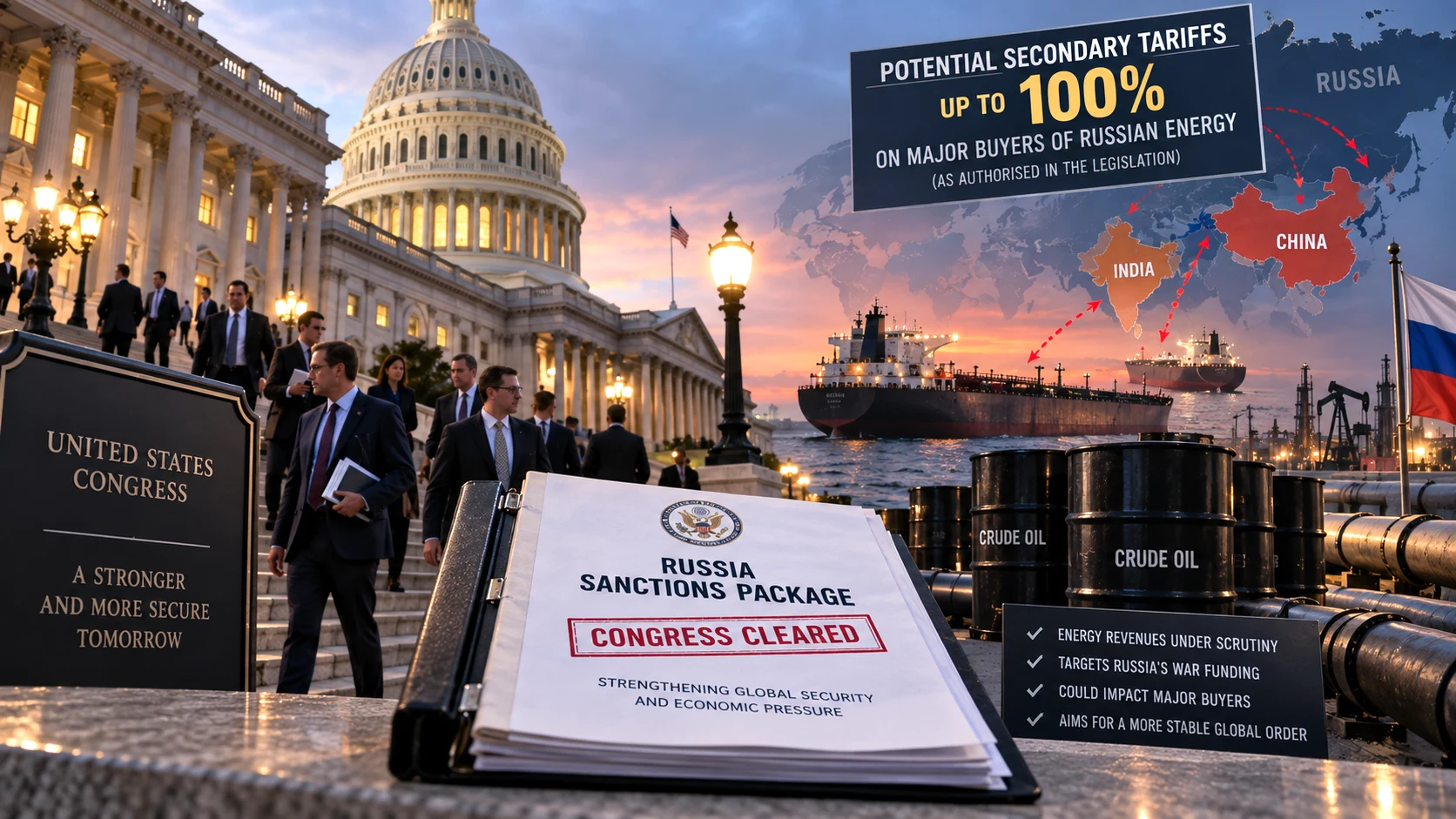
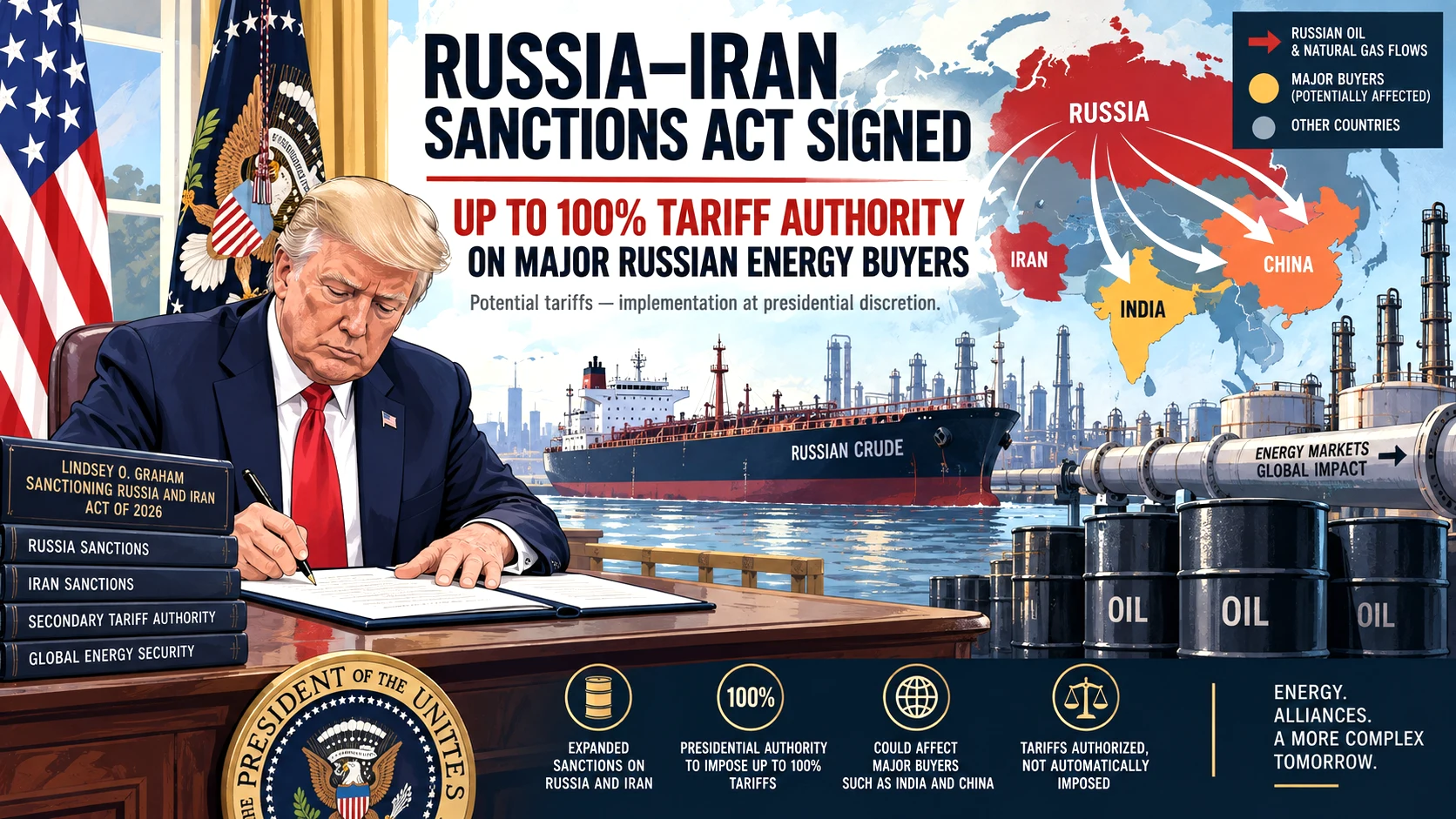
The House approved the Lindsey O. Graham Sanctioning Russia and Iran Act of 2026 by 262-159 after the Senate passed it 86-11. The measure now awaits President Donald Trump’s signature and could subject major buyers of Russian oil or gas to additional US tariffs of up to 100%, although India and Chin
The distinction matters because Saudi Arabia has confirmed that a missile was aimed at Riyadh, but has not confirmed every target or impact claimed by the Houthis.
Key Takeaways
Saudi Arabia intercepted a Houthi ballistic missile aimed at Riyadh on September 19.
Explosions and smoke were reported near King Khalid International Airport; cause of fire not fully confirmed.
Houthis claimed additional attacks on energy infrastructure, including Yanbu facilities.
Attacks disrupt Saudi export flexibility and raise risks around Bab el-Mandeb and the Strait of Hormuz.
United States warns the confrontation could escalate rapidly.
Regional governments have condemned the attack; no Riyadh fatalities reported initially.
Smoke and Flames Seen Near Riyadh Airport
The attack caused significant concern inside the Saudi capital.
Reuters video and photographs showed a large plume of black smoke near King Khalid International Airport after residents reported explosions.
Flames were also visible in the area near airport infrastructure and fuel-storage facilities.
Saudi authorities issued warnings during the incident before later giving an all-clear.
However, Saudi officials have not publicly provided a detailed explanation establishing whether the airport-area fire was caused directly by a Houthi weapon, intercepted debris or another consequence of the attack.
The Associated Press reported that no deaths or injuries were initially announced in connection with the Riyadh missile interception.
For that reason, headlines claiming that a Houthi missile definitely “hit Riyadh airport” go beyond what authorities have publicly confirmed.
First Attack on Riyadh in Latest Escalation
The attempted strike was particularly significant because it represented the first Houthi attack targeting Riyadh since the latest round of Saudi-Houthi fighting intensified.
Riyadh is hundreds of kilometres from Houthi-controlled territory in Yemen, making an attempted ballistic-missile strike on the capital a demonstration of the group’s long-range weapons capability.
The Houthis have previously targeted Saudi cities, airports and energy installations during earlier phases of Yemen’s war.
But years of relative de-escalation had significantly reduced such attacks before fighting intensified again in 2026.
The latest operation therefore represents more than another battlefield exchange inside Yemen.
It signals that major Saudi cities and critical infrastructure are again being brought directly into the conflict.
Houthi Attacks Extend to Yanbu and Saudi Energy Infrastructure
The Riyadh incident is part of a broader Houthi campaign against Saudi targets.
The group has claimed strikes on facilities associated with Saudi Aramco in Yanbu, the kingdom’s strategically important Red Sea energy hub.
Reuters reported that recent attacks have disrupted Saudi Arabia’s East-West oil pipeline, which transports crude from the kingdom’s eastern production regions to the Red Sea coast.
That pipeline is especially important because it allows Saudi Arabia to move oil toward the Red Sea while reducing dependence on the Strait of Hormuz.
Any sustained disruption therefore has implications far beyond Saudi Arabia.
It affects the kingdom’s ability to reroute oil when shipping through Hormuz becomes dangerous or restricted.
Saudi Arabia Shifts More Crude Back Through Hormuz
Despite the attacks, Saudi oil exports have continued.
Reuters reported that Saudi Aramco has increased shipments through the Strait of Hormuz as disruptions affected alternative infrastructure.
Satellite and tanker data indicated that Saudi flows through Hormuz had climbed significantly compared with August levels.
That development creates a strategic vulnerability.
The kingdom traditionally values multiple export routes precisely so it is not overly dependent on a single maritime chokepoint.
If the East-West pipeline or Yanbu facilities face repeated attacks while Hormuz remains unstable, Saudi export flexibility could be reduced.
Bab el-Mandeb Adds Another Major Risk
Saudi Arabia is simultaneously facing growing pressure around the Bab el-Mandeb Strait, the narrow waterway connecting the Red Sea with the Gulf of Aden.
The Houthis have expanded their military position in western Yemen and have threatened shipping associated with Saudi Arabia.
Reuters reported that Houthi gains near the strait and on strategically important territory have strengthened the movement’s ability to pressure Red Sea traffic.
This gives the conflict an unusually important global dimension.
Two of the world’s critical energy routes are now under pressure at the same time:
Strait of Hormuz — between Iran and the Arabian Peninsula.
Bab el-Mandeb — connecting the Red Sea to the Gulf of Aden and onward to the Arabian Sea.
A serious disruption at both points could affect oil, liquefied natural gas, container shipping and insurance costs worldwide.
Shipping Traffic Already Reduced
The effect is already visible.
Reuters reported that only 17 commodity vessels crossed the Strait of Hormuz over the latest weekend, compared with 37 the weekend before and a pre-war average of roughly 125 vessels per day.
Traffic through Bab el-Mandeb has also declined.
Those numbers underline why the Saudi-Houthi confrontation is no longer only a Yemen story.
It has become part of a wider struggle over global trade and energy infrastructure.
US Warns Conflict Could Escalate Rapidly
The United States has warned that the confrontation could deteriorate quickly.
Following the Riyadh attack, US officials warned that hostilities between Saudi Arabia and the Houthis could “escalate rapidly.”
American diplomatic missions across the Middle East have also issued security alerts as tensions rise.
The US mission in Saudi Arabia tightened security guidance for government personnel following the recent attacks.
Washington’s position is complicated.
The United States has previously carried out extensive military operations against Houthi targets.
But the Trump administration has shown little appetite for becoming directly involved in the renewed Saudi-Houthi conflict.
Reuters reported that Washington has so far declined to provide the kind of direct military intervention Riyadh might seek against the Houthis.
Houthis Say They Will Not Attack US Vessels
At the same time, the Houthis are attempting to separate their confrontation with Saudi Arabia from their relationship with Washington.
Senior Houthi official Mohamed al-Bukhaiti told the Associated Press that the group had assured the United States it would not attack American vessels in the Red Sea.
The understanding relates to an earlier Oman-mediated arrangement under which the Houthis would refrain from targeting US shipping in exchange for a halt to American airstrikes.
That creates an unusual situation.
The Houthis are escalating their attacks on Saudi Arabia while simultaneously signalling that they do not want to reopen direct military conflict with the United States.
Whether that separation can hold is uncertain if the regional war expands further.
Saudi Arabia Warns It Can Respond
Saudi Arabia has also hardened its language.
Major General al-Malki said the coalition retains the right to take measures it considers appropriate, consistent with international humanitarian law, to deter further attacks.
That leaves open the possibility of additional Saudi military operations in Yemen.
Saudi forces and their Yemeni allies have already been engaged in renewed fighting against Houthi forces.
The central escalation risk is therefore a familiar cycle:
Houthi territorial advances or cross-border attacks;
Saudi military retaliation;
additional Houthi missile and drone strikes;
and deeper involvement by regional allies.
Turkey Says It Could Help Saudi Arabia Militarily
Saudi Arabia also has new security relationships that could affect the conflict.
Turkey says it could help meet Saudi military requirements under a trilateral defence arrangement involving Turkey, Saudi Arabia and Pakistan.
Turkish Foreign Minister Hakan Fidan said Ankara was prepared to support Saudi technical military needs if required.
Pakistan has so far avoided committing itself to direct combat.
But the existence of the defence arrangement introduces another escalation pathway if attacks on major Saudi cities continue.
An expanding conflict involving Saudi Arabia’s partners could dramatically widen what remains primarily a Saudi-Houthi confrontation.
Qatar, Gulf States Condemn the Riyadh Attack
The attack has also generated widespread regional condemnation.
Qatar condemned the ballistic missile strike directed at Riyadh as well as Houthi attacks on civilian areas and infrastructure.
Bahrain, Kuwait, Egypt and other Arab governments have issued similar statements, while the Arab League described the latest attacks as a serious escalation.
The condemnation reflects a broader concern among Gulf governments.
Even states that favour diplomacy with Iran and the Houthis have an interest in preventing ballistic missiles and drones from becoming normalized tools of interstate pressure against Gulf cities and energy facilities.
Iran’s Role Remains Politically Sensitive
The Houthis are widely described as Iran-backed or Iran-aligned because Tehran has provided political and military support to the movement.
However, describing every Houthi military action as directly ordered by Iran would be an overstatement without evidence.
Houthi leaders insist they make their own battlefield decisions.
Iran has also recently signalled support for renewed diplomatic efforts with Washington while regional mediators attempt to reduce tensions.
Saudi Arabia nevertheless has pressed major powers, including China, to use their influence with Tehran to limit Houthi attacks.
Reuters reported that China has urged Iran to help restrain the Houthis as Gulf tensions grow.
Iran-US Tensions Make Escalation More Dangerous
The Riyadh attack is unfolding against a much larger confrontation involving Iran and the United States.
President Donald Trump has simultaneously threatened severe consequences for Iran and expressed willingness to pursue a negotiated settlement.
Iranian officials have responded with warnings of strong retaliation if new attacks are launched against the country.
That makes the Saudi-Houthi front especially dangerous.
A Houthi attack causing large-scale Saudi casualties could increase pressure on Riyadh or its partners to retaliate against targets linked not only to the Houthis but potentially to their external support networks.
Such a development could connect the Yemen conflict directly to the broader US-Iran confrontation.
Oil Markets Remain Nervous but Prices Fall
Despite the military escalation, global oil prices fell on September 21.
Brent crude dropped to around $101.75 per barrel, its lowest level in about 11 days, as traders focused on continued Saudi exports and hopes that diplomatic activity surrounding the United Nations General Assembly could reduce tensions.
That decline should not be interpreted as markets believing the security risks have disappeared.
Instead, traders are balancing two opposing forces:
the danger of additional attacks on Saudi infrastructure and shipping routes;
and evidence that significant quantities of oil are still reaching international markets.
If attacks begin shutting down major export facilities for extended periods, that calculation could change quickly.
Gulf Stock Markets React
Regional equity markets have also responded.
Saudi and several other Gulf stock indexes fell after the Houthi attacks, reflecting investor concerns about security, infrastructure and the possibility of a prolonged confrontation.
Saudi Aramco shares also faced pressure during Monday trading.
The reaction remains relatively contained, suggesting investors are currently treating the incident as a serious escalation but not yet a systemic threat to Saudi oil production.
How Serious Is the Escalation Risk Today?
The risk is high, but a full regional war is not inevitable.
Several factors increase the danger.
1. Riyadh is now a direct target
Attacking the Saudi capital dramatically raises political pressure on the kingdom compared with fighting confined to Yemen.
If future strikes cause major casualties, demands for retaliation could grow sharply.
2. Energy infrastructure is being targeted
Attacks involving Yanbu and the East-West pipeline create direct economic consequences.
Saudi Arabia is one of the world’s most important oil exporters, meaning sustained attacks could affect global markets.
3. Houthi territorial gains have changed the battlefield
Recent Houthi advances have strengthened their position in western Yemen and around Red Sea shipping routes.
That gives them greater leverage than during earlier stages of the conflict.
4. Saudi allies could become involved
Turkey has publicly signalled possible military assistance.
Pakistan and Egypt also have strategic relationships with Riyadh.
Any direct outside intervention would widen the conflict.
5. The US-Iran confrontation is happening simultaneously
The greatest danger is that the Yemen conflict becomes inseparable from the larger confrontation involving Washington and Tehran.
A miscalculation on either front could trigger responses across the region.
What Could Reduce Tensions?
There are also meaningful restraints on escalation.
Qatar, Oman, Pakistan and other governments continue to pursue diplomatic channels.
Iran has indicated an interest in negotiations with the United States under certain conditions.
The Houthis have told Washington they do not intend to resume attacks on US vessels.
Saudi Arabia also has powerful economic reasons to prevent another prolonged Yemen war.
And international pressure is building for negotiations because conflict around both Hormuz and Bab el-Mandeb threatens the global economy.
These factors provide incentives for de-escalation even as military operations continue.
What Is Confirmed About the Riyadh Attack?
As of September 21, the strongest verified picture is:
A Houthi ballistic missile was launched toward Riyadh on September 19.
Saudi Arabia says its air defences intercepted and destroyed the missile.
Explosions were heard and Reuters documented smoke and flames near Riyadh’s airport.
Saudi Arabia has not publicly established that the ballistic missile itself directly struck the airport.
The Houthis claim they targeted sensitive sites in Riyadh using missiles and drones.
They also claimed attacks against Saudi energy infrastructure, including facilities around Yanbu.
Saudi authorities say additional attacks targeting Bish, Taif, Farasan and Yanbu were thwarted.
No Riyadh fatalities were reported in the initial official accounts of the September 19 attack.
The United States says the Saudi-Houthi confrontation could escalate rapidly.
Regional governments have condemned the attack.
Oil infrastructure and Red Sea shipping remain major areas of concern.
What Remains Unverified?
Several claims circulating online remain uncertain.
There is no publicly verified list of every site struck inside Riyadh.
There is no authoritative confirmation that a Houthi missile directly hit King Khalid International Airport.
Saudi Arabia has not released a detailed assessment explaining the exact cause of the airport-area fire.
Not every Houthi claim about strikes on Saudi oil installations has been independently verified.
And there is no evidence that Iran directly ordered the Riyadh attack.
These distinctions are important because wartime claims from all sides frequently appear before independent evidence becomes available.
Bottom Line
The attempted Houthi ballistic-missile attack on Riyadh is a major escalation, even though Saudi Arabia says the missile was intercepted.
The strategic concern is not simply whether one missile reached its target.
The larger problem is that the conflict now combines attacks on the Saudi capital, pressure on oil infrastructure, Houthi advances near Bab el-Mandeb and instability around the Strait of Hormuz.
Saudi Arabia has warned that it retains the right to respond.
The Houthis are signalling that they intend to keep pressuring Riyadh while trying to avoid renewed direct confrontation with the United States.
And regional governments are now racing to prevent the confrontation from drawing additional states into the fighting.
For now, Riyadh has avoided the kind of mass-casualty attack that could force an immediate dramatic response.
But the distance between the current confrontation and a wider regional war has clearly narrowed.
Key Takeaway
Saudi intercepts Houthi ballistic missile aimed at Riyadh.
Smoke reported near airport; energy infrastructure also targeted.
Escalation risks rise around dual shipping chokepoints.
US warns of rapid escalation; diplomacy continues.
The Rajatheertha Team publishes news, explainers, guides and updates across India and the world. Our coverage follows Rajatheertha's editorial, verification and corrections standards.
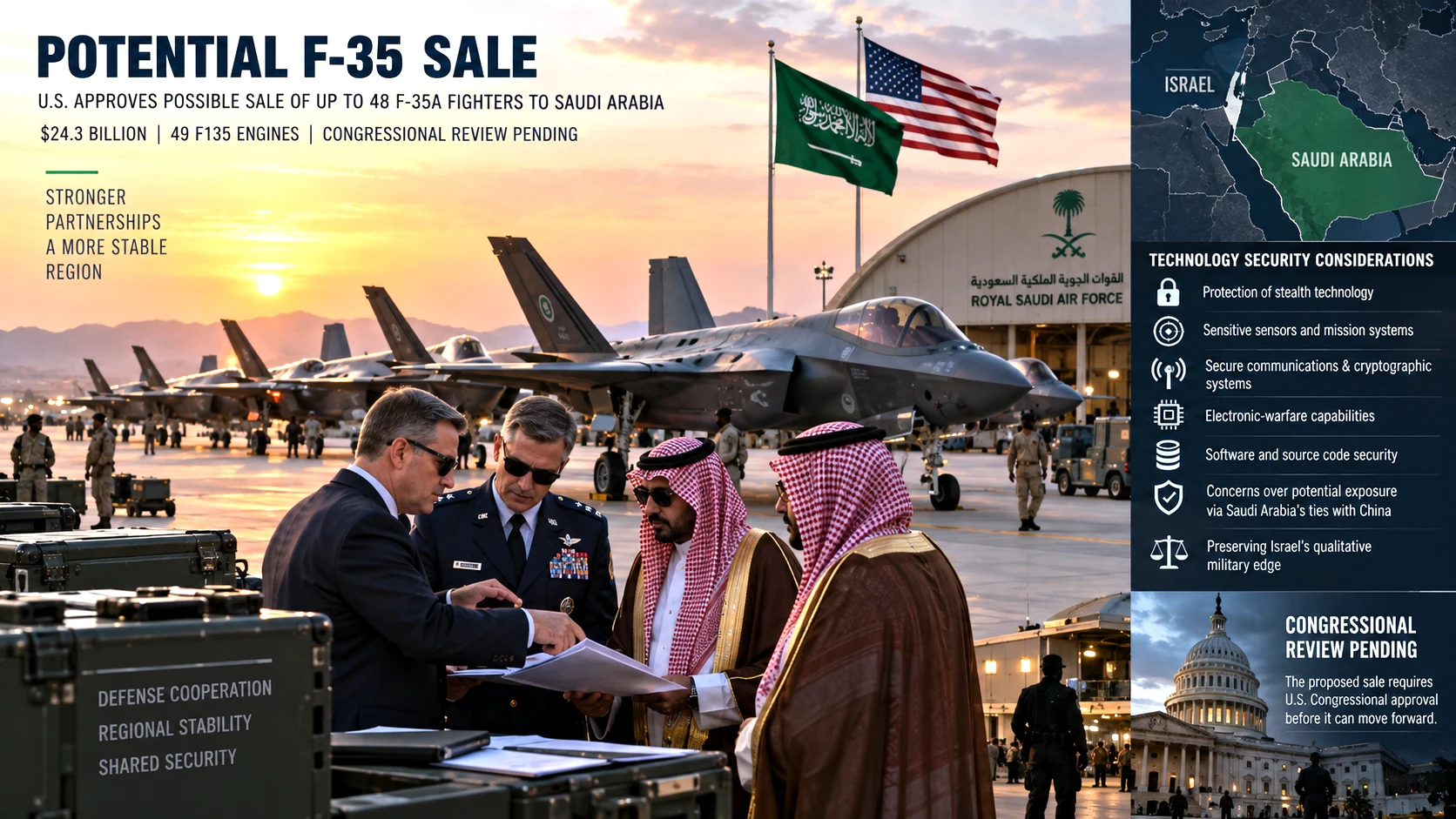
The Trump administration has formally notified Congress of a proposed sale of 48 F-35A stealth fighters and 49 engines to Saudi Arabia. The deal is not yet completed, while separate US intelligence assessments have reportedly warned that China could try to gain access to sensitive F-35 technology th
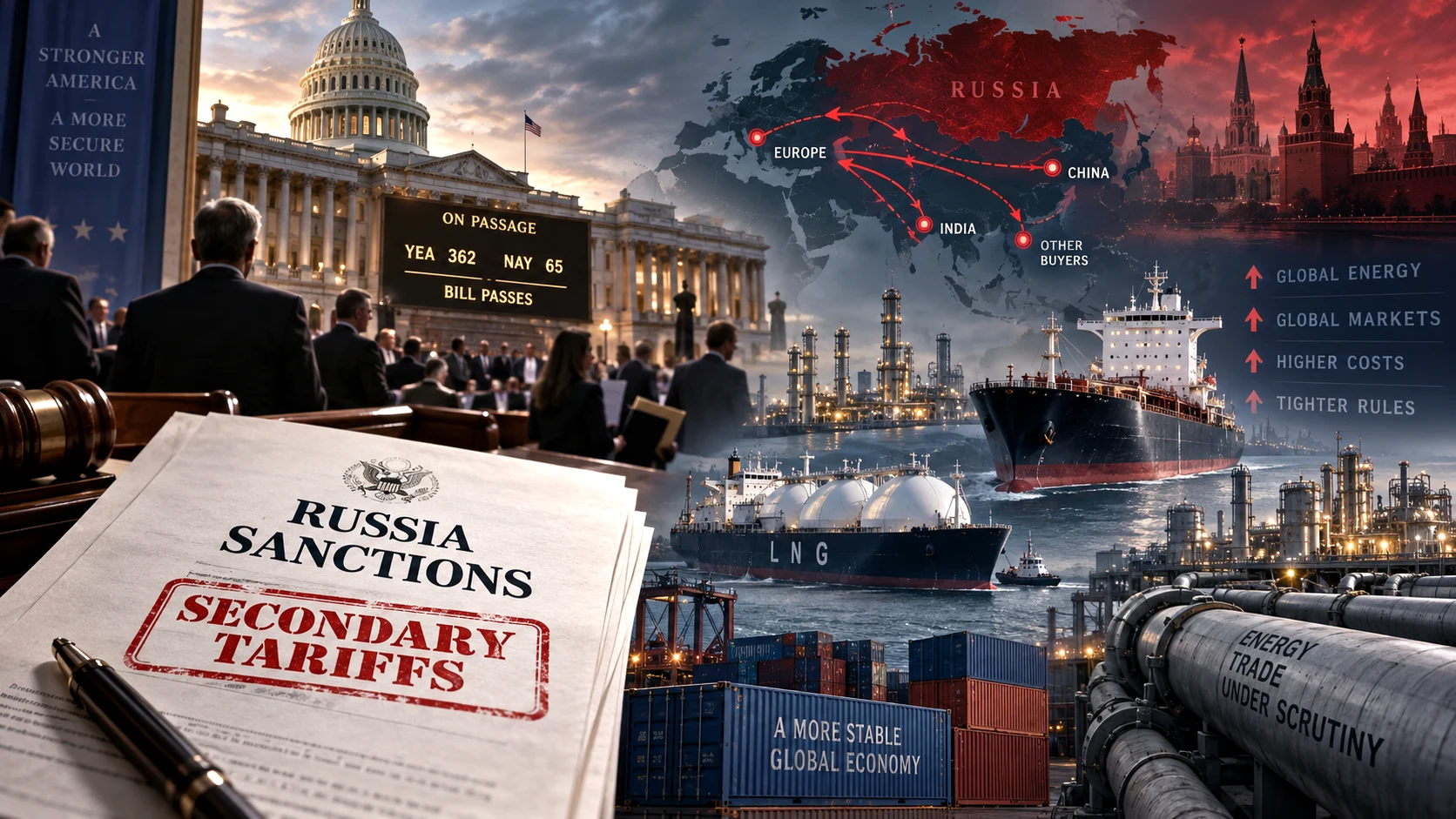
The House voted 262-159 to approve the Lindsey O. Graham Sanctioning Russia and Iran Act of 2026 after the Senate backed it 86-11 in August. The bill targets Russian banks, energy, defence and its “shadow fleet” while creating secondary tariffs for major buyers of Russian oil and gas. It now goes to
European Commission President Ursula von der Leyen has proposed opening the door for Canada to become the EU’s first “associate member,” but the status does not yet legally exist and has not been approved by the bloc’s 27 governments. Mark Carney welcomed the ambition in Strasbourg as Donald Trump w
The new US law targets Russia’s energy, financial and defence networks and allows additional tariffs of up to 100% on goods from the largest buyers of Russian oil and gas. India faces significant exposure because of its large Russian crude imports, but a 100% tariff on Indian goods has not been impo
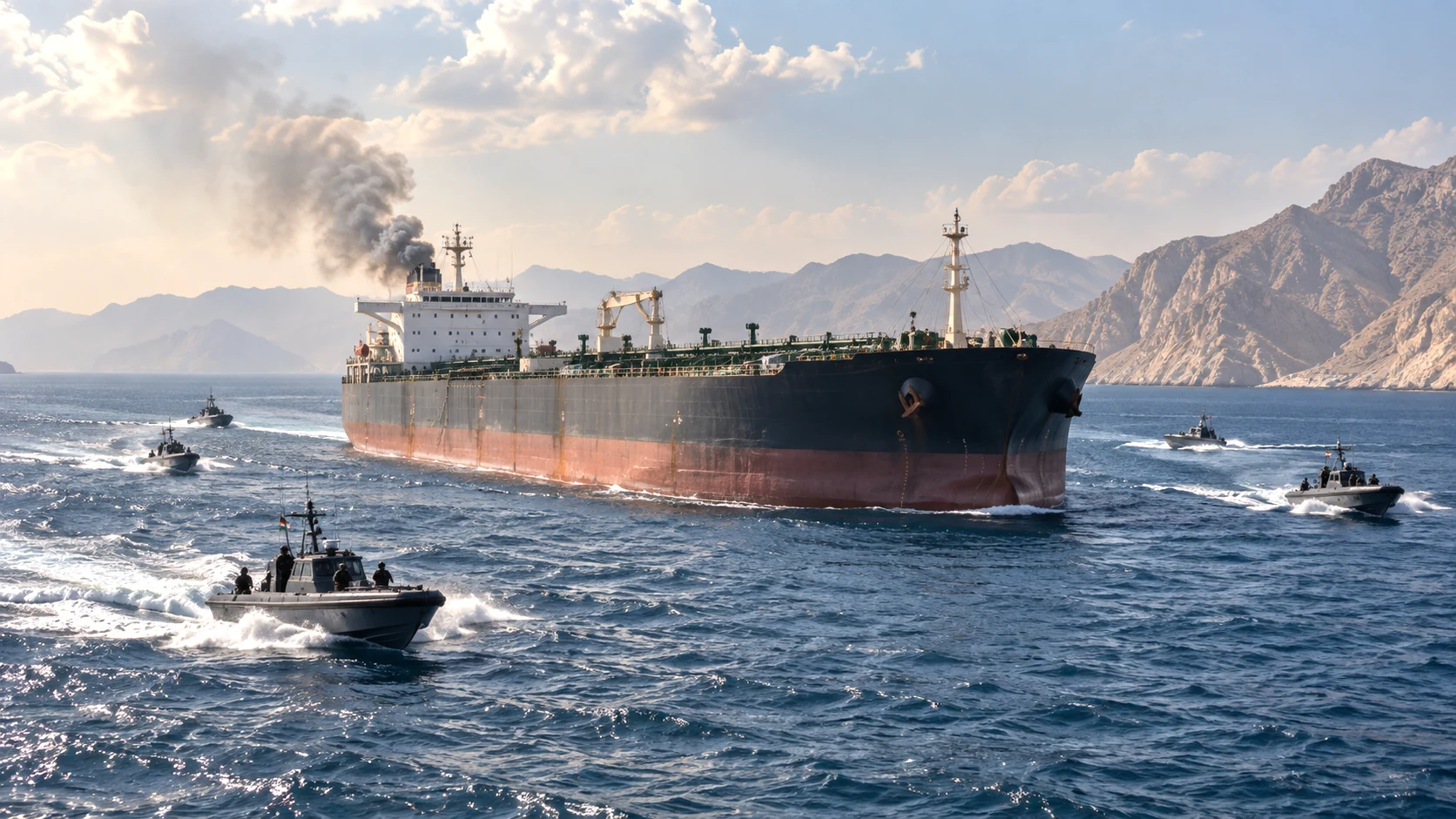
Iran’s Revolutionary Guards Navy says the Togo-flagged oil-products tanker caught fire and stopped after attempting what Tehran called an “illegal passage” on September 17. No independent confirmation of the strike, casualties or cargo damage was immediately available as shipping through the strateg
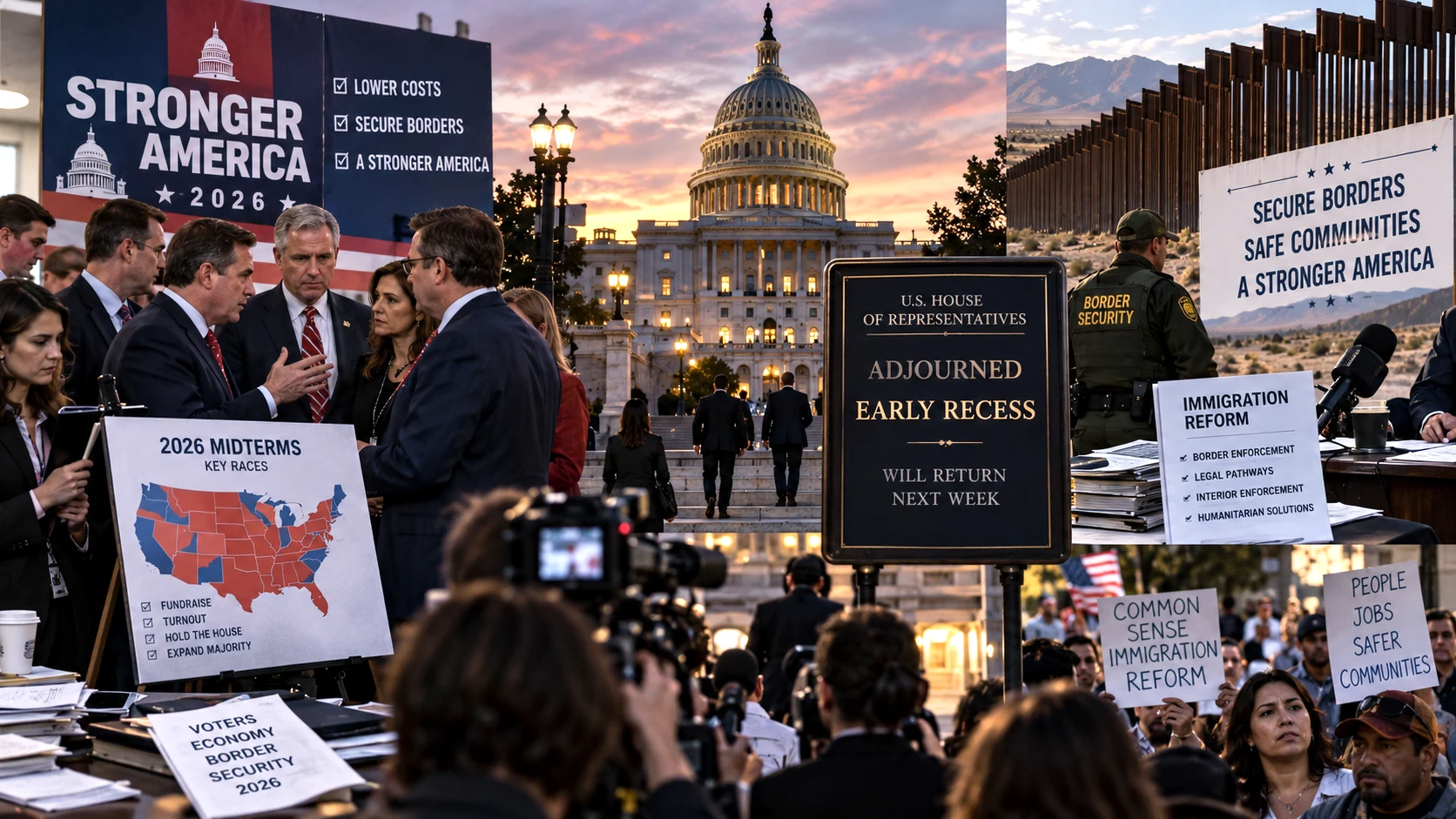
The Florida Republican says Hispanic voters who helped return Donald Trump to the White House now “feel betrayed,” while polling shows broader erosion in support for the president’s immigration approach. Separately, Speaker Mike Johnson has sent the House home early for the campaign season, drawing




0 Comments