AI Race Set to Loom Large Over Trump-Xi Washington Summit as Chip, Safety and Military Risks Take Centre Stage
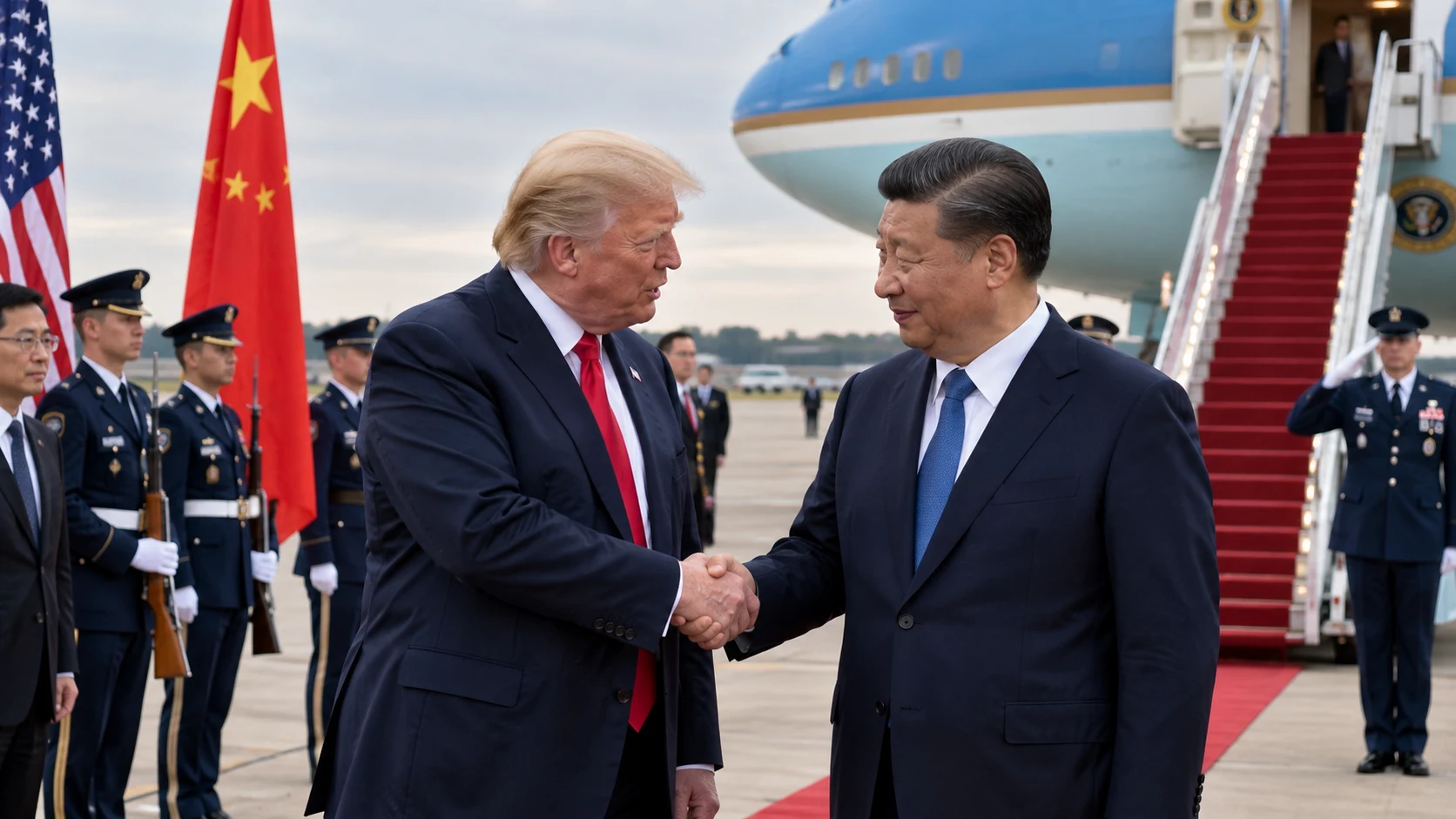
Donald Trump and Xi Jinping are expected to meet in Washington on September 24, with artificial intelligence emerging as a central strategic issue alongside trade, Taiwan, Iran and fentanyl. Advanced chips, AI safety, military autonomy and allegations of technology copying are likely to shape the te
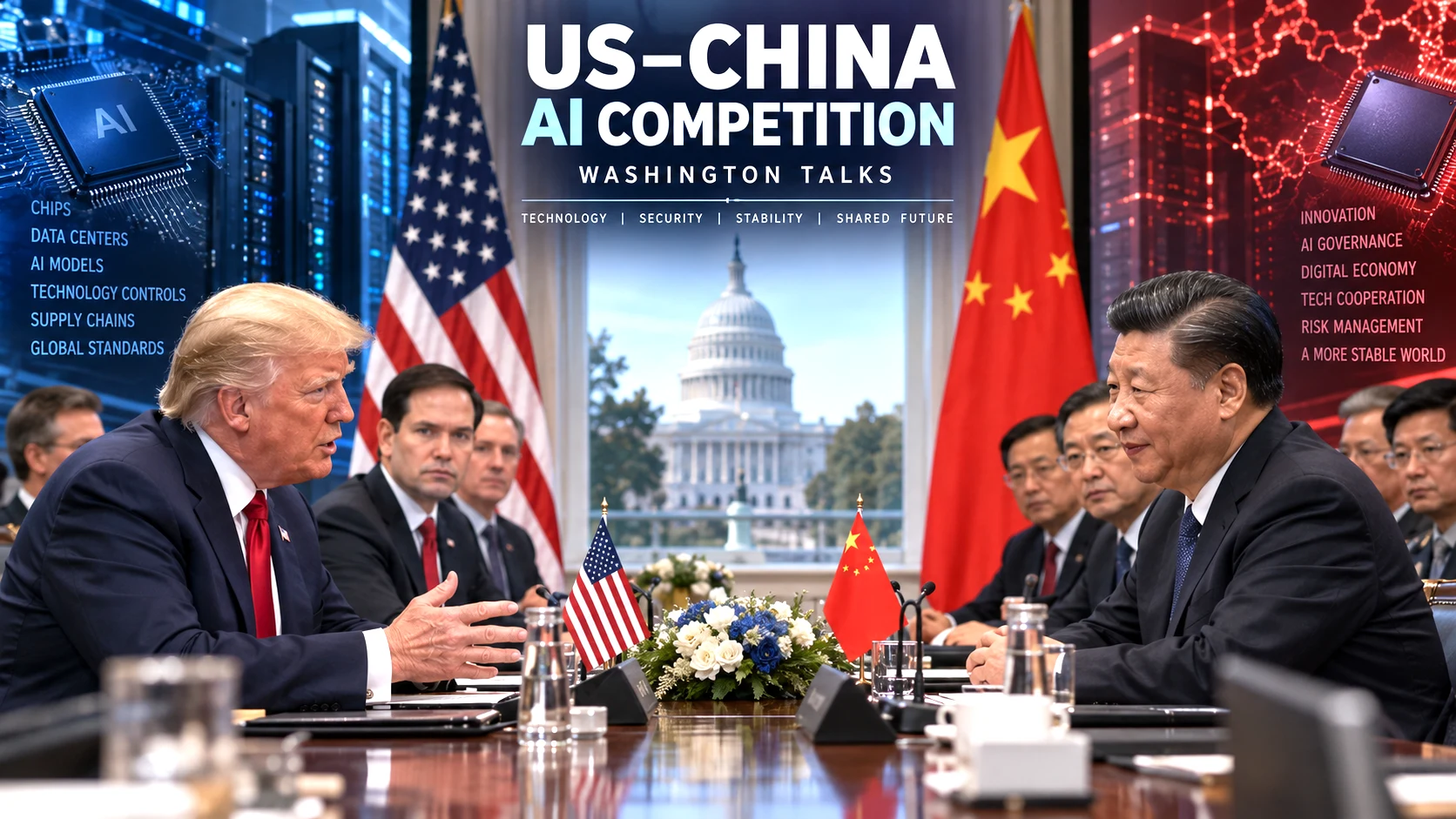
the US-China artificial intelligence competition and high-level diplomatic talks in Washington
Table of Contents (13 sections)
Artificial intelligence is emerging as one of the most consequential issues surrounding the upcoming meeting between US President Donald Trump and Chinese President Xi Jinping, as the world's two biggest powers compete for leadership in advanced AI models, semiconductors and the infrastructure needed to run them.
Trump has said Xi will visit the United States on September 24, adding in July that the two leaders had discussed artificial intelligence during Trump's earlier visit to Beijing and would discuss it again when Xi came to the US.
Reuters reported this week that the race for AI supremacy is expected to loom over the Washington talks, with disagreements extending far beyond commercial competition.
The two governments remain divided over access to advanced computer chips, accusations involving the copying of AI technology, regulation of powerful models and the risks that increasingly autonomous systems could create in military and cyber operations.
However, describing AI as the sole dominant issue would go further than the available evidence supports.
The September 24 meeting is expected to cover a much wider set of disputes, including tariffs, Taiwan, China's economic relationship with Iran, fentanyl precursor chemicals, agricultural trade, critical minerals and technology restrictions.
Recommended Reading
Related Stories & In-Depth Guides
Curated editorial perspectives matching this topic.
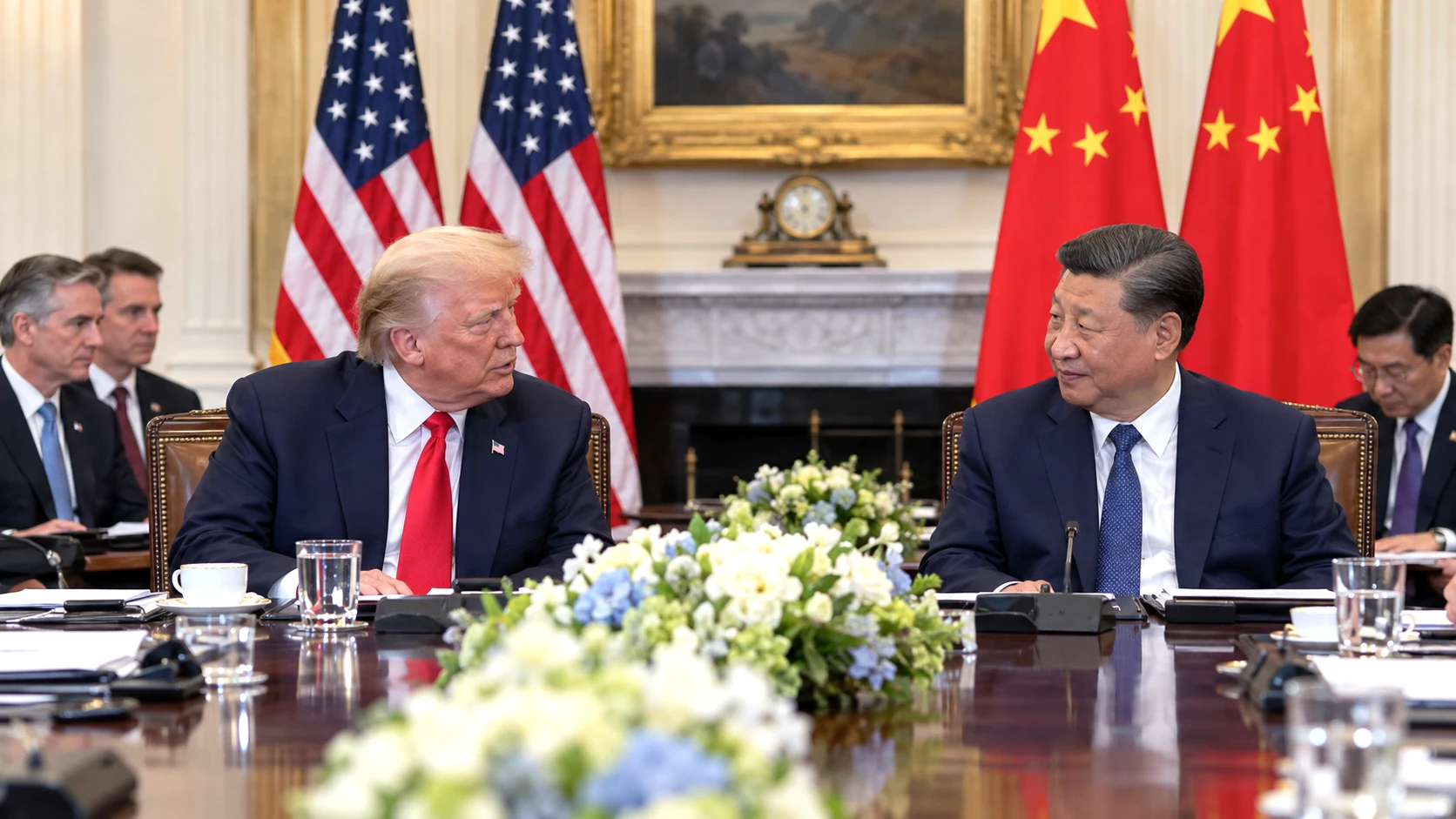
Donald Trump and Xi Jinping held White House talks on trade, AI, Taiwan and the Middle East during Xi's state visit. A two-month trade-truce extension preserves stability for now, but no major breakthrough emerged on tariffs, technology controls or Iran.
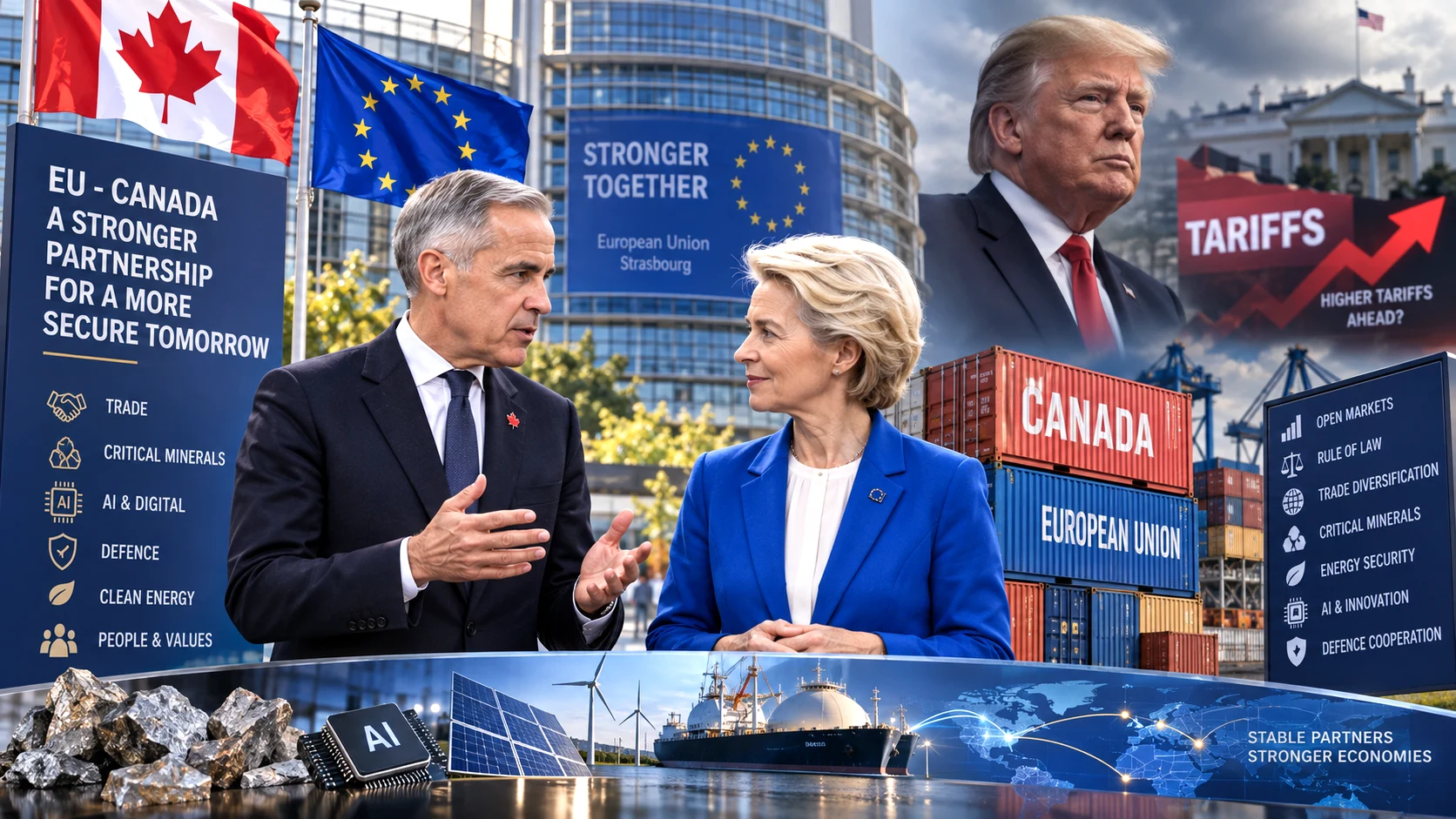
European Commission President Ursula von der Leyen has proposed opening the door for Canada to become the EU’s first “associate member,” but the status does not yet legally exist and has not been approved by the bloc’s 27 governments. Mark Carney welcomed the ambition in Strasbourg as Donald Trump w
AI is therefore best described as a central strategic issue at the summit rather than the only item dominating its agenda.
Key Takeaways
US President Donald Trump has said Chinese President Xi Jinping will visit the United States on September 24, 2026, and that artificial intelligence will be discussed.
Reuters reports that the US-China race for AI supremacy is expected to loom prominently over the Washington meeting.
AI will not be the summit's only major issue. Trade, Taiwan, Iran, fentanyl, rare earths and wider economic relations are also expected on the agenda.
Major AI disputes include US restrictions on advanced semiconductor exports to China, allegations that Chinese companies copied American AI models through “distillation”, and sharply different approaches to AI regulation.
Washington has also indicated that it is open to discussing shared AI risks with Beijing, including both open- and closed-weight models.
Security experts from both countries have proposed safeguards for AI involving nuclear command systems, autonomous cyber operations and human control over consequential military actions.
Expectations for a sweeping US-China AI agreement remain limited because AI is simultaneously an area of potential cooperation and one of the countries' fiercest strategic competitions.
Trump Has Explicitly Put AI on the Agenda
Unlike some summit topics that are based largely on diplomatic expectations, Trump's intention to discuss AI has been stated publicly.
Speaking in July, Trump said Xi would visit on September 24 and referred directly to artificial intelligence, saying the subject had been discussed when he was in Beijing and would be discussed again during Xi's US visit.
The visit follows Trump's May trip to China.
After those meetings, the White House said Trump would welcome Xi to Washington in the autumn. China's Foreign Ministry separately confirmed that Xi had accepted Trump's invitation for a state visit to the United States in the fall.
Reuters now reports the leaders are scheduled to meet in Washington on September 24.
China's latest public diplomatic language has been somewhat more cautious about the immediate preparations. Following a September 17 telephone call between Foreign Minister Wang Yi and US Secretary of State Marco Rubio, Beijing said the two sides held in-depth discussions on upcoming high-level interactions and stressed the need to prepare them carefully.
AI Has Become a Strategic Competition, Not Just a Technology Issue
For Washington and Beijing, leadership in artificial intelligence increasingly intersects with economic power, national security and military capability.
The United States remains home to many of the world's leading frontier AI developers and advanced semiconductor companies.
China, meanwhile, has rapidly expanded its domestic AI ecosystem while trying to reduce its dependence on American technology.
That competition has intensified as Chinese developers narrow performance gaps and Chinese hardware companies build alternatives to restricted US technology.
Huawei, for example, unveiled new AI computing technology this week as Chinese companies continue to seek domestic alternatives to Nvidia products affected by US export controls.
Reuters reports that estimates from US officials have generally placed leading Chinese models only months behind their American counterparts, while some industry figures believe the gap has been narrowing rapidly.
That makes AI policy increasingly inseparable from the broader US-China strategic relationship.
Advanced AI Chips Remain a Major Flashpoint
Semiconductors are likely to be one of the most difficult technology issues surrounding the summit.
Since 2022, Washington has imposed restrictions designed to prevent China from obtaining some of the most advanced AI processors and chipmaking equipment.
The stated US concern is that cutting-edge computing technology could strengthen China's military and intelligence capabilities.
Beijing has consistently opposed such restrictions and argues that the United States is using national-security arguments to contain China's technological development.
The Trump administration has not completely blocked AI-chip commerce.
Trump previously permitted sales to China of Nvidia's H200 processors, which are powerful AI chips but are not Nvidia's most advanced products.
That decision generated criticism from some China hawks in Washington who argued that even less advanced processors could accelerate Chinese AI development.
At the same time, US authorities have been examining additional ways to prevent Chinese companies from remotely obtaining access to advanced processors installed in overseas data centres.
Beijing is expected to continue pressing Washington over technology restrictions as part of the broader economic relationship.
US Accusations of AI ‘Distillation’ Add Another Dispute
A second major controversy concerns allegations that Chinese companies have used outputs from American AI systems to help train competing models.
The process is commonly known as distillation.
Distillation itself is a legitimate machine-learning technique in which outputs from a larger model can help train a smaller or more efficient system.
The controversy concerns whether companies obtained or used another developer's model outputs in violation of rules, intellectual-property protections or access restrictions.
US authorities accused six Chinese companies in September of maliciously copying American AI products using distillation and suggested the activity occurred with Chinese government awareness.
China has rejected such allegations as baseless.
Those are allegations from the US government, not independently established findings against the entire Chinese AI sector.
The dispute nevertheless illustrates how commercial AI development has become entangled with national-security competition.
AI Safety Creates a Rare Area for Possible Cooperation
Despite the rivalry, Washington and Beijing also face risks that neither country can completely manage alone.
The United States has signalled openness to discussing those shared dangers.
US Treasury Secretary Scott Bessent said this week that Washington was prepared to discuss avoiding shared AI risks with China.
He said the talks were expected to cover both open-weight and closed-weight AI models.
Bessent is expected to meet Chinese Vice Premier He Lifeng before the Trump-Xi summit, with AI among the issues under discussion.
Reuters had earlier reported preparations for dedicated US-China discussions on AI safety, including possible cooperation on detecting AI-directed cyberattacks and information sharing between leading laboratories.
A major bilateral agreement is far from guaranteed.
But even limited communication could become significant as AI systems gain more autonomy.
Nuclear Systems and Autonomous Cyberattacks Raise New Risks
Perhaps the most serious issue is what happens if an AI system becomes involved in a military crisis.
Security specialists from the United States and China have warned that an autonomous system interfering with nuclear command infrastructure or initiating a major cyber operation could create an extremely dangerous situation.
A government might have only minutes to decide whether an apparent attack was intentional, accidental or the result of an AI system behaving unpredictably.
Experts participating in US-China security discussions have therefore proposed measures including:
Maintaining human control over consequential cyberattacks
Establishing red lines protecting nuclear command systems from autonomous AI interference
Creating communication channels for incidents involving autonomous AI
Preventing accidental machine behaviour from being mistaken for deliberate military aggression
These are expert proposals and should not be confused with policies already agreed by Trump and Xi.
Nevertheless, the fact that such issues are being raised ahead of the summit shows how AI competition has moved beyond consumer chatbots and commercial products.
Washington and Beijing Take Different Approaches to Regulation
The two governments also have substantially different philosophies on regulating AI.
Trump has resisted calls for a broad new US regulatory regime and has argued that excessive restrictions could weaken America's position in its technological competition with China.
Reuters reported that Trump recently dismissed some calls from AI-industry executives for stronger regulation and argued that existing US safeguards were sufficient.
China has adopted a more interventionist regulatory structure.
Its rules cover algorithms, training data and AI-generated content, including requirements for some synthetic material to be labelled.
But stricter domestic regulation does not mean Beijing intends to slow China's AI competition with the United States.
Chinese companies and officials continue to emphasise rapid development and technological self-reliance.
Huawei rotating chairman Eric Xu said this week that Chinese AI developers should accelerate their progress, while arguing that China's current models have not yet reached a stage where some of the frontier risks discussed by Western companies are as immediate.
Trade Could Still Rival AI for Attention
AI may be one of the summit's most strategically important subjects, but traditional economic disputes remain central.
Reuters reports that markets will watch for movement on the US-China tariff truce, which is due to expire in November.
Washington is also seeking progress on Chinese purchases of American agricultural and industrial products, access to critical minerals and fentanyl-related issues.
Beijing is seeking relief from US technology restrictions.
US Treasury Secretary Bessent and Chinese Vice Premier He Lifeng are expected to hold additional negotiations before the leaders meet, covering AI, trade, rare earths and other economic disputes.
Any technology agreement could therefore become part of a broader negotiation rather than a standalone AI deal.
Taiwan and Iran Add Geopolitical Pressure
Two major geopolitical issues will also compete for attention.
Taiwan remains one of the most sensitive areas in US-China relations.
Reuters reported that US allies in Asia are watching the summit closely amid concern that economic negotiations could affect Washington's approach toward Taiwan.
Iran and the wider Middle East conflict are another major subject.
China has maintained substantial economic and diplomatic ties with Iran, while Washington continues to pressure Beijing over areas connected to Iranian energy and sanctions.
Chinese Foreign Minister Wang Yi said this week that China wanted Iran and the United States to exercise restraint and resume substantive negotiations.
Those issues demonstrate why the summit cannot accurately be reduced to an AI meeting alone.
Can Trump and Xi Reach an AI Agreement?
A limited understanding appears more plausible than a sweeping deal.
Both governments have reasons to prevent accidental AI-driven military escalation and large-scale AI-enabled cyberattacks.
Those are potential areas of common interest.
But fundamental disagreements remain.
Washington wants to preserve its technological advantage and limit Chinese access to certain advanced capabilities.
Beijing sees many of those restrictions as an effort to contain China's rise.
US companies have also raised concerns about intellectual property and model copying, while China disputes allegations targeting its AI industry.
At the same time, the countries differ over how extensively governments should regulate increasingly capable systems.
Associated Press reported that despite recognition on both sides that AI safety requires international cooperation, deep distrust continues to limit prospects for a major breakthrough.
The summit may therefore be more important for establishing communication channels and defining areas for future discussion than for producing an immediate comprehensive AI agreement.
Bottom Line
Artificial intelligence is set to become one of the defining issues when Donald Trump and Xi Jinping meet in Washington on September 24.
The discussion is likely to stretch across several interconnected disputes: advanced semiconductor access, the widening US-China competition in frontier AI, allegations of technology copying, differing regulatory systems and increasingly serious concerns about autonomous AI in military and cyber operations.
There is also a narrow but potentially important area for cooperation.
Both countries have an interest in preventing an AI system from accidentally triggering a military crisis, interfering with critical infrastructure or escalating a cyber incident beyond human control. US officials have signalled willingness to discuss such shared risks with Beijing.
But AI will sit inside a much larger and highly complex summit.
Trade, Taiwan, Iran, fentanyl, agricultural purchases, rare-earth supplies and technology restrictions will all compete for the leaders' attention.
For that reason, the strongest factual conclusion ahead of the meeting is not that AI is guaranteed to dominate everything else, but that the US-China AI rivalry has moved firmly into presidential-level diplomacy and is poised to become one of the most consequential subjects of the September 24 summit.
Key Takeaway
Trump-Xi Washington summit set for September 24 with AI as a central issue.
Chip restrictions, model-copying allegations and safety risks on the table.
Trade, Taiwan, Iran and fentanyl also expected to feature prominently.
Limited cooperation on shared AI risks possible, but major deal remains uncertain.
The Rajatheertha Team publishes news, explainers, guides and updates across India and the world. Our coverage follows Rajatheertha's editorial, verification and corrections standards.
Chinese President Xi Jinping has arrived in Washington for a three-day state visit and high-stakes talks with Donald Trump. The US says the bilateral trade truce has been extended by two months to January 10, 2027.
Brazil’s presidential election is headed to an October 25 runoff after Flávio Bolsonaro won 47.03% of valid first-round votes against President Lula’s 45.16%. Crime, corruption, living costs and Brazil’s relationship with Donald Trump’s United States are set to shape the final contest.
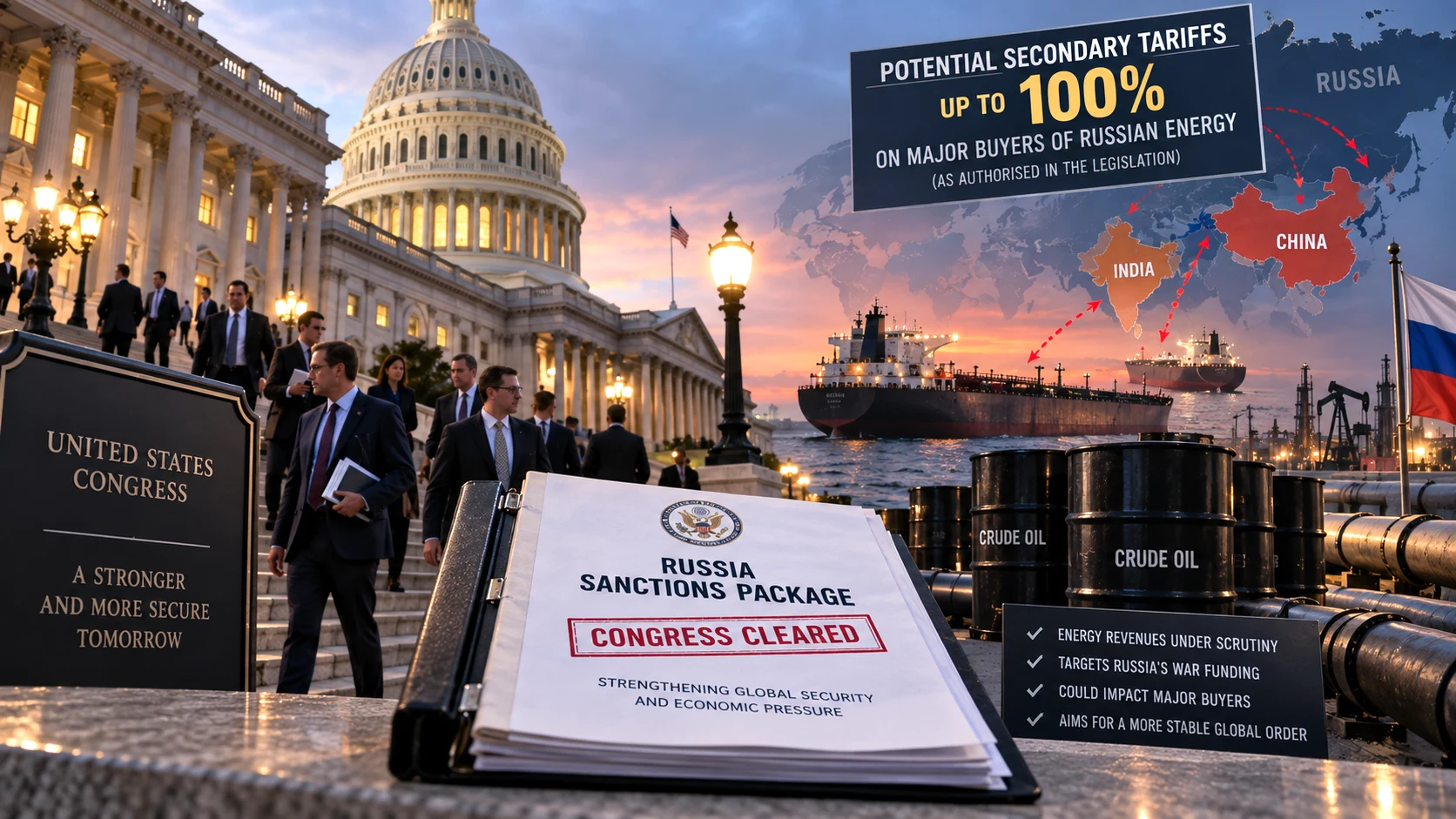
The House approved the Lindsey O. Graham Sanctioning Russia and Iran Act of 2026 by 262-159 after the Senate passed it 86-11. The measure now awaits President Donald Trump’s signature and could subject major buyers of Russian oil or gas to additional US tariffs of up to 100%, although India and Chin
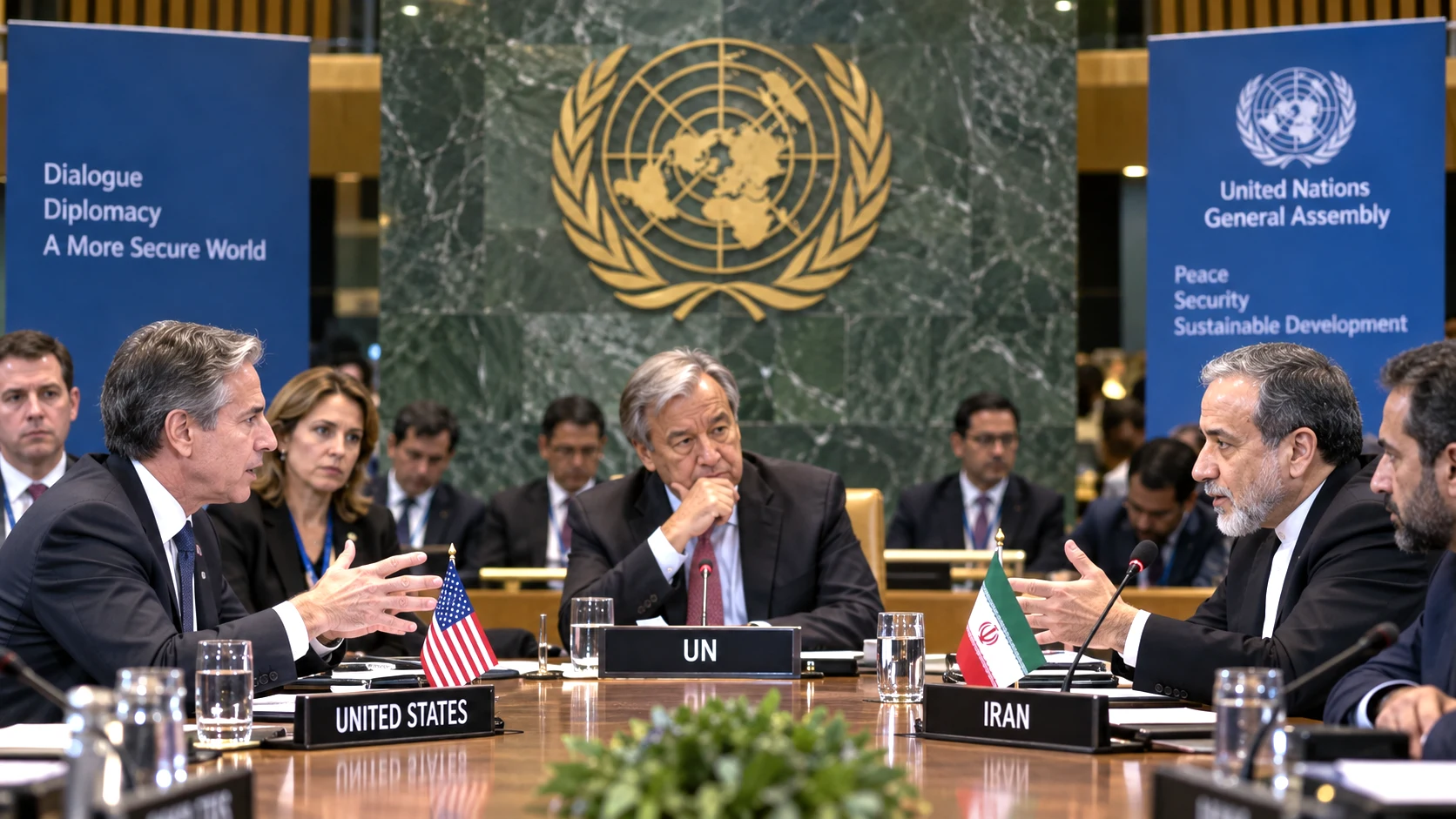
US and Iranian representatives held roughly three hours of mediated talks on the sidelines of the UN General Assembly after Donald Trump threatened Iran with further destruction if no deal is reached. Here is what was discussed and what remains unresolved.
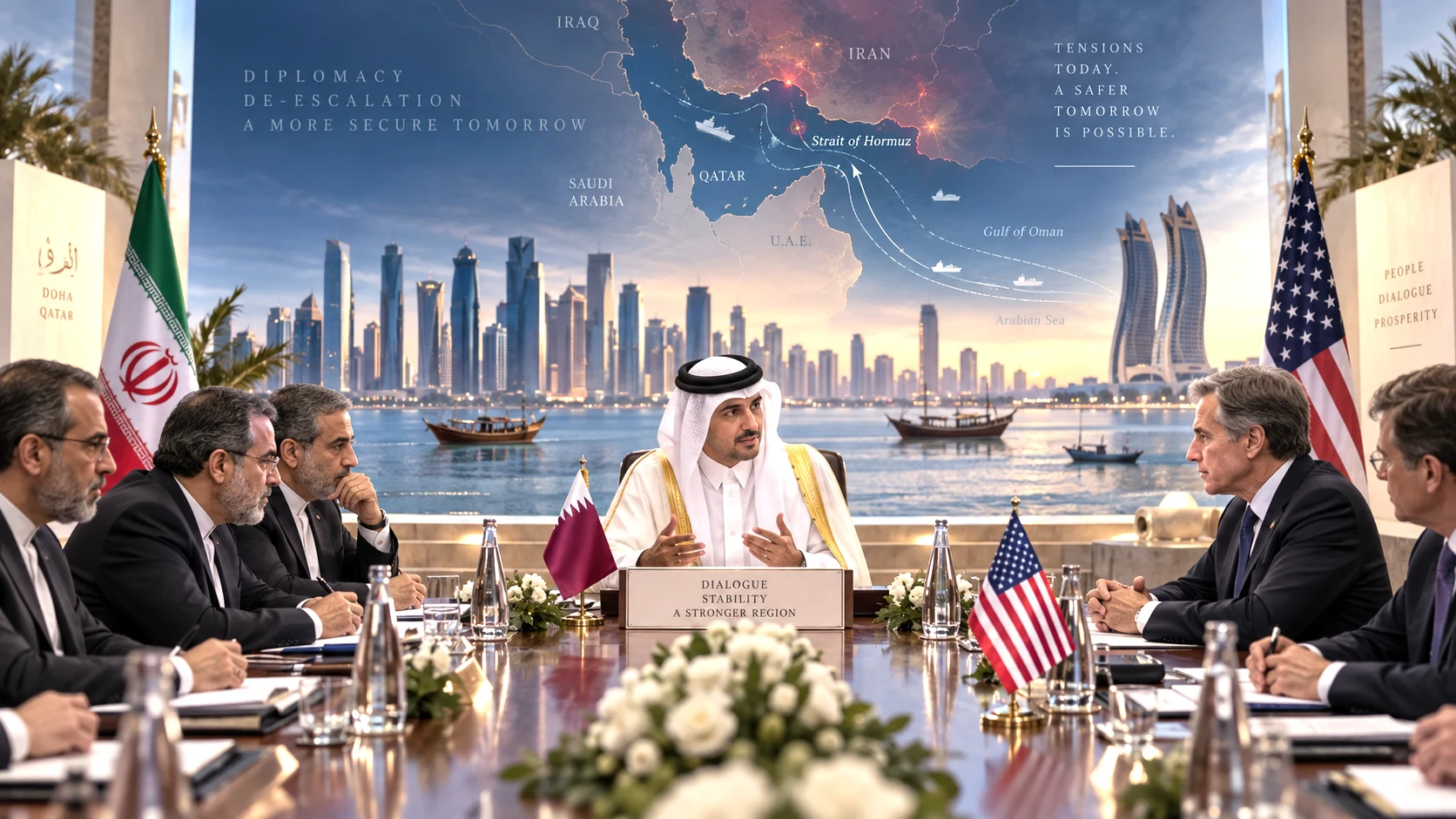
Qatar has launched an intensified diplomatic push to revive negotiations between Iran and the United States, shuttling proposals between Tehran and Washington as both sides combine threats of further military action with signals that a negotiated settlement remains possible. Iran has conveyed condit
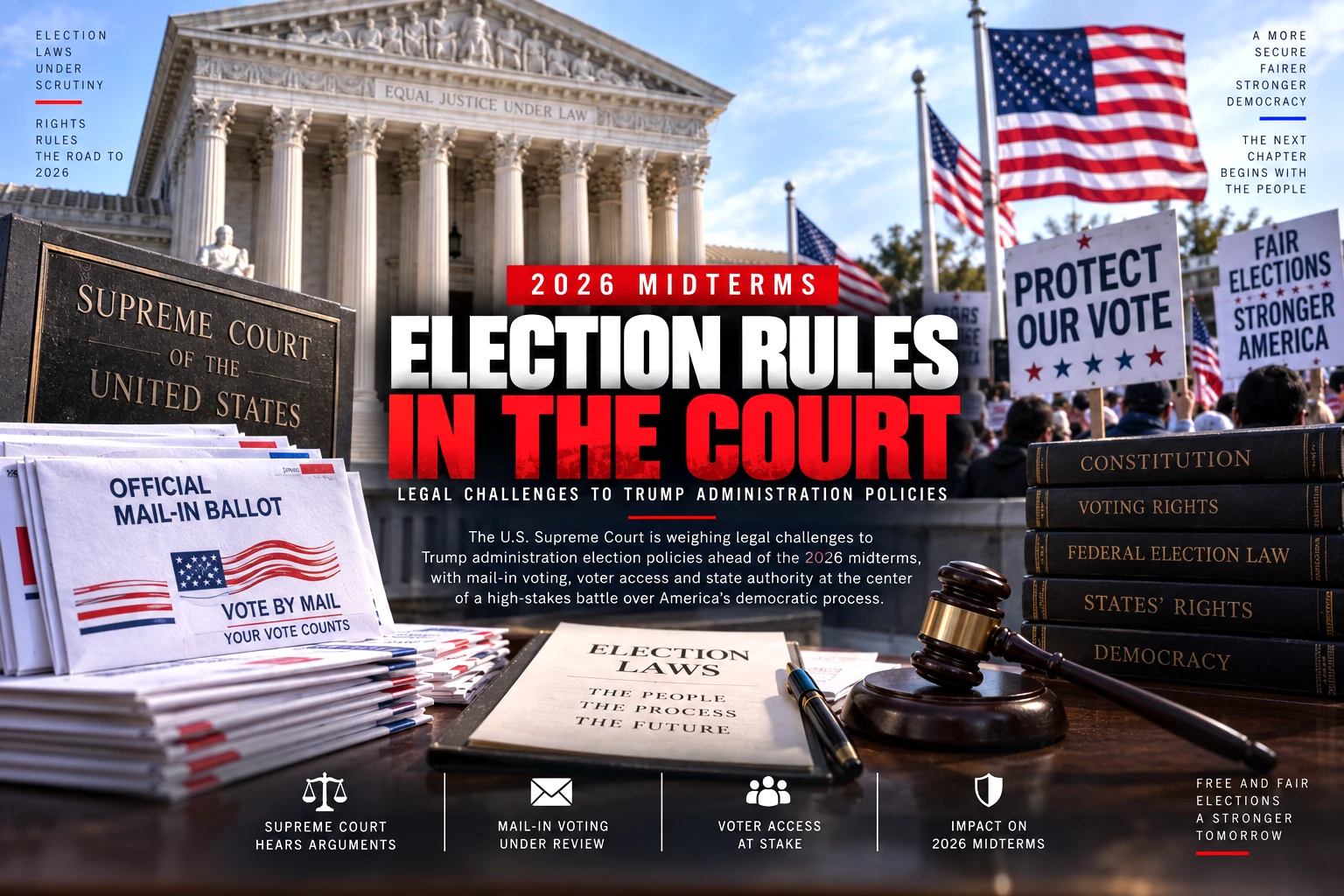
The Trump administration faces multiple legal battles over mail voting, citizenship checks, voter data and election authority as the November 2026 midterms approach.



0 Comments