CJP Announces October 10 Jantar Mantar Protest if CEC Gyanesh Kumar Does Not Resign
CJP founder Abhijeet Dipke has announced a fresh Jantar Mantar protest on October 10 if CEC Gyanesh Kumar does not resign, extending the agitation launched at Mumbai's Shivaji Park over electoral-roll concerns.
CJP supporters gather at Shivaji Park in Mumbai during a protest seeking CEC Gyanesh Kumar's resignation
Table of Contents (15 sections)
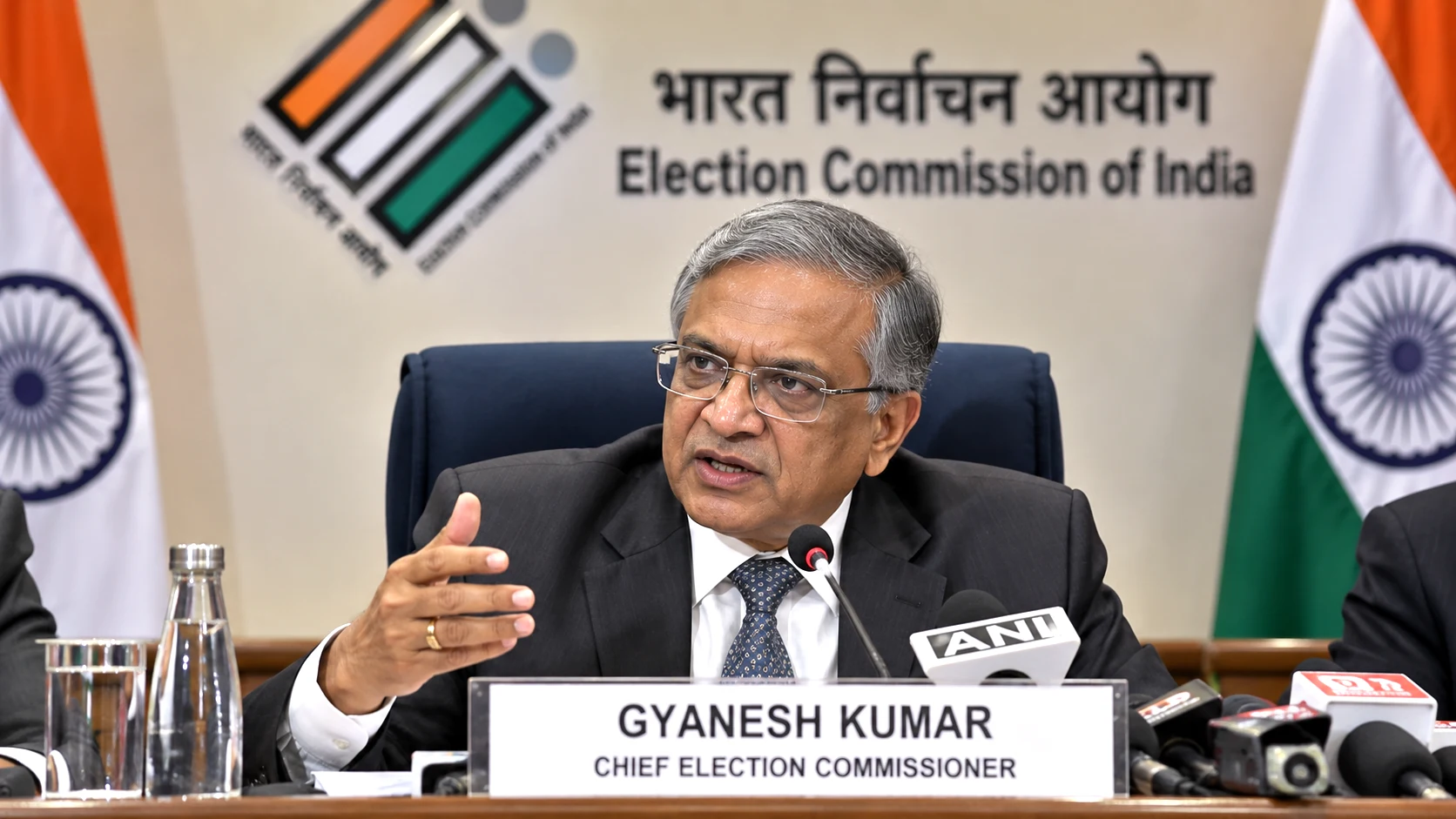
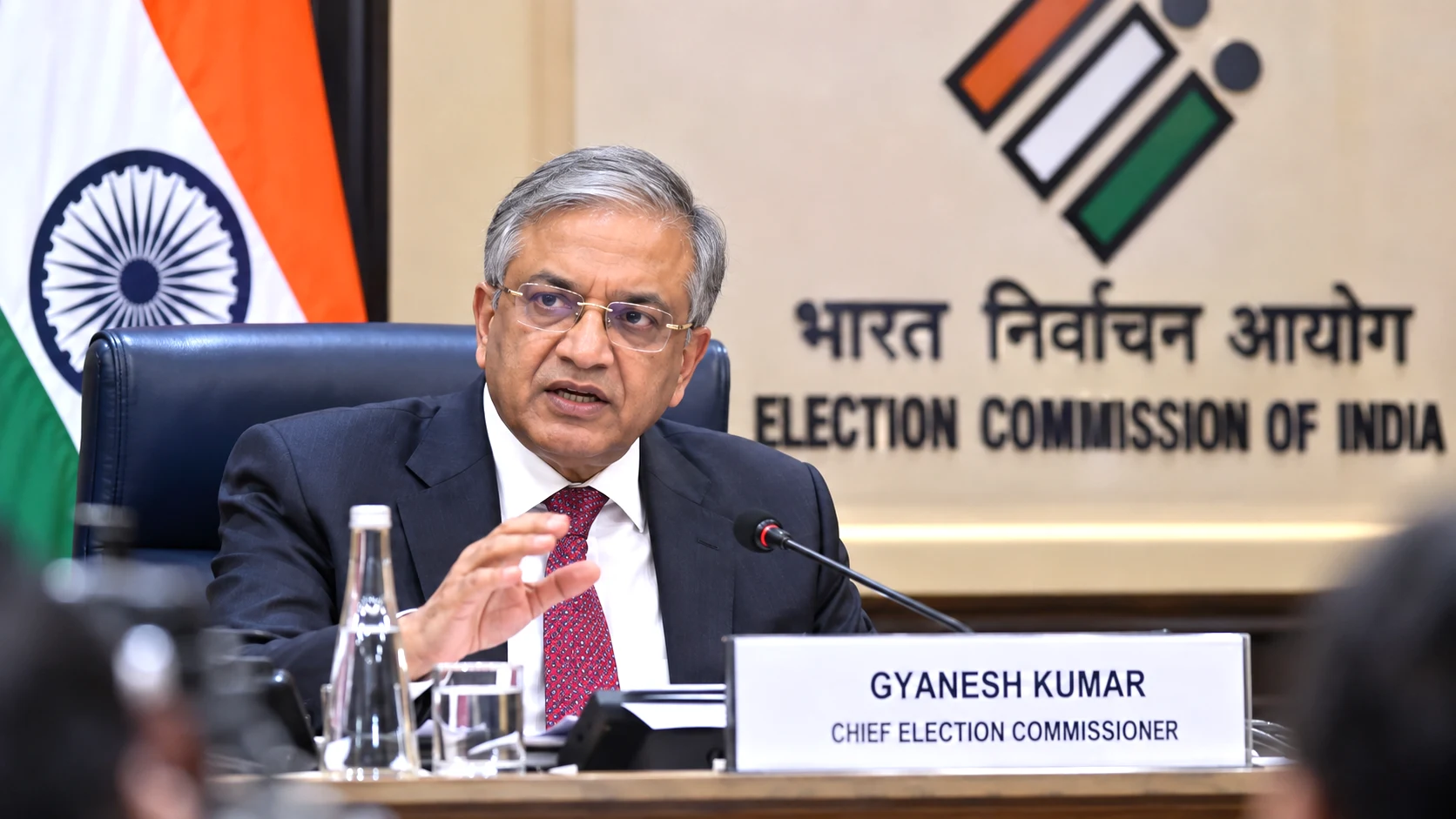
The Cockroach Janta Party has announced plans for another protest at Delhi's Jantar Mantar on October 10 if Chief Election Commissioner Gyanesh Kumar does not resign, escalating a campaign that drew a large gathering at Mumbai's Shivaji Park on October 2.
CJP founder Abhijeet Dipke announced the proposed Delhi demonstration after the Mumbai protest, saying supporters from across India would be asked to join what he described as a peaceful agitation. The group has been demanding Kumar's resignation while raising allegations about the Special Intensive Revision, or SIR, of electoral rolls.
The Election Commission has disputed allegations of improper electoral-roll manipulation. Claims made by CJP and other political groups therefore remain allegations and should not be treated as established findings. Reuters reported that the Election Commission has rejected accusations of wrongdoing while taking steps concerning voter registration and electoral-roll verification.
The latest announcement represents a significant new development in the wider political confrontation surrounding Kumar and the Election Commission.
Rajatheertha previously reported on the separate parliamentary effort being prepared by opposition parties to seek Kumar's removal and explained the constitutional process under Article 324. The CJP protest campaign is a different pressure track, centred on street demonstrations rather than the formal removal process in Parliament.
Recommended Reading
Related Stories & In-Depth Guides
Curated editorial perspectives matching this topic.
Opposition parties have intensified calls for CEC Gyanesh Kumar’s removal after a report said two Election Commissioners raised repeated objections over SIR and electoral-roll decisions. Some leaders have also demanded his arrest, while the ECI says all final decisions were unanimous.
President Donald Trump announced the restrictions on September 18, accusing the three outlets of publishing what he called “fake news”; journalists from all three organizations were turned away from the White House the following day.
What did Abhijeet Dipke announce?
Dipke said on October 2 that CJP would organise another demonstration at Jantar Mantar on October 10 if Kumar remained in office.
He called on supporters from across the country to travel to Delhi and said the proposed protest would remain peaceful.
Reports quoting Dipke said he described the proposed demonstration as a continuation of the campaign launched in Mumbai and said protesters intended to follow a non-violent approach.
The announcement came after CJP's “Jail Bharo” agitation at Shivaji Park, where supporters gathered despite Mumbai Police having earlier denied permission for the protest at that location.
What happened at Shivaji Park?
CJP held its protest at Mumbai's Shivaji Park on October 2, coinciding with Gandhi Jayanti.
The demonstration focused principally on the demand for CEC Gyanesh Kumar's resignation and opposition to aspects of the ongoing electoral-roll revision process.
Reuters reported that hundreds of supporters participated in the Mumbai protest as part of a broader campaign over allegations concerning voter rolls.
Several public figures also attended or expressed support at the gathering, while police maintained a significant presence.
Despite the earlier denial of permission, Mumbai authorities adopted what was reported as a relatively non-confrontational approach during the main protest, and the event was largely completed without a major clash between CJP supporters and police.
A separate counter-protest was also held in the Shivaji Park area.
75-year-old attendee dies after suffering heart attack
A serious medical incident occurred during the October 2 gathering.
Police said Gopalakrishna Subbaiya Pillai, 75, a Thane resident, had travelled to Shivaji Park and arrived at around 4.30 p.m.
At approximately 5 p.m., while approaching Gate No. 6, he complained of discomfort and chest pain.
A doctor present at the venue provided initial assistance, while police personnel and others helped move him to Sushrusha Hospital nearby.
He died while undergoing treatment.
Police said doctors attributed the death to a heart attack, and an accidental death report was registered. His body was subsequently handed over to his family.
The death should not be described as having been caused by the protest itself. The verified information is that Pillai suffered a medical emergency while attending the gathering and later died in hospital.
Was Abhijeet Dipke arrested after the Shivaji Park protest?
There is currently no reliable confirmation that Dipke was arrested on October 3 in connection with the Shivaji Park demonstration.
A separate police episode occurred before the rally.
Dipke was briefly taken to the Marine Drive police station after appearing near the promenade with supporters carrying placards. Some reports described the episode as a brief detention.
Mumbai Police, however, disputed the characterisation that he had been detained, while CJP itself also publicly rejected reports about his detention. Dipke left the police station shortly afterwards.
The distinction between arrest, detention, being taken to a police station, and later release is legally and editorially important.
Unless police or another reliable authority confirms a later arrest, it would be inaccurate to state that Dipke was arrested on October 3.
Why is CJP demanding Gyanesh Kumar's resignation?
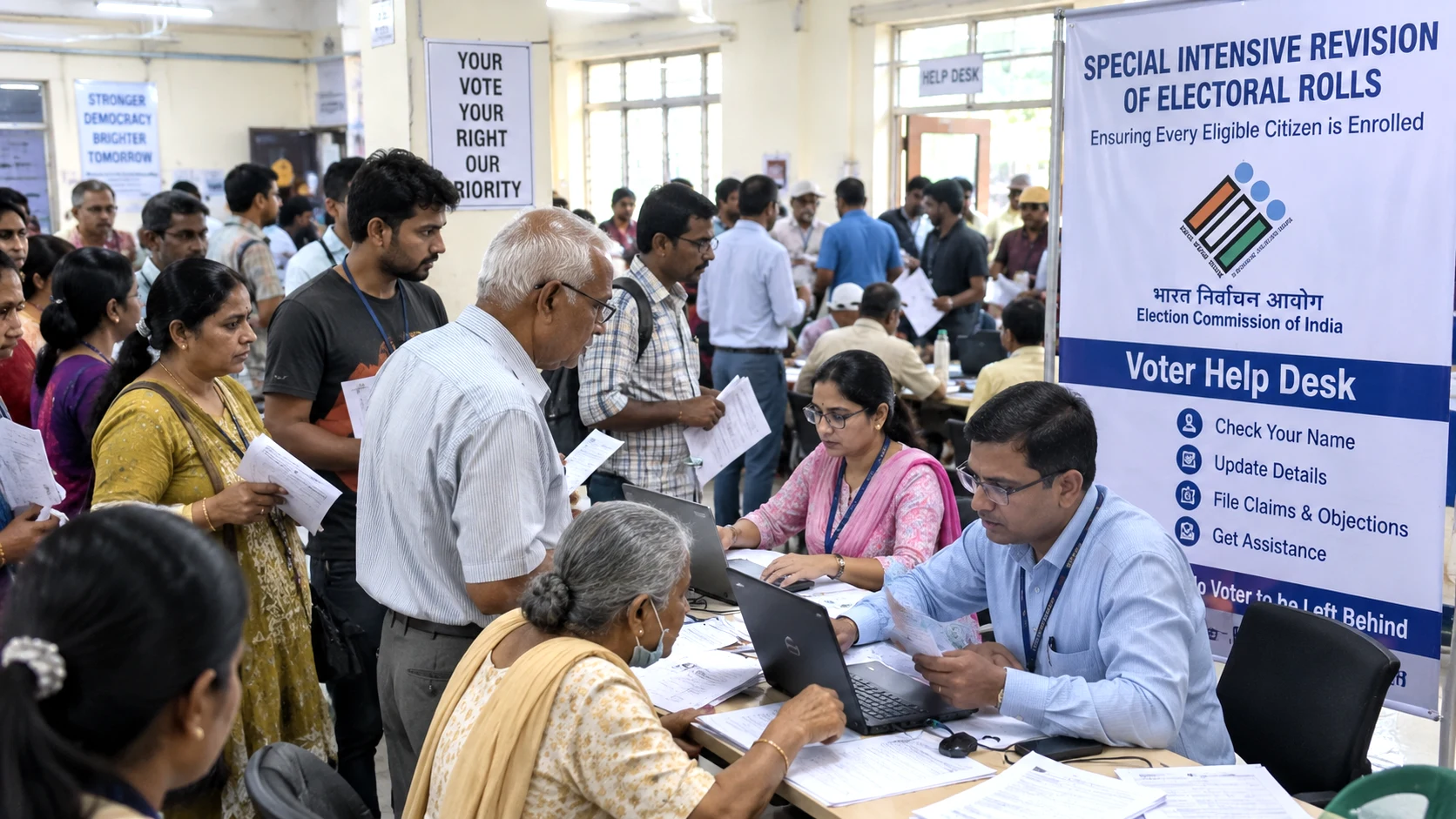
CJP's campaign centres on allegations concerning electoral rolls and the Election Commission's handling of the Special Intensive Revision process.
The group has alleged that eligible voters have been wrongly removed or affected during revisions and has demanded greater transparency in the process.
These are political allegations made by the protesters.
The Election Commission has rejected claims that electoral-roll revisions are being manipulated for partisan benefit.
The controversy has extended beyond CJP.
Opposition parties, student groups and civil-society organisations have separately raised objections over parts of the voter-roll revision process, while the Election Commission has defended its procedures.
The dispute therefore combines several different issues:
whether electoral-roll revisions have improperly affected eligible voters;
whether existing correction and claims procedures are sufficient;
political demands for accountability from the Election Commission;
and broader questions about public confidence in election administration.
These questions should be reported separately from any unverified claim that misconduct has been legally established.
Delhi also saw protests on October 2
While CJP's principal gathering took place in Mumbai, demonstrations connected to the same broader demand also took place in Delhi.
The Indian Express reported that more than 500 protesters connected with AAP, Left student groups and civil-society organisations were detained during demonstrations in Delhi as participants attempted to reach the Jantar Mantar area.
This gives the October 10 announcement additional political significance.
Rather than remaining a Mumbai-centred mobilisation, Dipke is seeking to move the next stage of CJP's campaign to the national capital.
Whether authorities will grant permission for the October 10 demonstration, impose conditions or identify an alternative protest location remains to be seen.
Why Jantar Mantar matters to CJP
Jantar Mantar is one of Delhi's best-known designated protest locations and has been used by political parties, campaign groups, unions and civil-society organisations for demonstrations.
For CJP, returning to Delhi would also have symbolic significance because the movement has previously organised protests in the capital.
Dipke has described the Mumbai protest as only an early stage of a longer campaign.
Reports from the Shivaji Park gathering said he indicated that the movement could continue for several months if its demands were not addressed.
The October 10 date therefore creates a clear next point to watch in the political dispute.
Is the October 10 protest definitely happening?
The announcement is conditional.
Dipke has said CJP intends to protest at Jantar Mantar on October 10 if Gyanesh Kumar does not resign.
That does not necessarily mean all permissions, security arrangements or logistical requirements have already been completed.
The exact location could also become an issue if Delhi Police do not permit the demonstration at Jantar Mantar.
Dipke has indicated that the group intends to continue its agitation even if authorities attempt to restrict the planned march.
Any future change of venue, conditions imposed by police or court intervention would therefore be a material update.
How does this relate to attempts to remove the CEC?
The protest campaign and the constitutional process for removing a Chief Election Commissioner are separate.
Public protests can create political pressure, but they do not themselves remove a CEC from office.
Under Article 324 of the Constitution, the Chief Election Commissioner receives significant protection from removal.
A CEC can be removed from office only in a manner and on grounds similar to those applicable to a Supreme Court judge, involving a high parliamentary threshold.
Rajatheertha previously explained the process in its report on the opposition's planned fresh removal motion against Kumar.
That means CJP's demand for resignation is primarily a political demand unless Kumar voluntarily steps down.
A formal removal would require the constitutional and parliamentary procedure applicable to the office.
What has the Election Commission said?
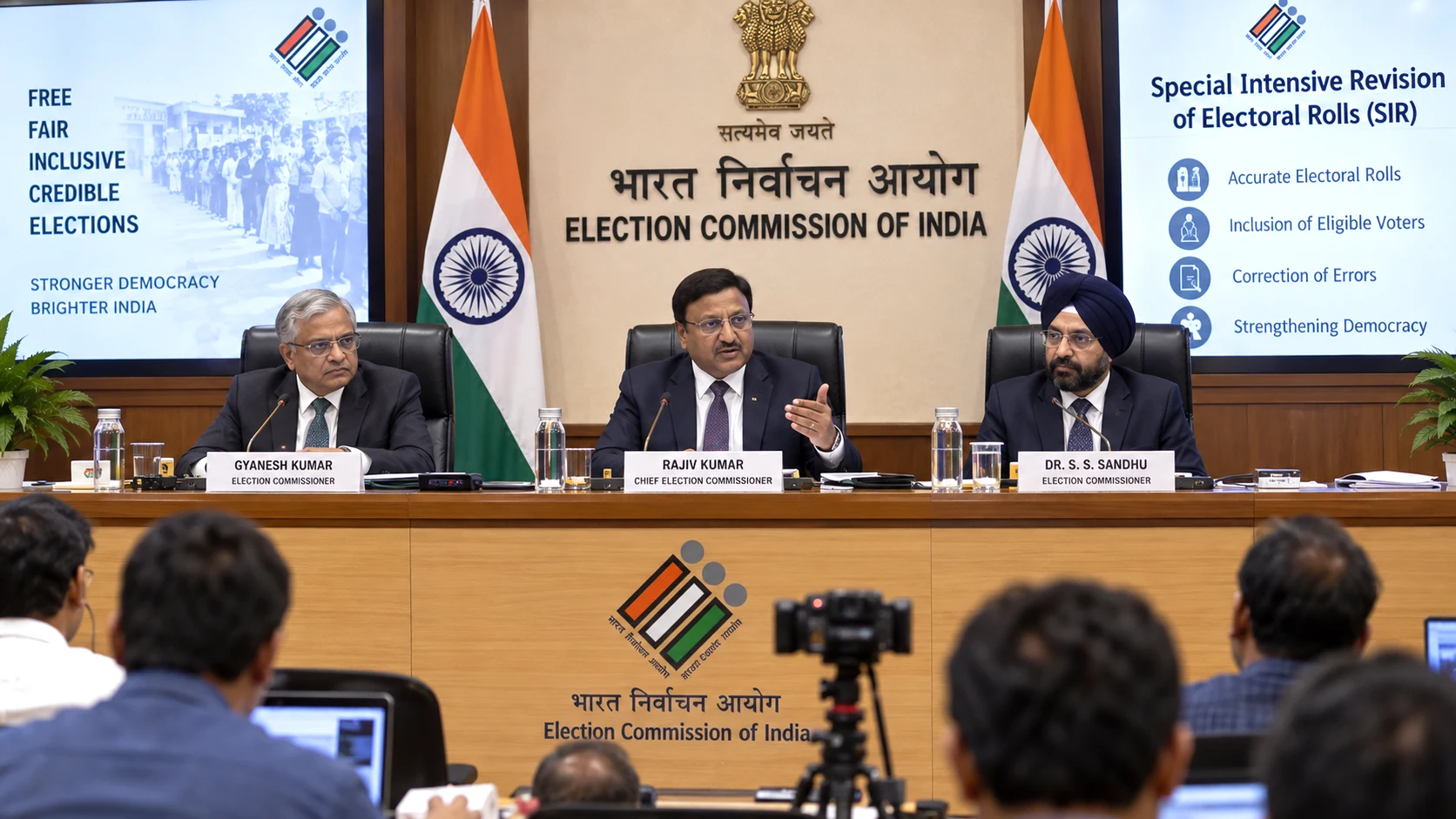
The Election Commission has defended its electoral-roll procedures and rejected accusations that revisions are being conducted to benefit a particular political party.
Reuters reported that the poll body denied wrongdoing while taking steps aimed at adding eligible and previously omitted voters to electoral rolls.
The Commission's response is important because allegations of systematic voter manipulation have not been established merely by the fact that protests are taking place.
Any article covering the dispute should therefore clearly separate:
CJP's allegations and political demands
from
verified administrative or judicial findings.
That distinction is particularly important because election-related allegations can affect public confidence in the electoral process.
Timeline of the latest CJP protest campaign
Date
Development
September 27
Mumbai Police deny CJP permission for the planned October 2 Shivaji Park demonstration
October 1–2
Dipke is briefly taken to Marine Drive police station in a disputed detention episode
October 2
CJP holds its “Jail Bharo” protest at Shivaji Park
October 2
A 75-year-old attendee suffers a heart attack and later dies in hospital
October 2
Dipke announces a fresh Delhi protest if CEC Gyanesh Kumar does not resign
October 10
Proposed CJP protest at Jantar Mantar, subject to the group's stated condition and official arrangements
What happens next?
Attention will now shift to three developments.
First, whether CEC Gyanesh Kumar responds to the resignation demand or whether the Election Commission issues a further response to allegations raised by CJP.
Second, whether Delhi Police permit CJP to hold its proposed October 10 protest at Jantar Mantar and what restrictions, if any, are imposed.
Third, the separate parliamentary effort concerning Kumar's removal could develop independently of the street-protest campaign.
These are distinct processes but are now converging politically around scrutiny of the Election Commission and voter-roll revision.
For CJP, the October 10 announcement signals an attempt to turn the Shivaji Park demonstration into a wider national mobilisation.
For authorities, the immediate question will be how the proposed Delhi protest is managed while preserving both public order and lawful democratic protest.
Frequently Asked Questions
When is CJP planning its next protest?
CJP founder Abhijeet Dipke has announced a protest at Delhi's Jantar Mantar on October 10, 2026, if Chief Election Commissioner Gyanesh Kumar does not resign.
Why is CJP demanding Gyanesh Kumar's resignation?
The group has raised allegations about electoral-roll revisions and the SIR process and is demanding greater accountability from the Election Commission. The Election Commission has denied wrongdoing.
Did someone die during the Shivaji Park protest?
A 75-year-old attendee, Gopalakrishna Subbaiya Pillai, suffered chest pain while at the protest on October 2 and later died in hospital. Police said doctors attributed his death to a heart attack.
Was Abhijeet Dipke arrested on October 3?
No reliable report available at the time of publication confirms an October 3 arrest. A separate, brief and disputed police detention episode occurred near Marine Drive before the October 2 protest.
Was the Shivaji Park protest officially permitted?
Mumbai Police had earlier denied permission for the October 2 demonstration at Shivaji Park, but CJP proceeded with its announced “Jail Bharo” protest.
Can a public protest remove the Chief Election Commissioner?
No. A protest can exert political pressure or demand resignation, but formal removal of a CEC is governed by the Constitution and requires a high parliamentary threshold.
Bottom Line
CJP founder Abhijeet Dipke has announced a protest at Delhi’s Jantar Mantar on October 10 if CEC Gyanesh Kumar does not resign. The announcement follows the group’s October 2 “Jail Bharo” gathering at Mumbai’s Shivaji Park.
The Election Commission has rejected allegations of wrongdoing. The protest demand is political; formal removal of a CEC requires the constitutional process under Article 324.
The Rajatheertha Team publishes news, explainers, guides and updates across India and the world. Our coverage follows Rajatheertha's editorial, verification and corrections standards.
Opposition parties are preparing a fresh parliamentary notice seeking CEC Gyanesh Kumar’s removal amid the SIR controversy. Here is what Article 324 says, how many MPs are needed and why removal requires a high constitutional threshold.
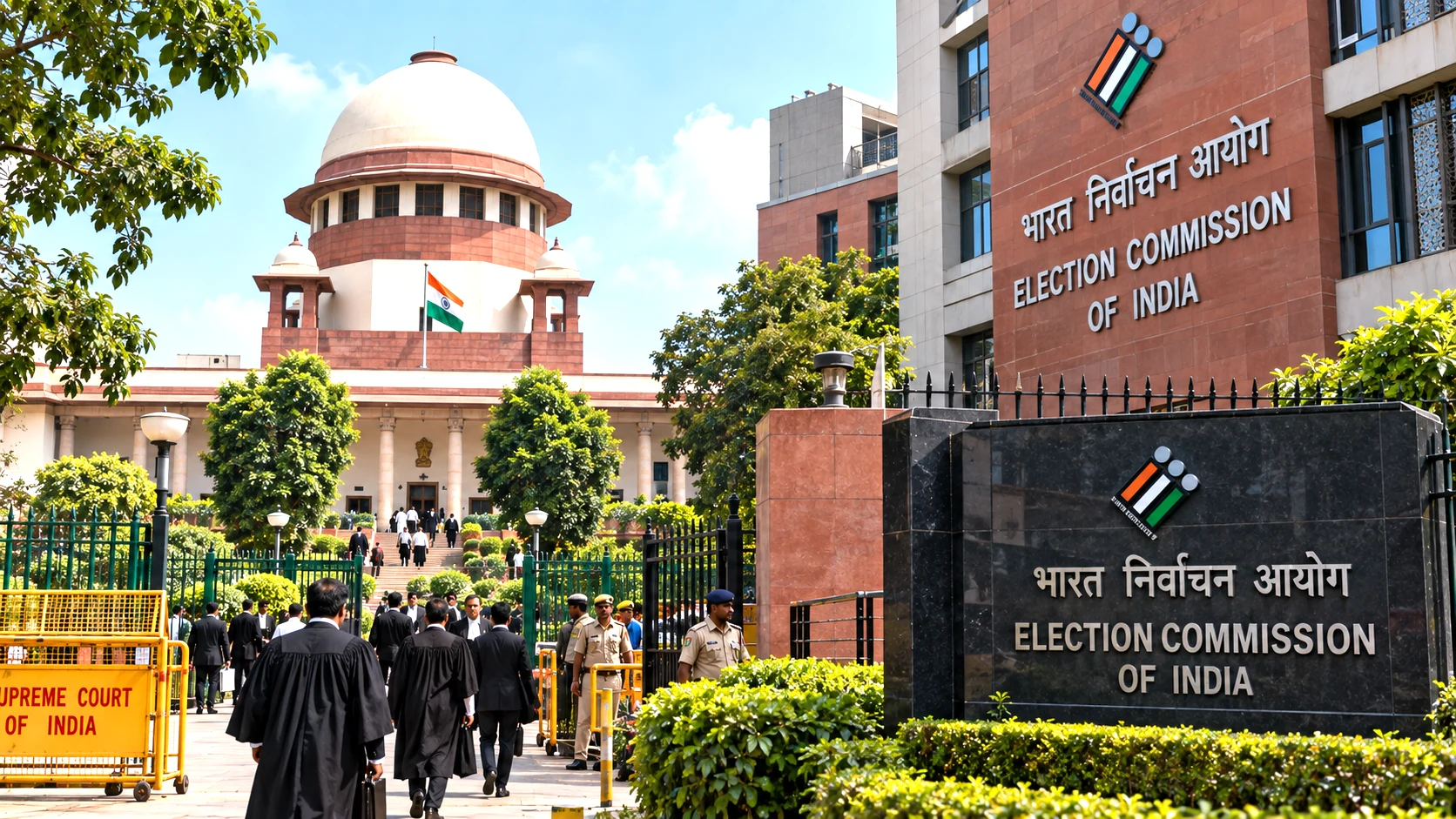
The Supreme Court has delivered differing opinions over whether challenges to the 2023 CEC appointment law require a Constitution Bench. The case now goes to the CJI for consideration of a larger bench, while the law remains in force.
Receiving a Delhi SIR notice does not automatically remove a voter from the electoral roll, the CEO's office has clarified. Voters can respond, submit documents and receive a hearing before any decision is taken.
The September 15 collision occurred in international waters in the northern Arabian Sea and caused no major damage, according to India’s Ministry of External Affairs. New Delhi says the Pakistani naval vessel’s conduct breached Article 10 of a 1991 bilateral military agreement.
The Election Commission says all final decisions taken by the full Commission over the past year, including SIR-related measures, were unanimous despite reported objections raised during internal deliberations. Here is what the dispute means for voters.
Tamil Nadu Chief Minister C Joseph Vijay's first official meeting with Prime Minister Narendra Modi focused on issues ranging from Mekedatu and fishermen to state funds and Tamil identity. With the two leaders expected to share a Chennai stage on October 11, here is what the meetings mean politicall




0 Comments