Israel-Lebanon Conflict Escalates as Strikes Kill Civilians and Medic in Southern Lebanon
Israeli strikes in southern Lebanon have killed 12 people in Kfar Rumman, including children, women and a medic, as tensions with Hezbollah rise despite a June ceasefire.
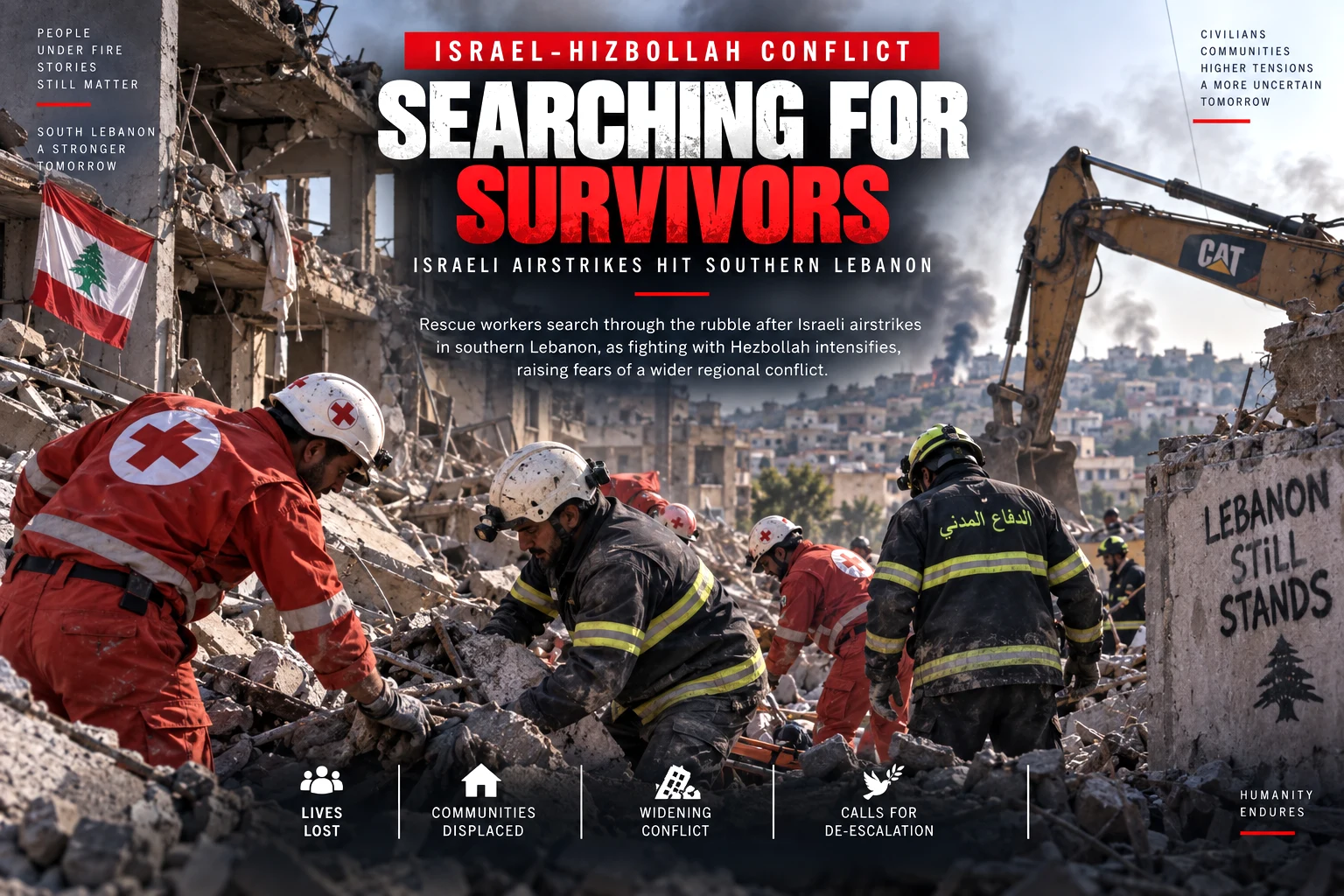
Rescue workers searching rubble after Israeli airstrikes in southern Lebanon amid renewed fighting with Hezbollah
Table of Contents (23 sections)
The fragile calm between Israel and Hezbollah is under growing pressure after a series of deadly Israeli strikes across southern Lebanon killed civilians, children and medical personnel and raised fears of another major escalation.
The latest and one of the deadliest attacks in recent weeks occurred in Kfar Rumman, a town in southern Lebanon’s Nabatieh region, early on Monday, 7 September.
According to Lebanon’s Health Ministry, an Israeli strike on a residential building killed 11 people, including two children and four women.
Eight other people were wounded, including three children and a paramedic.
A separate Israeli strike on a vehicle in the same town killed a paramedic from the Lebanese Islamic Risala Scout Association and wounded two other medics.
Recommended Reading
Related Stories & In-Depth Guides
Curated editorial perspectives matching this topic.
U.S. envoys Steve Witkoff and Jared Kushner have met Vladimir Putin and Volodymyr Zelenskyy in a renewed push for Ukraine peace talks, but major differences remain as Russia resumes ballistic missile attacks on Kyiv.
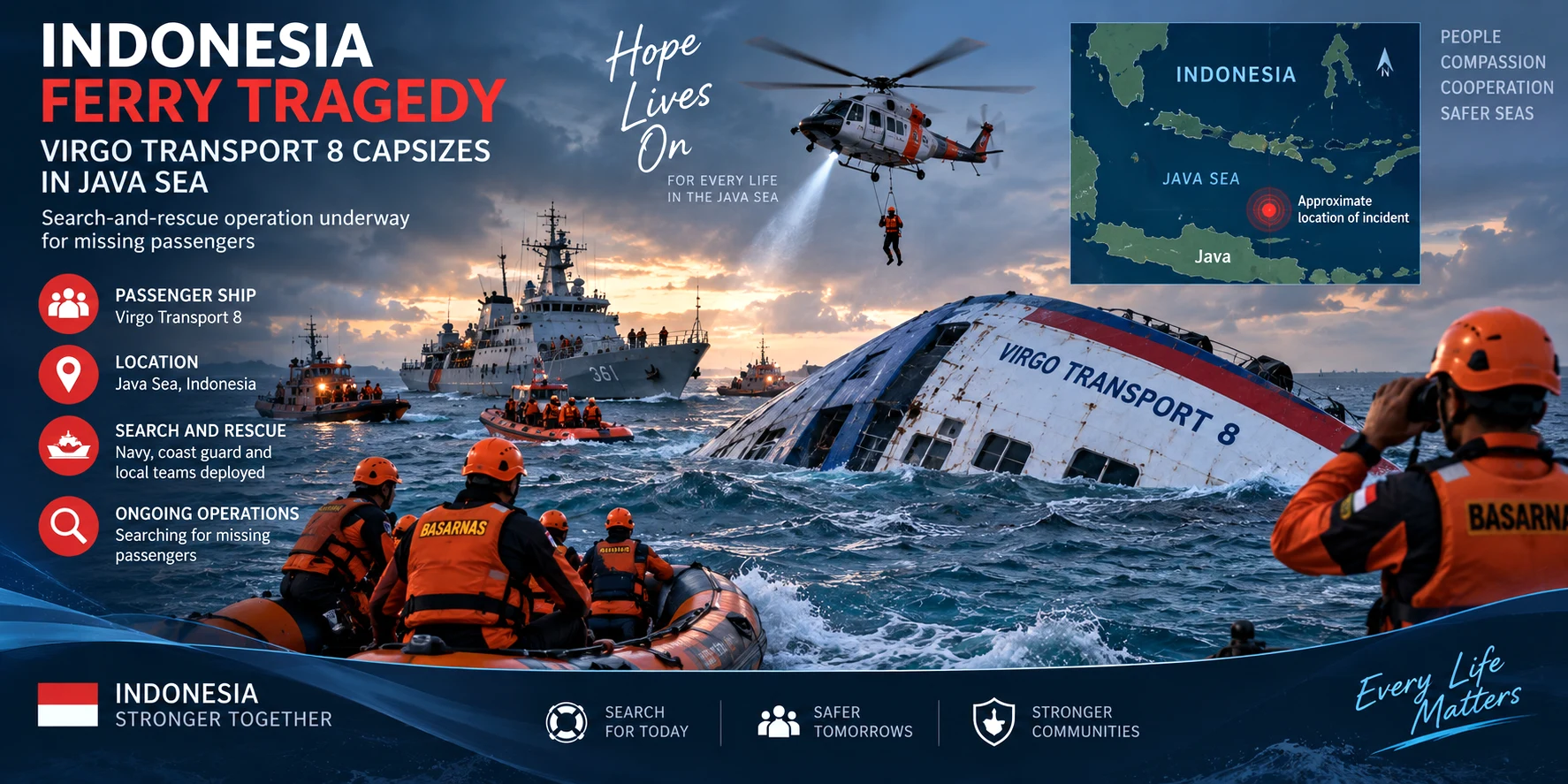
The Virgo Transport 8 was carrying 243 people from Surabaya to Banjarmasin when it capsized during bad weather early Sunday. Indonesian authorities say 108 people have been rescued, six are confirmed dead and 129 remain missing.
That brought the reported death toll in Kfar Rumman to 12.
The Israeli military said the strikes followed two explosive-drone attacks by Hezbollah against Israeli troops operating in southern Lebanon. Israel said one of its targets was a Hezbollah member involved in transferring weapons.
Israel also said it had taken measures intended to reduce civilian harm and was reviewing reports that people it described as uninvolved had been killed or injured.
The strikes came after several days of escalating violence across southern Lebanon despite a U.S.-brokered ceasefire reached in June.
The renewed fighting is raising an increasingly urgent question:
Can the ceasefire survive, or are Israel and Hezbollah moving towards another major round of conflict?
Table of Contents
What happened in Kfar Rumman?
Twelve people reported killed
Children and women among the dead
Medic killed in separate strike
What Israel says it was targeting
Hezbollah drone attacks and Israeli response
No evacuation warning before the Kfar Rumman strike
Deadly strikes also hit southern Lebanon on Sunday
Hospital destroyed in separate attack
Why the Ali al-Taher ridge matters
What happened to the June ceasefire?
Israeli troops remain inside southern Lebanon
Lebanon’s reported death toll since March
More than 130 medics reported killed
What Hezbollah says
Lebanon’s government response
Why civilians remain vulnerable
Could the conflict escalate again?
What happens next?
Key takeaway
Israeli Strike Hits Residential Building in Kfar Rumman
The most serious recent incident occurred in the early hours of Monday in Kfar Rumman, near Nabatieh.
Lebanon’s Health Ministry said an Israeli strike hit a residential building.
The attack killed 11 people.
The ministry said the dead included two children and four women.
Eight other people were injured.
Among the wounded were three children and a paramedic.
Rescue workers spent hours searching through the rubble.
Reuters journalists at the scene reported seeing children’s schoolbooks among the debris of the destroyed building as heavy machinery was used in recovery operations.
Residents said families had been living inside the structure.
The timing added to the shock: according to residents interviewed by Reuters, children had been preparing for school when the attack occurred.
Separate Strike Kills a Medic
A second strike in Kfar Rumman targeted a vehicle.
Lebanon’s Health Ministry said that attack killed a paramedic associated with the Lebanese Islamic Risala Scout Association.
Two additional medics were wounded.
That brought the ministry’s reported toll from the Kfar Rumman attacks to 12 dead.
The deaths of medical workers are particularly sensitive because health and emergency personnel have suffered substantial casualties during the conflict.
International humanitarian law provides special protections for medical personnel performing medical duties, although the legal assessment of any particular strike depends on the circumstances, including the target, conduct and information available at the time.
It would therefore be premature to make a definitive legal judgment about the Kfar Rumman strike without an independent investigation.
What Does Israel Say It Targeted?
The Israeli military provided a different account of the operational purpose of the attacks.
It said Hezbollah had launched two explosive drones towards Israeli troops operating near the Ali al-Taher ridge.
Israel said the strikes were carried out in response.
The Israeli military said it targeted a Hezbollah member who was attempting to transport weapons into Kfar Rumman.
It also said precautions had been taken to reduce harm to people not involved in the fighting, including the use of precision weapons and aerial surveillance.
Following reports of civilian casualties, Israel said it was reviewing what happened.
That distinction is essential for balanced reporting.
Lebanese authorities report civilians, including children and women, among those killed.
Israel says the military operation was directed against Hezbollah-linked activity.
Both elements need to be reported without presenting an unverified military claim as independently established fact.
Kfar Rumman Strikes Came Without Online Evacuation Warning
Another significant detail concerns warnings.
Reuters reported that the Kfar Rumman strikes occurred without an online evacuation warning from the Israeli military.
Israel has sometimes issued warnings instructing people to leave particular buildings or areas before attacks.
Such warnings have not accompanied many of the strikes carried out since the June ceasefire.
Earlier on Monday, however, the Israeli military issued an evacuation warning concerning a location in Deir al-Zahrani.
A building there was subsequently struck.
Israel said that operation was also connected to Hezbollah activity.
The presence or absence of a warning does not by itself determine whether an attack complies with international humanitarian law.
But warnings are an important part of evaluating civilian-protection measures.
Sunday’s Strikes Had Already Raised the Death Toll
The Kfar Rumman attack did not occur in isolation.
Israel had carried out another wave of strikes across southern Lebanon on Sunday, 6 September.
Lebanon’s Health Ministry initially reported seven deaths, although Reuters subsequently cited an updated ministry toll of at least 11 people killed in strikes on three towns near the Ali al-Taher area.
Among the locations hit was Arab Salim, north of the zone where Israeli troops are operating.
Two women were reported killed there.
An Israeli evacuation warning had been issued for an area near a building in Arab Salim before one of the strikes.
Other people, including children, were injured.
The Israeli military said its targets included Hezbollah weapons-storage facilities and a command centre.
Hospital Destroyed in Southern Lebanon
The latest escalation has also affected healthcare infrastructure.
Lebanese authorities said Israeli strikes on Sunday destroyed the Ghandour hospital in Nabatieh al-Fawqa.
Lebanese President Joseph Aoun’s office condemned the attacks, saying civilian government and healthcare facilities had been targeted.
Israel gave a different explanation.
The Israeli military said it struck a Hezbollah command centre located in a building that had previously been used as a hospital.
Those competing accounts should remain clearly attributed.
Whether a medical facility was still functioning as a protected civilian hospital at the time, and whether it was being used for military purposes, are factual and legal questions requiring evidence beyond statements from the parties to the conflict.
Why the Ali al-Taher Ridge Matters
Much of the latest fighting is concentrated around the Ali al-Taher ridge, a strategically important area in southern Lebanon.
The elevated terrain overlooks surrounding villages and important routes towards Nabatieh.
Israel said last week that its forces had established operational control over the ridge after clearing Hezbollah fighters from the area.
Reuters could not independently verify Israel’s description of the military situation there.
Hezbollah has also not publicly confirmed Israel’s account.
The area nevertheless appears to have become a major focus of the latest military confrontation.
Israeli forces are operating nearby, while Israel says Hezbollah has continued trying to attack its troops with drones.
Israeli Troops Come Under Fire Near Beaufort Castle
The confrontation has also involved direct exchanges between Hezbollah personnel and Israeli soldiers.
Israel said troops operating near the historic Beaufort Castle came under fire from a Hezbollah member positioned inside a house.
Two Israeli soldiers were lightly wounded, according to the Israeli military.
Israel said its forces subsequently killed the Hezbollah member.
That incident illustrates why the current situation cannot be described simply as unilateral airstrikes occurring without any armed confrontation.
Israeli troops remain active inside southern Lebanon, and armed exchanges involving Hezbollah continue.
At the same time, civilian deaths from Israeli strikes are generating growing anger and fear in Lebanese communities.
What Happened to the June Ceasefire?
Israel and Lebanon reached a U.S.-mediated framework agreement in June intended to reduce and eventually end the fighting.
The arrangement produced a significant decline in violence.
But it did not completely stop military operations.
Under the framework, Israeli forces were expected to withdraw from southern Lebanon while Lebanese authorities moved towards disarming Hezbollah.
Implementation has stalled.
Israel says Hezbollah has not been sufficiently disarmed and continues to pose a security threat.
Hezbollah argues that Israel must first fully withdraw from Lebanese territory.
That creates a fundamental deadlock.
Hezbollah Refuses Full Disarmament Under Current Conditions
Hezbollah has rejected demands to surrender its weapons across Lebanon under the existing circumstances.
The group says Israeli forces must withdraw before further disarmament can take place.
Hezbollah has indicated that it will not relinquish weapons in areas north of the Litani River under the current arrangement.
Israel takes a much broader position.
Israeli officials have said withdrawal cannot be completed unless Hezbollah is disarmed throughout Lebanon.
The two positions are therefore substantially different.
That disagreement is one of the main reasons the diplomatic framework has struggled to produce a durable settlement.
Israel Maintains a Security Zone
Israeli troops continue to occupy areas of southern Lebanon that Israel describes as a security zone.
Israel says the zone is necessary to prevent Hezbollah from rebuilding military positions close to its northern border.
Lebanon regards Israel’s continued presence on Lebanese territory as unacceptable.
Israeli forces have continued demolishing structures and carrying out strikes both inside the zone and farther north.
Lebanese communities that had begun returning after the June ceasefire are again facing uncertainty over whether it is safe to remain.
The latest attacks around Nabatieh have intensified those concerns.
More Than 4,300 Reported Killed Since March
The wider casualty figures show the scale of the conflict.
According to Lebanon’s Health Ministry, Israeli strikes have killed more than 4,300 people in Lebanon since March 2.
The ministry says those deaths include:
More than 250 children
Nearly 400 women
More than 130 medics
These figures should be attributed to Lebanon’s Health Ministry.
The ministry does not otherwise comprehensively distinguish between civilians and Hezbollah or other combatants in its overall death toll.
Hezbollah has not published a complete total for the number of its fighters killed.
It would therefore be inaccurate to describe all 4,300-plus reported deaths as civilians.
The confirmed categories of children, women and medical workers nevertheless demonstrate the substantial civilian and humanitarian cost of the conflict.
More Than 130 Medics Reported Dead
The number of medical personnel reported killed is particularly notable.
Lebanon’s Health Ministry says more than 130 medics have died since the fighting escalated in March.
The latest Kfar Rumman attack added another medical worker to that toll, according to Lebanese authorities.
Medical facilities and ambulance crews operate under extremely difficult conditions during armed conflicts.
They may need to enter areas shortly after strikes, when the risk of additional attacks remains.
Repeated damage to healthcare infrastructure can also reduce the ability of hospitals to treat civilians and combatants alike.
That makes the reported destruction of health facilities and deaths of medical workers an important humanitarian aspect of the current conflict.
How the Current Conflict Began
The latest Israel-Hezbollah confrontation is connected to the wider regional conflict that erupted in early 2026.
On March 2, Hezbollah launched rockets towards Israel in support of Iran, two days after U.S. and Israeli attacks on Iran began.
Israel responded with a major air and ground offensive in Lebanon.
Fighting intensified rapidly.
Israeli forces moved into southern Lebanon, while Hezbollah continued attacks against Israel.
Thousands were killed, and communities on both sides of the border faced displacement and disruption.
The June diplomatic framework reduced the intensity of the conflict but failed to resolve its underlying causes.
Why the Latest Escalation Is Particularly Dangerous
Several developments are occurring simultaneously.
Israeli forces remain deployed in parts of southern Lebanon.
Hezbollah retains weapons and continues armed activity.
Israeli strikes are increasing again.
Civilians have returned to some communities that had previously been evacuated.
And negotiations over Israeli withdrawal and Hezbollah’s weapons remain stalled.
That combination creates conditions in which a relatively limited incident can quickly trigger retaliation.
Two Hezbollah drones can lead to Israeli strikes.
Those strikes can kill civilians or Hezbollah personnel.
Hezbollah can then face pressure to retaliate again.
This cycle is one of the main risks to the ceasefire.
Lebanon’s President Condemns the Escalation
Lebanese President Joseph Aoun has strongly criticised the latest Israeli operations.
Following Sunday’s strikes, his office described the escalation as dangerous and called on the United States and international community to intervene.
Aoun has argued that continued Israeli military action threatens the diplomatic process.
Following the Kfar Rumman attack, Lebanese officials again condemned the civilian deaths.
Israel maintains that its operations are responses to continuing Hezbollah threats and that it has the right to protect its forces and citizens.
These opposing positions underline how fragile the political process remains.
Civilians Are Again Facing Displacement Fears
For residents of southern Lebanon, the central concern is immediate safety.
Many families returned to their communities after the June ceasefire believing the intensity of the conflict would continue to decline.
Recent strikes have challenged that assumption.
Residential buildings have been damaged or destroyed.
Roads and public infrastructure have been affected.
Healthcare facilities have been hit.
Some communities have received evacuation warnings, while others have experienced strikes without advance online warnings.
That unpredictability makes it difficult for civilians to judge whether remaining in their homes is safer than leaving.
Why the Term ‘Ceasefire’ Needs Context
It is technically accurate to say that a ceasefire or framework agreement was reached in June.
But describing southern Lebanon simply as being “at peace” since June would be misleading.
Violence declined dramatically following the agreement.
It did not stop.
Israel continued operations and strikes.
Hezbollah retained significant military capabilities.
Israeli troops remained inside Lebanese territory.
The latest escalation demonstrates that the agreement has functioned more as a fragile reduction in hostilities than as a comprehensive settlement.
Could Israel and Hezbollah Return to Full-Scale War?
The possibility cannot be ruled out.
But it is also not inevitable.
Both sides have reasons to avoid another major conflict.
Lebanon has already suffered extensive destruction and casualties.
Israel faces security risks to its troops and northern communities.
A broader war could also interact with the continuing regional confrontation involving Iran.
Diplomatic pressure from the United States and other governments is therefore likely to intensify.
But diplomacy will face the same unresolved questions: Israeli withdrawal, Hezbollah’s weapons, border security and the future role of the Lebanese state in the south.
What Happens Next?
The immediate focus will be on whether the current exchange of attacks continues.
If Hezbollah carries out additional drone or rocket attacks against Israeli forces, Israel could respond with further strikes.
If Israeli operations produce more civilian casualties, pressure on Hezbollah and the Lebanese government to respond could grow.
Diplomatic attention will also focus on implementation of the June framework.
A durable de-escalation would likely require progress on both Israeli withdrawal and the question of Hezbollah’s armed presence.
Until then, the ceasefire remains vulnerable.
Key Takeaway
The latest Israel-Lebanon escalation is real and increasingly serious.
Lebanon’s Health Ministry says Israeli strikes on Kfar Rumman on September 7 killed 12 people.
Eleven people, including two children and four women, were killed when a residential building was struck.
Eight people were wounded, including three children and a paramedic.
A separate strike on a vehicle killed one paramedic and wounded two other medics.
Israel says the operation followed Hezbollah drone attacks against Israeli troops and that it targeted Hezbollah-linked weapons activity.
The Israeli military says it took measures to reduce civilian harm and is reviewing reports that uninvolved people were killed.
The latest violence follows another deadly series of strikes on Sunday and comes despite a U.S.-brokered ceasefire reached in June.
Lebanon’s Health Ministry says more than 4,300 people have been killed by Israeli strikes since March, including more than 250 children, nearly 400 women and more than 130 medics.
However, the ministry’s overall figure does not comprehensively distinguish between civilians and militants, so the entire toll should not be described as civilian deaths.
The immediate danger is that repeated Hezbollah attacks and Israeli retaliation could undermine what remains of the June ceasefire.
For communities across southern Lebanon, that would mean a return to the kind of sustained conflict they had hoped was beginning to end.
Editorial Note: Casualty figures in this article are attributed to Lebanon’s Health Ministry. Israel’s statements about Hezbollah targets and military activity are attributed to the Israeli military. Because the conflict is ongoing, battlefield claims, casualty figures and ceasefire developments should be updated when independently verified information becomes available.
The Rajatheertha Team publishes news, explainers, guides and updates across India and the world. Our coverage follows Rajatheertha's editorial, verification and corrections standards.
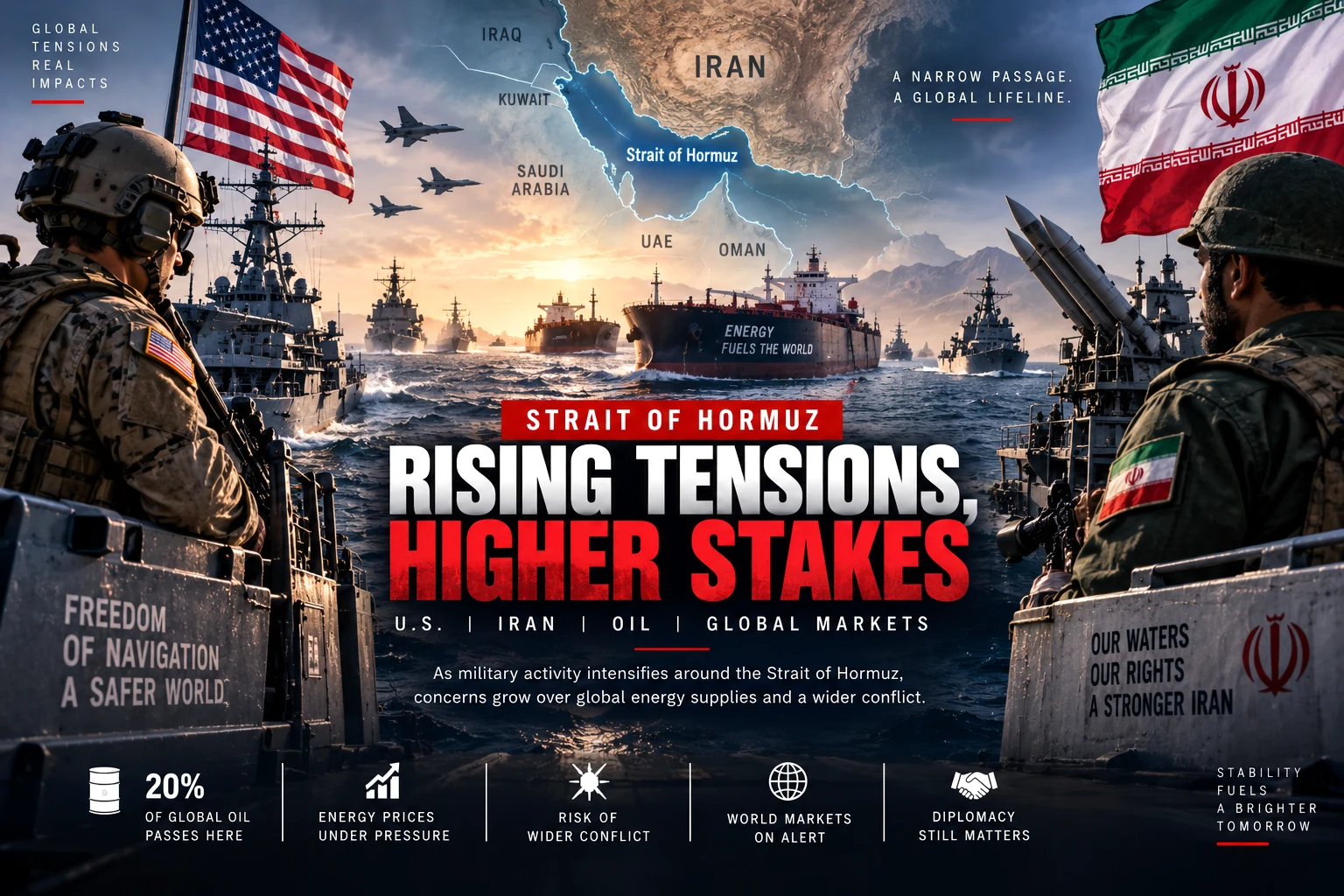
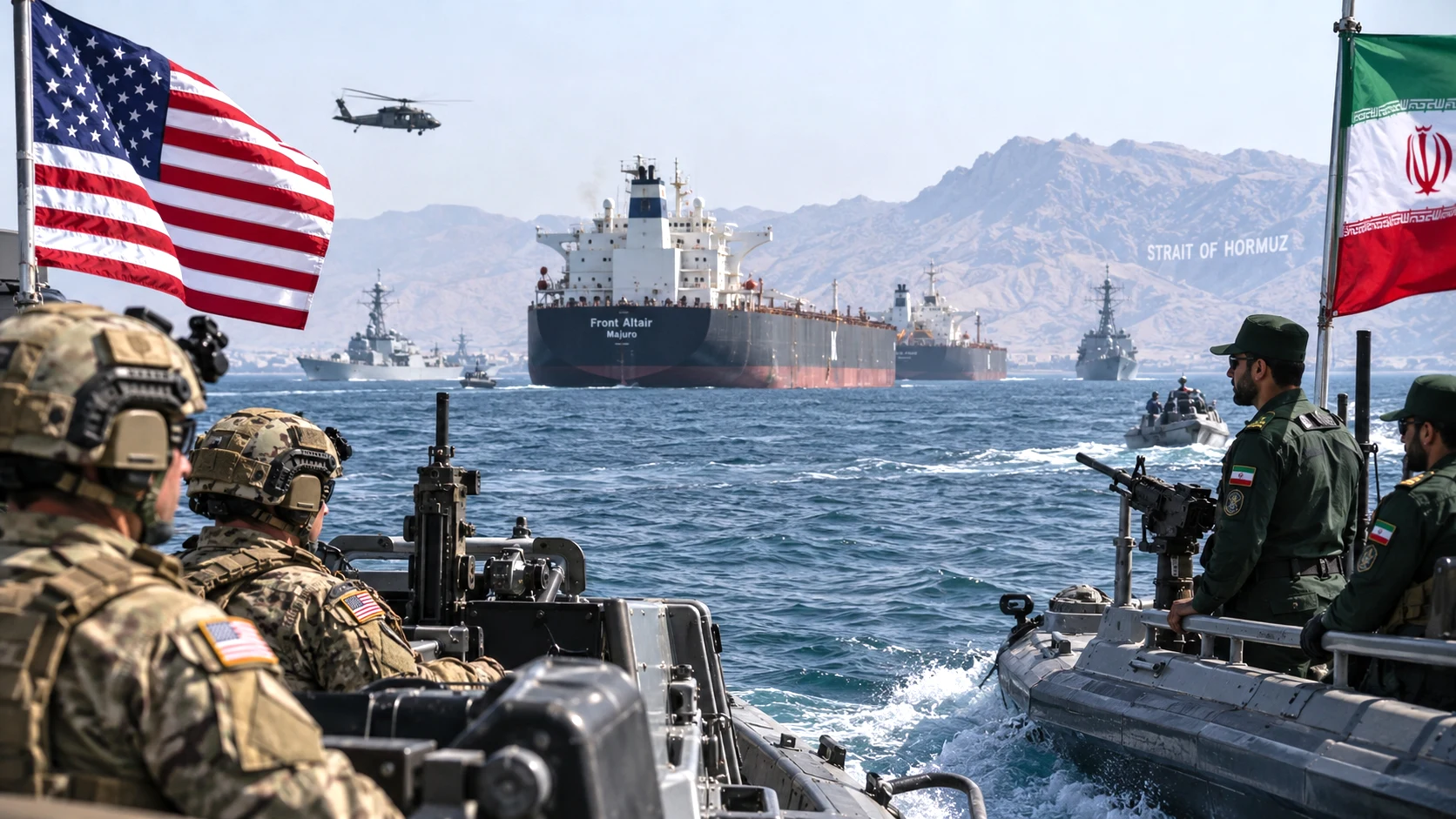
The US-Iran conflict has entered another dangerous phase as strikes on tankers, missile attacks and renewed disruption in the Strait of Hormuz threaten global energy supplies.
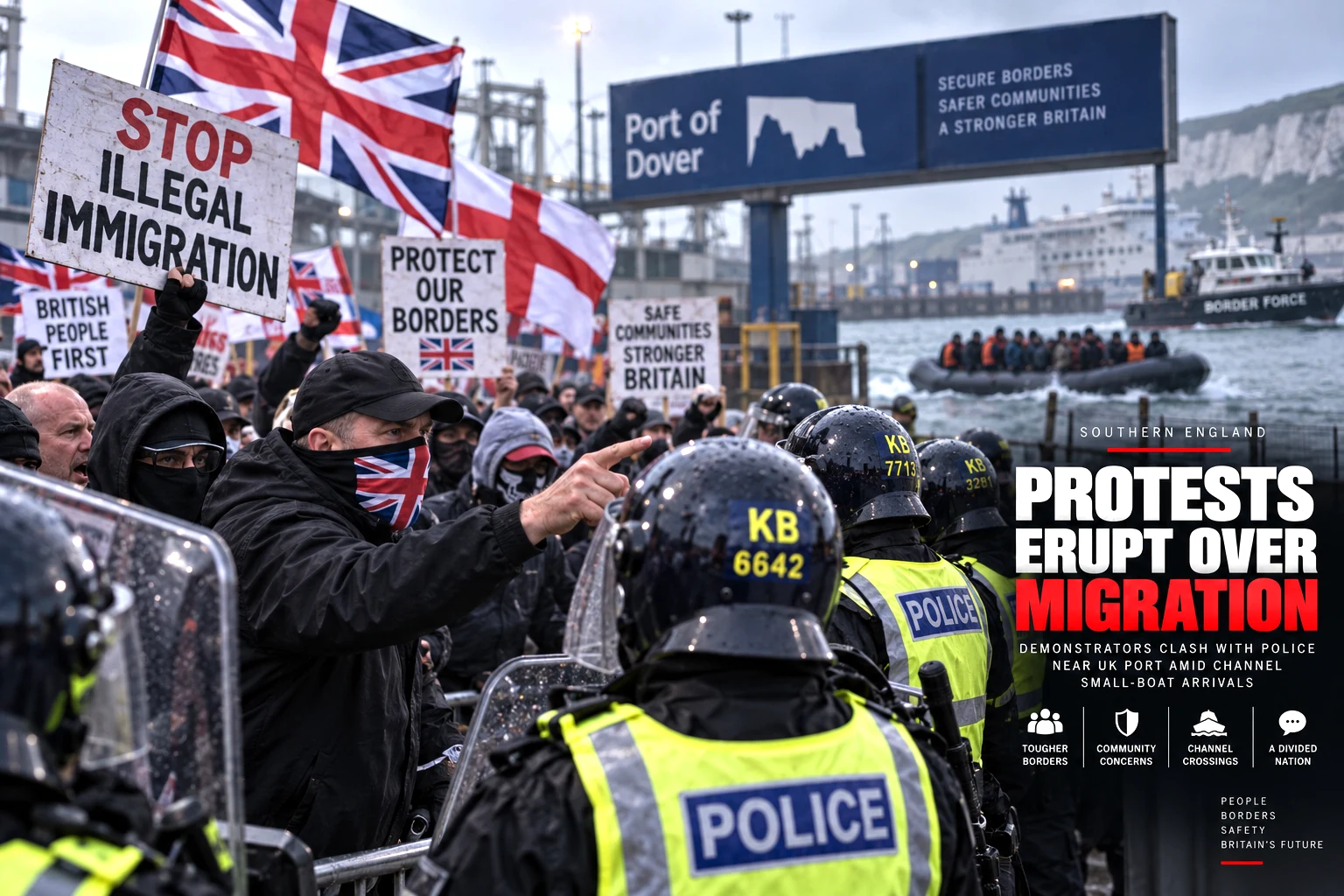
Anti-migration protests at Dover and Portsmouth have intensified Britain’s border debate after masked demonstrators blocked roads and clashed with police.
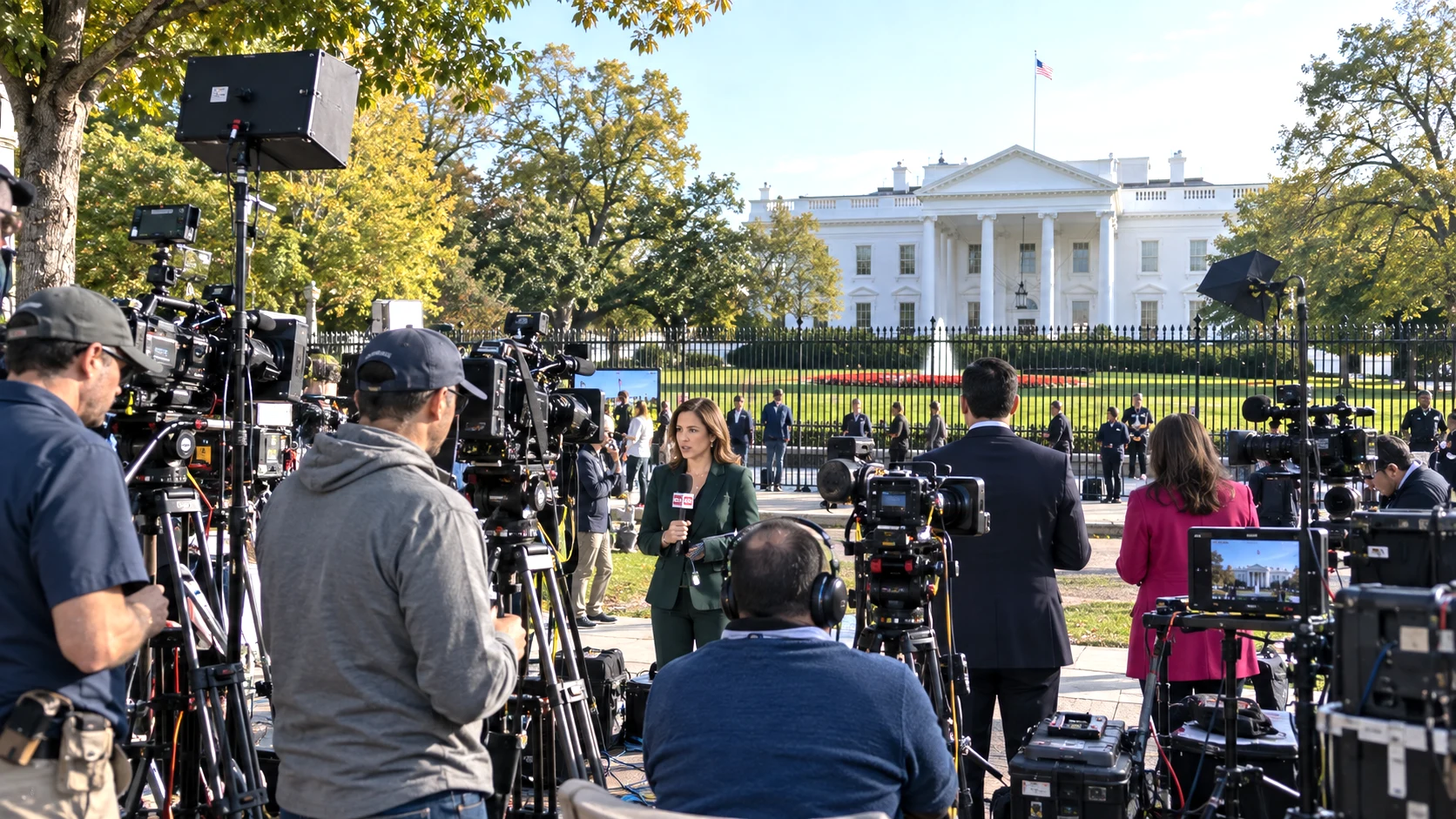
Major US television networks have suspended shared pool coverage of President Donald Trump after CNN was blocked from its scheduled duties, while CNN, MS NOW and Politico have sued over their White House access ban.
The US says it destroyed five Iranian oil tankers before Iran fired missiles toward a US-used base in Jordan and claimed attacks on ships near the Strait of Hormuz.
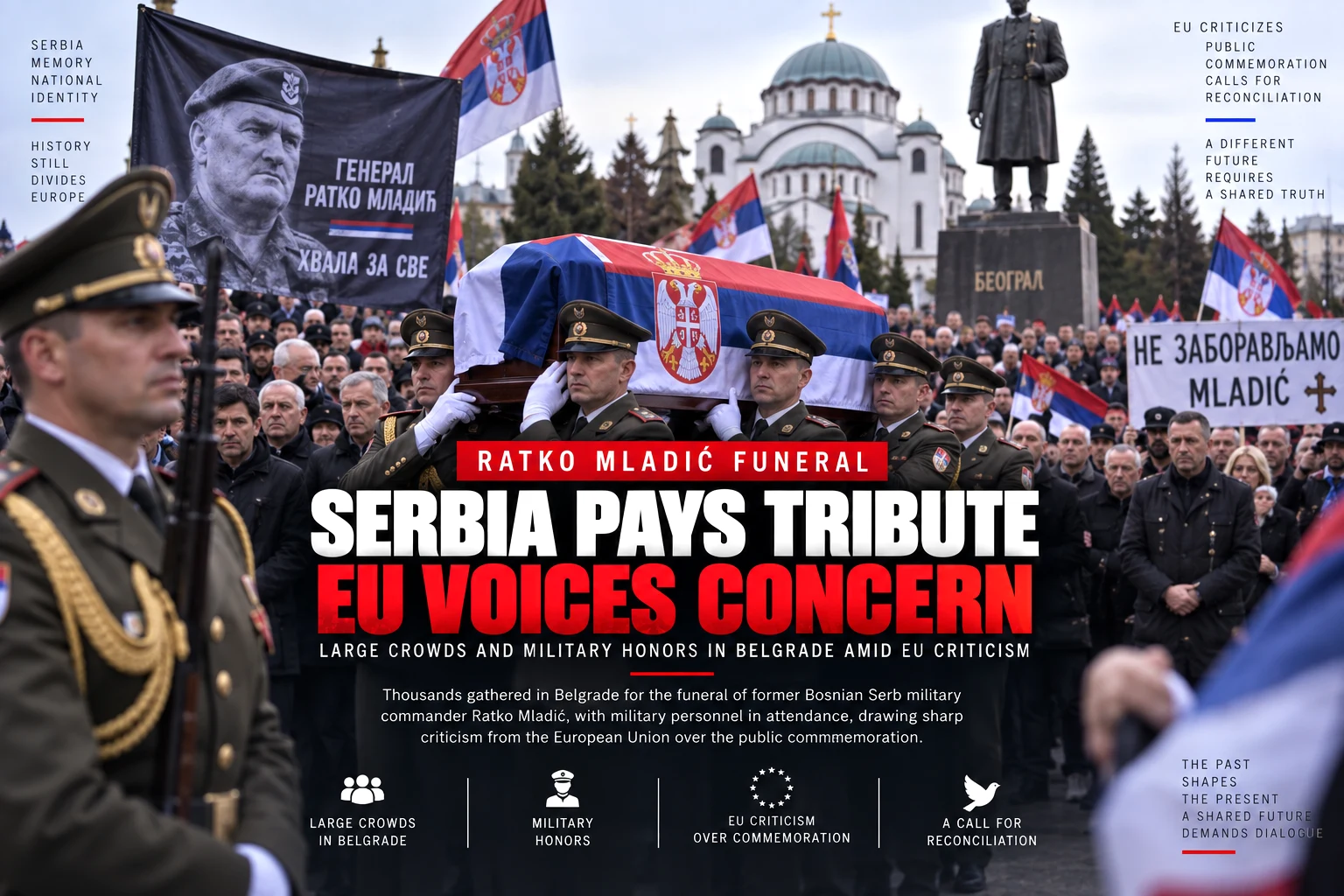
Thousands attended Ratko Mladić’s funeral in Belgrade despite EU warnings against glorifying convicted war criminals, renewing tensions over Serbia’s wartime legacy.
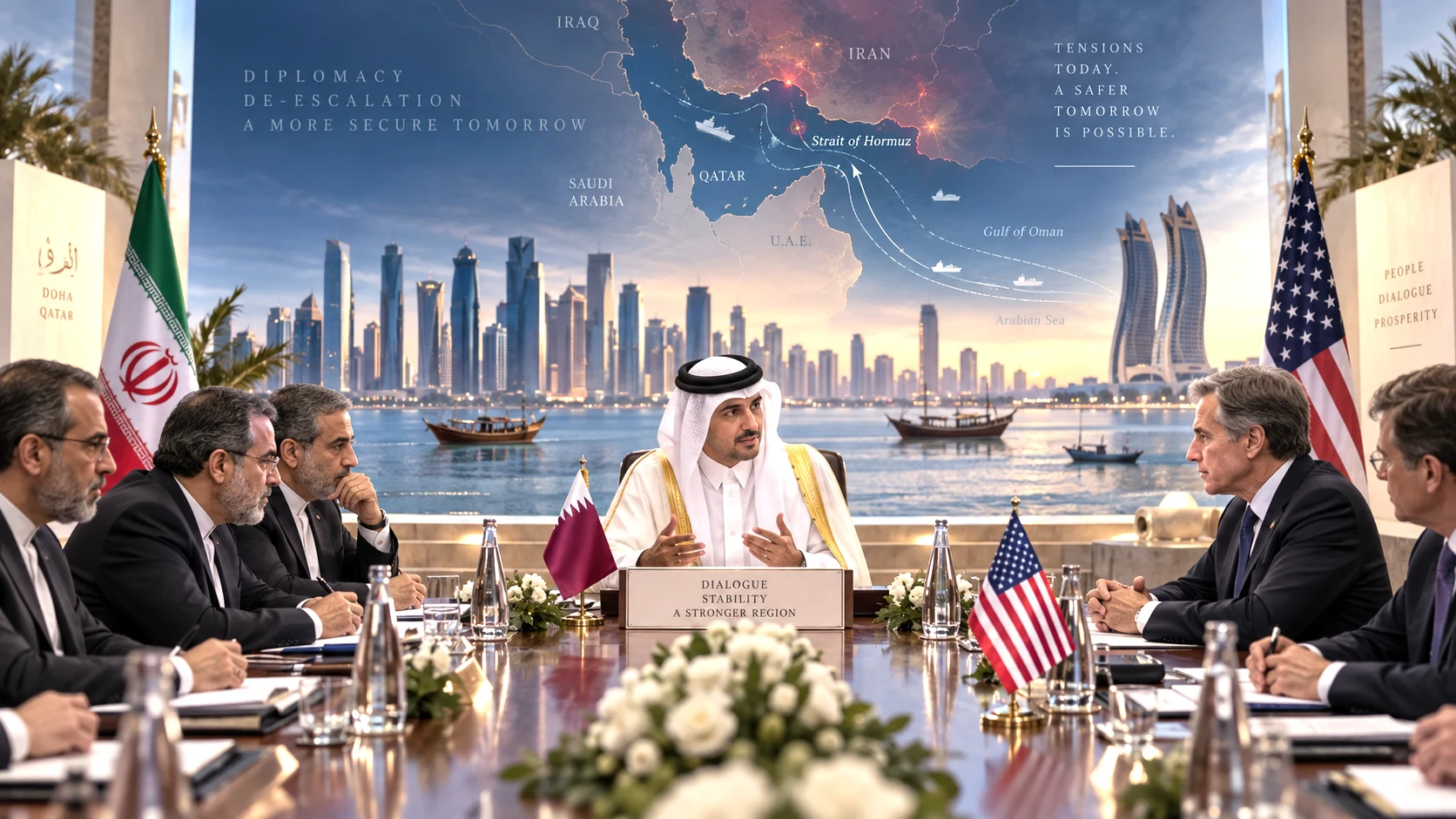
Qatar has launched an intensified diplomatic push to revive negotiations between Iran and the United States, shuttling proposals between Tehran and Washington as both sides combine threats of further military action with signals that a negotiated settlement remains possible. Iran has conveyed condit





0 Comments