Ukraine Peace Talks Resume as Witkoff and Kushner Meet Putin and Zelenskyy Before New Kyiv Strikes
U.S. envoys Steve Witkoff and Jared Kushner have met Vladimir Putin and Volodymyr Zelenskyy in a renewed push for Ukraine peace talks, but major differences remain as Russia resumes ballistic missile attacks on Kyiv.
A renewed American effort to end the Russia-Ukraine war has brought U.S. envoys Steve Witkoff and Jared Kushner face-to-face with both Russian President Vladimir Putin and Ukrainian President Volodymyr Zelenskyy, reviving diplomatic talks that had largely stalled for months.
Witkoff and Kushner met Putin in Moscow on Saturday, 5 September 2026, for more than three hours of discussions before travelling to Kyiv for talks with Zelenskyy the following day.
The diplomatic effort produced what the participants described as constructive or substantive discussions — but no breakthrough, ceasefire or peace settlement was announced.
The central disagreements that have blocked previous negotiations remain unresolved, particularly over territory, Ukraine’s future security arrangements and Russia’s demands.
Recommended Reading
Related Stories & In-Depth Guides
Curated editorial perspectives matching this topic.
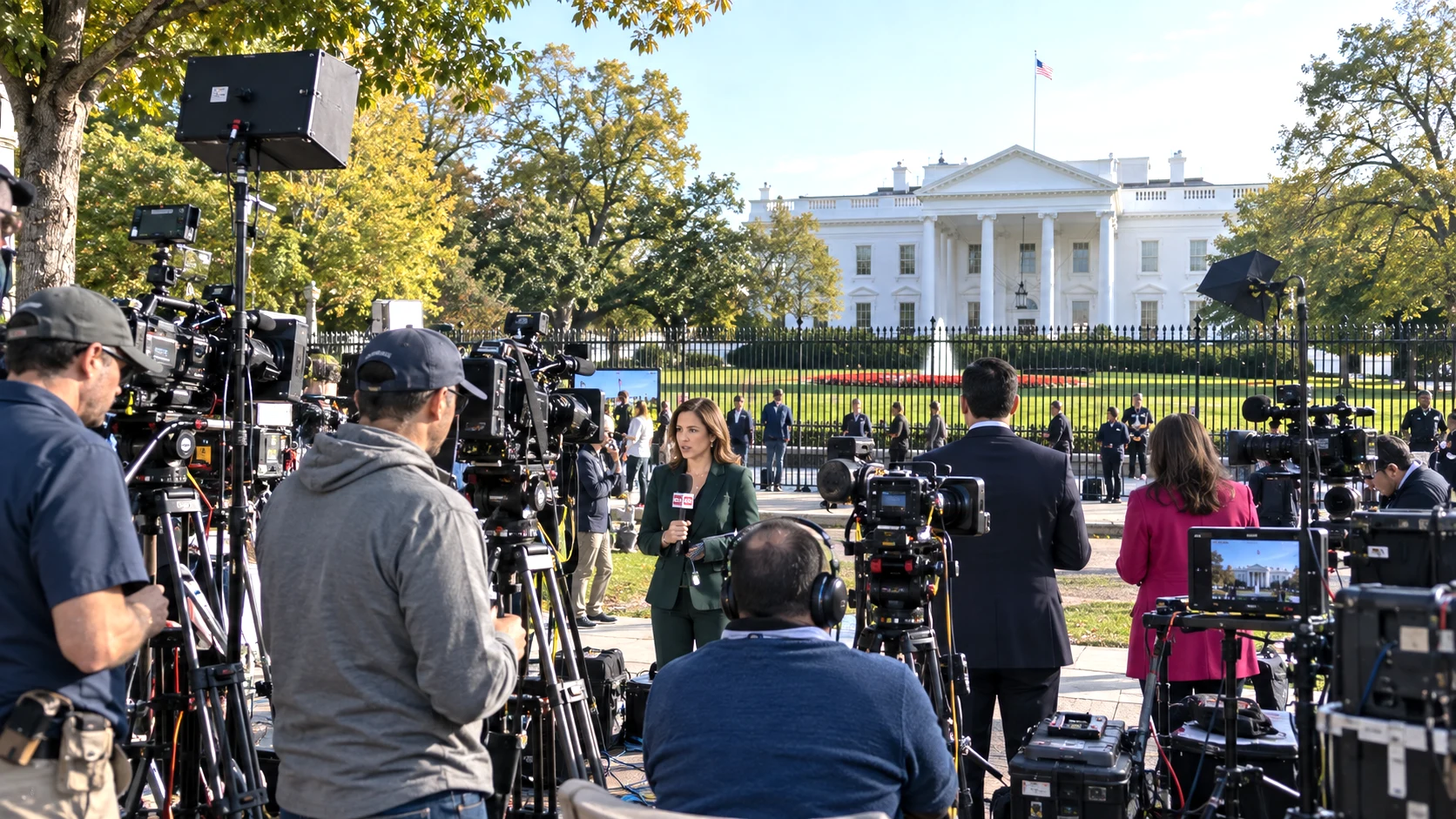
Major US television networks have suspended shared pool coverage of President Donald Trump after CNN was blocked from its scheduled duties, while CNN, MS NOW and Politico have sued over their White House access ban.
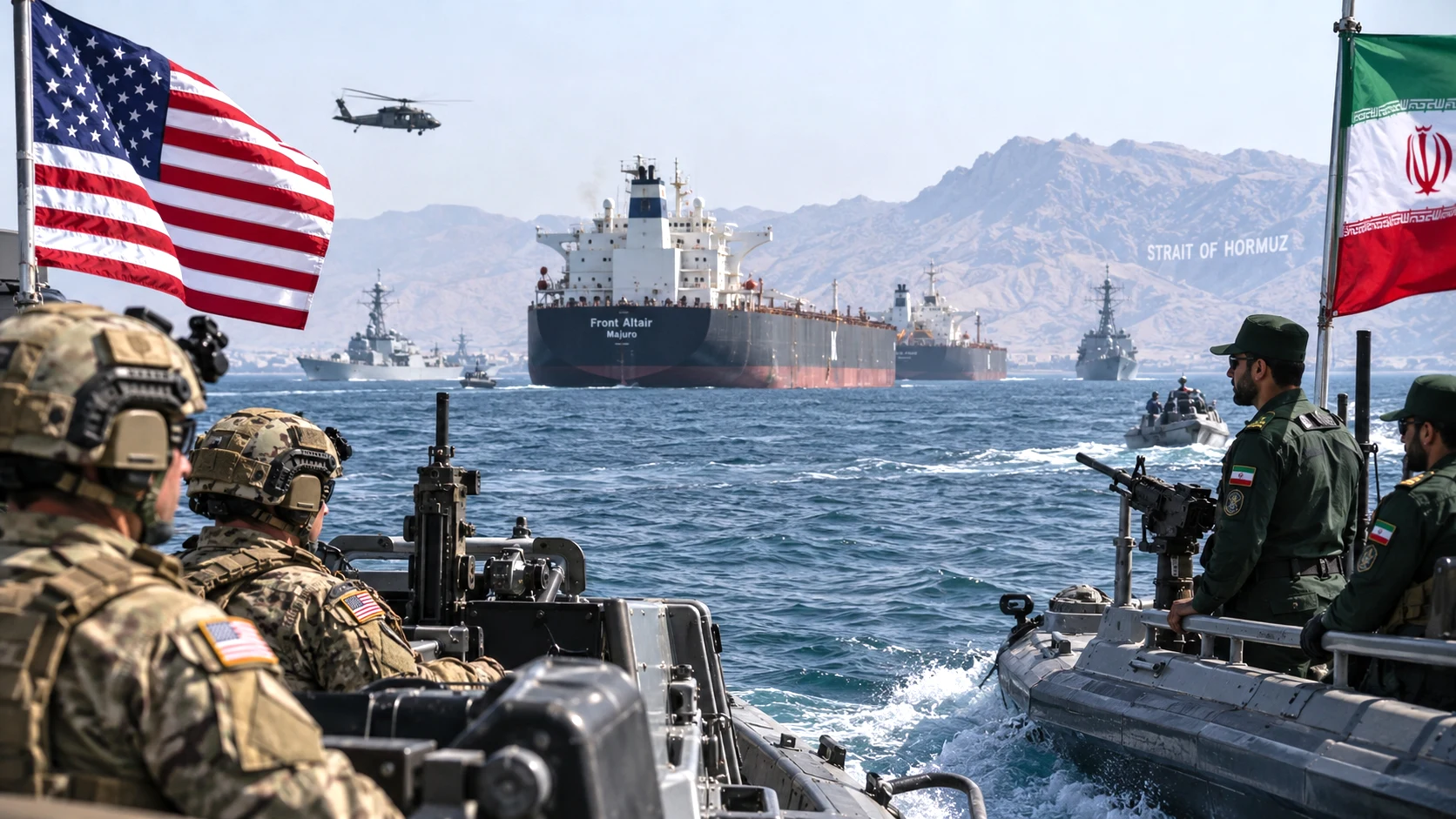
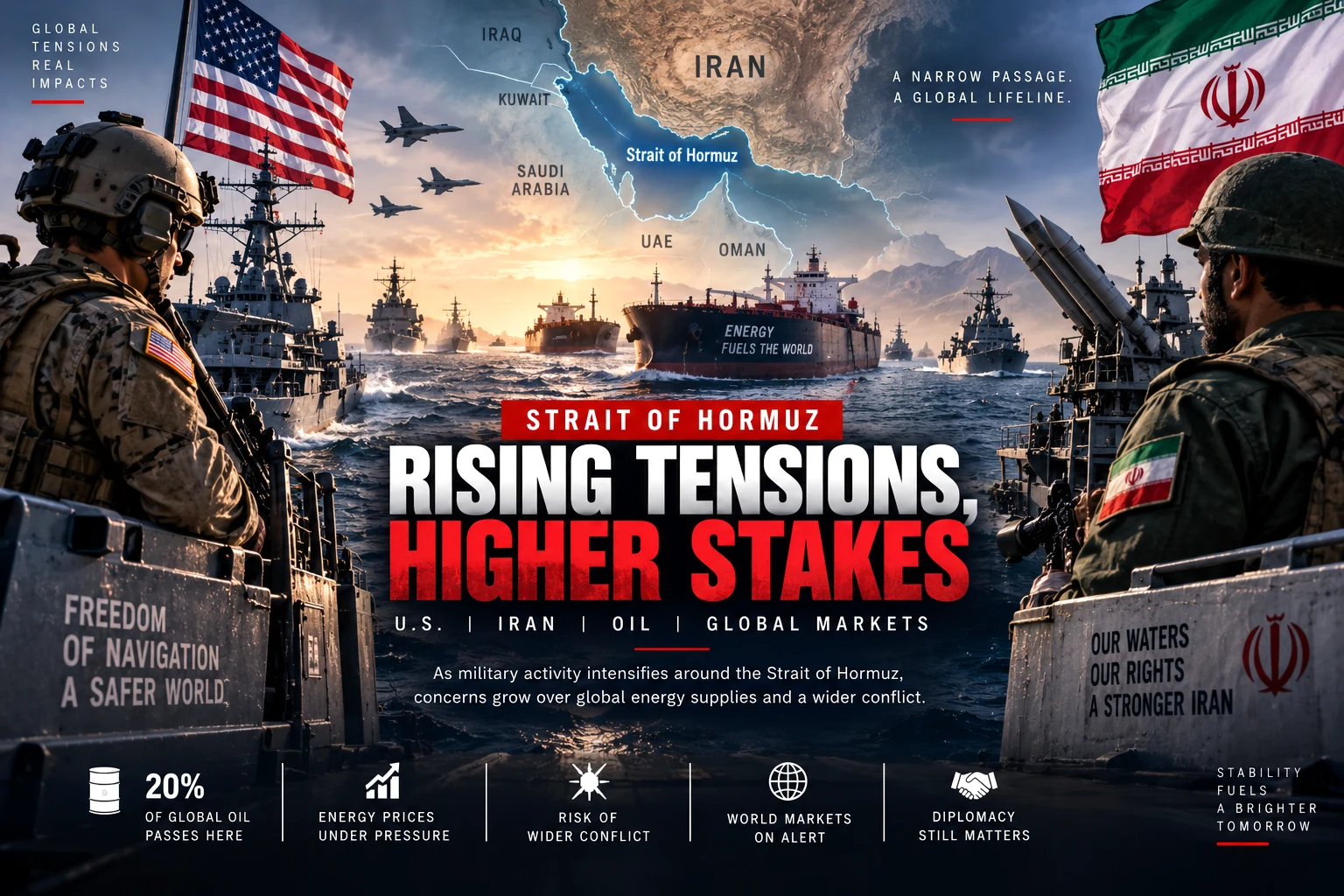
The US says it destroyed five Iranian oil tankers before Iran fired missiles toward a US-used base in Jordan and claimed attacks on ships near the Strait of Hormuz.
Then, only hours after the American negotiators left Kyiv, war returned directly to the Ukrainian capital.
Russia launched ballistic missile attacks on Kyiv early on Tuesday, 8 September, injuring at least six people and damaging residential buildings, according to Ukrainian authorities.
The sequence highlights the central contradiction surrounding the latest U.S. initiative: diplomatic channels have reopened, but the military conflict continues.
Table of Contents
What happened in the latest Ukraine peace talks?
Witkoff and Kushner meet Putin in Moscow
What came out of the Putin meeting?
US envoys travel from Moscow to Kyiv
Zelenskyy holds several rounds of talks
What Ukraine wants from the negotiations
Territory remains the biggest obstacle
Security guarantees remain central
Ukraine seeks a winter defence package
The US wants to revive trilateral negotiations
Europe returns to the negotiating process
No peace breakthrough yet
Russia resumes ballistic missile strikes on Kyiv
What happened in the September 8 attack?
Poland activates military aircraft
Ukraine continues strikes inside Russia
Why the peace negotiations are so difficult
What happens next?
Key takeaway
Witkoff and Kushner Meet Putin in Moscow
The latest diplomatic initiative began in Moscow.
U.S. presidential envoys Steve Witkoff and Jared Kushner met Vladimir Putin at the Kremlin on Saturday.
The talks lasted for more than three hours behind closed doors.
Putin’s foreign-policy adviser Yuri Ushakov described the meeting as constructive, frank and useful.
The White House similarly indicated that the discussions addressed possible next steps towards ending the war.
But neither side announced an agreement.
The Kremlin also did not indicate that Putin had abandoned the core conditions Russia has repeatedly attached to a settlement.
That is an important distinction.
A meeting taking place is evidence of renewed diplomacy.
It is not evidence that Russia and Ukraine are close to a peace agreement.
Why the Moscow Meeting Was Important
Witkoff has travelled to Moscow repeatedly as part of President Donald Trump’s attempts to negotiate an end to the war.
The September visit was his eighth trip to the Russian capital in that role, according to AP reporting.
Kushner has also become an important member of Trump’s diplomatic team.
The pair’s latest visit came after the U.S.-led negotiating process had lost momentum during the preceding months.
Washington’s attention had increasingly shifted towards other international crises, particularly the conflict involving Iran.
Trump subsequently renewed the Ukraine diplomatic push and dispatched Witkoff and Kushner to speak directly with Putin.
The significance of the latest mission was that the two envoys did not stop in Moscow.
They travelled directly to Ukraine afterwards.
US Envoys Travel to Kyiv
Witkoff and Kushner arrived in Kyiv on Sunday for their first official visit to Ukraine in these roles.
That was politically significant.
Much of the earlier American negotiating effort had involved meetings with Russian officials in Moscow and contacts with Ukraine through other channels.
This time, the same American representatives carried ideas discussed with Putin directly to Zelenskyy.
The Ukrainian president described the resumption of negotiations positively.
Zelenskyy said restarting the negotiating process was important even if Ukraine might prefer particular formats for the talks.
Ukraine’s presidential office said all possibilities for restarting negotiations were discussed following the American delegation’s talks with Putin.
Zelenskyy Holds Several Rounds of Talks
The Kyiv discussions were extensive.
Zelenskyy held several rounds of meetings with Witkoff and Kushner.
The talks began in a bilateral format involving the Ukrainian and American sides.
A subsequent session included national security representatives from France, Germany and the United Kingdom.
That European involvement is important.
Any long-term settlement is likely to have consequences for European defence, sanctions, Ukraine’s reconstruction and the continent’s relationship with Russia.
Kyiv has also consistently argued that European governments must be involved in decisions affecting Ukraine’s future security.
What Did Witkoff and Kushner Bring From Moscow?
The exact proposals remain largely confidential.
Witkoff said the Moscow meeting had generated new ideas, which the American delegation subsequently discussed in Kyiv.
Kushner described Washington’s objective as building a framework capable of producing a durable peace.
He said the American side was not simply trying to persuade Ukraine to accept Russia’s position or Russia to accept Ukraine’s.
Instead, Washington is attempting to identify a framework under which both sides might see advantages in ending the war.
That sounds straightforward in principle.
In practice, the negotiating positions remain extremely far apart.
Territory Remains One of the Biggest Obstacles
The territorial question remains among the most difficult issues.
Russia occupies substantial areas of internationally recognised Ukrainian territory.
Moscow claims Ukrainian regions that it does not fully control.
Russia has repeatedly demanded that Ukraine accept major territorial concessions as part of a settlement.
Ukraine rejects the idea that Russia should simply be awarded territory it has failed to capture militarily.
Zelenskyy acknowledged after Sunday’s talks that the territorial question remains unresolved.
He argued that issues of this magnitude can ultimately be settled only at the level of national leaders.
This makes a possible future Putin–Zelenskyy meeting particularly important.
But no such summit has yet been announced.
Security Guarantees Are Equally Important
For Ukraine, stopping the current fighting is only one part of the problem.
Kyiv also wants to know what would prevent another Russian attack after a ceasefire or peace agreement.
That is why security guarantees remain central to negotiations.
Zelenskyy said the future strength of Ukraine’s military must itself be one of the country’s main security guarantees.
Ukraine also wants continuing support from Western partners.
Those questions involve difficult issues, including military assistance, air defence, Ukraine’s relationship with European states and the country’s long-term geopolitical position.
Without credible security arrangements, Kyiv fears a ceasefire could simply provide Russia with time to rebuild its forces.
Moscow, meanwhile, has long opposed Ukraine’s integration into NATO and objects to aspects of Western military involvement in the country.
Ukraine Asks for a Winter Defence Package
The immediate concern is not only a future peace settlement.
Ukraine is also preparing for another difficult winter.
Zelenskyy said the talks covered a winter support package focused on air defence and energy infrastructure.
Ukraine wants additional Patriot air-defence systems and interceptor missiles.
That need has become increasingly urgent because Russia has intensified the use of missiles and drones against Ukrainian cities and infrastructure.
Ukraine’s energy system is particularly vulnerable during winter.
Damage to power-generation and distribution infrastructure can leave civilians without electricity and heating during extremely cold weather.
Kyiv therefore wants any diplomatic process to run alongside continued defensive support.
The US Wants to Revive Trilateral Negotiations
One of the clearest American objectives is to restore direct negotiations involving all three sides.
Kushner said the U.S. delegation had discussed the possibility of a trilateral meeting involving Russia, Ukraine and the United States.
Direct Russia–Ukraine negotiations have repeatedly stalled.
Washington believes bringing both sides into a structured negotiating process could help identify areas where compromise is possible.
The Kremlin has indicated that it does not rule out a return to three-way negotiations.
But willingness to discuss talks should not be confused with willingness to compromise on the core issues.
No date or location for a new trilateral negotiation has been announced.
Europe Is Back at the Table
Another noteworthy element of the Kyiv meetings was European participation.
National security advisers representing Britain, France and Germany joined part of the discussions.
That helps address a longstanding Ukrainian concern that decisions affecting European security should not be negotiated exclusively between Washington and Moscow.
European countries have provided Ukraine with significant military, financial and humanitarian assistance since Russia’s full-scale invasion began in February 2022.
They would also play a major role in financing Ukraine’s reconstruction.
Any durable settlement would therefore almost certainly require substantial European involvement.
Reconstruction Is Already Part of the Discussion
The negotiations are not limited to where troops would stop fighting.
Zelenskyy said the parties also discussed a prosperity plan and economic guarantees for Ukraine.
Rebuilding the country after more than four years of full-scale war will require enormous resources.
Cities, homes, roads, energy infrastructure and industrial facilities have been damaged or destroyed.
Millions of Ukrainians have also been displaced.
The economic structure of a future peace agreement could therefore become almost as important as its military provisions.
Kushner’s comments suggest Washington is exploring whether economic incentives could become part of a broader settlement package.
No Breakthrough Was Achieved
Despite the renewed diplomatic activity, expectations need to remain realistic.
AP reported that the Kyiv discussions were described as encouraging but produced no breakthrough.
The Moscow meeting similarly ended without a major agreement.
French newspaper Le Monde reported that the central positions remain far apart, particularly regarding territory in eastern Ukraine.
That makes the current situation best described as a restart of negotiations, rather than the beginning of an agreed peace process.
The diplomatic channel is active again.
The fundamental disagreements remain.
Temporary Restraint Around the Capitals
There was one unusual sign of limited coordination during the diplomatic mission.
Russia and Ukraine agreed to temporarily avoid strikes on each other’s capitals while the negotiations were taking place.
That gave Kyiv a short period of relative relief.
Fighting and attacks elsewhere continued.
The pause, therefore, was not a general ceasefire.
It was a limited arrangement connected to the diplomatic visit.
And it did not last long.
Russia Launches Ballistic Missiles at Kyiv
Early on Tuesday, 8 September, Russia resumed attacks on the Ukrainian capital.
The timing was notable.
Witkoff and Kushner had already departed Kyiv after their meetings with Zelenskyy.
Kyiv Mayor Vitali Klitschko said Russia attacked the city with ballistic missiles.
At least six people were injured in the initial reporting.
Fires broke out in parts of the capital.
The attack demonstrated how quickly the temporary restraint surrounding the diplomatic visit had ended.
Residential Buildings Damaged
Kyiv’s military administration reported damage to residential structures from falling debris.
A five-storey apartment building and a three-storey residential building were among the structures damaged.
People were also reported trapped in one residential building during the initial emergency response.
Authorities urged residents to remain in shelters as the missile threat continued.
The full extent of the damage could change as emergency services complete their assessments.
For publication, casualty figures should therefore be updated if Ukrainian authorities issue revised numbers.
Poland Activates Military Aviation
The attack also triggered a response beyond Ukraine.
As explosions were reported in Kyiv, neighbouring Poland activated military aviation operations to protect its airspace against the possibility of a violation.
Poland is both a NATO and European Union member.
Russian missile and drone attacks close to NATO territory have repeatedly prompted Polish forces to increase readiness.
Activation of Polish aircraft does not mean Russia attacked Poland.
It is a precautionary defensive measure when major Russian strikes create a potential risk to nearby NATO airspace.
That distinction is important.
Ukraine Is Also Attacking Targets Inside Russia
The military exchange is not one-sided.
Ukraine has increasingly conducted long-range drone attacks against targets inside Russia.
On Tuesday, Ukrainian drones struck the Russian city of Saratov, according to regional Russian authorities.
The regional governor said civilian infrastructure was damaged and people were injured.
Saratov is home to a major oil refinery operated by Russian state oil company Rosneft, as well as other industrial and military facilities.
Ukraine has increasingly targeted Russian oil refineries and logistics infrastructure in an attempt to reduce Moscow’s ability to finance and sustain its war effort.
As with Russian attacks on Ukraine, claims about damage inside Russia should be attributed to the relevant authorities until independently verified.
Why Are the Negotiations So Difficult?
The central difficulty is that Russia and Ukraine still disagree over fundamental questions.
Russia wants territorial and geopolitical concessions.
Ukraine argues that accepting Russian territorial demands could reward military aggression and create conditions for another war.
Ukraine wants credible security guarantees.
Russia opposes arrangements it views as expanding Western military influence towards its borders.
Moscow wants sanctions relief and potentially renewed economic relations.
Ukraine and European governments want guarantees that Russia will comply with any agreement.
Each side also believes it retains some ability to improve its negotiating position through continued military pressure.
That reduces the incentive to compromise.
Trump’s Administration Wants a Diplomatic Outcome
Witkoff explicitly said Washington is pursuing a diplomatic rather than military resolution to the conflict.
President Donald Trump has repeatedly presented ending the Russia-Ukraine war as a major foreign policy objective.
His administration’s earlier efforts produced contacts with both sides but failed to create a durable ceasefire.
The latest mission therefore represents an attempt to revive a process that had lost momentum.
Kushner acknowledged the difficulty.
He said the United States was trying to create conditions under which a deal could eventually become possible.
That is much more cautious than saying a peace agreement is imminent.
Could Putin and Zelenskyy Eventually Meet?
Zelenskyy’s comments about territorial issues requiring decisions at the leadership level raise the possibility of an eventual presidential meeting.
Such a summit would be politically significant.
But holding a meeting without sufficient groundwork could produce little result.
The U.S. appears to be attempting to create that groundwork through shuttle diplomacy.
Witkoff and Kushner’s Moscow-to-Kyiv trip is a classic example: speak with one side, carry ideas to the other, identify objections and search for areas of overlap.
Whether that process can bridge the enormous gap between Putin and Zelenskyy remains uncertain.
What Happens Next?
Several developments will show whether the latest initiative has real momentum.
First, the U.S., Ukraine and European partners are expected to continue discussions.
Zelenskyy’s office says a follow-up meeting involving Ukraine, the United States and Europe is planned, although no location has yet been announced.
Second, Washington wants to explore renewed trilateral negotiations involving Russia.
Third, Ukraine is seeking immediate air defence and energy assistance ahead of winter.
Fourth, military developments will continue influencing diplomacy.
If Russia intensifies attacks on Ukrainian cities — or Ukraine expands long-range attacks inside Russia — the political environment for compromise could become even more difficult.
Key Takeaway
The latest Ukraine peace talks are real and significant, but they have not produced a peace agreement.
Steve Witkoff and Jared Kushner met Vladimir Putin in Moscow on 5 September and then Volodymyr Zelenskyy in Kyiv on 6 September, carrying new American proposals between the two capitals.
The U.S. is attempting to restart negotiations and potentially revive a trilateral format involving Washington, Moscow and Kyiv.
Ukraine says it is open to renewed diplomacy but continues to demand strong security guarantees, additional air defence and a settlement that addresses its territorial concerns.
Russia has not abandoned the major demands that have repeatedly blocked an agreement.
And the military reality remains severe.
On 8 September, shortly after the American envoys left Kyiv, Russia resumed ballistic missile attacks on the Ukrainian capital, injuring at least six people and damaging residential buildings.
The sequence captures the current state of the war:
Diplomacy has restarted, but peace remains distant — and the fighting has not stopped.
Editorial Update Note: This is an active war and developing diplomatic process. Military casualty figures, damage assessments and negotiating positions may change. Claims from either Russia or Ukraine about battlefield events should remain clearly attributed unless independently verified.
The Rajatheertha Team publishes news, explainers, guides and updates across India and the world. Our coverage follows Rajatheertha's editorial, verification and corrections standards.
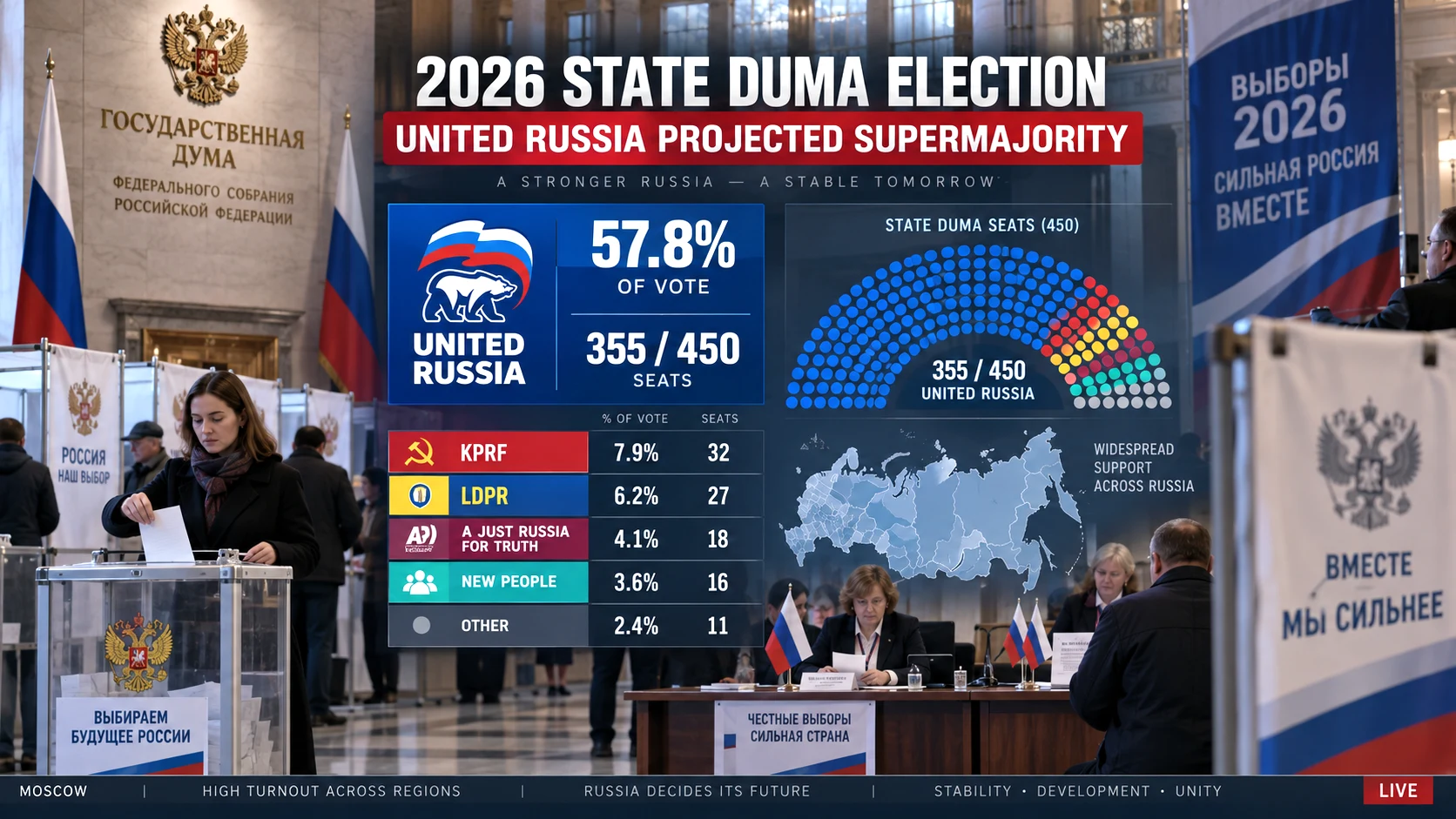
Russia’s ruling United Russia party has secured a decisive victory in the country’s 2026 parliamentary election, according to near-complete official results, putting the Kremlin-aligned party on course for a record 355 seats in the 450-member State Duma. The vote was Russia’s first parliamentary ele
The 2026 US midterms have entered a crucial phase as voting begins and Trump’s administration asks the Supreme Court to allow new restrictions affecting mail ballots.
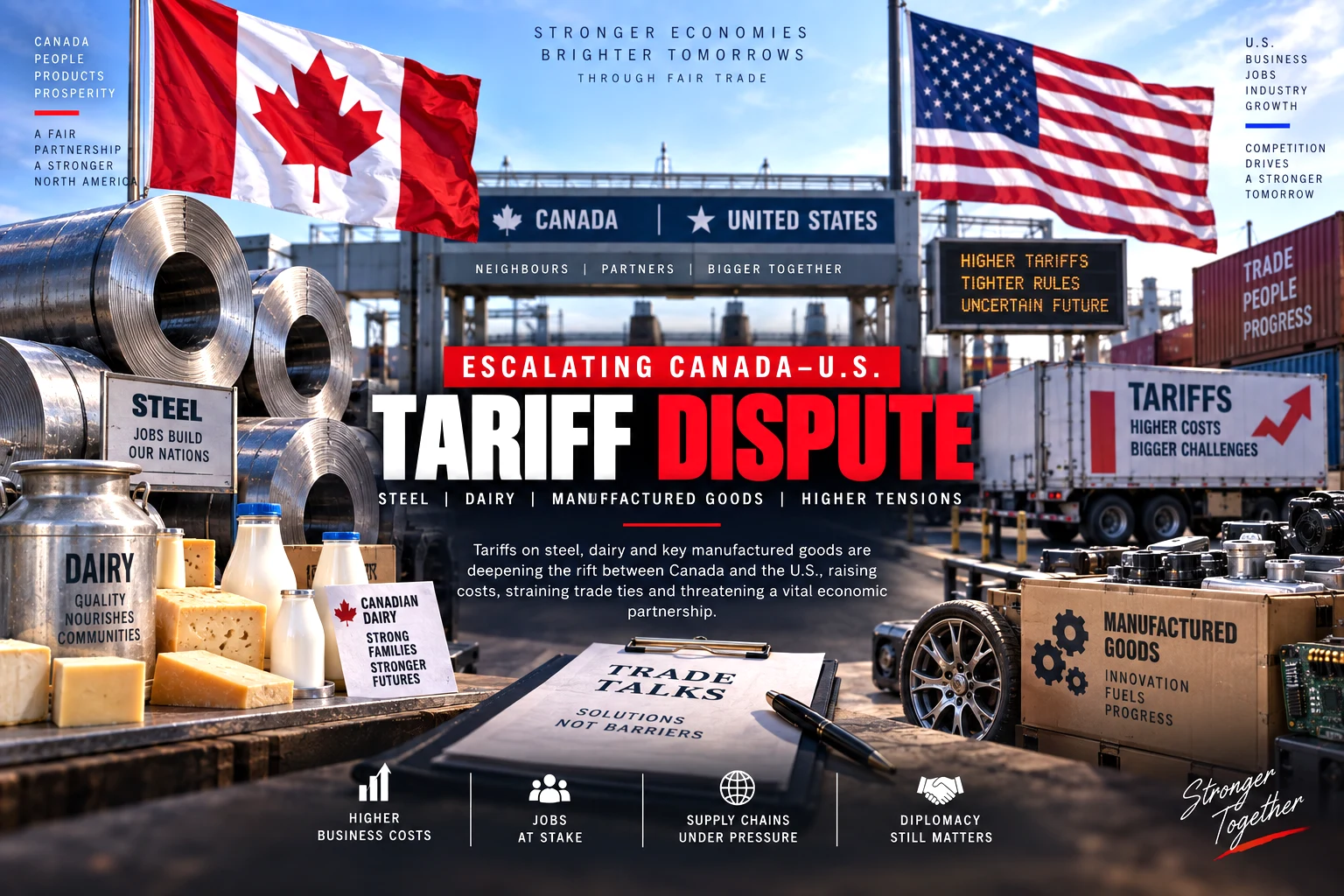
Canada has imposed new retaliatory tariffs of up to 50% on U.S. goods after trade negotiations with the Trump administration collapsed, escalating the Canada-US trade war.
The EU has announced a €200 million Greenland partnership covering minerals, energy and connectivity as Trump’s push for US control keeps Arctic sovereignty in focus.
Israeli strikes in southern Lebanon have killed 12 people in Kfar Rumman, including children, women and a medic, as tensions with Hezbollah rise despite a June ceasefire.
The US-Iran conflict has entered another dangerous phase as strikes on tankers, missile attacks and renewed disruption in the Strait of Hormuz threaten global energy supplies.







0 Comments