UK Anti-Migration Port Protests Escalate as Masked Demonstrators Clash With Police
Anti-migration protests at Dover and Portsmouth have intensified Britain’s border debate after masked demonstrators blocked roads and clashed with police.
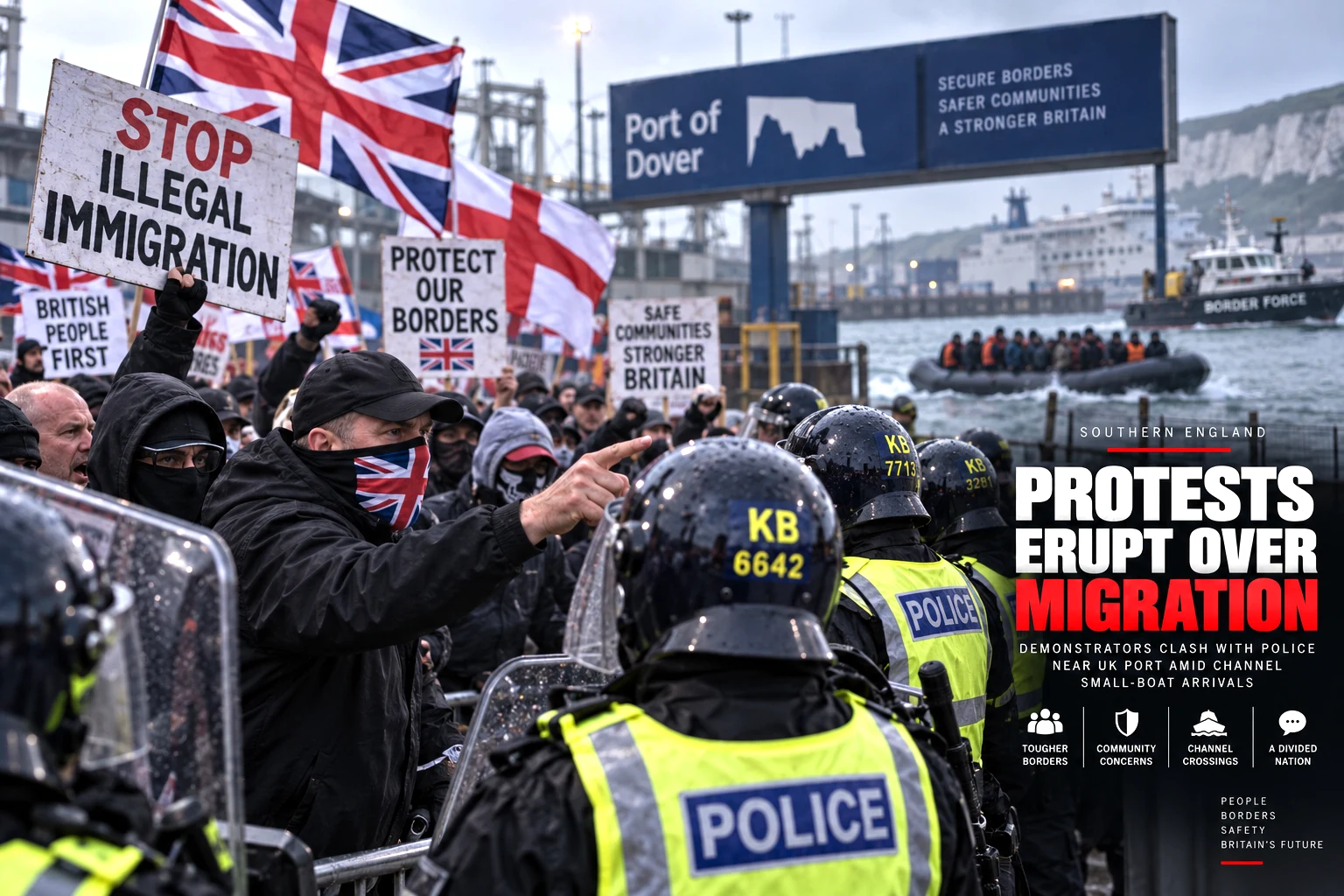
Britain’s politically charged debate over migration has moved from Parliament and election campaigns to the country’s ports, after hundreds of masked anti-migration demonstrators disrupted access to Dover and Portsmouth during a tense weekend of protests.
The first major demonstration occurred at the Port of Dover on Saturday, 5 September 2026, when around 150 people descended on roads around Britain’s busiest ferry port.
Recommended Reading
Related Stories & In-Depth Guides
Curated editorial perspectives matching this topic.
Major US television networks have suspended shared pool coverage of President Donald Trump after CNN was blocked from its scheduled duties, while CNN, MS NOW and Politico have sued over their White House access ban.
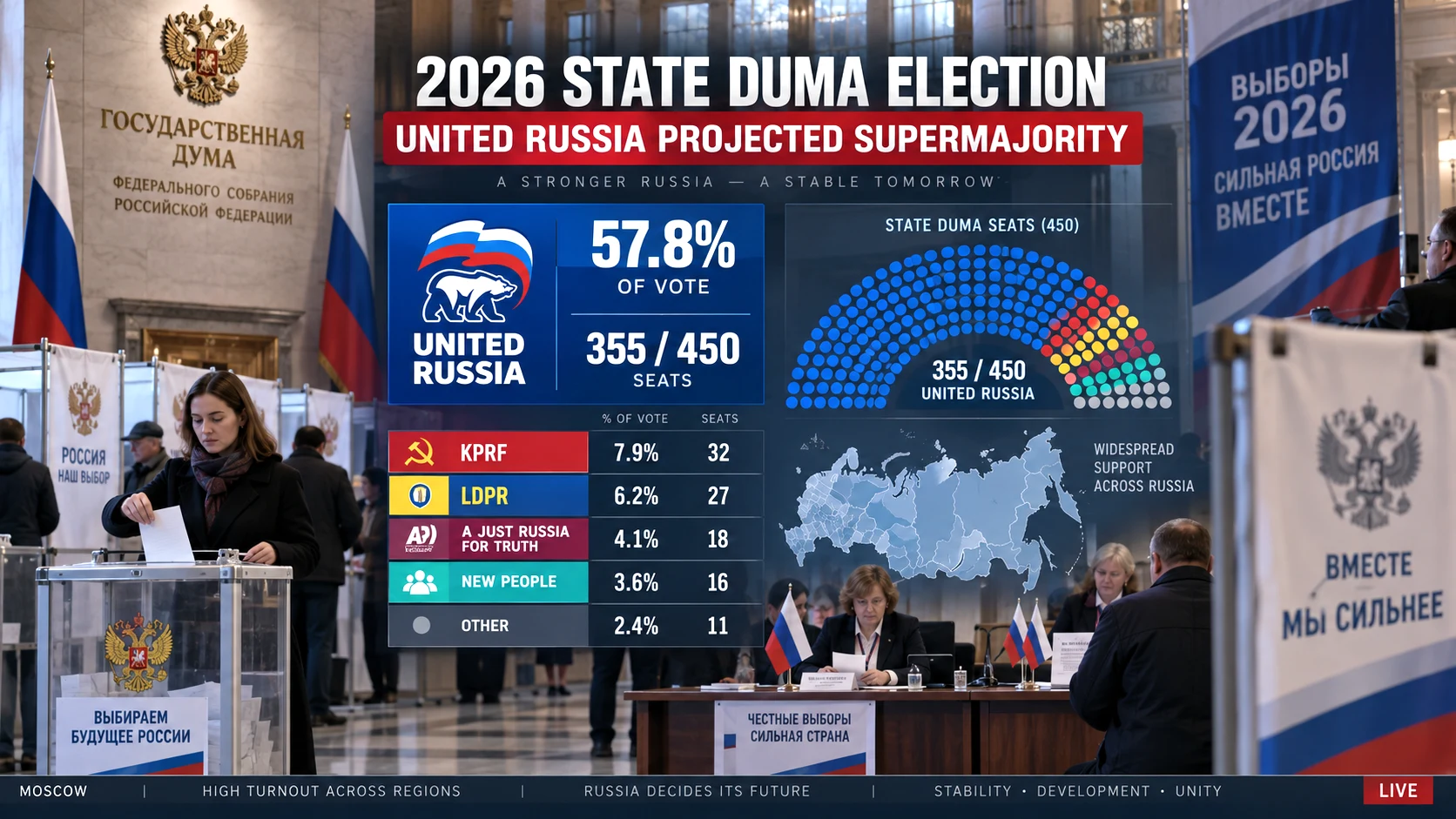
Russia’s ruling United Russia party has secured a decisive victory in the country’s 2026 parliamentary election, according to near-complete official results, putting the Kremlin-aligned party on course for a record 355 seats in the 450-member State Duma. The vote was Russia’s first parliamentary ele
Many were dressed in black and wore face coverings.
The protesters blocked access roads, disrupted traffic and chanted slogans including “Stop the boats.”
Less than 48 hours later, a larger confrontation developed in Portsmouth after a boat carrying approximately 120 people reached British waters following an unusually long Channel crossing from Normandy.
More than 200 protesters gathered around the harbour and attempted to prevent coaches carrying the arrivals from leaving for an asylum-processing facility.
Police issued a dispersal notice.
As tensions increased, officers used batons and PAVA spray to maintain order.
A small number of police officers were injured, and official vehicles were damaged, according to police and government statements.
No arrests were made during the demonstrations themselves, but police subsequently opened investigations to identify people suspected of assaults, criminal damage and other offences.
The British government condemned what it called the “intimidating and thuggish behaviour” of some protesters while simultaneously acknowledging public concern over irregular Channel migration.
The confrontation has opened a broader political argument over three connected issues:
How Britain should control its borders, how the government should respond to changing Channel-smuggling routes, and where legitimate political protest crosses the line into intimidation and disorder.
Table of Contents
What happened at Britain’s ports?
Masked protesters block the Port of Dover
Why Dover matters
Second protest erupts in Portsmouth
Migrant boat takes an unusually long Channel route
Protesters attempt to block migrant coaches
Police use batons and PAVA spray
Officers injured and vehicles damaged
Who organised the demonstrations?
Why the “far-right” description requires context
What the UK government says
Small-boat arrivals have fallen in 2026
Why migration remains politically explosive
Is the Channel route changing?
Britain and France increase border cooperation
The border-security debate
Peaceful protest versus public disorder
Nigel Farage responds
What happens next?
Key takeaway
Masked Protesters Block the Port of Dover
The weekend’s unrest began early on Saturday.
According to the British government’s account to Parliament, approximately 150 people arrived at the Port of Dover at around 7:30 a.m.
Many wore face coverings.
Kent Police described the gathering as a “no-notice” protest.
Road access to the port was disrupted as protesters moved through the area.
Demonstrators were filmed wearing dark clothing and balaclavas while chanting slogans, including “Stop the boats.”
Traffic was temporarily halted in both directions.
National Highways reported delays and congestion around the port.
Dover is one of Britain’s most important transport gateways, so even a relatively small demonstration can produce significant consequences for passengers, freight vehicles and local residents.
Why Dover Matters
The Port of Dover is Britain’s busiest international ferry port.
It is also geographically close to the part of the French coast from which many small boats carrying asylum seekers traditionally begin their journeys.
That has made Dover symbolic in Britain’s migration debate.
For anti-migration campaigners, “Stop the boats” has become a slogan representing demands for stronger enforcement against irregular Channel crossings.
For the government, Dover is also a major operational centre for receiving and processing people intercepted after crossing the Channel.
Blocking roads around the port therefore creates consequences extending beyond political protest.
It can disrupt commercial freight, passenger ferries and residents who depend on the same roads.
ITV reported that roads in and around the port were blocked before protesters eventually dispersed.
No arrests were made during the Dover demonstration.
By later on Saturday, the Port of Dover said access roads were again free-flowing and normal operations had resumed.
Passengers who missed ferries because of the disruption were offered alternative sailings.
The immediate incident ended without major violence.
But it was only the beginning.
Portsmouth Becomes the Next Flashpoint
On Sunday, attention shifted approximately 100 miles west to Portsmouth.
A boat carrying around 120 people reached British waters near the Isle of Wight.
The crossing itself attracted attention because it followed a substantially different route from most Channel crossings.
Instead of departing near Calais and attempting the comparatively short journey towards Kent, the vessel had travelled from the Normandy region.
The journey was approximately 80 miles, or 130 kilometres, according to Reuters.
That made it much longer and potentially more dangerous than many crossings closer to Dover.
British maritime authorities responded.
RNLI lifeboats operating under the direction of HM Coastguard helped bring the passengers towards Portsmouth.
Around 120 People Were Aboard the Boat
Early reports put the number aboard at around 140.
The British government subsequently clarified the figure.
Policing Minister Sarah Jones told Parliament that approximately 120 people were aboard.
That is the stronger figure for publication because it comes from the government’s formal parliamentary statement.
Eight boats carrying a combined 625 people reached Britain across the Channel on Sunday, according to Home Office figures reported by AP.
The Portsmouth boat was unusual not simply because of its size but because of where it arrived.
Most British facilities designed for receiving Channel arrivals are concentrated farther east.
Portsmouth Was Not Prepared for Such an Arrival
The unexpected arrival exposed another border-security challenge.
Portsmouth and surrounding areas do not have the same migrant-processing infrastructure as Dover and Kent.
Local police and political officials warned that a sustained shift towards longer western Channel routes could create logistical difficulties.
Donna Jones, the police and crime commissioner for the Hampshire area, said Portsmouth and other parts of southern England were not currently configured to handle arrivals of this type on a regular basis.
That concern is now likely to become part of the government’s discussions with France.
If smugglers increasingly launch boats from farther west along the French coast, Britain may need to adjust where it deploys coastguard, police and asylum-processing resources.
More Than 200 Protesters Gather in Portsmouth
News of the arrival spread quickly.
By approximately 8 p.m. on Sunday, more than 200 protesters had gathered around the harbour.
Many were again wearing black clothing and face coverings.
According to the government’s statement, the protesters intended to prevent three coaches from transporting the new arrivals to a processing centre.
Demonstrators blocked roads.
Some chanted “Stop the boats” and “Send them back.”
The confrontation continued for several hours.
Police brought in additional resources from neighbouring forces.
A dispersal notice was issued in an attempt to regain control.
Police Use Batons and PAVA Spray
The Portsmouth demonstration became considerably more confrontational than the earlier Dover protest.
Sarah Jones told Parliament that officers encountered aggression and were forced to use batons and PAVA spray.
PAVA is an incapacitant spray used by British police.
The purpose of the police operation was to clear the area sufficiently for the coaches carrying the arrivals to leave.
The operation continued through the night.
At around 4 a.m. on Monday, protesters began dispersing.
The coaches were eventually able to leave.
The incident therefore lasted for roughly eight hours from the arrival of the main protest group.
Police Officers Were Injured
Hampshire and Isle of Wight Constabulary said a small number of officers were injured during the disorder.
Police vehicles were also damaged.
Reporting from the scene described objects being thrown towards officers.
The force subsequently launched an investigation into possible assaults and criminal damage.
No arrests were made on the night itself.
That does not mean police concluded that no offences occurred.
Investigators are reviewing evidence to identify individuals suspected of criminal behaviour.
The government has said anyone found to have crossed the line into criminality should expect legal consequences.
Who Was Behind the Demonstrations?
The demonstrations were associated in reporting with Daniel Thomas, also known as Danny Tommo.
Thomas founded the Patriot Platform and is associated with veteran far-right activist Stephen Yaxley-Lennon, better known as Tommy Robinson.
Thomas said he had organised the demonstrations.
Reporting also indicated that calls to mobilise circulated through online messaging platforms and networks associated with far-right activism.
The same broad network appears to have been involved in both Dover and Portsmouth.
That helps explain why the protests were coordinated so quickly across two separate locations.
Should Every Protester Be Called ‘Far-Right’?
No.
This distinction is important for accurate reporting.
Several reputable outlets describe the demonstrations themselves as far-right protests because of the organisers, associated activists and networks involved.
However, not every individual participant’s political beliefs are known.
Some demonstrators also reject the “far-right” description.
Thomas himself has said the protesters represented working-class frustration over immigration and denied that masks were intended to intimidate.
A neutral description is therefore:
“Anti-migration demonstrations organised or promoted by activists associated with the far right.”
That describes the documented political connections without automatically assigning an ideological identity to every participant.
Why Were So Many Demonstrators Wearing Masks?
The appearance of the protesters became one of the most controversial elements of the demonstrations.
Many participants wore:
Black clothing
Balaclavas
Face coverings
Critics argued that the coordinated appearance was intimidating.
Thomas defended the masks, saying participants wanted to protect their identities.
The controversy has already generated discussion about whether police should use existing powers to restrict face coverings during future demonstrations where they believe masks could facilitate disorder or prevent identification.
Any such restrictions would need to operate within British law and protections for legitimate protest.
UK Government Condemns ‘Thuggish Behaviour’
The government issued a strong response.
In Parliament on Monday, Police Minister Sarah Jones condemned what she called the “intimidating and thuggish behaviour” shown by some protesters.
She nevertheless drew a clear distinction between peaceful political expression and unlawful conduct.
The government said peaceful protest is a fundamental democratic right.
But Jones argued that threatening behaviour, serious disruption, assault and criminal damage cannot be justified as legitimate protest.
She promised that people identified as having committed offences would face consequences.
Government Also Acknowledges Public Concern About Migration
The government’s response was not simply a condemnation of protesters.
Jones also acknowledged that many people have legitimate concerns about irregular migration and criminal smuggling networks.
She said the government would continue targeting people-smuggling organisations while strengthening border security.
That distinction is politically important.
Criticising intimidation or violence does not require dismissing concerns about migration.
Similarly, opposing irregular Channel crossings does not justify assaulting police officers, intimidating asylum seekers or disrupting unrelated travellers.
The government is attempting to maintain both positions simultaneously.
Small-Boat Crossings Are Down in 2026
The protests occurred despite a substantial decline in Channel crossings this year.
According to the government, the number of small-boat arrivals from 1 January to 1 September 2026 was around 17,000.
That represents a decline of approximately 43% compared with the same period in 2025.
The government says summer 2026 recorded the lowest number of small-boat arrivals since 2020.
Officials attribute the reduction partly to increased cooperation with France.
But the decline has not removed migration as a major political issue.
Why Migration Remains Politically Explosive
Absolute numbers are only one part of the debate.
Some voters argue that irregular entry should not occur regardless of whether crossings are rising or falling.
Others focus on the cost and capacity of asylum accommodation and processing.
There are also concerns about people-smuggling organisations putting migrants into overcrowded and unsafe boats.
Human rights and refugee organisations emphasise another dimension.
Many asylum seekers come from countries affected by conflict, political repression or severe economic instability.
British authorities are legally required to consider asylum claims under applicable domestic and international law.
The resulting debate therefore involves border enforcement, asylum rights, public spending and humanitarian responsibilities.
Is the Channel Route Changing?
The Portsmouth arrival has created particular concern because of its unusual route.
Most small boats traditionally leave beaches around northern France near Calais.
Those crossings generally target Kent.
The vessel that arrived near Portsmouth instead travelled from Normandy, considerably farther west.
That raises the possibility that smuggling networks are adapting to intensified enforcement around Calais.
A longer crossing creates additional dangers.
Passengers spend more time at sea.
Weather conditions can change.
Rescue operations become more complicated.
And British authorities may need to cover a much larger section of coastline.
Britain and France Increase Cooperation
The British government says it has substantially expanded cooperation with France.
Under a new agreement, French personnel assigned to migration enforcement are being increased by approximately 40%, taking the total to more than 1,000.
The partnership also includes additional surveillance technology and specialist units.
The British government says cooperation with French law enforcement has helped prevent more than 48,000 attempted crossings.
More than 1,100 boats and engines have also been seized, according to the government’s parliamentary statement.
These are government figures and should be attributed accordingly.
Enforcement Against Smuggling Networks Has Increased
London says it has doubled the number of National Crime Agency officers working against organised immigration crime.
The government also reports that arrests across the enforcement system have risen by approximately 70%.
Since the 2024 general election, it says more than 6,000 people arriving by small boats have been returned.
The government additionally reports removing more than 80,000 people described as illegal migrants and foreign criminals.
These policies form part of the government’s argument that its border strategy is producing results.
Opponents argue that even reduced numbers remain too high.
The Political Debate Is Intensifying
Migration remains one of Britain’s most politically divisive issues.
Parties and politicians on the right have repeatedly accused successive governments of failing to secure the Channel.
Reform UK has made immigration and border enforcement central to its political platform.
Anti-migration activists have also increasingly organised demonstrations around asylum accommodation and Channel arrivals.
At the same time, government ministers and opposition politicians have warned against allowing legitimate migration concerns to become a justification for intimidation or violence.
The Dover and Portsmouth incidents bring those competing pressures together.
Nigel Farage Criticises the Masks
Reform UK leader Nigel Farage, a prominent critic of Britain’s immigration system, said he supports peaceful protest but criticised demonstrators for hiding their identities.
Farage objected to protesters dressing in a manner resembling paramilitary groups.
That response is notable because it shows divisions even among political figures who favour much tougher migration controls.
The disagreement is not necessarily over whether Britain should reduce irregular migration.
It is also over what forms of political protest are legitimate.
Protest Organiser Pushes Back
Daniel Thomas rejected criticism of the demonstrators’ appearance.
He argued that participants wore masks to avoid being identified and labelled.
He also presented the demonstrations as an expression of working-class frustration.
His explanation does not resolve the public-order issue.
Police must judge conduct rather than simply the political cause behind a demonstration.
Blocking roads, assaulting officers or damaging vehicles can lead to criminal investigation regardless of whether the underlying political message concerns immigration, climate change, labour rights or another issue.
Border Security Becomes the Bigger Question
The weekend’s events have created a second debate beyond public order.
If Channel-smuggling networks are shifting westward, Britain’s border-security system may need to adapt.
Portsmouth does not have the same infrastructure as Dover for receiving large numbers of people intercepted at sea.
Other coastal areas could face similar problems if routes change.
That means the government’s success in reducing crossings around Calais could potentially lead smugglers to search for more difficult routes rather than abandoning the business entirely.
The government says it is alert to that possibility.
Police Intelligence Faces Questions
There are also questions over how the demonstrations were organised without authorities being fully prepared.
Kent Police described the Dover demonstration as a no-notice protest.
The rapid mobilisation in Portsmouth the following day has increased scrutiny of police intelligence.
Jones told Parliament that authorities are reviewing the incidents and working to ensure relevant intelligence is shared rapidly between forces.
The government says there was some crossover in online activity connected with the demonstrations.
Future protests may therefore receive substantially greater police preparation.
Peaceful Protest Versus Disorder
The legal and democratic principle at the centre of the controversy is relatively straightforward.
People in Britain have the right to protest against government immigration policy.
They can demand stricter borders.
They can campaign for fewer asylum admissions.
They can criticise ministers.
They can also organise demonstrations.
But those protections do not provide immunity for criminal acts.
Police and courts distinguish political expression from conduct such as assault, criminal damage and serious unlawful obstruction.
The Portsmouth investigation will therefore focus on individual actions rather than simply the protesters’ political views.
Avoiding Two Misleading Narratives
There are two simplistic descriptions of the weekend that should be avoided.
The first is:
“Britain is experiencing a far-right uprising.”
The available evidence does not support such a sweeping conclusion from two demonstrations involving hundreds of people.
The second is:
“The protests were entirely peaceful demonstrations against immigration.”
That is also inaccurate in relation to Portsmouth.
Police officers were injured, vehicles were damaged, and police used batons and PAVA spray while dealing with aggression.
Accurate reporting needs to reflect both realities.
What Happens Next?
Police investigations are continuing.
Authorities are reviewing video, witness accounts and other evidence to identify people suspected of offences in Portsmouth.
The government is also reviewing intelligence-sharing between police forces after two coordinated demonstrations occurred on consecutive days.
Meanwhile, officials are examining whether the Normandy-to-Portsmouth crossing represents a meaningful change in people-smuggling tactics.
Additional demonstrations may also occur.
Police are therefore likely to increase monitoring and preparation around ports and other locations associated with Channel arrivals.
Key Takeaway
Britain experienced two significant anti-migration port protests over the weekend of September 5–6, 2026.
Around 150 people, many wearing masks and black clothing, gathered at Dover on Saturday and disrupted access to Britain’s busiest ferry port.
The following evening, more than 200 protesters gathered in Portsmouth after approximately 120 people arrived by small boat following an unusually long Channel crossing from Normandy.
Demonstrators attempted to prevent coaches carrying the arrivals from leaving for processing.
The Portsmouth confrontation escalated.
Police used batons and PAVA spray; a small number of officers were injured, and official vehicles were damaged.
No arrests were made during the night, but criminal investigations are continuing.
The demonstrations were organised or promoted by activists associated with Britain’s far right, including Daniel Thomas, an associate of Tommy Robinson.
However, it would be inaccurate to assume that every person attending holds the same political ideology.
The incidents have intensified Britain’s debate over irregular migration and border security.
But they occurred during a year in which the government says Channel arrivals have actually fallen by more than 40%.
The unusual Normandy-to-Portsmouth journey may now be the bigger operational concern.
If smuggling networks are shifting away from heavily policed areas around Calais towards longer routes along Britain’s south coast, authorities may need to adapt their border, coastguard and asylum-processing infrastructure.
The political argument is therefore developing on two fronts:
Britain must decide how to respond to continuing irregular migration while also protecting the right to peaceful protest without allowing demonstrations to develop into intimidation, violence or serious public disorder.
Editorial Note: Avoid identifying every participant as “far-right” unless their affiliation is independently established. A more precise formulation is that the protests were anti-migration demonstrations organised or promoted by activists associated with far-right networks. Any individuals investigated by police should not be described as guilty unless convicted.
The Rajatheertha Team publishes news, explainers, guides and updates across India and the world. Our coverage follows Rajatheertha's editorial, verification and corrections standards.
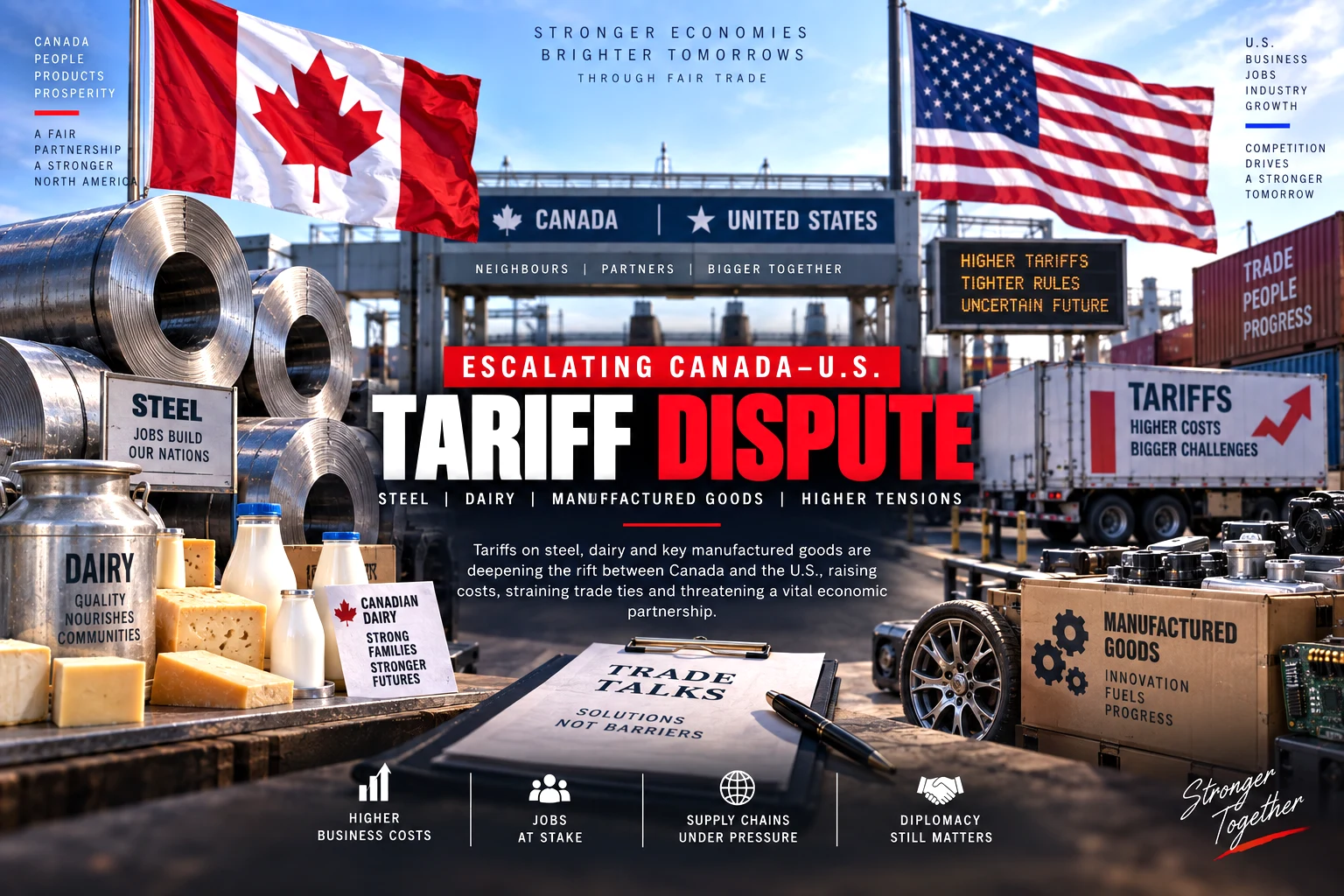
Canada has imposed new retaliatory tariffs of up to 50% on U.S. goods after trade negotiations with the Trump administration collapsed, escalating the Canada-US trade war.
U.S. envoys Steve Witkoff and Jared Kushner have met Vladimir Putin and Volodymyr Zelenskyy in a renewed push for Ukraine peace talks, but major differences remain as Russia resumes ballistic missile attacks on Kyiv.
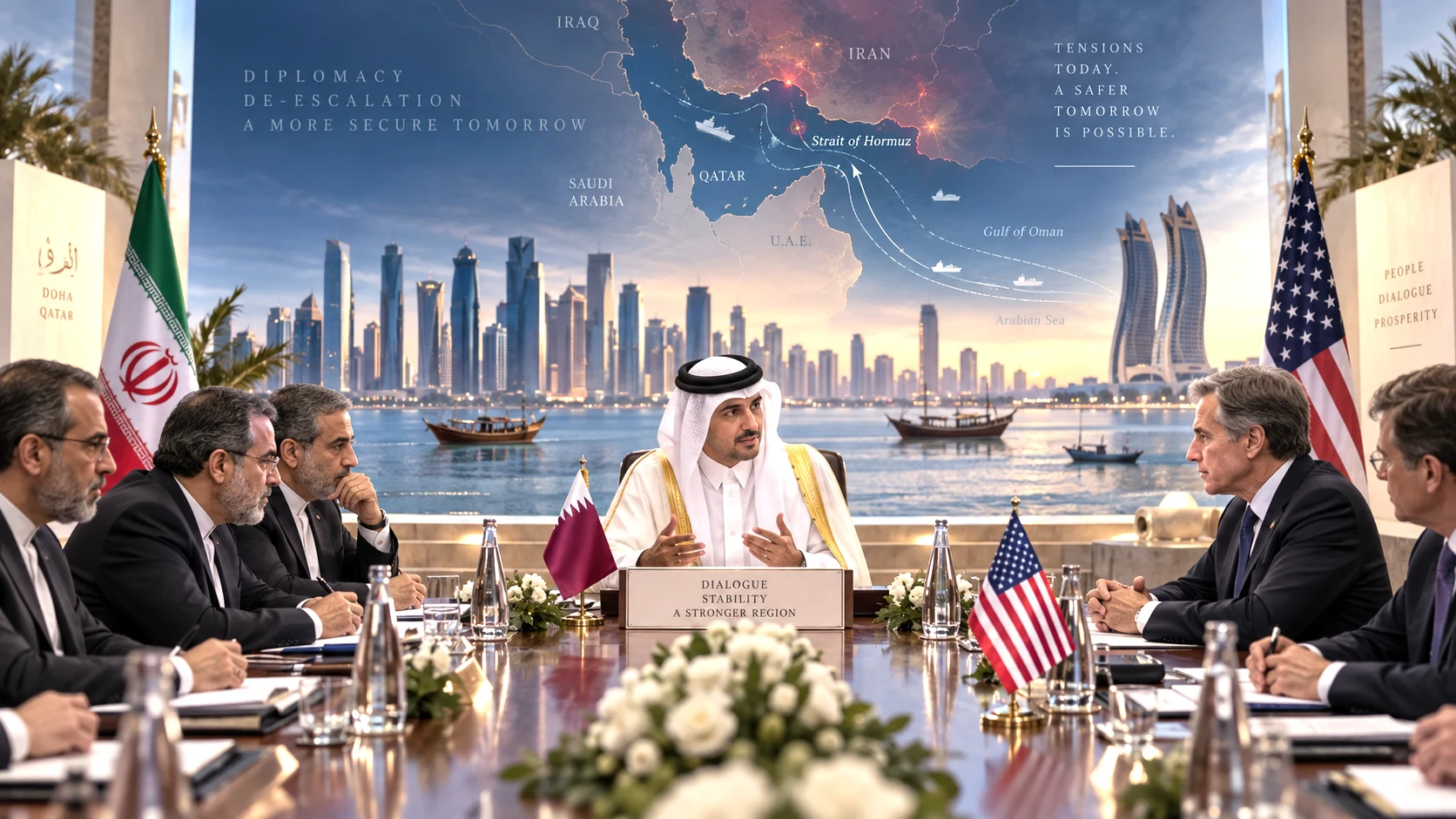
Qatar has launched an intensified diplomatic push to revive negotiations between Iran and the United States, shuttling proposals between Tehran and Washington as both sides combine threats of further military action with signals that a negotiated settlement remains possible. Iran has conveyed condit
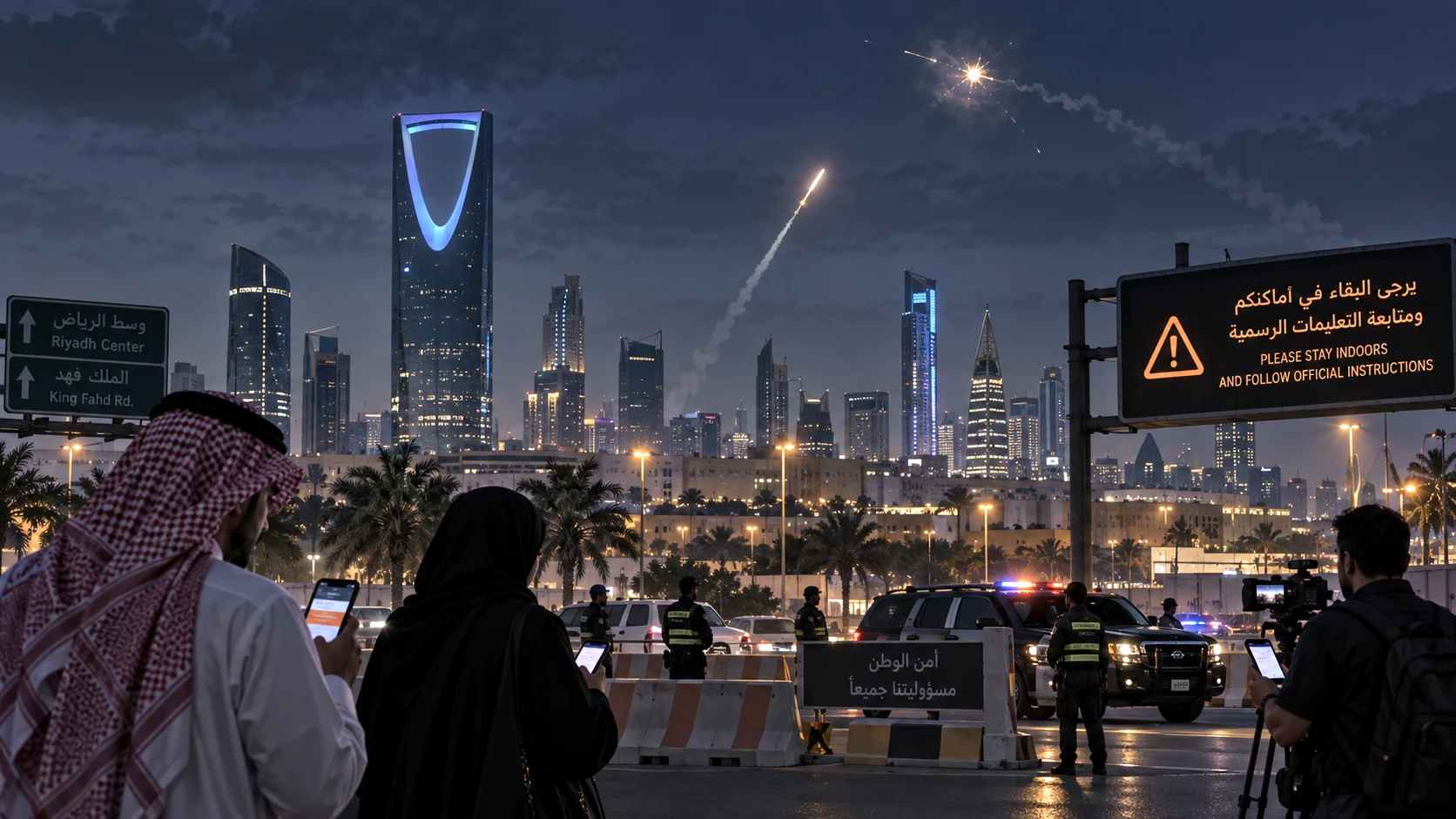
Saudi authorities said air defences destroyed a ballistic missile launched toward Riyadh on September 19, marking the first reported targeting of the capital since the latest escalation with Yemen’s Houthis, as residents received emergency warnings and explosions were heard.**
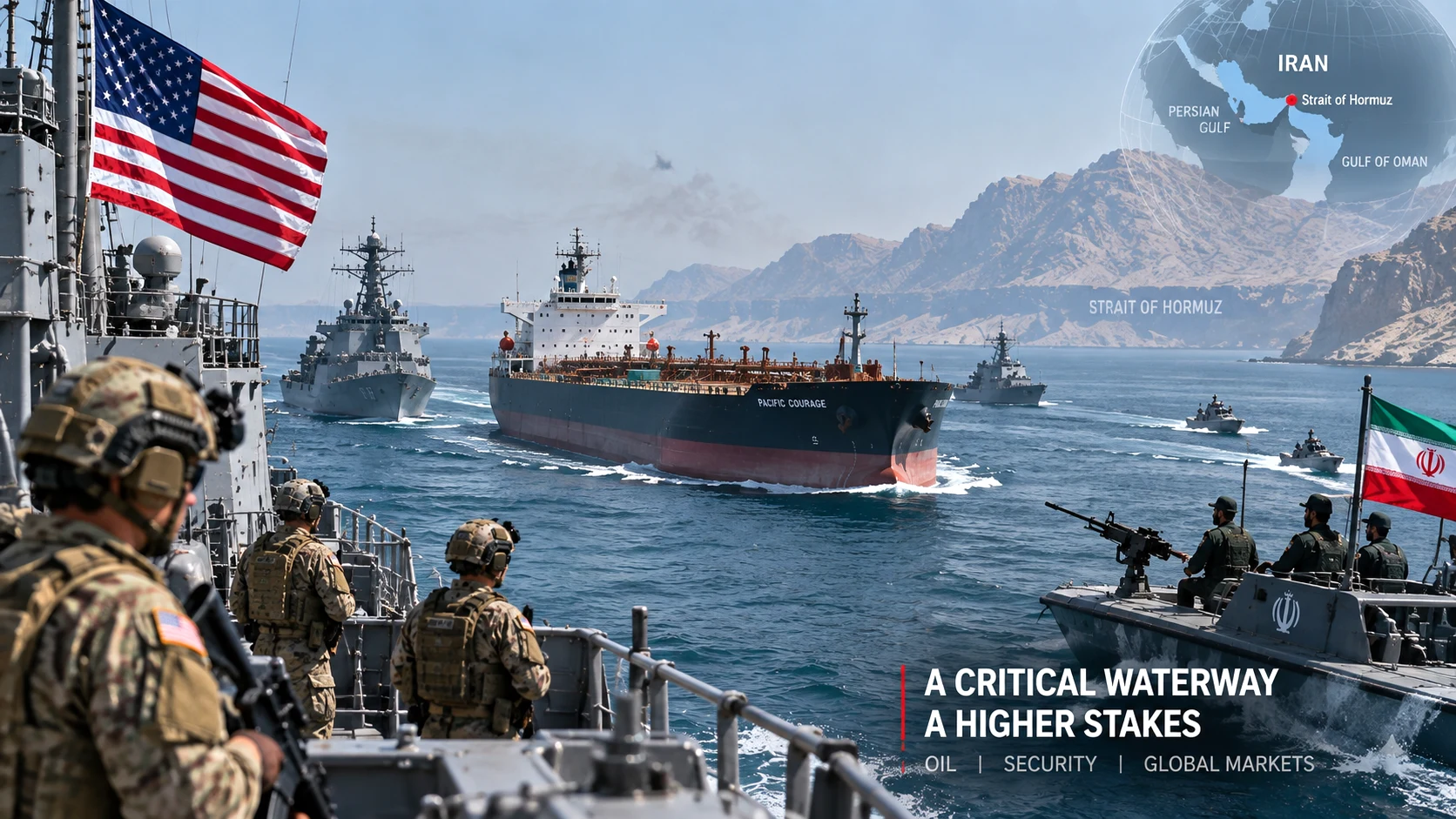
Iran says it attacked 10 ships near the Strait of Hormuz after the US destroyed five Iranian oil tankers, sending Brent crude above $100 as global supply fears intensify.
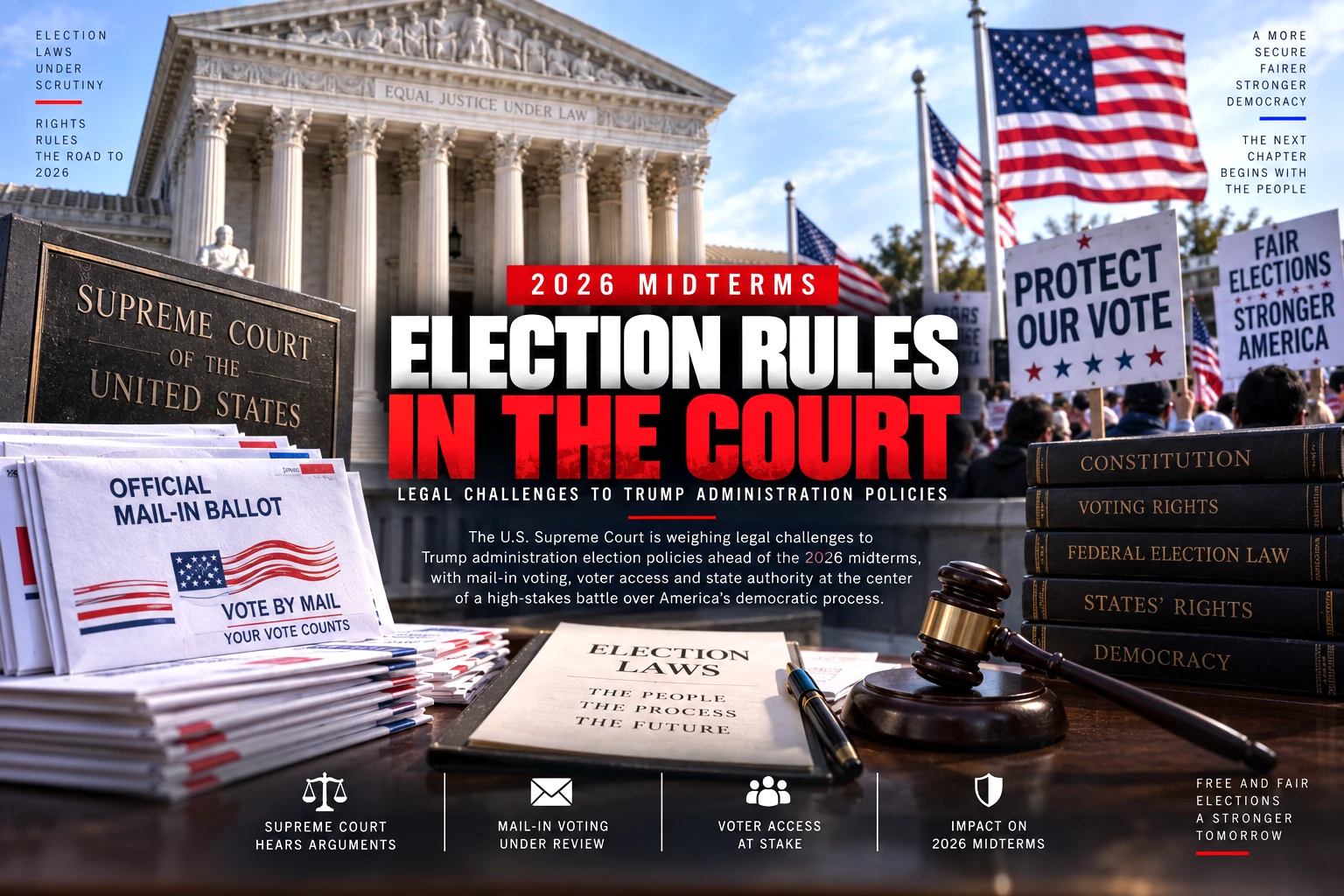
The Trump administration faces multiple legal battles over mail voting, citizenship checks, voter data and election authority as the November 2026 midterms approach.



0 Comments