Mumbai’s First Post-Monsoon Heatwave Warning: Why Is It So Hot in October?
Mumbai’s Santacruz observatory recorded 37.6°C on October 8, just days after the southwest monsoon withdrew from the city. Here is why Mumbai often turns unusually hot in October, what monsoon withdrawal changes and what the heatwave warning actually means.
Hot and sunny post-monsoon weather over Mumbai representing the October 2026 heat spell after the southwest monsoon withdrawal
Table of Contents (15 sections)
Mumbai has moved rapidly from monsoon weather to intense October heat, with the city’s Santacruz observatory recording a maximum temperature of 37.6°C on October 8, 2026.
The India Meteorological Department’s Mumbai Regional Meteorological Centre recorded the temperature at 4.5°C above normal. Colaba, meanwhile, reached 36.5°C, or 3.9°C above normal.
The sharp rise came only days after the southwest monsoon withdrew from Mumbai, creating what can feel like an abrupt seasonal switch: humid rain one week, scorching sunshine the next.
IMD had issued a yellow heatwave alert for isolated pockets of Mumbai and neighbouring Raigad for October 9. However, weather warnings can be revised as atmospheric conditions change, and the Regional Meteorological Centre’s updated subdivision warning on October 9 subsequently showed no warning for the wider Konkan and Goa subdivision.
That distinction matters. The 37.6°C temperature is an observed fact. The yellow alert was a forecast warning issued in advance. A warning does not mean every part of Mumbai will necessarily experience heatwave conditions, and its status can change with later forecasts.
But the unusual heat has raised a very understandable question for residents:
Key Takeaways
Recommended Reading
Related Stories & In-Depth Guides
Curated editorial perspectives matching this topic.
Seriously wounded inside the cockpit of flydubai Flight FZ1073, Captain Smit Machchhar realised the aircraft was descending and forced himself towards the door release. That decision allowed others to enter the cockpit and intervene. Now the Mumbai-born pilot’s actions are drawing recognition from t
The Supreme Court has listed Rahul Gandhi and other INDIA bloc leaders’ petition over the Election Commission’s Special Intensive Revision of electoral rolls. The plea seeks disclosure of ECI records, an independent audit of voter deletions, safeguards against removal without notice and an interim s
Mumbai’s Santacruz observatory recorded 37.6°C on October 8, 4.5°C above normal.
Colaba reached 36.5°C, 3.9°C above normal.
The heat followed the recent withdrawal of the southwest monsoon from Mumbai.
IMD issued a yellow heatwave alert for isolated pockets on October 9, later updated.
October heat is a recognised seasonal feature after monsoon withdrawal.
A heatwave warning is not the same as a confirmed citywide heatwave.
Why Is It So Hot in Mumbai in October?
October in Mumbai occupies an unusual place between the southwest monsoon and the milder conditions that generally arrive later in the year.
During the monsoon, thick cloud cover, frequent rain, moisture-laden southwesterly winds and repeated weather systems often prevent daytime temperatures from climbing as sharply as they can under clear skies.
When the southwest monsoon withdraws, that atmospheric setup changes.
Cloud cover can decrease. Rainfall becomes less frequent. Strong monsoon winds weaken or change direction. More direct sunlight reaches the ground for longer periods during the day.
The result can be a rapid rise in daytime temperatures even though the calendar says the rainy season has only just ended.
This familiar transition is commonly described as “October heat” in Mumbai and other parts of Maharashtra.
It is not unusual for October to feel oppressive in the city. What makes the latest spell notable is how quickly temperatures rose and how far the Santacruz maximum moved above its normal value.
What Does Monsoon Withdrawal Actually Mean?
Monsoon withdrawal is more complicated than saying, “The rainy season is over.”
IMD uses changes in rainfall, moisture and atmospheric circulation to determine when the southwest monsoon has withdrawn from an area.
Among the indicators are a sustained reduction in rainfall activity, a reduction in atmospheric moisture and the establishment of circulation patterns associated with retreating monsoon conditions.
For the later stages of withdrawal across India, forecasters also look for continuity in the withdrawal pattern, dry weather and a broader transition away from the southwesterly wind regime that dominates the summer monsoon.
So when IMD says the monsoon has withdrawn from Mumbai, it does not mean another shower is impossible.
Post-monsoon rain, thunderstorms or moisture from another weather system can still affect the city.
What it means is that the large-scale seasonal circulation responsible for Mumbai’s southwest monsoon has retreated.
That shift is important for understanding the October heat.
How Monsoon Withdrawal Can Make Mumbai Hotter
Mumbai’s summer monsoon normally provides several natural checks on daytime heating.
Clouds reduce the amount of direct solar radiation reaching the surface. Rain temporarily cools the air and ground. Persistent moisture and monsoon circulation also shape the city’s daily temperature cycle.
Once those conditions weaken, the ground can heat more efficiently during daylight hours.
Clearer skies are one factor.
Wind direction is another.
IMD’s coastal bulletin for the period covering the night of October 8 into October 9 described northerly to northeasterly winds along the north Maharashtra coast.
That matters because Mumbai usually benefits from its coastal setting.
During a typical hot day, the Arabian Sea can help moderate temperatures through the sea breeze. Cooler marine air moving inland can limit how quickly temperatures rise, especially compared with inland locations.
But the timing and strength of that sea breeze can vary.
When landward marine influence is delayed or when prevailing winds favour warmer continental air, temperatures can climb rapidly before meaningful cooling arrives from the sea.
The combination of reduced monsoon cloudiness, drier conditions and changing wind patterns can therefore produce surprisingly hot afternoons soon after monsoon withdrawal.
Why 37.6°C Is Significant for Mumbai
A temperature of 37.6°C may not sound extraordinary when compared with peak summer temperatures in parts of Rajasthan, Telangana or central India.
Mumbai, however, is a coastal city.
Heatwave definitions therefore need to be interpreted in the context of normal local climate rather than by comparing every city with the hottest locations in the country.
For coastal stations, IMD uses a special heatwave criterion.
A heatwave may be described when the maximum temperature reaches at least 37°C and the departure from normal reaches the prescribed threshold of about 4.5°C or more.
Santacruz therefore reached an important combination on October 8:
Maximum temperature: 37.6°C
Departure from normal: +4.5°C
Colaba was also unusually hot at 36.5°C, though its departure from normal was lower at +3.9°C.
The difference between the two stations is another reminder that “Mumbai temperature” is not always one single number.
Weather conditions can vary between south Mumbai, the suburbs and surrounding parts of the metropolitan region.
A Heatwave Warning Is Not the Same as a Confirmed Citywide Heatwave
Weather terminology can become confusing when forecasts, alerts and observations are reported together.
A heatwave warning means forecasters believe conditions could satisfy heatwave criteria in the warned area.
A recorded temperature, by contrast, tells us what actually happened at an observation station.
And an official heatwave declaration depends on IMD’s operational criteria, including temperature thresholds, departures from normal and persistence or spatial requirements where applicable.
That is why headlines should avoid implying that every neighbourhood in Mumbai simultaneously experienced identical heatwave conditions.
IMD’s October 8 warning concerned isolated pockets.
The subsequent warning status also changed.
For readers, the most useful interpretation is that Mumbai entered an unusually hot post-monsoon spell, with Santacruz reaching the coastal heatwave temperature-and-anomaly threshold on October 8 and forecasters initially warning that similar conditions could continue.
Is October Normally Hot in Mumbai?
Yes. October heat is a recognised seasonal feature of western coastal India.
Mumbai often experiences uncomfortable conditions after the southwest monsoon retreats and before cooler winter weather becomes established.
There can be plenty of moisture left in the lower atmosphere even after widespread monsoon rainfall decreases.
That combination of high temperature and humidity is particularly uncomfortable because perspiration does not evaporate as efficiently when the surrounding air is humid.
As a result, the temperature recorded by a thermometer may not fully describe how oppressive the afternoon feels to someone walking outdoors, commuting or working in direct sunlight.
October can therefore feel hotter than people expect after several months of cloudy monsoon weather.
Still, normal October warmth and a heatwave warning are not interchangeable.
The latest spell became notable because temperatures rose significantly above the climatological normal, not simply because October in Mumbai is usually warm.
Why the Change Can Feel So Sudden
The seasonal transition can happen quickly.
During an active monsoon period, residents may experience cloudy skies, repeated rainfall and subdued daytime temperatures.
Once the large-scale monsoon circulation retreats, several temperature-controlling factors can change within days.
Rainfall becomes less frequent.
Sunshine increases.
Cloud cover decreases.
Surface moisture can gradually fall.
Wind direction can change.
The sea breeze may arrive differently from one day to another.
Together, those changes can make an October afternoon feel dramatically hotter than conditions experienced only a few days earlier.
The calendar has changed only slightly. The atmosphere has changed much more.
Does Monsoon Withdrawal Automatically Cause a Heatwave?
No.
Monsoon withdrawal can create conditions that favour stronger daytime heating, but withdrawal alone does not guarantee a heatwave.
Temperatures still depend on many factors, including regional pressure patterns, wind direction, cloud cover, remaining moisture, local geography and the timing of the sea breeze.
Another weather system can also alter conditions quickly.
A post-monsoon thunderstorm, an increase in cloudiness or a change in wind direction can interrupt a hot spell.
For that reason, it would be inaccurate to say that Mumbai becomes a heatwave zone every time the monsoon leaves.
The withdrawal is part of the explanation for the current heat, not a standalone cause that produces the same result every year.
What Does a Yellow Alert Mean for Residents?
A yellow weather alert is intended to draw attention to potentially significant conditions and encourage people to remain updated.
It should not be interpreted as a prediction that dangerous heat will occur identically across the entire city.
Mumbai is geographically varied, and conditions recorded at Santacruz can differ from Colaba, coastal neighbourhoods or parts of the wider metropolitan region.
Warnings can also be upgraded, downgraded or withdrawn as newer observations and forecast models become available.
That appears particularly relevant in this case because the October 8 heatwave warning for October 9 was followed by an updated October 9 subdivision forecast showing no warning for Konkan and Goa.
Residents should therefore rely on the latest IMD forecast rather than screenshots or weather alerts circulated several hours earlier.
What Should Mumbai Residents Do During Very Hot Afternoons?
Even when an official warning changes, unusually high temperatures can still make outdoor activity uncomfortable.
People spending long periods outdoors can reduce heat exposure by choosing shaded areas where possible, drinking water regularly and avoiding unnecessary strenuous activity during the hottest part of the afternoon.
Older adults, young children, people working outdoors and anyone already vulnerable to heat deserve particular attention during unusually hot spells.
Vehicles can also become dangerously hot when parked in direct sunlight, so children or animals should never be left inside a closed vehicle.
Anyone who develops serious symptoms associated with heat exposure should seek appropriate medical assistance rather than relying only on general weather advice.
Is This Proof of Climate Change?
One unusually hot day cannot by itself establish the cause of a long-term climate trend.
Climate change is evaluated using long records and broader patterns, not a single temperature reading in one city.
Extreme heat is an important climate-risk issue, but scientifically responsible reporting requires separating long-term trends from the immediate meteorological explanation for a particular hot spell.
For Mumbai’s October 2026 event, the immediate story is the combination of post-monsoon conditions, above-normal temperatures and changing regional weather patterns.
A separate climate analysis would require long-term observations and attribution evidence.
What Happens Next?
Mumbai’s weather can change rapidly at this time of year.
The October 8 temperature shows that the city is capable of moving into intense daytime heat almost immediately after monsoon withdrawal.
But residents should not assume that every subsequent day will automatically be hotter.
Forecasts can change depending on cloud cover, winds, moisture and the Arabian Sea’s influence.
The most reliable approach is to check the latest IMD Mumbai forecast and warning status each day, particularly before extended outdoor activity.
The larger takeaway is straightforward.
Mumbai’s rainy season may be ending, but that does not mean the city moves immediately into cooler weather.
For a coastal metropolis accustomed to months of cloud and rain, October can produce one of the year’s most uncomfortable transitions: fewer clouds, stronger sunshine, lingering humidity and daytime temperatures rising well above normal.
That is why Mumbai can suddenly feel extremely hot just days after the monsoon has withdrawn.
Bottom Line
Mumbai recorded 37.6°C at Santacruz on October 8, just days after the southwest monsoon withdrew from the city. The rapid temperature rise is a classic example of post-monsoon October heat driven by clearer skies, reduced rainfall and changing wind patterns.
IMD issued a yellow heatwave alert for isolated pockets, which was later updated. A heatwave warning is not the same as a confirmed citywide event, and residents should rely on the latest official forecasts.
October heat is a recognised seasonal feature in Mumbai, but the current spell stands out because temperatures moved significantly above normal so soon after monsoon withdrawal.
Key Takeaway
Mumbai hit 37.6°C after monsoon withdrawal.
October heat is common after rains end.
Clearer skies and changing winds drive the spike.
Heatwave warnings can change — check latest IMD updates.
The Rajatheertha Team publishes news, explainers, guides and updates across India and the world. Our coverage follows Rajatheertha's editorial, verification and corrections standards.
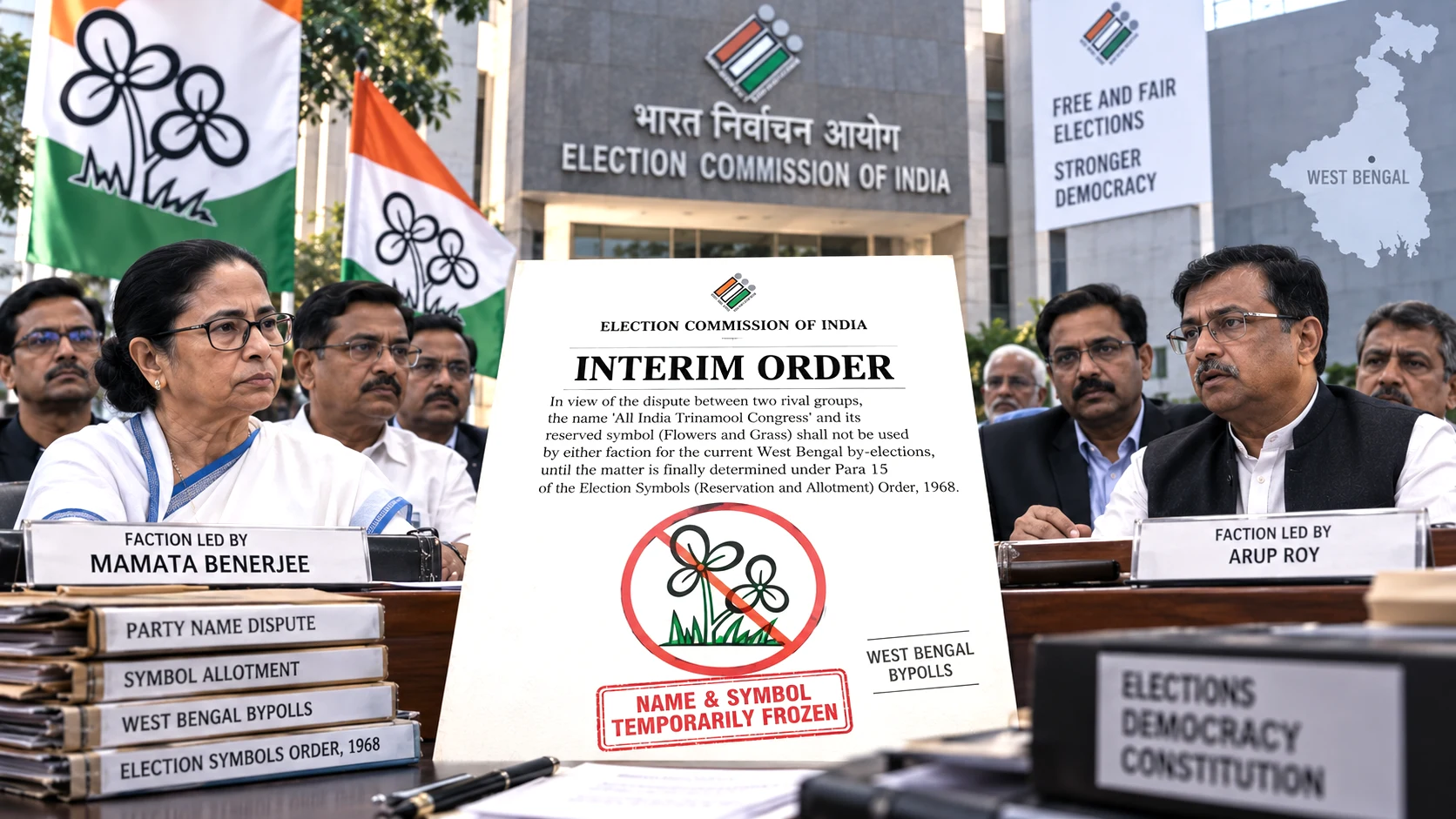
Neither the Mamata Banerjee group nor the rival faction formally represented before the Election Commission by Arup Roy can use the All India Trinamool Congress name or its reserved symbol in the October 6 bypolls. The order is temporary while the ECI decides the larger party-control dispute under P
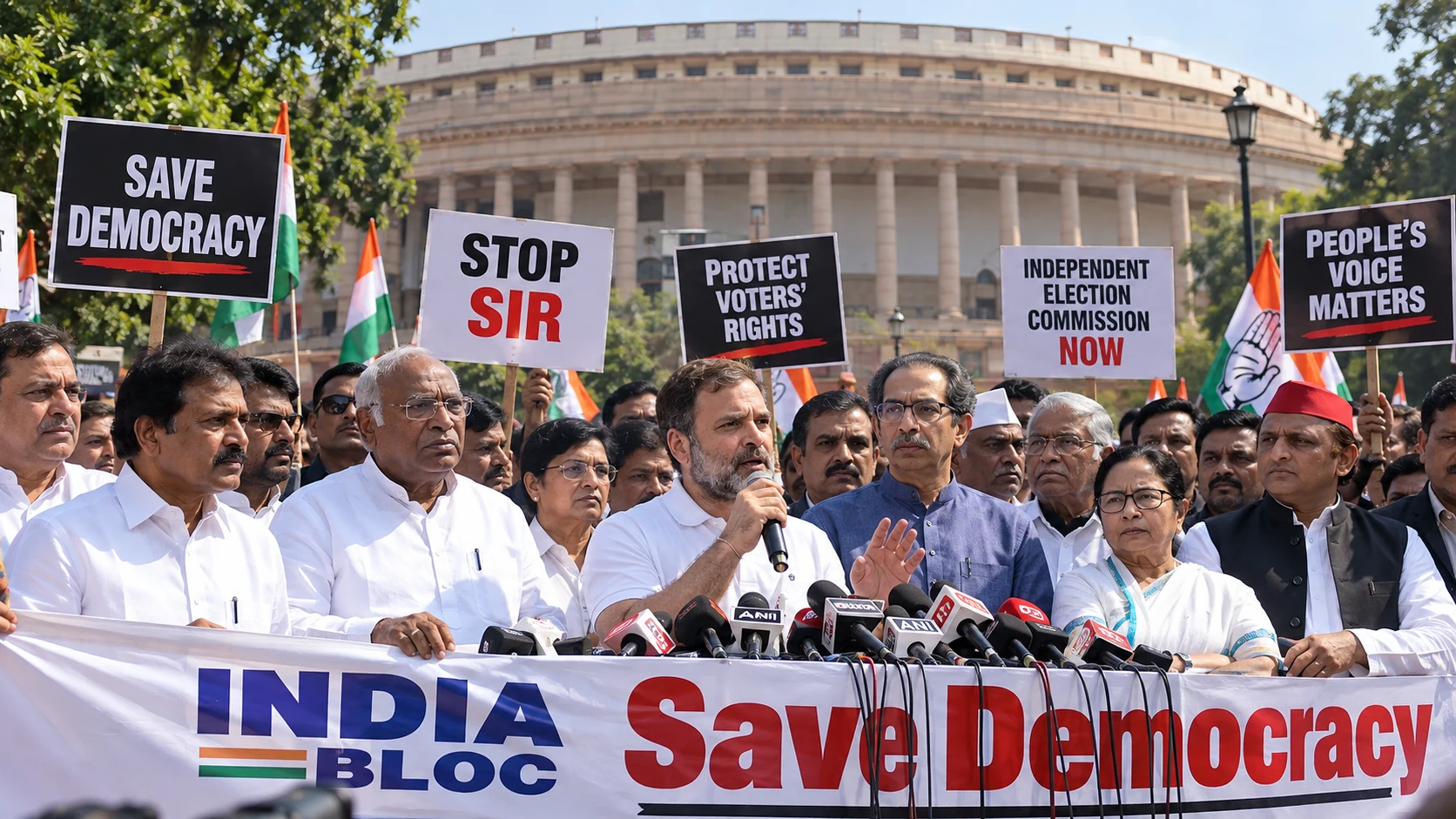
The INDIA bloc has announced nationwide “Save Democracy” marches from Oct. 2–8 over the Election Commission and SIR controversy, with MPs planning an Oct. 6 march to the EC. The BJP has rejected the allegations as political frustration after electoral defeats.
The Bombay High Court has restarted hearings on Maharashtra’s 10% Maratha reservation law. Here is what petitioners argue, how the State has defended the quota and what happens next.*
The Election Commission’s interim freeze on the Trinamool Congress name and ‘Flowers and Grass’ symbol has pushed rival factions to temporary identities. Mamata Banerjee has challenged the order in the Supreme Court, while the October 6 Nandigram bypoll has been further complicated by the withdrawal
A Karnataka High Court ruling has renewed questions over a daughter’s right in her father’s property. The court rejected a US-based daughter’s partition claim after finding the assets were not proved to be ancestral coparcenary property. Here is what the ruling means—and what it does not mean.
Which is the busiest railway station in India? Railway Board FY 2023–24 data puts Thane at No. 1 with 9.30 crore originating passengers. See the top 10 ranking, where New Delhi, Howrah, CSMT, Sealdah and Chennai Central stand, and what “busiest” actually means.








0 Comments