8th Pay Commission: Huge Salary Hike Demand — Could ₹18,000 Basic Pay Become ₹72,000?
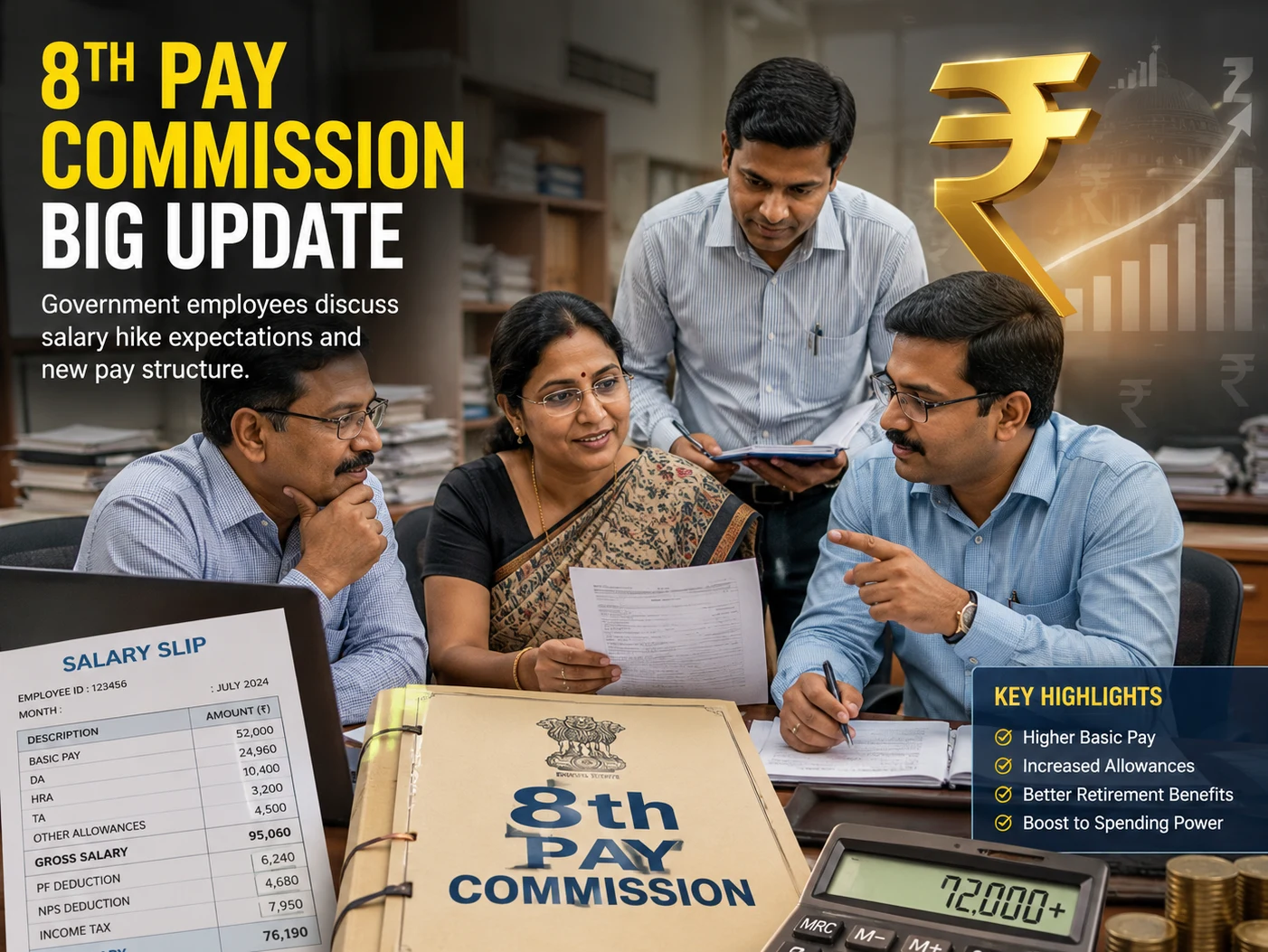
A major demand before the 8th Pay Commission has grabbed the attention of Central Government employees: raise the minimum basic pay from ₹18,000 to ₹72,000 with a fitment factor of 4.0. But is ₹72,000 confirmed? Here’s what employees need to know.
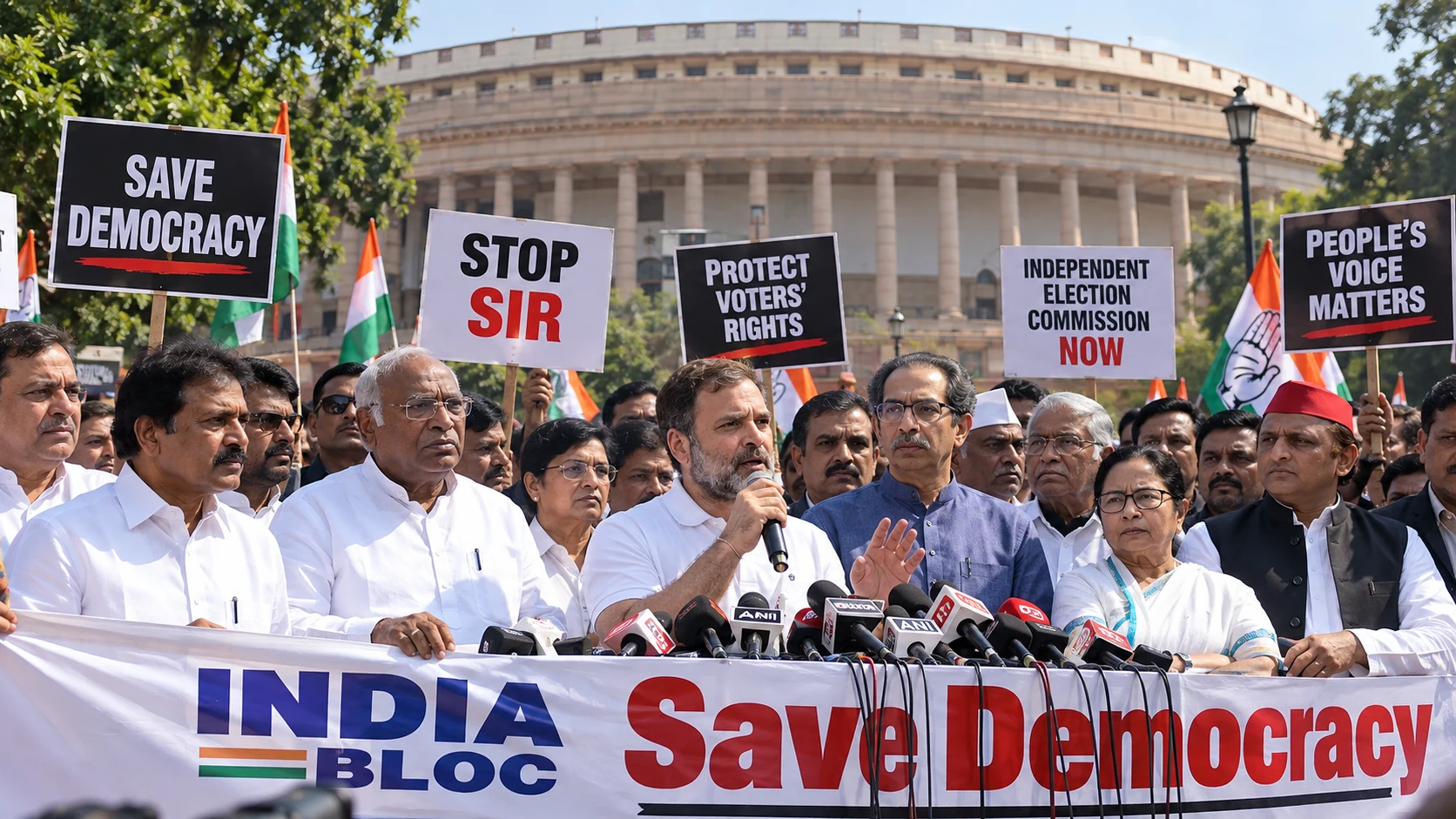
The INDIA bloc has announced nationwide “Save Democracy” marches from Oct. 2–8 over the Election Commission and SIR controversy, with MPs planning an Oct. 6 march to the EC. The BJP has rejected the allegations as political frustration after electoral defeats.
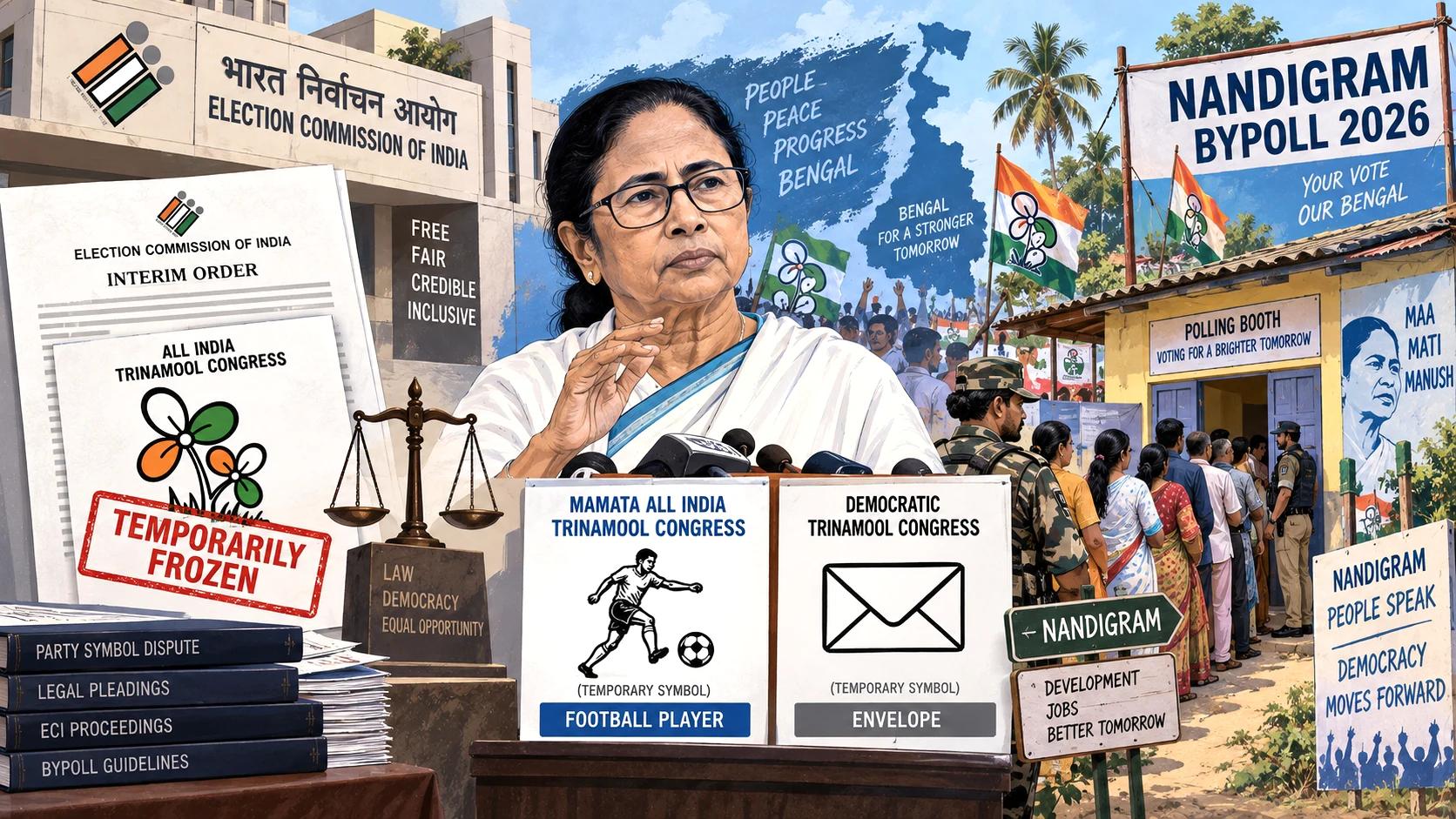
The Election Commission’s interim freeze on the Trinamool Congress name and ‘Flowers and Grass’ symbol has pushed rival factions to temporary identities. Mamata Banerjee has challenged the order in the Supreme Court, while the October 6 Nandigram bypoll has been further complicated by the withdrawal
Who Has Demanded ₹72,000 Minimum Basic Pay?
The Bharatiya Pratiraksha Mazdoor Sangh (BPMS) has submitted proposals concerning the salaries and benefits of Central Government employees.
Among its biggest demands is a minimum basic pay of ₹72,000 per month.
Under the 7th Pay Commission, the minimum basic pay for a Level-1 employee stands at ₹18,000.
BPMS is seeking a fitment factor of 4.0 under the 8th Pay Commission.
The calculation is extremely simple:
₹18,000 × 4.0 = ₹72,000
If such a fitment factor were ultimately accepted, the revised minimum basic pay would therefore work out to ₹72,000.
That’s Four Times the Current Minimum Basic Pay
This is what makes the demand particularly striking.
Current Minimum Basic Pay
Demanded Fitment Factor
Resulting Basic Pay
₹18,000
4.0
₹72,000
In pure numerical terms, that would make the revised basic-pay figure four times the existing ₹18,000 level.
However, employees should not interpret this as meaning their total take-home salary will simply become four times higher.
Basic pay and actual in-hand salary are different.
Why Does the Fitment Factor Matter So Much?
The fitment factor is one of the most important numbers in any Pay Commission discussion because it can be used to determine revised basic pay.
A higher fitment factor can consequently have a major impact on the new pay structure.
For example:
2.0 factor: ₹18,000 → ₹36,000
2.57 factor: ₹18,000 → ₹46,260
2.86 factor: ₹18,000 → ₹51,480
3.0 factor: ₹18,000 → ₹54,000
3.83 factor: ₹18,000 → about ₹68,940
4.0 factor: ₹18,000 → ₹72,000
This is precisely why every discussion about the 8th Pay Commission’s fitment factor is being watched so closely.
Even a relatively small difference in the final multiplier can translate into thousands of rupees in revised basic pay.
BPMS Wants More Than a ₹72,000 Minimum
The proposal isn’t limited to the minimum salary.
Among the reported demands from BPMS is an increase in the annual increment from the existing 3% to 6%.
That could become particularly significant over a long government career because annual increments influence how basic pay grows over time.
The employee body has also raised other proposals concerning the structure used for determining minimum wages.
But Has the Government Approved ₹72,000?
No.
This is the most important point for employees reading headlines about the ₹72,000 figure.
At present:
₹72,000 = Employee body’s demand
It does not mean:
₹72,000 = Final Government-approved minimum basic pay
Different employee organisations have put forward different demands and calculations.
The 8th Pay Commission must examine representations from employees, pensioners, unions and other stakeholders before making its recommendations.
Therefore, headlines saying that the minimum salary “will become ₹72,000” are premature.
A more accurate statement is that there is a demand to increase the minimum basic pay to ₹72,000.
8th Pay Commission Process Is Moving Forward
The 8th Central Pay Commission has already become one of the most closely watched financial developments for government employees and pensioners.
The Union Cabinet approved the Commission’s Terms of Reference in October 2025.
The government stated at the time that, based on the usual ten-year interval between Pay Commissions, the effect of the 8th Central Pay Commission recommendations would normally be expected from January 1, 2026.
The Commission is examining matters related to salaries, allowances, pensions and other benefits.
That does not mean every demand submitted by an employee organisation will be accepted.
The final recommendations — and ultimately the government’s decisions on them — are what will determine the actual financial benefit.
Why Employees Are Watching Every Update
For a Central Government employee, a Pay Commission is much bigger than one salary number.
Changes in basic pay can influence the broader compensation structure, while pensioners are also closely watching how the eventual recommendations could affect retirement benefits.
That’s why speculation surrounding figures such as ₹50,000, ₹69,000 and now ₹72,000 attracts immediate attention.
But until the final recommendations and government decisions arrive, these figures should be treated as proposals or estimates depending on the source — not guaranteed salaries.
The Big Question: Will ₹72,000 Become Reality?
For now, there is no confirmed answer.
A 4.0 fitment factor would represent a very substantial revision. The Pay Commission will have to consider employee expectations alongside economic conditions and the financial implications for the government.
The ₹72,000 demand has nevertheless set a powerful benchmark in the ongoing discussion.
For an employee currently looking at a minimum basic pay of ₹18,000, the possibility of a substantially higher figure naturally generates excitement.
But the safest approach is simple:
Watch the official recommendations, not just viral salary figures.
The demand is ₹72,000.
Whether it becomes reality will depend on what the 8th Pay Commission recommends and what the Central Government ultimately accepts.
The Rajatheertha Team publishes news, explainers, guides and updates across India and the world. Our coverage follows Rajatheertha's editorial, verification and corrections standards.
The Supreme Court has listed Rahul Gandhi and other INDIA bloc leaders’ petition over the Election Commission’s Special Intensive Revision of electoral rolls. The plea seeks disclosure of ECI records, an independent audit of voter deletions, safeguards against removal without notice and an interim s
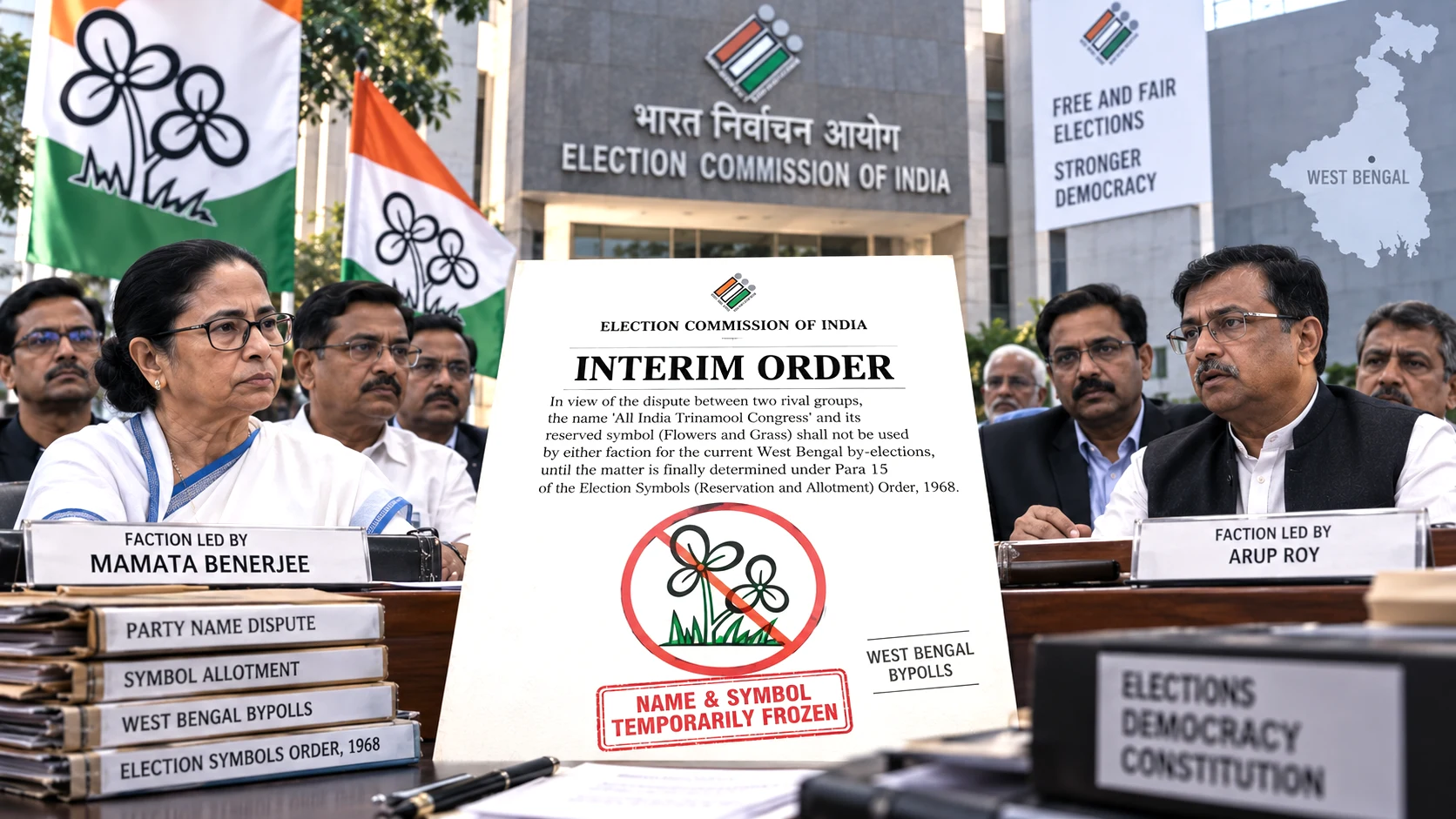
Neither the Mamata Banerjee group nor the rival faction formally represented before the Election Commission by Arup Roy can use the All India Trinamool Congress name or its reserved symbol in the October 6 bypolls. The order is temporary while the ECI decides the larger party-control dispute under P
The Bombay High Court has restarted hearings on Maharashtra’s 10% Maratha reservation law. Here is what petitioners argue, how the State has defended the quota and what happens next.*
Home Minister Amit Shah has set December 31, 2029 as the government's target for uprooting India's drug trade. Here is what the 2026–29 narcotics roadmap proposes on cartels, synthetic drugs, darknet markets, financial investigations, prevention and rehabilitation.
Seriously wounded inside the cockpit of flydubai Flight FZ1073, Captain Smit Machchhar realised the aircraft was descending and forced himself towards the door release. That decision allowed others to enter the cockpit and intervene. Now the Mumbai-born pilot’s actions are drawing recognition from t
Which is the busiest railway station in India? Railway Board FY 2023–24 data puts Thane at No. 1 with 9.30 crore originating passengers. See the top 10 ranking, where New Delhi, Howrah, CSMT, Sealdah and Chennai Central stand, and what “busiest” actually means.
Navratri 2026 Day 1: Ghatasthapana Muhurat, Puja Vidhi and Today’s Colour






0 Comments