Bangladesh Measles Outbreak Death Toll Passes 1,000 as Vaccination Gaps Put Children at Risk
Bangladesh’s measles outbreak has been linked to more than 1,000 confirmed and suspected deaths as vaccination gaps leave young children particularly vulnerable.
Dhaka, September 10, 2026: Bangladesh is battling an unprecedented measles outbreak that has now been associated with more than 1,000 deaths, overwhelmingly affecting children and exposing serious gaps in vaccination coverage despite a massive emergency immunisation campaign.
According to the latest data from Bangladesh’s Directorate General of Health Services (DGHS), 1,002 people had died from confirmed or suspected measles-related illness between March 15 and September 9.
Of those deaths, 100 were among laboratory-confirmed measles cases, and 902 were classified as suspected cases.
Recommended Reading
Related Stories & In-Depth Guides
Curated editorial perspectives matching this topic.
Good digestion is about more than probiotics. Learn how fibre-rich foods, curd, whole grains, fruits, vegetables and adequate fluids can support a healthy digestive system.
Feeling stressed or anxious? Simple habits such as slow breathing, short walks, journaling, better sleep and regular breaks from social media may help. Here are practical ways to manage everyday stress—and signs that it may be time to seek professional support.
That distinction is important. It would be inaccurate to report that Bangladesh has recorded more than 1,000 laboratory-confirmed measles deaths.
The outbreak has nevertheless reached an extraordinary scale. Bangladesh has recorded roughly 187,000 suspected measles and measles-like cases, including nearly 20,000 laboratory-confirmed infections, while more than 147,000 patients have required hospital admission.
International health agencies and experts say immunity gaps created by disruptions to routine vaccination have allowed one of the world’s most contagious diseases to spread rapidly, particularly among young children.
Bangladesh launched a nationwide emergency measles-rubella vaccination campaign earlier this year, reaching millions of children. But infections and deaths have continued, highlighting a difficult public-health reality: high national vaccination numbers do not necessarily mean every vulnerable child has been protected.
Table of Contents
How serious is Bangladesh’s measles outbreak?
Why the 1,002 death figure needs context
Why young children are being hit hardest
How dangerous is measles?
What caused Bangladesh’s vaccination gap?
Why vaccination coverage fell
Emergency vaccination campaign reaches millions
Why cases continued despite mass vaccination
Dhaka carries a major share of the death toll
Hospitals face enormous pressure
Why infants are particularly vulnerable
What WHO says about measles vaccination
What parents should know about measles symptoms
Why the Bangladesh outbreak matters globally
What needs to happen next
Key takeaway
Bangladesh Records More Than 1,000 Suspected and Confirmed Measles-Related Deaths
The latest figures illustrate the extraordinary scale of the crisis.
Bangladesh’s DGHS reported on September 9 that the number of deaths associated with measles and measles-like illness had reached 1,002.
Three additional deaths were reported during the preceding 24 hours.
The country also recorded another 1,188 suspected cases during that period.
Since the outbreak began in mid-March, the cumulative number of suspected cases has climbed to around 1.87 lakh.
More than 147,000 patients have been admitted to hospitals, demonstrating that the outbreak is not simply producing large numbers of mild infections.
Thousands remained hospitalised as of the latest official update.
Important Fact Check: Not All 1,002 Deaths Are Confirmed Measles Deaths
The distinction between suspected and laboratory-confirmed cases is essential for responsible health reporting.
Of the 1,002 reported deaths, DGHS data show:
100 deaths were associated with confirmed measles cases.
902 deaths were among suspected measles or measles-like cases.
Similarly, the much larger overall case figure includes suspected infections rather than only laboratory-confirmed measles.
Nearly 20,000 infections have been laboratory confirmed.
That does not diminish the severity of the outbreak.
It simply prevents an epidemiological category from being presented as something more certain than the evidence supports.
Health authorities frequently rely on suspected-case surveillance during very large outbreaks because laboratory testing every individual patient can be impractical.
Children Under Five Are Bearing the Greatest Burden
Young children have been at the centre of the crisis since the outbreak began.
WHO reported earlier in the outbreak that approximately 79% of cases involved children under five.
Children younger than two represented about two-thirds of reported cases at that stage, while infants below nine months accounted for approximately one-third.
The organisation also found that deaths were concentrated primarily among unvaccinated young children.
More recent analysis continues to show the extreme vulnerability of infants.
An analysis of 252 deaths cited in Bangladeshi reporting found that children below six months accounted for more than a quarter of those deaths.
WHO analysis also found that a substantial proportion of fatalities involved babies who were too young to have completed the country’s normal measles vaccination schedule.
Why Measles Can Be So Dangerous
Measles is sometimes incorrectly treated as an ordinary childhood rash.
It is not.
The World Health Organization describes measles as a highly contagious and potentially serious airborne viral disease.
It spreads when an infected person breathes, coughs or sneezes.
Typical symptoms include:
high fever;
cough;
runny nose;
red or watery eyes; and
a widespread skin rash.
Most people recover, but complications can become severe, especially among babies, malnourished children and people with weakened immune systems.
Serious complications can include pneumonia, severe diarrhoea and dehydration, ear infections and encephalitis, or inflammation of the brain.
Some complications can be fatal.
There is no specific antiviral treatment that simply eliminates measles once infection occurs. Medical care instead focuses on managing symptoms, treating complications and supporting the patient while the immune system fights the virus.
That makes prevention especially important.
Vaccination Gaps Are at the Centre of the Outbreak
Bangladesh was once approaching elimination of measles.
The scale of the 2026 outbreak therefore represents a major reversal.
Reuters reported that health experts have linked the resurgence to disruption of routine immunisation during 2024 and 2025, a period that included major political turmoil.
A vaccination programme was postponed in 2024, while a nationwide measles-rubella campaign was cancelled the following year.
Health officials have also acknowledged vaccine-supply problems associated with procurement changes.
The cumulative result was an expanding population of children who had missed one or more vaccinations.
Measles is so contagious that these immunity gaps can become dangerous quickly.
Once enough susceptible people accumulate in a community, the virus can spread rapidly after being introduced.
Routine Vaccination Coverage Had Weakened
The broader vaccination system was already showing signs of strain.
AP reported that routine childhood vaccination coverage had declined from around 93% in 2024 to 86% in 2025.
For many infectious diseases, that would still appear relatively high.
For measles, it is not necessarily enough.
Because the virus spreads so easily, public-health authorities generally seek extremely high and consistent two-dose vaccination coverage.
WHO recommends two doses of a measles-containing vaccine as part of routine immunisation.
The challenge is also geographical.
A high national average can conceal neighbourhoods, districts or communities where many children remain unvaccinated.
Those pockets can sustain transmission even when national statistics initially appear reassuring.
Emergency Vaccination Campaign Launched in April
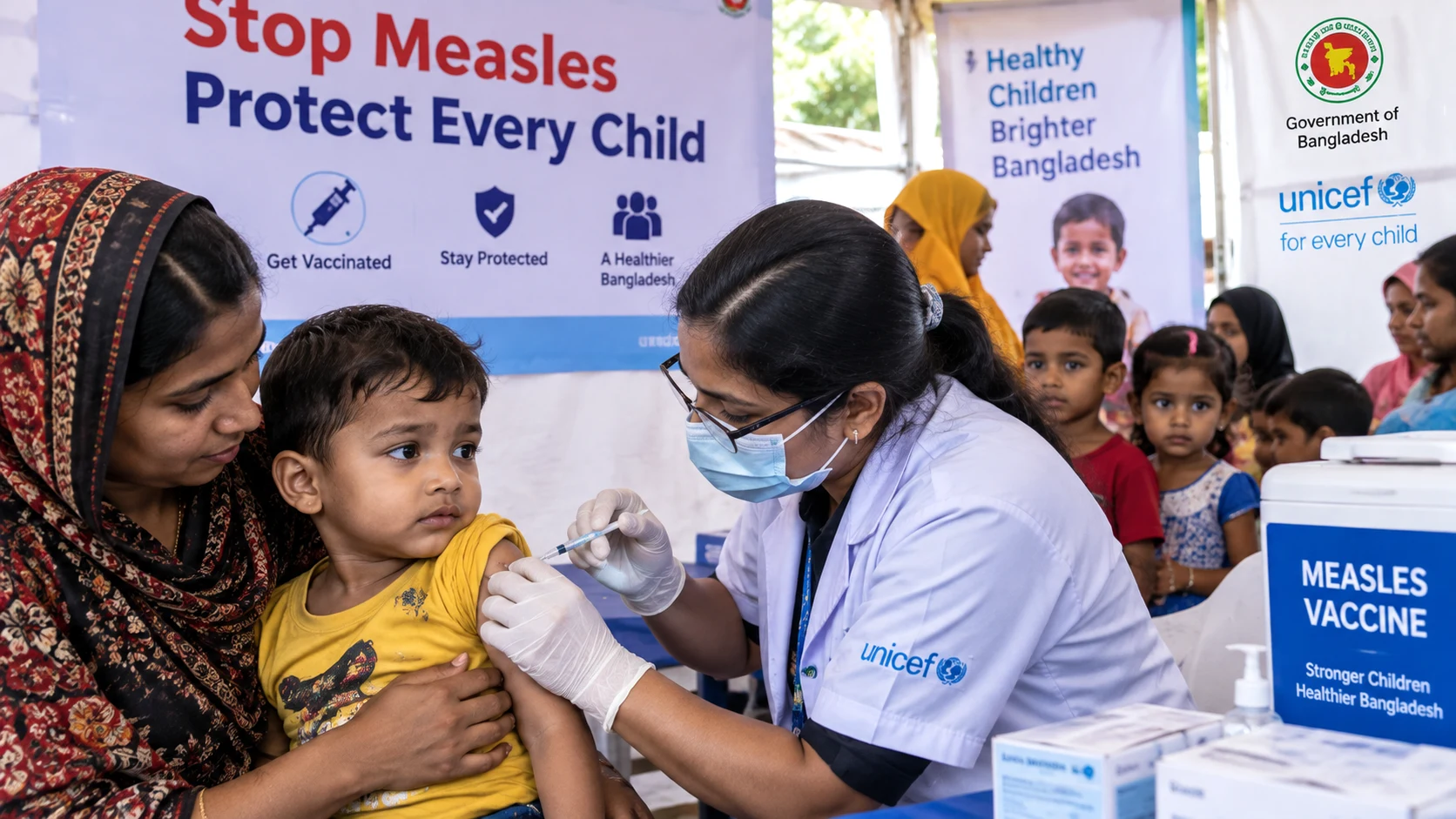
Bangladesh responded to the outbreak with a major vaccination campaign.
The government, supported by WHO, UNICEF and Gavi, launched an emergency measles-rubella campaign on April 5.
The initial phase targeted children aged six months to five years in high-risk districts before expanding to additional areas and eventually nationwide.
WHO said transmission had already been reported across most of Bangladesh by mid-April.
At that point, the country had reported more than 19,000 suspected cases and more than 160 suspected measles-related deaths.
The campaign was therefore launched against an outbreak that was already spreading widely.
More Than 18 Million Children Vaccinated
The scale of the vaccination response has been enormous.
A United Nations situation report said more than 18.4 million children had received measles-rubella vaccination through the nationwide campaign by late June.
UNICEF subsequently reported that the campaign reached approximately 18.5 million children while helping identify previously missed, mobile and unregistered children.
Yet cases and deaths continued.
This does not mean measles vaccination failed.
Instead, UNICEF said the continued transmission reflected accumulated immunity gaps and the time required to interrupt widespread transmission after a major outbreak has already taken hold.
That distinction is crucial.
Vaccines primarily prevent future infections. They cannot reverse infections that have already occurred or instantly stop transmission across a country with a large susceptible population.
How Can Vaccination Coverage Exceed 100% While Children Remain Unvaccinated?
One apparently confusing figure has attracted attention in Bangladesh.
Some official campaign statistics showed vaccination coverage exceeding 100% of the original target population.
That does not mean every child was vaccinated.
Coverage above 100% can occur when more doses are administered than the number of children originally estimated to be eligible.
That may happen because population estimates are inaccurate, children outside the original target group receive vaccines, mobile populations are counted differently or previously unregistered children are reached.
Meanwhile, another group of children can still be missed entirely.
Experts have therefore warned that headline national coverage figures may conceal local immunity gaps.
The critical question is not simply how many doses were administered nationally.
It is whether vulnerable children in every community were reached.
Dhaka Has Recorded a Large Share of Deaths
Dhaka has been one of the hardest-hit parts of the country.
According to DGHS figures reported by the Dhaka Tribune, 467 of the first 1,002 deaths occurred in Dhaka Division.
That represents nearly half of the reported national death toll.
Dense urban populations can create particularly difficult conditions for controlling highly contagious respiratory diseases.
WHO previously identified concentrations of cases in densely populated and informal settlements within Dhaka, including areas such as Mirpur, Jatrabari and other crowded neighbourhoods.
When many susceptible people live in close proximity, measles can spread extremely quickly.
Hospitals Under Severe Pressure
The outbreak has placed enormous pressure on Bangladesh’s health system.
More than 146,000 suspected patients had been hospitalised by September 8, according to Health Ministry data cited by Reuters.
Hospitals have dealt with large numbers of children suffering complications, including pneumonia and neurological illness.
The pressure has been particularly intense in specialist paediatric facilities in Dhaka.
UNICEF has supported hospitals with respiratory-care equipment, clinical and monitoring equipment and additional medical personnel.
It also deployed a medical surge team to the Infectious Diseases Hospital in Dhaka and supported infection-prevention training for healthcare workers.
The country is simultaneously dealing with other infectious diseases, adding further pressure to hospital capacity.
Infants Too Young for Routine Vaccination Are Particularly Vulnerable
One of the most difficult aspects of the outbreak involves very young babies.
Bangladesh’s routine schedule normally provides the first measles-containing vaccine at around nine months, followed by another dose later in childhood.
That means very young infants can remain particularly vulnerable during a large outbreak.
Earlier WHO data showed a substantial proportion of cases occurring among children below nine months.
An outbreak-response campaign can modify eligibility and vaccinate younger children under public-health guidance when epidemiological conditions justify it.
Bangladesh’s emergency programme consequently targeted children beginning at six months of age in affected areas.
Parents should follow the vaccination schedule and outbreak guidance issued by their local health authorities rather than independently changing vaccination timing.
Vaccination Remains the Most Effective Protection
Despite the continuing outbreak, health authorities remain clear about the primary preventive measure.
Vaccination is the best way to prevent measles and its complications.
WHO recommends two doses of measles-containing vaccine.
Globally, measles vaccination prevented an estimated 59 million deaths between 2000 and 2024.
Yet approximately 95,000 people still died from measles worldwide in 2024, with deaths concentrated primarily among unvaccinated or under-vaccinated children younger than five.
Bangladesh’s experience demonstrates what can happen when immunity gaps develop even after decades of successful vaccination.
What Parents Should Know About Possible Measles
Parents should seek qualified medical advice if a child develops symptoms compatible with measles, particularly during an active outbreak.
Possible symptoms can include fever, cough, runny nose, red eyes and a rash.
A child who has difficulty breathing, becomes unusually sleepy, cannot drink adequately, shows signs of dehydration, experiences seizures or appears seriously unwell requires urgent medical assessment.
Because measles is highly contagious, families who suspect infection should contact healthcare services for guidance rather than unnecessarily exposing other patients in crowded waiting areas.
Treatment decisions should be made by qualified healthcare professionals.
Antibiotics do not treat the measles virus itself, although doctors may prescribe them when bacterial complications occur.
Why This Outbreak Matters Beyond Bangladesh
The crisis carries a wider global warning.
Measles is one of the clearest indicators of weaknesses in immunisation systems because of how contagious the virus is.
When vaccination coverage slips, measles can often return before less contagious vaccine-preventable diseases.
Bangladesh is not alone in facing this challenge.
WHO says global first-dose measles vaccination coverage was around 84% in 2025, still below the 86% recorded before the COVID-19 pandemic in 2019.
That leaves millions of children vulnerable.
Large outbreaks can emerge when several years of missed vaccinations accumulate.
Political instability, conflict, health-system disruption, misinformation, vaccine shortages and difficulty reaching marginalised populations can all create these gaps.
A Preventable Disease Is Again Killing Children
Perhaps the most troubling part of Bangladesh’s outbreak is that measles is largely preventable.
The world has had effective measles vaccines for decades.
The current crisis is therefore not primarily the result of a newly discovered pathogen or a virus for which no preventive tool exists.
It is a demonstration of what can happen when children do not receive vaccination at the right time and transmission becomes widespread.
That makes rebuilding routine immunisation just as important as conducting emergency campaigns.
Mass vaccination can help bring the current outbreak under control.
A reliable routine programme is what prevents the next one.
What Bangladesh Needs to Do Next
Bangladesh’s immediate challenge is to find and vaccinate children who remain unprotected.
That requires more than reporting a high national vaccination percentage.
Health authorities need detailed local information identifying districts, neighbourhoods and communities where children have been missed.
Vaccine supplies must remain reliable.
Parents need clear information about when their children should receive each dose.
Surveillance needs to identify new clusters quickly.
Hospitals need adequate capacity to manage severe cases.
And routine immunisation needs to continue even after the emergency outbreak begins to decline.
The country has already vaccinated millions of children, and health authorities have reported some signs of improvement.
But more than 1,000 deaths associated with confirmed or suspected measles in less than six months show the enormous human cost of allowing immunity gaps to persist.
Bangladesh’s outbreak therefore carries a message far beyond its borders.
Vaccination success cannot be measured only by the number of doses administered. It depends on whether every community — particularly its youngest and most vulnerable children — is actually protected.
Key Takeaway
Bangladesh’s measles outbreak has been linked to 1,002 confirmed and suspected deaths between mid-March and early September 2026.
Of these, 100 were laboratory-confirmed and 902 were suspected cases.
Roughly 187,000 suspected cases and nearly 20,000 laboratory-confirmed infections have been recorded. More than 147,000 patients have been hospitalised.
Young children, especially those under five and infants too young for routine vaccination, have been hit hardest.
Vaccination gaps created during earlier disruptions remain the central driver. An emergency campaign has reached more than 18 million children, but local immunity gaps persist.
Measles is highly contagious and largely preventable. Closing remaining coverage gaps is essential.
Health Disclaimer: This article provides general public-health information and is not a substitute for medical diagnosis or treatment. Anyone concerned about measles exposure or symptoms should contact a qualified healthcare professional or local public-health authority.
The Rajatheertha Team publishes news, explainers, guides and updates across India and the world. Our coverage follows Rajatheertha's editorial, verification and corrections standards.
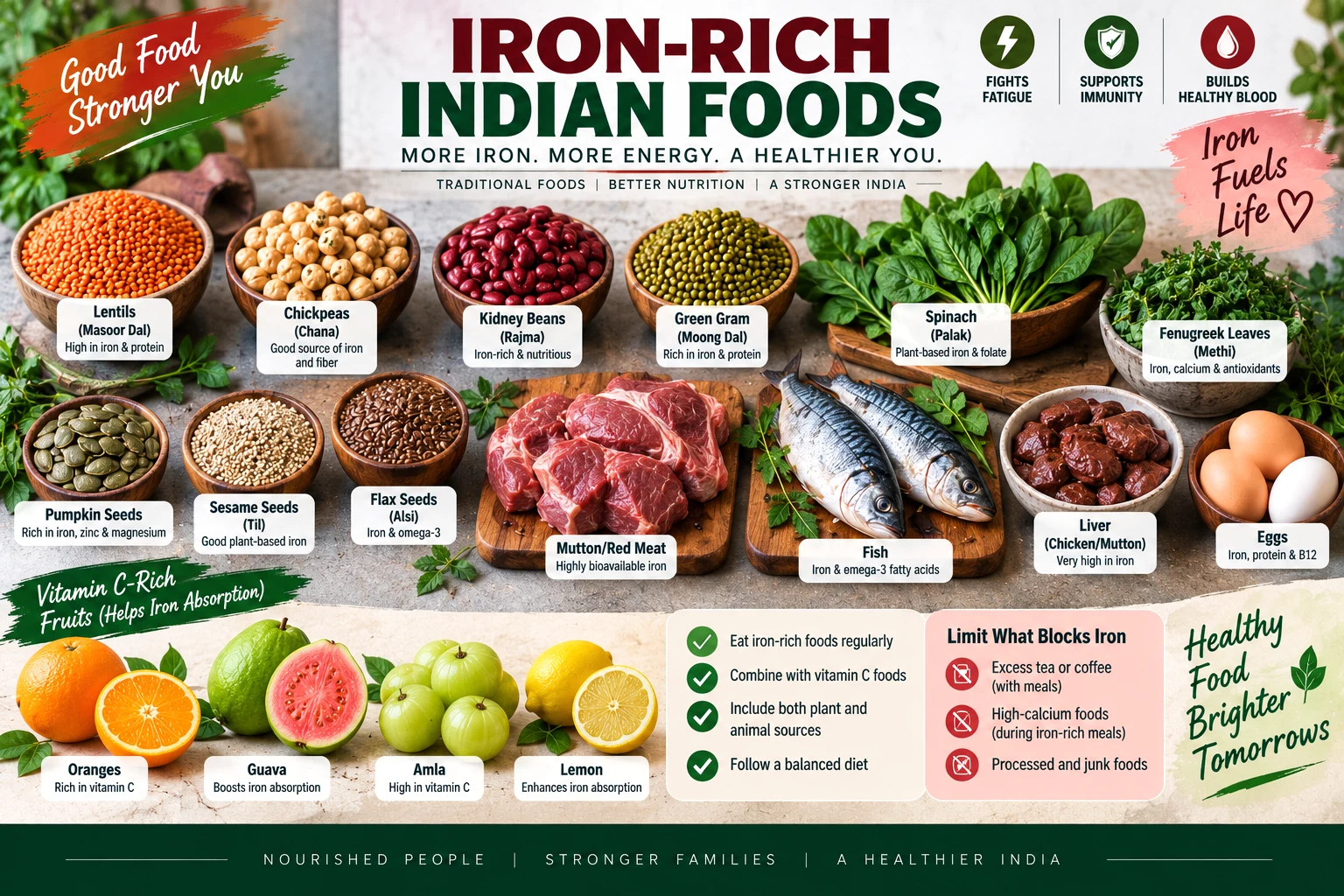
Iron is found in meat, seafood, lentils, beans, leafy greens, nuts and fortified foods — but absorption differs. Learn how vitamin C can help and why anaemia needs proper diagnosis.
From dal, soy and paneer to eggs, fish and chicken, Indian diets offer plenty of protein options. Here’s how to build balanced meals without depending entirely on supplements.
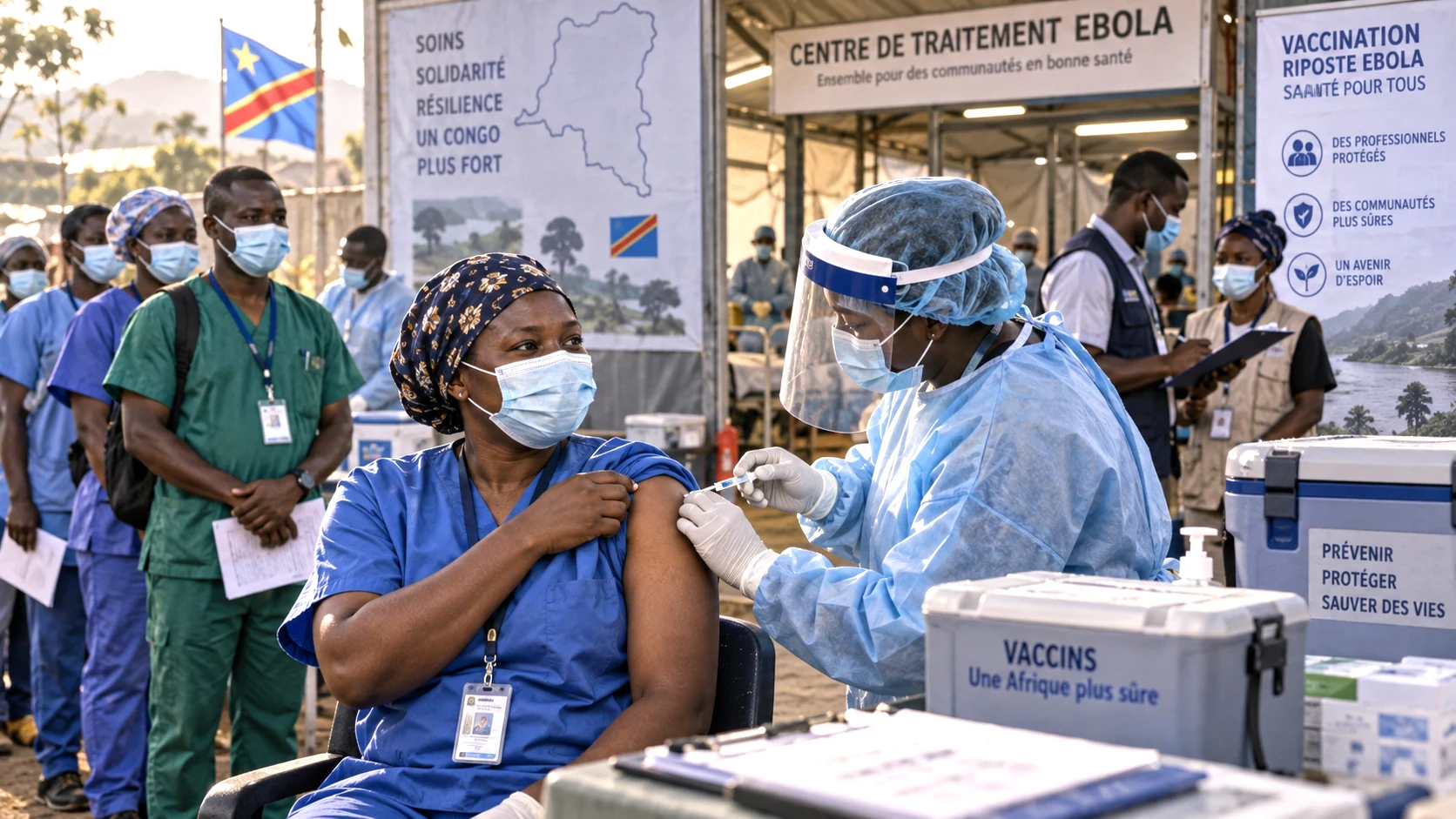
The Democratic Republic of the Congo has expanded Ebola vaccination among frontline health workers as a major study begins in Bunia to test whether the Ervebo vaccine can provide protection against the Bundibugyo virus driving the country’s largest recorded Ebola outbreak. The programme will follow
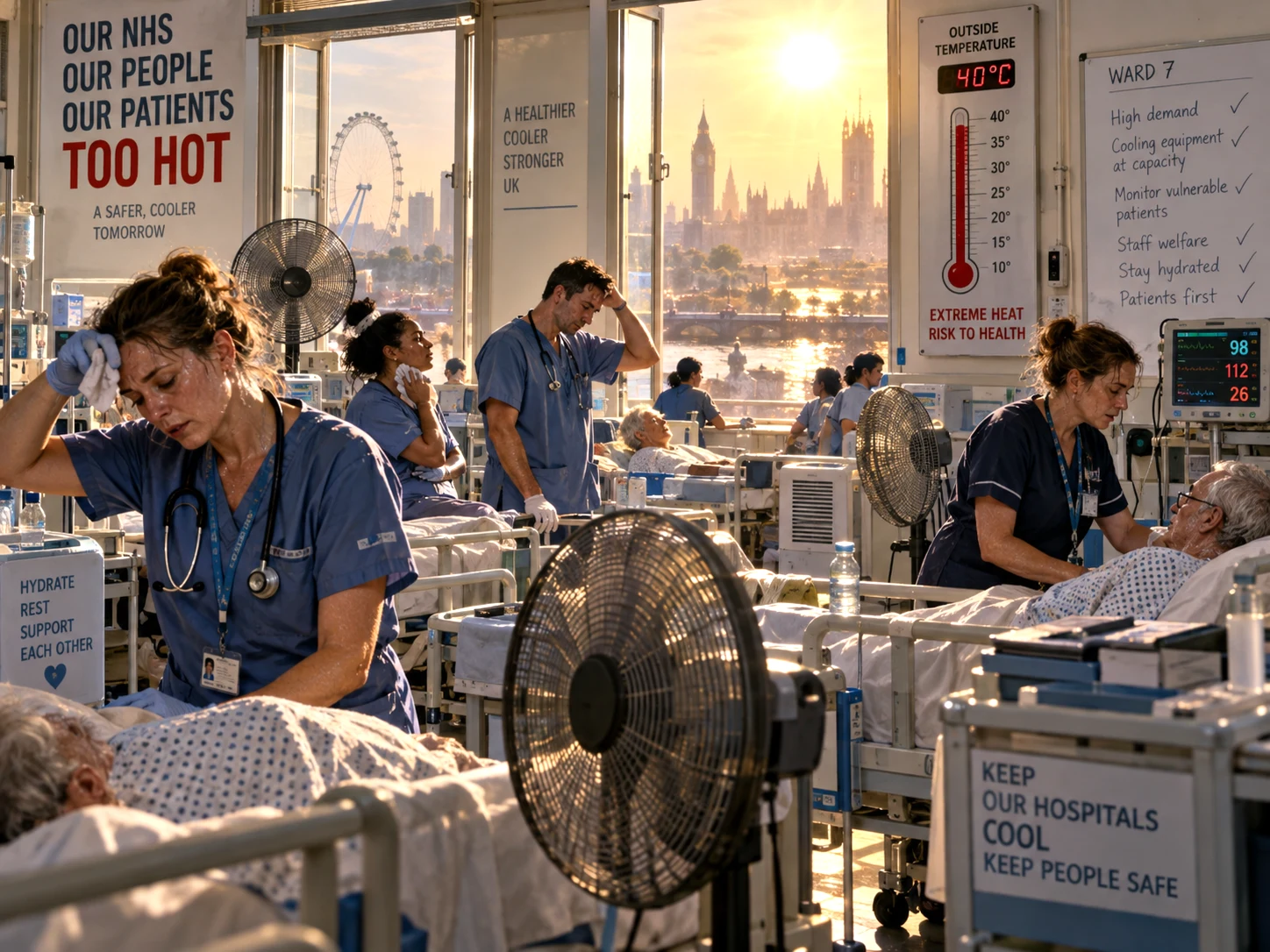
Britain's record-breaking 2026 summer has exposed a growing weakness in its health system: hospitals designed to retain warmth during cold winters are increasingly struggling with extreme summer heat. Patients and medical workers have faced sweltering wards, record emergency-department demand and di
What is a normal blood sugar level? See fasting, 2-hour glucose and HbA1c ranges for normal, prediabetes and diabetes, plus testing guidance and practical Indian diet tips.
BRICS leaders have backed stronger cooperation on tuberculosis, obesity, mental health and other non-communicable diseases, while also supporting resilient health systems, disease surveillance and wider access to medicines and vaccines.





0 Comments