CDSCO Flags 220 Drug Samples as Not of Standard Quality in August 2026: What Patients Should Check
CDSCO's August 2026 surveillance identified 220 drug samples as Not of Standard Quality—29 through central laboratories and 191 through state laboratories. One spurious sample was also detected in Delhi.
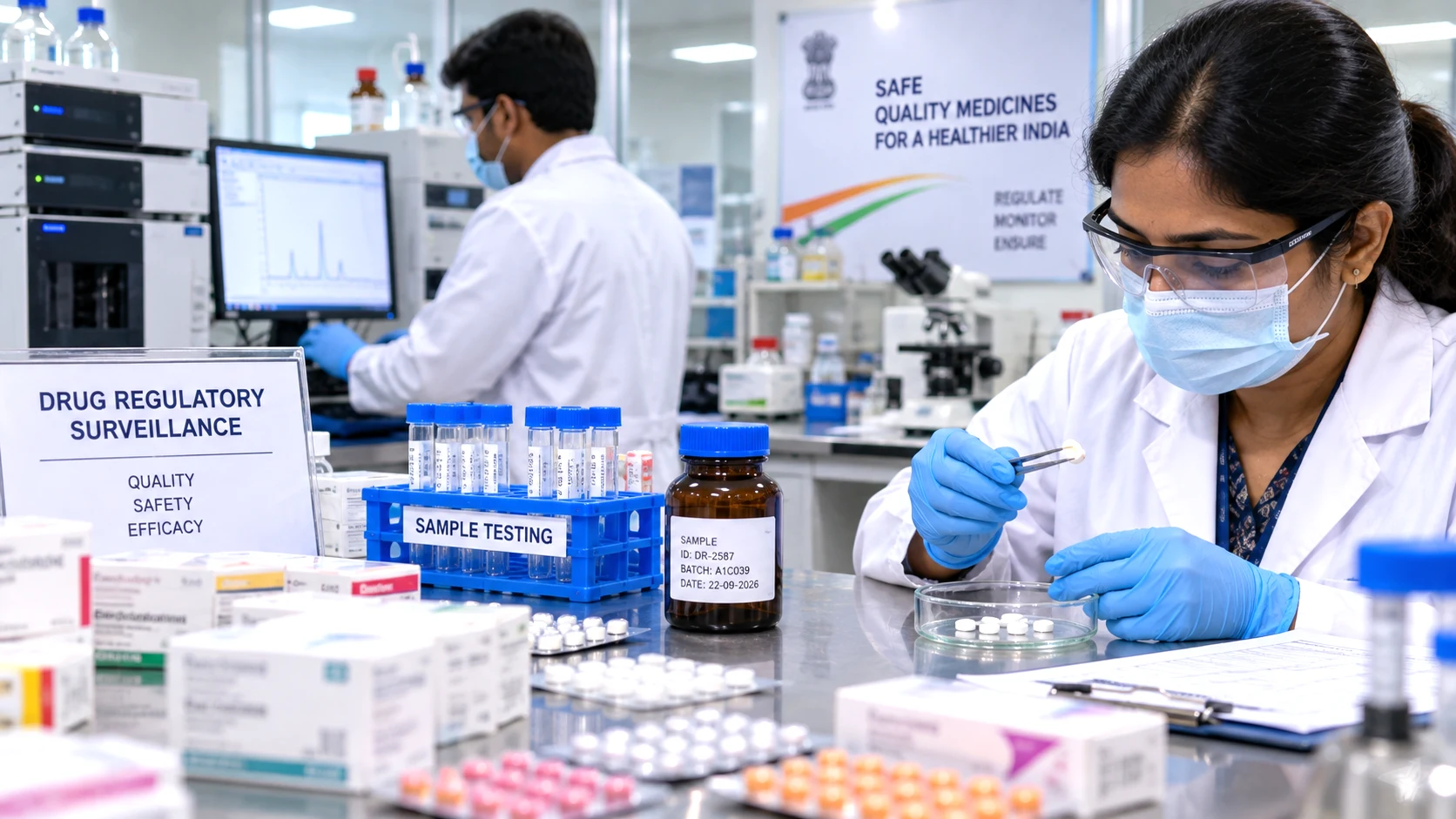
Pharmaceutical samples undergoing quality testing as part of drug regulatory surveillance in India
Table of Contents (20 sections)
NEW DELHI, September 22, 2026: India's drug regulator has identified 220 drug samples as Not of Standard Quality, or NSQ, during regulatory testing for August 2026, while one additional sample detected in Delhi was classified as spurious.
According to the latest Central Drugs Standard Control Organisation alert, 29 NSQ samples were identified by Central Drugs Laboratories and another 191 by State Drugs Testing Laboratories, taking the combined August figure to 220.
CDSCO also reported one spurious sample from the National Capital Territory of Delhi. The regulator said the medicine was allegedly produced by an unauthorised manufacturer using a brand name belonging to another company. The matter remains under investigation, with regulatory action to follow under the Drugs and Cosmetics Act and Rules.
For consumers, however, the most important point is what the alert does not mean.
Recommended Reading
Related Stories & In-Depth Guides
Curated editorial perspectives matching this topic.
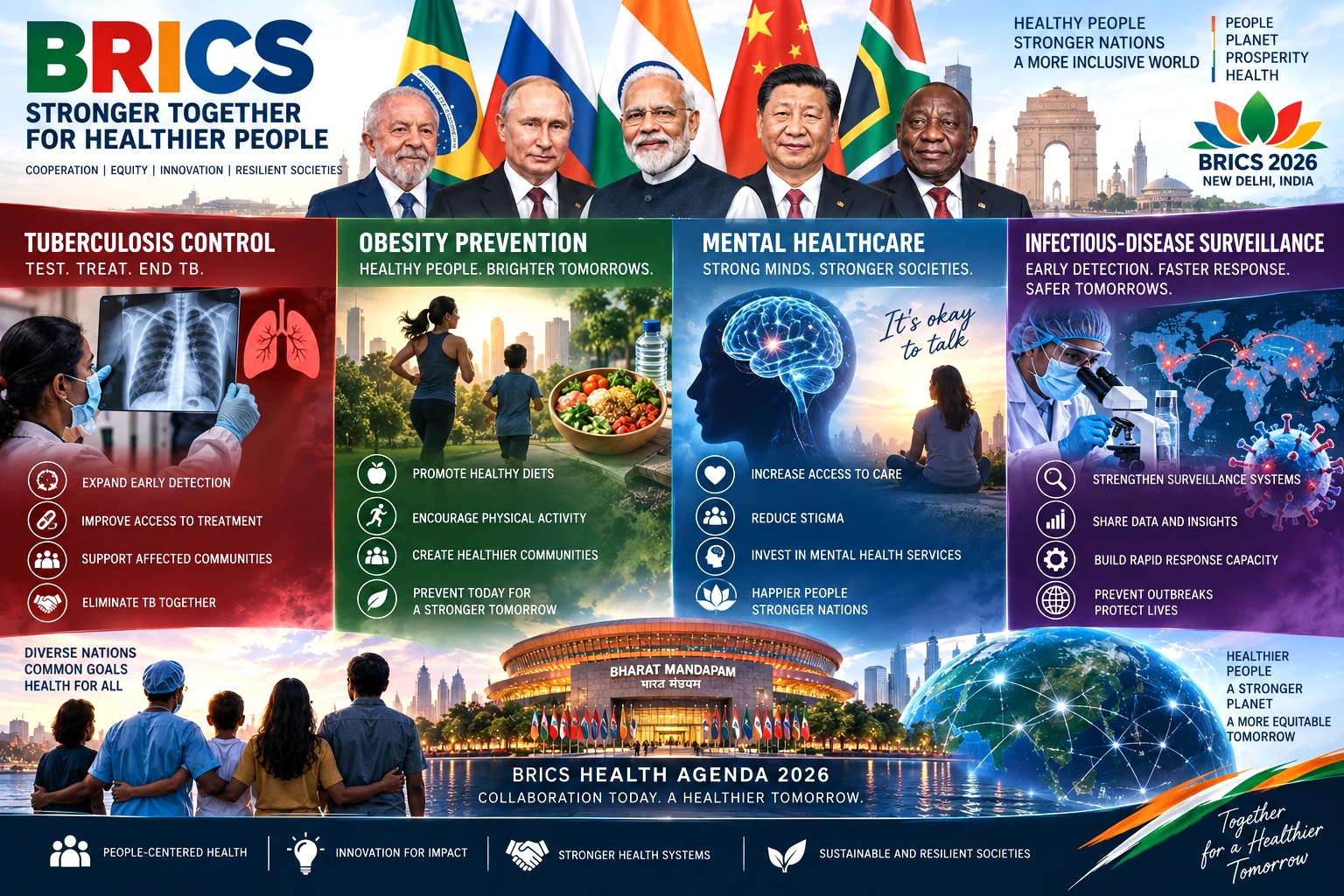
BRICS leaders have backed stronger cooperation on tuberculosis, obesity, mental health and other non-communicable diseases, while also supporting resilient health systems, disease surveillance and wider access to medicines and vaccines.
Always feeling tired even after sleeping? Learn common causes of constant fatigue, including poor sleep, anaemia, thyroid problems, diabetes, vitamin deficiencies and sleep apnoea, plus when to get tested or see a doctor.
An NSQ finding relates to the specific sample or batch tested. It does not automatically mean every medicine sold under the same product name, every batch produced by the manufacturer, or all medicines available in Indian pharmacies are substandard.
CDSCO's surveillance system is designed to identify particular batches that fail prescribed quality standards so regulators can take appropriate action.
Key Takeaways
220 drug samples flagged as Not of Standard Quality in August 2026.
29 identified by central laboratories; 191 by state laboratories.
One spurious sample detected in Delhi; investigation ongoing.
NSQ finding applies to the tested batch, not necessarily the entire brand.
Consumers should verify batch numbers on the official CDSCO portal.
Do not stop prescribed medicines without checking the exact batch and seeking advice.
CDSCO August 2026 Drug Alert: Key Numbers
Finding
August 2026
NSQ samples identified by Central Drugs Laboratories
29
NSQ samples identified by State Drugs Testing Laboratories
191
Total NSQ samples
220
Spurious samples reported
1
Spurious sample location
Delhi
Investigation into spurious sample
Ongoing
The monthly surveillance is carried out by CDSCO in coordination with state drug regulators.
Samples are collected from the market and tested in government laboratories against prescribed specifications. Alerts are then made publicly available so regulators, healthcare professionals, manufacturers, distributors and consumers can identify affected batches.
What Does “Not of Standard Quality” Mean?
CDSCO describes NSQ drugs as medicines that fail to meet the prescribed quality standards or specifications applicable to them. The legal standards of quality are connected to Section 16 of the Drugs and Cosmetics Act and relevant pharmacopoeial or specified product requirements.
This is a technical regulatory classification.
A sample can be classified as NSQ when it fails one or more required quality parameters.
Depending on the medicine and the applicable test, quality evaluation may involve factors such as:
identity of the medicine;
strength or amount of active ingredient;
dissolution;
sterility;
particulate matter;
appearance or physical characteristics;
and other specifications applicable to that particular formulation.
The specific reason for failure varies from batch to batch and should be checked against the individual CDSCO alert entry rather than assumed from the NSQ label alone.
Does NSQ Mean the Drug Is Fake?
No.
NSQ and spurious are different regulatory classifications.
An NSQ sample is a drug that failed one or more applicable quality standards.
A spurious drug involves a different legal problem. Under the Drugs and Cosmetics Act, a drug can be considered spurious in circumstances including when it falsely presents itself as another drug, bears the name of a fictitious manufacturer, substitutes another substance, or purports to be made by a manufacturer that did not actually produce it.
That is why CDSCO reports NSQ and spurious medicines separately.
For August, the regulator reported 220 NSQ samples but only one spurious sample in the latest alert.
What Happened with the Spurious Medicine Found in Delhi?
CDSCO said the Delhi sample was allegedly manufactured by unauthorised producers using a brand name owned by another company.
The case is under investigation.
That distinction is particularly important for consumers because the legitimate brand owner should not automatically be blamed for a product allegedly made by an unauthorised third party.
CDSCO's public portal explains that a drug may legally be considered spurious if it purports to be the product of a manufacturer when it is not actually that manufacturer's product.
Authorities are expected to take further action under the Drugs and Cosmetics Act and Rules based on the investigation.
Does the Alert Mean 220 Different Medicines Are Unsafe?
Not necessarily.
The figure refers to 220 samples identified as NSQ, not a declaration that 220 entire medicine brands are unsafe in every batch and every location.
Multiple batches, formulations or samples can appear within regulatory surveillance data, and each entry needs to be read individually.
CDSCO has emphasised that an NSQ result applies to the batch tested by the government laboratory and should not automatically be extended to unrelated batches or other products in the market.
This is one of the most important points for patients reading headlines about monthly drug alerts.
A medicine name alone is generally not enough to establish whether the pack in a person's home is affected.
How Can Consumers Check Whether Their Medicine Is Affected?
Consumers should compare their medicine pack against the official CDSCO NSQ Alerts portal, which allows users to view NSQ and spurious drug records and filter information by year, month and reporting source.
When checking a medicine, pay particular attention to the details printed on the pack.
1. Check the medicine name
Confirm whether the exact product or formulation appears in the alert.
Names that sound similar may contain different ingredients or strengths.
2. Check the batch number
This is especially important.
The regulatory finding generally applies to the tested batch, so compare the batch number printed on the strip, bottle, carton or vial with the official alert.
3. Check the strength and formulation
A medicine may be sold in several strengths or dosage forms.
For example, tablets, injections, syrups or capsules containing the same active ingredient are not necessarily interchangeable for purposes of a quality alert.
4. Check the manufacturer details
Compare the manufacturer printed on the package with the details in the regulatory record.
This becomes especially important where a spurious product is suspected.
5. Check manufacturing and expiry information
Where provided in the alert, these details can help distinguish the affected batch from other versions of the same medicine.
Should Patients Immediately Stop Taking a Medicine Listed by CDSCO?
Patients should not abruptly stop an important prescribed medicine solely because they saw the medicine's general name in a news report.
First determine whether the exact batch matches the official alert.
If your medicine appears to match an affected batch, contact the dispensing pharmacist, prescribing doctor or other qualified healthcare professional for advice on obtaining an appropriate replacement.
This is particularly important for medicines used to control conditions where suddenly stopping treatment could create health risks.
If there is concern about a specific pack, consumers can also retain the packaging, batch number and purchase information so the product can be properly identified.
The monthly CDSCO alert should therefore be used as a verification tool, not as a reason for patients to discontinue prescribed treatment without appropriate guidance.
Why Are These Medicines Tested Every Month?
Monthly NSQ alerts form part of routine regulatory surveillance.
CDSCO and state drug authorities collect samples from the manufacturing and distribution system and send them to government laboratories for analysis.
The purpose is to detect quality problems in medicines already circulating in the supply chain and allow authorities to remove affected batches or take other regulatory action where required.
The publication of NSQ lists itself should not necessarily be interpreted as evidence that India's overall medicine supply suddenly became less safe during that month.
Surveillance systems are intended to actively look for defects.
The number of samples detected can be influenced by the number and type of products tested, where samples were collected, targeted enforcement activity and other regulatory factors.
Why the Distinction Between a Sample and the Entire Market Matters
A common mistake is to read a headline saying “220 drugs failed quality tests” and assume there are 220 medicines that nobody should use.
That is too broad.
CDSCO's own regulatory framework focuses on tested samples and affected batches.
Historically, the regulator has also cautioned against extrapolating government laboratory failure data to the entire medicine market, because samples may be selected through targeted surveillance rather than random sampling of every medicine sold nationally.
In practical terms:
Correct interpretation:
A specified batch sampled by a regulator failed one or more applicable standards.
Incorrect interpretation:
Every pack bearing that medicine or company's name is therefore unsafe.
Further investigation and regulatory action determine the appropriate response for each case.
What Happens After a Drug Sample Fails Testing?
The response can vary depending on the type and seriousness of the quality failure.
Drug regulators may examine:
the affected batch;
manufacturing records;
distribution records;
samples from other locations;
the manufacturing facility;
quality-control procedures;
whether recalls or withdrawals are required;
and whether legal or licensing action should follow.
State authorities and CDSCO can coordinate enforcement depending on jurisdiction and the nature of the product.
For a suspected spurious product, the investigation may additionally focus on identifying unauthorised manufacturers, distributors and supply chains.
CDSCO has published separate guidelines for regulatory action involving drugs declared spurious or not of standard quality.
A quality failure from a legitimate manufacturer and a counterfeit or falsely branded product present different regulatory problems.
A legitimate batch may fail a laboratory parameter because of manufacturing, storage, stability or another quality issue.
A spurious product may involve deliberate misrepresentation of identity or manufacturer.
The latter can make tracing the real source considerably more difficult.
CDSCO's definition includes products that imitate another medicine, use a fictitious manufacturer's identity, substitute another substance or falsely claim to have been produced by a particular manufacturer.
Consumers can reduce risk by purchasing medicines from licensed pharmacies and keeping invoices where practical, particularly for expensive or long-term medicines.
What Should Pharmacies and Hospitals Do?
Healthcare institutions and medicine sellers have a more direct responsibility to monitor regulatory alerts.
Once a batch is identified, pharmacies, hospitals and distributors should check stock against the official batch information and follow instructions from the relevant drug-control authority, manufacturer or supply chain.
They should avoid assuming that every batch of the product is affected unless the regulator has issued a broader action.
Accurate batch-level identification can help prevent both unsafe dispensing and unnecessary removal of unaffected medicines.
What Should Consumers Do If They Suspect a Spurious Medicine?
Warning signs alone cannot prove that a medicine is fake, but consumers who are concerned about a pack can take practical steps:
do not rely only on appearance to decide authenticity;
retain the packaging and purchase receipt if available;
record the batch number, manufacturing date and expiry;
contact the pharmacy where it was purchased;
contact the legitimate manufacturer through verified channels where necessary;
and report suspected counterfeit or quality problems to the appropriate drug-control authority.
If a patient develops an unexpected or serious medical problem after taking a medicine, they should seek appropriate medical care rather than trying to diagnose whether the medicine itself was responsible.
Where Is the Complete August NSQ Drug List?
CDSCO maintains a public NSQ Alerts database through its online portal.
Users can select:
NSQ Drugs or Spurious Drugs;
year;
month;
and reporting source.
That makes the official database more reliable than screenshots or abbreviated lists circulating on social media because users can compare the current regulatory record directly.
For the August 2026 alert, the regulator's overall figures are 29 NSQ samples identified through central laboratories and 191 through state laboratories.
What the August Alert Does — and Does Not — Establish
The latest data establishes that government testing identified 220 samples that failed applicable standards during August surveillance.
It also establishes that a separate sample in Delhi was classified as spurious and remains under investigation.
It does not establish that:
all medicines made by the companies appearing in the list are substandard;
all batches of a medicine with the same brand name are affected;
every NSQ result represents a counterfeit medicine;
every NSQ failure carries the same clinical risk;
or consumers should stop prescribed treatment without checking the batch and seeking appropriate advice.
Those distinctions are essential for responsible interpretation of medicine-quality alerts.
What Happens Next?
CDSCO and state regulators are expected to continue follow-up action on affected batches in accordance with the Drugs and Cosmetics Act and Rules.
The Delhi spurious-drug investigation also remains open.
Future regulatory action could include additional testing, tracing of distribution channels or enforcement proceedings depending on what investigators establish.
CDSCO will continue publishing monthly surveillance information through its public alert system.
For patients, the practical takeaway is straightforward: do not panic based on a medicine name alone. Check the official alert, match the exact batch and product details, and seek professional advice if your medicine appears to be affected.
Frequently Asked Questions
How many drug samples failed CDSCO quality testing in August 2026?
CDSCO reported 220 NSQ samples—29 identified by Central Drugs Laboratories and 191 by State Drugs Testing Laboratories.
What does NSQ mean?
NSQ means Not of Standard Quality. It refers to a drug sample that failed to meet one or more applicable quality standards or specifications.
Does an NSQ alert mean every batch of the medicine is bad?
No. CDSCO says NSQ findings relate to the particular batch or sample tested and should not automatically be applied to every other batch or medicine in the market.
Did CDSCO also find a spurious medicine?
Yes. One sample detected in Delhi was classified as spurious. CDSCO said it was allegedly produced by an unauthorised manufacturer using another company's brand name. The matter is under investigation.
How can I check whether my medicine is affected?
Use CDSCO's official NSQ Alerts database and compare the medicine name, strength, manufacturer and particularly the batch number against the regulatory entry.
Should I stop taking my medicine if its name appears in the alert?
Do not stop an important prescribed medicine solely because the general medicine name appears in a report. Check whether your exact batch is affected and consult a pharmacist or qualified healthcare professional if it matches.
Bottom Line
CDSCO’s August 2026 surveillance identified 220 drug samples as Not of Standard Quality and one spurious sample in Delhi.
NSQ findings apply to the tested batches. Consumers should verify exact product and batch details on the official portal and seek professional advice before changing any prescribed treatment.
Key Takeaway
220 NSQ samples flagged in August 2026.
One spurious sample detected in Delhi.
Check official batch details before taking action.
The Rajatheertha Team publishes news, explainers, guides and updates across India and the world. Our coverage follows Rajatheertha's editorial, verification and corrections standards.
Learn normal cholesterol, LDL, HDL and triglyceride levels, which foods can help lower LDL, practical Indian diet swaps, exercise tips and when cholesterol medicine may be needed.
Learn the common signs and causes of vitamin D deficiency, how the 25(OH)D blood test is interpreted, vitamin D-rich foods available in India, sunlight basics and when supplements or medical advice may be needed.
Britain's record-breaking 2026 summer has exposed a growing weakness in its health system: hospitals designed to retain warmth during cold winters are increasingly struggling with extreme summer heat. Patients and medical workers have faced sweltering wards, record emergency-department demand and di
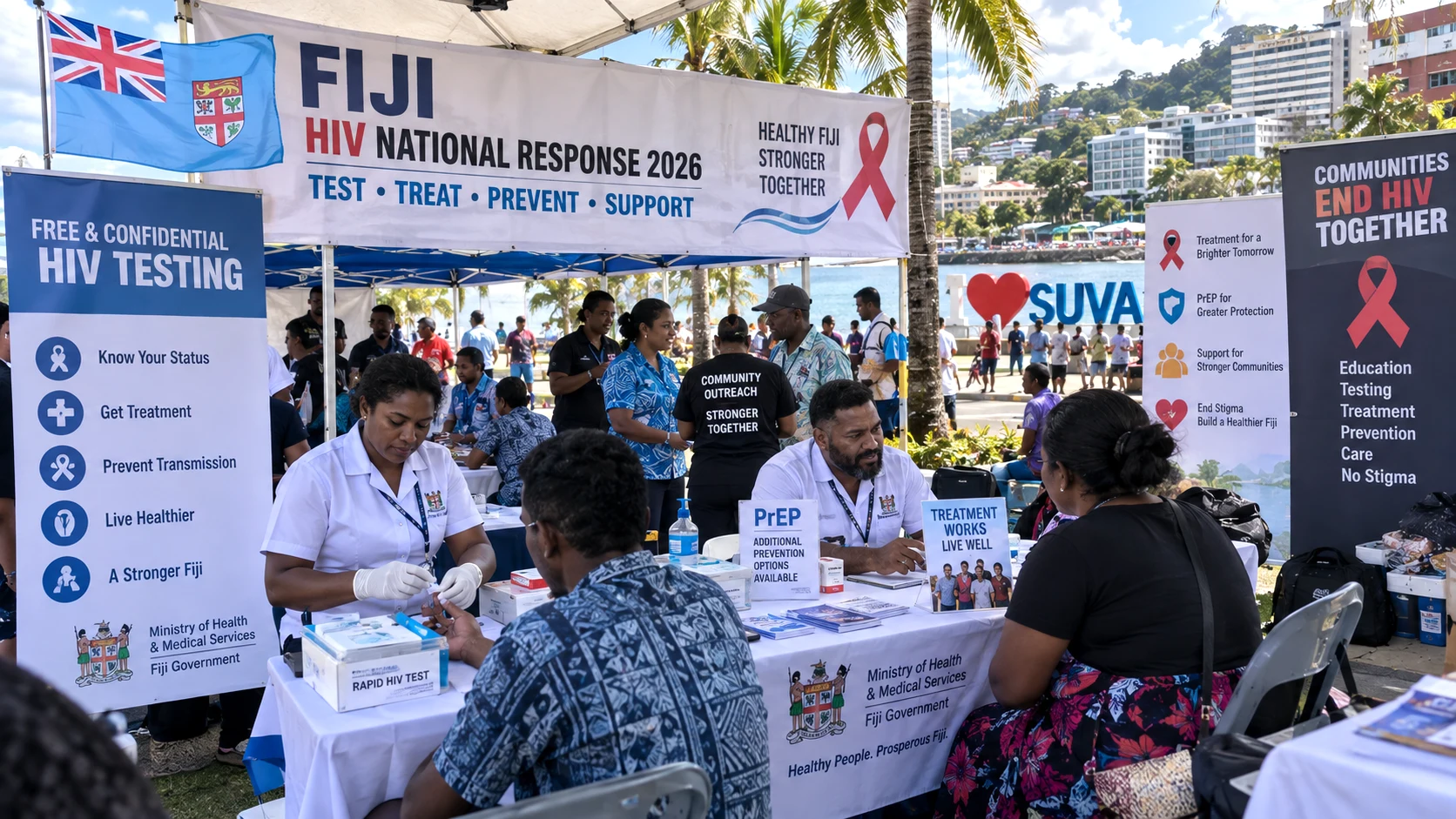
Fiji recorded 2,016 new HIV diagnoses in 2025, up 27% from the previous year, while UNAIDS estimates around 9,100 people were living with HIV. The government is expanding testing, treatment, PrEP and harm-reduction services as health authorities call for a coordinated national response.
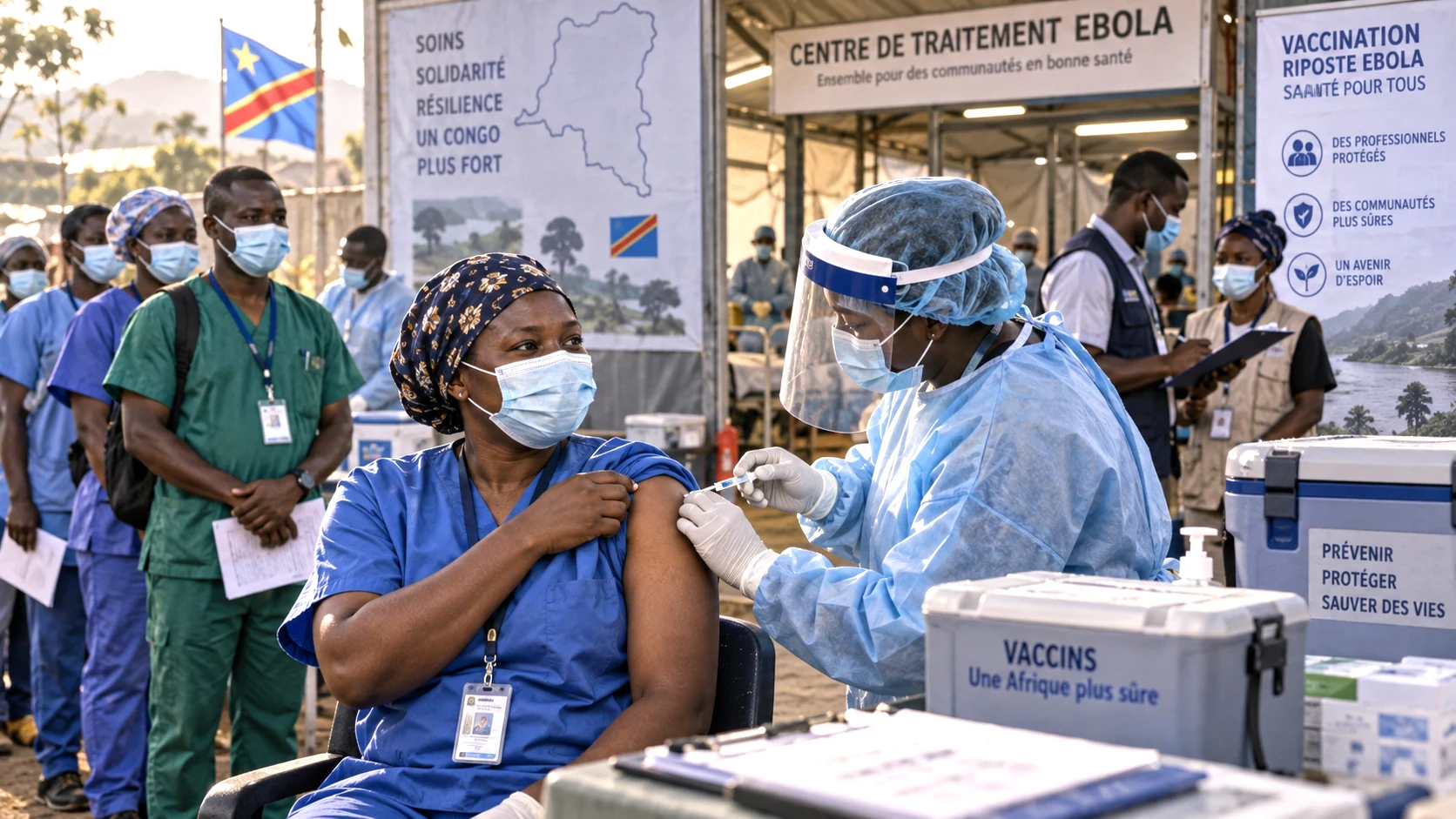
The Democratic Republic of the Congo has expanded Ebola vaccination among frontline health workers as a major study begins in Bunia to test whether the Ervebo vaccine can provide protection against the Bundibugyo virus driving the country’s largest recorded Ebola outbreak. The programme will follow
Feeling stressed or anxious? Simple habits such as slow breathing, short walks, journaling, better sleep and regular breaks from social media may help. Here are practical ways to manage everyday stress—and signs that it may be time to seek professional support.








0 Comments