Normal Blood Sugar Levels Chart: Fasting, After Meal & HbA1c Explained
What is a normal blood sugar level? See fasting, 2-hour glucose and HbA1c ranges for normal, prediabetes and diabetes, plus testing guidance and practical Indian diet tips.
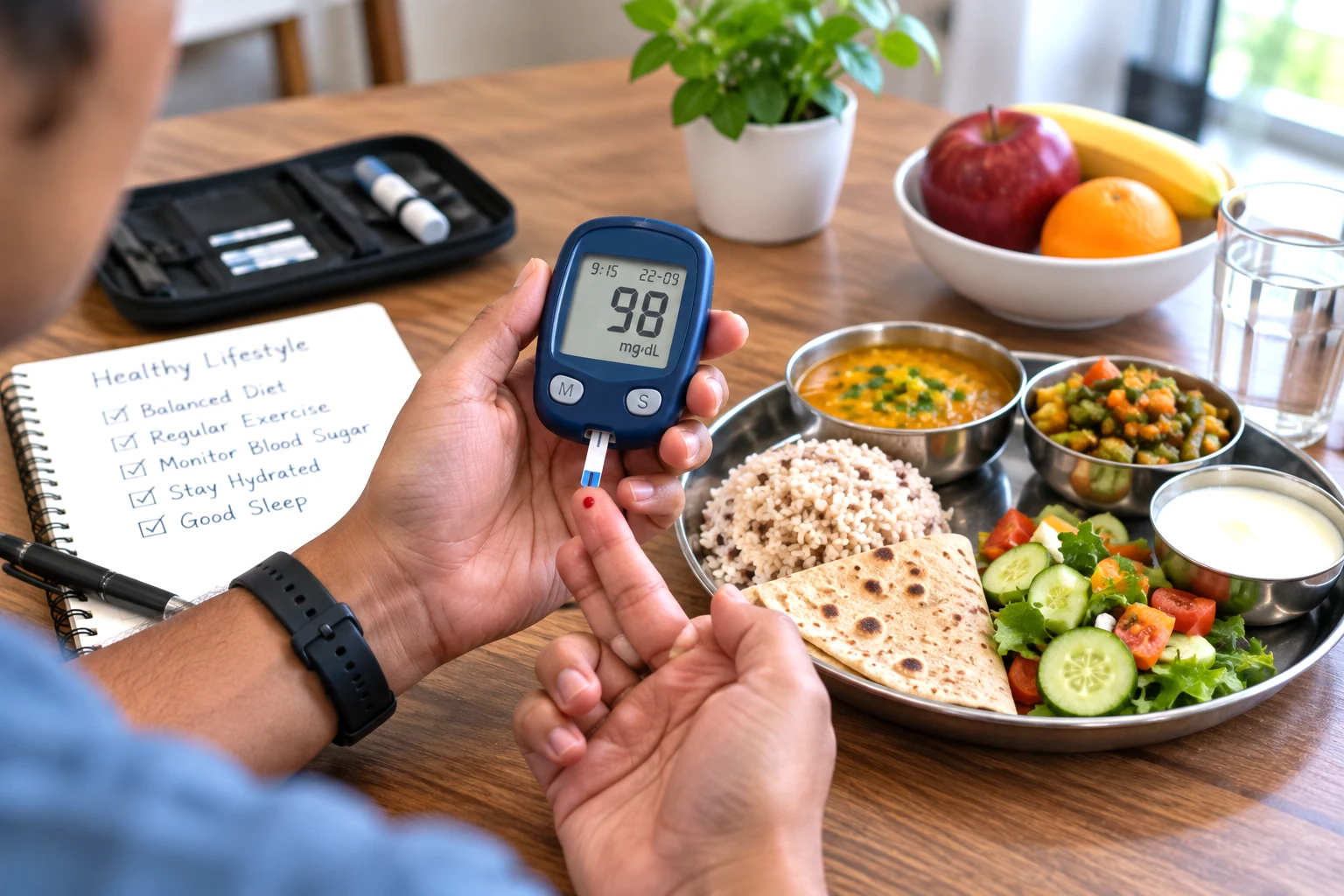
Person checking blood sugar with a glucometer alongside a balanced Indian meal
Table of Contents (25 sections)
Blood sugar numbers can be confusing because a result considered normal while fasting may be very different from a reading taken after eating.
The simplest way to understand your results is to first identify which test was performed: fasting plasma glucose, a 2-hour oral glucose tolerance test, HbA1c or a routine home glucose reading after a meal.
For non-pregnant adults, current diagnostic criteria classify a fasting plasma glucose below 100 mg/dL, a 2-hour glucose below 140 mg/dL during a 75-gram oral glucose tolerance test, and an HbA1c below 5.7% as being outside the prediabetes range.
Higher values do not always mean a person has diabetes from a single test. In people without clear symptoms or a hyperglycaemic emergency, an abnormal diabetes-range result generally needs confirmation with another abnormal test.
Recommended Reading
Related Stories & In-Depth Guides
Curated editorial perspectives matching this topic.
What is a normal blood pressure? See an easy BP chart, understand 120/80, 130/80 and 140/90 readings, learn hypertension symptoms, Indian diet tips, correct home measurement and when high BP needs urgent medical care.
Learn the common signs and causes of vitamin D deficiency, how the 25(OH)D blood test is interpreted, vitamin D-rich foods available in India, sunlight basics and when supplements or medical advice may be needed.
Key Takeaways
Fasting plasma glucose below 100 mg/dL is considered normal.
2-hour OGTT below 140 mg/dL is normal; 140–199 mg/dL is prediabetes.
HbA1c below 5.7% is normal; 5.7–6.4% is prediabetes; 6.5% or above is diabetes range.
Treatment targets for many adults with diabetes differ from diagnostic thresholds.
Always confirm abnormal results and seek clinical advice for individual targets.
Practical Indian meal patterns can support healthier glucose control.
Quick Answer: Normal Blood Sugar Levels Chart
Diagnostic ranges for non-pregnant adults
Test
Normal range
Prediabetes range
Diabetes range
Fasting plasma glucose
Below 100 mg/dL
100–125 mg/dL
126 mg/dL or above
2-hour glucose after 75 g OGTT
Below 140 mg/dL
140–199 mg/dL
200 mg/dL or above
HbA1c
Below 5.7%
5.7–6.4%
6.5% or above
Random plasma glucose
No single diagnostic “normal” cut-off
—
200 mg/dL or above with classic symptoms can diagnose diabetes
These values are consistent with current American Diabetes Association criteria and Indian Council of Medical Research guidance.
Important: The “2-hour” diagnostic value above refers specifically to a laboratory oral glucose tolerance test, or OGTT, performed after drinking a standard 75-gram glucose solution. It is not exactly the same thing as checking your glucometer two hours after an ordinary breakfast, lunch or dinner.
What Is a Normal Fasting Blood Sugar Level?
A fasting glucose test measures blood sugar after at least eight hours without calories. Water is generally allowed.
For adults who are not pregnant:
Below 100 mg/dL: normal according to ADA/ICMR criteria
100–125 mg/dL: impaired fasting glucose, commonly classified as prediabetes
126 mg/dL or above: diabetes range
The diabetes threshold should normally be confirmed with repeat testing unless there are unequivocal signs of hyperglycaemia.
For example, a fasting result of 92 mg/dL falls in the normal range.
A fasting result of 108 mg/dL falls within the prediabetes range under ADA and current ICMR treatment-workflow criteria.
A result of 130 mg/dL reaches the diabetes diagnostic threshold, but a clinician will usually confirm the finding when the person does not have clear symptoms.
Fasting Glucose: Why Do Some Charts Say 100 and Others Say 110?
Readers in India may encounter conflicting charts online.
This happens partly because major organisations have historically used slightly different thresholds for impaired fasting glucose.
ICMR's detailed diabetes guideline shows the distinction clearly:
ADA uses 100–125 mg/dL for impaired fasting glucose.
WHO has historically used 110–125 mg/dL.
Both use 126 mg/dL or above as the diabetes threshold.
ICMR's more recent Standard Treatment Workflow uses 100–125 mg/dL for prediabetes, so that is the range used throughout this guide.
What Should Blood Sugar Be Two Hours After Eating?
This question needs an important clarification.
There are two different situations people commonly call “after-meal sugar.”
1. Two-hour glucose during an OGTT
This is a diagnostic laboratory test.
After fasting, the person drinks a solution containing 75 grams of glucose, and plasma glucose is measured two hours later.
The ranges are:
2-hour OGTT value
Interpretation
Below 140 mg/dL
Normal
140–199 mg/dL
Prediabetes / impaired glucose tolerance
200 mg/dL or above
Diabetes range
2. Glucose after an ordinary meal
A home reading after breakfast, lunch or dinner is useful for monitoring glucose patterns, particularly in someone who already has diabetes.
But it should not be substituted directly for a diagnostic OGTT.
For many non-pregnant adults who already have diabetes, the ADA recommends an individualised target of below 180 mg/dL at the post-meal peak, measured around one to two hours after the beginning of the meal.
That is a treatment target, not the diagnostic definition of normal glucose in someone who has never been diagnosed with diabetes.
Blood Sugar Targets If You Already Have Diabetes
Diagnostic thresholds and treatment targets answer different questions.
A diagnostic threshold asks:
Does this person meet criteria for diabetes or prediabetes?
A treatment target asks:
For a person who already has diabetes, what glucose range are we trying to maintain safely?
For many non-pregnant adults with diabetes, ADA 2026 guidance lists the following general goals:
Measurement
General target for many adults with diabetes
Before meals
80–130 mg/dL
1–2 hours after beginning a meal
Below 180 mg/dL
HbA1c
Below 7% for many adults
ICMR's Standard Treatment Workflow similarly lists pre-meal glucose of 80–130 mg/dL, post-meal glucose below 180 mg/dL and HbA1c of around 7% or less for many adults, while recognising that targets may need to differ in older people or those with significant medical conditions.
These are not universal targets.
A clinician may set a different goal depending on age, pregnancy, type of diabetes, medicines, kidney disease, cardiovascular disease, risk of low blood sugar and other medical factors.
What Is HbA1c?
HbA1c, also called A1C or glycated haemoglobin, estimates a person's average glucose exposure over roughly the previous two to three months.
Unlike fasting glucose, you generally do not need to fast before an HbA1c test.
HbA1c chart
HbA1c
Meaning
Below 5.7%
Normal
5.7–6.4%
Prediabetes
6.5% or above
Diabetes range
For example:
HbA1c 5.4% is below the prediabetes threshold.
HbA1c 5.9% falls in the prediabetes range.
HbA1c 6.7% reaches the diabetes threshold.
Again, a person without obvious symptoms generally needs confirmation before a diagnosis is made.
HbA1c and Estimated Average Glucose
HbA1c can also be translated approximately into an estimated average glucose.
CDC provides examples such as:
HbA1c
Approximate estimated average glucose
6%
126 mg/dL
7%
154 mg/dL
8%
183 mg/dL
9%
212 mg/dL
10%
240 mg/dL
This does not mean that someone with an HbA1c of 7% will measure exactly 154 mg/dL every time.
Blood sugar naturally rises and falls during the day. The estimated average is simply a way to make the A1C number easier to understand.
Can HbA1c Ever Be Misleading?
Yes.
HbA1c is extremely useful, but it is not perfect.
Conditions that alter red blood cells or haemoglobin can sometimes make A1C less reliable. Examples can include certain types of anaemia, haemoglobin variants, kidney disease, recent blood loss or transfusion and pregnancy.
If HbA1c and glucose readings repeatedly disagree, clinicians may investigate whether one of these factors is affecting the result.
What Level Is Considered Low Blood Sugar?
A glucose reading below 70 mg/dL is considered hypoglycaemia and is clinically important, particularly in people using insulin or medicines that can lower glucose.
ADA classifies:
Below 70 but at least 54 mg/dL: Level 1 hypoglycaemia
Below 54 mg/dL: Level 2 hypoglycaemia
Severe symptoms requiring another person's assistance: Level 3 hypoglycaemia regardless of the measured number
Possible symptoms include sweating, shaking, hunger, rapid heartbeat, confusion or unusual behaviour.
Repeated low readings should be discussed with a clinician, particularly if a person takes glucose-lowering medicines.
Is One High Blood Sugar Reading Enough to Diagnose Diabetes?
Usually not.
Current ADA guidance states that, unless there is unequivocal hyperglycaemia, diagnosis generally requires two abnormal test results.
That could mean:
repeating the same test on another sample; or
confirming with a different recognised test.
For example, one fasting glucose result of 128 mg/dL in an otherwise well person should normally prompt confirmation rather than self-diagnosis from a single laboratory report.
An important exception is a person with classic hyperglycaemia symptoms who has a random plasma glucose of 200 mg/dL or higher, or someone presenting with a hyperglycaemic crisis.
What Symptoms Can Occur When Blood Sugar Is High?
Type 2 diabetes can develop with few or no noticeable symptoms, which is one reason screening matters.
When symptoms occur, they can include:
frequent urination;
increased thirst;
increased hunger;
unexplained weight loss;
fatigue;
blurred vision;
and recurrent infections.
A person should not wait for symptoms before testing if they already have significant risk factors.
Who Should Get Tested for Diabetes?
ADA 2026 recommends screening all adults starting no later than age 35, even when no other major risk factor is present.
Testing should be considered earlier in adults with overweight or obesity who also have risk factors such as:
a parent or sibling with diabetes;
hypertension;
cardiovascular disease;
physical inactivity;
polycystic ovary syndrome;
abnormal triglyceride or HDL cholesterol levels;
or conditions associated with insulin resistance.
For people of Asian ancestry, ADA uses a lower BMI threshold of 23 kg/m² when considering risk-based screening.
People with prediabetes should generally be retested more frequently, while someone with previously normal results can often be screened at least every three years, depending on individual risk.
Which Blood Sugar Test Is Best?
There is no single best test for every situation.
Fasting plasma glucose
Useful because it is inexpensive, widely available and easy to interpret.
The disadvantage is that you must fast.
HbA1c
Convenient because fasting is not required and it reflects longer-term glucose exposure.
Its accuracy can be affected by certain blood or medical conditions.
Oral glucose tolerance test
The OGTT can detect abnormal glucose handling that fasting glucose or HbA1c may miss.
However, it requires fasting, drinking a glucose solution and waiting two hours.
A clinician may choose one or more tests based on symptoms, risk factors and previous results.
Laboratory Glucose vs Home Glucometer: Are They the Same?
Not exactly.
Diagnostic criteria are primarily based on standardised laboratory plasma glucose testing.
A home glucose meter is extremely useful for monitoring people with diabetes, but readings can vary because of:
meter accuracy;
test-strip condition;
hand contamination;
temperature;
timing after meals;
hydration;
and normal biological variation.
A home reading that repeatedly appears abnormal is a reason to seek proper laboratory assessment, not necessarily enough to diagnose diabetes by itself.
Indian Diet Tips for Healthier Blood Sugar
No single Indian food either “causes diabetes” or “cures diabetes.”
The overall pattern of diet, portion size, physical activity, body weight, genetics and other metabolic factors matters.
ICMR-National Institute of Nutrition's Dietary Guidelines for Indians emphasise a varied diet containing vegetables, pulses, whole grains or millets, fresh fruit, nuts and seeds, while limiting excessive added sugar and highly processed foods.
1. Make vegetables a major part of meals
Instead of building most of the plate around rice, biryani, noodles, roti or another starch, include substantial vegetables and greens.
ICMR-NIN recommends generous vegetable and fruit consumption because these foods provide fibre, micronutrients and other beneficial compounds.
Useful Indian choices include:
beans;
bhindi;
cabbage;
cauliflower;
gourds;
brinjal;
spinach and other leafy greens;
cucumber;
tomato;
carrot;
and mixed vegetable curries prepared without excessive oil.
2. Include protein with meals
Protein can make a meal more balanced and may reduce reliance on very large portions of carbohydrate-rich staples.
Depending on dietary preference, options can include:
dal;
chana;
rajma;
other pulses;
curd;
paneer;
eggs;
fish;
or lean meat.
ICMR-NIN's model plate includes pulses as a major food group alongside vegetables, cereals, dairy and nuts or seeds.
3. Prefer whole fruit to fruit juice
Fruit itself can fit into a healthy diet.
Fruit juice, however, is much easier to consume rapidly and removes or reduces some of the structural benefits of eating intact fruit.
ICMR-NIN specifically recommends preferring fresh fruit rather than juice.
4. Watch the quantity of rice, roti and other starches
Rice and roti do not need to be completely eliminated for most people.
The issue is often portion size and total carbohydrate load.
A very large plate of polished rice combined with potato, sweets and a sugary drink produces a very different glucose load from a smaller cereal portion eaten with dal, vegetables, curd and protein.
Millets can add variety, but they are still carbohydrate-containing foods and are not automatically “free foods” for diabetes.
5. Limit sugary drinks and frequent sweets
Soft drinks, sweetened tea or coffee, packaged juices, desserts and sweets can add substantial rapidly absorbed carbohydrate.
ICMR-NIN's model diet recommends restricting added sugar and emphasises reducing foods high in sugar, salt and fat.
6. Do not assume “diabetic” packaged foods are automatically healthy
A biscuit, cereal, snack or sweet marketed as “diabetic friendly,” “multigrain” or “no added sugar” can still contain substantial starch, fat or calories.
Check the complete nutrition label and portion size rather than relying only on the front-of-pack claim.
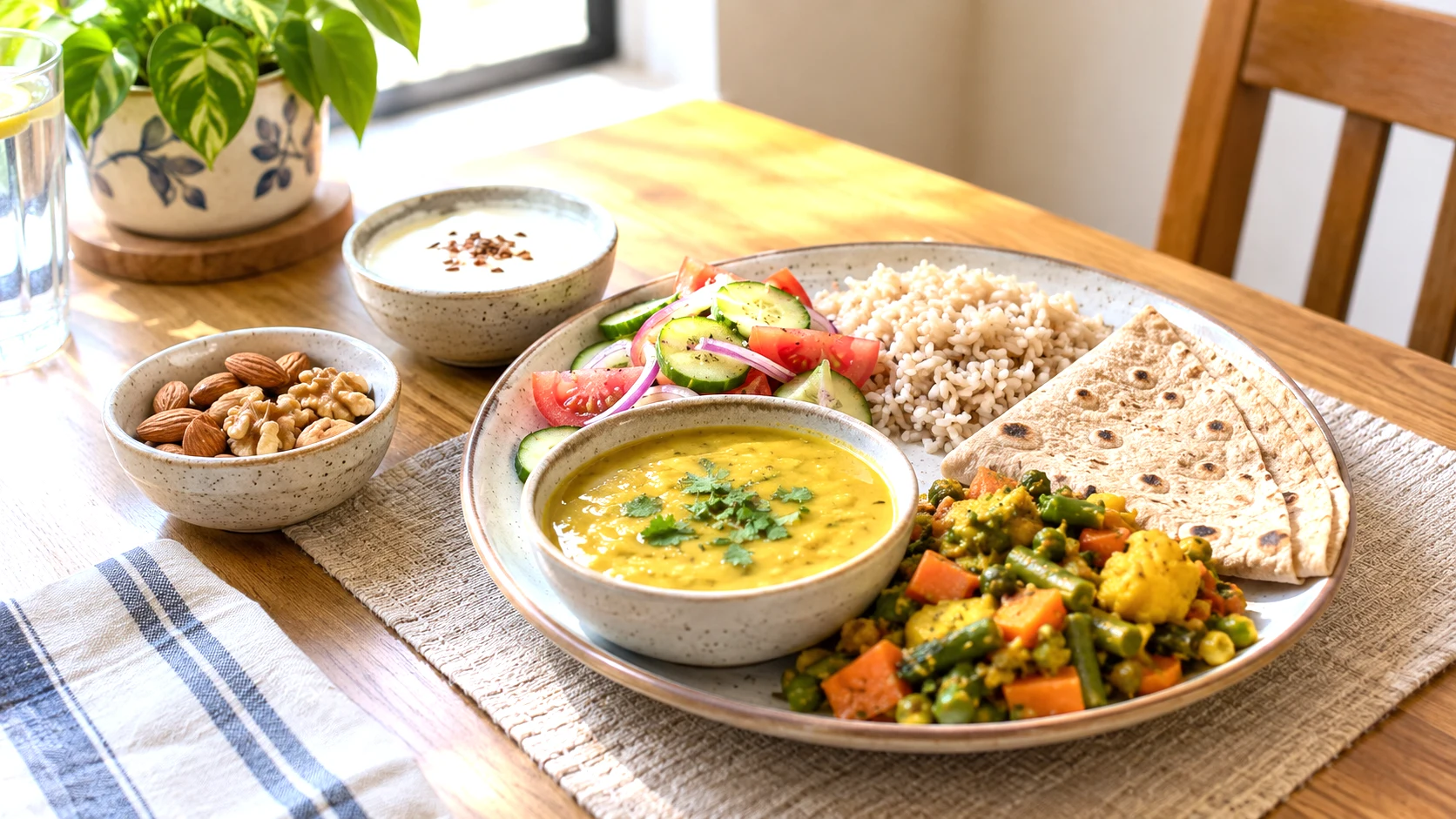
A Simple Indian Meal Approach
A practical meal might look like:
Vegetables + protein/pulses + a moderate cereal portion + curd or another appropriate side.
For example:
vegetable sabzi + dal + moderate rice portion;
mixed vegetables + two appropriately sized rotis + curd;
sambar with vegetables + controlled rice portion;
egg or fish + vegetables + smaller rice or roti portion.
The right portions depend on body size, activity, diabetes treatment, weight goals and other medical conditions.
People using insulin or medicines that can cause hypoglycaemia should avoid making major carbohydrate reductions without discussing treatment adjustments with their clinician.
Can Walking After Meals Help?
Regular physical activity is an important part of preventing and managing type 2 diabetes.
Even though glucose responses vary between individuals, replacing prolonged inactivity with movement and building consistent exercise into the week can improve metabolic health.
For someone with diabetes, exercise planning may need adjustment when insulin or medications that can cause hypoglycaemia are being used.
When Should You See a Doctor?
Arrange medical testing if:
fasting glucose repeatedly reaches the prediabetes or diabetes range;
HbA1c is 5.7% or above;
post-meal readings are repeatedly unusually high;
you have excessive thirst or urination;
you are losing weight without trying;
vision has become blurry;
you have recurrent infections;
or you have significant diabetes risk factors.
Seek urgent medical care for severe symptoms such as confusion, persistent vomiting, significant dehydration, breathing difficulty, loss of consciousness or severe hypoglycaemia.
What About Blood Sugar During Pregnancy?
The ranges in the main chart should not be used to diagnose gestational diabetes.
Pregnancy has separate screening procedures and glucose targets.
Gestational diabetes screening commonly occurs between 24 and 28 weeks, although people at higher risk may be tested earlier.
Pregnant readers should follow pregnancy-specific advice from their obstetric and diabetes-care teams rather than using a general adult chart.
Practical Checklist Before Interpreting Your Result
Before deciding what a blood sugar number means, ask:
Was the test done at a laboratory or on a home glucometer?
Had I fasted for at least eight hours?
Was this an ordinary meal or a formal 75-gram OGTT?
How long after starting the meal was the sample taken?
Is this a one-time result or a repeated pattern?
Do I already have diabetes?
Am I pregnant?
Am I taking medicines that affect blood sugar?
Is there a condition that could make HbA1c unreliable?
Has a clinician confirmed an abnormal diagnostic result?
Those questions often explain why two apparently contradictory glucose readings can both be medically understandable.
The Most Important Numbers to Remember
For non-pregnant adults being evaluated for diabetes:
Fasting below 100 mg/dL: normal
Fasting 100–125 mg/dL: prediabetes
Fasting 126 mg/dL or above: diabetes range
2-hour OGTT below 140 mg/dL: normal
2-hour OGTT 140–199 mg/dL: prediabetes
2-hour OGTT 200 mg/dL or above: diabetes range
HbA1c below 5.7%: normal
HbA1c 5.7–6.4%: prediabetes
HbA1c 6.5% or above: diabetes range
For many adults already living with diabetes, common general treatment targets are:
80–130 mg/dL before meals
below 180 mg/dL around 1–2 hours after beginning a meal
HbA1c below 7%
Those targets should be individualised.
Frequently Asked Questions
What is a normal fasting blood sugar level?
For most non-pregnant adults being screened for diabetes, fasting plasma glucose below 100 mg/dL is considered normal under ADA and ICMR criteria. A level of 100–125 mg/dL is in the prediabetes range and 126 mg/dL or above reaches the diabetes threshold.
What should sugar be two hours after a meal?
For diagnosis, a 2-hour result below 140 mg/dL during a 75-gram OGTT is considered normal. A routine home reading after an ordinary meal is not the same diagnostic test. For many adults who already have diabetes, a common treatment target is below 180 mg/dL 1–2 hours after starting a meal.
Is HbA1c 6.0% diabetes?
No. An HbA1c of 6.0% falls within the prediabetes range of 5.7–6.4%. Diabetes is diagnosed at an HbA1c of 6.5% or above when appropriately confirmed.
Is fasting sugar 110 normal?
Under ADA and current ICMR treatment-workflow criteria, fasting glucose of 110 mg/dL falls in the prediabetes range.
Is blood sugar below 70 dangerous?
Glucose below 70 mg/dL is considered hypoglycaemia and should be taken seriously, particularly in people receiving insulin or other glucose-lowering medication.
Can I diagnose diabetes using a home glucometer?
A home meter is useful for monitoring trends, but diabetes diagnosis should generally be based on appropriate laboratory testing and clinical assessment.
Bottom Line
Normal blood sugar levels depend on the test used. For non-pregnant adults, fasting plasma glucose below 100 mg/dL, 2-hour OGTT below 140 mg/dL and HbA1c below 5.7% are considered outside the prediabetes range.
Treatment targets for people already living with diabetes are different and should be individualised. Always confirm abnormal results with a clinician and use practical Indian meal patterns to support healthier glucose control.
The Rajatheertha Team publishes news, explainers, guides and updates across India and the world. Our coverage follows Rajatheertha's editorial, verification and corrections standards.
Learn normal cholesterol, LDL, HDL and triglyceride levels, which foods can help lower LDL, practical Indian diet swaps, exercise tips and when cholesterol medicine may be needed.
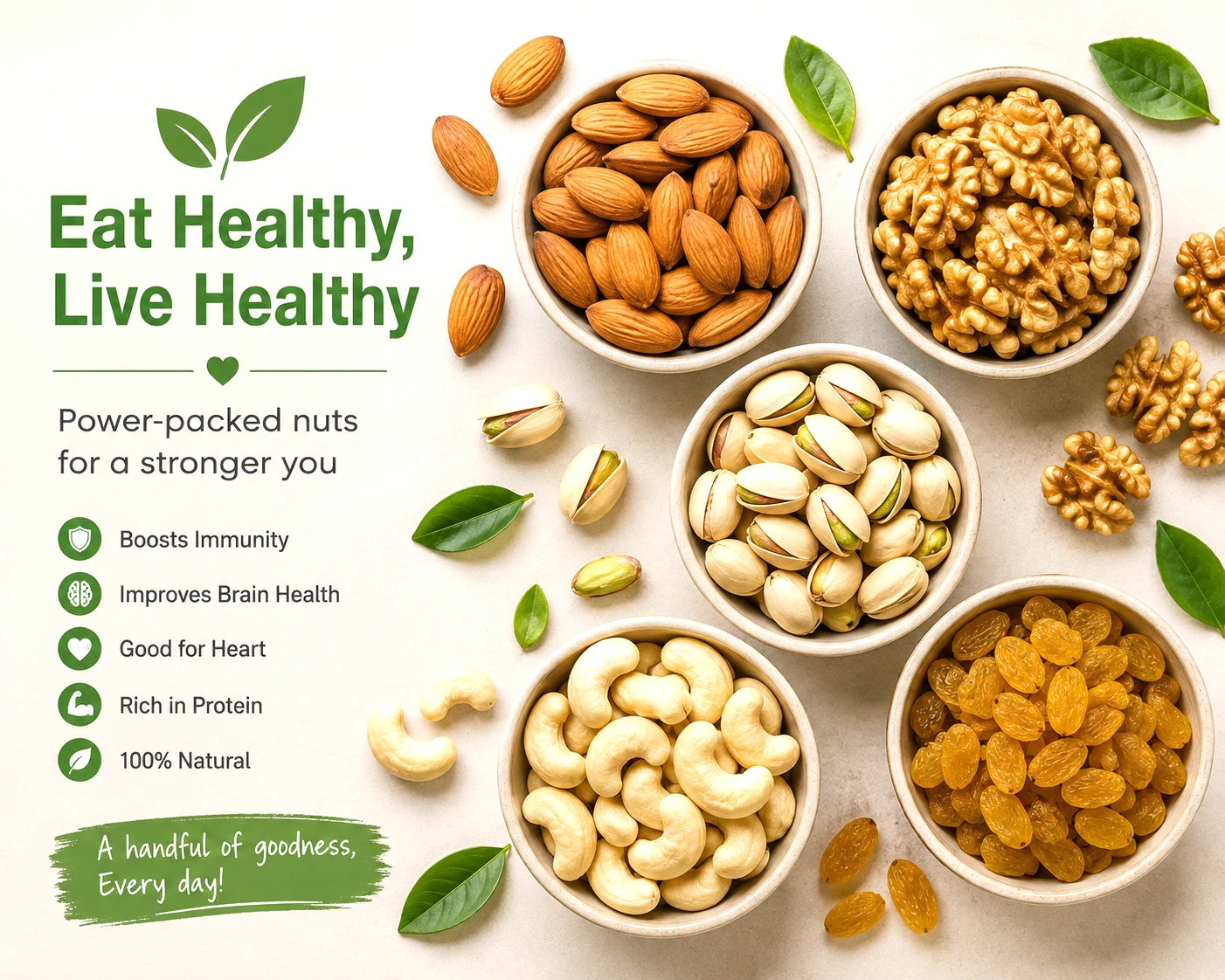
Almonds, walnuts, pistachios, cashews and raisins all provide different nutrients. Here’s what each one contains, how much to eat, whether soaking is necessary, the best ways to include them in your diet, and what to watch out for.
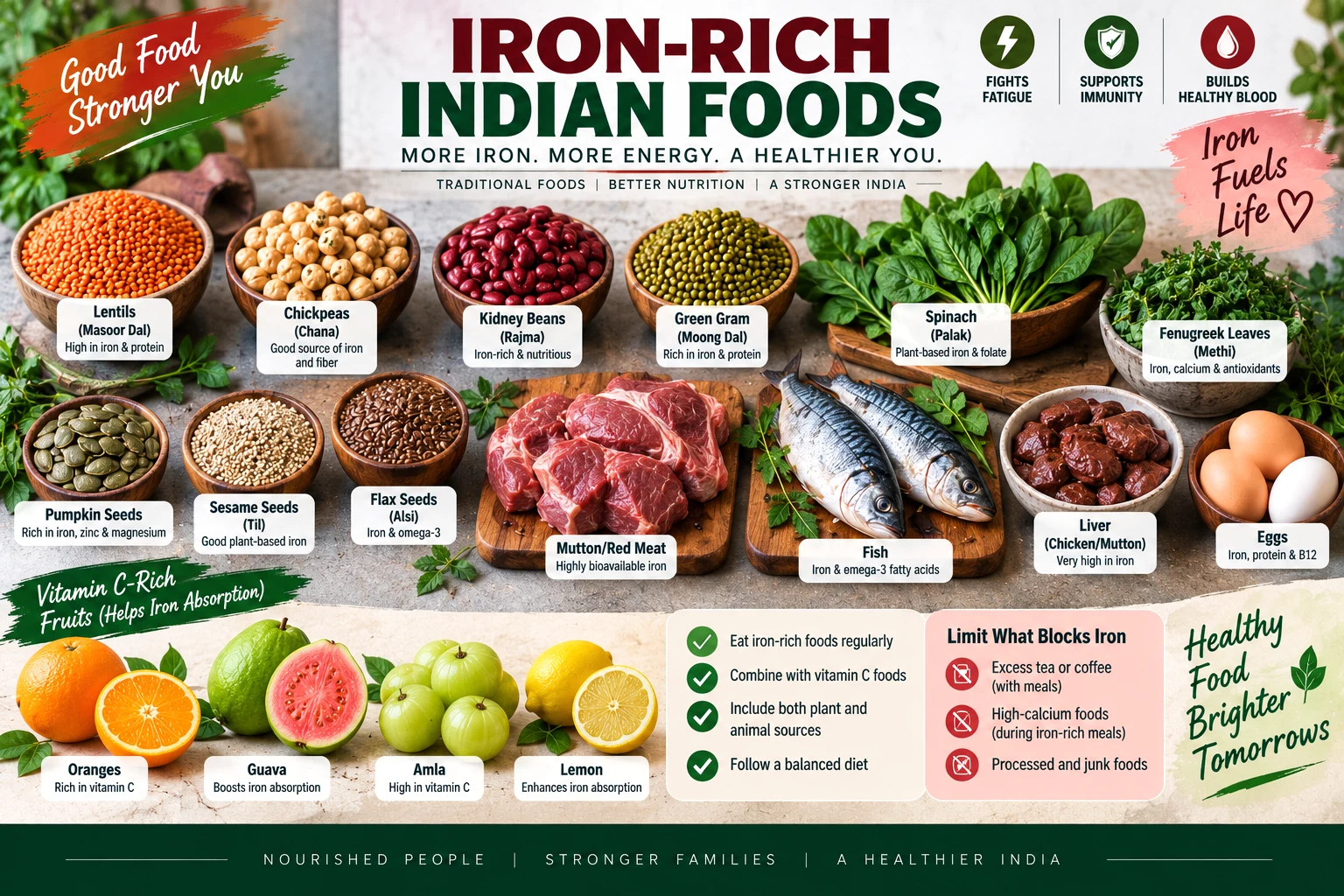
Always feeling tired even after sleeping? Learn common causes of constant fatigue, including poor sleep, anaemia, thyroid problems, diabetes, vitamin deficiencies and sleep apnoea, plus when to get tested or see a doctor.
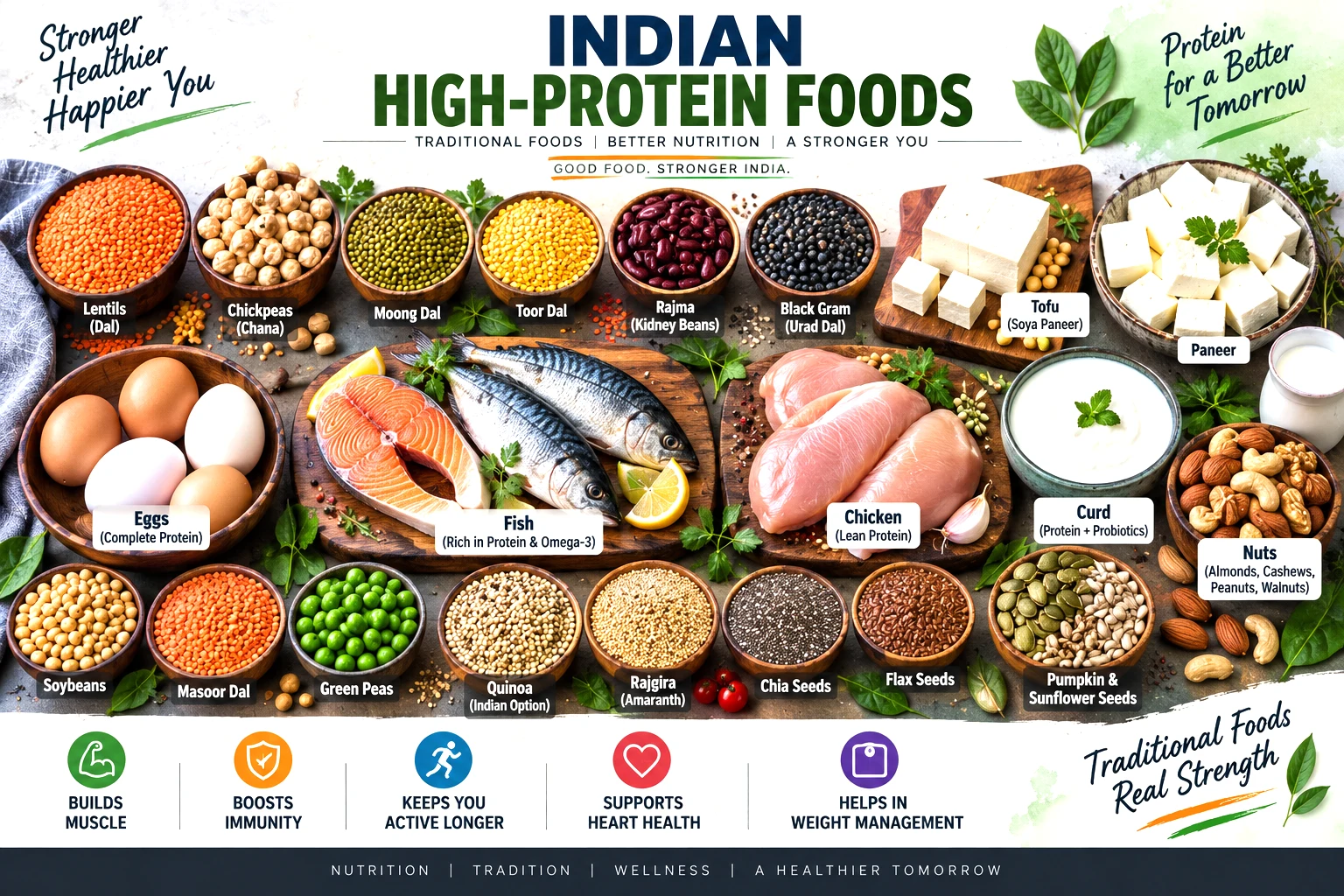
From dal, soy and paneer to eggs, fish and chicken, Indian diets offer plenty of protein options. Here’s how to build balanced meals without depending entirely on supplements.
Feeling stressed or anxious? Simple habits such as slow breathing, short walks, journaling, better sleep and regular breaks from social media may help. Here are practical ways to manage everyday stress—and signs that it may be time to seek professional support.
Struggling to sleep well? Learn practical, evidence-based habits for better sleep, including a consistent schedule, less screen time, a relaxing bedtime routine, a cool bedroom, smarter caffeine timing and better daytime habits.





0 Comments