Best High-Protein Foods in India: Vegetarian and Non-Vegetarian Options Explained
From dal, soy and paneer to eggs, fish and chicken, Indian diets offer plenty of protein options. Here’s how to build balanced meals without depending entirely on supplements.
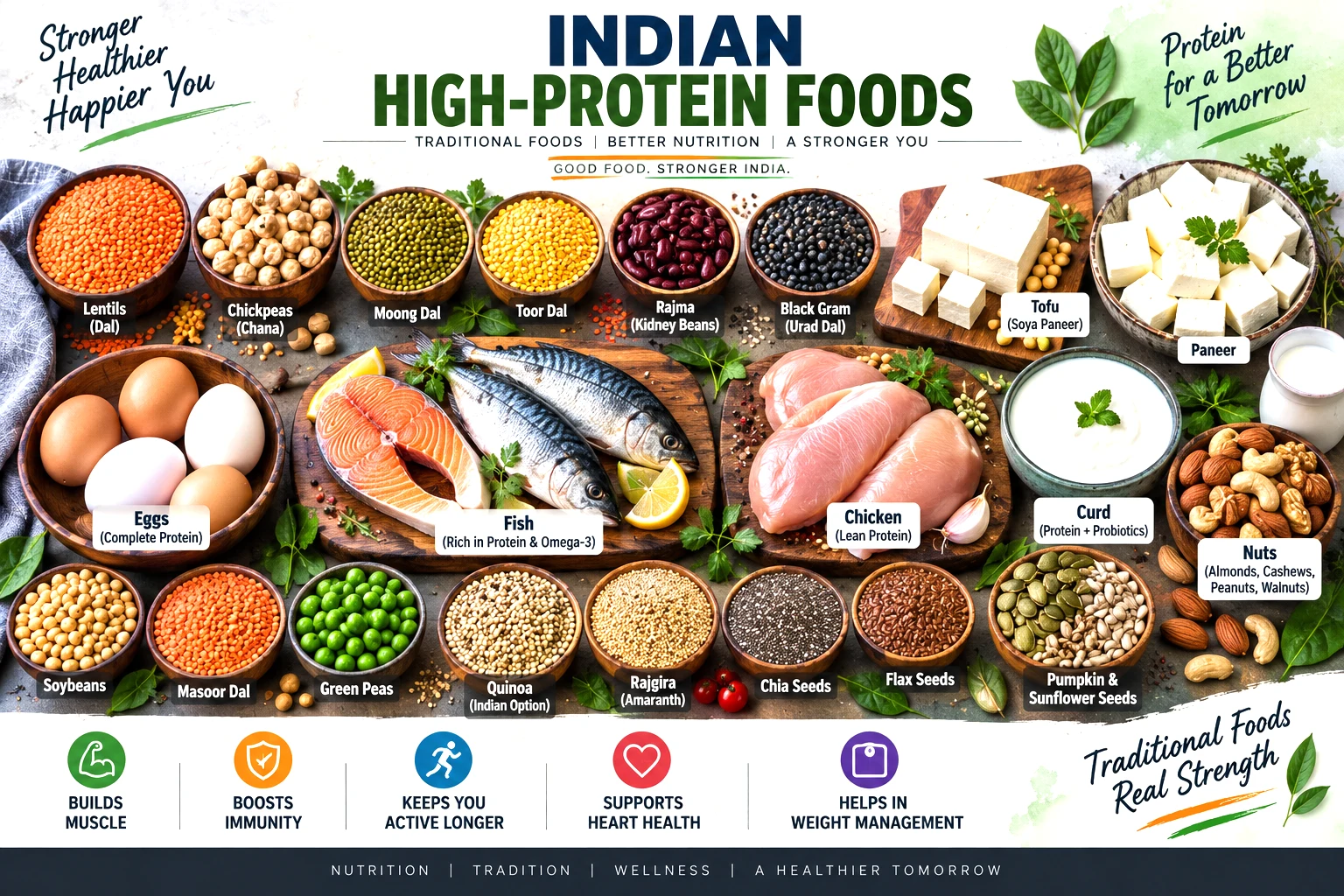
Indian high-protein foods including lentils, chickpeas, tofu, paneer, eggs, fish, chicken, curd and nuts
Table of Contents (18 sections)
Protein has become one of the most marketed nutrients in India.
Protein shakes, protein bars, high-protein cereals, cookies, yogurts and snacks now fill supermarket shelves.
But before buying expensive products, it is worth remembering something simple:
Ordinary Indian foods can provide substantial protein.
Dal, chickpeas, rajma, soy, milk, curd, paneer, peanuts, eggs, fish, chicken and other foods can all contribute.
The important questions are how much protein you need, where it comes from, what other nutrients accompany it, and how it fits into your total diet.
Protein requirements vary with body size, age, physical activity, pregnancy, illness and training goals. Athletes and people doing significant resistance training may have different needs from sedentary adults.
This article therefore focuses on food choices, not a personalised protein prescription.
Table of Contents
Why the body needs protein
Dal and lentils
Chickpeas and beans
Soy foods
Milk and curd
Recommended Reading
Related Stories & In-Depth Guides
Curated editorial perspectives matching this topic.
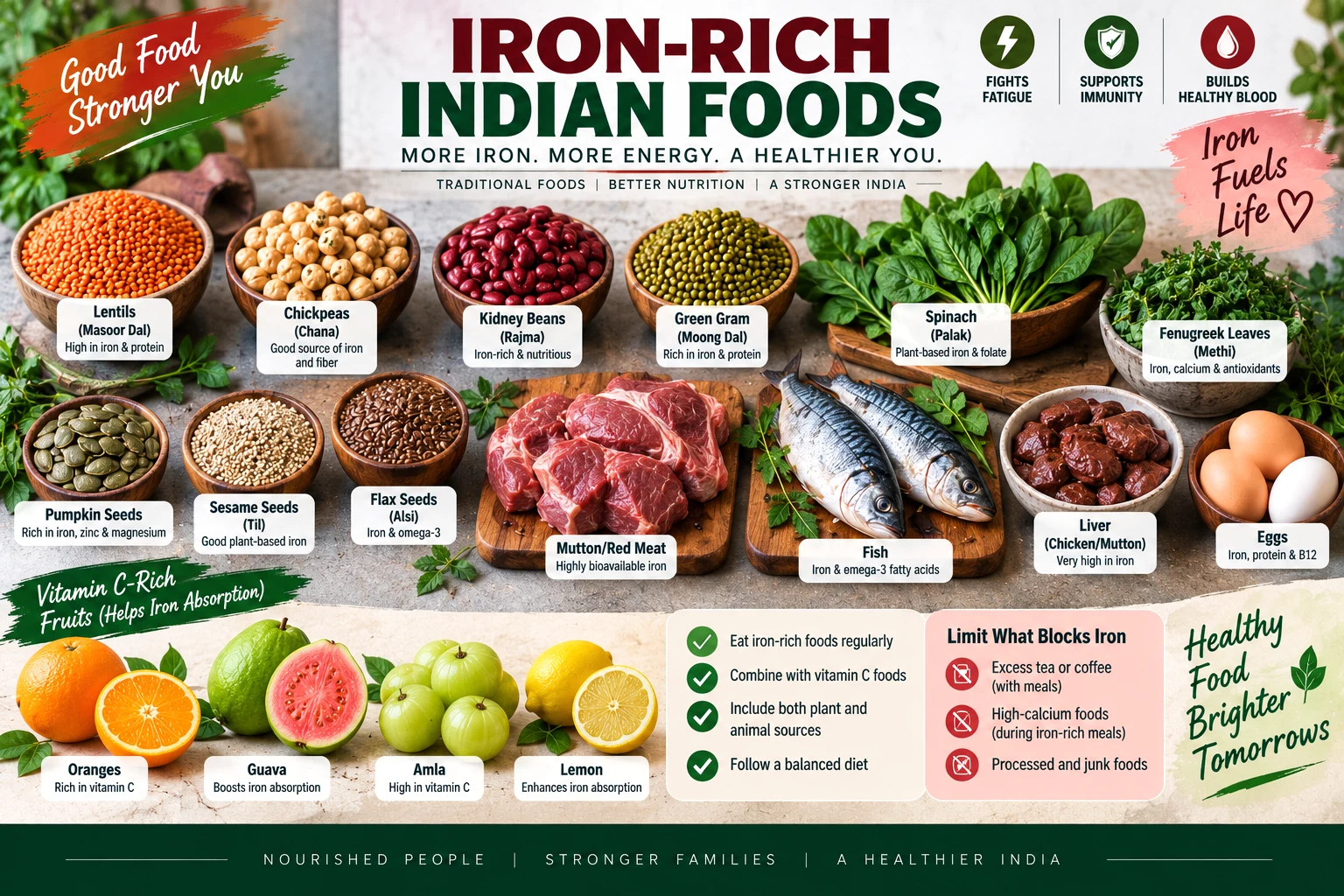
Iron is found in meat, seafood, lentils, beans, leafy greens, nuts and fortified foods — but absorption differs. Learn how vitamin C can help and why anaemia needs proper diagnosis.
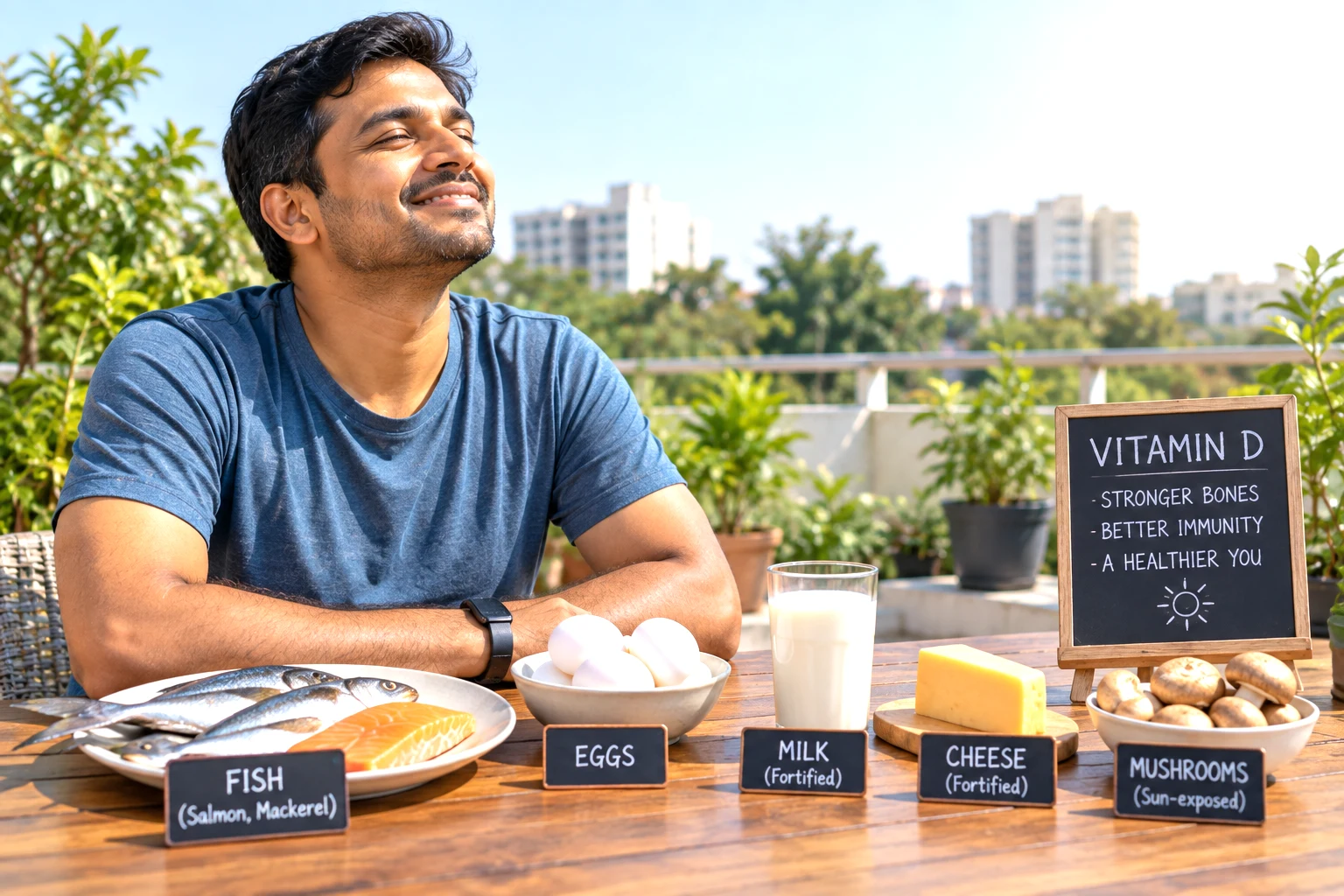
Learn the common signs and causes of vitamin D deficiency, how the 25(OH)D blood test is interpreted, vitamin D-rich foods available in India, sunlight basics and when supplements or medical advice may be needed.
Paneer
Peanuts, nuts and seeds
Eggs
Fish
Chicken
Other lean meats
Vegetarian vs non-vegetarian protein
How to distribute protein
Do you need protein powder?
Key takeaway
Why Does the Body Need Protein?
Protein supplies amino acids used throughout the body.
They contribute to:
Muscle tissue
Enzymes
Hormones
Immune-system components
Structural tissues
Repair and maintenance
Protein is therefore not only for bodybuilders.
Everyone needs it.
But “more” does not automatically mean “better.”
A balanced diet that consistently includes protein-rich foods is usually more useful than extreme high-protein marketing claims.
1. Dal and Lentils
Dal is one of India’s most practical protein foods.
Common choices include:
Moong dal
Masoor dal
Toor dal
Urad dal
Chana dal
Cooked lentils also provide fiber, folate, iron, potassium and other nutrients.
Protein concentration varies by type and serving size, so avoid treating one bowl of thin dal as equivalent to a large serving of concentrated protein.
If protein is a priority, make dal a substantial component of the meal rather than using only a few spoonfuls.
Adding vegetables and pairing dal with whole grains can improve overall meal quality without requiring specialised products.
2. Chickpeas, Rajma and Other Beans
Chana and rajma provide both protein and fiber.
That combination makes them particularly useful for vegetarian diets.
Other options include:
Black-eyed peas
Green peas
Various regional beans
Combine them with vegetables and grains for a balanced meal.
For people prone to gas, introduce larger portions gradually and ensure dried beans are soaked and thoroughly cooked.
These foods are also affordable and widely available, which makes them realistic everyday protein sources rather than occasional “health foods.”
3. Soybeans, Tofu and Soy Foods
Soy is one of the strongest plant-protein options.
Soybeans provide substantial protein, and foods such as tofu can be incorporated into curries, stir-fries, wraps, salads and other meals.
Soy protein also has a relatively strong essential amino-acid profile compared with many other individual plant foods.
Contrary to common internet rumours, normal dietary amounts of soy foods do not need to be automatically avoided by healthy men because of fears that they will “feminise” them.
People with specific medical concerns should, of course, follow individual professional advice.
4. Milk and Curd
Milk provides high-quality protein alongside calcium and other nutrients.
Curd adds similar nutritional value and may be easier for some people to tolerate.
Practical options include:
Plain milk
Plain curd
Unsweetened yogurt
Buttermilk with controlled salt
Watch added sugar in flavoured dairy products.
A “high-protein yogurt” covered in sugar is not nutritionally identical to plain yogurt.
For many households, curd is already a daily food. Using it consistently at lunch or dinner is often simpler than introducing new packaged products.
5. Paneer
Paneer is a popular vegetarian protein source.
It provides protein and calcium, but depending on how it is made, it can also contain substantial saturated fat.
Portion size and the overall recipe matter.
Paneer cooked with vegetables and moderate oil is different from paneer floating in butter and cream.
For people watching saturated-fat intake, lower-fat dairy options may sometimes be useful.
Paneer works well in vegetable dishes, wraps and simple home preparations when the rest of the meal remains balanced.
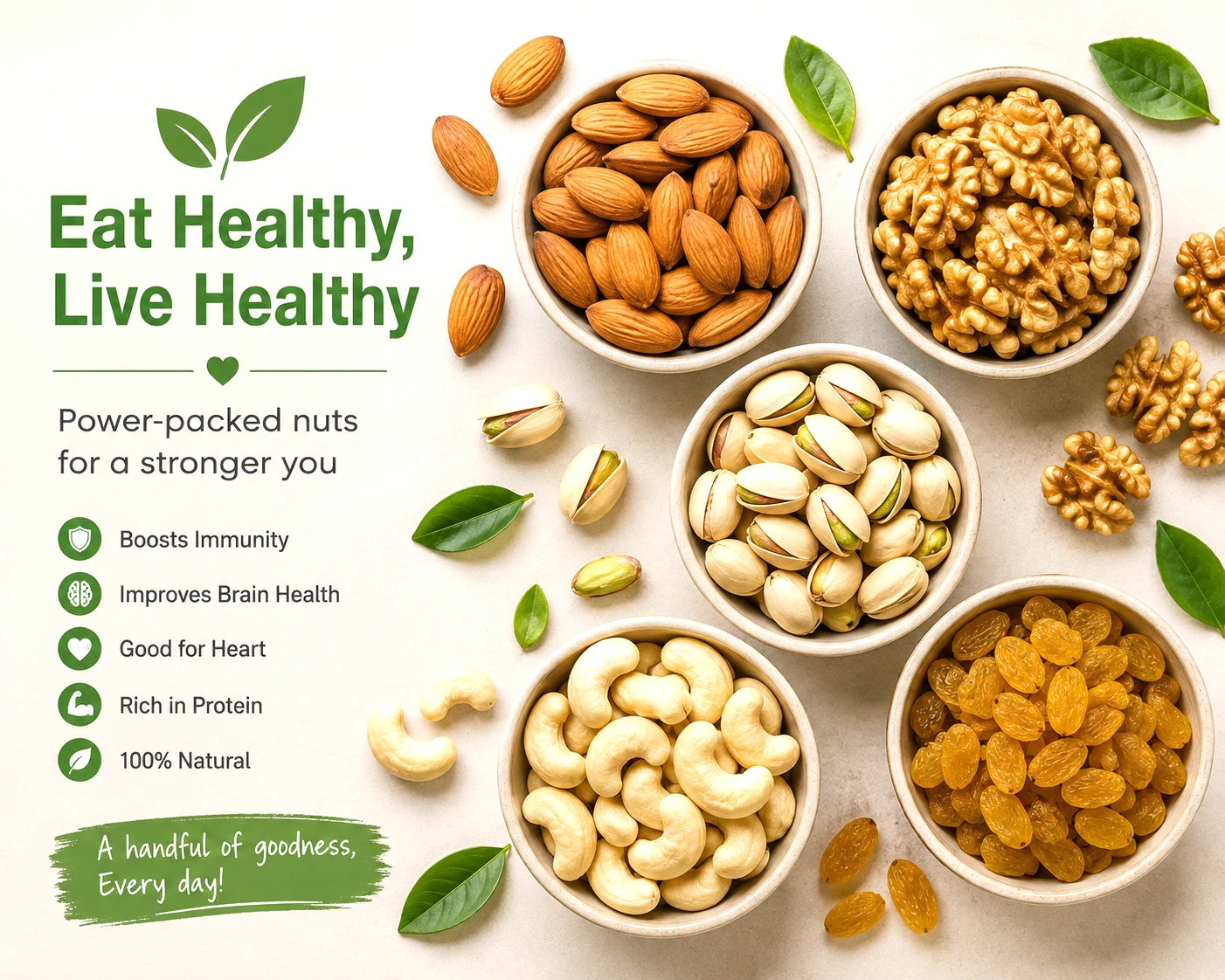
6. Peanuts, Nuts and Seeds
Peanuts are affordable and provide protein, unsaturated fat and other nutrients.
Almonds, pistachios, sesame, pumpkin seeds and other nuts and seeds contribute too.
But nuts should not necessarily be your primary protein source because they are very calorie-dense.
Use them as a supporting source.
A small portion of peanuts or mixed nuts can be an excellent snack when it replaces chips or biscuits.
Seeds such as sesame and flax can also be mixed into meals in modest quantities.
7. Eggs
Eggs provide complete, high-quality protein in a convenient package.
They are easy to use:
Boiled
Poached
Omelette
Egg curry
Added to rice or vegetable dishes
Two large eggs provide roughly 12–13 grams of protein, though exact values vary with size.
Egg whites provide protein with little fat, while the yolk contains many of the egg’s vitamins and other nutrients.
Whether someone needs to restrict eggs depends on their overall diet and individual health circumstances.
For many people, eggs remain one of the most practical protein foods available.
8. Fish
Fish provides high-quality protein.
Some fish also provide long-chain omega-3 fatty acids.
Indian options vary greatly by region, but fish can be grilled, steamed, baked or prepared as curry.
Deep-frying adds significant oil and should not be the only way fish is consumed.
A vegetable-rich fish curry with moderate oil can fit into a balanced plate far more easily than deep-fried preparations eaten frequently.
9. Chicken
Skinless chicken is a concentrated source of protein and can fit into a balanced diet.
Again, preparation matters.
Compare:
Grilled chicken + vegetables + roti
with:
Deep-fried chicken + fries + sugary drink.
The protein may come from the same animal, but the meals are nutritionally very different.
Chicken is useful when it is treated as one protein option within a varied weekly menu, not as the only protein source every day.
10. Other Meat
Lean, unprocessed meats can provide protein, iron, zinc and vitamin B12.
However, heart-health guidance generally recommends limiting processed meats and favouring leaner protein choices.
Processed meats can also contain large amounts of sodium.
Protein content alone does not make a food automatically healthy.
Vegetarian vs Non-Vegetarian: Which Is Better?
Both can provide adequate protein when planned properly.
A non-vegetarian diet has easy access to concentrated complete proteins through eggs, fish, poultry, dairy and meat.
A vegetarian diet can obtain protein through:
Lentils
Beans
Chickpeas
Soy
Dairy
Nuts
Seeds
Whole grains
Vegans need to rely entirely on plant foods and may need particular attention to nutrients such as vitamin B12.
The body does not require every meal to contain every essential amino acid in perfect proportions. Eating varied protein foods across the day is generally more important.
How Should Protein Be Distributed?
Many people eat a low-protein breakfast, a modest-protein lunch, and then attempt to eat most of their protein at dinner.
A more practical approach can be to include a meaningful protein source at each major meal.
For example:
Breakfast: Eggs / curd / milk / dal-based dosa
Lunch: Dal, chana, paneer, fish or chicken
Snack: Curd, roasted chana or a small portion of nuts
Dinner: Another appropriate vegetarian or non-vegetarian protein source
This can make meals more balanced and satisfying.
It can also reduce the tendency to rely on late-night high-calorie snacks because earlier meals feel incomplete.
Do You Need Protein Powder?
Not necessarily.
Many people can meet their needs through food.
Protein powders can be convenient for athletes, people with high requirements, or those who struggle to obtain enough protein from regular meals.
But they are not mandatory for muscle development.
Resistance training, total protein intake, adequate energy, recovery and consistency all matter.
Anyone with kidney disease or another condition requiring dietary protein management should seek individual medical or dietetic advice before dramatically increasing protein intake.
Protein Does Not Automatically Build Muscle
Eating chicken or drinking a protein shake while remaining inactive does not automatically create large muscles.
Muscle development requires an appropriate training stimulus, sufficient nutrition and recovery.
Protein provides building material.
Training provides the signal.
Food quality, total diet pattern and lifestyle habits still matter alongside protein targets.
Key Takeaway
India already has an enormous range of protein-rich foods.
Vegetarians can use dal, beans, chana, soy, milk, curd, paneer, nuts and seeds.
Non-vegetarians can additionally use eggs, fish, chicken and lean meats.
The best protein source is not necessarily the product with “HIGH PROTEIN” written in the biggest letters on the packet.
Often, it is simply real food used consistently in balanced meals.
If your plate already includes dal, curd, eggs, legumes or another protein food at most meals, you may already be closer to a practical high-protein pattern than marketing suggests.
Health Disclaimer: Protein requirements differ between individuals. People with kidney disease, metabolic disorders, pregnancy, serious illness or specialised athletic requirements should seek individual advice from an appropriately qualified professional.
The Rajatheertha Team publishes news, explainers, guides and updates across India and the world. Our coverage follows Rajatheertha's editorial, verification and corrections standards.
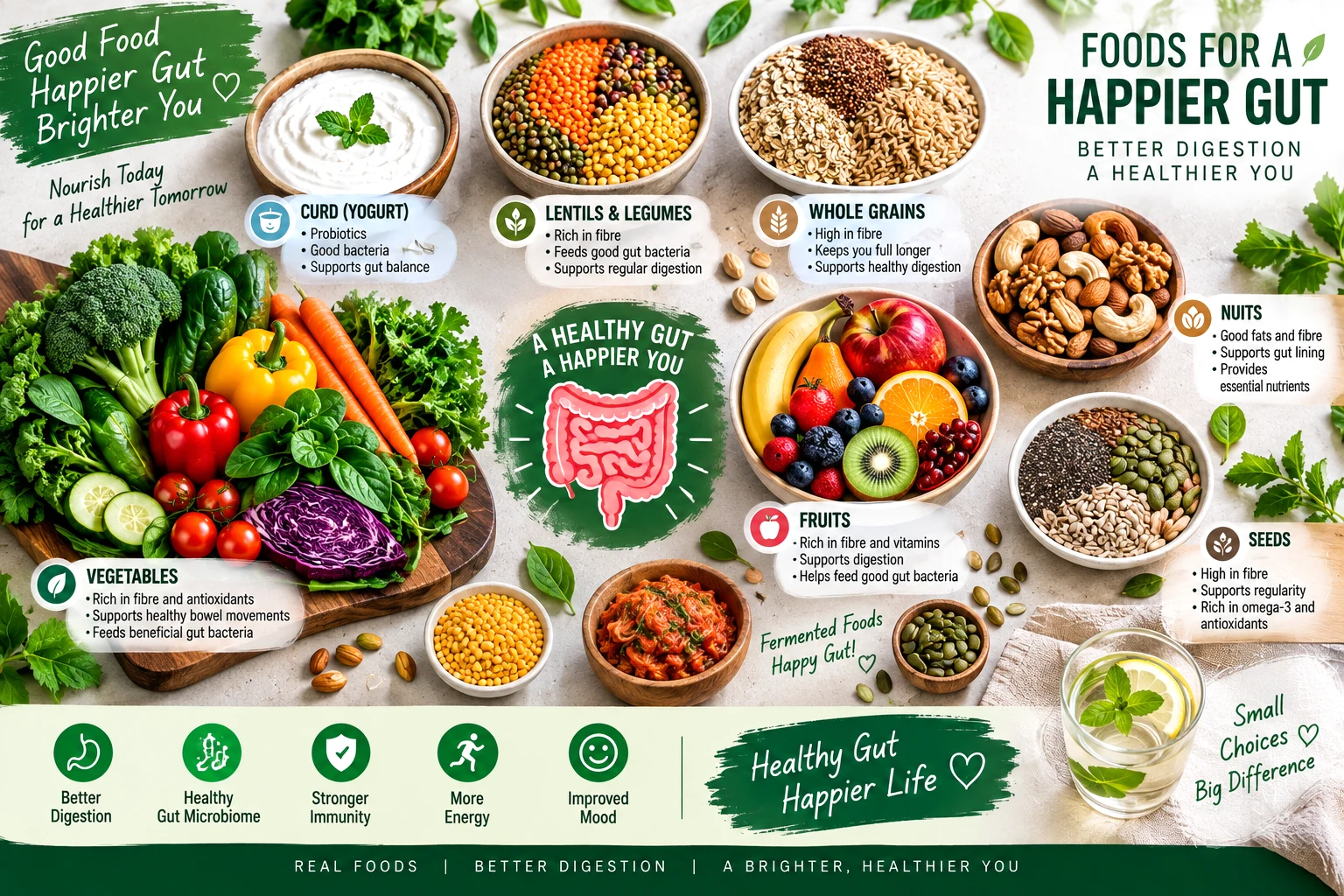
Good digestion is about more than probiotics. Learn how fibre-rich foods, curd, whole grains, fruits, vegetables and adequate fluids can support a healthy digestive system.
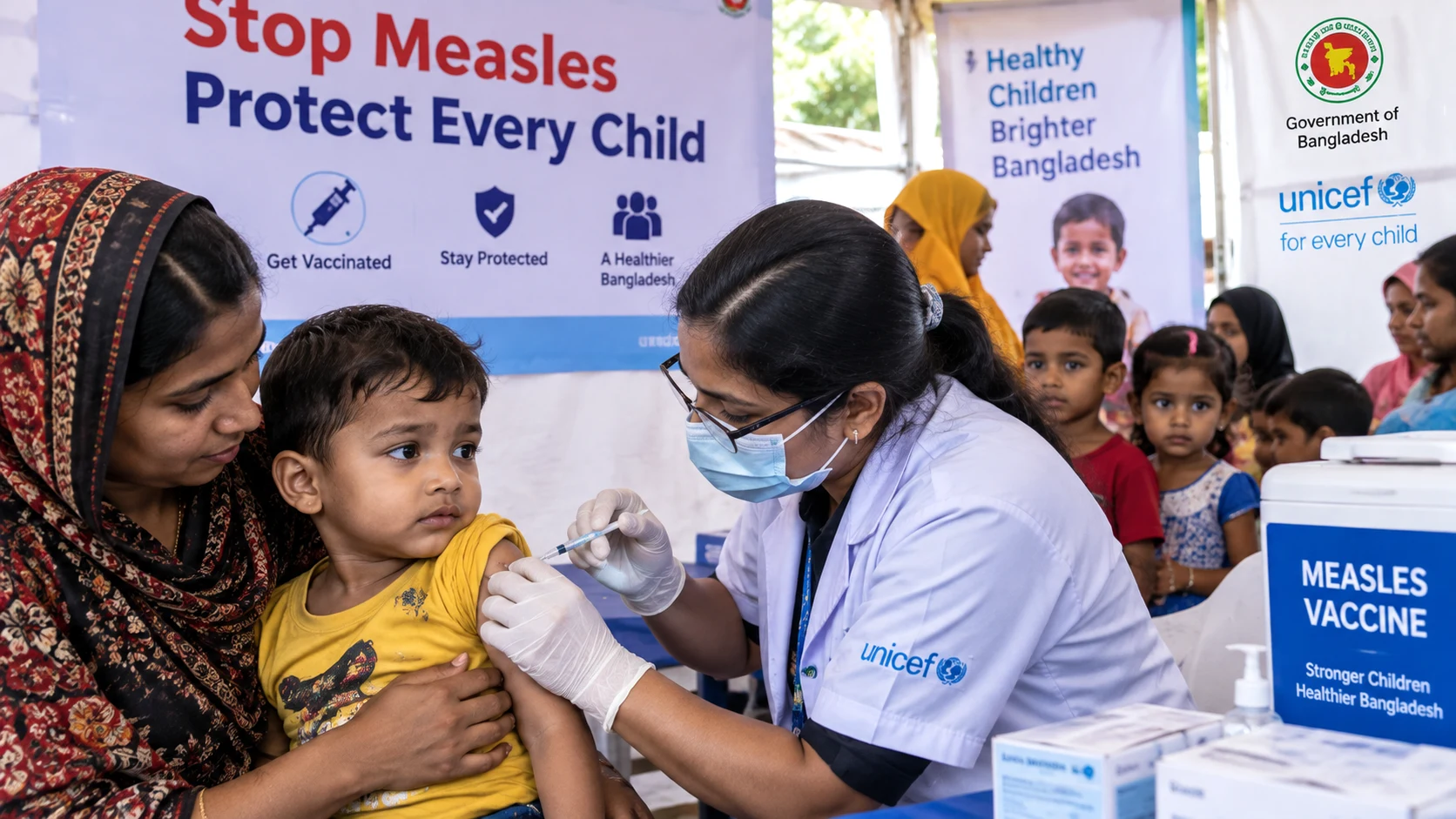
Bangladesh’s measles outbreak has been linked to more than 1,000 confirmed and suspected deaths as vaccination gaps leave young children particularly vulnerable.
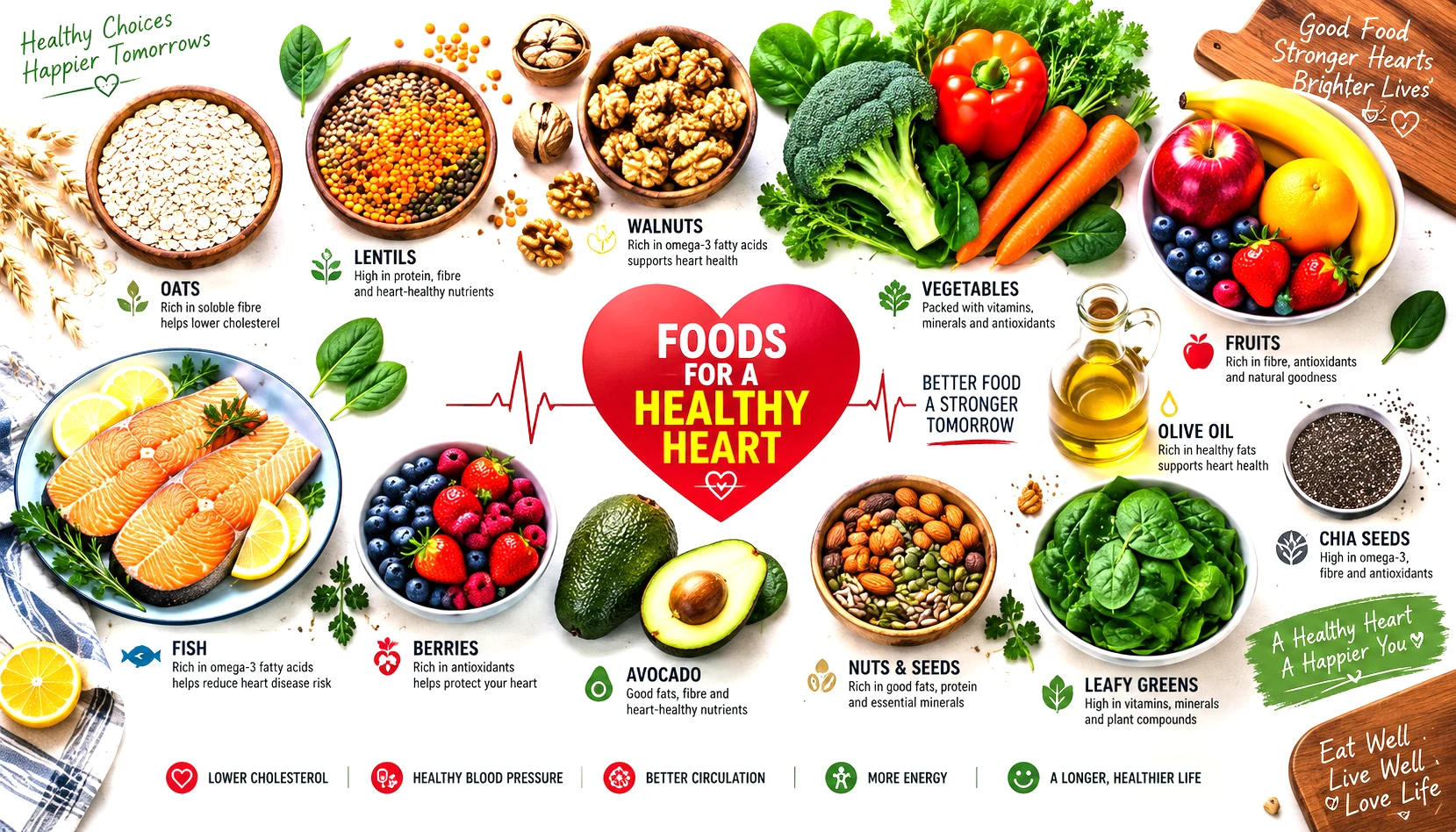
A heart-friendly diet does not depend on one superfood. Discover 12 everyday foods—from oats and dal to nuts, vegetables and fish—that can form part of a balanced, heart-healthy eating pattern.
Learn normal cholesterol, LDL, HDL and triglyceride levels, which foods can help lower LDL, practical Indian diet swaps, exercise tips and when cholesterol medicine may be needed.
Feeling stressed or anxious? Simple habits such as slow breathing, short walks, journaling, better sleep and regular breaks from social media may help. Here are practical ways to manage everyday stress—and signs that it may be time to seek professional support.
What is a normal blood pressure? See an easy BP chart, understand 120/80, 130/80 and 140/90 readings, learn hypertension symptoms, Indian diet tips, correct home measurement and when high BP needs urgent medical care.





0 Comments