Best Foods to Support Immunity Naturally: What Your Immune System Actually Needs
No food can instantly “boost” immunity, but adequate protein, vitamins A, C, D and E, zinc, selenium and other nutrients help normal immune function. Here are practical foods to include.
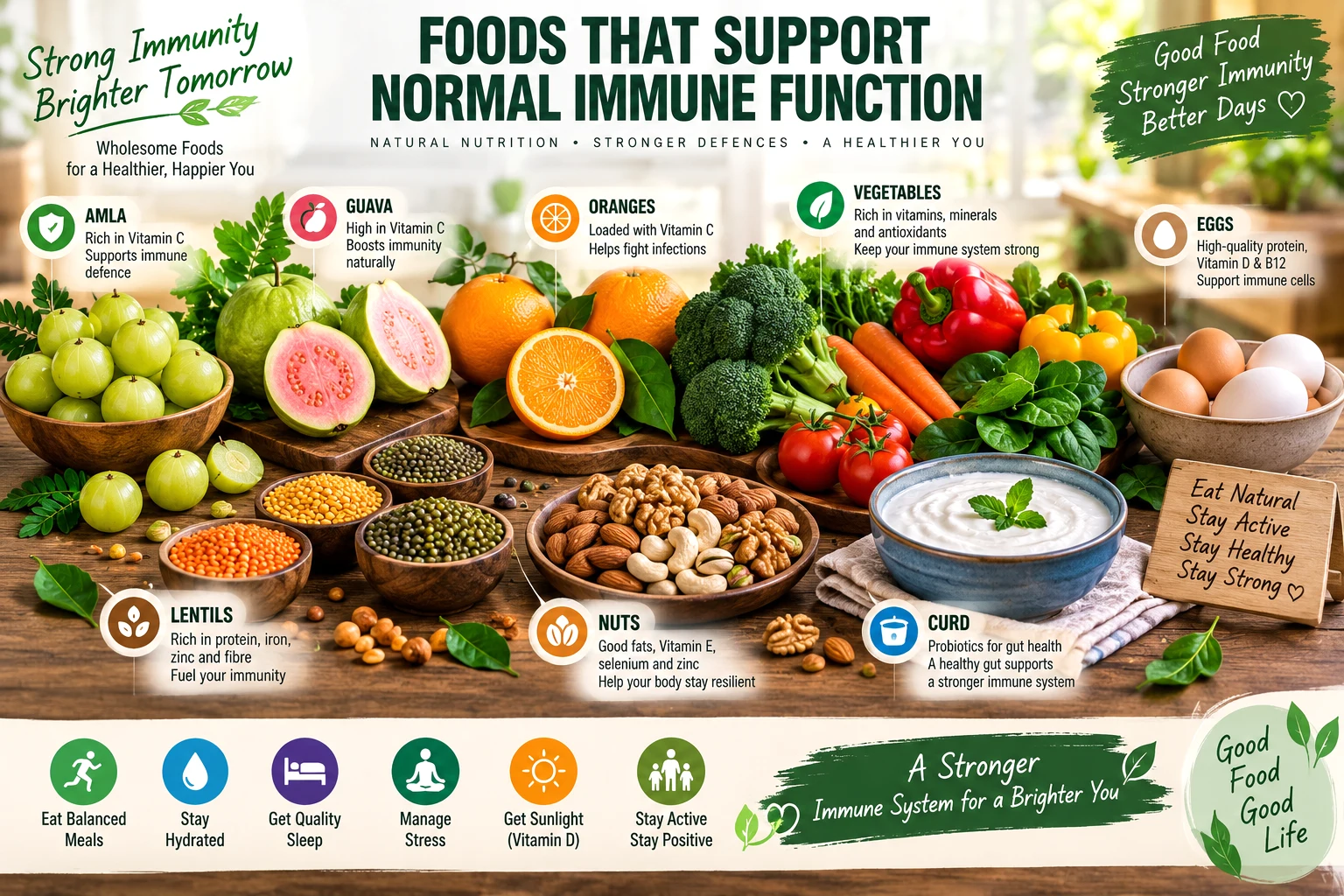
Amla, guava, oranges, vegetables, eggs, lentils, nuts and curd representing foods that support normal immune function
Table of Contents (17 sections)
Can oranges prevent you from getting sick?
Will eating garlic every morning “boost immunity”?
Does taking more zinc make the immune system stronger?
Nutrition and immunity are more complicated than these claims suggest.
The immune system requires adequate nutrition to function normally, and deficiencies in certain nutrients can impair immune responses. But there is no single food that can guarantee protection against infections.
The practical goal should therefore be to support normal immune function with a varied, adequate diet rather than chasing “immunity boosters.”
For Indian households, many useful foods are already familiar: amla, guava, citrus fruits, vegetables, dal, eggs, fish, curd, nuts, seeds and whole grains.
Table of Contents
Why “boost immunity” is misleading
Amla, guava and citrus fruits
Capsicum, tomatoes and vegetables
Recommended Reading
Related Stories & In-Depth Guides
Curated editorial perspectives matching this topic.
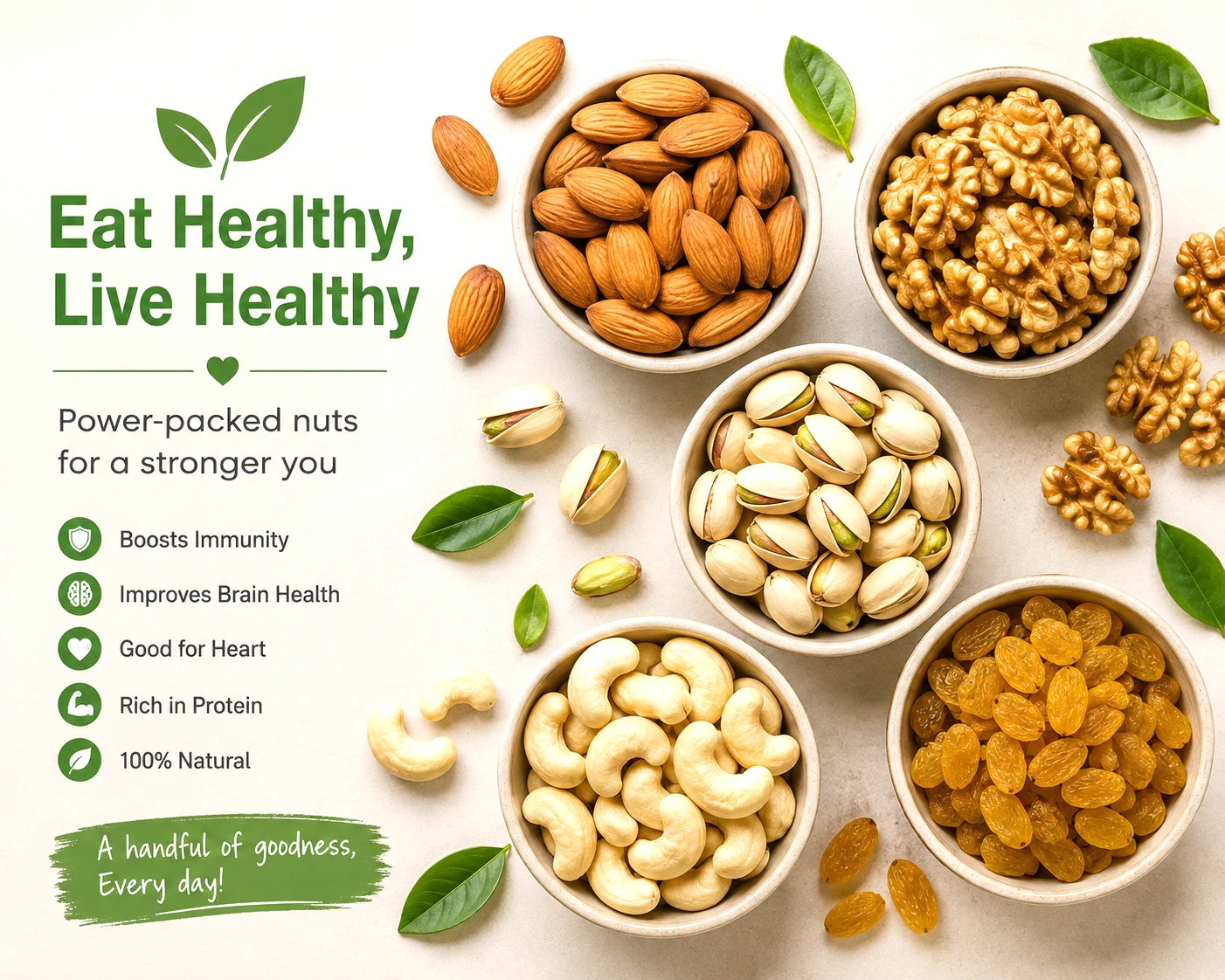
Almonds, walnuts, pistachios, cashews and raisins all provide different nutrients. Here’s what each one contains, how much to eat, whether soaking is necessary, the best ways to include them in your diet, and what to watch out for.
Learn normal cholesterol, LDL, HDL and triglyceride levels, which foods can help lower LDL, practical Indian diet swaps, exercise tips and when cholesterol medicine may be needed.
Carrots and vitamin A-rich foods
Eggs
Dal, beans and chickpeas
Fish and seafood
Nuts and seeds
Curd and fermented foods
Garlic, ginger and turmeric
Vitamin D and immunity
Practical daily meal pattern
Supplements and precautions
Key takeaway
Why “Boost Immunity” Is Misleading
The immune system is not a simple switch that should constantly be turned higher.
It is a complex network involving cells, tissues, signalling molecules and barriers such as the skin and mucous membranes.
Nutrients including vitamins A, C, D and E; zinc; selenium; iron; folate; and protein contribute to normal immune function.
The objective is therefore adequacy and balance.
More is not always better.
Taking excessive amounts of supplements can be unnecessary and, in some cases, harmful.
A balanced plate eaten consistently over weeks and months is more useful than occasional “immunity drinks” marketed as quick fixes.
1. Amla, Guava, Oranges and Other Vitamin C Foods
Vitamin C contributes to normal immune function and acts as an antioxidant.
India has several affordable vitamin C-rich foods.
Useful options include:
Amla
Guava
Oranges
Sweet lime
Lemon
Capsicum
Tomatoes
Some leafy vegetables
Amla is particularly convenient when available, but it is not a medicine against infections.
Guava is another excellent everyday fruit and also provides fiber.
A simple strategy is to eat a variety of whole fruits and vegetables rather than relying on vitamin C drinks.
Whole fruit also brings fiber and other nutrients that packaged “vitamin C” beverages often lack. That makes ordinary fruit a smarter default than sugary commercial drinks.
2. Capsicum, Tomatoes and Colorful Vegetables
Fruit receives most of the vitamin C publicity, but vegetables contribute too.
Capsicum, tomatoes, broccoli, cabbage and leafy vegetables can contribute vitamins, minerals, fiber and plant compounds.
Instead of asking which vegetable “boosts immunity most,” aim for color and variety across the week.
Try including vegetables at both lunch and dinner.
If vegetables currently appear only as a small side, increasing their portion is one of the most practical dietary improvements available to most households.
3. Carrots and Other Vitamin A-Rich Foods
Vitamin A is important for normal immune function and for maintaining tissues involved in the body’s protective barriers.
Plant foods containing carotenoids include:
Carrots
Sweet potatoes
Pumpkin
Dark leafy greens
Animal-derived foods such as eggs and some dairy foods can also contribute vitamin A.
The body can convert certain carotenoids, including beta-carotene, into vitamin A.
There is no need to consume excessive carrot juice. Normal food portions within a varied diet are sufficient for most healthy people.
Cooking carrots with a small amount of oil can also improve absorption of fat-soluble carotenoids, which is another reason balanced meals matter more than isolated “superfood” habits.
4. Eggs
Eggs are a convenient source of high-quality protein and provide several micronutrients.
Protein matters because immune cells and many molecules involved in immune responses require amino acids.
For people who eat eggs, they can be included at breakfast, lunch or dinner.
Examples include:
Boiled eggs
Vegetable omelette
Egg curry
Egg added to a balanced meal
Avoid turning an otherwise nutritious egg meal into a heavily fried preparation with excessive oil and salt.
Eggs are useful because they are widely available, relatively affordable and easy to prepare. That practicality often matters more than theoretical ranking lists of “best immune foods.”
5. Dal, Beans and Chickpeas
Vegetarians do not need meat to obtain useful immune-supporting nutrients.
Lentils, beans, peas and chickpeas provide protein along with iron, zinc, folate, fiber and other nutrients.
Rotate between:
Moong
Masoor
Toor dal
Chana
Rajma
Peas
Other regional pulses
Combining legumes with grains can also improve the overall amino-acid profile of a meal.
For many Indian families, dal is already a daily food. The opportunity is not to invent a new diet, but to keep dal consistent while adding vegetables and moderating excess salt or heavy tempering oils.
6. Fish and Seafood
Fish can provide protein and several micronutrients. Fatty fish also provides omega-3 fats, and certain fish contribute vitamin D.
People who eat seafood can include appropriately prepared fish as part of a varied diet.
Grilled, steamed, baked or curry preparations with moderate oil are preferable to making deep-fried fish the default.
Again, fish does not “prevent infections.”
It is simply one nutritious protein option.
Households that do not eat fish can still build adequate diets around eggs, dairy, legumes, nuts, seeds and vegetables.
7. Nuts and Seeds
Almonds, walnuts, pistachios, peanuts, sesame, sunflower seeds and other nuts and seeds can contribute:
Healthy fats
Protein
Vitamin E
Zinc
Selenium in varying amounts
Magnesium
A small mixed portion is enough.
Eating very large quantities is unnecessary because nuts and seeds are calorie-dense.
Choose unsalted varieties for routine consumption.
A practical approach is to use nuts as a replacement snack rather than an extra snack. Replacing biscuits with a small handful of nuts improves diet quality more than eating both.
8. Curd and Fermented Foods
The gut and immune system interact in complex ways.
Fermented foods such as curd can be a useful part of a balanced diet and may contain live microorganisms depending on how they are produced and stored.
However, “probiotic” does not mean a food will prevent colds or infections.
Different probiotic organisms can have different effects, and research does not support treating all probiotics as interchangeable immunity medicines.
Plain curd also provides protein and calcium, making it useful even without exaggerated probiotic claims.
Sweetened commercial yogurt is a different product. If the goal is nutrition rather than dessert, plain curd is usually the better everyday choice.
9. Garlic, Ginger and Turmeric
Garlic, ginger and turmeric are excellent ingredients for flavoring Indian food.
They also contain biologically active plant compounds that researchers continue to study.
But this does not justify claims such as:
“Garlic kills every virus.”
“Turmeric prevents infection.”
“Ginger boosts immunity instantly.”
Use them because they contribute flavor and dietary variety — not because they replace vaccination, medical treatment, sleep or an adequate diet.
Home remedies can have cultural value and may support comfort for mild symptoms, but they should not delay appropriate medical care when illness is significant.
Vitamin D Deserves Special Attention
Vitamin D plays roles in immune function.
Unlike vitamin C, obtaining adequate vitamin D entirely through ordinary foods can be difficult for some people.
Foods that may contribute include certain fatty fish, egg yolks and fortified foods.
Sun exposure can contribute to vitamin D status, but how much an individual produces varies with skin pigmentation, clothing, season, geography, time outdoors and other factors.
People concerned about deficiency should discuss appropriate testing and supplementation with a healthcare professional rather than taking high-dose vitamin D without guidance.
What Does an Immune-Supportive Day Look Like?
A practical example:
Breakfast: Vegetable omelette or dal-based breakfast + fruit.
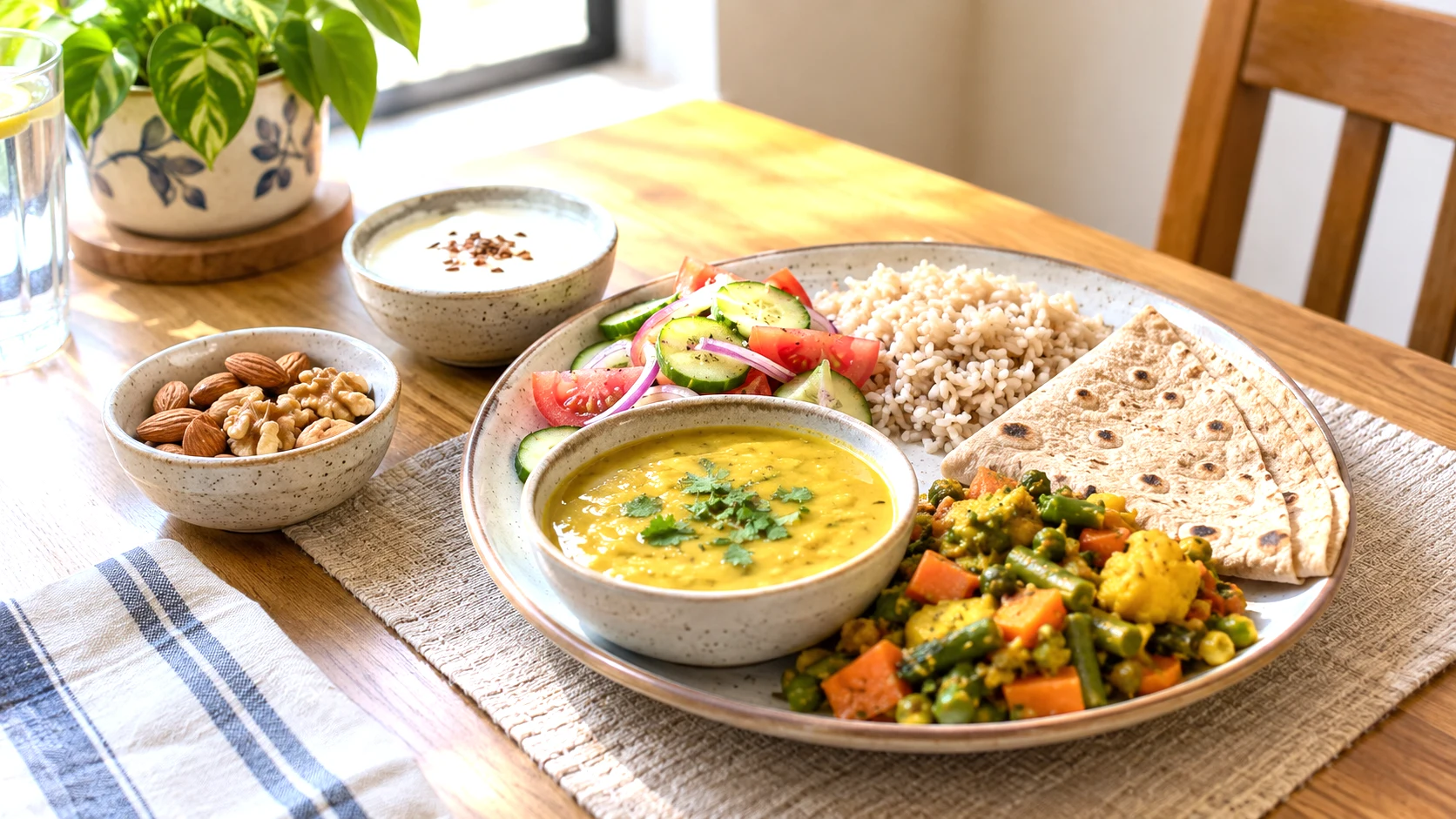
Lunch: Rice/roti + dal + two vegetables + plain curd.
Snack: Guava/orange/amla preparation without excessive sugar + small portion of nuts.
Dinner: Legumes, eggs, fish or another protein source + vegetables + whole grain.
Hydration: Primarily water.
This pattern gives the body a mixture of protein, vitamins, minerals, fiber and energy.
It is not a prescription. It is a practical illustration of balance.
Sleep and Lifestyle Still Matter
Food is only one part of immune health.
Adequate sleep, physical activity, vaccination where recommended, good hygiene, management of medical conditions and avoiding tobacco also matter.
An orange cannot compensate for chronic sleep deprivation.
Likewise, a turmeric drink cannot replace appropriate medical care.
When people feel repeatedly unwell, the solution is not always “more immunity foods.” Sometimes the more important factors are rest, stress, underlying illness or professional medical evaluation.
Should You Take “Immunity Supplements”?
Do not assume more vitamins automatically mean more protection.
Supplements can be useful when there is a deficiency, inadequate dietary intake, increased requirement, or a healthcare professional identifies a specific reason.
But high doses can create problems.
Some nutrients interact with medicines, and excessive intakes of certain vitamins and minerals can cause adverse effects.
Food first remains the safer general approach for healthy people without diagnosed deficiencies.
Key Takeaway
The best “immunity diet” is not a secret combination of amla, turmeric, garlic and supplements.
It is a varied eating pattern that provides adequate protein, fruits, vegetables, whole grains, legumes, nuts, seeds and other nutrient-rich foods.
Your immune system needs nutrition.
It does not need miracle promises.
If you already eat dal, vegetables, fruit, curd and some protein regularly, you may already be doing more for immune support than any single “superfood” trend suggests.
Related Reading
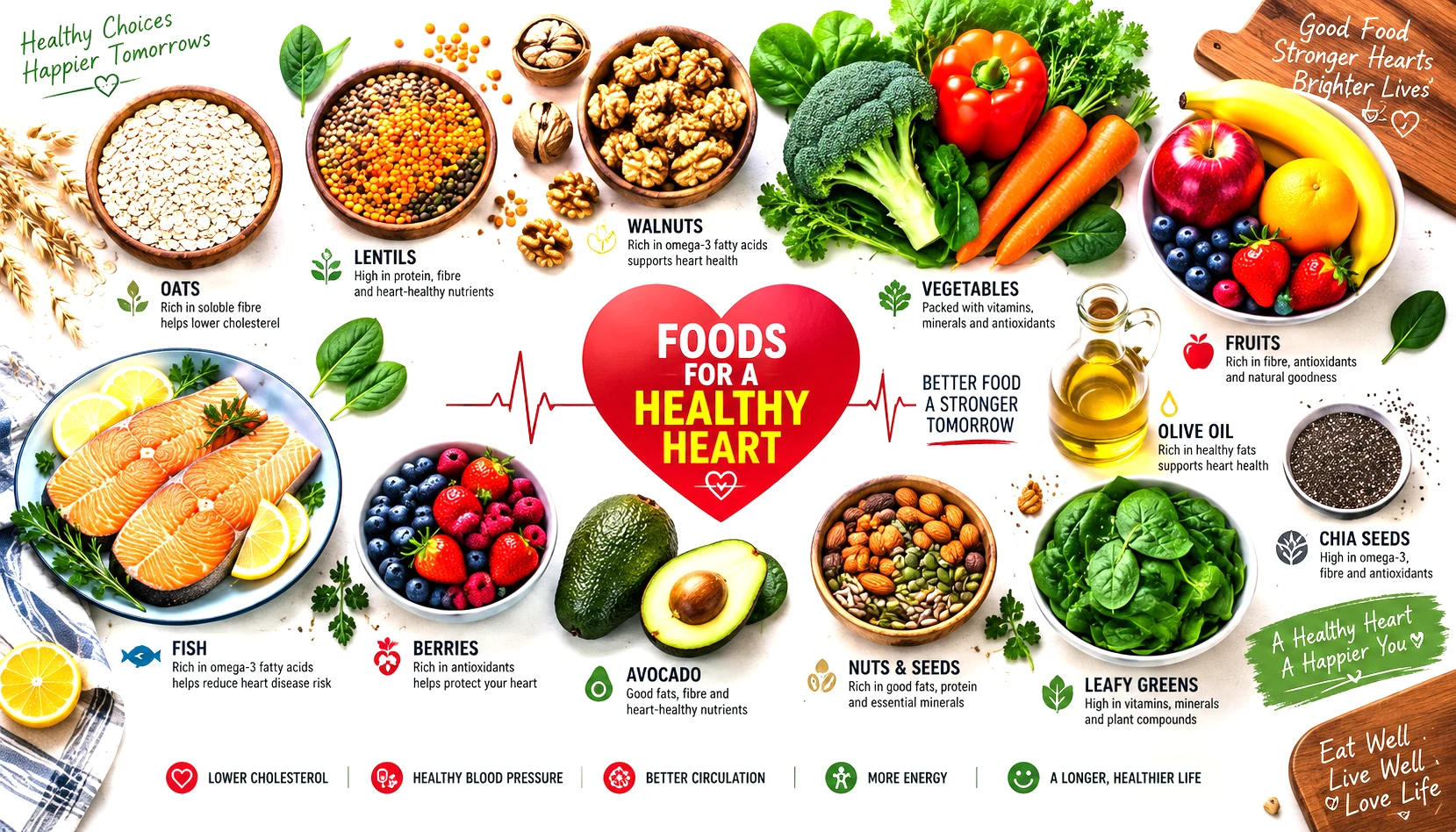
[Best Foods for Heart Health]
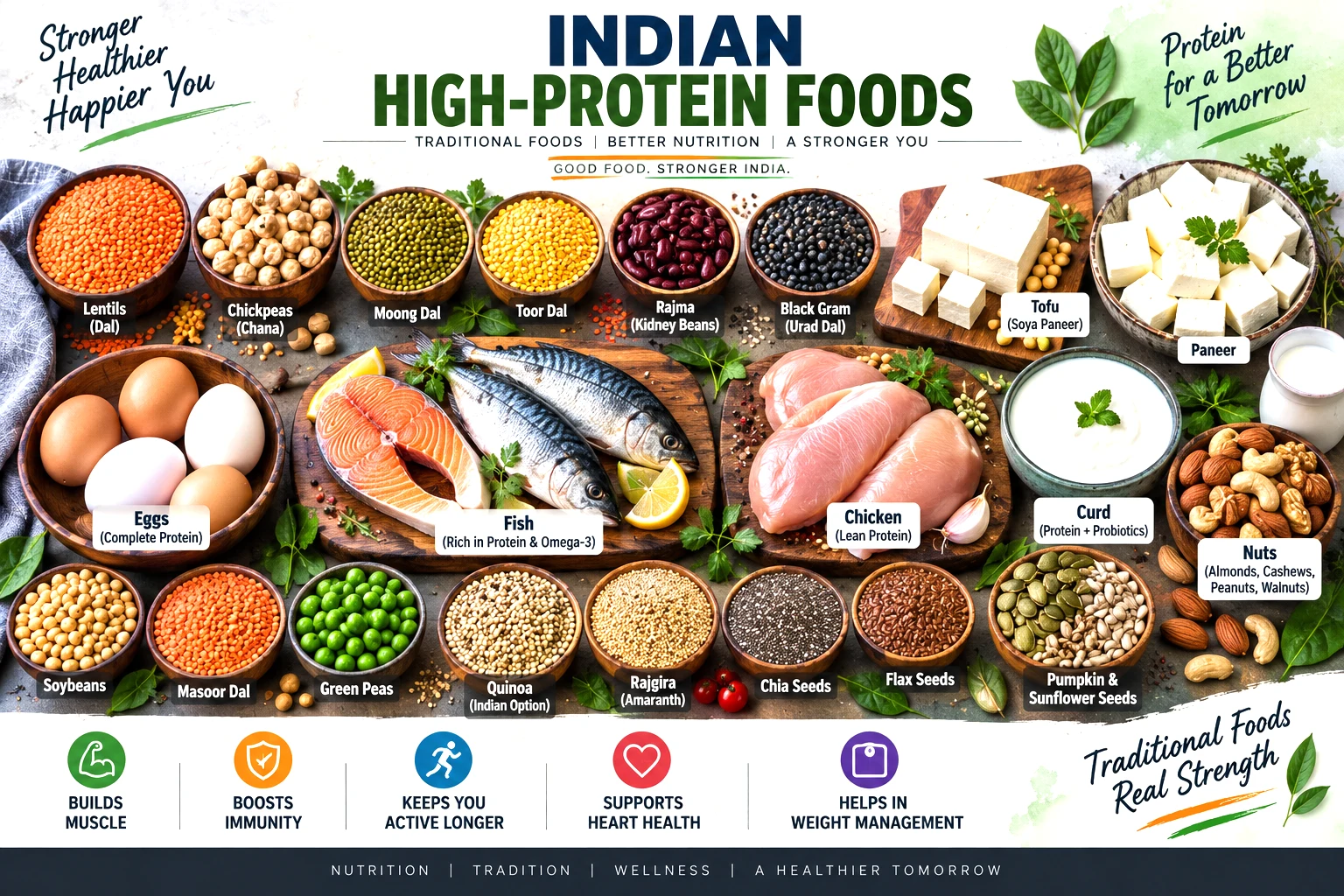
[Best High-Protein Foods for Indian Diets]
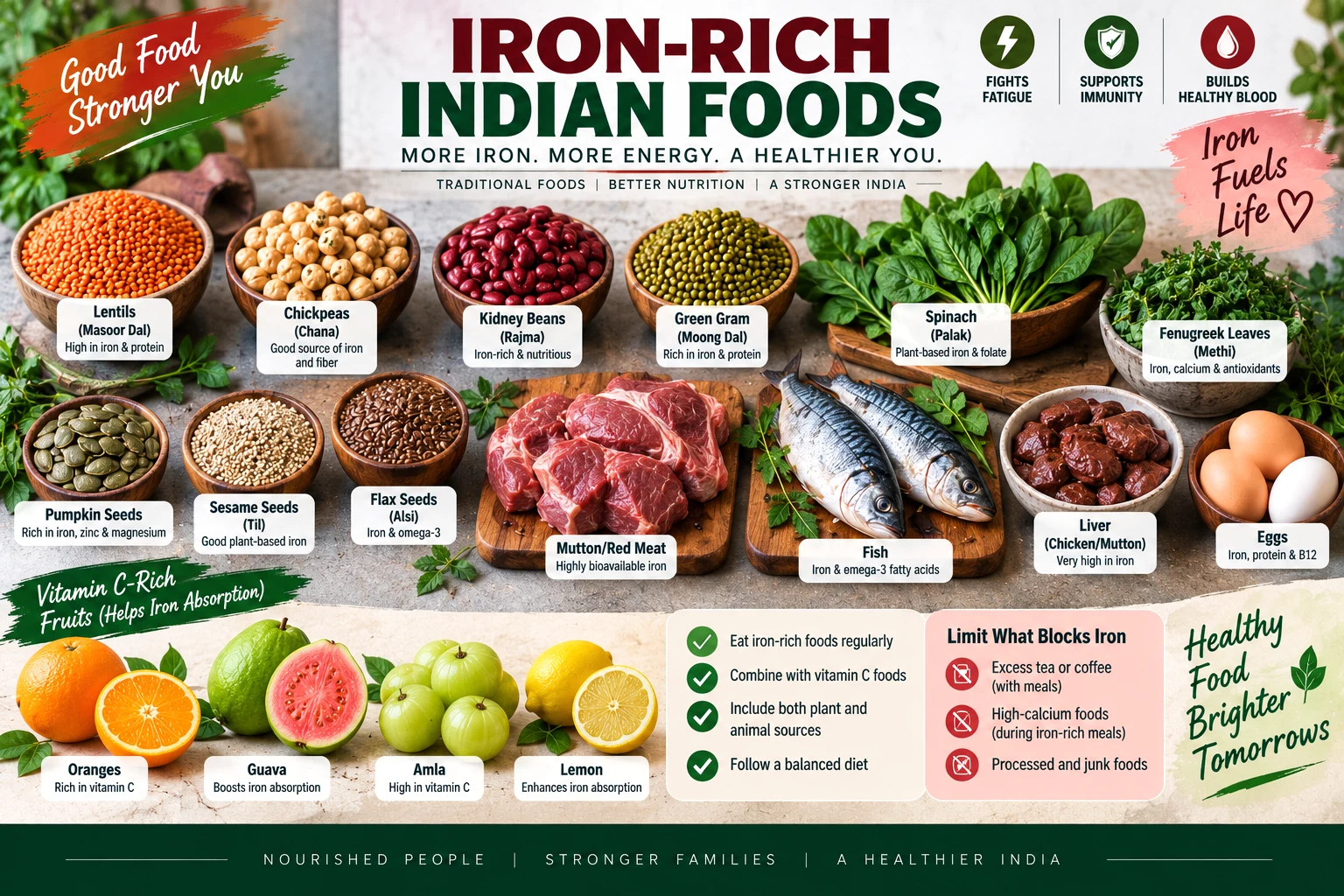
[Best Foods Rich in Iron]
Health Disclaimer: This article provides general nutrition information and does not claim that foods prevent or cure infections. People with symptoms, deficiencies, chronic diseases, pregnancy or medication-related concerns should seek individual advice from an appropriate healthcare professional.
The Rajatheertha Team publishes news, explainers, guides and updates across India and the world. Our coverage follows Rajatheertha's editorial, verification and corrections standards.
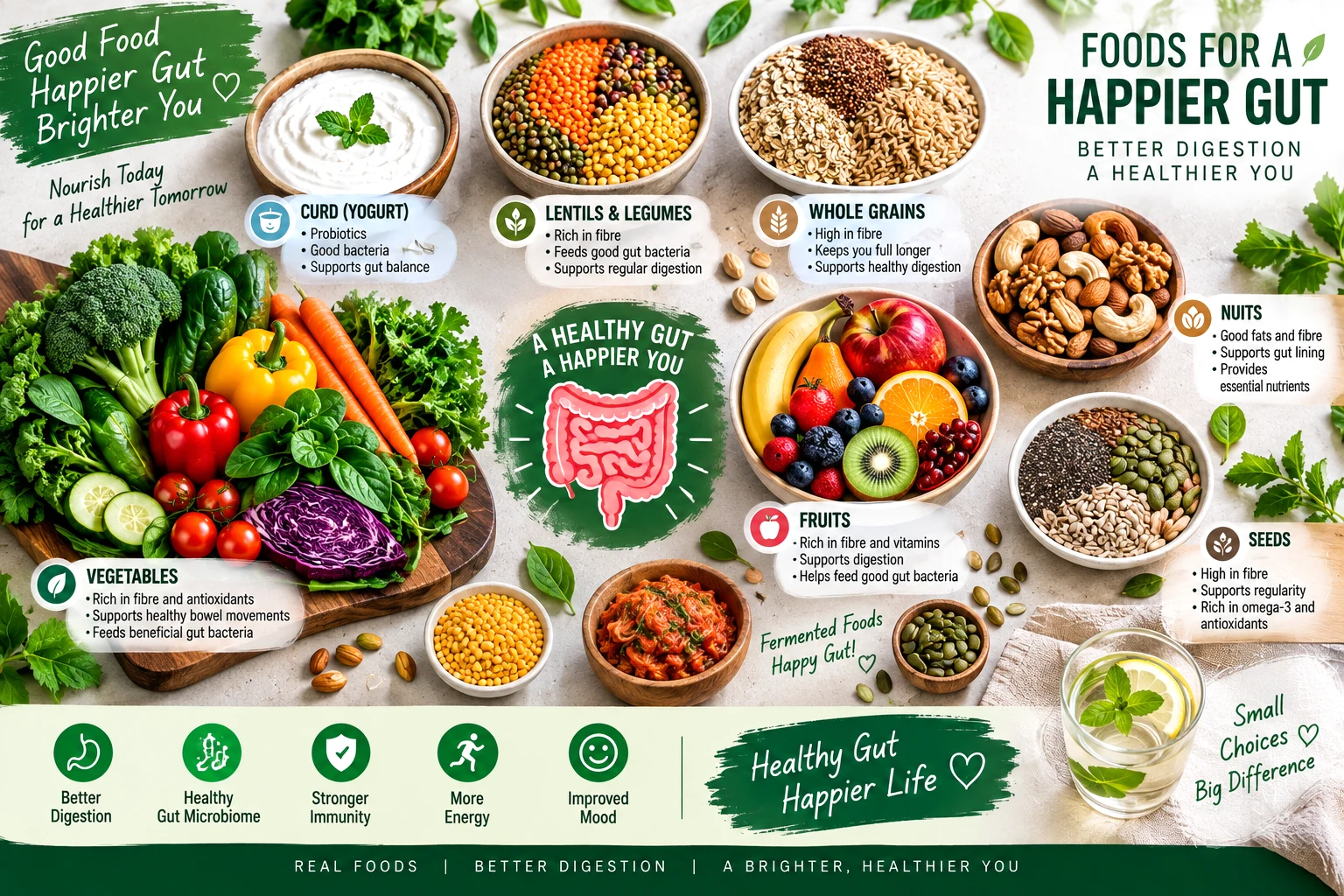
Good digestion is about more than probiotics. Learn how fibre-rich foods, curd, whole grains, fruits, vegetables and adequate fluids can support a healthy digestive system.
A heart-friendly diet does not depend on one superfood. Discover 12 everyday foods—from oats and dal to nuts, vegetables and fish—that can form part of a balanced, heart-healthy eating pattern.
Feeling stressed or anxious? Simple habits such as slow breathing, short walks, journaling, better sleep and regular breaks from social media may help. Here are practical ways to manage everyday stress—and signs that it may be time to seek professional support.
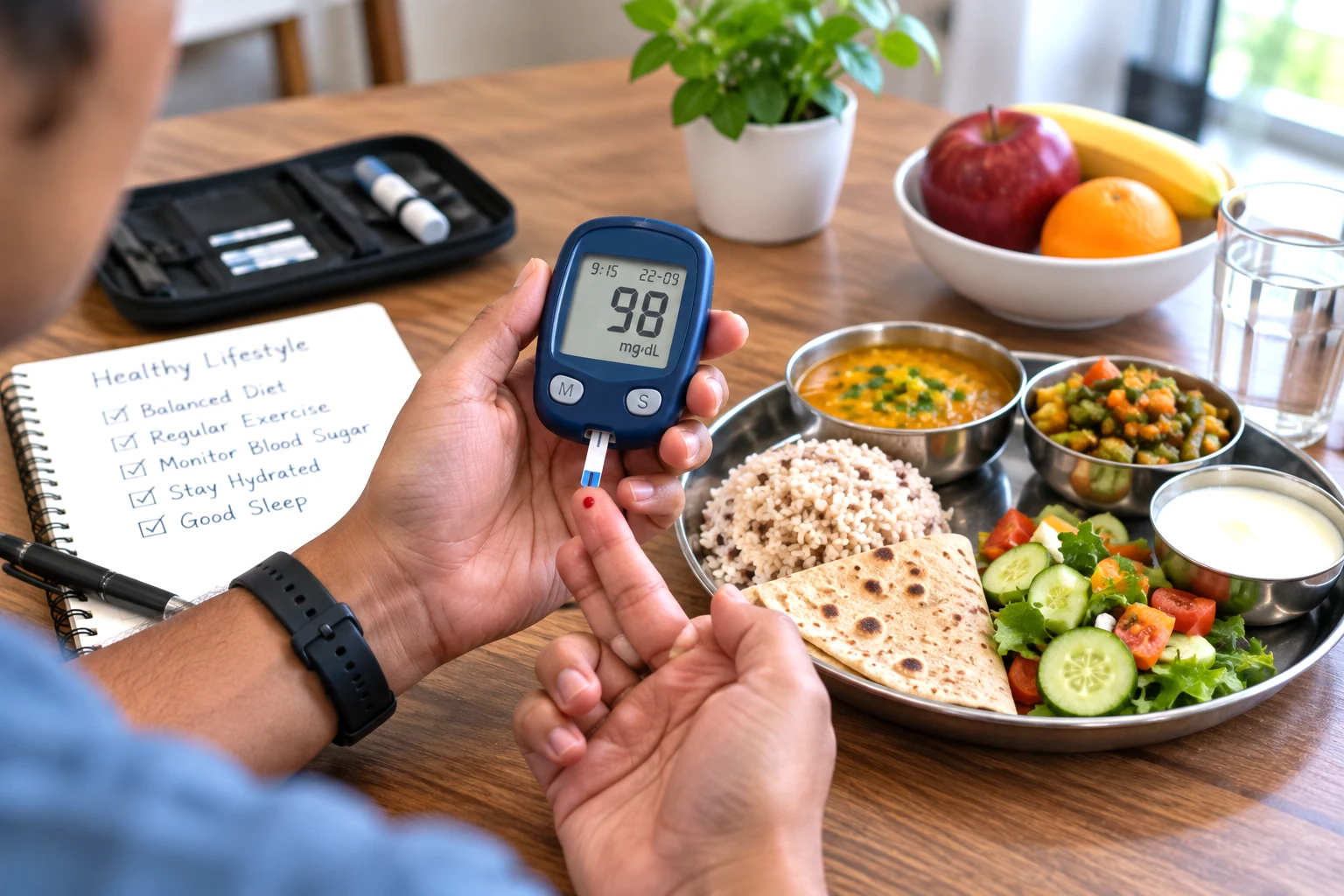
What is a normal blood sugar level? See fasting, 2-hour glucose and HbA1c ranges for normal, prediabetes and diabetes, plus testing guidance and practical Indian diet tips.
Iron is found in meat, seafood, lentils, beans, leafy greens, nuts and fortified foods — but absorption differs. Learn how vitamin C can help and why anaemia needs proper diagnosis.
BRICS leaders have backed stronger cooperation on tuberculosis, obesity, mental health and other non-communicable diseases, while also supporting resilient health systems, disease surveillance and wider access to medicines and vaccines.






0 Comments