India-China Hold High-Level LAC Talks Ahead of BRICS Summit as Xi Jinping Visit Expected
India and China held their first senior commander-level flag talks in the Arunachal sector ahead of the BRICS Summit, as Xi Jinping’s expected India visit draws attention.
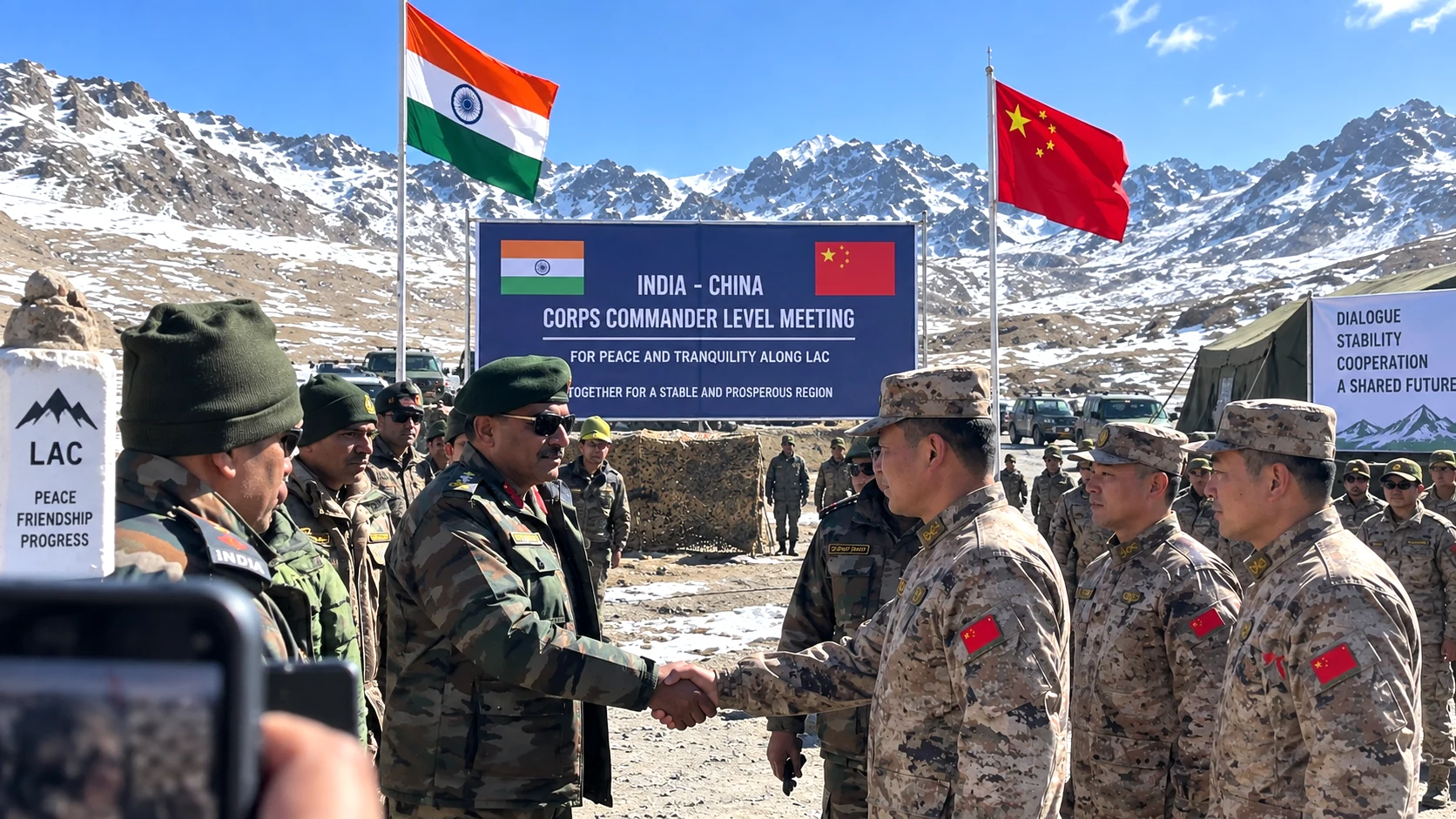
Indian and Chinese border forces representing high-level LAC military talks ahead of the 2026 BRICS Summit in New Delhi
Table of Contents (14 sections)
New Delhi, September 9, 2026: India and China have held a significant new round of high-level military talks along the Line of Actual Control (LAC) in Arunachal Pradesh, opening a senior commander-level mechanism in the eastern sector just days before India hosts the 18th BRICS Summit in New Delhi on September 12 and 13.
The talks were conducted in two sessions: at Wacha on the Indian side of Arunachal Pradesh on September 6 and at Damai on the Chinese side on September 7, according to India’s Ministry of External Affairs (MEA).
The engagement is officially described as the first “Senior Highest Military Commander-Level Flag Meeting” under the newly established mechanism in the eastern sector.
Its timing is significant. India and China have been cautiously rebuilding diplomatic engagement after years of tension following the 2020 border crisis, while Chinese President Xi Jinping is expected to visit New Delhi for the BRICS Summit.
However, Xi’s participation should not yet be treated as formally confirmed. While multiple reports say he is expected to travel to India, the MEA said on September 8 that details about participating leaders would be announced separately.
Recommended Reading
Related Stories & In-Depth Guides
Curated editorial perspectives matching this topic.
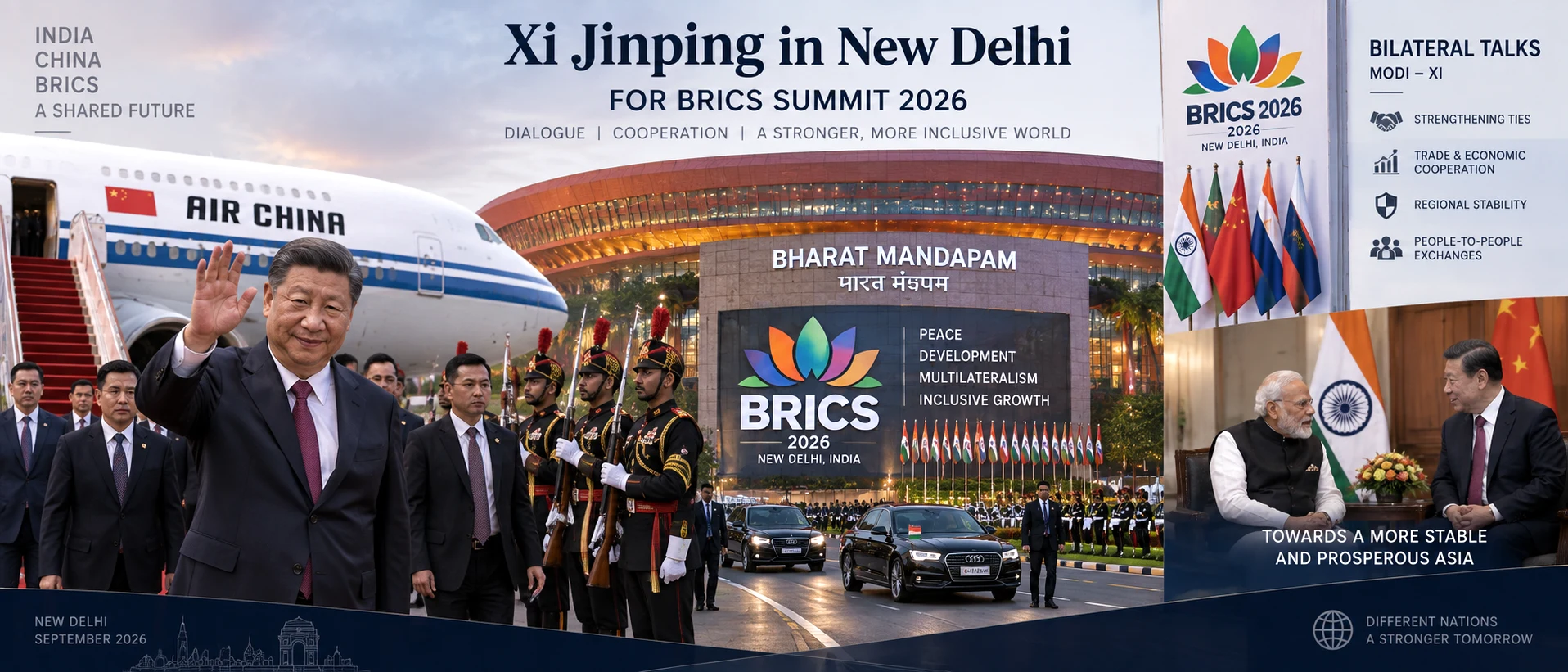
Chinese President Xi Jinping arrived in New Delhi for the 18th BRICS Summit, his first visit to India in nearly seven years, with bilateral talks with Prime Minister Narendra Modi scheduled for Saturday evening.
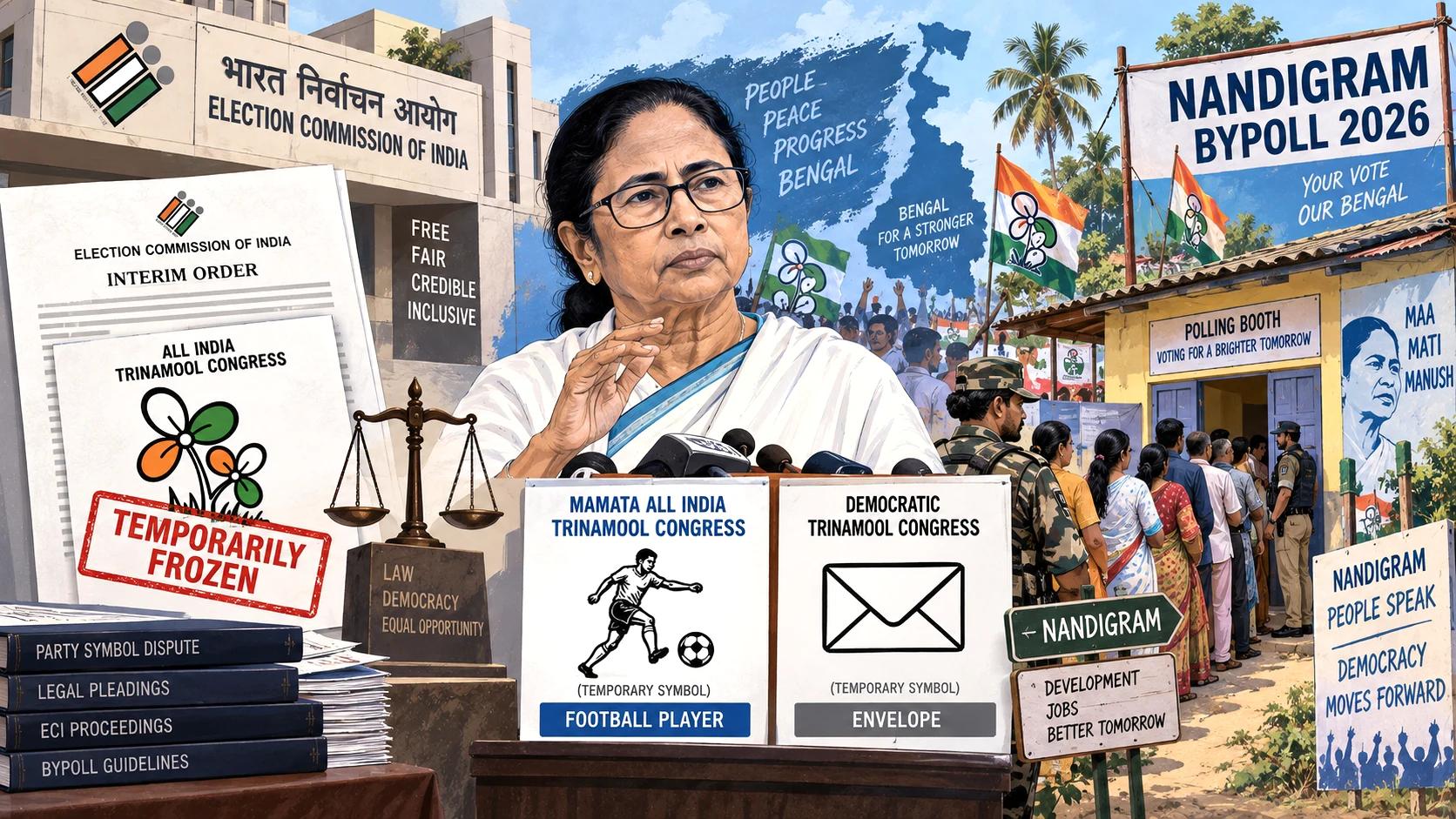
The Election Commission’s interim freeze on the Trinamool Congress name and ‘Flowers and Grass’ symbol has pushed rival factions to temporary identities. Mamata Banerjee has challenged the order in the Supreme Court, while the October 6 Nandigram bypoll has been further complicated by the withdrawal
The military talks therefore represent an important development in India-China border management, but they do not mean that the long-running boundary dispute has been resolved.
Table of Contents
What happened at the India-China LAC talks?
Why the Wacha-Damai meeting is important
Who represented India?
Taksing tensions form the immediate backdrop
Why the new military mechanism was created
India-China relations after the 2020 border crisis
BRICS Summit begins September 12
Is Xi Jinping’s India visit confirmed?
Could Modi and Xi hold bilateral talks?
What the talks mean for India-China relations
What happens next?
Key takeaway
India-China Military Commanders Meet on Both Sides of LAC
The Ministry of External Affairs confirmed that senior military commanders from India and China held talks over two consecutive days in the eastern sector.
The first session took place at Wacha on the Indian side on September 6, while the second was held at Damai on the Chinese side on September 7.
MEA spokesperson Randhir Jaiswal said the meetings followed understandings reached between the Special Representatives of India and China in August 2025 and August 2026, as well as discussions under the Working Mechanism for Consultation and Coordination on India-China Border Affairs.
A similar senior commander mechanism already exists in the western sector.
The development is particularly significant because Corps Commander-level dialogue has played an important role in managing tensions in eastern Ladakh since the 2020 crisis.
Extending a comparable high-level mechanism to the eastern sector gives the two militaries another channel for addressing local disagreements before they develop into larger confrontations.
Why the Wacha-Damai Meeting Matters
India and China have several areas where their perceptions of the LAC do not coincide.
Those differing perceptions can lead to patrol encounters and disputes on the ground, making communication between military commanders important for preventing escalation.
The September meetings were held at the Wacha-Damai Border Personnel Meeting framework in the Arunachal Pradesh sector.
Lt Gen Girish Kalia, commander of the Indian Army’s III Corps, was reported to have led the Indian delegation. III Corps has operational responsibility for a substantial portion of the frontier in the region.
The talks were not negotiations for a final settlement of the India-China boundary.
Instead, the military mechanism is intended to help manage operational issues, maintain peace and tranquillity, and provide senior commanders with a direct channel for resolving incidents along the frontier.
That distinction is important because India and China have improved their border-management dialogue without resolving their underlying territorial disagreements.
Taksing Tensions Form the Immediate Backdrop
The talks also come after recent friction around Taksing in Arunachal Pradesh’s Upper Subansiri district.
Reports indicate that Indian and Chinese patrols had encountered each other in the area in recent weeks because of differing perceptions of the LAC.
Indian troops remained deployed in the region to prevent the situation from escalating.
Such encounters are particularly sensitive because China claims Arunachal Pradesh, while India has consistently rejected Beijing’s claim and maintains that Arunachal Pradesh is an integral and inalienable part of India.
The September commander-level dialogue should therefore be viewed partly as a mechanism for containing such local friction rather than evidence that the wider territorial dispute has disappeared.
New Military Mechanism Follows Doval-Wang Yi Talks
The establishment of senior military dialogue in the eastern sector did not happen in isolation.
India and China have been gradually expanding diplomatic and military communication following several rounds of negotiations between their senior officials.
National Security Adviser Ajit Doval and Chinese Foreign Minister Wang Yi, who serve as their countries’ Special Representatives on the boundary question, have been involved in this process.
The latest military engagement followed understandings reached through the Special Representatives mechanism and subsequent Working Mechanism for Consultation and Coordination discussions.
The two sides have been attempting to improve border management while continuing to pursue a political settlement of the wider boundary dispute.
Creating higher-level communication channels in different sectors of the LAC could help commanders deal with disagreements more quickly.
But communication mechanisms are not the same as a boundary agreement.
India and China still have fundamentally different positions on parts of their Himalayan frontier.
India-China Relations Have Gradually Improved Since 2024
Relations between New Delhi and Beijing deteriorated dramatically following the Galwan Valley clash in June 2020.
Twenty Indian soldiers and four Chinese soldiers were killed in the confrontation.
The incident led to a prolonged military standoff, large troop deployments and a significant deterioration in political relations.
Military and diplomatic negotiations continued for years.
A major change came with the October 2024 patrolling arrangement, which facilitated disengagement from remaining friction points associated with the 2020 crisis.
Prime Minister Narendra Modi and President Xi subsequently held full delegation-level talks on the sidelines of the BRICS Summit in Kazan in October 2024.
Modi later met Xi during his visit to China in August 2025.
Since then, both governments have taken cautious steps toward stabilising the relationship.
Nevertheless, the unresolved boundary question remains one of the biggest constraints on a full normalisation of India-China relations.
BRICS Summit in New Delhi on September 12-13
The timing of the military talks has attracted additional attention because India is preparing to host the 18th BRICS Summit on September 12 and 13, 2026, at Bharat Mandapam in New Delhi.
India holds the BRICS chairmanship for 2026.
The official theme of India’s chairmanship is:
“Building for Resilience, Innovation, Cooperation, and Sustainability.”
According to the Indian government, the summit will bring together leaders from BRICS member countries, partner countries and outreach invitees.
More than 350 meetings and high-level engagements have been held in over 25 Indian cities during India’s 2026 BRICS chairmanship.
The summit is expected to cover economic cooperation, finance, trade, energy, healthcare, technology, climate issues and major international and regional developments.
Is Xi Jinping Visiting India for the BRICS Summit?
This part of the developing story requires careful fact-checking.
Multiple reports say Xi Jinping is expected to attend the New Delhi BRICS Summit, which would make it his first visit to India since 2019.
Recent reporting has even indicated that preparations have been underway for a sizeable Chinese delegation.
However, the visit should not yet be presented as unconditionally confirmed.
At its September 8 briefing, the MEA declined to provide a final list of participating heads of state and government, saying updates on participation would be provided separately.
Therefore, the accurate wording as of September 9 is:
Xi Jinping is expected or likely to visit India for the BRICS Summit, but final official participation details are awaited.
That distinction matters for a developing news report.
Could Modi and Xi Hold Bilateral Talks?
A possible meeting between Prime Minister Narendra Modi and Xi Jinping would be closely watched if the Chinese president attends the summit.
The MEA has said Modi will hold bilateral meetings with several leaders on the sidelines of BRICS, but it has not yet publicly released the complete schedule or confirmed every leader involved.
Border stability would be a natural subject in any India-China bilateral engagement.
Other major issues could include trade, investment, economic restrictions, visas, people-to-people exchanges and cooperation within multilateral organisations.
But until a Modi-Xi bilateral meeting is officially announced, it should be described as possible or expected rather than confirmed.
Why the Border Remains Central to India-China Relations
India’s position has consistently been that peace and tranquillity in border areas are essential for the broader bilateral relationship.
That makes the September 6-7 military talks strategically important.
The two governments can expand trade, diplomatic engagement and multilateral cooperation, but another serious confrontation on the LAC could quickly reverse recent progress.
For that reason, mechanisms allowing commanders to communicate directly can have value even when they do not resolve the territorial dispute.
The new eastern-sector mechanism may help:
manage patrol encounters before they escalate;
establish direct communication between senior commanders;
clarify misunderstandings on the ground;
maintain peace and tranquillity;
support diplomatic negotiations at higher levels; and
reduce the risk of a local incident damaging the broader relationship.
But its effectiveness will depend on what happens on the ground over time.
What the LAC Talks Do — and Do Not — Mean
The latest meeting can reasonably be interpreted as a confidence-building and border-management step.
It should not be described as a settlement of the India-China border dispute.
Large military deployments and strategic competition remain important realities along the frontier.
The two countries also continue to disagree over territorial claims, including China’s claim over Arunachal Pradesh, which India firmly rejects.
At the same time, maintaining military dialogue can reduce the risk of misunderstandings turning into confrontations.
The September meetings therefore demonstrate two realities existing simultaneously: India and China remain strategic competitors with an unresolved boundary dispute, while both governments are attempting to stabilise the relationship through military and diplomatic engagement.
What Happens Next?
Attention will now shift from the LAC to New Delhi.
India will host the BRICS Summit on September 12-13, and the final confirmation of participating leaders will clarify whether Xi Jinping will make his expected visit.
If Xi attends, any meeting with Prime Minister Modi could provide an important indication of how far the recent India-China diplomatic thaw has progressed.
Meanwhile, the real test of the new commander-level mechanism will not be the fact that a meeting occurred.
It will be whether India and China can use it to prevent future patrol encounters and disagreements from developing into prolonged military confrontations.
The border dispute remains unresolved, but the creation of a senior military channel in the eastern sector represents a notable change in how the two sides are trying to manage it.
For India, the central principle remains clear: stable relations with China depend heavily on peace and tranquillity along the LAC.
Key Takeaway
India and China have opened a senior commander-level military mechanism in the eastern sector of the LAC, holding talks at Wacha and Damai on September 6-7.
The meetings follow recent friction near Taksing in Arunachal Pradesh and come days before India hosts the BRICS Summit in New Delhi.
Xi Jinping is expected to attend the summit, though final official confirmation of participating leaders is still awaited.
The talks are an important border-management step. They do not resolve the underlying boundary dispute.
The Rajatheertha Team publishes news, explainers, guides and updates across India and the world. Our coverage follows Rajatheertha's editorial, verification and corrections standards.
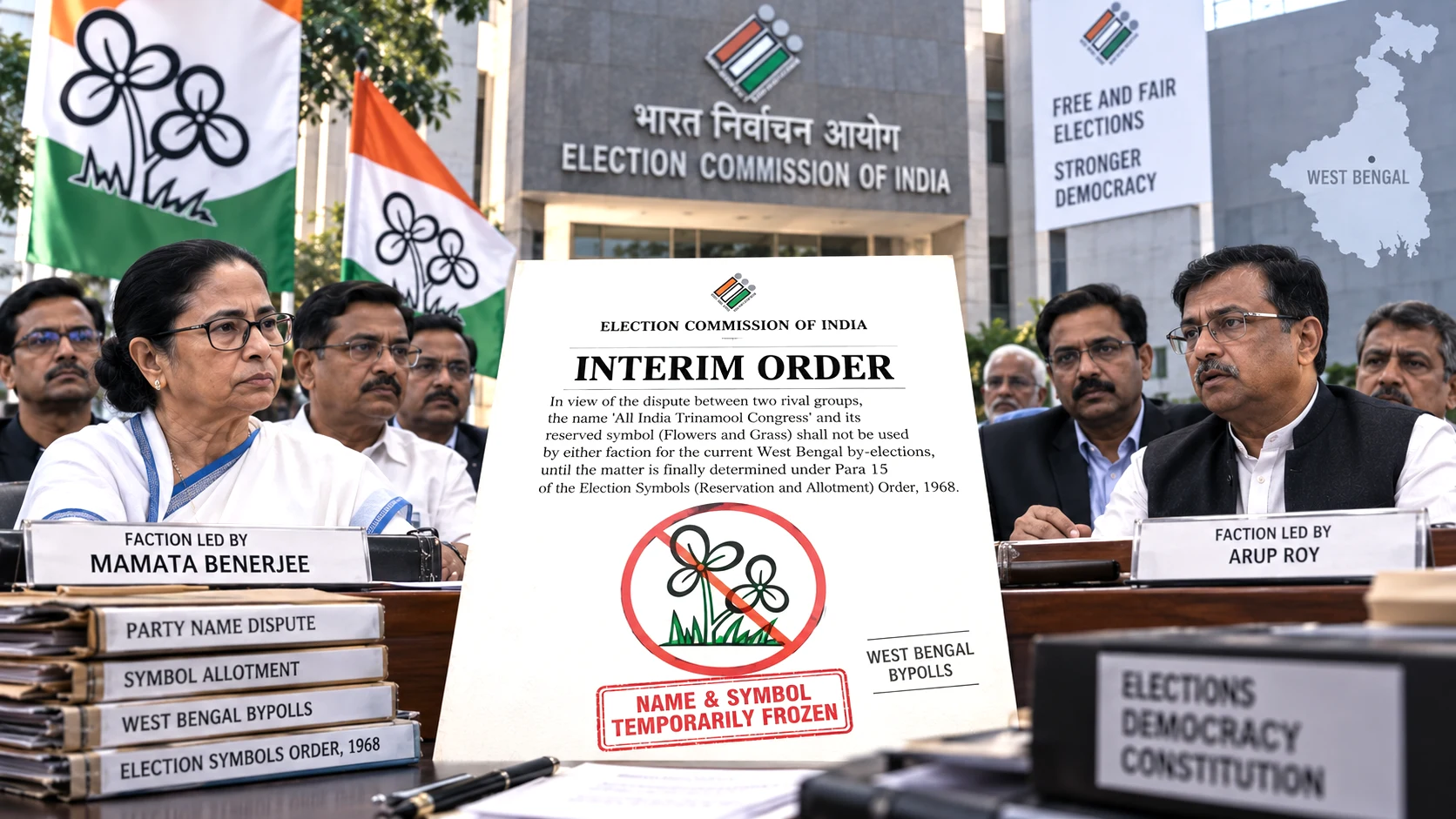
Neither the Mamata Banerjee group nor the rival faction formally represented before the Election Commission by Arup Roy can use the All India Trinamool Congress name or its reserved symbol in the October 6 bypolls. The order is temporary while the ECI decides the larger party-control dispute under P
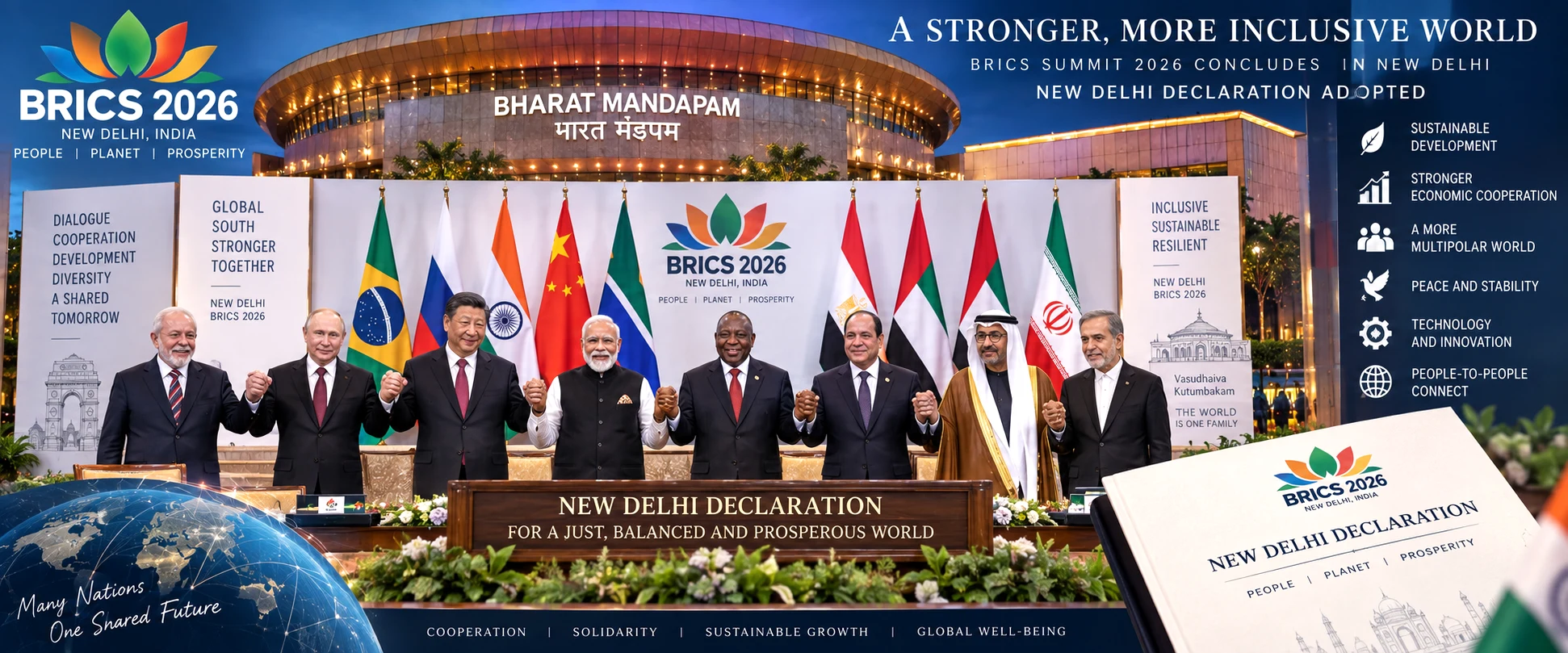
The 18th BRICS Summit concluded in New Delhi with leaders adopting the New Delhi Declaration by consensus, as India handed the chairship to China for 2027.
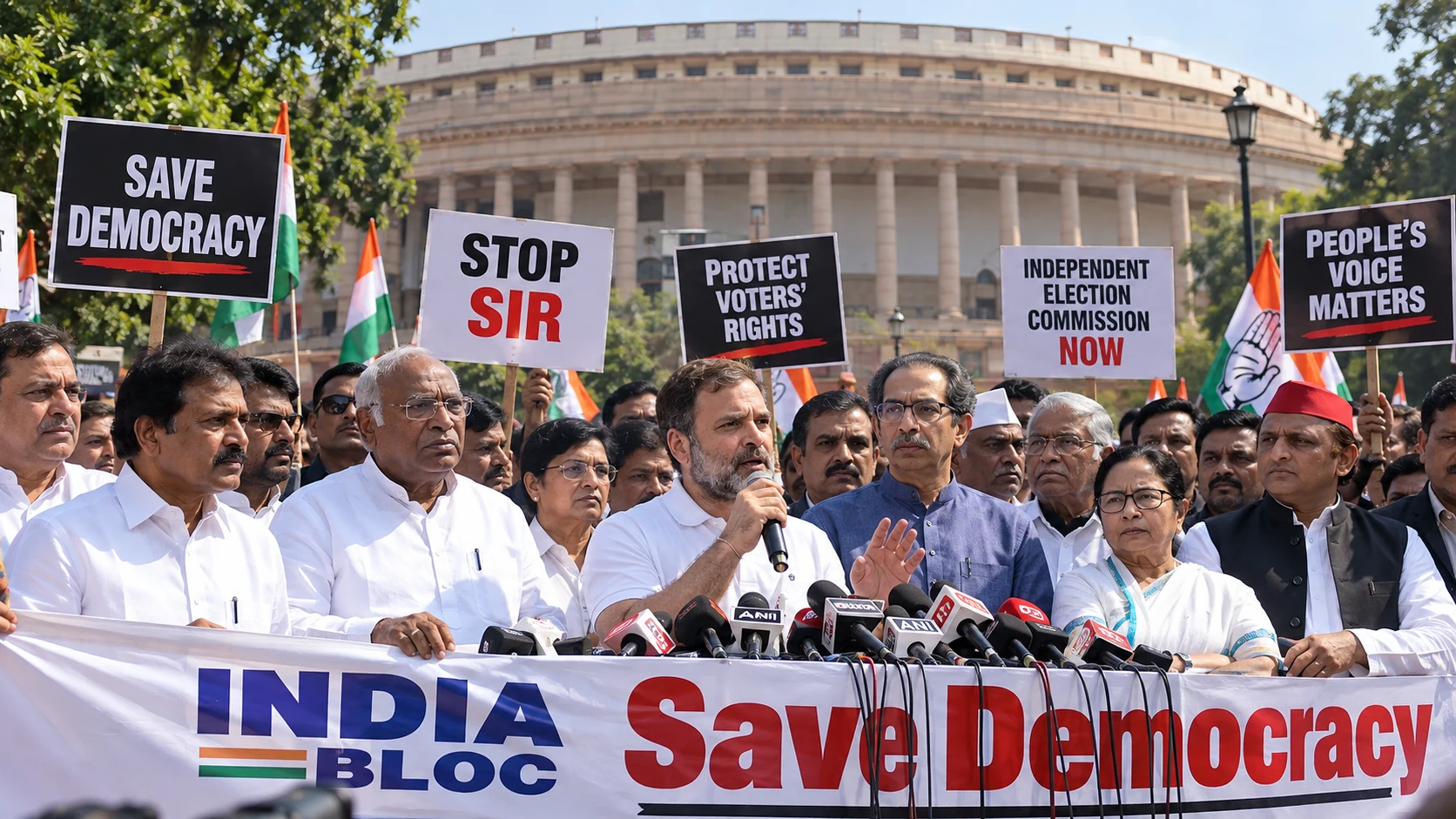
The INDIA bloc has announced nationwide “Save Democracy” marches from Oct. 2–8 over the Election Commission and SIR controversy, with MPs planning an Oct. 6 march to the EC. The BJP has rejected the allegations as political frustration after electoral defeats.
India and Pakistan have summoned each other's diplomats after BSF personnel killed two Pakistani nationals along the Punjab border on October 2. New Delhi says they were infiltrators posing a security threat, while Islamabad says they were unarmed civilians.
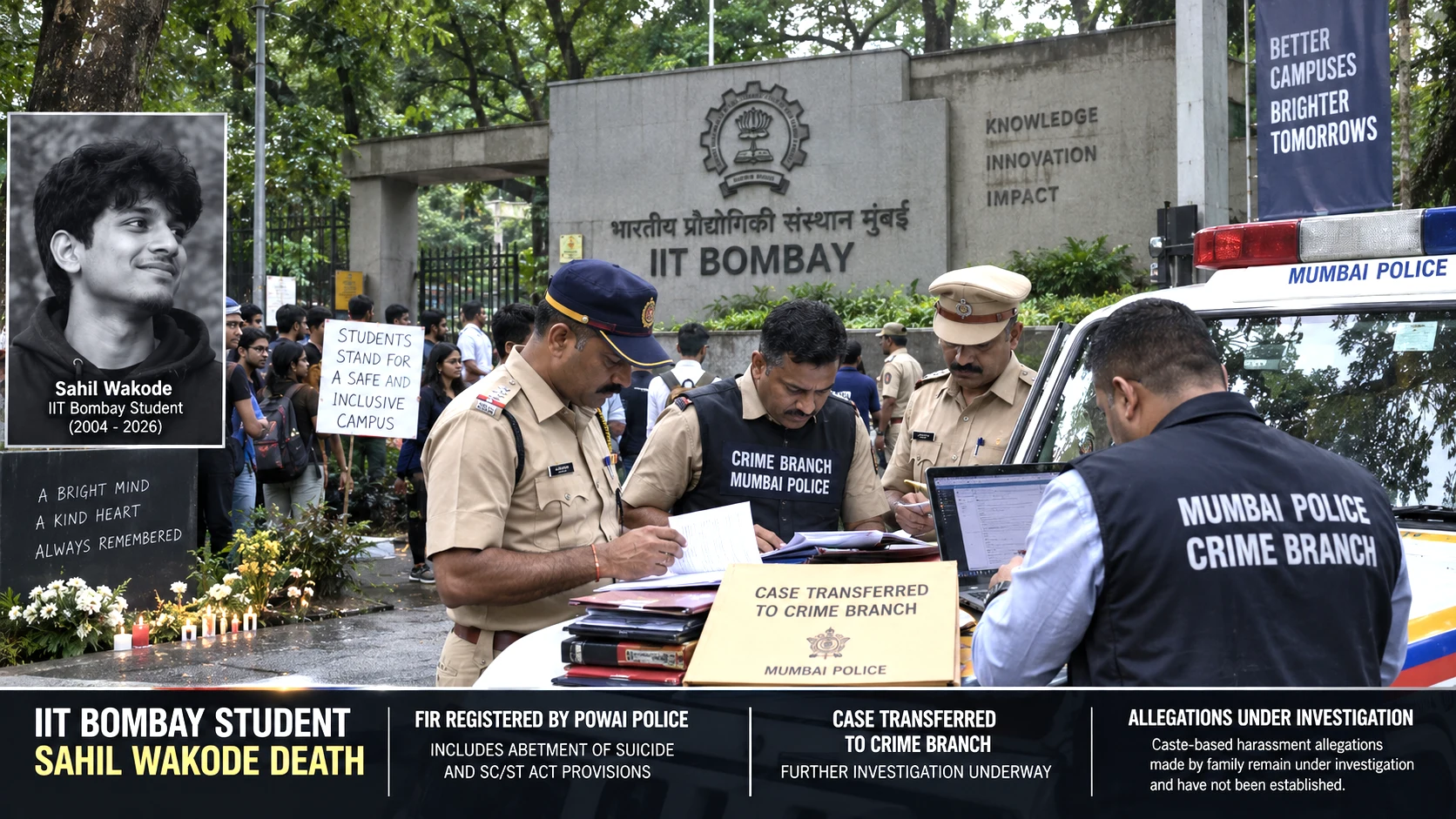
The Mumbai Police Crime Branch has taken over the investigation into the death of IIT Bombay student Sahil Wakode after his family alleged caste-based harassment and demanded action against those they hold responsible. An IIT Bombay faculty member has been booked for alleged abetment to suicide, whi
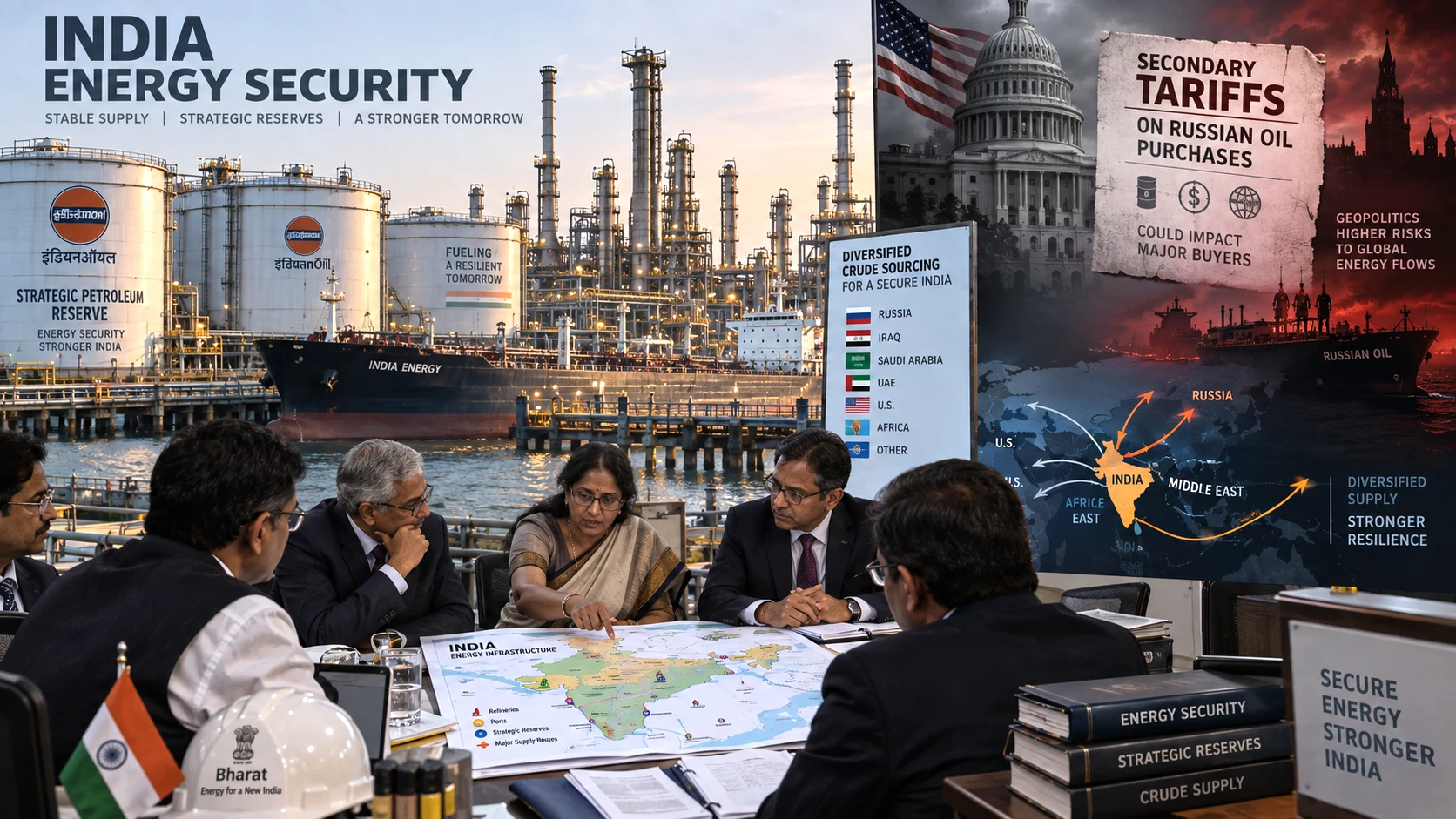
New Delhi says its oil sourcing will continue to be guided by energy security, market conditions and diversified supplies after the US Congress cleared legislation allowing President Donald Trump to impose tariffs of up to 100% on major buyers of Russian energy. The tariffs are not automatic, and th





0 Comments