India Reaffirms Energy Security as US Russia Sanctions Bill Raises Fresh Tariff Risk
New Delhi says its oil sourcing will continue to be guided by energy security, market conditions and diversified supplies after the US Congress cleared legislation allowing President Donald Trump to impose tariffs of up to 100% on major buyers of Russian energy. The tariffs are not automatic, and th
India’s energy-security policy and the potential impact of new US secondary tariffs linked to Russian oil purchases
Table of Contents (15 sections)
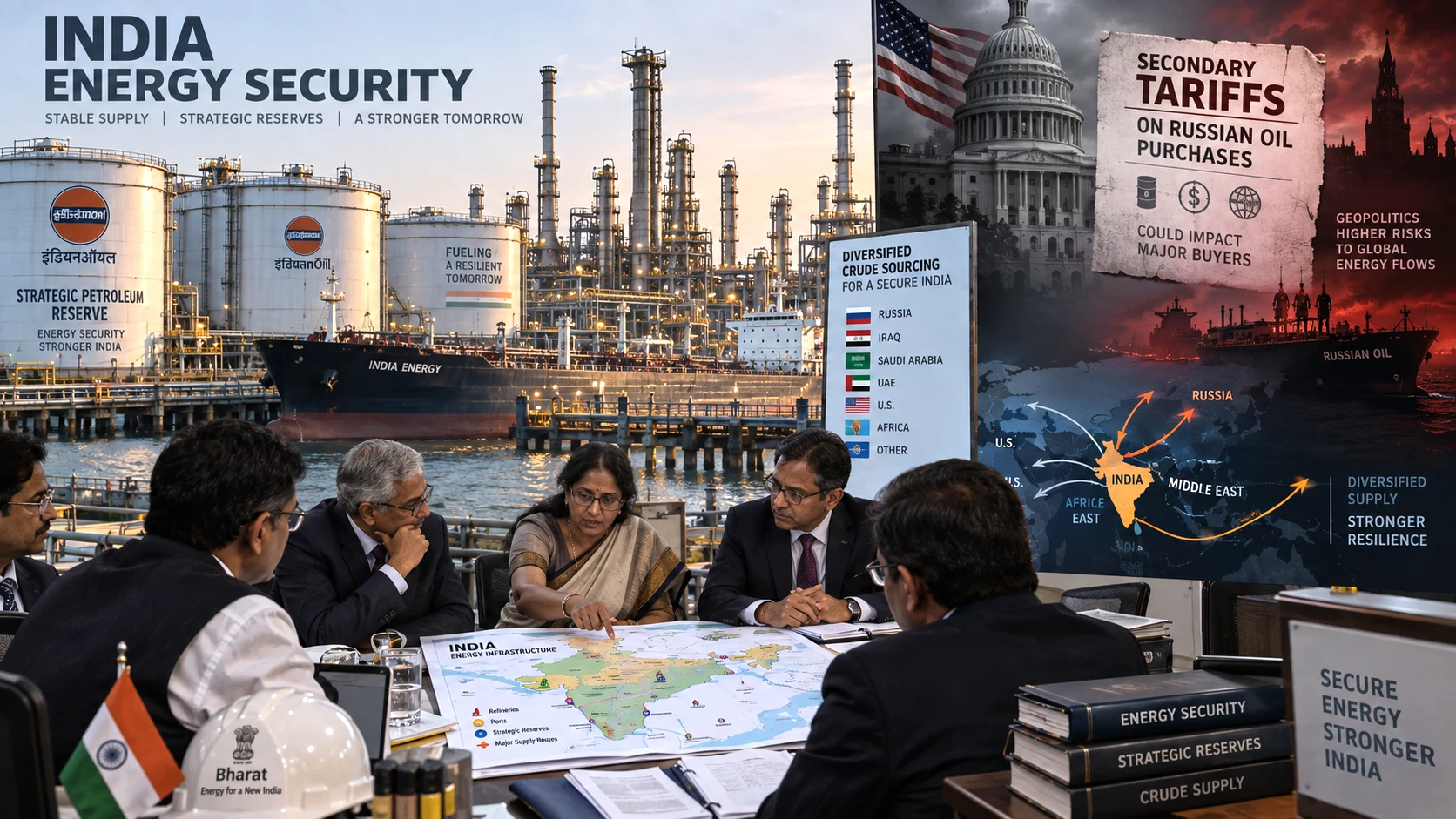
India has reaffirmed that energy security and market conditions will guide its crude-oil sourcing as Washington moves closer to giving President Donald Trump sweeping new powers to penalise major buyers of Russian energy.
The development follows the passage of the Lindsey O. Graham Sanctioning Russia and Iran Act of 2026 by both chambers of the United States Congress.
The US House of Representatives approved the legislation on September 16 by a vote of 262-159. The Senate had already passed the measure by 86-11 on August 7, sending the bill to President Trump for his signature.
A White House official subsequently said Trump plans to sign the legislation, but no presidential signature had been publicly confirmed as of the morning of September 18.
That distinction is important: the measure has cleared Congress, but its new tariff powers had not yet taken effect as enacted law at the time of writing.
Key Takeaways
The US Congress has now passed the Lindsey O. Graham Sanctioning Russia and Iran Act of 2026; it is no longer merely a proposal being considered by lawmakers.
Recommended Reading
Related Stories & In-Depth Guides
Curated editorial perspectives matching this topic.
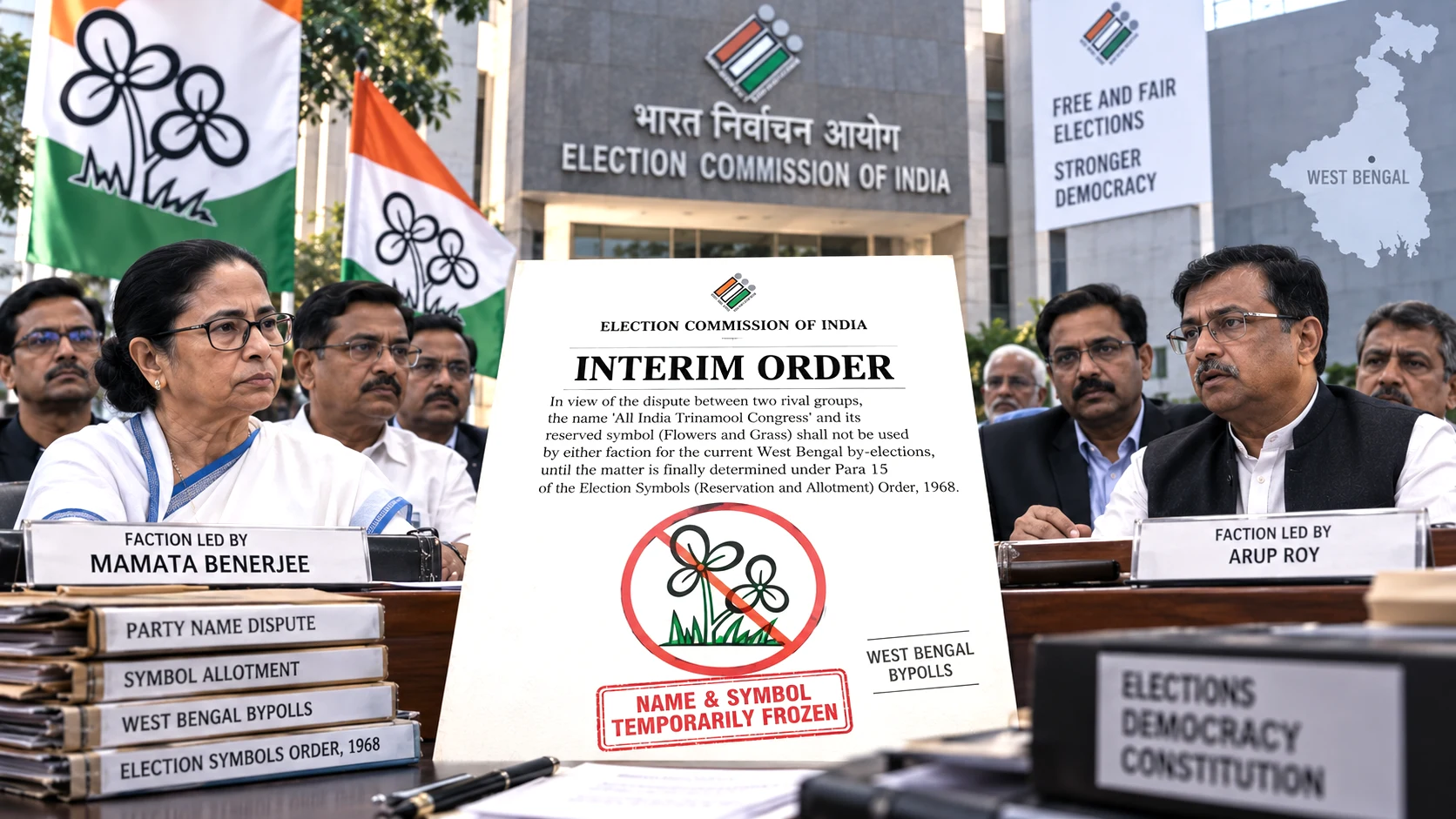
Neither the Mamata Banerjee group nor the rival faction formally represented before the Election Commission by Arup Roy can use the All India Trinamool Congress name or its reserved symbol in the October 6 bypolls. The order is temporary while the ECI decides the larger party-control dispute under P
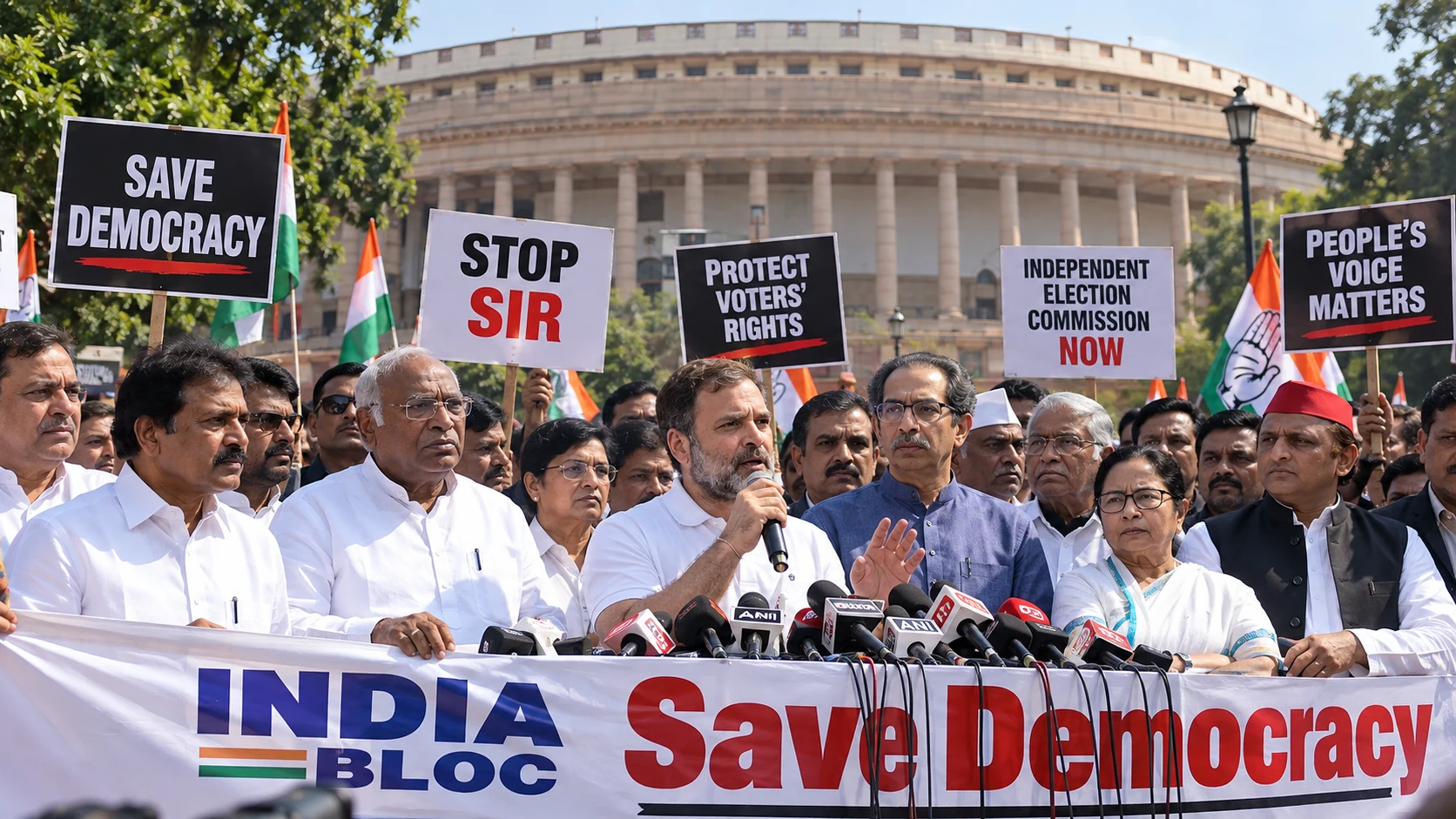
The INDIA bloc has announced nationwide “Save Democracy” marches from Oct. 2–8 over the Election Commission and SIR controversy, with MPs planning an Oct. 6 march to the EC. The BJP has rejected the allegations as political frustration after electoral defeats.
The US House approved the legislation on September 16 by 262-159, after the Senate passed it 86-11 on August 7.
As of the morning of September 18, President Donald Trump had not yet signed the bill into law, although a White House official said he plans to sign it.
The legislation would give the US president authority to impose tariffs of up to 100% on goods imported from the five largest buyers of Russian oil or gas by volume. It does not automatically impose a 100% tariff on India.
The legislation also contains national-interest waiver powers, giving the US administration discretion over implementation.
India says it has already raised concerns with Washington over the potential impact on bilateral ties and international energy markets.
The MEA says India remains committed to securing energy for its 1.4 billion people through diversified sourcing based on market conditions.
Russian crude continues to be part of India’s supply mix. Reuters reported that Indian refiners had Russian barrels arranged for September and October.
S&P Global estimated India imported about 1.6 million barrels per day of Russian crude in August, making it the largest Russian crude buyer in its dataset that month.
India Says Energy Security Remains the Priority
Responding to the US congressional action, India’s Ministry of External Affairs said New Delhi had noted the passage of the legislation and had already discussed its potential consequences with Washington.
According to the MEA, India has explained the possible implications for both the bilateral relationship and the wider international energy market.
The ministry reiterated that India remains committed to meeting the energy requirements of its population and will continue obtaining supplies from a diversified range of sources according to changing market conditions.
It also said the government is prepared to take measures needed to safeguard India’s trade and economic interests and will consult industry and trade stakeholders as the situation develops.
The official response therefore does not amount to a declaration that India will purchase Russian crude regardless of price or circumstances.
A more accurate description is that New Delhi has not announced a halt to Russian oil purchases and continues to place energy security, affordability, diversification and market conditions at the centre of its policy.
Russian Oil Is Still Reaching Indian Refiners
Current shipping and refinery information indicates that Russian crude remains part of India’s energy supply.
Reuters reported on September 17 that Indian refiners had arranged supplies for September and October that included Russian oil.
S&P Global Commodities at Sea estimated that India imported around 1.6 million barrels per day of Russian crude in August, ahead of China at approximately 1.1 million barrels per day in its dataset.
This makes India particularly relevant to the new American legislation because the tariff provision targets the biggest buyers of Russian energy.
The numbers can fluctuate considerably from month to month depending on crude prices, discounts, shipping availability, refinery economics and geopolitical conditions, so a single month should not be treated as a permanent market share.
What Exactly Does the US Bill Allow?
The most important point is that the legislation does not automatically impose a 100% tariff on India simply because India buys Russian oil.
According to S&P Global’s analysis of the legislation, it gives the US president authority to impose tariffs of up to 100% on goods entering the United States from the five largest importers of Russian crude oil or natural gas by total volume.
The bill also targets countries judged to be significantly facilitating Russian energy sanctions evasion and contains measures against vessels associated with circumvention of sanctions on Russian oil and other energy products.
That means the potential penalty is best described as:
a discretionary US tariff on goods from major Russian-energy purchasing countries.
It is not a 100% duty being charged directly on Russian crude arriving in India.
A 100% Tariff Is Possible, Not Automatic
Some headlines have suggested that India is now certain to face a 100% US tariff.
That overstates the current position.
The legislation authorises tariffs of up to 100%, but implementation depends on decisions by the US president after the legislation becomes law.
The bill also contains a provision allowing sanctions to be waived when the US president considers a waiver to be in the American national interest.
Consequently, several outcomes remain possible.
Washington could impose the maximum tariff, choose a lower rate, delay implementation, grant a waiver or use the authority as leverage in negotiations with affected countries.
Until the Trump administration announces its implementation decisions, writing that India “has been hit with a new 100% tariff” would be inaccurate.
Why Washington Is Targeting Russian Energy Buyers
The legislation is intended to intensify economic pressure on Moscow over the continuing war in Ukraine.
US lawmakers supporting the measure argue that Russia’s energy exports provide revenue that helps sustain the Russian state and its war effort.
The legislation therefore targets not only Russian political and economic interests but also energy transactions and vessels described as part of Russia’s sanctions-evading “shadow fleet”.
India has consistently maintained a different emphasis: that it must secure reliable and affordable energy for a large, energy-import-dependent economy.
Reuters notes that India is the world’s third-largest oil importer and has repeatedly defended its purchasing decisions on grounds of availability, affordability and energy security.
India-US Oil Dispute Has a Longer History
The current dispute is not the first time Russian crude has become an issue in India-US trade relations.
In August 2025, the Trump administration imposed an additional 25% tariff on Indian goods, explicitly linking the action to India’s continued imports of Russian oil.
That extra tariff was removed in February 2026.
In the executive order withdrawing it, the White House said it had been informed that India had committed to stop directly or indirectly importing Russian oil and to increase purchases of US energy.
India’s own public language at the time was more cautious.
New Delhi did not publicly frame its energy policy as an unconditional permanent ban on Russian purchases. Indian officials instead said energy sourcing would be guided by national interest, market conditions and the need to protect energy security.
Russian imports fell substantially during parts of early 2026, but current shipping data show that they subsequently increased again.
The September congressional action therefore represents a renewed point of tension between Washington’s sanctions strategy and New Delhi’s energy requirements.
Why Russian Crude Remains Important to India
India imports most of the crude oil it consumes.
That makes price, shipping reliability and access to sufficient volumes important considerations for Indian refiners.
Russian oil became a much larger part of India’s crude basket following Moscow’s 2022 invasion of Ukraine, when Western sanctions and changes in global purchasing patterns redirected discounted Russian barrels toward Asian buyers.
Recent geopolitical disruptions have added another layer of complexity.
Reuters reported that Indian refiners are concerned that aggressively removing Russian supply from the global market could push crude prices higher at a time when energy supplies have already been affected by conflict in the Middle East.
Brent crude was trading at around $104 a barrel on September 18 amid continuing supply concerns, highlighting the sensitivity of global energy markets to geopolitical disruption.
Refiners Reportedly Want Flexibility
Indian refining sources told Reuters that they would prefer New Delhi to seek some form of flexibility from Washington rather than face an immediate maximum tariff.
Options mentioned by industry sources included a transition period or a quota that could allow some Russian purchases while India adjusts its supply arrangements.
These are industry preferences reported by Reuters, not announced Indian government policy.
The government has not publicly confirmed that it will seek a specific quota or waiver.
Could India Replace Russian Oil Completely?
India has alternatives, including suppliers in the Middle East, the Americas and elsewhere.
But replacing a very large quantity of Russian crude rapidly could affect both prices and refinery economics.
Diversification can reduce dependence on any single supplier, but global crude is a fungible market: when a major source becomes unavailable to a large consumer, competition for alternative barrels can increase.
This is one reason India has emphasised the impact that secondary tariff measures could have on the wider energy market, not only on India-US trade relations.
S&P Global analysts have similarly cautioned that aggressive enforcement affecting large volumes of Russian crude could lift international oil prices.
US President Will Have Significant Discretion
The practical impact of the legislation will depend heavily on how President Trump uses the powers granted to him.
The bill sets a maximum potential tariff but also gives the administration discretion and national-interest waiver authority.
This means passage by Congress does not tell markets the final tariff rate, covered Indian products, implementation date or whether India could receive relief.
Those details will matter far more to exporters than the headline 100% figure alone.
A White House official has said Trump intends to sign the legislation, but no timeline for the signing was given in the latest available statement.
India-US Trade Talks Could Become More Complicated
The dispute also arrives while New Delhi and Washington continue economic negotiations.
The United States remains India’s largest goods export market. Indian shipments to the US reached $42.79 billion during April-August 2026, up from $40.39 billion during the same period a year earlier, according to official data cited by Reuters.
A major additional tariff could therefore affect Indian exporters significantly, depending on its scope.
Reuters reported that Commerce and Industry Minister Piyush Goyal is expected to meet US Trade Representative Jamieson Greer around the G20 trade ministers’ meeting later in September, with bilateral trade issues expected to feature in discussions.
Neither side has announced the outcome of those future talks.
India Has Not Announced a Break With Either Washington or Moscow
The current dispute should also not be portrayed as India choosing one relationship and abandoning another.
India maintains a strategic partnership with Russia while also having extensive defence, technology, trade and diplomatic ties with the United States.
Prime Minister Narendra Modi and Russian President Vladimir Putin met in New Delhi earlier in September and discussed bilateral economic and strategic cooperation, including plans to expand trade.
At the same time, New Delhi continues to engage Washington over trade and economic issues.
India’s latest MEA statement focuses on protecting its economic interests and energy supply rather than announcing retaliation or a diplomatic rupture.
Bottom Line
India’s policy position is clear on one central point: New Delhi says it will continue prioritising the energy security of its population and sourcing supplies from a diversified group of producers according to market conditions.
Russian oil remains part of that supply mix. Indian refiners have Russian cargoes scheduled for September and October, while S&P Global estimated August Russian crude imports at around 1.6 million barrels per day.
At the same time, Washington has significantly increased the potential economic cost of those purchases.
The US Congress has passed legislation empowering President Trump to impose tariffs of up to 100% on goods from major buyers of Russian energy. The bill includes waiver powers and does not automatically trigger the maximum duty.
As of September 18, the White House says Trump plans to sign it, but the signing had not yet been publicly confirmed.
The most accurate assessment is therefore that India continues to defend its energy-security-driven sourcing policy while preparing for the possibility of fresh US trade measures — but no new 100% tariff on India should be treated as having already taken effect.
Key Takeaway
India reaffirms energy security and diversified sourcing amid new US sanctions bill.
The Rajatheertha Team publishes news, explainers, guides and updates across India and the world. Our coverage follows Rajatheertha's editorial, verification and corrections standards.
The 18th BRICS Summit concluded in New Delhi with leaders adopting the New Delhi Declaration by consensus, as India handed the chairship to China for 2027.
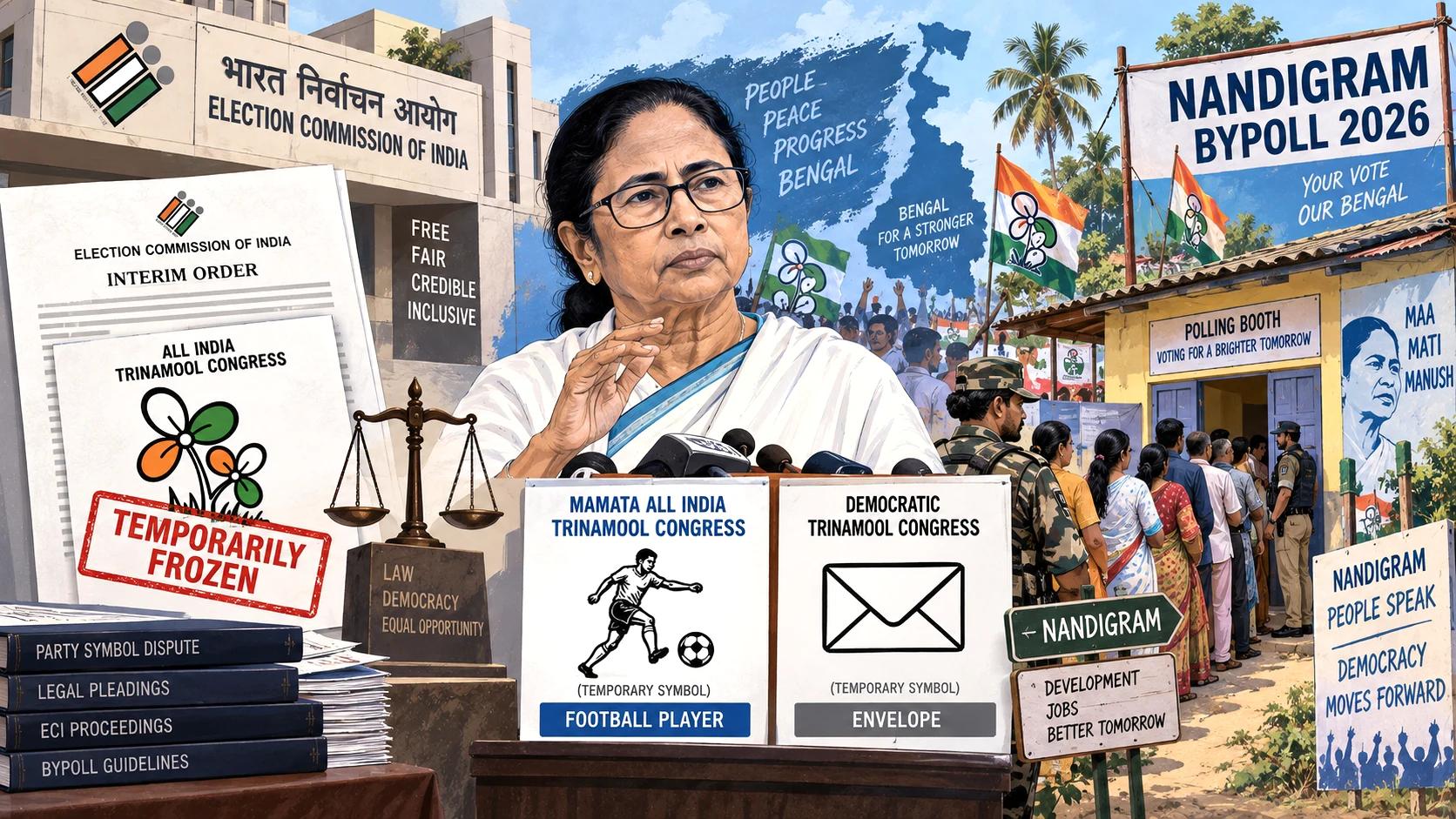
The Election Commission’s interim freeze on the Trinamool Congress name and ‘Flowers and Grass’ symbol has pushed rival factions to temporary identities. Mamata Banerjee has challenged the order in the Supreme Court, while the October 6 Nandigram bypoll has been further complicated by the withdrawal
India and Pakistan have summoned each other's diplomats after BSF personnel killed two Pakistani nationals along the Punjab border on October 2. New Delhi says they were infiltrators posing a security threat, while Islamabad says they were unarmed civilians.
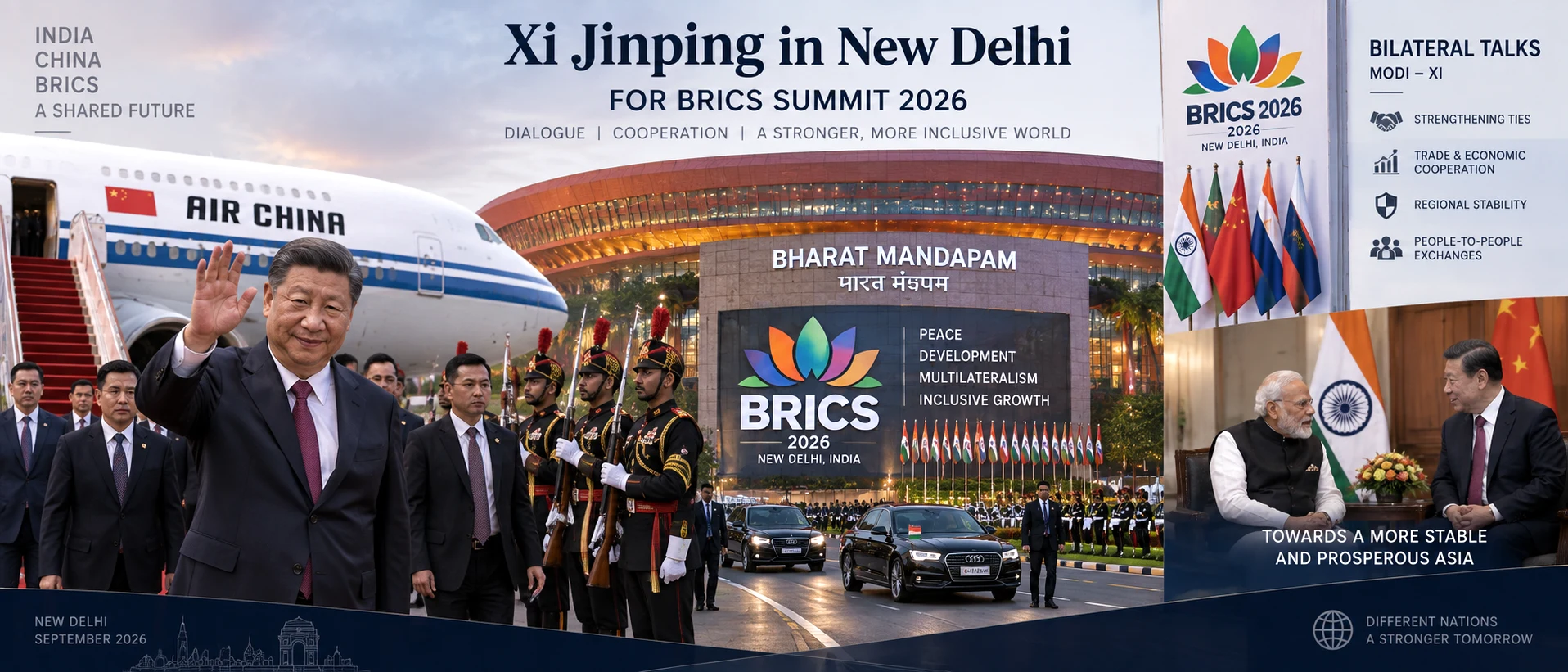
Chinese President Xi Jinping arrived in New Delhi for the 18th BRICS Summit, his first visit to India in nearly seven years, with bilateral talks with Prime Minister Narendra Modi scheduled for Saturday evening.
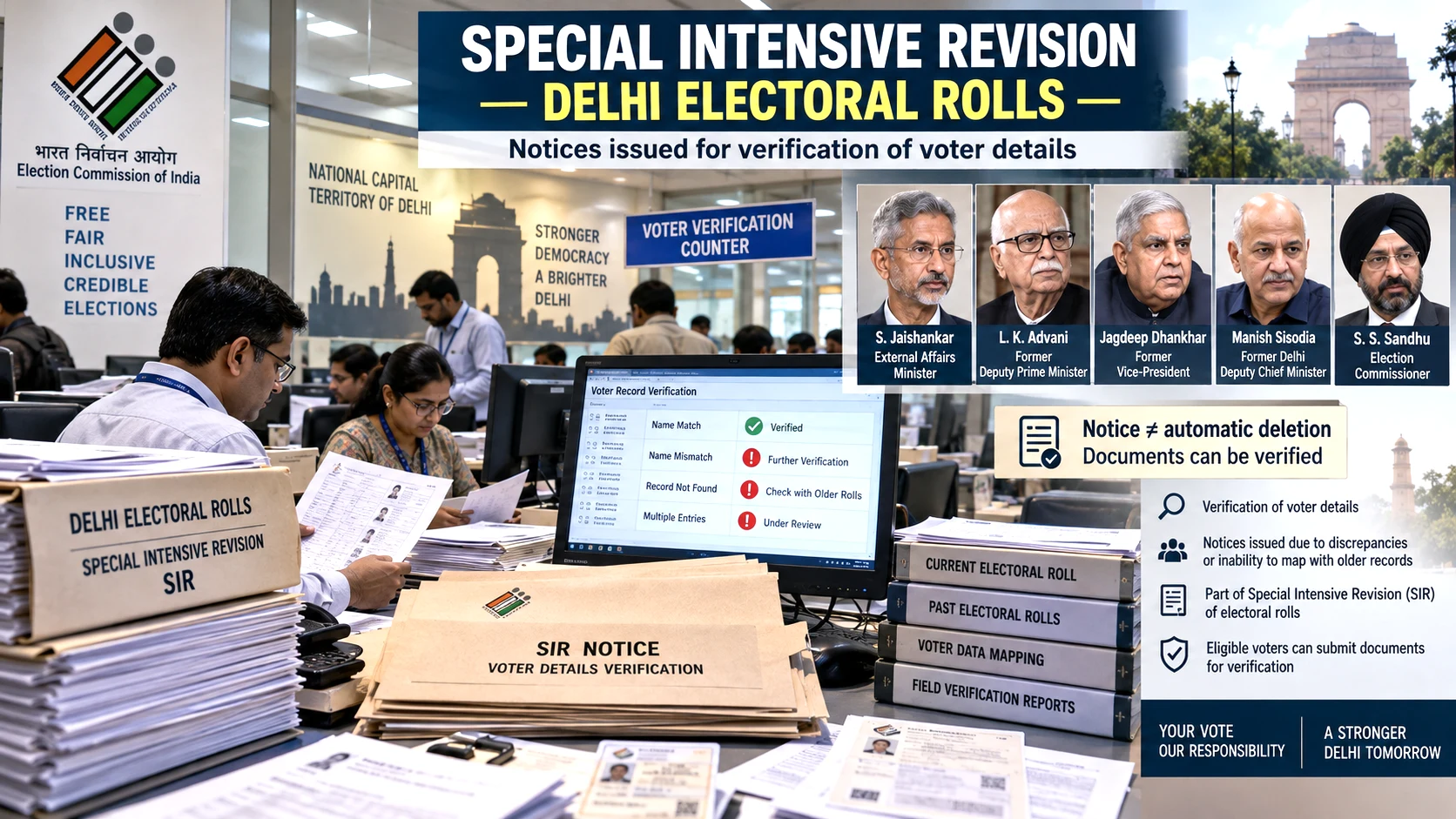
External Affairs Minister S Jaishankar, BJP veteran LK Advani, former Vice-President Jagdeep Dhankhar, former Delhi Deputy Chief Minister Manish Sisodia and several serving constitutional authorities, bureaucrats, politicians and public figures are among prominent Delhi electors issued notices durin
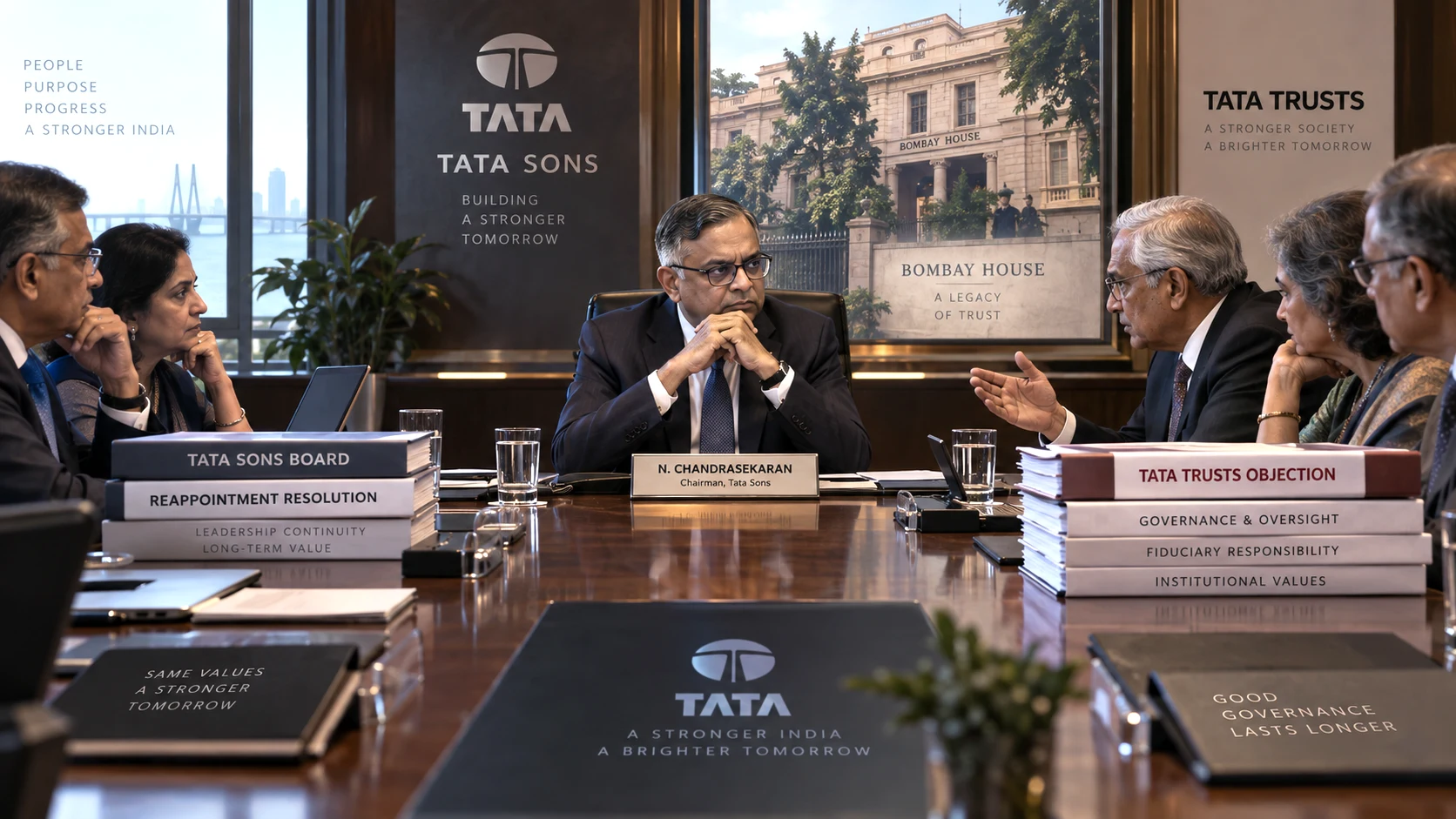
Tata Trusts has intensified its challenge to N. Chandrasekaran’s third term as chairman of Tata Sons, declaring the September 17 board resolution invalid and arguing that the required support of its nominee directors was never obtained. Tata Sons’ board approved the reappointment by 4-1, setting up







0 Comments