BRICS Summit Day 1: Xi Jinping Arrives in New Delhi for First India Visit in Seven Years
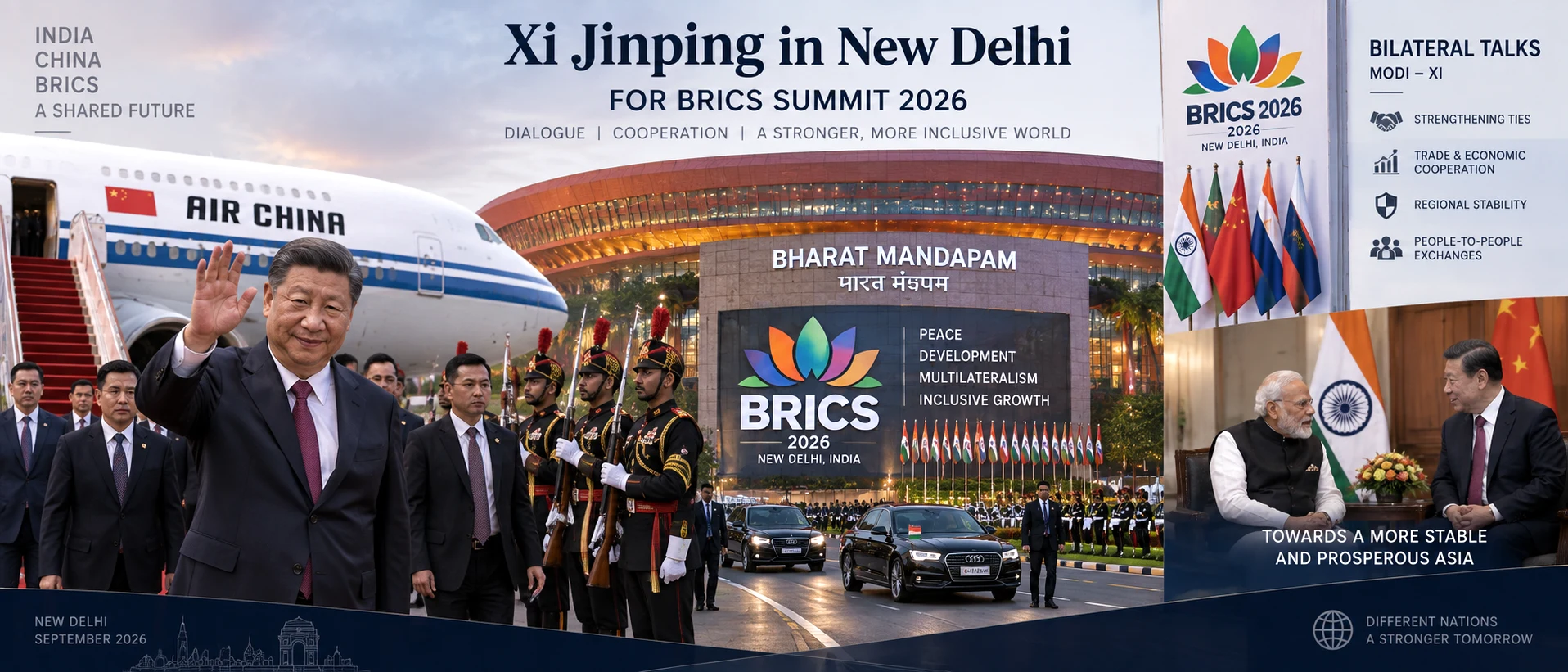
Chinese President Xi Jinping arrived in New Delhi for the 18th BRICS Summit, his first visit to India in nearly seven years, with bilateral talks with Prime Minister Narendra Modi scheduled for Saturday evening.
BRICS Summit Day 1: Xi Jinping Arrives in New Delhi for First India Visit in Nearly Seven Years
Chinese President Xi Jinping arrived in New Delhi on Saturday for the 18th BRICS Summit, beginning his first visit to India since 2019 and setting the stage for closely watched bilateral talks with Prime Minister Narendra Modi.
Xi received a red-carpet welcome after landing in the Indian capital. His visit comes as leaders of the expanded BRICS grouping gather in New Delhi for the September 12–13 summit at Bharat Mandapam under India’s 2026 chairship.
The diplomatic focus is now turning to the Modi-Xi bilateral meeting scheduled for Saturday evening. The talks come at a sensitive point in India-China relations, which have gradually improved after years of severe tension following the deadly 2020 border confrontation.
The summit itself is unfolding against a difficult international backdrop marked by wars, energy-security concerns, disruption to trade and transport networks, geopolitical tensions and continuing debate over reform of major global institutions.
Recommended Reading
Related Stories & In-Depth Guides
Curated editorial perspectives matching this topic.
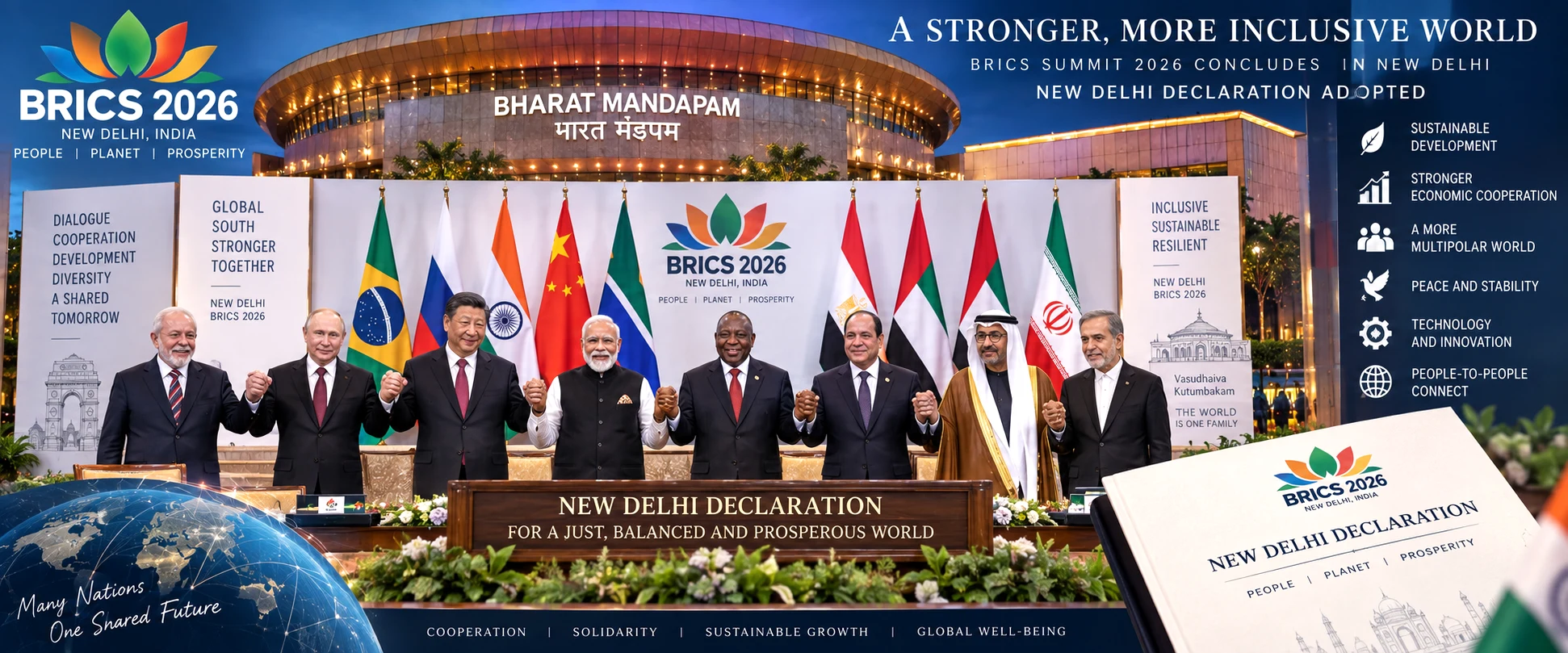
The 18th BRICS Summit concluded in New Delhi with leaders adopting the New Delhi Declaration by consensus, as India handed the chairship to China for 2027.
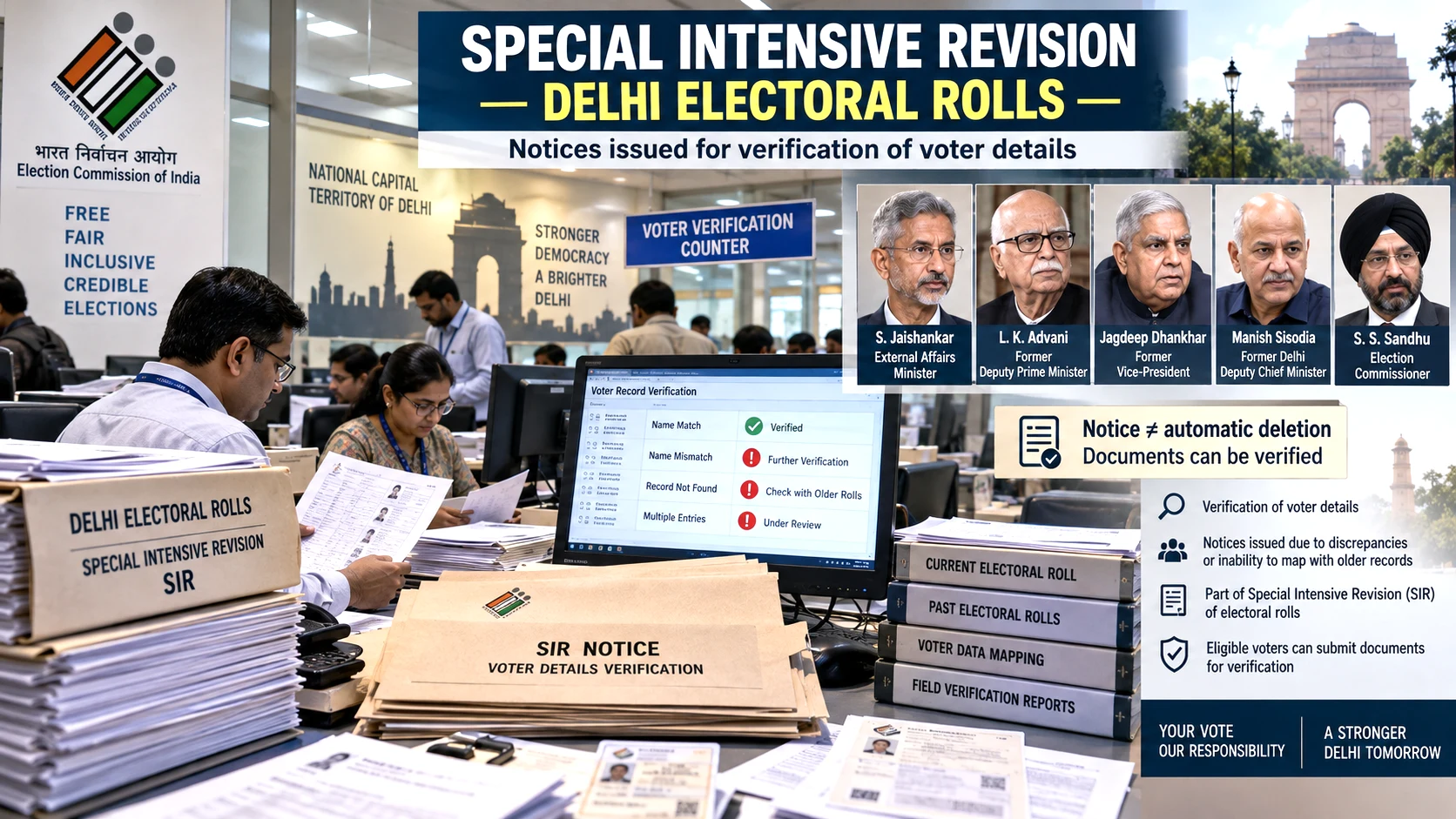
External Affairs Minister S Jaishankar, BJP veteran LK Advani, former Vice-President Jagdeep Dhankhar, former Delhi Deputy Chief Minister Manish Sisodia and several serving constitutional authorities, bureaucrats, politicians and public figures are among prominent Delhi electors issued notices durin
Key Takeaways
Chinese President Xi Jinping arrived in New Delhi on September 12 for the 18th BRICS Summit, his first visit to India since 2019.
Prime Minister Narendra Modi and Xi are scheduled to hold bilateral talks on Saturday evening.
India is hosting the two-day BRICS Summit at Bharat Mandapam on September 12–13 under its 2026 chairship.
BRICS currently comprises 11 member countries, including Saudi Arabia.
BRICS negotiators have reached agreement on a joint declaration, according to Reuters, with formal consideration by leaders expected during the summit.
Day 1 discussions are underway amid a broad agenda covering global governance, trade, investment, energy, technology and geopolitical tensions.
Delhi Traffic Police has introduced special traffic restrictions and diversions during the high-level gathering.
Xi Returns to India After Nearly Seven Years
Xi last visited India in October 2019, when he travelled to Mamallapuram near Chennai for an informal summit with Modi.
Relations between the two countries deteriorated sharply the following year.
The June 2020 Galwan Valley clash killed 20 Indian soldiers and four Chinese soldiers, marking the deadliest confrontation between the two sides in decades and pushing bilateral relations into a prolonged crisis.
A military standoff followed along the Line of Actual Control in eastern Ladakh, while India introduced tighter scrutiny of Chinese investments, technology companies and other areas of economic engagement.
India and China reached a disengagement agreement in October 2024, followed by the withdrawal of troops from remaining contested areas covered by that process by the end of the year.
Since then, diplomatic and economic engagement has gradually improved.
Direct flights have resumed, trade has recovered and communication between the two governments has increased.
However, significant military deployments remain along the disputed Himalayan frontier, and major strategic differences between the two countries have not disappeared.
Saturday’s Modi-Xi meeting will therefore be closely watched for signs of whether the cautious improvement in ties can produce further practical progress.
Modi-Xi Bilateral Talks Scheduled for Saturday Evening
Reuters reported that Modi and Xi are scheduled to hold bilateral talks on Saturday evening, citing a Chinese Foreign Ministry spokesperson.
It will be the third consecutive year in which the two leaders have met.
Ahead of Xi’s visit, Beijing said China was willing to work with India from a strategic and long-term perspective, appropriately manage differences and promote a more constructive relationship.
The meeting is diplomatically important, but expectations remain measured.
A high-level meeting does not mean the major disputes between India and China have been resolved.
Border stability remains central to the relationship, while trade, investment, market access, visas, technology restrictions and broader geopolitical competition continue to influence bilateral ties.
The significance of Saturday’s meeting will ultimately depend on any specific understandings or measures announced by the two governments.
Border Situation Remains Central to India-China Relations
The Line of Actual Control remains one of the most sensitive issues in India-China relations.
The 2020 confrontation led to years of military deployments and repeated rounds of diplomatic and commander-level talks.
The October 2024 disengagement agreement helped ease one of the most serious phases of the standoff and was followed by withdrawal from remaining contested areas covered by the agreement.
That created space for a gradual diplomatic thaw.
It did not, however, settle the broader India-China boundary dispute.
Both countries continue to maintain substantial military deployments along the disputed frontier, while disagreements remain over territory and regional security.
The two governments have continued military and diplomatic engagement aimed at reducing the risk of fresh confrontation and maintaining communication.
Any progress announced after the Modi-Xi meeting will therefore need to be assessed against the broader unresolved border dispute rather than viewed as a complete normalisation of relations.
Economic Ties Improve but Mistrust Remains
Economic relations between India and China remain extensive despite continuing political and security differences.
China remains an important source of goods and industrial components for India, while bilateral trade has recovered significantly from the period immediately following the 2020 confrontation.
At the same time, important barriers remain.
India continues to scrutinise Chinese investment in sectors considered sensitive to national security, while companies on both sides face regulatory, market-access and operational concerns.
Visa delays and other business restrictions have also complicated commercial engagement.
The resumption of direct flights and gradual diplomatic engagement are signs of improvement, but economic normalisation remains closely linked to political and security confidence.
The Modi-Xi talks could therefore provide an indication of whether both governments are prepared to take further steps towards easing economic friction.
BRICS Summit Underway at Bharat Mandapam
India is hosting the 18th BRICS Summit on September 12 and 13 in New Delhi.
The official theme of India’s 2026 chairship is:
“Building for Resilience, Innovation, Cooperation and Sustainability.”
BRICS leaders began their Day 1 discussions at Bharat Mandapam on Saturday.
Prime Minister Narendra Modi opened the summit with an emphasis on cooperation among emerging and developing economies and the need for their stronger participation in global governance.
The gathering brings together BRICS members at a time of significant geopolitical and economic uncertainty.
Trade, investment, energy, technology, food security, supply chains, international financial cooperation and conflicts affecting the global economy are among the major issues surrounding the summit.
Global governance reform is another central theme, reflecting longstanding BRICS calls for international institutions to better represent the economic and political weight of emerging economies and the Global South.
BRICS Now Comprises 11 Member Countries
BRICS has expanded substantially since its original formation.
According to the Indian government, the grouping now comprises 11 full members: Brazil, China, Egypt, Ethiopia, India, Indonesia, Iran, Russia, Saudi Arabia, South Africa and the United Arab Emirates.
Egypt, Ethiopia, Iran, Saudi Arabia and the UAE became full members as part of the major expansion that began in 2024, while Indonesia joined as the 11th full member in January 2025.
The larger grouping significantly increases BRICS’ demographic, economic and geographic reach.
It also makes consensus more complicated.
The member countries have different political systems, security interests, economic priorities and relationships with the United States, Europe and other major powers.
Some BRICS members maintain close relationships with Western countries, while others face Western sanctions or serious strategic disputes with Washington.
India itself maintains important ties across competing centres of global power.
New Delhi has developed a strategic partnership with the United States while preserving longstanding relations with Russia. It also maintains strong ties with Gulf countries, relations with Israel and diplomatic engagement with Iran.
India’s challenge as BRICS chair is therefore not simply to host the gathering, but to help find areas of agreement among a diverse group of governments.
Joint Declaration Agreed by Negotiators, Reuters Reports
One of the most closely watched outcomes of the summit is the proposed joint declaration.
Reuters reported on Saturday that BRICS negotiators had reached agreement on a joint declaration, citing four sources familiar with the negotiations.
The document was expected to be considered by BRICS leaders during the summit.
Reaching agreement at the negotiating level is significant because geopolitical divisions among member countries had complicated efforts to establish common language.
According to Reuters, one challenge involved finding wording acceptable to both Iran and the United Arab Emirates amid conflict and tensions in the Middle East.
The reported declaration is also expected to address international conflict and unilateral military action.
However, the precise wording should not be treated as final until the declaration is formally approved and published.
The distinction is important because agreement among negotiators and formal adoption by leaders are not the same stage of the diplomatic process.
Global Governance Reform Takes Centre Stage
Reforming international institutions remains one of the central themes of BRICS cooperation.
Member governments have repeatedly argued that existing institutions do not adequately reflect the growing economic and political weight of emerging and developing countries.
Discussions surrounding BRICS therefore frequently include reform of institutions such as the United Nations, International Monetary Fund and World Bank.
India has also continued to support reform of the United Nations Security Council and its longstanding case for permanent membership.
The broader objective is to increase the representation of emerging economies in international decision-making.
The challenge for BRICS is moving from broad agreement that reform is necessary to consensus on what specific reforms should look like.
That becomes more difficult as the grouping expands and incorporates countries with different strategic priorities.
Trade, Investment and Financial Cooperation in Focus
Economic cooperation remains another major part of the BRICS agenda.
Member countries are discussing ways to strengthen trade, investment and financial links while making cross-border transactions faster and less expensive.
Several BRICS governments have also supported greater use of national currencies in international trade.
That should not, however, be confused with an agreement to create a single BRICS currency.
There is currently no basis for treating discussions on local-currency trade, payment-system interoperability or digital-currency links as evidence that BRICS has agreed to replace the US dollar with one common currency.
India has also pushed for stronger intra-BRICS trade and better connections between payment systems.
For businesses, practical progress in areas such as payments, market access, regulatory procedures and supply chains could ultimately be more consequential than broader geopolitical declarations.
Energy Security Remains a Major Concern
Energy is another important issue surrounding the summit.
Several BRICS members are among the world’s major producers or consumers of oil and gas.
That gives the grouping a significant stake in the stability of global energy markets.
Wars and geopolitical tensions affecting shipping routes, oil supplies and maritime commerce can have direct consequences for energy-importing economies, including India.
New Delhi has consistently emphasised the importance of secure energy supplies and uninterrupted maritime trade.
The wider BRICS discussions therefore take place against concerns over energy prices, transport routes and the economic effects of geopolitical instability.
Technology, Innovation and Supply Chains on the Agenda
Technology and innovation also feature prominently in India’s BRICS agenda.
The summit is taking place alongside the BRICS Bharat Innovates Exposition at Bharat Mandapam.
The Indian government says the exposition features 37 Indian deep-tech innovators, showcasing technologies developed across India’s higher-education and innovation ecosystem.
The event is intended to connect innovators with investors, companies, universities, research organisations and other international stakeholders.
Technology cooperation is increasingly important for BRICS because member countries are seeking greater resilience in areas including digital infrastructure, advanced manufacturing, payments, supply chains and emerging technologies.
Differences among members over technology regulation, security and market access remain, but innovation has become an important area for practical cooperation.
Delhi Faces Major Security and Traffic Restrictions
The summit is also having an immediate impact on daily life in the national capital.
Delhi Traffic Police has issued special traffic advisories for the BRICS gathering, with diversions and regulated movement affecting important roads and corridors during VVIP movements.
Commuters have been advised to plan journeys in advance, allow additional travel time and use public transport — particularly the Delhi Metro — wherever possible.
Emergency and essential-service vehicles are being given priority passage.
Security has also been tightened around summit venues, hotels and routes used by visiting delegations.
With multiple heads of state, senior government officials and international delegations moving through Delhi, temporary travel disruption is expected around controlled areas.
Residents have been advised to follow current Delhi Traffic Police advisories rather than relying on normal routes and travel times.
Why Xi’s India Visit Matters
Xi’s return to India carries particular significance because of the difficult trajectory of India-China relations since 2020.
India and China are two major Asian economies, nuclear-armed neighbours and countries with a long-disputed border.
They also interact through several multilateral organisations, including BRICS and the Shanghai Cooperation Organisation.
Their relationship therefore combines cooperation, competition and strategic mistrust.
The 2020 border confrontation demonstrated how rapidly security tensions could damage broader diplomatic and economic engagement.
The cautious improvement since the 2024 disengagement agreement shows that both governments have reasons to prevent border tensions from permanently dominating the relationship.
But restoring confidence is likely to remain a gradual process.
The importance of Saturday’s bilateral meeting will depend less on ceremonial images than on whether it produces concrete progress on border management, diplomatic exchanges, economic engagement or other outstanding issues.
What to Watch on BRICS Day 1
Several developments remain particularly important as the first day of the summit continues.
The first is the Modi-Xi bilateral meeting and any official statements or agreements announced afterwards.
The second is whether BRICS leaders formally approve and publish the joint declaration reportedly agreed by negotiators.
The third is the language adopted by BRICS leaders on wars, geopolitical tensions, global governance, trade and economic cooperation.
The fourth is whether broad political commitments are accompanied by practical steps on payments, investment, technology, energy security or supply-chain cooperation.
For India, the summit is also an opportunity to demonstrate its ability to work simultaneously with countries whose geopolitical interests often differ sharply.
Xi Jinping’s first visit to India since 2019 has already made the summit particularly important for India-China diplomacy.
The next major test will be what Modi and Xi announce after their bilateral talks and what BRICS leaders formally agree during the New Delhi summit.
The Rajatheertha Team publishes news, explainers, guides and updates across India and the world. Our coverage follows Rajatheertha's editorial, verification and corrections standards.
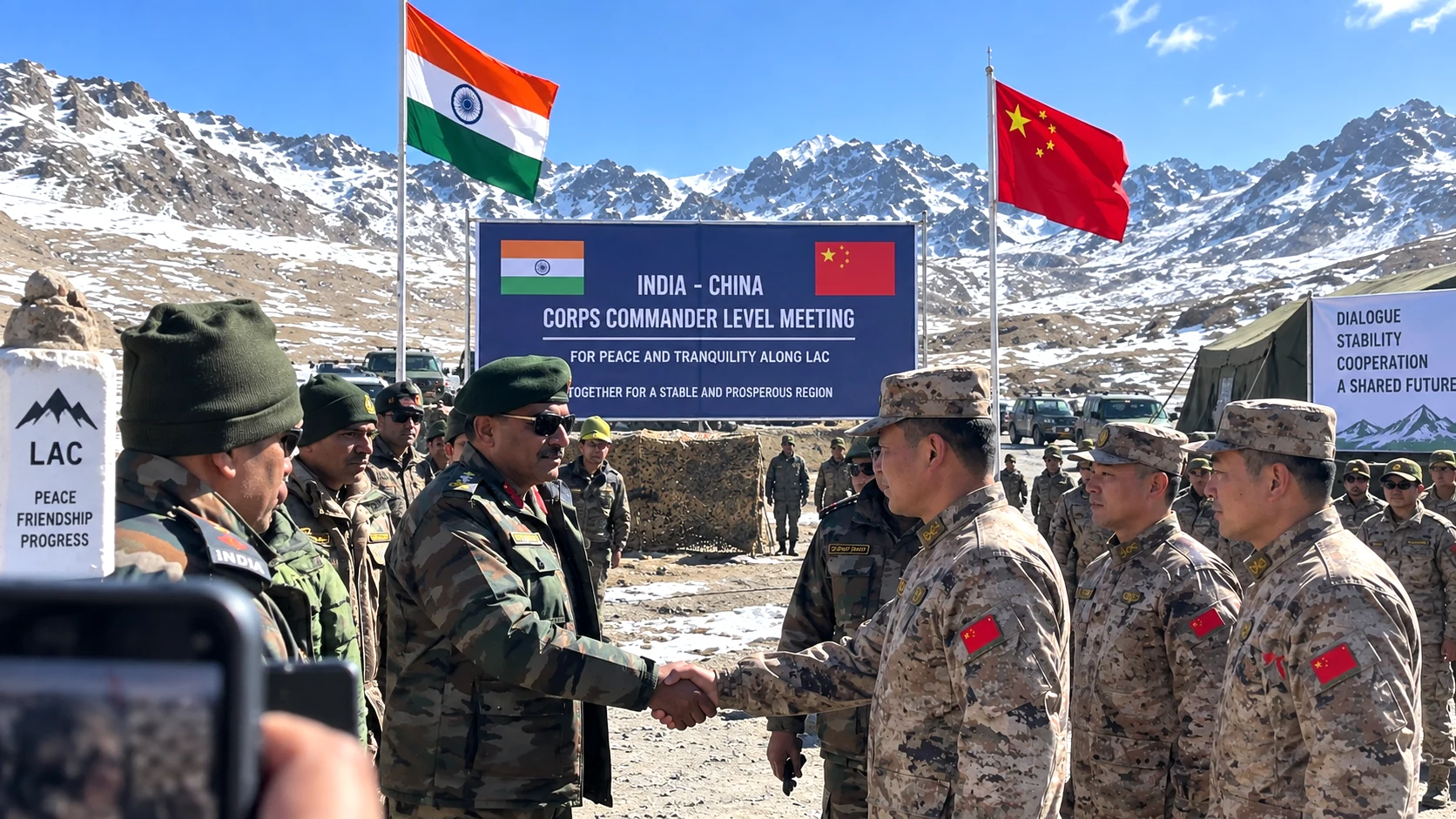
India and China held their first senior commander-level flag talks in the Arunachal sector ahead of the BRICS Summit, as Xi Jinping’s expected India visit draws attention.
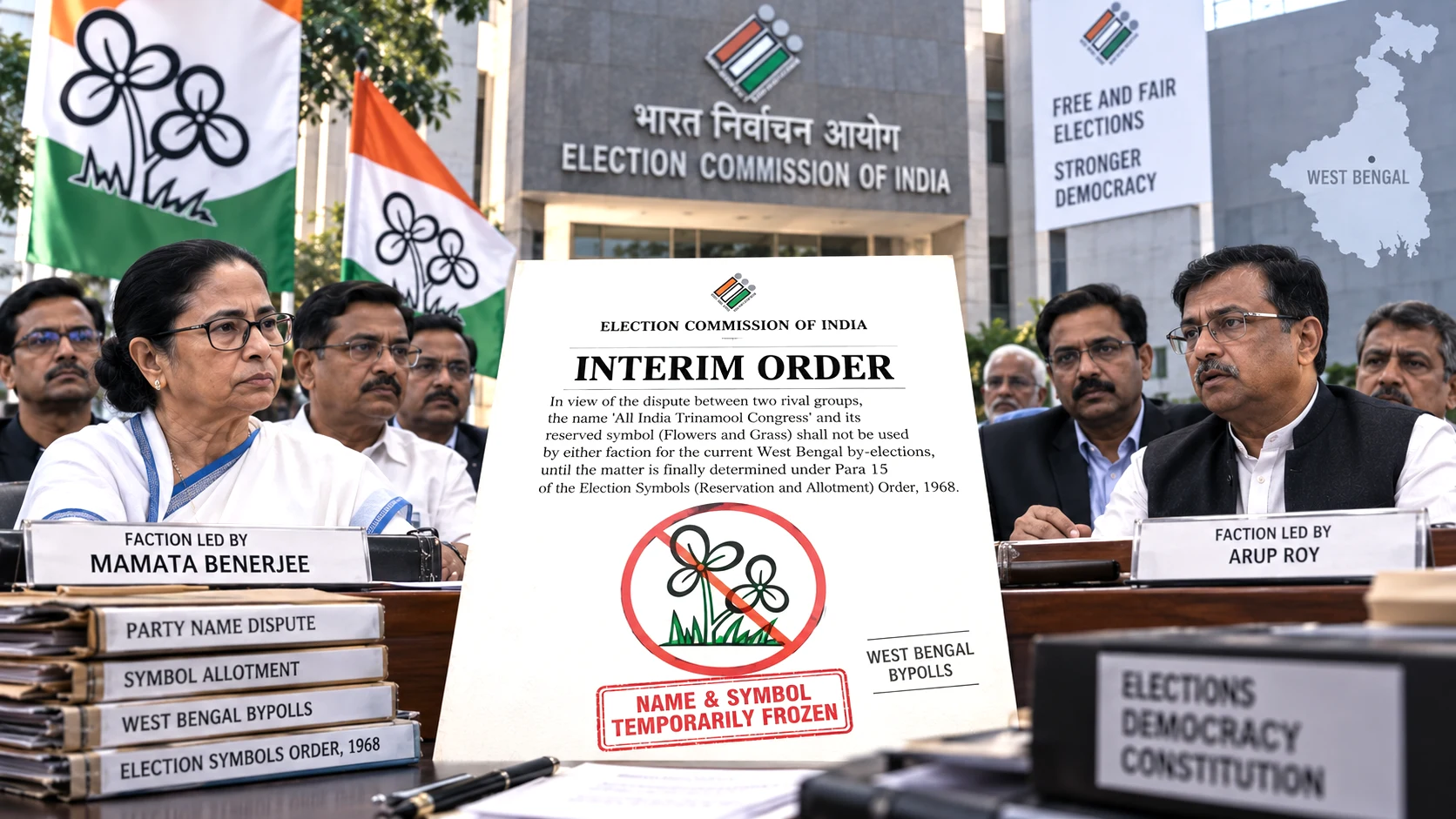
Neither the Mamata Banerjee group nor the rival faction formally represented before the Election Commission by Arup Roy can use the All India Trinamool Congress name or its reserved symbol in the October 6 bypolls. The order is temporary while the ECI decides the larger party-control dispute under P
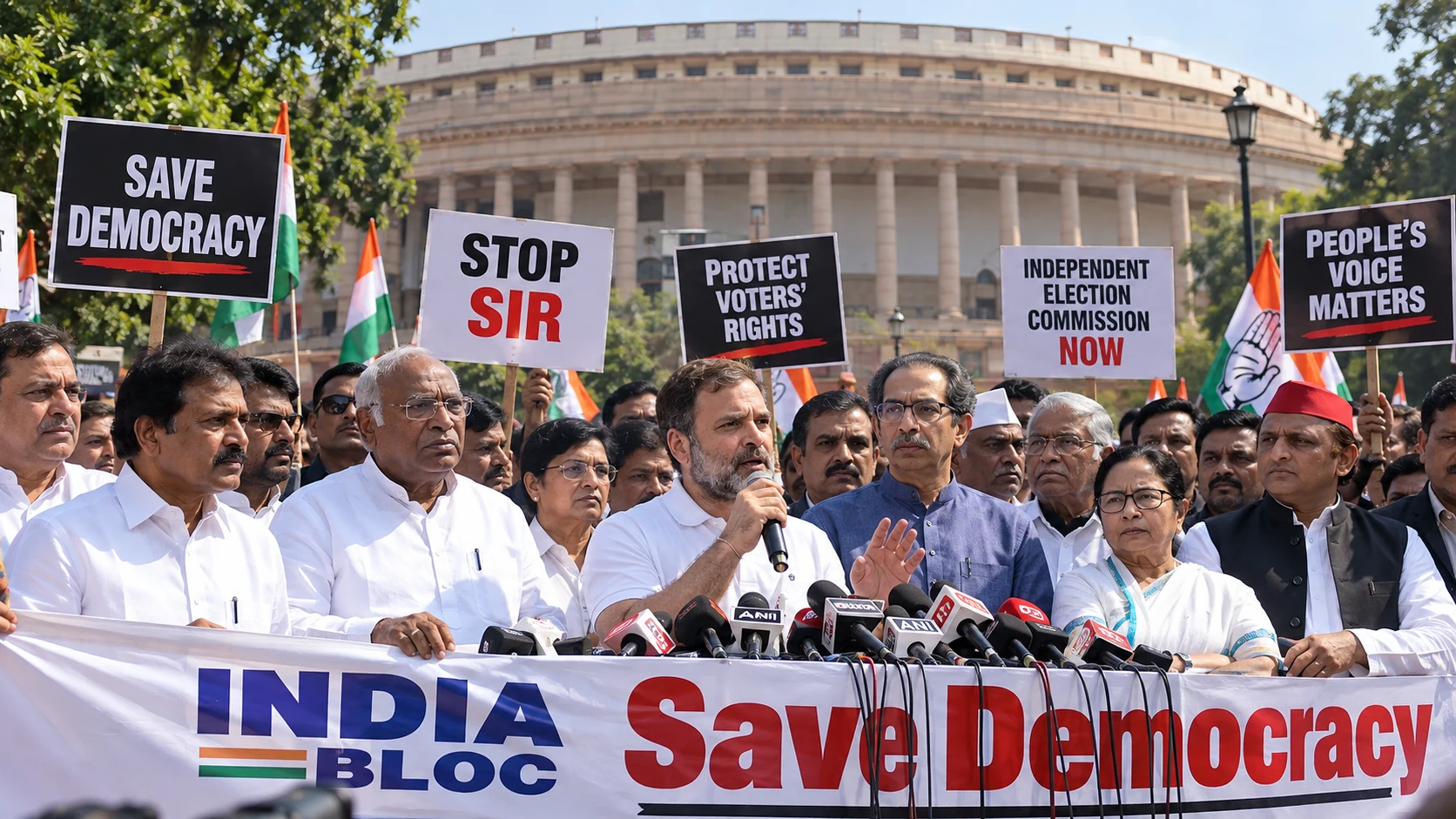
The INDIA bloc has announced nationwide “Save Democracy” marches from Oct. 2–8 over the Election Commission and SIR controversy, with MPs planning an Oct. 6 march to the EC. The BJP has rejected the allegations as political frustration after electoral defeats.
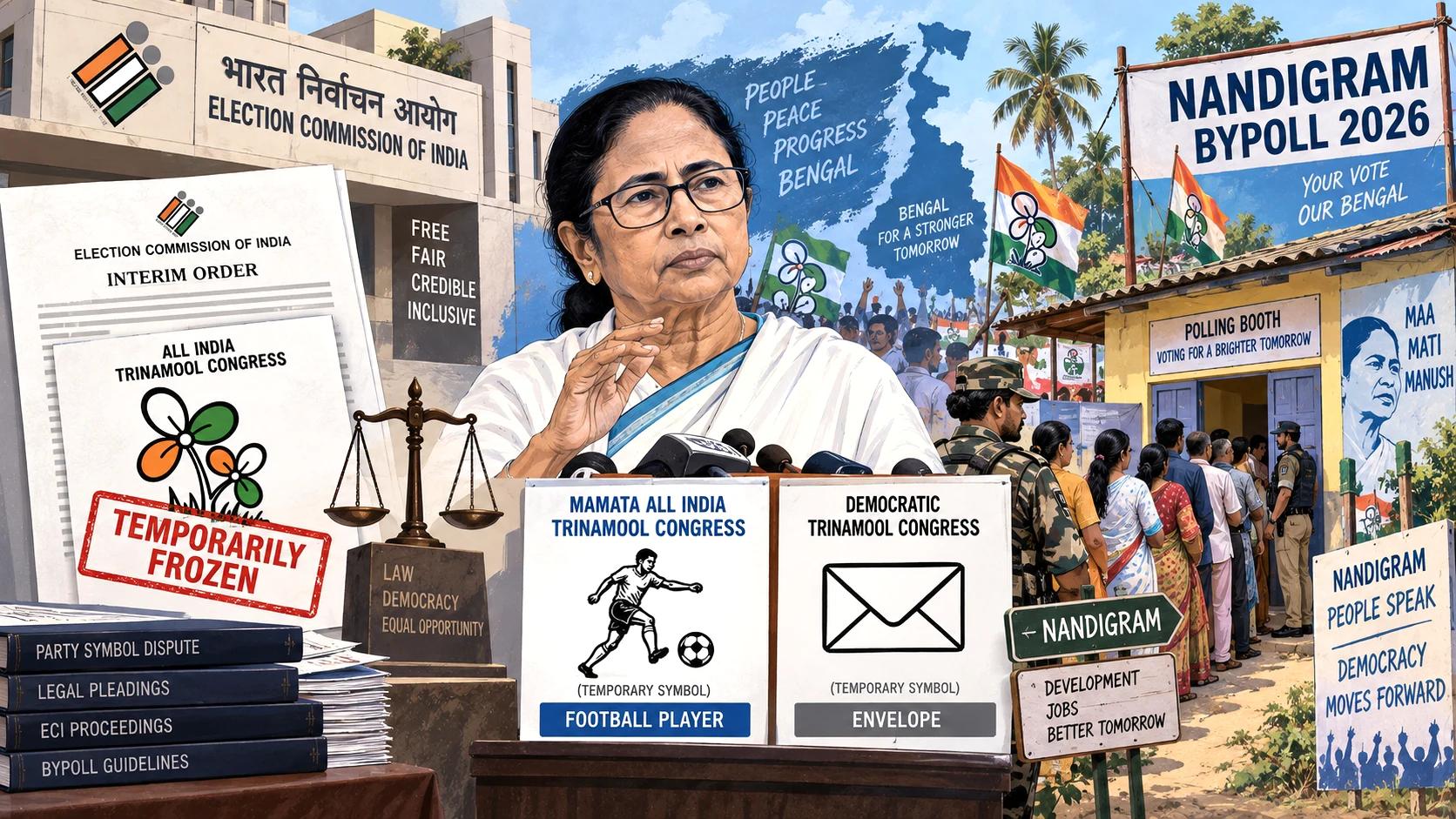
The Election Commission’s interim freeze on the Trinamool Congress name and ‘Flowers and Grass’ symbol has pushed rival factions to temporary identities. Mamata Banerjee has challenged the order in the Supreme Court, while the October 6 Nandigram bypoll has been further complicated by the withdrawal
India and Pakistan have summoned each other's diplomats after BSF personnel killed two Pakistani nationals along the Punjab border on October 2. New Delhi says they were infiltrators posing a security threat, while Islamabad says they were unarmed civilians.
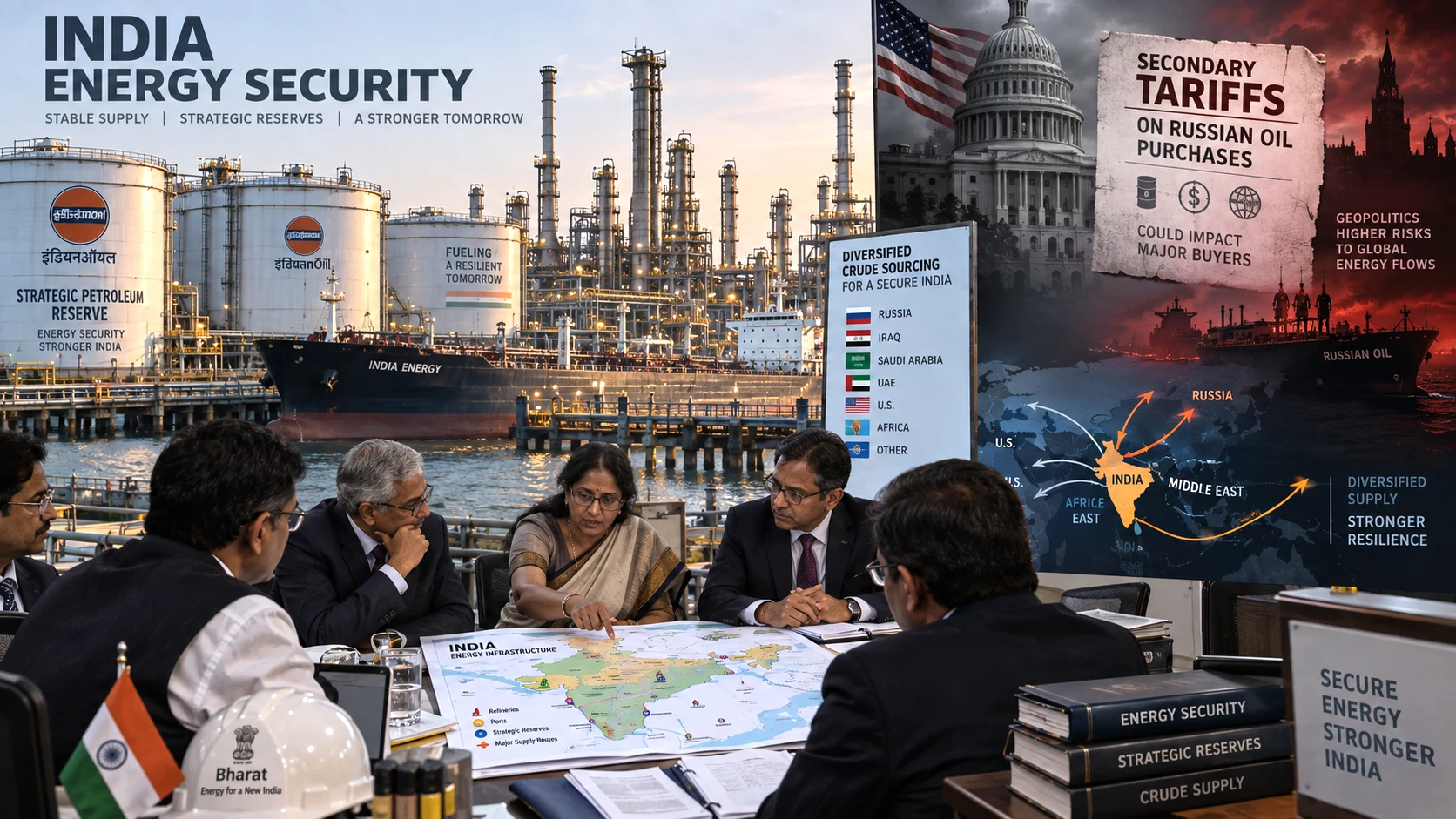
New Delhi says its oil sourcing will continue to be guided by energy security, market conditions and diversified supplies after the US Congress cleared legislation allowing President Donald Trump to impose tariffs of up to 100% on major buyers of Russian energy. The tariffs are not automatic, and th



0 Comments